Support

Skopje

About

Welcome to Skopje, the vibrant capital and largest city of Macedonia. Known for its eclectic mix of architectural styles and rich cultural tapestry, the city serves as a fascinating bridge between the East and the West. It is a place where ancient history seamlessly blends with modern urban life, creating a unique atmosphere that intrigues travelers from around the world.
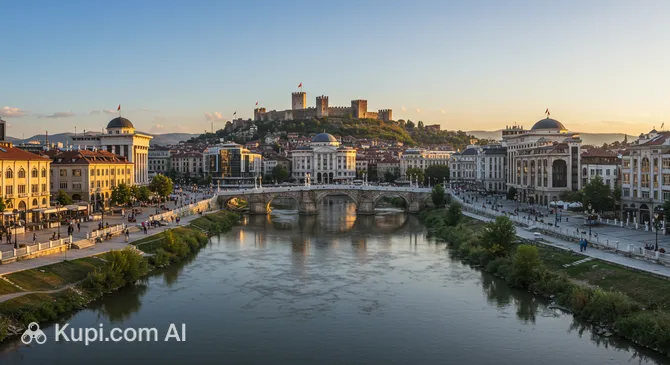
Skopje. Source: Kupi.Binoculars

Situated along the banks of the Vardar River and surrounded by picturesque mountains, Skopje is the political, cultural, and economic heart of the nation. With a population of approximately 640,000 residents, it is a bustling metropolis that still retains a welcoming, local charm. The city enjoys a continental climate, characterized by warm summers and cool winters, making it a year-round destination for exploration.

The history of Skopje is deep and complex, spanning over two millennia of Roman, Byzantine, and Ottoman influences. Visitors can witness this heritage firsthand at the iconic Stone Bridge, a symbol of the city that connects the modern center with the historic Old Bazaar. As one of the oldest and largest marketplaces in the Balkans, the bazaar offers a labyrinth of cobblestone streets filled with traditional craft shops, tea houses, and mosques.

For panoramic views, a visit to the Kale Fortress is essential. Perched on a hill overlooking the city, it provides a stunning vantage point to appreciate the city's layout and surrounding natural beauty. Whether you are admiring the numerous statues that dot the city center or enjoying the local hospitality, Skopje offers a memorable experience that invites you to discover its many secrets.
Weather Overview

Understanding the local climate is key to packing the right gear for your trip. The city generally experiences a continental climate, meaning you can expect warm summers with occasional rain and cold, dry winters. To help you plan your activities day by day, it is helpful to consult the detailed guide on the weather in Skopje before you travel.

The summer months of July and August are typically the warmest, offering ideal conditions for sightseeing if you enjoy the heat. Average temperatures during this time hover around 22.8°C, with daytime highs often reaching approximately 29°C. While these months see fewer rainy days compared to spring, with about 8 to 9 wet days on average, it is still wise to carry light sun protection.

Winters transform the city with much cooler air. January is usually the coldest month, where the average temperature drops to around 1.0°C and minimums can dip to -3.1°C. If you are visiting in late spring, particularly in May and June, be prepared for more frequent showers; these months typically record the highest number of wet days, averaging about 14 days with precipitation.

Interesting Facts

Beyond the main attractions, Skopje holds many fascinating secrets and unique traits that surprise even seasoned travelers. Here are a few intriguing details that make the city truly one of a kind.

  • Skopje is the birthplace of one of the 20th century's most revered figures, Mother Teresa. Born Agnes Gonxha Bojaxhiu in 1910, her legacy is honored at the unique Mother Teresa Memorial House, built on the very site of the church where she was baptized.

  • The city is home to a clock that has been frozen in time for over half a century. Located on the façade of the former railway station, which now houses the Museum of the City of Skopje, the clock hands remain stopped at 5:17 AM, the exact moment a devastating earthquake struck the city in 1963.

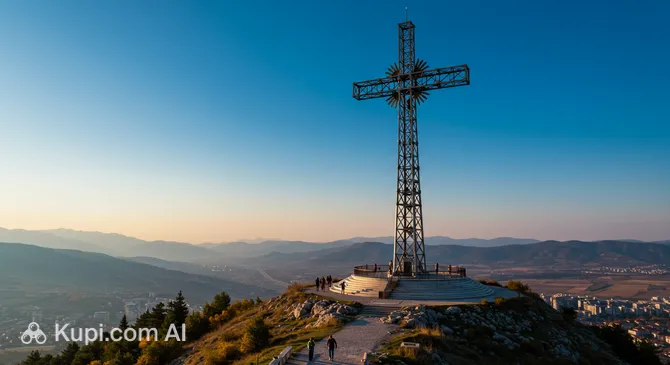
  • Perched atop Vodno Mountain, the Millennium Cross stands at a staggering 66 meters high. It is one of the tallest crosses in the world, famously towering over the Christ the Redeemer statue in Rio de Janeiro, and serves as a beacon visible from every corner of the capital.

  • The Old Bazaar in Skopje is widely cited as the second-largest bazaar of its kind in Europe, surpassed only by the Grand Bazaar in Istanbul. It has served as the city's center of commerce and trade since the 12th century, surviving multiple wars and earthquakes.

Millennium Cross. Source: Kupi.Binoculars

How to Get There

Reaching the capital of Macedonia is relatively straightforward, with several options available depending on your starting point. Whether you prefer flying or taking an overland route, the city is well-connected to the region. You can find more about how to get to Skopje and plan your journey in detail to suit your itinerary.

The most direct and convenient entry point is the Skopje Alexander the Great Airport (SKP), which serves as the primary international gateway. Located just 16.7 km from the center, it welcomes travelers from numerous destinations. A taxi or shuttle bus ride to the downtown area typically takes around 45 minutes. For those looking for alternative flight options, Pristina International Airport (PRN) is another significant hub. Situated in the city of Pristina, approximately 71.5 km away, it is a large airport that offers various connections. Traveling from Pristina to Skopje by road generally takes about 2 hours.

For clarity, here is a summary of the main airports:

Airport Name City Passenger Traffic Km from City
Pristina International Airport Pristina High 71.5
Skopje Alexander the Great Airport Skopje High 16.7
Nis Constantine the Great Airport Nis Medium 152.8
Ohrid Airport Ohrid Medium 107.2
Kukes Zayed Kukes Small 83.8

Regarding rail travel, the available data highlights the Thessaloniki Railway Station as a nearby regional option. It is located in the city of Thessaloniki, approximately 196.1 km from Skopje. Travelers arriving here would need to arrange a transfer by bus or taxi to complete their journey to the Macedonian capital, which can take around 5 hours.

Below is the information for the railway station:

Station City Passenger Traffic Km to Center
Thessaloniki Railway Station Thessaloniki 196.1

Main Attractions

While the Stone Bridge and Old Bazaar are often the first stops for visitors, the city boasts several other significant landmarks that define its character. Exploring these sites offers a deeper understanding of the local culture, ranging from grand public spaces to spiritual centers.

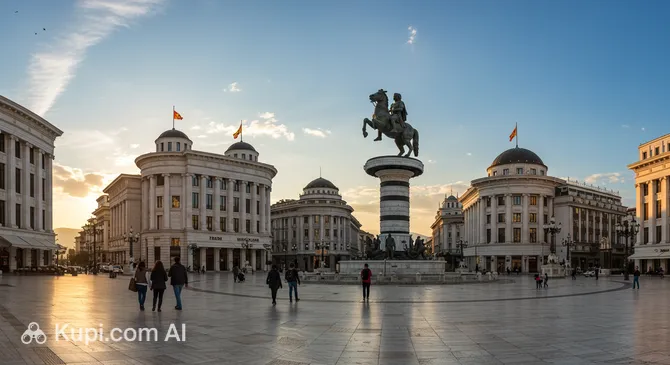
The heart of the modern city is Macedonia Square. This vast open space is the focal point of the city's recent urban renewal and serves as the main gathering spot for locals and tourists alike. Dominated by a colossal central statue and surrounded by elaborate neoclassical facades, the square is perfect for an evening stroll to soak in the lively atmosphere and watch the fountain light shows.

Macedonia Square. Source: Kupi.Binoculars

Just a short walk from the river, the Museum of the Macedonian Struggle stands as a prominent cultural institution. Visitors are drawn here to explore the complex history of the nation's path to statehood. The museum features an extensive collection of wax figures, paintings, and maps that narrate historical events, offering an immersive educational experience regarding the region's past.

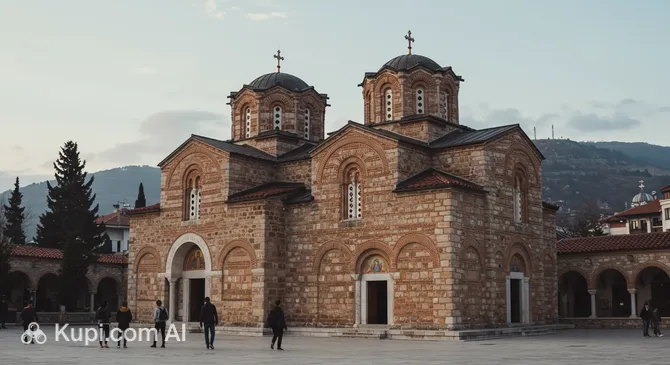
For a striking example of modern religious architecture, the Church of St. Clement of Ohrid is a must-visit. Completed in 1990, this Orthodox cathedral is renowned for its unique rotunda design composed of domes and arches, distinct from traditional Byzantine styles. Inside, the massive chandelier and vibrant frescoes create a serene and awe-inspiring environment for worshippers and admirers of art.

Church of St. Clement of Ohrid. Source: Kupi.Binoculars

Overlooking the historic district stands the elegant Mustafa Pasha Mosque. Built in 1492, it remains one of the most beautiful Islamic monuments in the country, having survived centuries of turmoil largely intact. Its peaceful rose garden and the intricate decorations of the interior provide a tranquil escape from the bustling streets below, while its location offers excellent views of the surrounding area.

Local Cuisine

Local Cuisine:

The gastronomic scene in Skopje is a delicious reflection of its rich history, blending hearty Balkan traditions with Mediterranean freshness and centuries of Ottoman influence. The local cuisine is characterized by an abundance of organic vegetables, dairy products, and high-quality meats. In this city, eating is a leisurely ritual, often accompanied by live music and lively conversation.

A visit to Skopje is incomplete without tasting Tavče Gravče, widely regarded as the national dish. This savory meal consists of white beans slow-cooked in a traditional earthenware pot with onions, dried peppers, and spices. Another culinary staple is Kebapi, small grilled minced meat sausages served with warm flatbread and chopped onions. These are best enjoyed with a side of Ajvar, a famous roasted red pepper and eggplant spread that is a source of immense local pride. For a distinct regional treat, try Pastrmajlija, an oval-shaped bread dough topped with cubed meat and sometimes an egg, often described as a Macedonian variation of pizza.

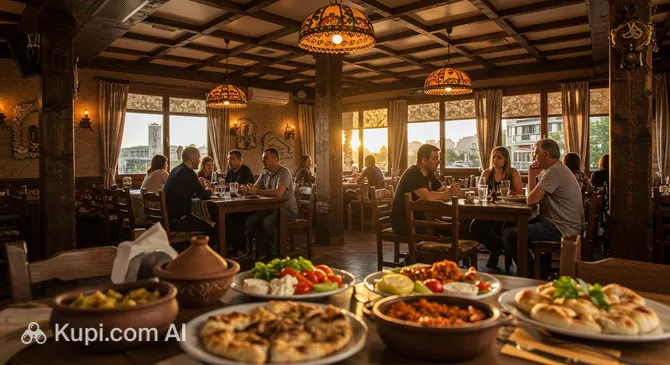
Skopski Merak. Source: Kupi.Binoculars

When it comes to beverages, the city has a vibrant coffee culture, with cafes bustling from morning until late evening. Traditional Turkish coffee is a favorite choice, often served with a piece of lokum (Turkish delight). For alcoholic drinks, the meal typically begins with a glass of Rakija, a potent fruit brandy usually made from grapes or plums. Wine lovers should not miss the chance to try the local Vranec, a robust red wine made from an indigenous grape variety that pairs perfectly with the region's meat-heavy dishes.

Dining options in the city range from quick street food to the beloved institution of the kafana—a traditional tavern. Kafanas are the heart of social life here, offering authentic dishes and a warm atmosphere. Places like Skopski Merak are popular for their extensive menus of grilled specialties and rustic ambiance. Similarly, Kafana Rustikana provides a cozy setting to enjoy home-style cooking. For a more casual bite, the cobblestone streets of the Old Bazaar are lined with eateries serving fresh burek (flaky pastry filled with meat or cheese) and sizzling kebabs, perfect for fueling your exploration of the city.

Travel Tips

To help you navigate the unique blend of history and modernity in Skopje, we have compiled a list of practical advice. These tips are designed to ensure your visit to the capital of Macedonia is as smooth and enjoyable as possible, allowing you to focus on the sights and sounds of this fascinating city.

  1. Clothing and Gear: The city experiences distinct seasons, so pack accordingly. Summers can be scorching, requiring light, breathable fabrics and sun protection, while winters are often cold and may require heavy coats and scarves. Comfortable walking shoes are a must, especially for navigating the uneven cobblestones of the Old Bazaar. If you plan to visit religious sites like the Mustafa Pasha Mosque or Orthodox churches, dress modestly; covering shoulders and knees is respectful and often required.

  2. Transportation: The city center is compact and best explored on foot. For longer distances, the public transport system consists of iconic red double-decker buses. You cannot pay with cash on the bus; you must purchase a reloadable Skopska card from kiosks or dedicated ticket offices. Taxis are plentiful and affordable, but always ensure the driver turns on the meter at the start of the ride or use a reputable taxi app to avoid overcharging.

  3. Finances: The official currency is the Macedonian Denar (MKD). While credit cards are widely accepted in shopping malls, hotels, and larger restaurants, cash is king in smaller shops, bakeries, and the Old Bazaar. ATMs are easy to find throughout the city. Tipping is not mandatory but is highly appreciated; leaving around 10% of the bill in restaurants or rounding up the fare for taxi drivers is a common gesture.

  4. Health and Safety: Skopje is generally a very safe city for tourists. Pharmacies, known as Apteka, are widespread, and there are several 24-hour options in the center for minor health needs. Tap water is safe to drink, though many locals and tourists prefer bottled water for the taste. You may notice stray dogs around the city; they are usually tagged, vaccinated, and harmless, but it is best to leave them be.

  5. Communication: The official language is Macedonian, written in the Cyrillic alphabet. However, English is widely spoken, especially by younger generations and in the hospitality sector. It is helpful to learn a few basic words like Zdravo (Hello) and Fala (Thank you). Wi-Fi is available in almost every cafe and restaurant. For constant connectivity, you can easily buy a prepaid SIM card from local providers like Makedonski Telekom or A1 at the airport or city kiosks.

  6. Local Etiquette: Macedonians are incredibly hospitable and friendly. Coffee culture is a huge part of daily life; locals can spend hours sipping a single coffee and chatting. If you are invited to someone's home, it is polite to bring a small gift, such as coffee, sweets, or wine. When greeting, a handshake is standard, while close friends often greet with a hug or kisses on the cheek.

  7. What to Avoid: Avoid taking photos of people, especially in religious or traditional areas, without asking for permission first. Additionally, do not rely solely on high-denomination banknotes; small shops and taxi drivers often struggle to make change for large bills, so keep smaller denominations handy.

  8. Sunday Closures: Keep in mind that many shops, particularly smaller boutiques and grocery stores, may have reduced hours or be closed entirely on Sundays. However, the large shopping malls and most restaurants in the city center remain open and busy throughout the weekend.

Armed with these practical tips, you are ready to immerse yourself in the local culture and explore everything Skopje has to offer. From its historic streets to its lively cafe scene, a little preparation will go a long way in making your Macedonian adventure truly unforgettable.

Entertainment & Nightlife

Entertainment and Nightlife:

When the sun sets, Skopje transforms into a bustling hub of energy and excitement. The city's nightlife scene is surprisingly diverse, catering to everyone from those seeking a quiet glass of wine to party-goers looking to dance until dawn. The atmosphere is generally welcoming and unpretentious, with a mix of Balkan passion and modern European trends.

The epicenter of the local social scene is often found in the Debar Maalo neighborhood. Known as the bohemian quarter, its tree-lined streets are packed with bars and cafes that spill out onto the sidewalks, creating a lively buzz. Another popular area is the river embankment, or the "Kej," where a row of venues offers stunning views of the Vardar River and the illuminated Stone Bridge. This area is perfect for bar-hopping, as many of the most popular spots are located right next to each other.

For those looking to experience the trendy side of the city, Intermezzo Music Bar is a top choice. It is famous for its stylish decor, outdoor summer garden, and vibrant parties that attract a fashionable crowd. If you prefer a venue that combines dining with evening entertainment, Bella Vista Lounge Bar & Restaurant on the river quay offers a relaxed setting that gradually turns into a lively party spot with live music or DJ sets as the night progresses.

Intermezzo Music Bar. Source: Kupi.Binoculars

Travelers seeking a more alternative or artistic vibe should head to Café Kotur. Located in the city center, this venue often hosts film screenings, jazz nights, and eclectic DJ performances in a retro-inspired setting. It is a great place to meet locals and enjoy a more laid-back cultural experience.

Practical Advice: The nightlife in Skopje starts relatively late. Bars typically get busy around 10:00 PM, while clubs reach their peak after midnight. The dress code is generally smart-casual; locals like to dress up for a night out, but it is rarely overly formal. Prices are very affordable compared to Western European capitals, with beers and cocktails costing significantly less. To get around, taxis are the most convenient option at night. It is best to call a reputable company or use an app rather than hailing one off the street to ensure a fair price.

Safety: The city is safe for night walks, especially in the center and well-lit areas like the main square and the river quay. However, as in any major city, it is wise to stay aware of your surroundings and keep an eye on your belongings in crowded places.

During the day, the entertainment options are equally engaging. Families and nature lovers can visit the Skopje Zoo, located next to the expansive City Park. This green oasis is perfect for picnics, jogging, or simply escaping the urban rush. For sports enthusiasts or those attending large concerts, the Boris Trajkovski Sports Center is the main arena hosting major events throughout the year.

Parks & Museums

Beyond its bustling squares and historic monuments, the capital of Macedonia offers a refreshing array of green spaces and intellectual treasures. The city's layout allows for an easy transition from urban exploration to relaxing nature walks, while its museums provide a profound look into the artistic and historical resilience of the nation.

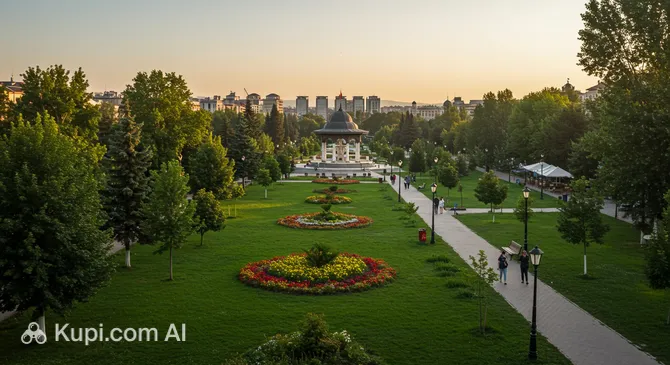
For a breath of fresh air right in the city center, the City Park (Gradski Park) is the favorite escape for locals. Spanning a vast area, this lush oasis features winding paths, small lakes, and ancient trees that provide welcome shade during the summer months. It is a perfect spot for jogging, picnics, or simply observing local life. Within the park's vicinity, you will also find the Skopje Zoo, making it an ideal destination for families or anyone looking to enjoy a leisurely afternoon surrounded by nature.

Those seeking a more rugged natural experience should head towards Vodno Mountain. While the Millennium Cross at the summit is a well-known landmark, the mountain itself offers numerous hiking trails and fresh alpine air just minutes from the downtown area. "Sredno Vodno," the middle point of the mountain, is a popular gathering spot where visitors can relax before taking the cable car to the top for panoramic views of the entire valley.

City Park. Source: Kupi.Binoculars

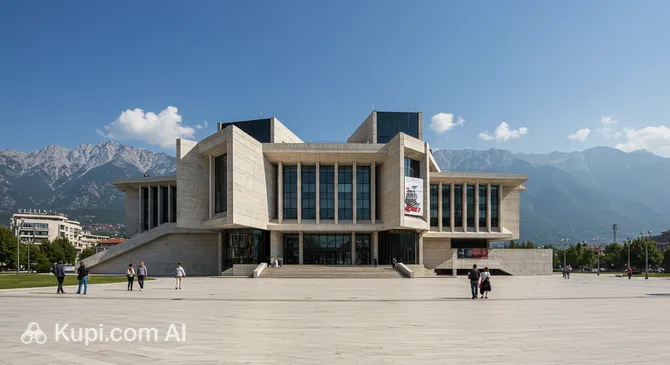
The cultural landscape of the city is equally impressive, with institutions that tell stories of solidarity and heritage. The Museum of Contemporary Art Skopje is a symbol of international support; built after the 1963 earthquake, it houses a collection of works donated by artists from around the world, including Picasso and Calder. Perched on a hill near the fortress, the museum not only displays exceptional art but also offers one of the best vistas of the city skyline.

In the heart of the Old Bazaar, art and history converge at the National Gallery – Čifte Hammam. Housed in a beautifully preserved 15th-century Ottoman bathhouse, this gallery provides a unique atmospheric setting for temporary exhibitions and classical art. The contrast between the stone domes of the ancient structure and the artworks within creates a mesmerizing visual experience that highlights the city's ability to repurpose its heritage.

Museum of Contemporary Art Skopje. Source: Kupi.Binoculars

Among the newer architectural landmarks, the Porta Macedonia stands out as a triumphal arch situated near the main square. Dedicated to 20 years of Macedonian independence, it features relief carvings depicting scenes from the country's history. Visitors can often climb to the roof of the arch for a different perspective of the city center's layout.

For a truly authentic experience, consider taking a short trip to the nearby Matka Canyon. Although just outside the city limits, it is a beloved weekend retreat for locals, offering boat rides through the canyon and visits to hidden caves, providing a serene counterpoint to the city's dynamic energy.

Getting Around

Getting around Skopje is relatively simple, as the city center is compact and pedestrian-friendly. For longer distances, the public transport system relies entirely on an extensive bus network operated by the public enterprise JSP Skopje and several private companies. There is no metro, tram, or trolleybus system in the city. A unique feature of the local streets is the fleet of retro-style red double-decker buses, which were introduced to resemble the city's public transport from the 1950s and give the capital a distinctive look reminiscent of London.

The payment system for public buses is fully modernized and cashless. You cannot pay the driver with cash. Instead, you must purchase a contactless smart card known as the "Skopska" card. These cards can be bought and topped up at dedicated green kiosks (JSP ticket offices) located near major bus stops and in the city center. There is also a mobile app available that allows you to pay for tickets using a smartphone, typically by charging the cost to your mobile phone bill if you have a local SIM card.

For tourists, the most practical advice is to buy a non-personalized "Skopska" card upon arrival if you plan to use the bus frequently. The card itself costs a small fee, and a single ride is very affordable, typically costing around 35 to 40 MKD. You must validate your card by tapping it on the electronic readers located near the entrance of the bus immediately upon boarding. Buses generally operate from early morning, around 5:00 AM, until midnight. Night buses exist but run on a much more limited schedule and often require a separate or slightly higher fare.

A special highlight of the city's transport infrastructure is the Millenium Cross Cable Car (Žičara). While primarily a tourist attraction rather than a commuter route, it is an essential part of the transit experience. The cable car runs from Sredno Vodno (Middle Vodno) to the top of the mountain, offering spectacular views of the valley. It is important to note that the cable car usually does not operate on Mondays and the last ride down varies by season, so it is wise to check the schedule before heading up.

If you prefer more direct and private transportation, taxis are a popular and reasonably priced alternative. Official taxis are usually white or yellow and clearly marked with a company name and number. They are required to use a meter, so always ensure it is switched on when you start your journey to avoid negotiating fares. Ride-hailing apps are not as dominant here as in other European capitals, so calling a dispatch center or hailing a marked taxi from a stand is the standard way to get a ride.

For short distances within the central area, walking is often the best option, allowing you to easily navigate between the stone bridges and monuments. Bicycle rentals are becoming increasingly available, with dedicated paths developing along the river Vardar, offering a scenic and active way to explore the city's flat terrain.

Accommodation

Where to Stay:

Finding the perfect place to stay in Skopje is relatively easy, as the city offers a diverse array of accommodation options suited to every traveler's budget and preference. Whether you are a backpacker looking for a lively hostel, a family seeking the comfort of a serviced apartment, or a luxury traveler desiring full-service amenities, the capital has plenty to offer. In recent years, the hospitality sector has grown significantly, introducing modern facilities while maintaining the city's characteristic warm hospitality.

For those who want to be in the heart of the action, the city center near Macedonia Square is the most convenient location. Staying here places you within walking distance of major landmarks like the Stone Bridge and various museums, making it an ideal base for first-time visitors. If you prefer a more historic and atmospheric setting, the area around the Old Bazaar offers charming boutique hotels nestled among cobblestone streets. Alternatively, the Debar Maalo neighborhood is an excellent choice for food lovers and those who enjoy a vibrant nightlife, as it is packed with popular restaurants and cafes.

Travelers will generally find accommodation in Skopje to be very affordable compared to many other European capitals. Budget travelers can find well-rated hostels and guesthouses for a fraction of the cost found elsewhere. Mid-range hotels provide excellent value, often including breakfast and modern amenities. Even luxury stays are relatively accessible, allowing visitors to enjoy high-end services without breaking the bank.

While it is often possible to find a room upon arrival, it is highly recommended to book your accommodation in advance, especially if you plan to visit during the peak summer months or around major holidays. Most properties are listed on major international booking platforms, making it easy to secure your stay online. However, for smaller guesthouses or private apartments, checking reviews and booking early ensures you get the best location and quality for your trip.

Nearby Cities

For those looking to explore the surroundings, Skopje serves as an excellent base for day trips to several interesting nearby locations:

City Population Distance (km)
Tetovo 142030 38
Kumanovo 70842 29
Ilinden 70000 12
Veles 43716 43
Gostivar 35847 48

One of the most culturally rich destinations for a short trip is Tetovo. Located at the foot of the Šar Mountains, it is renowned for the unique Painted Mosque (Šarena Džamija), which features bright floral decorations on its exterior and interior, distinguishing it from traditional Ottoman architecture. The city also houses the Arabati Baba Tekke, a serene complex that offers insight into the Bektashi Order's history in the region.

Another fascinating option is Veles, a city with a rich history situated on the banks of the Vardar River. Known as a city of poets and culture, Veles features distinctive traditional architecture climbing up the steep hillsides. Visitors can explore the Kosturnica Memorial, a striking modernist monument, and enjoy the relaxed pace of life in this old merchant town.

Kumanovo, located just a short drive to the northeast, is a bustling hub that mixes industrial heritage with historical sites. It is often visited as a starting point for excursions to the nearby Kokino Megalithic Observatory, one of the oldest astronomical sites in the world. The city itself offers a lively center and significant monuments from the World War II era.

These nearby destinations offer a glimpse into the diverse culture and landscapes of the region.

Shopping & Souvenirs

Shopping in Skopje is a delightful experience that mirrors the city's overall character: a harmonious blend of the traditional and the ultra-modern. Visitors can spend their morning bargaining for handmade crafts in centuries-old alleyways and their afternoon browsing international fashion brands in contemporary, air-conditioned complexes. Whether you are looking for unique local souvenirs or standard high-street items, the capital offers a wide range of options to suit every taste and budget.

The main artery for casual shopping and window browsing is Macedonia Street. This pedestrianized promenade stretches from the Old Railway Station to the main square, lined with a variety of boutiques, bookstores, and souvenir shops. It is the perfect place to enjoy a leisurely walk, with plenty of cafes available for a break between stores. As you move towards the river, the shopping landscape shifts from modern retail to more specialized local vendors.

For a comprehensive modern shopping experience, the city boasts several large malls. Skopje City Mall is the premier destination, located in the Karposh district. It houses a vast selection of international clothing brands, a cinema multiplex, and a bowling alley, making it a popular spot for both shopping and entertainment. Closer to the city center, the Vero Center offers a convenient mix of retail stores and a large supermarket, ideal for travelers needing to pick up daily essentials or quick gifts.

Skopje City Mall. Source: Kupi.Binoculars

To witness the traditional commerce of the Balkans, a visit to the Old Bazaar is essential. This historic district is not just a tourist attraction but a thriving marketplace where artisans still practice age-old crafts. Adjacent to it lies the Bit Pazar, the largest open-air market in the city. Here, the atmosphere is vibrant and chaotic, with stalls overflowing with fresh fruits, vegetables, spices, and cheap household goods, offering a sensory overload that is authentically local.

When searching for souvenirs, look for items that reflect the country's rich heritage. Macedonian filigree is a delicate art form involving twisted silver wire, and you can find exquisite jewelry pieces in the jewelry shops of the bazaar. Other popular keepsakes include handmade leather sandals, traditional pottery, and jars of Ajvar (red pepper spread). For wine enthusiasts, a bottle of local Vranec makes for an excellent gift to take home.

Most shops in the city center and shopping malls are open from 10:00 AM to 10:00 PM. However, smaller boutiques and shops in the bazaar may close earlier, around 8:00 PM, and many are closed on Sundays. While credit cards are widely accepted in malls, supermarkets, and larger stores, cash is absolutely necessary when shopping in the Old Bazaar or at market stalls.

Tourists visiting Macedonia may be eligible for a VAT refund on goods purchased in a single receipt exceeding a certain amount, typically around 2,000 MKD. Look for stores displaying a "Tax Free" sign and ask for the necessary forms at the checkout to present to customs upon leaving the country.

Reached the end of the page?

That means the route is fully explored