Support

Kozani

About

Nestled in the northern part of the country, Kozani is a vibrant city that serves as the capital of the West Macedonia region. It offers a unique blend of traditional architecture, rich cultural heritage, and modern amenities, making it a fascinating destination for travelers exploring Greece. Far from the typical island scenery, this city provides an authentic glimpse into the mainland's lifestyle, surrounded by the stunning landscapes of the Vermio, Bourinos, and Pieria mountain ranges.

Geographically, the city sits at an elevation of approximately 710 meters, contributing to its distinct continental climate with cold winters and warm, dry summers. With a population of around 67,000 inhabitants, it is a bustling hub that maintains a welcoming, close-knit community atmosphere. The strategic location makes it an excellent base for discovering the natural beauty and mountainous terrain of the surrounding area.
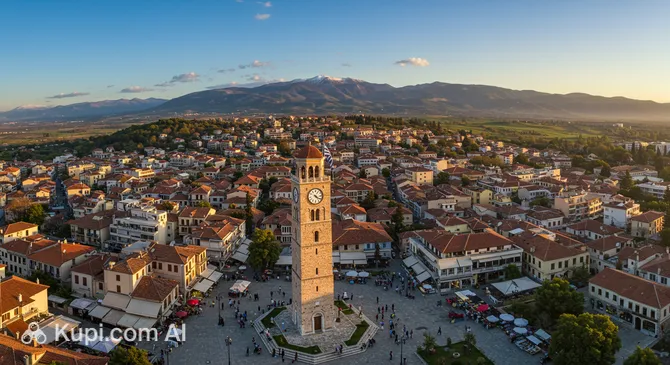
Kozani. Source: Kupi.Binoculars

The city is renowned for its intellectual and cultural contributions. The history of Kozani is deeply intertwined with education and trade, best exemplified by the famous Koventareios Municipal Library. This institution holds one of the most significant collections of rare books and manuscripts in the Balkans. Visitors can also explore the well-preserved mansions and the Folklore Museum, which showcase the region's architectural evolution and daily life in centuries past.

One of the area's most famous products is high-quality saffron, known locally as Krokos Kozanis, which is prized worldwide. Additionally, the city comes alive during the carnival season with the unique "Fanoi" tradition, where fires are lit in neighborhood squares, accompanied by dancing and singing. Whether you are interested in culinary delights, historical treasures, or vibrant local festivals, Kozani invites you to experience its warm hospitality and hidden gems.
Weather Overview

Travelers planning a visit should be prepared for a climate that shifts noticeably with the seasons. To help you pack appropriately, it is useful to check the weather in Kozani before your arrival. The summer season, particularly July and August, offers the warmest conditions with average temperatures reaching 23.7°C and highs peaking near 30°C, making it an excellent time for outdoor activities.

Winters provide a stark contrast, bringing a crisp chill to the air. January is usually the coldest month, with averages around 2.0°C and lows that can dip to -2.2°C. Rainfall is fairly distributed throughout the year, but May stands out as a particularly active month with approximately 14 wet days. In general, you can expect warm summers with occasional rain and cold winters, so layering is advisable depending on when you choose to visit.

Interesting Facts

Beyond its rich history and cultural heritage, Kozani holds several fascinating secrets that often surprise visitors. From prehistoric discoveries to its pivotal role in the country's energy sector, the city offers unique insights that go far beyond the typical tourist experience.
Nikis Square Kozani. Source: Kupi.Binoculars
  • The region is often referred to as the "energy heart" of Greece. For decades, the area has produced a significant portion of the country's electricity due to its vast lignite deposits, making it a crucial industrial powerhouse for the entire nation.

  • Just a short distance from the city, in the village of Perdikkas, archaeologists unearthed one of the most important prehistoric finds in Europe. The almost complete skeleton of a prehistoric elephant, dating back approximately 3 million years, was discovered here, providing a rare glimpse into the area's ancient biodiversity.

  • The city's central hub, Nikis Square Kozani, serves as more than just a meeting point; it is the epicenter of the famous "Fanoi" festivities. While the square is modern today, it remains the spiritual home of these ancient carnival customs where satirical songs and ceremonial fires light up the winter nights.

  • While the local saffron is renowned, the sheer effort required to produce it is a lesser-known marvel. It takes approximately 150,000 hand-picked crocus flowers to yield just one kilogram of the dried spice, explaining why this "red gold" of Kozani is among the most valuable agricultural products in the world.

How to Get There

Reaching this destination in West Macedonia is relatively straightforward, primarily via road connections from major regional hubs. For a detailed breakdown of routes and transport modes, you can read more about how to get to Kozani.

The nearest major international airports serving the region provide convenient access for travelers. The most prominent option is Thessaloniki International Airport (IATA: SKG) in the city of Thessaloniki, located approximately 103 km from Kozani. As the primary gateway for Northern Greece, it handles a significant volume of passengers. From the airport, the journey by taxi or bus typically takes around 90 minutes via the Egnatia Odos highway. Alternatively, Ioannina Airport (IATA: IOA) in Ioannina is situated about 106 km away, offering another viable entry point with a similar transfer time.

For clarity, here is a summary of the main airports:

Airport Name City Passenger Traffic Km from City
Thessaloniki International AirportThessalonikiLarge103.3
Aktion AirportPrevezaMedium176.2
Ohrid AirportOhridMedium131.7
Ioannina AirportIoanninaMedium106.3
Nea AnchialosVolosMedium147.7

Regarding rail travel, the nearest major railway connection is the Thessaloniki Railway Station in the city of Thessaloniki, situated about 104 km from Kozani. Upon arrival at the station, visitors can continue their journey by bus or taxi to reach their final destination, a trip that generally takes approximately 90 minutes.

Below is the available information for the nearest railway connection:

Station City Passenger Traffic Km to Center
Thessaloniki Railway StationThessaloniki104.0

Main Attractions

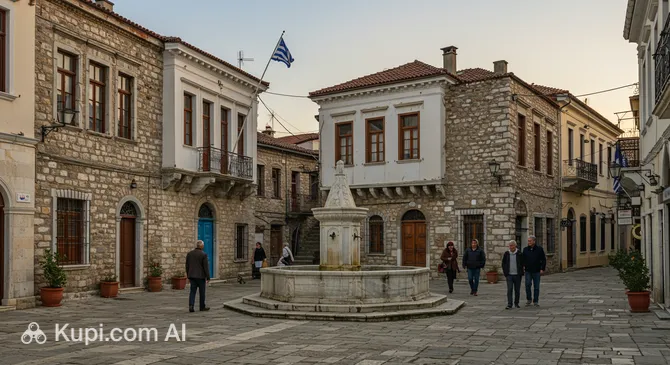
Exploration of this charming city typically begins at its vibrant core. The central meeting point for locals and visitors alike is Nikis Square Kozani. This spacious, pedestrian-friendly area serves as the beating heart of the town, surrounded by neoclassical buildings and bustling cafes. It is the perfect spot to admire the iconic clock tower, soak in the local atmosphere, or simply enjoy a leisurely coffee while watching the world go by.

Nikis Square Kozani. Source: Kupi.Binoculars

For those looking to experience the region's culinary scene, Abacos Taverna offers a delightful taste of local hospitality. Known for its warm ambiance and delicious menu, this restaurant is a favorite among those who appreciate well-prepared meals. It provides an excellent opportunity to sample traditional Greek dishes and hearty flavors that reflect the gastronomic heritage of West Macedonia.

Abacos Taverna. Source: Kupi.Binoculars

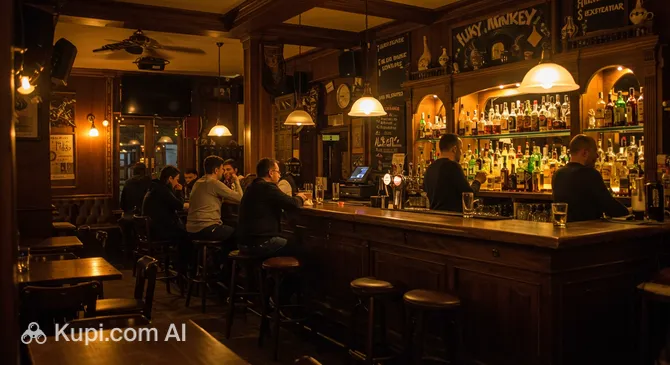
As the evening sets in, the city's modern energy comes to life. Funky Monkey is a popular destination for nightlife enthusiasts. Whether you are in the mood for a signature cocktail or just want to relax in a stylish setting with good music, this bar stands out as a lively venue to unwind after a day of sightseeing.

Funky Monkey. Source: Kupi.Binoculars

Local Cuisine

The culinary landscape of Kozani is deeply rooted in the traditions of West Macedonia, offering hearty, mountainous flavors that are distinct from the typical island fare. The region's cuisine relies heavily on high-quality local meats, dairy products, and seasonal vegetables. A staple of the local table is the famous Yaprakia, a dish consisting of cabbage rolls stuffed with minced pork and rice. Unlike other variations in Greece, these are made with pickled cabbage (armia), giving them a unique, tangy flavor that is especially cherished during the winter months.

Another gastronomic highlight is the Kichi, or Kozanitiki pie. This traditional cheese pie is shaped into a spiral and baked until golden and crispy, often enjoyed as a breakfast item or a savory snack. The area is also the home of the world-renowned Krokos Kozanis (Greek red saffron). While it is a major export, locals also incorporate this "red gold" into their cooking, using it to flavor rice dishes, sauces, and a variety of herbal teas that are perfect for a relaxing afternoon.

When it comes to drinks, the local culture revolves around Tsipouro. In this part of Greece, tsipouro is often produced with anise and is considered a social ritual rather than just a beverage. It is almost always served with small plates of appetizers known as meze, which can range from spicy cheese dips and olives to grilled meats and pickled vegetables. The region also produces excellent wines, particularly from the nearby vineyards of Siatista and Velvendos, which are known for their distinct sun-dried grape varieties.

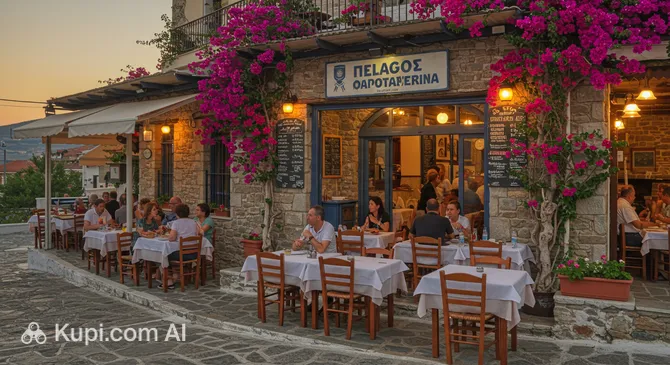
Pelagos Psarotaverna. Source: Kupi.Binoculars

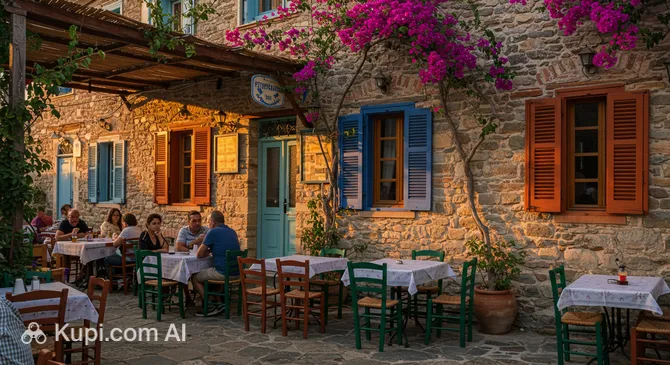
Dining out in the city is a casual and welcoming affair, with options ranging from traditional grill houses to modern eateries. For those looking to enjoy a meal in a friendly atmosphere, Pelagos Psarotaverna is a notable choice. Although the region is mountainous, locals appreciate variety, and this restaurant offers a wonderful selection of dishes that bring a taste of the sea to the mainland, complementing the city's rich meat-based culinary tradition.

Travel Tips

Welcome to Kozani! To help you navigate this charming corner of West Macedonia with ease and confidence, we have compiled a set of practical tips. Whether you are here for the famous carnival or to explore the surrounding mountains, these suggestions will ensure your trip is smooth and enjoyable.

  1. Clothing and Gear: Since Kozani sits at a higher elevation, the climate is continental. If visiting in winter, bring warm layers, a heavy coat, and waterproof boots, as temperatures often drop near freezing. Summers are warm and dry, so light, breathable fabrics are best. Regardless of the season, pack sturdy walking shoes to comfortably navigate the city's hilly terrain and cobblestone streets.

  2. Transportation: The city center is compact and best explored on foot. For longer distances within the city, local buses and taxis are readily available and affordable. However, to truly experience the beauty of the wider West Macedonia region, renting a car is highly recommended, as it gives you the freedom to visit remote mountain villages and scenic lakes at your own pace.

  3. Finances: The official currency is the Euro (€). While credit and debit cards are widely accepted in hotels, restaurants, and larger shops in the city center, cash is still king in smaller kiosks, traditional tavernas, and surrounding villages. ATMs are plentiful in the city. Tipping is appreciated but not mandatory; rounding up the bill or leaving a small amount is a kind gesture.

  4. Health and Safety: Kozani is a very safe city with low crime rates. For minor health issues, look for pharmacies marked with a green cross (Farmakeio), which are usually open during business hours, with a rotating schedule for nights and weekends. In case of an emergency, dial 112 for police, ambulance, or fire services.

  5. Communication: The official language is Greek. English is widely spoken by younger people and those in the hospitality industry, so you will rarely have trouble communicating in the city. However, learning a few basic phrases like "Kalimera" (Good morning) and "Efharisto" (Thank you) will go a long way in connecting with the locals. Free Wi-Fi is often available in cafes and public squares.

  6. Local Etiquette: Greeks are known for their hospitality, or filoxenia. If a local offers you a treat or a drink (a custom known as kerasma), accept it graciously, as refusing can be seen as impolite. Greetings are warm; a handshake is standard, but friends often greet with a kiss on both cheeks. Be aware that dinner is typically eaten late, often after 9:00 PM.

  7. What to Avoid: Avoid making the "open palm" gesture towards someone's face (known as the moutza), as it is considered a serious insult in Greek culture. Also, try not to show impatience in restaurants or shops; the pace of life here is generally more relaxed (xalara) than in major metropolises, so sit back and enjoy the atmosphere.

  8. Local Insight: Don't leave without buying some local Red Saffron (Krokos Kozanis). It is one of the highest quality saffrons in the world and makes for a lightweight, unique, and authentic souvenir. You can find it in local delicatessens and souvenir shops throughout the city.

By keeping these practical tips in mind, you will be well-prepared to immerse yourself in the authentic lifestyle of Kozani. Embrace the local rhythms, savor the unique flavors, and enjoy the warm hospitality that defines this fascinating part of Greece.

Entertainment & Nightlife

The nightlife in Kozani is vibrant and energetic, largely fueled by the city's significant student population and the locals' love for socializing. Unlike the chaotic clubbing scenes of the islands, the evening entertainment here revolves around a relaxed yet lively atmosphere known locally as "xalara." The heart of the action is undoubtedly the city center, particularly the pedestrian streets radiating from Nikis Square Kozani. As the sun sets, this area transforms into a bustling hub where coffee shops turn into bars, and the sound of music fills the air.

A typical night out often begins with a leisurely dinner, which is a staple of the local culture. For a genuine start to the evening, visitors often head to Abacos Taverna or similar establishments to enjoy local wine and hearty dishes. In West Macedonia, dining is a late affair, often lasting well past 10:00 PM. Alternatively, seafood lovers looking for a late-night meal in a welcoming setting might prefer Pelagos Psarotaverna, where the atmosphere remains warm and inviting long after dark.

After dinner, the crowd moves to the city's numerous bars and music venues. The pedestrian zone of Megalou Alexandrou is lined with spots ranging from rock bars to chic cocktail lounges. A standout venue for those seeking a stylish environment and excellent music is Funky Monkey. It is a favorite among both students and young professionals, offering a sophisticated drink menu and a lively vibe that carries on until the early morning hours. Dress codes throughout the city are generally casual but neat; locals tend to dress smartly for their night out.

From a practical standpoint, the nightlife in Kozani is very affordable compared to major Greek cities like Athens or Thessaloniki. Entry fees for bars are rare, and drink prices are reasonable. The city is extremely safe for night walks, even in the late hours. Most venues are within walking distance in the compact center, but if you need to travel further, the blue taxis are easily available at the main ranks near the central square or can be called by phone.

While the nights are spirited, the city also offers culturally rich daytime and evening entertainment. The Municipal Regional Theatre of Kozani (DIPETHE) is a cultural pillar, staging high-quality theatrical performances and concerts throughout the year. For a more relaxed afternoon, visitors can explore the local museums or enjoy the green spaces, but the true essence of Kozani's entertainment lies in its social, pedestrian-friendly evenings.

Parks & Museums

While often recognized for its industrial significance and energy production, the city of Kozani surprises visitors with its delightful green spaces and profound dedication to preserving the heritage of West Macedonia. Beyond the bustling streets, travelers can find serene natural escapes and institutions that safeguard the region's rich history, making it a well-rounded destination for culture and nature lovers alike.

For those seeking a breath of fresh air, the Kouri Forest (Alsos Kouri) is the city's most beloved natural retreat. Located just a few kilometers from the center, this lush forest of oak and pine trees offers a perfect setting for walking, jogging, or enjoying a picnic. It is also home to a small population of deer, which adds a charming touch for families and nature enthusiasts. Further afield, the impressive Polyfytos Lake provides a stunning landscape formed by the Aliakmonas River. Visitors can admire the scenic views from the High Bridge of Servia, one of the longest bridges in Greece, or explore the lakeside areas which are ideal for birdwatching and photography.

The city's cultural pride is best reflected in the Historical-Folklore and Natural History Museum. Housed in a magnificent traditional Macedonian mansion, this museum is considered one of the best of its kind in the country. It displays a vast collection ranging from local costumes and woven textiles to historical documents and findings from nearby caves, offering a comprehensive look at the area's evolution. Another essential stop is the Archaeological Museum of Kozani, situated in a neoclassical building. Here, visitors can examine artifacts from the prehistoric to the Roman periods, providing insight into the ancient civilizations that once thrived in this strategic corridor of Northern Greece.

Architecture enthusiasts should head to the city center to admire its most iconic landmarks. The heart of social life is Nikis Square Kozani, dominated by the imposing Mamatsios Clock Tower. Built in 1855, the tower is a symbol of the city and features a unique four-faced clock. Surrounding the center, you can still find well-preserved 18th-century mansions, such as the Lassanis Mansion, which exemplify the wealth and sophistication of Kozani's merchants during the Ottoman era.

For a truly authentic experience, take a short trip to the nearby historical town of Aiani. Known as the cultural capital of the ancient kingdom of Elimiotis, it boasts its own exceptional archaeological museum and ancient ruins. It is a less crowded but incredibly rewarding excursion that offers a deeper understanding of the region's classical antiquity.

Getting Around

Navigating Kozani is relatively simple and stress-free, as the city is compact and pedestrian-friendly. The public transport system relies almost exclusively on a network of urban buses, known locally as "Astiko KTEL." These buses connect the city center with residential neighborhoods, the local hospital, the University of Western Macedonia campus, and nearby villages. There is no metro, tram, or trolleybus system in the city, making the bus network the primary mode of shared transit for locals and visitors alike.

The payment system is traditional and straightforward. Travelers generally purchase single-use paper tickets. The cost is quite affordable, typically ranging from roughly €1.20 to €2.00 depending on the distance and the zone (Zone A for the city limits and Zone B for surrounding villages). While there are no complex digital travel cards or dedicated transport apps for payment, the system is efficient for the city's size. Monthly passes exist but are primarily used by residents and students.

For the best experience, tourists are advised to purchase tickets before boarding. You can buy them at small kiosks (periptero) located near bus stops or at the central bus terminal. While it is sometimes possible to buy a ticket from the driver, it often comes with a surcharge, so having a pre-purchased ticket is more economical. Once on board, you must validate your ticket by inserting it into the machine. Buses typically run from early morning, around 6:00 AM, until late evening, usually winding down by 10:00 PM or 11:00 PM, with reduced frequency on weekends and holidays.

If you prefer a more direct and private way to get around, taxis are a popular and widely available alternative. You can easily find them at designated taxi ranks, particularly around the central square and the bus station, or you can book one via phone. They are metered, and rates are generally reasonable for short trips within the city. Unlike in larger metropolises, ride-sharing apps are not the standard here; calling a local radio taxi service is the most reliable method.

Given the city's layout, walking is often the most pleasant way to explore the historic center, where many attractions are clustered close together. However, if you plan to visit the wider region or the mountains, renting a car is highly recommended. While there are no special transport features like cable cars or funiculars, the simplicity of the local transport reflects the relaxed pace of life in West Macedonia, allowing you to move around without the confusion of complex transit maps.

Accommodation

Finding a place to stay in Kozani is a straightforward experience, with options that cater primarily to practical travelers, business visitors, and those exploring the cultural heritage of West Macedonia. The accommodation landscape is dominated by reliable mid-range city hotels and modern apartments that offer comfortable amenities. While the city does not feature sprawling luxury resorts typical of the Greek islands, visitors can find charming boutique hotels and traditional guesthouses that reflect the local architecture and warm hospitality of the mainland.

The most popular and convenient area for tourists is the city center, particularly the streets surrounding the main pedestrian zones and squares. staying here places you within walking distance of key attractions like the museums, the municipal library, and the vibrant cafes. For those with a car who prefer a quieter environment, there are also excellent options on the outskirts of the city or in nearby scenic villages, providing easy access to the mountain ranges and natural sights while remaining just a short drive from the urban core.

When planning your trip, it is essential to consider the local event calendar. Kozani hosts one of the most famous carnivals in Greece, and during the Apokries season (February or March), the city transforms into a bustling hub of activity. During this period, accommodation is in extremely high demand and often fully booked months ahead. Therefore, if you plan to witness the "Fanoi" fires and festivities, booking your stay well in advance is highly recommended.

regarding costs, the city is generally quite affordable compared to Greece's major tourist hotspots. Prices typically fall into the budget to mid-range categories, offering excellent value for money. Reservations can easily be made through major online booking platforms, though contacting smaller, family-run establishments directly can sometimes yield better rates or a more personalized experience.

Nearby Cities

Nearby Cities:

The strategic location of Kozani in West Macedonia makes it an excellent base for exploring other significant urban centers in Northern Greece. Whether you are interested in coastal getaways, historical sites, or bustling commercial hubs, several interesting destinations are located within a reasonable driving distance. A short trip can take you from the mountains of Kozani to the shores of the Aegean or the vibrant streets of neighboring Thessaly.

The following table provides an overview of the nearest major cities, including their population and distance from Kozani:

City Population Distance (km)
Katerini 82,971 62
Trikala 61,653 83
Larissa 144,651 91
Kalamaria 91,279 104
Evosmos 74,686 104

Among these options, Katerini is the closest major city, situated approximately 62 km away. It serves as a gateway to the mythical Mount Olympus and the popular beaches of the Pieria region. For those willing to travel a bit further, Larissa offers the amenities of a large metropolitan center in the heart of the Thessalian plain. Additionally, the scenic city of Trikala is known for its river, the Lithaios, which flows through the city center, offering a picturesque setting for a day trip.

Shopping & Souvenirs

Shopping in this West Macedonian city offers a delightful mix of modern convenience and traditional charm. While it may not be a sprawling fashion capital, the city serves as a commercial hub for the region, providing everything from high-street fashion and electronics to unique local crafts. Visitors will find that the shopping experience here is relaxed and personal, often combined with a coffee break in the bustling city center.

The heart of the retail action is concentrated around the pedestrian-friendly streets radiating from Nikis Square Kozani. The central pedestrian zone, particularly along Megalou Alexandrou Street and its intersecting alleyways, is lined with a variety of boutiques, shoe stores, and jewelry shops. This area is perfect for a leisurely stroll, allowing you to browse international brands alongside family-owned businesses that have served the community for generations.

Unlike major metropolitan areas, the city does not feature massive, multi-story shopping complexes. However, for those looking for large-scale retail chains and big-box stores, there is a retail park located on the outskirts of the city, on the road towards Larissa. Here, travelers can find well-known international brands, supermarkets, and home goods stores, offering a more familiar shopping experience with ample parking facilities.

For a taste of authentic local life, the weekly open-air market, known as the "Laiki Agora," is a must-visit. Typically held on Saturdays, this vibrant market takes over specific streets and offers an abundance of fresh, seasonal produce from the fertile lands of West Macedonia. Beyond fruits and vegetables, visitors can find stalls selling clothing, household items, and traditional herbs, making it a lively spot to mingle with locals and hunt for bargains.

When it comes to souvenirs, the region is famous for one specific product: the red saffron known as Krokos Kozanis. As one of the most expensive and high-quality spices in the world, it makes for a perfect, lightweight gift. Other excellent choices include local wines from nearby vineyards, bottles of traditional tsipouro, and handmade pasta. You can find these items in specialized delicatessens and grocery stores scattered throughout the center.

Store opening hours follow the traditional Greek schedule. Shops are generally open in the mornings from around 9:00 AM to 2:00 PM. On Tuesdays, Thursdays, and Fridays, they reopen in the evening from approximately 5:30 PM to 9:00 PM. Mondays, Wednesdays, and Saturdays are usually morning-only trading days, while Sundays are reserved for rest, with most shops closed. Payment methods are modern, with credit and debit cards widely accepted in most establishments, though carrying some cash is advisable for small purchases at kiosks or the open-air market.

Travelers from outside the European Union may be eligible for VAT refunds on purchases exceeding a certain amount in a single store. Look for the "Tax-Free Shopping" signage in shop windows or ask the staff at the counter. If eligible, ensure you ask for the tax-free form and keep your receipts to process the refund at the airport upon your departure from Greece.

Reached the end of the page?

That means the route is fully explored