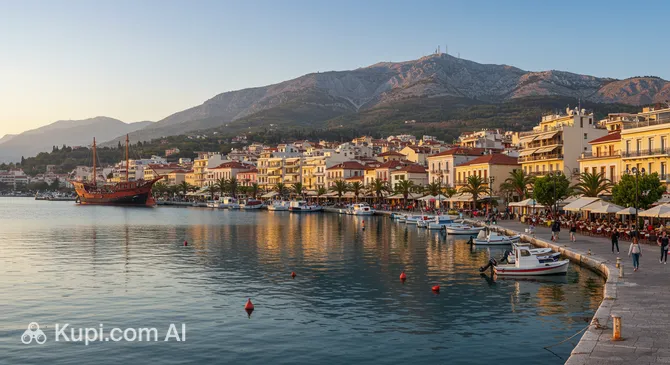
Nestled at the foot of Mount Pelion and hugging the shores of the Pagasetic Gulf, Volos is one of the most attractive and vibrant cities in Greece. As the capital of the Magnesia regional unit in Thessaly, this bustling port city perfectly blends mythical allure with modern charm, offering visitors a unique atmosphere that is distinct from the typical island experience.
Volos. Illustration.
Source: Kupi.com AI
With a population of approximately 144,000 residents, Volos is a lively urban center that serves as a gateway to the Sporades islands and the mountainous villages of Pelion. The city is steeped in legend, famously known as the starting point for the mythical expedition of Jason and the Argonauts. Travelers eager to delve deeper into the fascinating history of Volos will discover a place where ancient heritage and contemporary culture coexist harmoniously.
One of the city's most defining features is its renowned tsipouradika. These traditional taverns are scattered throughout the city and offer an authentic culinary experience where locally produced tsipouro is served with a variety of delicious meze dishes. A stroll along the expansive waterfront promenade, lined with cafes, pastry shops, and yachts, is a must-do activity for any visitor soaking in the local lifestyle.
Whether you are looking to explore archaeological sites, enjoy the seaside ambiance, or venture up the Centaur's Mountain, Volos promises an unforgettable journey. It is an ideal destination for those seeking to experience the genuine hospitality and diverse landscapes of the Greek mainland.
Weather Overview
The climate in this region is generally mild, characterized by distinct seasonal changes that offer different experiences for travelers. For a detailed forecast during your planned dates, it is recommended to check the weather in Volos. Summers are typically warm and sunny, with July and August being the hottest months; average temperatures hover around 25.9°C, while daytime highs often reach 30°C. These months are also the driest, with only about 3 to 4 days of rainfall, making them ideal for seaside activities.
In contrast, the winter season brings cooler air and more frequent precipitation. January is usually the coldest month, with average temperatures dropping to 7.0°C and lows around 3.4°C. The shoulder seasons of spring and autumn are quite pleasant, with May and September offering comfortable averages between 18°C and 22°C. Overall, visitors can expect hot, dry summers and cool winters with a higher chance of rain, particularly from November through March when there are typically 10 to 12 wet days per month.
Average monthly temperature
Average monthly precipitation
Interesting Facts
Beyond the main attractions, Volos holds many fascinating secrets and unique traditions that surprise even seasoned travelers. From its deep roots in mythology to its distinct culinary rituals, the city offers layers of history that go far beyond the surface.
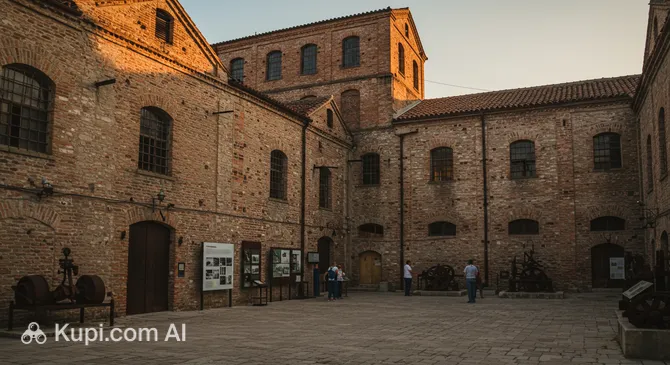
Tsalamatas Brickworks Museum. Illustration.
Source: Kupi.com AI
Traveler photos:
Volos is inextricably linked to one of the most famous Greek myths as the departure point of Jason and the Argonauts. To honor this heritage, the city constructed a scientifically accurate, life-size replica of the ancient ship Argo, which can often be seen docked at the Volos Port.
The city is the birthplace of Giorgio de Chirico, a pioneer of surrealist art. His father, Evaristo de Chirico, was the engineer behind the famous Little Train of Pelion, and the distinct railway stations and trains of the region frequently appeared as motifs in the artist's celebrated metaphysical paintings.
Volos has successfully transformed its industrial past into a cultural asset. A prime example is the Tsalamatas Brickworks Museum, housed in a former factory where visitors can walk inside the original Hoffmann kiln and see the preserved machinery exactly where it operated decades ago.
The local dining culture in tsipouradika follows a unique unwritten rule known as the "meze ritual." In authentic establishments, you never order food; you simply order a serving of tsipouro, and the kitchen creates a surprise seafood appetizer to match it, with the dishes becoming progressively more elaborate with each round of drinks.
How to Get There
Reaching this charming port city is quite convenient, with options ranging from direct flights to scenic drives from major Greek hubs. Whether you prefer landing close to your destination or enjoying a road trip through the mainland, you can find all ways to reach the city to suit your travel plans.
The most direct way to arrive is via Nea Anchialos (VOL), also known as Volos Airport. Located just 21.2 km from the city center, it primarily serves seasonal charter flights and some scheduled connections. The transfer to the heart of Volos typically takes about 30 to 40 minutes by taxi or bus. For year-round international connectivity, many travelers choose Thessaloniki International Airport (SKG) in Thessaloniki, situated approximately 128 km away. From there, the journey to Volos takes around 2 to 2.5 hours by road. Alternatively, you can fly into the country's largest hub, Eleftherios Venizelos International Airport (ATH) in Athens, which is about 180.8 km away, involving a travel time of roughly 3 hours.
For clarity, here is a summary of the main airports:
Regarding rail transport, while Volos is connected to the regional network, a major nearby hub is the Thessaloniki Railway Station in the city of Thessaloniki. It is located approximately 141.9 km from Volos. Travelers often use this station as a transit point, continuing their journey to Volos by bus or rental car, which takes about 2.5 hours.
Below is the information for the nearby railway station:
Station
Passenger traffic
Distance
Thessaloniki Railway Station
—
142 km
Main Attractions
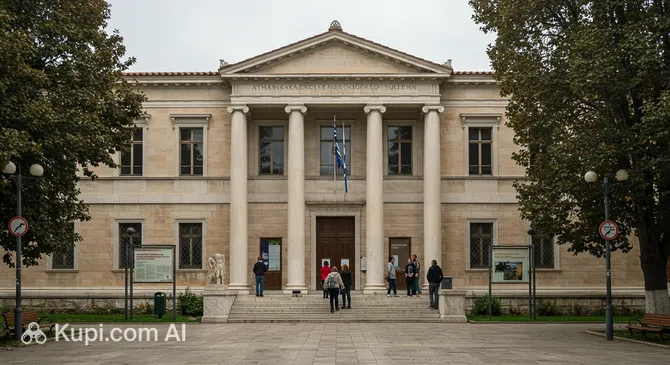
One of the most significant cultural landmarks in the region is the Athanasakio Archaeological Museum of Volos. Housed in an elegant neoclassical building, this museum is a treasure trove for history enthusiasts, showcasing findings from the nearby Neolithic settlements of Sesklo and Dimini. Visitors can admire a vast collection that includes intricate gold jewelry, ancient pottery, and remarkable grave stelae, offering a fascinating glimpse into the civilization that thrived in Thessaly thousands of years ago.
Athanasakio Archaeological Museum of Volos. Illustration.
Source: Kupi.com AI
Traveler photos:
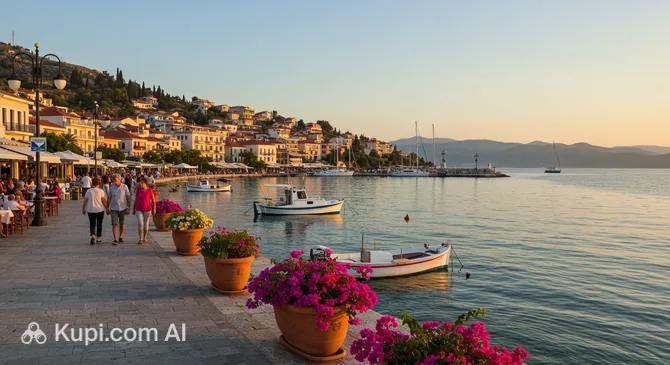
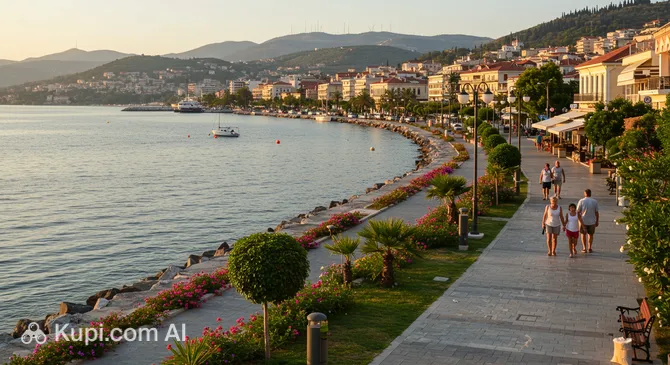
For those who enjoy soaking up the local atmosphere, the Volos Seafront is the beating heart of the city. This expansive promenade, often referred to as the "Argonauts Avenue," is lined with modern cafes, pastry shops, and the city's famous tsipouradika. It is the perfect place for a leisurely evening stroll, allowing travelers to enjoy views of the Pagasetic Gulf, watch the yachts docking in the harbor, and experience the vibrant social life of the locals.
Volos Seafront. Illustration.
Source: Kupi.com AI
Traveler photos:
Just a short distance from the city center lies Saint Constantine Park, a serene green oasis that hugs the coastline. The park is dominated by the impressive Church of Saints Constantine and Helen, a masterpiece designed by the renowned architect Zachos. With its shaded paths, playgrounds, and scenic backdrop of the sea, it is a favorite spot for families and photographers looking to capture the beauty of Volos's waterfront architecture.
Saint Constantine Park. Illustration.
Source: Kupi.com AI
Traveler photos:
Travelers looking to combine sightseeing with relaxation will appreciate Anavros Beach. Conveniently located within the city limits and close to the archaeological museum, this sandy beach has been awarded for its cleanliness and water quality. It offers a convenient escape for a refreshing swim without the need to travel far, making it an excellent choice for a quick dip after a day of exploring the city's urban attractions.
Anavros Beach. Illustration.
Source: Kupi.com AI
Traveler photos:
Local Cuisine
The culinary identity of Volos is legendary throughout Greece, primarily defined by the famous tsipouradika. These are not just restaurants but social institutions where the consumption of food is inextricably linked to the local spirit, tsipouro. Unlike standard taverns where you order from a menu, the tradition here often dictates that you order the drink, and the kitchen provides a surprise accompaniment. The dishes, known as meze, typically start with light, sharp flavors like pickles, salted fish, or fermented vegetables to awaken the palate, and gradually progress to richer, warmer plates such as grilled octopus, fried shrimp, or saganaiki (fried cheese) as more rounds of spirits are ordered.
While seafood is the star of the show along the coast, the city's proximity to Mount Pelion introduces hearty mountain flavors to the local table. A "must-try" signature dish is spetsofai, a rustic stew made with spicy local sausages and peppers cooked in a rich tomato sauce. It is a comforting, flavorful meal that perfectly represents the region's blend of land and sea. Other local favorites include kolitsianoi (sea anemones fried in batter) and tsitsiravla (pickled wild pistachio shoots), which offer unique tastes you are unlikely to find elsewhere.
Staphylos. Illustration.
Source: Kupi.com AI
Traveler photos:
When it comes to drinks, tsipouro is undoubtedly the king of the table. Produced from the pomace of grapes, this strong distilled spirit is served in small bottles and consumed slowly over ice or with a splash of water. Locals are very particular about their preference: it can be ordered me glykaniso (with anise, which turns milky when water is added) or horis (without anise). For non-alcoholic options, the city has a vibrant coffee culture, and you can also find excellent local herbal teas derived from the rich flora of Mount Pelion.
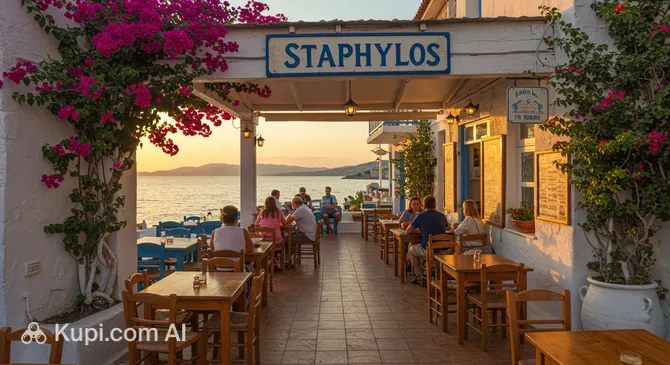
For visitors looking to experience this gastronomic culture, the choices are abundant. The Volos Seafront is lined with bustling establishments offering views of the harbor, while the district of Nea Ionia is known for its historic and authentic atmosphere. For a memorable meal, you might visit Staphylos, a restaurant that is well-regarded for its dedication to quality ingredients and traditional recipes. Another excellent option for savoring fresh seafood and local specialties is Flokos, where the friendly ambiance complements the delicious food.
Travel Tips
Welcome to Volos, a vibrant coastal city where the mythical aura of the Argonauts meets a lively modern atmosphere! To help you navigate the local customs and make the most of your stay between the Pagasetic Gulf and Mount Pelion, here are some essential practical tips.
Clothing and Gear: If you are visiting in summer, lightweight, breathable fabrics and a sun hat are essential, while a waterproof jacket and layers are necessary for the cooler, wetter winters. Since Volos is a gateway to Mount Pelion, bring sturdy walking shoes or hiking boots if you plan to explore the mountain trails. When visiting churches or monasteries, remember to dress modestly, covering shoulders and knees.
Transportation: The city center and the famous waterfront promenade are very compact and best explored on foot. For longer distances within the city, there is a reliable network of blue urban buses (Astiko KTEL). However, if you wish to venture up to the picturesque villages of Pelion or discover secluded beaches, renting a car is highly recommended for the freedom it offers.
Finances: The official currency is the Euro (€). While credit and debit cards are widely accepted in hotels, shops, and most restaurants, it is wise to carry some cash for small purchases, taxi fares, or traditional cafes in remote mountain villages. ATMs are plentiful in the city center. Tipping is not mandatory but is appreciated; rounding up the bill or leaving a few euros is a common gesture of gratitude.
Health and Safety: Volos is generally a very safe city for tourists. Pharmacies are marked with a green cross and are easy to find; a schedule on the door usually indicates which one is open late or on weekends. For emergencies, dial 112, the general European emergency number. Tap water is typically safe in the city, but asking locals or opting for bottled water in older buildings is a good precaution.
Communication: The official language is Greek, but English is widely spoken, especially in the tourism and hospitality sectors. Learning a few basic words like "Kalimera" (Good morning) and "Efharisto" (Thank you) will be warmly received by locals. Free Wi-Fi is available in many cafes and public spots, but for reliable data, you can purchase a prepaid SIM card from mobile stores in the city center.
Local Etiquette: The local culture revolves around the tsipouradiko tradition. This is a social ritual where people eat slowly and talk for hours. It is customary to be polite and patient; service is often relaxed to match the laid-back vibe. When entering a shop or cafe, a friendly greeting is the norm.
What to Avoid: Do not rush your meal at a tsipouradiko; it is considered a place for relaxation, not a fast-food stop. Also, avoid wearing beachwear (swimsuits, flip-flops) when walking around the city center or visiting cultural sites; save that for Anavros Beach or other seaside spots.
Shop Opening Hours: Keep in mind that many local shops follow a split schedule, opening in the morning, closing for a few hours in the afternoon (siesta time, roughly 14:30 to 17:30), and reopening in the evening on Tuesdays, Thursdays, and Fridays. Mondays, Wednesdays, and Saturdays usually see shops closing around 14:30 or 15:00.
Armed with these practical insights, you are all set to enjoy the unique blend of mountain breeze and sea air that Volos offers. Relax, sip some local tsipouro, and let the city's authentic charm create unforgettable memories for your trip!
Entertainment & Nightlife
As the sun sets over the Pagasetic Gulf, Volos transforms from a laid-back port city into a vibrant hub of entertainment. Thanks to its large student population and lively local culture, the nightlife here is energetic, diverse, and continues well into the early morning hours. Unlike the seasonal rhythms of the Greek islands, the city maintains a buzzing atmosphere year-round, offering everything from sophisticated cocktail lounges to gritty rock bars.
The heart of the action beats strongest along the waterfront promenade and the pedestrianized streets just behind it, particularly around Koumoundourou Street and Tak Economaki Street. Here, the vibe is overwhelmingly social and accessible. The evening typically begins with a relaxed drink or a late dinner at the ubiquitous tsipouradika, which often serve as the launchpad for a long night out. As the night progresses, crowds drift towards the specialized bars and music venues scattered throughout the center and the historic Palea district.
For music lovers, the city offers legendary venues that have shaped its cultural landscape. Cafe Santan is a historic establishment in the Palea district, renowned for its distinct character and frequent live music events ranging from jazz to rock. It is a staple of the local nightlife scene, attracting a mix of ages who appreciate good music and a warm, authentic atmosphere.
Cafe Santan. Illustration.
Source: Kupi.com AI
Traveler photos:
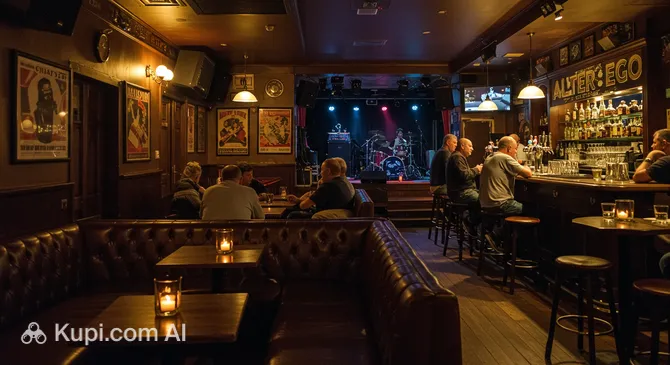
If you prefer a more alternative vibe, Alter Ego Rock & Blues Bar is a must-visit. Known for its dedication to rock and blues sounds, this venue hosts live bands and DJ sets that keep the energy high. It is the perfect spot for those who want to escape the mainstream pop beats and enjoy a beer in a friendly, unpretentious setting.
Alter Ego Rock & Blues Bar. Illustration.
Source: Kupi.com AI
Traveler photos:
Beer enthusiasts will find their haven at Valentin – Curious Bierkneipe. This bar stands out for its extensive selection of brews and its cozy, pub-like interior. It is an excellent place to start the evening with friends, enjoying quality drafts and conversation before heading to louder venues.
The dress code in Volos is generally smart-casual. While some clubs might expect a slightly more polished look, most bars and music venues are relaxed, reflecting the city's unpretentious nature. Bars typically stay open until 2:00 or 3:00 AM, while larger clubs may go until dawn, especially on Friday and Saturday nights. Prices are reasonable compared to Athens or the popular tourist islands, with cocktails usually costing between 8 to 10 euros.
Regarding safety, Volos is very secure for night walks. The city center is compact and well-lit, making it easy to hop from one venue to another on foot. However, if you are staying further out or simply want a comfortable ride home, radio taxis are plentiful and affordable. You can easily hail one on the main streets or have a venue call one for you.
While nightlife dominates the after-dark scene, daytime entertainment in Volos also has its charms. The city boasts several cinemas and municipal theaters that host plays and concerts. In the summer months, open-air performances often take place in the amphitheaters around the city, offering a cultural treat under the stars.
Parks & Museums
While Volos is famous for its vibrant waterfront and culinary traditions, the city also boasts a rich tapestry of cultural venues and green escapes that offer a deeper understanding of its heritage. Beyond the bustling port, visitors can discover unique collections and natural hideaways that provide a quiet respite and a fascinating glimpse into the region's history and biodiversity.
For those seeking a natural retreat with a view, Goritsa Hill is an excellent choice located just to the east of the city. This small, pine-covered hill is not only a green lung for the area but also a site of archaeological interest, featuring the remains of an ancient city. A walk to the top rewards travelers with panoramic views of Volos and the Pagasetic Gulf, making it a perfect spot for sunset. Another significant green space is the Pedion tou Areos, a large urban park situated near the exhibition center. It offers paved paths, playgrounds, and ample space for leisurely strolls, serving as a popular recreational hub for locals away from the immediate coastline.
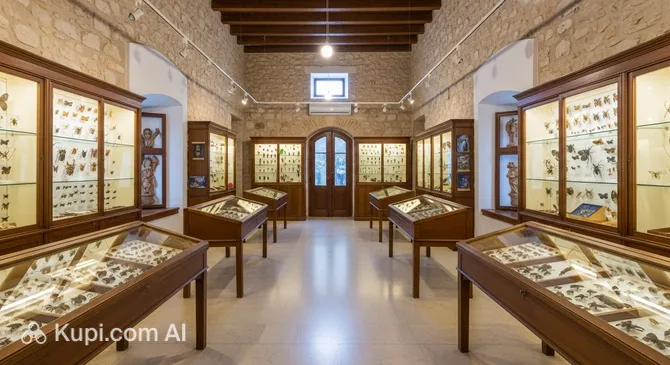
In terms of culture, the city holds some surprising treasures. The Entomological Museum of Volos is a unique attraction that stands out in the Greek museum landscape. Founded by Dr. Athanasios Koutroubas, it houses an impressive collection of thousands of insect specimens from Greece and around the world. It is an educational gem, particularly fascinating for families and nature enthusiasts, offering a detailed look at the biodiversity of the insect world in a well-organized setting.
Entomological Museum of Volos. Illustration.
Source: Kupi.com AI
Traveler photos:
Industrial heritage is also a key part of the city's identity, best preserved at the Tsalamatas Brickworks Museum. Located in the historic Tsalapatas complex, this museum offers an immersive journey into the daily life of factory workers during the early 20th century. Visitors can explore the production lines, see the old grinding mills, and enter the massive Hoffmann kiln. The complex itself has been transformed into a vibrant cultural multi-space, blending history with modern leisure.
For a truly authentic experience, look for the Kitsos Makris Folklore Centre. Housed in the home of the famous folklorist Kitsos Makris, this small museum displays his private collection of folk art, including paintings by Theofilos, woodcarvings, and traditional ceramics. It offers an intimate atmosphere that feels more like visiting a local's home than a public institution.
Getting Around
The primary mode of public transportation in Volos is the reliable urban bus network, operated by Astiko KTEL Volou. These distinctive blue buses cover the entire city center and extend to the surrounding suburbs and nearby coastal villages, making it easy for visitors to navigate the area without a car. The network is divided into two main zones: Zone A covers the immediate city center and port area, while Zone B extends to further destinations such as Alykes or Nea Ionia. Information screens at major stops often display arrival times, helping you plan your journeys efficiently.
Regarding the payment system, tickets must be purchased before boarding the bus. You can buy them at kiosks (periptera), dedicated ticket booths located at main bus terminals, or authorized mini-markets throughout the city. The cost is quite affordable, typically ranging between €1.10 and €1.50 depending on the zone. Once on board, it is essential to validate your ticket in the machines provided to avoid fines. While there is no complex travel card system for short-term visitors, the standard single-use tickets are simple and convenient to use.
For a smooth travel experience, it is helpful to know that buses generally operate from early morning, around 6:00 AM, until late evening, usually winding down by 10:30 PM or 11:00 PM. During the summer months, frequencies may increase for routes heading to popular beaches like Anavros or Alykes. Tourists are advised to keep small change handy for purchasing tickets at kiosks and to signal the driver when they wish to board, as buses may not stop at every station if no one is waiting.
Beyond buses, Volos is celebrated as one of the most bicycle-friendly cities in the region due to its exceptionally flat terrain and extensive network of bike lanes. Renting a bicycle is a popular and delightful alternative for getting around, allowing you to explore the waterfront and city streets at your own pace. Taxis are another convenient option; they are widely available at taxi ranks, especially near the port and central squares, or can be booked via phone and local apps. They are metered and offer a reasonably priced way to reach specific destinations quickly.
A special highlight of the local transport heritage is the legendary Little Train of Pelion, also known as "Moutzouris." While it now serves primarily as a tourist attraction rather than a daily commuter service, this historic steam train offers a magical journey from the nearby station of Ano Lechonia up to the mountain village of Milies. Riding this narrow-gauge railway is a unique experience, taking passengers across stone bridges and through lush landscapes, serving as a nostalgic link to the era when steam trains were a vital lifeline for the region.
Accommodation
Accommodation in Volos caters to a wide variety of preferences, ranging from modern city hotels perfect for business and short stays to charming boutique apartments and seaside resorts. As a year-round destination, the city offers facilities that suit both summer vacationers looking for beach access and winter travelers heading to the ski center on Mount Pelion. Visitors can find everything from budget-friendly hostels and guesthouses to upscale establishments offering spa services and panoramic views of the Pagasetic Gulf.
For those who want to be in the center of the action, the area around the Port of Volos and the main commercial streets, such as Iasonos and Dimitriados, is the most convenient choice. Staying here places you within walking distance of the famous tsipouradika, the shopping district, and the vibrant nightlife. Alternatively, if you prefer a quieter environment with direct access to the sea, the neighborhood of Anavros is an excellent option. It is located slightly to the east of the center, close to the Archaeological Museum and the city's main beach, offering a more relaxed atmosphere while still being accessible by foot or bus.
Xenia Volos City Resort. Illustration.
Source: Kupi.com AI
Traveler photos:
A standout example of the city's hospitality scene is the Xenia Volos City Resort. This well-known establishment is situated right on the beachfront near Anavros Park. It combines the amenities of a luxury resort with the convenience of a city hotel, featuring a spa, swimming pools, and elegant rooms that often overlook the sea, making it a top choice for travelers seeking comfort and style.
Booking Tip: While Volos has a good number of beds, it is a popular hub for both Greeks and international tourists. During the peak summer months (July and August) and major holidays like Easter, accommodation can fill up quickly. It is highly advisable to book your stay at least a month in advance to secure the best rates and availability.
Regarding costs, the price range is generally reasonable compared to the popular Greek islands. Budget travelers can find decent rooms or apartments starting from around €40 to €60 per night. Mid-range hotels typically charge between €70 and €100, while luxury options and suites can exceed €120 per night. Reservations are most commonly made through major online booking platforms, though contacting smaller guesthouses directly can sometimes yield better deals or personalized service.
Nearby Cities
For those looking to explore the surroundings, Volos serves as an excellent base for day trips to several interesting nearby locations:
Just a short drive inland lies Larissa, the vibrant capital of the Thessaly region. Known for its rich history spanning millennia, the city boasts the impressive First Ancient Theatre right in its center. Beyond archaeology, Larissa is famous for its lively squares and thriving coffee culture, offering a perfect mix of ancient heritage and modern urban energy.
Another captivating destination is Trikala, often cited as one of the smartest and most picturesque cities in Greece. Visitors are charmed by the Lithaios River flowing through the city center, the historic Varousi district with its traditional architecture, and the Byzantine Fortress offering panoramic views. It is an ideal spot for a relaxed day of walking and exploring local legends.
To the north, Katerini serves as a gateway to the legendary Mount Olympus region. While the city itself is a bustling commercial hub with a beautiful municipal park, its proximity to both the mountains and the Pierian coastline makes it a strategic stop for travelers interested in diverse landscapes.
These nearby destinations offer a glimpse into the diverse culture and landscapes of the region.
Shopping & Souvenirs
Shopping in Volos offers a pleasant mix of modern convenience and traditional charm. The city center is compact and largely pedestrianized, allowing visitors to explore a wide range of stores with ease. The primary commercial activity is concentrated along Ermou Street, a bustling pedestrian avenue lined with fashion boutiques, shoe stores, and accessory shops. Parallel to the waterfront, Iasonos and Dimitriados streets also serve as major shopping arteries, hosting both well-known international brands and local family-run businesses.
For those seeking authentic souvenirs, the region’s culinary products are the true highlights. Volos is famous for its tsipouro, and purchasing a bottle of this local spirit—often available in beautiful packaging—is a great way to bring a taste of the city home. The nearby Mount Pelion heavily influences the local market, providing an abundance of natural treasures. Visitors should look for jars of traditional spoon sweets (fruit preserves), made from local chestnuts, cherries, or fir honey, which make for excellent gifts.
Herbs and spices are another specialty of the area. The slopes of Pelion yield high-quality oregano, thyme, and mountain tea, which can be found in small spice shops and delis throughout the city. Additionally, food lovers can stock up on handmade pasta varieties like trahanas and hilopites, or purchase locally produced olive oil. For non-edible keepsakes, local workshops offer handmade ceramics and religious icons that reflect the artistic heritage of Thessaly.
Travelers should be aware of the local operating hours when planning their shopping trips. While large supermarkets and department stores stay open throughout the day, many smaller boutiques and specialty shops follow the traditional split shift. They typically open in the morning, close for a few hours in the afternoon, and reopen in the evening on Tuesdays, Thursdays, and Fridays. This schedule offers the perfect excuse to enjoy a long lunch or a coffee break during the hottest part of the day before resuming your retail exploration.