Support

Kastoria

About

Nestled in the mountainous region of West Macedonia, Kastoria is often celebrated as one of the most atmospheric and picturesque destinations in Greece. Unlike the typical island scenery often associated with the country, this city offers a serene lakeside retreat characterized by its rich cultural heritage, elegant architecture, and stunning natural surroundings.
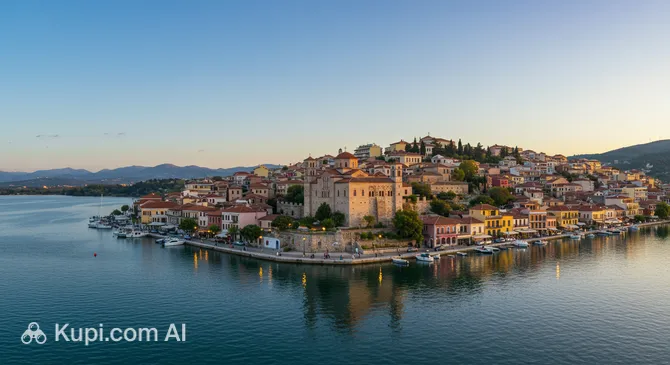
Kastoria. Source: Kupi.Binoculars

The city is uniquely situated on a narrow peninsula that projects into the reflective waters of Lake Orestiada, creating the illusion of an island when viewed from certain angles. Surrounded by the Grammos and Vitsi mountains, the area has a distinct climate with cool, crisp winters and pleasant summers. With a population of approximately 13,000 residents, Kastoria maintains a peaceful, small-town charm while serving as a vibrant regional hub.

Walking through the cobbled streets, visitors can easily trace the fascinating history of Kastoria through its architectural landmarks. The city is renowned for its grand 17th and 18th-century mansions, known as archontika, which were built by wealthy fur merchants during the peak of the local fur trade. Additionally, the city is a treasure trove of religious art, boasting over 70 well-preserved Byzantine and post-Byzantine churches scattered throughout its neighborhoods.

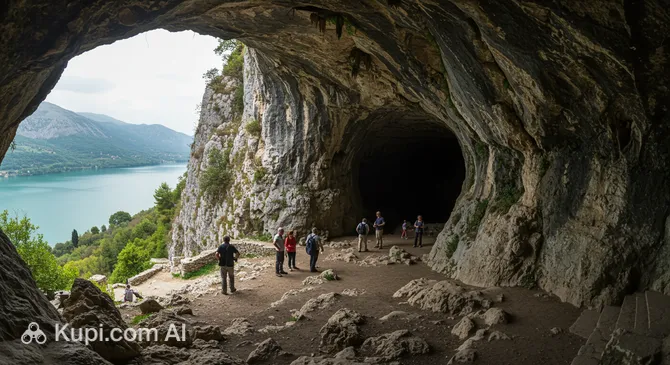
Nature lovers and explorers will find plenty to admire here. A highlight for many is the Dragon's Cave (Spilaio Drakou), located just a short distance from the city center, featuring seven underground lakes and impressive stalactite formations. The promenade along the lake offers a perfect setting for a relaxing stroll, where you can watch pelicans and swans gliding over the water against a backdrop of lush forests.

Whether you are interested in exploring ancient traditions or simply looking for a tranquil escape in nature, Kastoria is a destination that promises a memorable experience. Its blend of noble history and breathtaking scenery makes it a must-visit spot for travelers seeking to discover a different side of the Hellenic landscape.
Weather Overview

The climate in this region is distinct, characterized by significant seasonal variations that add to the city's charm. Winters are generally cold, with January being the chilliest month, featuring an average temperature of just 0.9°C and lows that can drop to -3.2°C. This creates a crisp, atmospheric setting, especially near the lake, though visitors should come prepared for frequent damp days.

In contrast, the summer months bring delightful warmth, making it an ideal time for exploring the outdoors. July and August are the warmest, with average highs reaching around 28°C and plenty of sunshine. While precipitation drops significantly during this period, with only about 6 wet days per month, the transitional spring season, particularly May, can be quite rainy with up to 14 wet days.

Overall, you can expect warm summers with occasional rain and cold, dry winters, though the shoulder seasons offer mild and pleasant conditions for sightseeing. To ensure you pack appropriate clothing for your specific travel dates, we recommend consulting the detailed guide to the weather in Kastoria.

Interesting Facts

Beyond the scenic lake and Byzantine heritage, Kastoria holds several fascinating secrets and unique traits that surprise many visitors. From ancient scripts to mythical beasts, the city's stories go far deeper than its beautiful facade.
Dragon's Cave. Source: Kupi.Binoculars
  • The city's name is widely believed to derive from the Greek word kastoras, meaning beaver. Centuries ago, Lake Orestiada was teeming with these animals, and their highly valued pelts were the catalyst that originally established the region's world-famous fur trade industry.

  • Local legend surrounds the Dragon's Cave, which is said to be named after a mythical beast that once guarded a gold mine within its depths. According to folklore, the dragon breathed flames and smoke to protect its treasure until it was eventually defeated by a courageous hero.

  • Just outside the city lies the prehistoric settlement of Dyspilio, where archaeologists discovered a wooden tablet with markings dated to roughly 5260 BC. This artifact, known as the Dispilio Tablet, bears symbols that may predate the Linear B script, potentially making it one of the oldest examples of organized writing in the world.

  • Unlike most of the country, which celebrates carnival before Lent, Kastoria hosts its famous "Ragkoutsaria" festival in early January. This vibrant three-day event is a revival of ancient Dionysian rituals intended to banish evil spirits, transforming the winter streets into a massive, music-filled celebration.

How to Get There

Reaching this scenic lakeside destination requires a journey through the mountainous terrain of Northern Greece, as the city is tucked away from the main coastal routes. While there are several options depending on your starting point, most visitors arrive by road after landing at a nearby transport hub. You can find more about how to get to Kastoria in our detailed guide, but here is an overview of the most convenient connections.

The city of Kastoria does not have its own international airport, but you can fly into Thessaloniki International Airport (SKG) in the city of Thessaloniki, which is about 144 km from Kastoria. As the second-largest airport in Greece, it offers the widest range of international connections. From the airport, the travel time by taxi or bus is approximately 2.5 hours. Alternatively, you might consider Ioannina Airport (IOA) in Ioannina, located roughly 99 km away. Although it is smaller and serves fewer flights, the transfer time is shorter, taking about 1.5 hours by road.

For clarity, here is a summary of the main airports:

Airport Name City Passenger Traffic Km from City
Thessaloniki International AirportThessalonikiLarge144.3
Ioannis Kapodistrias AirportCorfuLarge154.2
Skopje Alexander the Great AirportSkopjeMedium162.9
Ohrid AirportOhridSmall85.8
Ioannina AirportIoanninaSmall99.0

If you prefer traveling by train, please note that the city of Kastoria does not have a railway station. However, you can arrive at the Thessaloniki Railway Station in the city of Thessaloniki, which is about 141 km from Kastoria. It is a major hub connecting Northern Greece. From there, you can get a taxi or bus to complete your journey, which generally takes about 2.5 hours.

Here is a summary of the nearest railway stations:

Station City Passenger Traffic Km to Center
Thessaloniki Railway StationThessaloniki141.3
Brindisi Railway StationBrindisi282.2

Main Attractions

One of the most remarkable natural sites in the region is the Dragon's Cave, located just a few kilometers from the city center along the lakeside road. This impressive geological formation extends hundreds of meters into the mountain and features seven underground lakes, 10 distinct chambers, and five tunnels. Inside, visitors are treated to a spectacular display of stalactites and stalagmites that have formed over millions of years, creating an otherworldly atmosphere that captivates explorers of all ages.

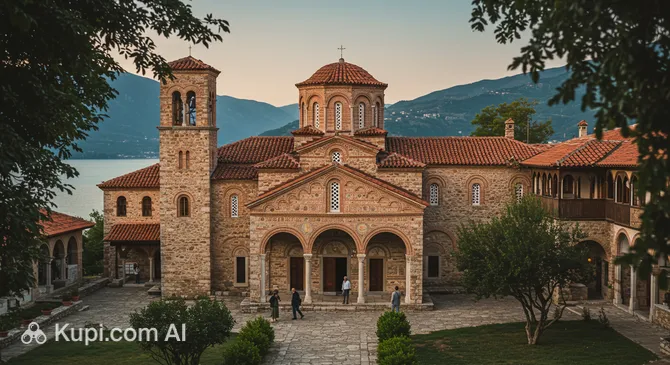
Panagia Mavriotissa Monastery. Source: Kupi.Binoculars

For those interested in religious history and Byzantine art, the Panagia Mavriotissa Monastery is an essential stop. Situated right on the edge of Lake Orestiada and shaded by ancient plane trees, this 11th-century monastery is dedicated to the Virgin Mary. It is renowned for its rare exterior frescoes, which depict the Last Judgment and other biblical scenes, offering a glimpse into the spiritual and artistic heritage of the area in a serene, scenic setting.

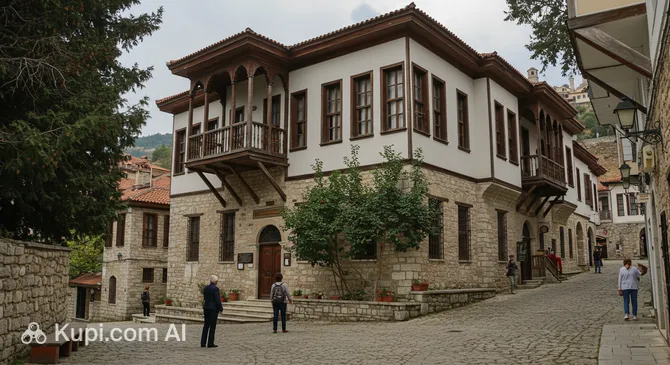
Folklore Museum of Kastoria (Nerantzis Aivazis Mansion). Source: Kupi.Binoculars

To truly understand the city's prosperous past, a visit to the Folklore Museum of Kastoria (Nerantzis Aivazis Mansion) is highly recommended. Housed in one of the city's most elegant 17th-century mansions in the Doltso district, the museum preserves the lifestyle of the wealthy fur merchants who once thrived here. The exhibits include authentic furniture, traditional costumes, household items, and tools used in fur processing, providing a vivid picture of daily life in Kastoria centuries ago.

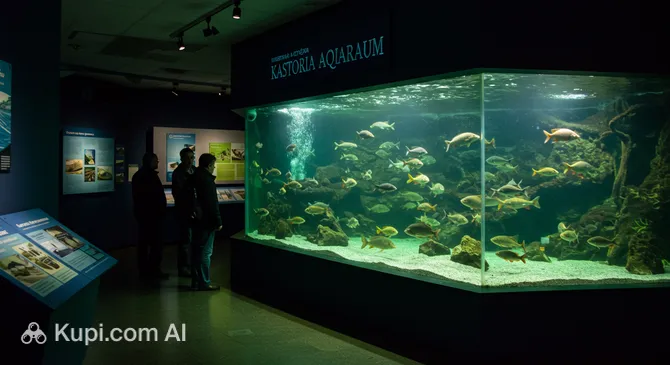
Kastoria Aquarium. Source: Kupi.Binoculars

Nature enthusiasts will also appreciate the Kastoria Aquarium, the largest freshwater aquarium in the Balkans. It is dedicated to the diverse aquatic life found in the region's lakes and rivers, hosting a wide variety of indigenous and endemic fish species. This facility plays a crucial role in environmental education and conservation, making it a fascinating destination for families and anyone keen to learn more about the local ecosystem.

Local Cuisine

The culinary scene in Kastoria is a delightful departure from the typical Greek island fare, reflecting the region's mountainous geography and cooler climate. The local gastronomy is characterized by hearty, warming dishes that make excellent use of freshwater fish, pulses, and preserved meats. Unlike the olive oil-laden dishes of the south, the cuisine here often features richer flavors, with recipes passed down through generations of local families.

One of the absolute must-try dishes is sarmades, the local version of stuffed cabbage rolls. What makes them unique to this area is the use of pickled cabbage leaves (sauerkraut), which gives the dish a distinct, tangy flavor profile. Another regional staple is the famous giant beans, or gigantes, grown in the nearby Prespa Lakes region. These are typically baked in the oven with a rich tomato sauce and herbs, resulting in a creamy and comforting meal that vegetarians and meat-eaters alike will adore.

Given the city's location on Lake Orestiada, freshwater fish plays a significant role in the local diet. You should definitely sample grivadi (carp) or perch, which are often prepared simply—grilled or baked—to highlight their natural taste. For meat lovers, a signature specialty is meatballs served with makalo, a thick, savory flour-and-garlic gravy that is perfect for dipping fresh crusty bread.

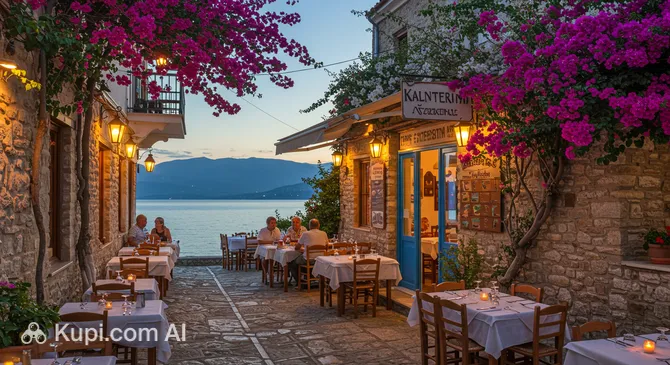
Kalnterimi. Source: Kupi.Binoculars

When it comes to dining out, the culture revolves around relaxed, social meals. Locals prefer to gather in tsipouradiko—traditional taverns serving small plates known as meze alongside the local spirit, tsipouro. This strong pomace brandy is the drink of choice in West Macedonia, often enjoyed with ice or water. If you prefer wine, the region produces excellent varieties, particularly from the Xinomavro grape.

For an authentic taste of these local flavors, you might visit Kalnterimi, a restaurant known for its welcoming atmosphere and traditional menu. Another excellent option for enjoying a meal in a charming setting is Pasatempos, where visitors can enjoy well-prepared Greek dishes. The historic Doltso district and the lakeside promenade are the best areas to find these culinary gems.

After a satisfying meal, the local coffee culture invites you to sit back and admire the views. For a drink with a panoramic perspective of the city and the lake, the Prophet Elias Lounge Cafe offers a stunning vantage point, making it a popular spot to watch the sunset while sipping a cold frappe or a cocktail.

Travel Tips

Kastoria is a captivating blend of nature and history, offering a distinct experience from the typical Greek island holiday. To help you make the most of your visit to this serene lakeside city, here are some practical tips to ensure a smooth and enjoyable trip.

  1. Clothing and Gear: The climate here varies significantly by season. If you visit in winter, bring heavy coats, scarves, and gloves, as temperatures often drop below freezing. In summer, light clothing is suitable, but always pack a light jacket for cooler evenings by the lake. Since Kastoria is famous for its cobbled streets and hilly terrain, comfortable walking shoes are an absolute must. For visiting the many Byzantine churches, ensure you have attire that covers your shoulders and knees.
  2. Transportation: The city center and the peninsula are best explored on foot, allowing you to admire the architecture up close. For longer distances within the city, taxis are readily available and affordable. However, if you plan to explore the wider West Macedonia region or visit the nearby Prespa Lakes, renting a car is highly recommended, as public transport options to remote areas can be infrequent.
  3. Finances: The official currency is the Euro (€). While credit and debit cards are widely accepted in hotels, larger restaurants, and shops, it is wise to carry cash for small purchases in kiosks, traditional bakeries, or smaller villages. ATMs are easily found throughout the city center. Tipping is not mandatory but is appreciated; rounding up the bill or leaving a 5-10% tip for good service is customary.
  4. Health and Safety: Kastoria is a very safe destination for tourists. Pharmacies, marked by a green cross, are well-stocked and can be found throughout the city; a rotation system ensures at least one is open 24/7 or on weekends. The general emergency number for police, ambulance, and fire services is 112. Tap water is generally safe to drink, but bottled water is cheap and widely available if you prefer.
  5. Communication: The official language is Greek. While English is spoken by most people working in hospitality and younger locals, it may be less understood by older residents. Learning a few basic words like Kalimera (Good morning) and Efharisto (Thank you) goes a long way in breaking the ice. Free Wi-Fi is common in cafes and hotels, but for reliable mobile data, you can purchase a prepaid SIM card from local mobile providers.
  6. Local Etiquette: Greeks are known for their hospitality, known as philoxenia. A handshake is a standard greeting. Be mindful of the "siesta" hours, generally between 15:00 and 17:30, when many shops close and locals rest; it is polite to keep noise levels down in residential areas during this time. When dining, remember that sharing dishes (meze) is a common and social way to eat.
  7. What to Avoid: Do not enter the historic Byzantine churches wearing revealing clothing, such as short skirts or sleeveless tops, as this is considered disrespectful. Also, avoid using flash photography inside these churches without asking first, as the intense light can damage the centuries-old frescoes.
  8. Local Insight: Embrace the local rhythm by taking part in the "Gyros tis Limnis" (Tour of the Lake). This is a popular activity where locals walk, jog, or cycle along the lakeside road, especially in the late afternoon or early evening. It is the perfect way to mingle with residents and enjoy the stunning sunset views over the water.

With these preparations, you are all set to enjoy the tranquility and elegance of this unique destination. Embrace the slow pace of life by the lake, savor the local flavors, and enjoy every moment of your Northern Greek adventure.

Entertainment & Nightlife

Entertainment:

While Kastoria is celebrated for its tranquility, the city offers a vibrant and sophisticated entertainment scene that perfectly complements its natural beauty. The nightlife here is less about loud clubs and more about atmosphere, social connection, and enjoying the stunning surroundings. The lakeside promenade comes alive in the evenings, where locals and visitors alike gather to enjoy the cool breeze and the reflection of the city lights on the water.

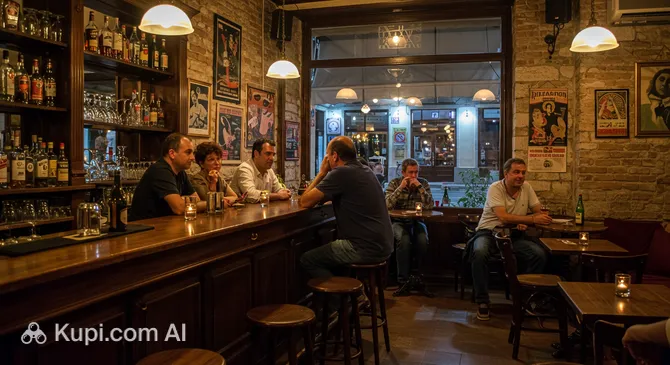
For a taste of the local social life, you can visit DAY DIN Café Bar Food. Located conveniently for a relaxing night out, this venue is known for its modern decor and extensive menu of drinks. It is an excellent spot to enjoy a creative cocktail or a glass of wine while soaking in the lively yet laid-back ambiance that defines the city's evenings.

DAY DIN Café Bar Food. Source: Kupi.Binoculars

If you prefer entertainment with a view, the hills surrounding the city provide the perfect vantage point. The Prophet Elias Lounge Cafe is a standout destination, offering panoramic vistas of the lake and the peninsula. Whether for a late-afternoon coffee or an evening drink, the experience of watching the sunset from this elevation is truly memorable and a favorite activity for couples and photographers.

Prophet Elias Lounge Cafe. Source: Kupi.Binoculars

Beyond nightlife, the region is famous for its unique events. The highlight of the winter season is the Ragkoutsaria, a three-day street carnival in January filled with brass bands and dancing. In the summer, the energy shifts to the nearby Nestorio River Party, one of Greece's oldest and most famous music festivals. Held just a short drive away, it attracts thousands of music lovers for concerts and camping by the river, offering a dynamic contrast to the quiet charm of the city.

Shoppers will also find plenty to explore, particularly regarding the city's heritage. Kastoria is the "Fur Center of Europe," and numerous showrooms offer high-quality fur and leather goods. For more traditional souvenirs, look for local food products such as the famous Prespa beans, wild mushrooms, and spoon sweets, which allow you to take a piece of West Macedonia's flavor home with you.

Parks & Museums

Kastoria is a destination where the boundaries between the natural environment and cultural heritage are beautifully blurred. The city does not rely on manicured urban parks; instead, it is enveloped by a stunning lakeside ecosystem and protected forests, while its rich history is showcased in a variety of fascinating museums and preserved neighborhoods.

The most significant "green space" in the city is undoubtedly the perimeter of Lake Orestiada. Lined with centuries-old plane trees and lush vegetation, the lakeside promenade serves as a massive linear park where locals and visitors come to relax. It offers a peaceful setting for walking or cycling, with the calm waters providing a habitat for diverse bird species, including Dalmatian pelicans and swans. For a more elevated natural experience, the hill of Prophet Elias offers a forested escape with pine trees and hiking trails, rewarding climbers with panoramic views over the city and the lake.

Another natural landmark that doubles as a major attraction is the area surrounding the Dragon's Cave. While the cave itself is a geological marvel, the exterior path leading to it is a scenic route carved into the rockside, offering close encounters with the local flora and the lake's waters. It is an ideal spot for nature lovers to appreciate the rugged beauty of the peninsula's northern side.

For those looking to delve into the region's cultural fabric, the Folklore Museum of Kastoria (Nerantzis Aivazis Mansion) is a cornerstone of local history. Located in the historic Doltso district, this museum is not just a collection of artifacts but an immersive experience housed in a grand 17th-century mansion. Visitors can explore the living quarters, reception halls, and workshops of a wealthy furrier family, gaining insight into the domestic life and the fur trade that brought prosperity to the region.

Nature and education intersect at the Kastoria Aquarium, the largest of its kind in the Balkans dedicated to freshwater ecosystems. It is home to a wide array of fish and organisms indigenous to Greek lakes and rivers. This facility is particularly interesting for tourists as it highlights the biodiversity of Lake Orestiada and the Aliakmonas River, offering a deeper understanding of the environment you see outside.

In terms of historical sites, the Panagia Mavriotissa Monastery stands out as a serene architectural gem. Founded in the 11th century, it is situated right on the lake's edge, shaded by a massive, ancient plane tree. The monastery is famous for its exterior frescoes, which have survived the elements for centuries. The site combines spiritual history with a tranquil natural setting, making it a perfect spot for quiet reflection.

Beyond the city center, a truly unique experience awaits at the Dispilio Lakeside Settlement. This open-air eco-museum features a reconstruction of a prehistoric Neolithic village, complete with huts built on stilts over the water and replicas of ancient tools. It offers a rare glimpse into how the earliest inhabitants of the region lived over 7,000 years ago, providing a stark and fascinating contrast to the Byzantine and Ottoman architecture found in the main town.

Getting Around

Navigating Kastoria is generally straightforward and stress-free, reflecting the city's relaxed pace and compact size. As a relatively small city with a population of around 13,000 residents, it does not possess complex transit networks like a metro or tram system. Instead, the public transport infrastructure relies primarily on a reliable bus service and taxis, though many visitors find that walking is the most enjoyable way to explore the historic peninsula and the lakeside promenade.

The main form of public transportation is the urban bus system, operated by Astiko KTEL Kastorias. These buses connect the city center with key neighborhoods, the local hospital, and nearby suburbs such as Dispilio. The fleet is modern and comfortable, providing an essential link for locals and a convenient option for tourists who wish to visit attractions located further from the charming, pedestrian-friendly historic districts of Doltso and Apozari.

Regarding payment, the system is traditional and simple. Tickets can be purchased at kiosks (known locally as periptera) or at the main bus station before boarding. While it is sometimes possible to buy a ticket from the driver, it often carries a slightly higher surcharge, so purchasing in advance is recommended. A standard single-journey ticket is very affordable, typically costing around €1.20 to €1.50. Once on board, you must validate your paper ticket in the machines provided to avoid fines.

For those who prefer a more direct and private mode of transport, taxis are widely available and reasonably priced. You can easily find them waiting at designated taxi ranks, particularly around the central Van Fleet Square and near the bus station. Taxis in the city are usually silver or yellow and operate on a meter system. Since ride-hailing apps are not widely used in this smaller regional city, it is best to hail a cab on the street or ask your hotel reception to call a local radio taxi service for you.

A unique and scenic "transport" option specific to Kastoria is the municipal boat, often named Olympia. While it serves more as a sightseeing vessel than a commuter ferry, it offers a delightful way to travel around the peninsula via the lake. The boat departs from the northern and southern piers, taking passengers on a relaxing cruise that offers a different perspective of the city's mansions and the surrounding mountains. It operates primarily during the tourist season, so it is wise to check the schedule at the pier.

Given the city's geography—a peninsula jutting into the lake—walking is arguably the best way to get around. The famous "Gyros tis Limnis" (Tour of the Lake) is a flat, paved route that encircles the peninsula and is perfect for pedestrians and cyclists. Bicycle rentals are available in the city, and riding along the tree-lined shore is a popular activity for both locals and visitors, allowing you to stop at will to admire the views or visit the Dragon's Cave.

If you plan to explore the wider region of West Macedonia, such as the Prespa Lakes or the ski centers on Mount Vitsi, relying solely on public buses can be limiting due to infrequent schedules. In this case, renting a car is highly advisable. several rental agencies operate within the city, offering the flexibility to traverse the mountainous terrain at your own pace.

Accommodation

Accommodation in Kastoria offers a refreshing departure from the typical large-scale resort model found in many Greek coastal destinations. Here, the focus is on character, history, and integration with the stunning natural landscape. Visitors can choose from a variety of options ranging from modern city hotels with panoramic lake views to cozy, family-run guesthouses. However, the true highlight of the local hospitality scene is the opportunity to stay in restored traditional mansions, known as archontika, which have been converted into boutique hotels. These venues combine modern amenities with the stone-and-wood architecture of the 17th and 18th centuries, offering a truly atmospheric stay.

When choosing where to stay, location plays a key role in the experience. The most atmospheric areas are the historic districts of Doltso and Apozari. Staying here places you in the heart of the old town, surrounded by narrow cobbled streets and Byzantine churches, perfect for travelers seeking a romantic or cultural escape. Alternatively, the lakeside promenade (both the northern and southern sides of the peninsula) is ideal for those who prioritize scenic vistas. Hotels in this area often feature balconies overlooking Lake Orestiada, allowing guests to wake up to the sight of swans and the calm water. For those who prefer easy access to shops, banks, and public transport, the modern city center offers several comfortable and convenient options.

Since Kastoria is a year-round destination with a peak season that differs from the islands, booking strategies should be adjusted accordingly. The city is particularly popular during the autumn and winter months, especially around the Christmas holidays and the famous Ragkoutsaria festival in early January. During these times, accommodation can sell out weeks or even months in advance, so early planning is highly recommended. Conversely, spring and summer can offer more flexibility and often better rates.

In terms of cost, the city generally provides excellent value for money. While the exclusive boutique mansions and top-tier lakeside hotels fall into the mid-range to luxury price brackets, they are often more affordable than comparable options in more commercialized tourist hubs. Budget travelers can also find economical rooms and standard hotels, particularly in the newer parts of the town. Most properties are listed on major online booking platforms, making it easy to compare prices and secure reservations, though contacting smaller guesthouses directly can sometimes yield a more personalized offer.

Nearby Cities

Nearby Cities:

Situated in the remote yet beautiful region of West Macedonia, Kastoria serves as a peaceful retreat that can also function as a starting point for exploring Northern Greece. While the city itself is tucked away in the mountains, a drive of one to two hours connects visitors to several other important regional centers, each offering a different slice of Greek culture, history, and geography.

The following table provides an overview of the nearest major cities, their population, and their distance from Kastoria:

City Population Distance (km)
Kozani 67,161 50
Ioannina 113,094 101
Katerini 82,971 109
Trikala 61,653 115
Larissa 144,651 138

Kozani is the closest significant neighbor and the administrative capital of the West Macedonia region. Located just an hour's drive away, it is famous for producing some of the world's highest-quality saffron, known locally as Krokos Kozanis. The city features a renowned historic library and a lively carnival tradition, making it an interesting stop for those looking to understand the broader culture of the area.

Traveling west through the Pindus mountains leads to Ioannina, the capital of Epirus. Like Kastoria, it is a lakeside city, sitting on the shores of Lake Pamvotis. Ioannina is steeped in history, particularly from the Ottoman era and the reign of Ali Pasha. Visitors here can explore the imposing castle, visit the island in the lake, and admire the city's long tradition of silver craftsmanship.

Further south lies Trikala, a city celebrated for its high quality of life and flat terrain, which has made it the "bicycle capital" of Greece. It is dominated by a Byzantine fortress and features the Lithaios River flowing through its center. Trikala is also the gateway to the spectacular rock formations and monasteries of Meteora, one of the country's most iconic sites.

To the east, near the coast, is Katerini. It sits at the foot of Mount Olympus, the mythical home of the ancient Greek gods. While often visited for its proximity to seaside resorts, the city itself is a bustling commercial hub and a convenient base for those wishing to hike the legendary mountain trails.

Shopping & Souvenirs

Shopping in Kastoria is a unique experience that differs significantly from the typical souvenir hunting found in other Greek tourist destinations. The city is globally renowned as the "Fur Center of Europe," a title it has held for centuries due to its master craftsmanship in fur and leather processing. While you will find standard commercial stores, the true essence of shopping here lies in exploring the high-quality local products, ranging from luxurious garments to delicious regional delicacies produced in the surrounding mountains and lakesides.

The heart of the city's commercial activity is centered around Mitropoleos Street and the roads radiating from Omonoia Square. This area serves as the main open-air market where locals do their daily shopping. Here, you can find a variety of boutiques selling clothing, shoes, and accessories, as well as traditional shops offering local goods. Walking down these streets is a pleasant experience, as they are lined with cafes and offer glimpses of the lake, making a shopping trip feel like a leisurely stroll through the city's modern history.

Unlike larger metropolitan areas, Kastoria does not feature massive modern shopping malls or sprawling department store complexes. The retail landscape is dominated by small, family-owned businesses and independent boutiques that offer personalized service. However, for those interested in the city's primary industry, the EDIKA (Exhibition Center of Kastoria) and the numerous large fur showrooms located along the highway entering the city function somewhat like specialized malls. These vast showrooms display thousands of fur and leather coats, attracting buyers from all over the world.

For a more traditional and flavorful experience, the weekly open-air market (Laiki Agora) is a must-visit. Typically held on Wednesdays, this vibrant market brings together producers from the entire West Macedonia region. Stalls are piled high with fresh seasonal fruits, vegetables, and local specialties. It is the perfect place to mingle with residents and discover the agricultural richness of the area, from crisp apples to locally harvested nuts.

When it comes to souvenirs, fur products remain the top choice, but you don't have to buy a full coat to take a piece of this heritage home. Many shops sell affordable accessories made from fur scraps, such as warm slippers, hats, gloves, and scarves, which make for excellent and practical gifts. Beyond fashion, the region is famous for its gastronomy. Visitors should look for Gigantes (giant beans) from the nearby Prespa Lakes, wild mushrooms gathered from the Vitsi mountains, and mountain tea. Local "spoon sweets" (fruit preserves) are also a delightful treat to bring back.

Store opening hours in Kastoria follow the traditional Greek schedule. Shops generally open around 9:00 AM and stay open until 2:00 PM or 2:30 PM. On Tuesdays, Thursdays, and Fridays, they reopen in the evening from approximately 5:30 PM to 9:00 PM. Mondays, Wednesdays, and Saturdays are typically morning-only days, and shops are closed on Sundays. Regarding payment, major credit and debit cards are widely accepted in fur showrooms, hotels, and larger stores. However, carrying some cash is advisable for small purchases at kiosks, bakeries, or the open-air market.

For travelers residing outside the European Union, Kastoria offers Tax-Free shopping opportunities, particularly valuable given the high price point of fur and leather goods. Most major fur showrooms and authorized retailers participate in the VAT refund scheme. If you plan to make a significant purchase, be sure to ask the shopkeeper for a "Tax-Free" form and bring your passport with you. You can then claim your refund at the customs office upon your departure from Greece.

Reached the end of the page?

That means the route is fully explored