Support

Podgorica

About

Podgorica is the vibrant capital and largest city of Montenegro. Unlike the coastal towns famous for their medieval walls, this city offers a unique blend of modern energy and historical layers. As the administrative, economic, and cultural center of the country, it serves as the beating heart of the nation, providing a distinct perspective on local life.

Geographically, the city is situated in the expansive Zeta Plain, at the picturesque confluence of the Ribnica and Morača rivers. This central location makes it a strategic crossroads, located roughly equidistant from the stunning Adriatic coast and the rugged northern mountains. With a population of approximately 150,000 residents, it maintains a lively yet manageable atmosphere. The climate here is typically Mediterranean, characterized by hot, dry summers and mild winters, making it accessible year-round.
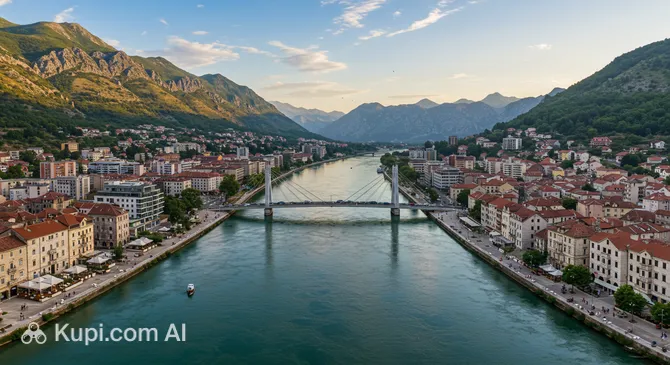
Podgorica. Source: Kupi.Binoculars

The history of Podgorica is a fascinating tale of resilience and transformation. Having been built and rebuilt numerous times over the centuries, the cityscape presents an interesting mix of architectural styles, ranging from remaining Ottoman-era structures to socialist-era blocks and contemporary glass edifices.

Visitors can explore several key landmarks that define the city's character. The Millennium Bridge spanning the turquoise waters of the Morača River stands as a symbol of the city's modern growth and is a favorite spot for photography. In contrast, the ancient Sahat Kula (Clock Tower) in the Old Town (Stara Varoš) offers a glimpse into the past. The monumental Cathedral of the Resurrection of Christ is another must-see, renowned for its intricate artistic details and grand scale.

Whether you are passing through on your way to the coast or staying to explore its abundant green parks and bustling café culture, Podgorica offers a warm welcome. It is an excellent starting point for discovering the diverse beauty of the region and enjoying the authentic hospitality of its people.
Weather Overview

The climate in this region is characterized by distinct seasonal changes, shifting from hot summers to cool, damp winters. For a more detailed breakdown of conditions throughout the year, you can check the current weather in Podgorica to help plan your trip. Generally, the city enjoys warmth for a significant part of the year, though visitors should be prepared for varying precipitation depending on the month.

Summer is the warmest and driest period, particularly in July and August, when average maximum temperatures reach approximately 29°C. Rainfall is minimal during this time, with precipitation dropping to around 2mm. In contrast, the winter months bring cooler temperatures and more frequent rain. January is typically the coldest month, with an average temperature of 3.2°C and lows occasionally dipping to -0.5°C.

Transitional seasons like spring and autumn offer moderate conditions, with average temperatures ranging from 11°C to 19°C. However, travelers should note that the cooler months, especially November and December, are characterized by a higher frequency of wet days, seeing rain on up to 15 days per month.

Interesting Facts

Beyond the main attractions, Podgorica holds many fascinating secrets that reveal its complex identity and resilience.
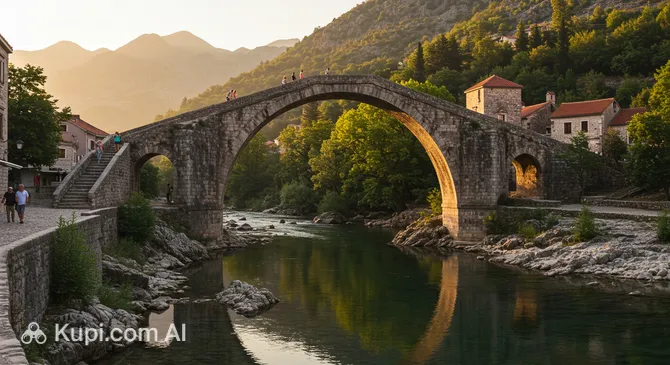
Old Ribnica Bridge. Source: Kupi.Binoculars
  • The city's name literally translates to "under the small hill," referring to the cypress-covered Gorica Park that rises above the center. This hill is considered the cradle of the settlement and remains the city's most popular green oasis.

  • For nearly five decades, from 1946 to 1992, the capital was known as Titograd. It was renamed in honor of the Yugoslav leader Josip Broz Tito, and you can still find traces of this era in the local urban legends and older infrastructure.

  • Podgorica is often described as a "Phoenix City" because it was almost completely destroyed during World War II. It suffered over 70 aerial bombardments, which explains why the cityscape is dominated by modern architecture rather than the medieval buildings typical of other Balkan capitals.

  • The Old Ribnica Bridge, located in the historical Stara Varoš district, hides a secret in its stones. While the visible structure is Ottoman, it is widely believed to rest on ancient Roman foundations, symbolizing the layered history of the region.

  • Just outside the city lies one of Europe's most unique wine cellars, Šipčanik. This vast underground facility was originally built as a secret military aircraft hangar for the Yugoslav Air Force before being transformed into a treasure trove for wine lovers.

How to Get There

Reaching the Montenegrin capital is relatively straightforward, as the city serves as a central transportation hub for the country. Whether you are arriving by air or land, there are several convenient options to choose from. For a detailed overview of all routes and travel advice, you can read more about how to get to Podgorica to help plan your journey effectively.

The most direct way to arrive is via Podgorica Airport (IATA: TGD), which is located just 7.9 km from the city center. As a primary international airport, it connects the capital with numerous European destinations. The short distance makes the commute very quick; a trip by taxi or bus typically takes around 32 minutes.

Alternatively, many travelers fly into Tivat Airport (IATA: TIV), located in the coastal city of Tivat, approximately 44.3 km away. This is a popular option during the summer season, and the drive to Podgorica takes about 1 hour and 26 minutes. Another significant entry point in the region is Dubrovnik Airport (IATA: DBV) in Dubrovnik, situated 82.8 km from the city. While further away, it handles a high volume of international traffic, with a transfer time of roughly 2 hours and 25 minutes.

For clarity, here is a summary of the main airports:

Airport Name City Passenger Traffic Km from City
Tirana International Airport Tirana Large 118.2
Dubrovnik Airport Dubrovnik Large 82.8
Podgorica Airport Podgorica Medium 7.9
Tivat Airport Tivat Medium 44.3
Kukes Zayed Kukes Small 105.1

For those considering rail travel in the wider region, it is important to note that the closest major international stations listed are located across the Adriatic Sea in Italy. You can arrive at Bari Centrale Station (IATA: BAU) in the city of Bari, which is about 246.5 km from Podgorica. From there, the total travel time, including necessary transfers, is estimated at approximately 6 hours and 30 minutes. Another option in the vicinity is Brindisi Railway Station (IATA: BQD) in Brindisi, located roughly 227.9 km away.

Below is a summary of the railway stations in the wider region:

Station City Passenger Traffic Km to Center
Bari Centrale Station Bari Large 246.5
Brindisi Railway Station Brindisi 227.9

Main Attractions

Podgorica offers a fascinating mix of architectural styles and urban experiences, reflecting its journey from a historic settlement to a modern European capital. Visitors can explore a variety of landmarks that range from contemporary engineering marvels to serene natural retreats, all within close proximity to the city center.

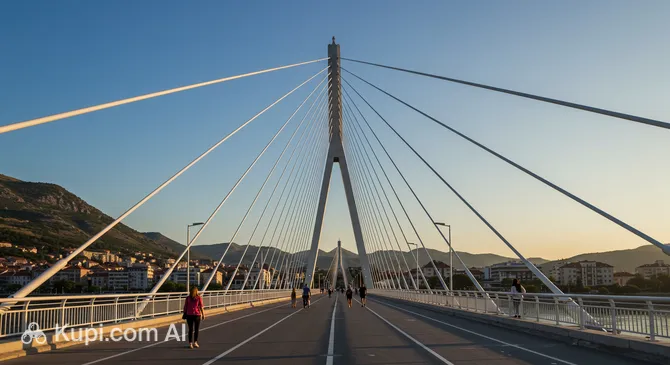
Millennium Bridge. Source: Kupi.Binoculars

One of the most prominent symbols of the city is the Millennium Bridge. Spanning the Morača River, this impressive cable-stayed structure is a feat of modern design that connects the older districts with the newer parts of the capital. It is particularly captivating at night when the white cables are illuminated, creating a stunning visual against the dark sky and making it a favorite location for photographers and evening walks.

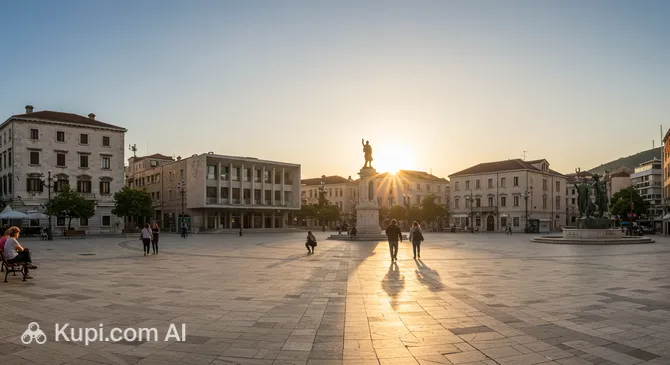
For those seeking the vibrant social heart of Podgorica, Independence Square is the place to be. Located in the city center, this spacious plaza is surrounded by administrative buildings, shops, and cafes, serving as a primary gathering spot for locals. It frequently hosts public events, concerts, and markets, offering tourists a chance to immerse themselves in the lively atmosphere of the Montenegrin capital.

Independence Square. Source: Kupi.Binoculars

Nature lovers will appreciate Gorica Park, the lush hill that rises above the city center. As a protected natural area, it serves as the city's "lungs" and provides a refreshing escape from the urban bustle. The park features a network of walking and cycling trails, an adventure park for thrill-seekers, and several viewpoints that offer panoramic vistas of the cityscape below.

Travelers interested in shopping and modern leisure should visit BIG Fashion Podgorica. As the largest shopping mall in the country, it is a major destination for both locals and tourists. The center houses a wide array of international and local brands, a cinema complex, and numerous dining options, making it an excellent spot for indoor entertainment and finding the latest trends.

Local Cuisine

The culinary scene in Podgorica is a delightful reflection of its geographical position, bridging the gap between the hearty, meat-heavy dishes of the Montenegrin mountains and the fresh flavors of the Mediterranean coast. The city's gastronomy also retains a subtle Ottoman influence, resulting in a diverse menu that is both comforting and rich in flavor.

A visit to the capital is incomplete without trying its signature dish, Podgorički popeci. This local specialty consists of veal steaks stuffed with prosciutto and traditional kajmak (clotted cream), then rolled, breaded, and fried to golden perfection. Another regional favorite is fish from the nearby Skadar Lake, particularly carp (krap), which is often prepared smoked or cooked in a savory prune sauce.

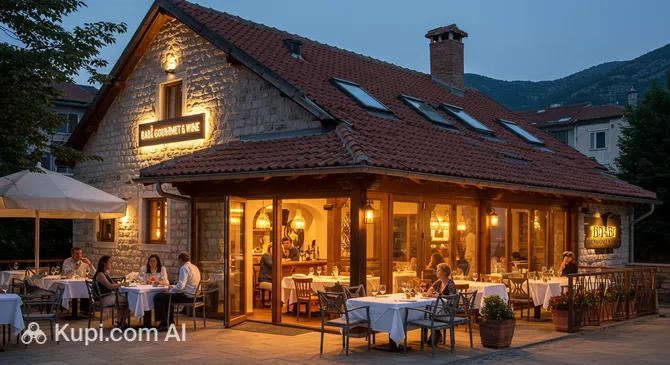
For those seeking a refined dining experience, Babi Gourmet & Wine is an excellent choice. This venue combines high-quality international and local cuisine with an impressive selection of wines, allowing visitors to taste the renowned Montenegrin Vranac in a sophisticated setting.

Babi Gourmet & Wine. Source: Kupi.Binoculars

The city also boasts a vibrant café culture and a growing number of modern eateries. Protokol Restaurant is a popular spot that offers a contemporary atmosphere and a diverse menu suitable for various tastes. It is a great place to enjoy a meal while soaking in the modern vibe of the city.

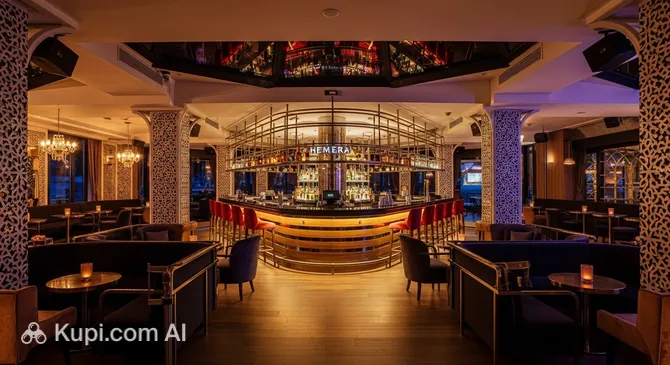
If you are looking for a place to unwind with a drink, the unique interior of Hemera Bar provides a chic backdrop for evening cocktails. Alternatively, for a more relaxed and intellectual ambiance, Itaka Library Bar offers a cozy environment surrounded by books, perfect for enjoying a quiet coffee or a nightcap.

Hemera Bar. Source: Kupi.Binoculars

Travel Tips

Visiting Podgorica is a relaxed experience compared to many bustling European capitals, but a few practical insights will help you navigate the city with the ease of a local. From managing your budget to understanding the relaxed social pace, these tips ensure you make the most of your stay in the heart of Montenegro.

  1. Dress for the Climate: Podgorica is known as one of the hottest cities in Europe during the summer, so lightweight, breathable clothing and sun protection are absolute musts if visiting between June and August. Conversely, winters are mild but can be quite wet; a waterproof jacket and comfortable, water-resistant shoes are highly recommended. If you plan to visit religious sites like the Cathedral of the Resurrection of Christ, remember to dress modestly, covering shoulders and knees.
  2. Getting Around Efficiently: The city center is compact and very walkable, making it easy to explore major sights on foot. For longer distances, taxis are the most convenient option; they are surprisingly affordable and reliable. It is best to order one by phone or via an app (like TeslaGo or City Taxi) rather than hailing from the street to ensure a metered ride. Public buses exist but can be difficult for tourists to navigate due to limited schedule information.
  3. Currency and Cash Flow: The official currency is the Euro (€). While credit cards are widely accepted in shopping malls, hotels, and modern restaurants, cash remains king in smaller cafes, bakeries, and for taxi rides. ATMs are plentiful, but it is wise to carry small bills and coins for minor daily expenses. Tipping is appreciated but not mandatory; rounding up the bill or leaving 10% for good service is standard practice.
  4. Health and Safety: Podgorica is generally a very safe city for travelers, even at night. Pharmacies, marked as Apoteka, are easy to locate, and staff often speak English. Tap water is generally safe to drink, though many visitors and locals opt for bottled water during the hot summer months. As in any city, keep an eye on your belongings in crowded places, but violent crime is rare.
  5. Language and Connection: The official language is Montenegrin, which is mutually intelligible with Serbian, Croatian, and Bosnian. English is widely spoken by the younger population and in the hospitality sector, so communication is rarely an issue. To stay connected, you can purchase a tourist SIM card with generous data packages at any "Tabacco" kiosk or newsstand for a very low cost.
  6. Embrace the Coffee Culture: Socializing in cafes is a way of life here. Do not be surprised to see locals sipping a single espresso for hours; the service is not slow, just relaxed. When meeting locals, a firm handshake is the standard greeting. Be aware that smoking indoors is still common in many cafes and restaurants, although some places now offer non-smoking sections.
  7. Sunday Shopping Rules: It is crucial to know that almost all shops and supermarkets in the country are closed on Sundays due to national labor laws. Only gas stations, bakeries, and pharmacies (on rotation) remain open. Plan your grocery shopping or souvenir hunting for Saturday to avoid inconvenience.
  8. What to Avoid: Avoid discussing sensitive political topics related to regional history or ethnic identities, as these can be complex and personal. Additionally, try not to show impatience in service situations; the local "polako" (take it easy) attitude is part of the charm, and rushing people is often seen as rude.

By keeping these practicalities in mind, you can focus on enjoying the authentic atmosphere and warm hospitality that Podgorica has to offer. Whether you are sipping coffee in a sun-drenched square or exploring the city's hidden corners, you are sure to have a smooth and memorable journey.

Entertainment & Nightlife

Podgorica transforms as the sun sets, revealing a vibrant and energetic side that surprises many visitors. While it may not have the massive clubbing scene of larger European capitals, the nightlife here is bustling, authentic, and incredibly social. The city comes alive particularly on Friday and Saturday nights, though during the warm summer months, the streets remain animated well into the week.

The epicenter of evening entertainment is undoubtedly the downtown area, specifically Bokeška Street and Njegoševa Street. These pedestrian-friendly zones are lined with a dense concentration of bars, pubs, and cafes that spill out onto the sidewalks. The atmosphere here is often described as a massive open-air party, where locals hop from one venue to another, socializing in the streets. The dress code is generally "smart casual"—Montenegrins like to dress up for a night out, but the vibe remains welcoming rather than exclusive.

For a sophisticated evening, Hemera Bar is a standout location. With its unique industrial-chic design and extensive cocktail menu, it attracts a stylish crowd looking for a refined ambiance. It is an excellent spot to start the night or enjoy a conversation in a visually striking setting. Just a short distance away, nestled in a more tranquil corner, the Itaka Library Bar offers a completely different experience. As the name suggests, it is surrounded by books, creating a cozy and intellectual atmosphere that transitions into a lively hangout spot with great music as the evening progresses.

Another popular district for nightlife is the modern The Capital Plaza complex. This area represents the new face of the city and is home to trendy venues like Protokol Restaurant. While primarily a dining establishment, it frequently hosts DJ nights and has a vibrant bar section that stays busy late into the night, making it perfect for those who want to combine dinner with drinks in a contemporary setting.

Practical Nightlife Tips:
Most bars open early for coffee but switch to "night mode" around 9:00 PM, staying open until 1:00 AM or 2:00 AM. Nightclubs typically open around midnight and go until the early morning hours. Prices in Podgorica are very reasonable compared to Western Europe; a beer or glass of wine usually costs between €2 and €4. Getting around at night is safe and easy. Taxis are the best way to move between districts; they are plentiful and inexpensive. It is always safer and cheaper to call a taxi (e.g., Red Taxi, Alo Taxi) rather than hailing one on the street.

Beyond the nightlife, the city offers various daytime entertainment options. Culture enthusiasts should check the schedule at the Montenegrin National Theatre, which hosts high-quality performances and concerts. For families or those seeking leisure, the city's museums, such as the City Museum of Podgorica, offer interesting insights into local heritage, while the numerous green spaces provide a relaxed setting for afternoon activities.

The city is generally very safe for night walks, especially in the well-lit center and The Capital Plaza area. However, as with any travel destination, it is wise to stick to populated areas and avoid unlit parks late at night.

Parks & Museums

While often recognized for its administrative role and modern architecture, Podgorica is surprisingly green and rich in cultural heritage. The city is dotted with lush parks that offer a respite from the Mediterranean heat, while its museums provide a deep dive into the complex history of the region, ranging from ancient Roman times to the present day.

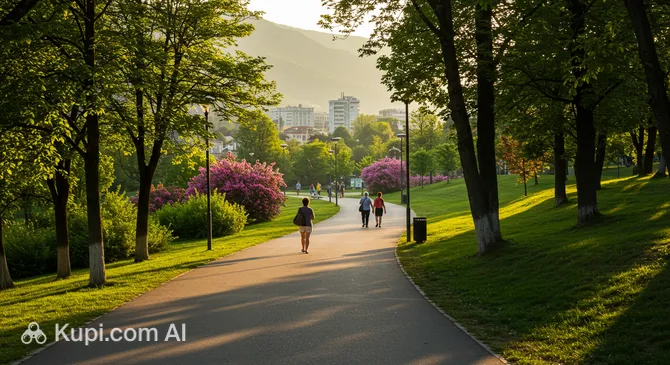
The most famous green space is undoubtedly Gorica Park. This forested hill, after which the city is named (Podgorica translates to "under the small hill"), serves as the primary recreational area for locals. It features well-maintained walking and cycling trails, an adventure park, and serene spots for picnics. The summit offers a commanding view of the city and the surrounding mountains, making it a perfect location for a sunset walk.

Gorica Park. Source: Kupi.Binoculars

Another significant green area is Kruševac Park, located in the Novi Grad district. This park is not only a botanical haven with pine trees and fountains but also a historical site. It was once the winter residence of King Nikola I of Montenegro. Today, the park is a favorite among families and couples for its romantic atmosphere and the architectural beauty of the former royal complex nestled within the greenery.

For culture enthusiasts, the City Museum of Podgorica (Muzej grada Podgorice) is an essential stop. It houses a diverse collection of archaeological, ethnographic, and historical artifacts that tell the story of the city's turbulent past. Highlights include items from the ancient Roman city of Doclea (Duklja), traditional Montenegrin costumes, and exhibits detailing the city's destruction and rebirth during the 20th century.

Art lovers should visit the Centre of Contemporary Art of Montenegro, which is housed in the Petrović Palace within Kruševac Park. The gallery showcases a rotating selection of works by prominent local and international artists. The contrast between the 19th-century royal architecture of the building and the modern art displayed inside creates a unique and inspiring cultural experience.

For a truly authentic glimpse into the region's ancient roots, take a short trip just outside the city center to the archaeological site of Doclea (Duklja). These Roman ruins, dating back to the 1st century AD, are an open-air museum where you can walk among the remains of temples, baths, and forums, often with very few other tourists around.

Getting Around

Public transport in Podgorica is relatively simple and straightforward, reflecting the city's compact size. Unlike larger European capitals, there is no metro, tram, or trolleybus system here. The public transportation network relies entirely on buses, which cover most neighborhoods and suburbs. For the majority of tourists, however, the city center is small enough to be explored comfortably on foot.

The bus system has undergone modernization in recent years, with newer vehicles introduced to the fleet. Buses typically operate from early morning, around 5:30 AM, until late evening, usually stopping between 10:00 PM and 11:00 PM. While the network connects all major districts, frequencies can vary, with intervals ranging from 15 to 30 minutes depending on the line and time of day. Schedules are not always strictly adhered to, so a bit of patience is sometimes required.

Regarding payment, the system is very user-friendly for visitors. You do not need to purchase a travel card in advance for a short stay. The standard way to pay is cash directly to the driver upon boarding. A single ride costs approximately €0.90 and is valid for that specific journey. While an electronic ticket system exists for residents and frequent commuters, paying with small change is the most practical option for tourists. Always try to have coins or small bills (such as 5 Euro notes) ready, as drivers often do not have change for larger denominations.

One of the most popular alternatives to public buses is the taxi service. Taxis in Podgorica are exceptionally affordable compared to Western European standards and are widely used by locals and tourists alike for daily commuting. A typical ride across the city center often costs between €2 and €4. It is highly recommended to order a taxi via reputable apps (such as TeslaGo or Klik Taxi) or by phone (Red Taxi, City Taxi) to ensure a metered rate, as hailing a cab on the street can sometimes lead to higher, negotiated prices.

For those who prefer active travel, the city is geographically flat, making it ideal for cycling. There is a growing network of bike lanes, and the terrain is not demanding. Walking is also a viable and pleasant option, especially within the downtown area and the historic Stara Varoš district, where many attractions are clustered close together.

Finally, while the Main Railway Station is a key transport hub, it is primarily used for intercity travel to places like Bar or Nikšić rather than for getting around the city itself. If you arrive by train, you can easily catch a bus or a cheap taxi from the station to your accommodation.

Accommodation

Accommodation in Podgorica caters to a diverse range of travelers, from business professionals to backpackers exploring the Balkans. Unlike the coastal resorts where tourism is the primary focus, the capital's lodging scene is driven by a mix of administrative activity and transit tourism. Visitors can find everything from modern luxury hotels and efficient business lodgings to a vast array of private apartments and budget-friendly hostels.

When choosing where to stay, location is key. The City Center (Nova Varoš) is the most popular choice for tourists, offering immediate access to major sights, cafes, and administrative buildings. Staying here puts you within walking distance of the main pedestrian zones and the vibrant nightlife. Across the river, the district of Preko Morače is the modern business hub, characterized by wider boulevards and contemporary architecture; it is ideal for business travelers or those seeking a quieter, more upscale environment. For a glimpse into the city's Ottoman past, the Stara Varoš neighborhood offers smaller guesthouses and a more traditional atmosphere, though options here are more limited compared to the newer parts of town.

Booking Tip: While Podgorica does not experience the extreme overcrowding of the Adriatic coast during the peak summer months, it is still a functioning capital city. It is advisable to book your accommodation in advance if you are visiting during major national holidays or if there are large business conferences taking place. However, for most of the year, finding a room is relatively stress-free compared to the coastal tourist hubs.

The cost of staying in the capital is generally lower than in popular towns like Budva or Kotor. Budget travelers can find hostel beds or simple private rooms for approximately €20 to €35 per night. Mid-range hotels and well-equipped apartments typically range from €40 to €80, while luxury options can go upwards of €100. Online booking platforms are widely used and reliable, but for private apartments—which are a very common and comfortable option in Montenegro—communicating directly with hosts via these apps often ensures a smooth check-in process.

Nearby Cities

For those looking to explore the surroundings, Podgorica serves as an excellent base for day trips to several interesting nearby locations: the city's central position allows for easy access to both the Adriatic coast and the mountainous interior. One of the most popular destinations is Budva, located just 38 km away. Known as the tourism metropolis of Montenegro, it attracts visitors with its Venetian-style Old Town, sandy beaches, and lively atmosphere. Heading northwest, travelers can visit Niksic, the second-largest city in the country. It offers a different perspective with its industrial heritage and proximity to significant cultural sites like the Ostrog Monastery. Further south lies Ulcinj, a coastal town famous for its long sandy beaches and unique blend of cultures.

City Population Distance (km)
Niksic 56970 46
Ulcinj 19921 56
Herceg Novi 19536 60
Budva 19218 38
Bijelo Polje 15883 79

These nearby destinations offer a glimpse into the diverse culture and landscapes of the region.

Shopping & Souvenirs

Shopping in Podgorica offers a relaxed and accessible experience, reflecting the city's blend of modern development and local tradition. While it may not rival the massive fashion capitals of Europe in size, the Montenegrin capital provides a surprising variety of international brands, high-quality Italian fashion, and affordable local goods. The city is compact, meaning you can easily switch between modern shopping centers and open-air markets within a single afternoon.

For those who enjoy strolling while they shop, Hercegovačka Street and Njegoševa Street in the city center are the primary destinations. These pedestrian-friendly zones are lined with numerous boutiques, jewelry shops, and cosmetic stores. The atmosphere here is lively, especially in the evenings, as the streets are also home to many cafes where locals pause for a break. It is the perfect place to find clothing, accessories, and shoes, often imported from nearby Italy.

If you prefer a comprehensive indoor experience, the city is home to the country's largest retail hub, BIG Fashion Podgorica. Formerly known as Delta City, this mall is a favorite among locals and tourists alike. It houses a wide range of popular international high-street brands, a cinema, and a food court. Another notable location is the Mall of Montenegro, which is conveniently situated near the bus station and offers a mix of retail shops and practical services.

BIG Fashion Podgorica. Source: Kupi.Binoculars

To experience the authentic flavor of the region, a visit to the Gintaš Market (Green Market), adjacent to the Mall of Montenegro, is essential. This bustling indoor market is where the city's residents buy fresh produce. Here, you can find stalls piled high with seasonal fruits, vegetables, homemade cheeses, and olive oil. It is also a great place to explore the "flea market" section for unique trinkets and textiles.

When it comes to souvenirs, the best items to bring back are those that showcase Montenegro's rich culinary heritage. A bottle of Vranac wine, the country's indigenous red varietal, is a top choice. Other popular gifts include rakija (fruit brandy), locally produced honey, and Njeguški pršut (smoked ham). For non-food items, look for the traditional Montenegrin cap (kapa) or religious icons, which can be found in specialized souvenir shops in the center.

Opening hours for most shops are typically from 9:00 AM to 9:00 PM or 10:00 PM on working days. However, it is critically important to remember that almost all shops, including malls and supermarkets, are closed on Sundays by law. Payment is convenient, with the Euro (€) being the official currency. Credit and debit cards are widely accepted in malls and city-center stores, but you will need cash for the markets and smaller kiosks. Tourists residing outside Montenegro may also be eligible for a VAT refund on purchases exceeding a certain amount (usually around €100), so be sure to ask for "Tax-Free" forms at participating stores.

Reached the end of the page?

That means the route is fully explored