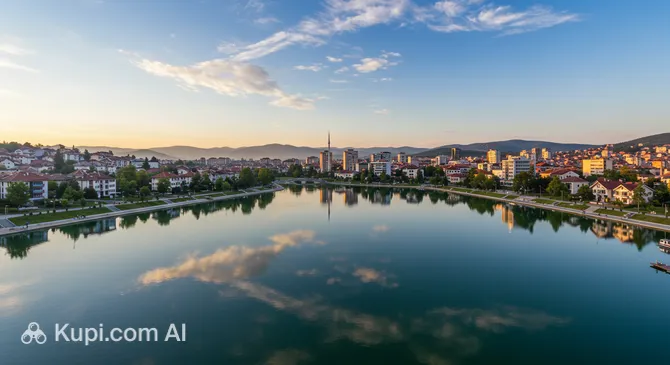
Welcome to Tuzla, a vibrant and historically significant city located in the northeastern part of Bosnia and Herzegovina. As the third-largest city in the country and the administrative center of the Tuzla Canton, it serves as an important economic, cultural, and educational hub. Known for its welcoming atmosphere and unique geological features, Tuzla offers travelers a distinctive blend of industrial heritage and modern urban living.
Geographically, the city is situated in the majestic slopes of the Majevica mountain, enjoying a moderate continental climate. With a population of approximately 110,000 residents, it feels lively yet manageable for visitors exploring on foot. The history of Tuzla is fascinating and dates back to the Neolithic era, making it one of the oldest continuously inhabited settlements in Europe, largely due to its abundant salt deposits.
Tuzla. Illustration.
Source: Kupi.com AI
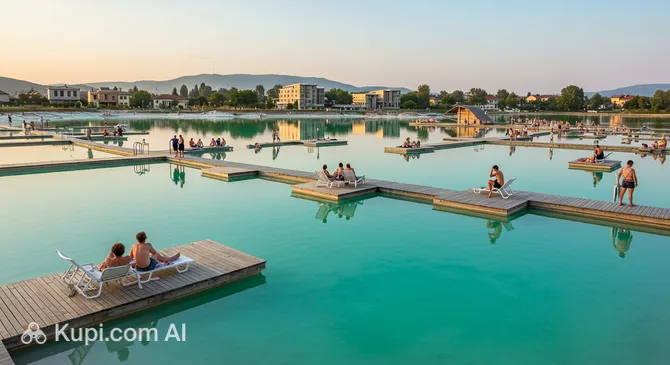
What truly sets Tuzla apart is its status as the only city in Europe to have salt lakes in its center. The Pannonian Lakes are a top attraction, offering visitors the chance to swim in healing saltwater right in the heart of the city during the summer months. Nearby, the bustling Trg Slobode (Freedom Square) is the largest square in the country, surrounded by charming architecture and cafes perfect for people-watching.
Whether you are interested in relaxing by the unique salt lakes, exploring the pedestrian-friendly streets of the Old Town, or enjoying the local cuisine, Tuzla is a destination that surprises and delights. It is a perfect stop for those seeking an authentic and memorable experience in the Balkans.
Weather Overview
The weather in Tuzla is characterized by four distinct seasons, typical of a moderate continental climate. Visitors can expect warm summers with occasional rain and cold winters. During the peak summer months of July and August, average temperatures hover around 22°C, with daytime highs often reaching nearly 28°C, creating ideal conditions for exploring the city.
In contrast, the winter season brings cooler air, particularly in January when the average temperature drops to approximately 1.7°C and lows can dip below freezing. Spring and autumn offer a pleasant transition, though travelers should be prepared for showers, especially in May and June, which tend to have a higher number of wet days. Overall, the climate is generally mild, making the city accessible for travel throughout the year.
Average monthly temperature
Average monthly precipitation
Interesting Facts
Beyond the main attractions, Tuzla holds many fascinating secrets that reveal its deep connection to the earth and its resilient spirit. From geological oddities to quirky local legends, the city has plenty of unique stories to share with curious travelers.
The Sinking City: Due to centuries of intensive salt extraction from underground deposits, the ground beneath the city has significantly subsided. This geological phenomenon caused the old city center to sink by several meters over the past century, leading to the unique architectural landscape where buildings had to be reconstructed or reinforced.
A Salty Name: The city's identity is permanently tied to its most famous resource. The name "Tuzla" is derived from the Turkish word tuz, meaning salt. Throughout history, it has always carried this designation, known as Soli in medieval times and Salines during the Roman era.
The Legend of the Goat: Locals are fond of the humorous saying "The whole of Tuzla milked one goat." This stems from an old Austro-Hungarian report that noted the presence of a single goat in the region, which became a symbol of the city's independent spirit and is now commemorated with a statue.
Ancient Sea Water: The water found in the Pannonian Salt Lakes is not just ordinary saltwater; it is the fossilized remnant of the Pannonian Sea, which dried up millions of years ago. This makes the lakes a geological rarity, offering mineral-rich waters in the heart of the continent.
Pannonian Salt Lakes. Illustration.
Source: Kupi.com AI
Traveler photos:
How to Get There
Reaching this welcoming city in northeastern Bosnia and Herzegovina is relatively straightforward, thanks to its strategic location and transport connections. Whether you are arriving by air or planning a scenic road trip through the Balkans, you have several convenient options. For a detailed breakdown of all routes and transport modes, you can read more about how to get to Tuzla on our dedicated page.
The most convenient entry point is the local Tuzla International Airport (IATA: TZL), located just 10 km from the city center. As a hub for low-cost carriers, it connects the region with numerous European destinations. The journey from the terminal to the downtown area is quick, typically taking around 35 minutes by taxi or shuttle bus. While it is a smaller regional hub with annual passenger traffic of approximately 580,000, it offers the distinct advantage of landing right on the city's doorstep.
For travelers coming from further afield or requiring major international connections, the Sarajevo International Airport (IATA: SJJ) is a viable alternative. Situated in the capital city of Sarajevo, about 84 km away, it handles significantly more traffic. The transfer to Tuzla involves a scenic drive through the Bosnian mountains, taking approximately 2.5 hours by car or bus. Another option for long-haul flights is the Belgrade Nikola Tesla Airport (IATA: BEG) in neighboring Serbia. Although it is located 133 km away in Belgrade, it is a major regional hub. The travel time from Belgrade to Tuzla is roughly 3.5 to 4 hours, depending on border crossing conditions.
For clarity, here is a summary of the main airports serving the region:
Apart from air travel, Tuzla is well-connected by road to other major cities in Bosnia and Herzegovina and the wider region. An extensive network of buses operates frequently from the main bus station, linking the city to Sarajevo, Belgrade, Zagreb, and other European hubs. While train services are available in the country, the bus network is generally faster and offers more frequent connections for tourists visiting this part of the country.
Main Attractions
Tuzla is a city that seamlessly blends its industrial heritage with a relaxed, modern vibe, offering visitors a variety of unique sites to explore. From its world-famous salt lakes to its spacious squares and lush green parks, the city provides diverse experiences for travelers of all ages. Here are some of the top places you should not miss during your visit.
The most iconic destination in the city is undoubtedly the Pannonian Salt Lakes. This complex is a true phenomenon, consisting of three artificial lakes filled with saltwater from ancient underground deposits. It is the only place in the world where you can find salt lakes and beaches right in the city center. During the summer, it transforms into a vibrant resort where thousands of locals and tourists come to swim, sunbathe, and enjoy the healing properties of the mineral-rich water. The complex also features cascading waterfalls and an archaeological park, making it a perfect spot for both relaxation and cultural discovery.
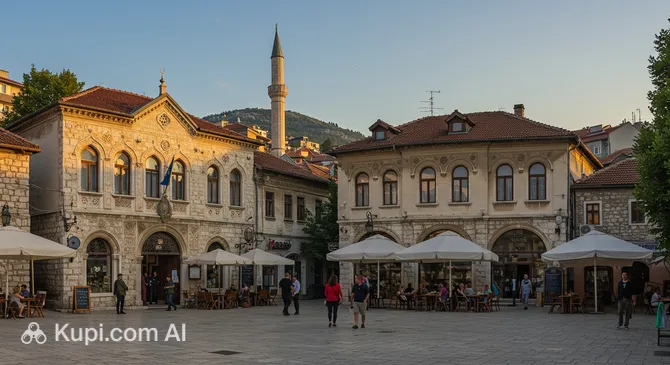
Just a short walk away lies the heart of the city's social life, Freedom Square (Trg Slobode). Recognized as the largest city square in Bosnia and Herzegovina, it is a spacious and beautifully designed area surrounded by historic buildings and lively cafes. The square is dominated by a large central fountain and serves as a gathering point for concerts, festivals, and evening strolls. Its reconstruction has restored the charm of the Austro-Hungarian era, making it an excellent location for photography and soaking up the local atmosphere.
Freedom Square. Illustration.
Source: Kupi.com AI
Traveler photos:
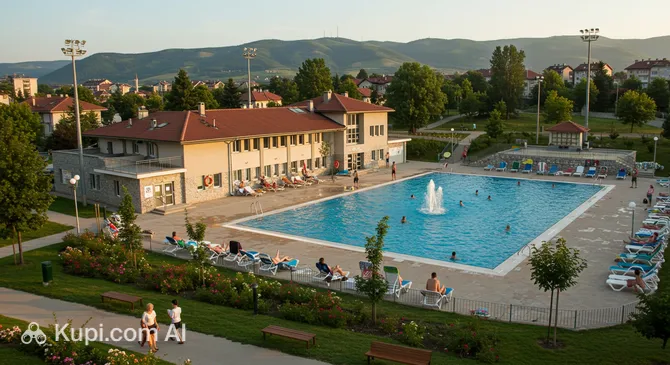
For nature lovers and those looking to stay active, the Slana Banja Sports and Recreation Complex is a must-visit. Connected to the city center by a pedestrian bridge, this expansive park covers a large forested area on a hill, offering plenty of shade and fresh air. It features a network of paved walking paths, jogging trails, and tennis courts, making it popular with athletes and families alike. The park is also home to several significant monuments and offers peaceful viewpoints where you can relax away from the urban bustle.
Slana Banja Sports and Recreation Complex. Illustration.
Source: Kupi.com AI
Traveler photos:
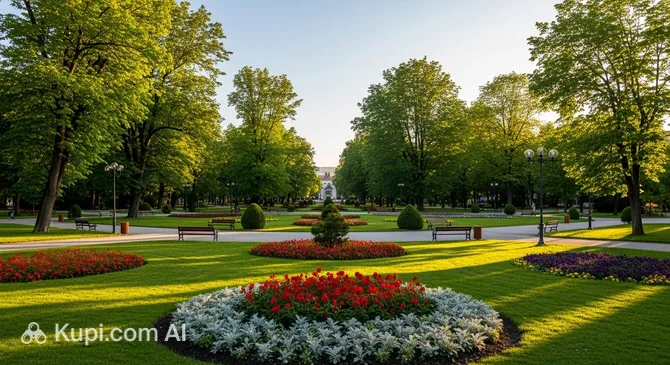
Another delightful green space is the City Park Tuzla. Located near the historic core, this park is a charming oasis featuring manicured lawns, flower beds, and the imposing statue of the medieval Bosnian King Tvrtko I Kotromanić. It is a favorite spot for locals to sit on a bench, read a book, or enjoy a quiet moment. The park's central location makes it an easy stop while exploring the nearby pedestrian streets and shops.
Local Cuisine
Local Cuisine:
The gastronomic scene in Tuzla is a delightful reflection of the country's rich history, blending Ottoman influences with hearty Balkan traditions. Food here is not just fuel; it is a way of socializing and showing hospitality. The local cuisine is dominated by organic ingredients and meat-heavy dishes, with the famous Bosnian ćevapi taking center stage. In this region, you must try the specific "Tuzlanski ćevap," small grilled minced meat rolls typically served in a soft, broth-soaked flatbread called lepinja, accompanied by plenty of chopped onions and a side of creamy kajmak.
Beyond the grill, the city offers a variety of savory pies that are a staple of the local diet. Burek (meat pie), sirnica (cheese pie), and zeljanica (spinach pie) are freshly made in bakeries and specialized shops known as buregdžinicas throughout the city. For a comforting spoon dish, look for Begova čorba, a thick and creamy chicken soup with okra and vegetables, often served as a starter in traditional restaurants.
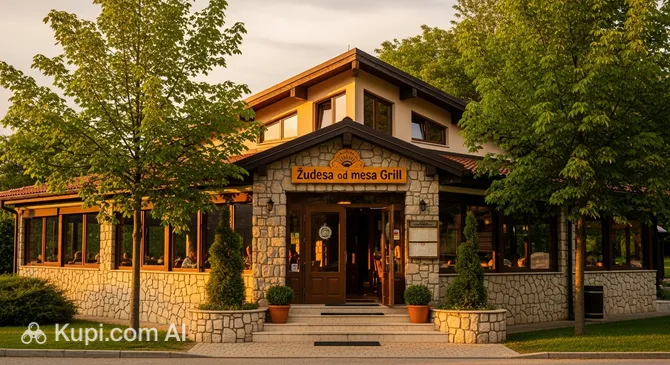
Čudesa od mesa Grill. Illustration.
Source: Kupi.com AI
Traveler photos:
When it comes to drinks, Tuzla has a distinct advantage: its own historic brewery. The Tuzla Brewery (Pivara Tuzla), founded in 1884, produces the beloved Tuzlanski pilsner, a unpasteurized beer that is a source of local pride and a must-try for beer enthusiasts. For non-alcoholic options, the ritual of drinking Bosnian coffee is essential. It is served in a traditional copper pot (džezva) with a sugar cube and a glass of water, meant to be enjoyed slowly at one of the many cafes lining the streets.
The dining culture in Tuzla is relaxed and diverse, ranging from casual street food to sit-down meals. Locals often flock to places like Čudesa od mesa Grill to satisfy their cravings for high-quality grilled meats in a friendly atmosphere. After a hearty meal, the city's vibrant cafe scene awaits. You can unwind at popular spots such as Coffee Zone or enjoy a drink at Libero Caffe, both of which offer a perfect setting to soak up the local vibe and watch the world go by.
Travel Tips
To ensure your visit to Tuzla is as smooth and enjoyable as possible, we have compiled a list of essential practical advice. From navigating the city streets to understanding local customs, these tips will help you feel less like a tourist and more like a welcome guest in this unique Bosnian city.
Clothing and Gear: The weather in Tuzla varies significantly by season, so pack accordingly. Summers are warm, so bring light clothing and, most importantly, swimwear if you plan to visit the Pannonian Salt Lakes. Winters can be quite cold, requiring heavy coats and boots. Since the city center is best explored on foot, comfortable walking shoes are a must. If you intend to visit the King Abdullah Mosque or other religious sites, remember to dress modestly: women should cover their heads and shoulders, and shorts are not appropriate for anyone.
Transportation: Tuzla is a compact and pedestrian-friendly city, especially the downtown area around Freedom Square. For longer distances, the local bus network is functional, but taxis are the most convenient option for tourists. They are reliable, metered, and very affordable compared to Western European standards. Ride-hailing apps are not widely used, so it is best to hail a yellow taxi or ask your hotel to call one. Renting a car is only necessary if you plan to explore the surrounding countryside.
Finances: The official currency is the Convertible Mark (BAM or KM). While credit cards are accepted in hotels, large supermarkets, and modern restaurants, Tuzla is still very much a cash-based society. You will need cash for cafes, bakeries, souvenir shops, and taxi rides. ATMs are plentiful throughout the city center. Tipping is appreciated; rounding up the bill or leaving about 10% for good service is standard practice.
Health and Safety: Tuzla is generally a very safe city for travelers. Pharmacies, marked by a green cross and known as Apoteka, are easy to find, and staff often speak some English. Tap water is generally safe to drink, but many locals prefer bottled water or water from public fountains. In winter, be aware that air quality can drop due to the city's industrial nature and valley location, so sensitive travelers might want to check air pollution levels.
Communication: The official languages are Bosnian, Croatian, and Serbian, which are mutually intelligible. English is widely spoken by the younger generation, but learning a few local phrases like Dobar dan (Good day) and Hvala (Thank you) goes a long way. Pre-paid SIM cards with generous data packages are cheap and can be bought at any newsstand (kiosk) without a contract, ensuring you stay connected.
Local Etiquette: Bosnians are known for their hospitality. If you are invited to a local's home, it is customary to take off your shoes at the entrance. When meeting someone, a firm handshake is the norm. Coffee drinking here is a ritual to be savored slowly, not rushed; sitting for hours over a single cup is socially acceptable and a great way to soak up the local vibe.
What to Avoid: Avoid bringing up the topic of the 1990s war or politics in casual conversation unless your host initiates it. These are sensitive subjects with deep emotional scars. Also, do not refuse food or drink if offered by a host, as hospitality is taken very seriously and refusal can be seen as rude.
Unique Souvenir Tip: Since Tuzla is the "City of Salt," the best souvenirs are salt-based. Look for locally produced salt creams, therapeutic bath salts, or simply a package of the famous Tuzlanska so (Tuzla salt) for cooking. These are authentic, affordable, and deeply connected to the city's identity.
By keeping these tips in mind, you will be well-prepared to navigate Tuzla with confidence and ease. Embrace the slow pace of the coffee culture, enjoy the unique salt lakes, and let the warmth of the locals make your trip truly unforgettable.
Entertainment & Nightlife
Entertainment in Tuzla is vibrant and diverse, largely driven by its status as a university city. The nightlife here is less about massive nightclubs and more about a lively café-bar culture where the lines between a daytime coffee spot and an evening party venue often blur. As the sun sets, the pedestrian streets of the city center, particularly around the main squares, fill with a mix of students, locals, and visitors looking to unwind.
The heart of the action is undoubtedly the historic downtown area. The pedestrian zone, often referred to as the Korzo, and the streets radiating from Trg Slobode (Freedom Square) are lined with numerous venues. On warm evenings, the atmosphere spills out onto the terraces, creating a buzzing open-air social scene. The vibe is generally relaxed and unpretentious, with a dress code that leans towards smart-casual. Most bars are open until midnight or 1:00 AM, while weekends see the energy extend later into the night.
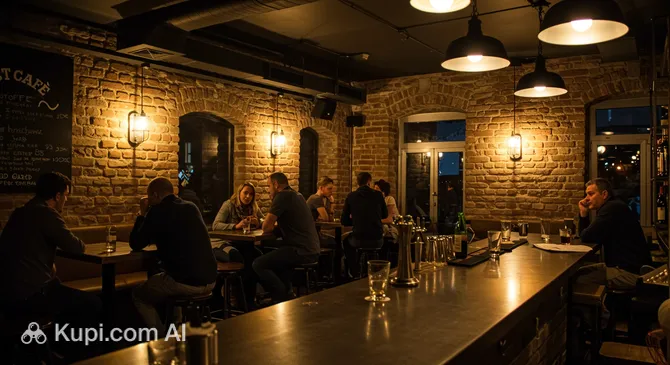
For those seeking a classic pub atmosphere, Just Caffe Pub is a popular choice. Known for its wide selection of beers and cozy, rock-inspired interior, it is a great place to mingle with locals and enjoy good music. It represents the authentic side of Tuzla's nightlife, where conversation and camaraderie take center stage.
Just Caffe Pub. Illustration.
Source: Kupi.com AI
Traveler photos:
Another excellent spot to experience the city's evening rhythm is Libero Caffe. Located centrally, it transitions seamlessly from a daytime café to a lively night bar, often hosting local DJs or themed music nights. If you prefer a more modern entertainment experience, the City Center Tuzla offers a different pace. This shopping mall is not just for retail; it houses a cinema and various dining options, making it a good destination for families or those looking for a quieter evening activity.
Practicalities for a night out in Tuzla are straightforward. Prices are very affordable compared to Western Europe, with a pint of domestic beer costing just a few marks. The city center is compact and safe for walking at night, but if your accommodation is further out, taxis are plentiful and inexpensive. It is always best to use official taxi stands or call a reputable company like Tuzla Taxi to ensure a fair rate.
Before the sun goes down, Tuzla offers plenty of cultural entertainment to fill your day. The National Theatre Tuzla is a cornerstone of the city's cultural life, staging various plays and performances throughout the year. Art enthusiasts should visit the International Portrait Gallery, which holds an impressive collection of works. Whether you are exploring museums by day or toasting with locals by night, Tuzla offers a welcoming and engaging experience for every traveler.
Parks & Museums
While Tuzla is often recognized for its industrial roots and salt lakes, the city also boasts a surprising wealth of green spaces and cultural institutions that offer a deeper look into its heritage. For travelers seeking a break from the urban bustle or a lesson in local history, the city’s parks and museums provide a peaceful and educational retreat.
One of the most pleasant green areas in the city center is the City Park Tuzla. Located just steps away from the main pedestrian zone, this park serves as a central meeting point and a serene oasis. It is beautifully landscaped with flower beds and paved paths, centered around a prominent statue of King Tvrtko I Kotromanić, a key figure in Bosnian medieval history. It is an ideal spot for a short rest while sightseeing, allowing visitors to enjoy the shade of mature trees in the heart of the city.
City Park Tuzla. Illustration.
Source: Kupi.com AI
Traveler photos:
For a more expansive nature experience combined with history, the Slana Banja Sports and Recreation Complex offers much more than just sports facilities. This large forested hill acts as an open-air memorial park. As you walk along its broad promenades, you will encounter significant monuments dedicated to the anti-fascist struggle of World War II and the defenders of the city. The park's elevated position provides panoramic views of the city and the industrial valley, making it a favorite location for evening walks and contemplation.
To understand the region's rich past, a visit to the Museum of Eastern Bosnia is essential. This institution houses an extensive collection of archaeological, ethnological, and historical artifacts that trace the development of civilization in the area from the Neolithic age to the present day. Highlights often include items related to the prehistoric salt production that gave the city its name and identity.
Art enthusiasts will find a unique gem in the International Portrait Gallery (Međunarodna galerija portreta). It is one of the few galleries in Europe dedicated specifically to the art of portraiture. The gallery holds a significant collection of works by Ismet Mujezinović, one of Bosnia and Herzegovina’s most celebrated painters, alongside thousands of portraits by international artists. It is a testament to Tuzla's vibrant artistic scene and often hosts temporary exhibitions and cultural events.
Beyond the museums, the city's architecture tells its own story. The Turalibeg Mosque, also known as the Polish Mosque, is a distinctive 16th-century structure with a stone dome and a unique minaret, representing the Ottoman architectural legacy. Nearby, the Franciscan Monastery of St. Peter and Paul stands as a symbol of the city's long-standing Catholic tradition and houses a rich library and gallery.
For a true insider tip, venture slightly out of the center to the Ilinčica excursion site. This forested hill to the south of the city is where locals go to escape into nature. It offers hiking trails, picnic spots, and a different perspective of the city from above, providing a breath of fresh air just a short drive or hike from the downtown area.
Getting Around
Navigating Tuzla is a straightforward and stress-free experience for visitors, largely due to the city's compact size and pedestrian-friendly layout. The historic center, where most major attractions like the Pannonian Lakes and Freedom Square are located, is best explored on foot. The core of the city is a dedicated pedestrian zone, allowing you to wander between sights, cafes, and shops without worrying about traffic.
For distances that are too far to walk, the public transport system relies entirely on a network of buses. There are no trams, metros, or trolleybuses in the city. The bus service connects the downtown area with the surrounding suburbs and residential neighborhoods efficiently. The buses are generally yellow and are operated by the local transport company. While the fleet varies in age, the service is reliable enough for getting to points of interest outside the immediate center, such as the Slana Banja complex or the bus station.
The payment system for public transport is traditional and simple, which is convenient for tourists who are only visiting for a few days. You do not need to worry about purchasing complex travel cards or downloading specific apps. Tickets are bought directly from the driver upon boarding. It is essential to have cash on hand, preferably in smaller denominations of the local currency (Convertible Mark - KM), as drivers may not always have change for large banknotes. A single ride typically costs around 1.50 to 2.00 KM.
Operating hours for buses generally run from early morning, around 6:00 AM, until approximately 11:00 PM. Frequencies vary depending on the route and the time of day; while main lines run regularly, connections to outer suburbs may be less frequent, especially on weekends and holidays. Schedules are usually posted at major bus stops, but they can sometimes be difficult to interpret, so asking a local or the driver for assistance is often the best strategy.
An extremely popular alternative to buses is the city's taxi service. Taxis in Tuzla are among the most affordable in the region and are widely used by locals and tourists alike. Official vehicles are clearly marked and equipped with meters. A ride within the city limits is very inexpensive, often costing between 4 and 7 KM. You can hail a taxi on the street, find one at designated stands near major squares, or call a dispatch center. Most dispatchers and some drivers speak basic English.
For those interested in more flexibility, renting a car is an option, though it is not necessary for staying strictly within the city. However, a car is useful if you plan to explore the wider canton or visit nearby mountains. Parking in the city center is regulated, with paid parking lots and street parking zones available; always check for payment machines or SMS payment instructions to avoid fines. Cycling is growing in popularity, but dedicated infrastructure is still developing, so caution is advised when riding on main roads.
Accommodation
Accommodation:
Finding a place to stay in Tuzla is generally a straightforward and affordable experience, with options catering to various travel styles and budgets. The accommodation landscape has evolved significantly in recent years to meet the growing number of visitors attracted by the local sights. Travelers can choose from a selection of modern mid-range hotels, smaller family-run guesthouses, and a vast array of private apartments, which are particularly popular in Bosnia and Herzegovina.
For most tourists, the best area to stay is the City Center (Centar). Staying here places you within walking distance of the main pedestrian zones, the historic Old Town, and the famous Pannonian Salt Lakes. Being centrally located means you can easily enjoy the morning coffee culture and the evening liveliness of the squares without needing to rely on taxis or public transport. The neighborhoods immediately surrounding the lakes are also highly desirable during the summer months for those prioritizing beach time.
While Tuzla does not typically feature massive international luxury hotel chains, it offers several high-quality local hotels that provide excellent service and comfort, often rated at 3 or 4 stars. In addition to traditional hotels, the "apartment for a day" (stan na dan) culture is thriving. These private rentals are often fully equipped, modern, and cost-effective, making them an excellent choice for families or travelers planning a longer stay.
Booking Tips and Prices: Accommodation prices in Tuzla are generally very reasonable compared to Western European destinations. You can find comfortable budget options or private rooms for a modest fee, while mid-range hotels remain accessible to most travelers. However, it is important to note that the city becomes a major tourist hub during the peak summer season (July and August). During this period, the best properties fill up quickly, so it is highly recommended to book your accommodation well in advance to secure your preferred location and rate. Online booking platforms are widely used and reliable for both hotels and private apartments.
Nearby Cities
For those looking to explore the surroundings, Tuzla serves as an excellent base for day trips to several interesting nearby locations:
One of the most popular destinations for a day trip is Bijeljina, located in the fertile Semberija plains to the northeast. It is widely visited for the nearby Ethno Village Stanišići, a beautifully recreated traditional village featuring wooden cottages, ponds, and a museum that showcases the rural heritage of the region. The city itself is known for its spacious parks and the Tavna Monastery, offering a peaceful retreat just a short drive away.
Another historically rich option is Doboj, situated at a major transport crossroads. The city is dominated by the impressive Royal Fortress of Doboj (Gradina), which dates back to the 13th century. Visitors can climb to the top of the fortress for panoramic views of the Bosna River valley and explore the layers of history that defined this strategic location. It is an ideal spot for history enthusiasts wanting to see medieval architecture.
For a mix of industrial heritage and nature, Zenica offers a unique perspective. While known as an industrial center, it is located near the Vranduk Fortress, one of the best-preserved medieval citadels in the country. Perched on a cliff above the river, Vranduk provides a scenic and educational excursion into the era of the Bosnian Kingdom.
City
Population
Distance
Zivinice
57 765
11 km
Lukavac
46 731
11 km
Banovici
22 773
19 km
Celic
10 502
22 km
Srebrenik
39 678
23 km
These nearby destinations offer a glimpse into the diverse culture and landscapes of the region, making them well worth the short journey from Tuzla.
Shopping & Souvenirs
Shopping:
Shopping in Tuzla offers a pleasant mix of modern convenience and traditional charm. While it may not be a massive global fashion capital, the city provides everything a traveler might need, from international brands to unique local handicrafts. Prices are generally affordable compared to Western Europe, making it a budget-friendly destination for retail therapy where you can find both everyday necessities and distinctive gifts.
The heart of the shopping experience lies in the pedestrian zone of the city center, particularly along the streets radiating from the main squares. The area around the historic Old Town is lined with a variety of small boutiques, shoe stores, and bookstores housed in colorful buildings. This district is perfect for a leisurely stroll, allowing you to browse for clothes, jewelry, or accessories while enjoying the lively atmosphere of the "Korzo" promenade.
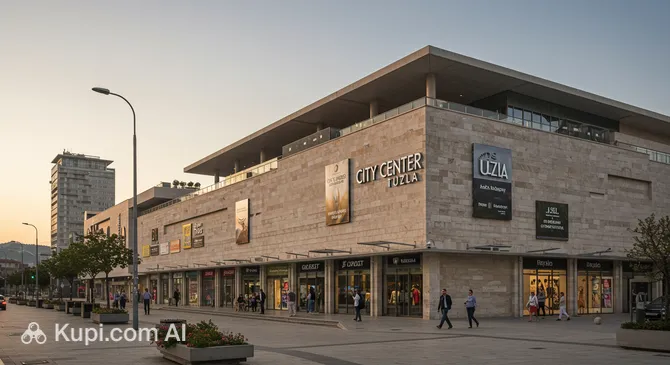
For a more comprehensive and modern shopping experience, the city boasts several large centers. City Center Tuzla is a major destination for locals and tourists alike, offering a wide range of fashion retailers, a well-stocked supermarket, and various entertainment options. It is a great place to escape the heat in summer or the cold in winter while browsing popular European brands.
City Center Tuzla. Illustration.
Source: Kupi.com AI
Traveler photos:
Another key location is the Tuzlanka Shopping Mall, which features numerous shops, a food court, and services. It serves as a convenient one-stop spot for visitors looking to update their wardrobe or purchase electronics. These malls are modern, clean, and provide a familiar retail environment with ample parking.
To truly feel the pulse of the city, a visit to the central city market, known as Gradska Tržnica, is essential. Located near the center, this bustling market is where locals buy fresh fruit, vegetables, and regional specialties like smoked meats and dairy products. It is an excellent place to pick up healthy snacks, taste local cheeses, or simply observe the daily life of the residents in a vibrant setting.
When it comes to souvenirs, Tuzla's identity as the "City of Salt" offers a unique theme. The most authentic gifts are salt-related products, such as therapeutic bath salts, exfoliating creams, or simply a package of the famous Tuzlanska so (table salt) for your kitchen. Additionally, traditional copper coffee sets (džezva) and handmade wool items are popular keepsakes that reflect the wider Bosnian culture and craftsmanship.
Most shopping malls operate daily from 9:00 AM to 9:00 PM or 10:00 PM. Smaller shops in the center typically open around 9:00 AM and close by 8:00 PM on weekdays, with reduced hours on Saturdays. Many small businesses are closed on Sundays. While credit cards are widely accepted in malls, supermarkets, and larger stores, it is highly recommended to carry the local currency (Convertible Mark) for markets, souvenir stalls, and smaller vendors.
Foreign tourists may be eligible for a VAT refund on purchases exceeding a certain amount (typically 100 BAM) in a single receipt. Look for stores displaying a "Tax Free" sign and ask the staff for the necessary documentation (PDV-SL-2 form) at the checkout. You will need to present the goods and the stamped form to customs officials upon leaving the country to claim your refund.