Support

Banja Luka

About

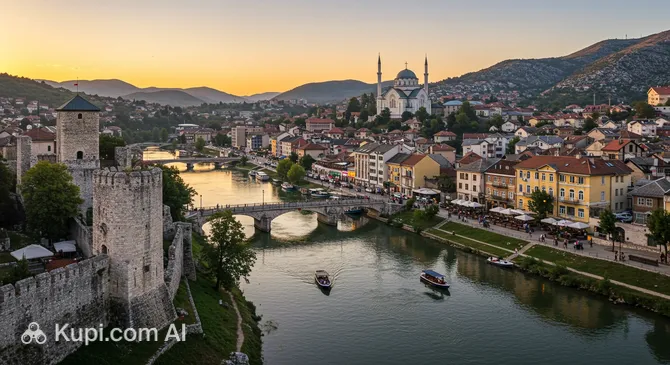
Welcome to Banja Luka, a vibrant city that serves as a major cultural and economic hub in the northern part of the Balkans. As the second-largest city in Bosnia and Herzegovina, it offers a delightful blend of urban energy and serene natural beauty. Often referred to as the "Green City" due to its numerous parks and tree-lined avenues, Banja Luka provides a refreshing and welcoming atmosphere for travelers seeking both relaxation and adventure.

Banja Luka. Source: Kupi.Binoculars

Geographically, the city is nestled in a picturesque valley along the banks of the emerald Vrbas River, which defines much of the local landscape and lifestyle. With a population of approximately 200,000 residents, it feels lively yet manageable to explore. The climate is continental, bringing warm, sunny summers perfect for outdoor activities and crisp winters that cast a charm over the city's architecture.

The history of Banja Luka is rich and multifaceted, with roots stretching back to Roman times. Visitors can witness this heritage firsthand at the ancient Kastel Fortress, which stands proudly on the riverbank and hosts various cultural events. The city is also home to significant religious landmarks, such as the stunning Ferhadija Mosque and the majestic Cathedral of Christ the Saviour, reflecting the diverse cultural tapestry of the region.

Whether you are interested in rafting down the rapids of the Vrbas River or simply enjoying the thriving café culture in the city center, Banja Luka has something for everyone. Its hospitality, combined with affordable prices and beautiful surroundings, makes it an ideal destination for your next trip. Come and discover the unique spirit of this captivating city.

Weather Overview

The city experiences a moderate continental climate with four distinct seasons, making it a versatile destination for travelers. To ensure you pack the right clothing for your trip, it is helpful to consult the detailed guide on the weather in Banja Luka. Generally, the climate is characterized by warm summers and cold winters, with distinct transitions in spring and autumn.

Summer is the warmest time of year, particularly in July and August, when average daily highs reach approximately 28°C. This is an excellent time for outdoor activities, though you should be prepared for some variability. Spring tends to be wetter, with May seeing the highest frequency of precipitation at around 17 wet days. Conversely, October is often drier, with only about 7 wet days, offering crisp and pleasant conditions for sightseeing.

Winters are significantly cooler. January is typically the coldest month, with average temperatures hovering around 2.3°C and minimums dropping to -1.6°C. Overall, you can expect warm summers with occasional rain and cold winters, so bringing layers is recommended to stay comfortable regardless of the season.

Interesting Facts

Beyond the main attractions, Banja Luka holds many fascinating secrets and local traditions that surprise even seasoned travelers. Here are some intriguing details to know before you visit this charming city.
  • Banja Luka is home to a unique type of boat known as the Dayak (Dajak). Distinct from other vessels, it is propelled using a long pole to navigate the rocky bed of the Vrbas River, making it a symbol of the city often compared to the gondolas of Venice.

  • Close to the Kastel Fortress lies a humble shrine dedicated to Safikada, the protagonist of a famous local urban legend. It is said she sacrificed her life for forbidden love, and today couples light candles at the site to wish for eternal happiness in their relationships.

  • The city has a surprising historical connection to Trappist monks who settled in the area in the 19th century. They established the Mariastern Abbey and are credited with producing the celebrated Trappist cheese and beer, playing a pivotal role in the region's industrial development.

  • Adventure seekers can experience the rare thrill of night rafting on the Vrbas River. A specific section of the canyon was equipped with professional floodlights for World Rafting Championships, allowing for exciting descents under the stars.

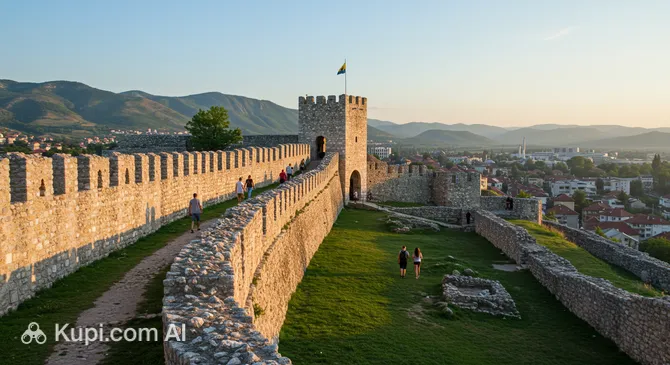
Kastel Fortress. Source: Kupi.Binoculars

How to Get There

Reaching this welcoming city is relatively straightforward, with options ranging from direct flights to road travel from neighboring regions. For a comprehensive guide on all available transport methods and detailed routes, you can read more about how to get to Banja Luka to help plan your itinerary.

The most convenient entry point for air travelers is Banja Luka Airport (IATA: BNX), also known as Mahovljani Airport. It is located approximately 20 km from the city center. A journey by taxi or shuttle bus from here typically takes around 50 minutes. Although it is a smaller regional hub, it offers essential connections for visitors.

Alternatively, many travelers choose to fly into Zagreb International Airport (IATA: ZAG) in the city of Zagreb, Croatia. This larger hub is situated about 139 km from Banja Luka. The transfer by car or bus generally takes about 3 hours and 50 minutes, depending on border crossing times. Another option within Bosnia and Herzegovina is Sarajevo International Airport (IATA: SJJ), located in the capital, Sarajevo, roughly 139 km away, with a similar travel time of approximately 3 hours and 50 minutes.

For clarity, here is a summary of the main airports:

Airport Name City Passenger Traffic Km from City
Zagreb International Airport Zagreb Large 139.1
Sarajevo International Airport Sarajevo Medium 139.2
Tuzla International Airport Tuzla Small 126.6
Banja Luka Airport Banja Luka Small 19.9
Osijek Airport Osijek Small 148.7

For those considering rail travel from further afield, direct options to the city may be limited. You might consider arriving at Ljubljana Railway Station (IATA: LJR) in Ljubljana, Slovenia. However, please note that this station is about 254 km from Banja Luka. The onward journey by road would take approximately 6 hours and 40 minutes. While distant, it serves as a major node for international rail networks.

Below is a list of the nearest major international railway hubs:

Station City Passenger Traffic Km to Center
Ljubljana Railway Station Ljubljana Large 253.7
Trieste Centrale Station Trieste Unknown 286.0

Main Attractions

Banja Luka boasts a fascinating array of landmarks that reflect its diverse history and cultural richness. From ancient fortifications to stunning religious sites and modern art venues, the city offers visitors a chance to explore centuries of heritage within a walkable distance. Here are some of the most captivating places you should include in your itinerary.

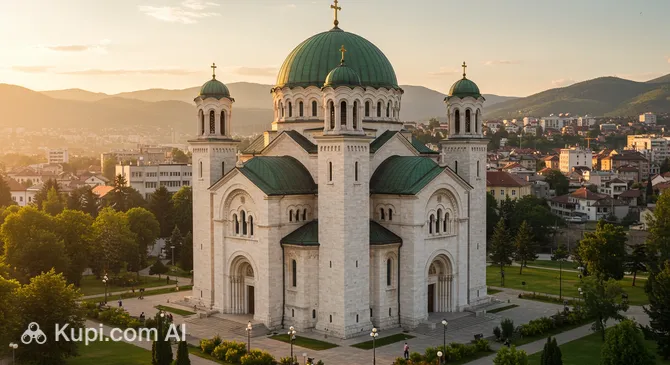
One of the most striking symbols of the city is the Cathedral of Christ the Saviour. Located in the very center, this Orthodox church is renowned for its magnificent architecture, featuring golden domes and a facade made of red and yellow travertine stone. Originally built in the 1920s and faithfully reconstructed later, it stands as a masterpiece of design. Tourists are often drawn to its lavish interior and the peaceful atmosphere of the surrounding plaza, which is a popular meeting point for locals.

Cathedral of Christ the Saviour. Source: Kupi.Binoculars

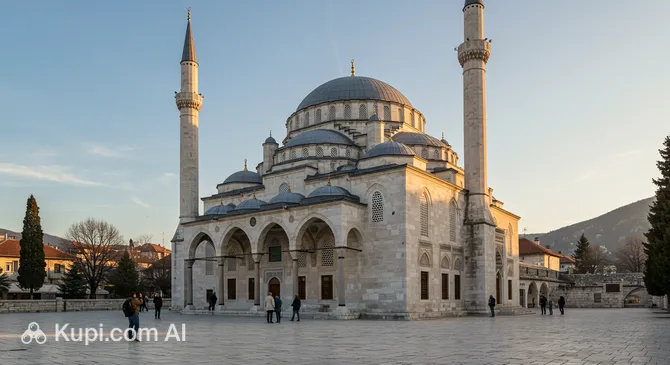
Just a short walk away, you will find the elegant Ferhadija Mosque, a gem of Ottoman Islamic architecture. Known for its harmonious proportions and beautiful lead-covered dome, this site is a testament to the city's multicultural past. The mosque has been meticulously restored to its original glory, allowing visitors to admire the intricate stone masonry and the serene courtyard with its fountain. It is a place of quiet reflection and a significant cultural monument.

Ferhadija Mosque. Source: Kupi.Binoculars

No visit to Banja Luka is complete without exploring the Kastel Fortress. Situated on the banks of the Vrbas River, this ancient fortification is the oldest historical monument in the city, with roots tracing back to Roman times. The fortress is now a sprawling park area where you can walk along the stone walls, enjoy scenic views of the river, or attend one of the many concerts and festivals held within its grounds during the summer. Its blend of history and nature makes it a favorite spot for both history buffs and those looking to relax.

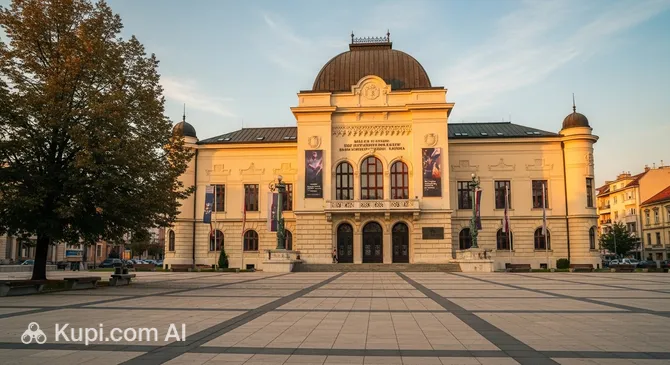
For art enthusiasts, the Museum of Contemporary Art of the Republic of Srpska is a must-visit destination. Housed in a representative Austro-Hungarian building that once served as the old railway station, the museum offers a unique contrast between its historic exterior and the modern creativity inside. It hosts a dynamic range of exhibitions featuring local and international artists, making it a vibrant hub for the visual arts in the region.

Museum of Contemporary Art of the Republic of Srpska. Source: Kupi.Binoculars

Local Cuisine

The culinary scene in Banja Luka is a hearty reflection of its history, blending Ottoman influences with Austro-Hungarian traditions and authentic Balkan flavors. Food here is not just sustenance; it is a way of life, characterized by generous portions, fresh ingredients, and a love for grilled meats. For any visitor, exploring the local gastronomy is an essential part of the travel experience.

The undisputed king of the local table is the famous Banjalučki ćevap. While ćevapi (grilled minced meat fingers) are popular throughout the Balkans, the Banja Luka variety is unique. Here, the meat patties are shaped into tiles of four joined together, rather than individual pieces. They are typically served in a warm, somun flatbread soaked in broth, accompanied by copious amounts of chopped raw onions. It is a simple yet incredibly flavorful dish that locals take great pride in.

Beyond grilled specialties, you must try the various savory pies known as pitas. Whether it is burek (filled with meat), sirnica (cheese), or zeljanica (spinach), these flaky pastries are perfect for breakfast or a quick snack. Another local treasure is the celebrated Trappist cheese, originally produced by monks at the nearby Mariastern Abbey. Its mild, semi-hard texture makes it a wonderful souvenir or appetizer.

When it comes to beverages, the city has its own signature refreshment: Nektar beer. Brewed locally since the 19th century, it is the most popular choice in pubs and restaurants across the region. For something stronger, rakija (fruit brandy) is the traditional welcome drink, with plum (šljivovica) being the classic favorite. Non-alcoholic preferences are dominated by strong, dark domestic coffee, which is sipped slowly in cafés for hours.

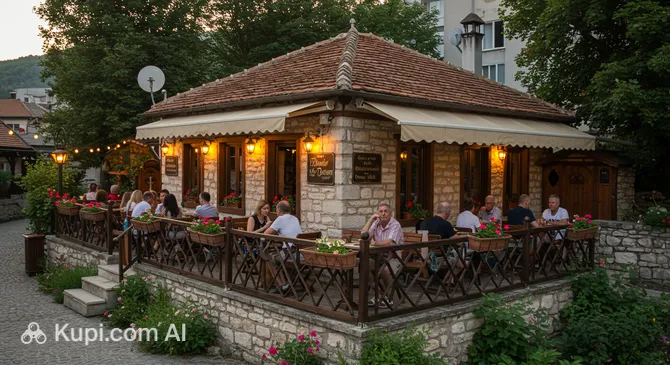
Pod Lipom. Source: Kupi.Binoculars

The dining culture ranges from casual street food stands to traditional taverns and modern eateries. To experience an authentic atmosphere, you might visit Pod Lipom, a restaurant well-regarded for its traditional menu and pleasant setting. If you are looking to enjoy the city's nightlife and sample local brews, places like Mac Tire Pub offer a lively environment where tourists and locals mingle over drinks and conversation.

Travel Tips

Traveling to Banja Luka is generally a relaxed and enjoyable experience, thanks to the city's laid-back atmosphere and compact size. However, knowing a few practical details about local customs and logistics can help you navigate the "Green City" with confidence and ease. Here are some essential tips to help you make the most of your visit.

  1. Clothing and Gear: The weather in Bosnia and Herzegovina can be quite variable. If you are visiting in summer, lightweight and breathable clothing is essential, but always pack a light jacket for cooler evenings near the river. Winters require warm layers, boots, and a heavy coat. Since the city center and the fortress area are best explored on foot, bring comfortable walking shoes. When visiting religious sites like the Ferhadija Mosque or the Orthodox Cathedral, remember to dress modestly; shoulders and knees should be covered.

  2. Transportation: The city center is very walkable, and you can easily reach most major attractions on foot. For longer distances, the local bus network is functional, but taxis are the most convenient option for tourists. They are reliable, metered, and very affordable compared to Western European standards. Ride-hailing apps are not widely used here, so it is best to call a reputable taxi company or pick one up at a designated stand. Renting a car is only necessary if you plan to explore the surrounding countryside.

  3. Finances: The local currency is the Convertible Mark (BAM or KM). While credit cards are accepted in hotels, supermarkets, and larger restaurants, cash is still king in smaller cafés, bakeries, and souvenir shops. ATMs are widely available throughout the city. It is wise to carry some small denominations for taxi fares and tips. Tipping is not mandatory but is appreciated; rounding up the bill or leaving a 10% tip for good service is standard practice.

  4. Health and Safety: Banja Luka is a safe city for tourists, with low crime rates. Standard precautions, such as keeping an eye on your belongings in crowded areas, are sufficient. Pharmacies (marked as Apoteka) are easy to find, and many staff members speak some English. Tap water is generally safe to drink, but if you have a sensitive stomach, bottled water is cheap and readily available.

  5. Communication: The official languages are Serbian, Bosnian, and Croatian, which are mutually intelligible. English is widely spoken by the younger generation and in the hospitality sector, but older locals may not be fluent. Learning a few basic phrases like "Dobar dan" (Good day) and "Hvala" (Thank you) will go a long way in breaking the ice. Wi-Fi is available in almost every café and hotel, and you can easily buy a local prepaid SIM card at newsstands for mobile data.

  6. Local Etiquette: The pace of life here is slower than in many other European cities. Coffee drinking is a serious ritual; locals can sit for hours with a single cup, socializing and people-watching. Do not rush your waiter or feel pressured to leave quickly. When greeting someone, a firm handshake is the norm. Be aware that indoor smoking is still permitted in many cafés and restaurants, which can be a surprise for some visitors.

  7. What to Avoid: Avoid discussing sensitive topics related to the war or politics. These subjects are complex and emotional for locals, and it is best to focus on the country's culture, nature, and beauty instead. Also, avoid refusing hospitality; if a local offers you food or a drink, it is considered polite to accept a small amount.

  8. Market Experience: For a taste of authentic local life, visit the City Market (Gradska Tržnica). It is the best place to buy fresh fruit, vegetables, and the famous Trappist cheese directly from producers. It is lively in the mornings, and haggling is not common, but the prices are very reasonable.

By keeping these practical tips in mind, you will be well-prepared to embrace the warmth and charm of Banja Luka. Whether you are sipping coffee by the Vrbas River or exploring historical alleys, the city’s friendly spirit ensures that you will feel right at home.

Entertainment & Nightlife

Banja Luka offers a diverse array of activities that extend well beyond historical sightseeing. The city seamlessly blends modern leisure facilities with a vibrant social scene, ensuring that visitors of all ages and interests find something to enjoy. From expansive shopping centers to lively nightlife spots, the entertainment options here are both accessible and engaging.

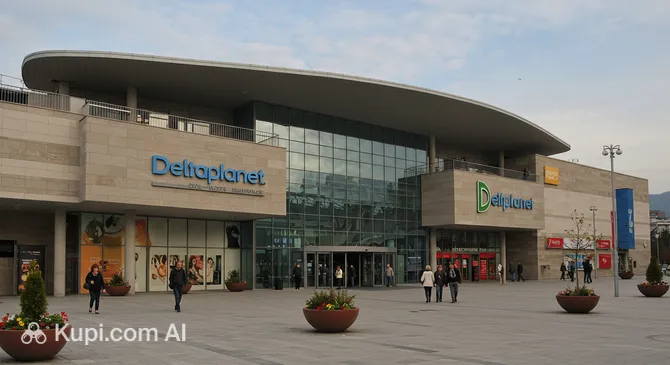
For those interested in retail therapy, the city features contemporary malls that rival those in larger European capitals. The most prominent is Delta Planet, a massive shopping center that serves as a primary hub for fashion, dining, and entertainment. It houses a state-of-the-art cinema and a wide variety of international brands. Alternatively, the Tropic Shopping Mall offers a convenient and pleasant shopping experience with numerous stores and daily amenities.

Delta Planet. Source: Kupi.Binoculars

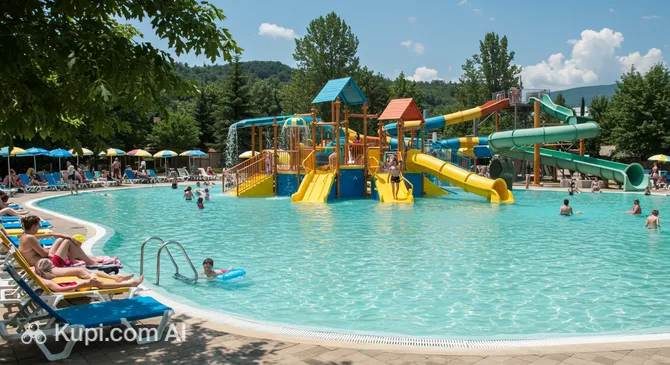
Travelers visiting during the summer months should not miss the chance to visit Aquana. This extensive water park and sports complex is a favorite among families and youth. With its large outdoor pools, exciting water slides, and beautifully landscaped grounds, it provides a perfect escape from the city heat and a fun-filled day for everyone.

Aquana. Source: Kupi.Binoculars

As evening falls, the city's energy shifts to its bustling bars and clubs. The local nightlife is characterized by a friendly and welcoming atmosphere. One standout venue is Bona Fides, a popular bar known for its stylish interior and excellent selection of drinks. It is an ideal spot to mingle with locals and experience the spirited social culture that Banja Luka is famous for.

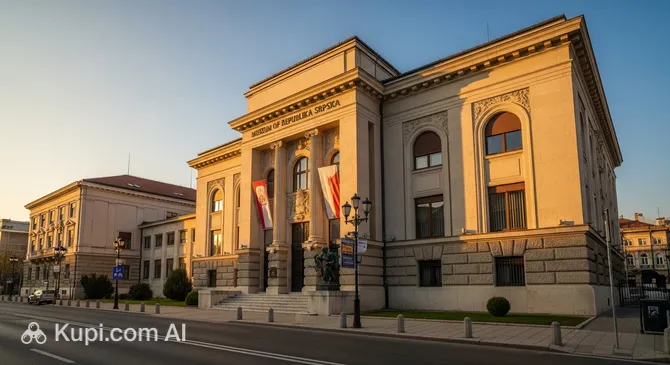
For a different kind of engagement, the Museum of Republika Srpska offers a fascinating journey through the region's past. Distinct from the art galleries, this museum focuses on archaeology, history, and ethnography, housing thousands of artifacts that tell the story of the area from prehistoric times to the modern day. It is a compelling destination for those wishing to deepen their understanding of the local heritage.

Museum of Republika Srpska. Source: Kupi.Binoculars

Parks & Museums

Banja Luka is frequently celebrated as the "Green City" of the Balkans, a title it earns through its abundance of tree-lined avenues, parks, and leafy alleys. For travelers, this means the urban experience is constantly balanced by nature, offering plenty of spaces to relax after exploring the city's rich cultural heritage. Beyond its famous fortress and temples, the city boasts a variety of galleries and green zones that define its local character.

One of the most beloved green spaces is Mladen Stojanović Park, often considered the lungs of the city. Located a short distance from the center, this expansive park is a hub of activity throughout the year. It features well-maintained walking paths, jogging tracks, and tennis courts that host international tournaments. It is the perfect spot for a leisurely afternoon picnic or to watch the locals enjoy their daily recreation.

For those seeking a more adventurous escape with panoramic views, Banj Brdo (formerly known as Šehitluci) is a must-visit. Rising 431 meters above sea level, this forested hill is a popular hiking destination. A winding paved road leads to the top, where you will find the monumental Memorial to Fallen Krajina Fighters, a striking work by sculptor Antun Augustinčić. The summit offers the best vantage point for photographing the entire city and the winding course of the Vrbas River below.

In terms of culture, the city’s artistic heart beats strongest at the Banski Dvor Cultural Center. Built in the 1930s as the seat of the Ban of the Vrbas Banovina, this architectural gem now hosts the city's most prestigious exhibitions, concerts, and literary evenings. Even if you don't attend a performance, the building itself is a masterpiece of the Renaissance and Classicism styles, and its galleries frequently showcase works by regional painters and sculptors.

Another significant cultural landmark is the Mariastern Abbey, located in the Delibašino Selo neighborhood. Established by Trappist monks in the 19th century, this monastery played a pivotal role in the industrial and agricultural development of the region. Visitors can admire the impressive church, explore the small museum dedicated to the order's history, and learn about the production of the famous Trappist cheese, which is still made according to a secret recipe held by the monks.

While the Museum of Republika Srpska and the Museum of Contemporary Art of the Republic of Srpska are the primary institutions for history and modern art respectively, the Stone House (Kamena Kuća) within the Kastel Fortress offers a unique setting for smaller exhibitions. This restored structure often houses jazz festivals and art displays, blending the ancient atmosphere of the fortress with contemporary cultural expressions.

For an authentic experience just outside the city limits, consider a short trip to the Krupa na Vrbasu waterfalls. Located about 25 kilometers south of Banja Luka, this natural wonder features cascading water tumbling over old wooden watermills that are still in operation. It is a serene spot where you can buy freshly ground flour and witness a traditional way of life that has remained unchanged for centuries.

Getting Around

Public transport in Banja Luka is straightforward and relies exclusively on a network of buses. Unlike larger European capitals, the city does not have a metro, tram, or trolleybus system. The bus network is extensive, connecting the city center with suburban areas and surrounding neighborhoods. For tourists, this makes navigation relatively simple, as there is only one mode of public transit to master. The buses are generally reliable, although they can become crowded during peak morning and afternoon commute hours.

The payment system is designed to be accessible, with cash being the primary method for purchasing tickets. You can buy a single-ride ticket directly from the driver upon boarding; it is highly recommended to have small denominations of the local currency (Convertible Mark - KM) ready, as drivers may not always have change for large banknotes. A single ticket typically costs around 2.30 KM. For visitors planning to stay longer, monthly passes are available, but for a short tourist trip, paying per ride is usually the most convenient option.

Operating hours for most bus lines generally run from early morning, around 5:00 AM, until approximately 11:00 PM. On weekends and holidays, the frequency of buses may decrease, so it is wise to check the timetable at the bus stop or ask locals for assistance. There is no complex validation process for single tickets bought on the bus; the receipt given by the driver serves as your proof of payment, which you should keep until the end of your journey in case of inspection.

Given the compact size of the city center, walking is often the best way to get around and see the sights. However, taxis serve as a very popular and affordable alternative to public transport. Taxi fares in the city are among the lowest in the region, making them an attractive option for tourists who want to move quickly or travel at night. All legal taxis use a taximeter, and it is standard practice to call a taxi by phone or pick one up at a designated stand rather than hailing one on the street.

For those who prefer active mobility, the city offers a public bike-sharing system known as "BL Bike." There are several terminals located across the city where you can rent a bicycle for a small fee, which is a fantastic way to explore the flat terrain and the paths along the Vrbas River. Additionally, during the warmer months, a special minibus line, often referred to as the "Banj Bus," operates specifically to transport visitors from the city center to the popular Banj Brdo recreational area, as private cars are restricted from entering the zone.

Accommodation

Accommodation:

Banja Luka offers a welcoming variety of accommodation options that cater to different travel styles and budgets. Whether you are a backpacker looking for a social atmosphere or a traveler seeking the comfort of a full-service hotel, the city has something to suit your needs. The selection ranges from affordable hostels and cozy guesthouses to modern mid-range hotels and more luxurious establishments. In recent years, private apartments and vacation rentals have also become increasingly popular, providing a "home away from home" experience for families and longer stays.

For most visitors, the best area to stay is the city center. Choosing accommodation here places you within easy walking distance of major landmarks like the Kastel Fortress, the Ferhadija Mosque, and the main pedestrian street, Gospodska. Staying centrally allows you to immerse yourself in the local café culture and nightlife without the need for taxis. Alternatively, finding a place along the banks of the Vrbas River offers a more scenic and tranquil environment, often with beautiful views of the water and greenery, yet still reasonably close to the urban core.

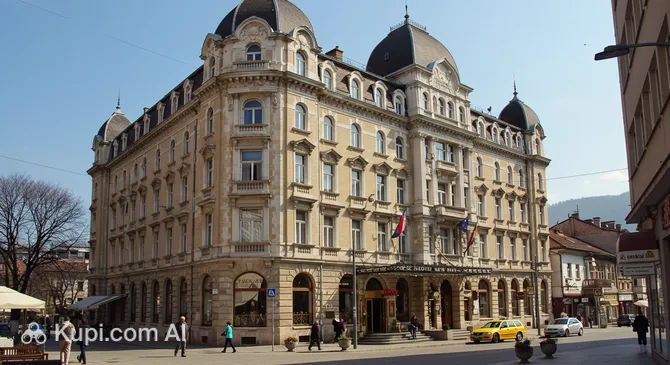
If you are looking for specific examples of local hospitality, Hotel Moskva is a well-known establishment in the city. Often categorized as a resort hotel, it provides a comfortable base for exploring the region, combining traditional service with modern amenities. Establishments like this are often situated to provide easy access to both business districts and tourist attractions, making them suitable for various types of travelers.

Hotel Moskva. Source: Kupi.Binoculars

Regarding costs, accommodation in Banja Luka is generally very affordable compared to Western European standards. You can find excellent value for money across all categories, with mid-range options often offering high-quality service at reasonable rates. While walk-ins are sometimes possible, it is highly recommended to book in advance, especially if you plan to visit during the peak summer months or during major festivals, as the best places tend to fill up quickly.

Booking is straightforward, with most hotels and private rentals listed on major international online platforms. However, direct booking via email or phone is also common and can sometimes secure a better rate. Whether you choose a riverside apartment or a central hotel room, you will likely find the hosts to be warm, hospitable, and eager to help you enjoy your stay in the city.

Nearby Cities

Banja Luka’s central position in the northern part of the country makes it an excellent base for exploring the wider region. Several interesting towns and cities are located within a short driving distance, offering travelers the opportunity to experience more of the local culture, history, and landscapes without venturing too far. Whether you are planning a quick day trip or looking for your next destination, the surrounding area is well-connected and accessible.

To the west and south, the terrain becomes increasingly scenic, while the routes to the east connect you to other major urban centers. The road network allows for relatively easy travel by car or bus to these neighboring communities. Below is an overview of the nearest cities, including their distance from Banja Luka and population size, to help you plan your itinerary.

City Population Distance (km)
Sanski Most 47,359 42
Prijedor 89,397 45
Doboj 68,514 71
Zenica 70,553 85
Gracanica 45,220 89

Shopping & Souvenirs

Shopping in Banja Luka offers a pleasant mix of modern retail experiences and traditional local commerce. While it may not be a massive fashion capital, the city provides a relaxed atmosphere where visitors can find everything from international high-street brands to unique regional handicrafts. The compact city center makes it easy to browse through stores on foot, turning a shopping trip into an enjoyable stroll through the historic streets.

The heart of the city's retail life is undoubtedly Gospodska Street (officially Veselina Masleše Street). This bustling pedestrian zone is lined with beautiful Austro-Hungarian architecture and features a variety of fashion boutiques, jewelry stores, and cosmetic shops. It is the most popular promenade in the city, where locals come to see and be seen. Walking down this vibrant avenue, you can shop for clothes and accessories before stopping at one of the many outdoor cafés to soak up the lively ambiance.

For those seeking a comprehensive modern shopping experience, the city boasts several large centers. The most prominent is Delta Planet, the largest mall in the region. It houses a vast selection of popular international fashion labels, sports brands, and electronics stores, making it a one-stop destination for serious shoppers. Another notable option is the Tropic Shopping Mall, which is well-regarded for its convenience and variety of smaller shops and daily amenities.

To truly understand the local lifestyle, a visit to the City Market (Gradska Tržnica) is essential. Located near the center, this covered market is a sensory delight filled with fresh fruits, vegetables, and homemade products. It is the best place to purchase authentic culinary items, such as dried meats, local honey, and the famous regional dairy products. The upper floor often features stalls selling clothing and inexpensive household goods, providing a glimpse into the everyday life of the residents.

When it comes to souvenirs, Banja Luka has several distinct treasures worth bringing home. The most culturally significant is Zmijanje embroidery, a traditional deep blue needlework technique protected by UNESCO. You can find it on blouses, tablecloths, and decorative items. Other excellent gifts include bottles of homemade rakija (fruit brandy) and the celebrated Trappist cheese, which has been produced in the area by monks for over a century.

Most shops in the city center are open from 9:00 AM to 8:00 PM or 9:00 PM on weekdays and Saturdays. While large shopping malls like Delta Planet typically remain open on Sundays, many smaller boutiques and street shops are closed or have reduced hours on the last day of the week. Regarding payment, credit and debit cards are widely accepted in malls, supermarkets, and hotels. However, if you plan to shop at the market, buy souvenirs from small craftsmen, or pay for small items in kiosks, carrying cash in the local currency (Convertible Mark - KM) is necessary.

Foreign tourists visiting Bosnia and Herzegovina are eligible for a VAT refund on goods purchased in a single transaction exceeding 100 BAM (approximately 50 EUR). To claim this, look for stores displaying a "Tax Free" sign and ask for the appropriate refund forms at the checkout. You will need to present these forms along with the goods and receipts to customs officials when leaving the country to receive your refund.
Reached the end of the page?

That means the route is fully explored