Support

Trieste

About

Trieste is a captivating city where Central European elegance meets the Mediterranean sun. Located in the Friuli-Venezia Giulia region in northeastern Italy, it sits snugly between the dramatic Karst plateau and the sparkling Adriatic Sea. With a population of approximately 204,000 inhabitants, the city serves as a vibrant cultural bridge between the Latin, Slavic, and Germanic worlds, offering a distinct atmosphere that sets it apart from other Italian destinations.
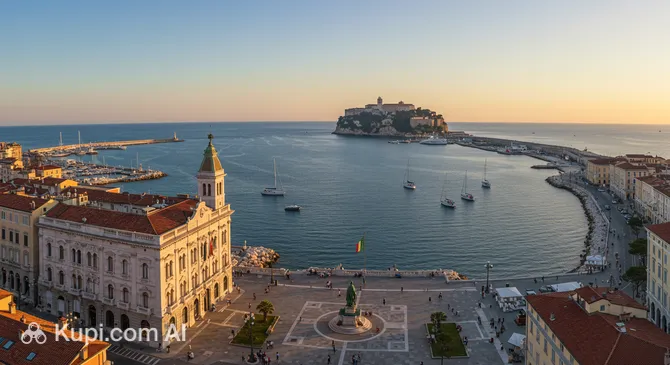
Trieste. Source: Kupi.Binoculars

The history of Trieste is fascinating and complex, largely defined by its long era as the principal seaport of the Austro-Hungarian Empire. This imperial past is vividly reflected in the city's grand neoclassical architecture and its renowned coffee culture, which rivals that of Vienna. Visitors are often charmed by the literary heritage of the city, which once inspired famous writers like James Joyce and Italo Svevo to make it their home.

Among the city's most striking features is the magnificent Piazza Unità d'Italia, which is often cited as Europe's largest square facing the sea. Just a short distance from the center lies the fairytale Miramare Castle, perched romantically on a cliff overlooking the gulf. Whether you are strolling along the picturesque Grand Canal or exploring the ancient Roman Theatre, Trieste offers a unique blend of eras and styles.

Trieste is an unmissable destination for travelers seeking a sophisticated yet relaxed experience. Its sweeping sea views, historic grandeur, and cosmopolitan vibe make it a true hidden gem waiting to be discovered.
Weather Overview

The climate in this coastal city is characterized by distinct seasons, offering pleasant warmth in the summer and cooler temperatures during the winter months. Travelers looking to plan their activities should consult the detailed forecast for weather in Trieste, as conditions can influence the best time to visit. During the peak summer months of July and August, average temperatures typically hover around 23°C, with daily highs reaching up to 27°C, creating an ideal atmosphere for exploring the waterfront.

Winters are generally cold but manageable, with average temperatures in January dipping to approximately 4.4°C. Precipitation is a regular occurrence throughout the year, with rain falling on about 9 to 12 days during most months. May tends to be the wettest month in terms of frequency, seeing up to 18 wet days, so packing a raincoat or umbrella is recommended regardless of when you choose to travel.

Interesting Facts

Beyond the main attractions, Trieste holds many fascinating secrets that reveal its unique character as a crossroads of cultures. From mysterious underground passages to peculiar local customs, the city offers plenty of surprises for the curious traveler.
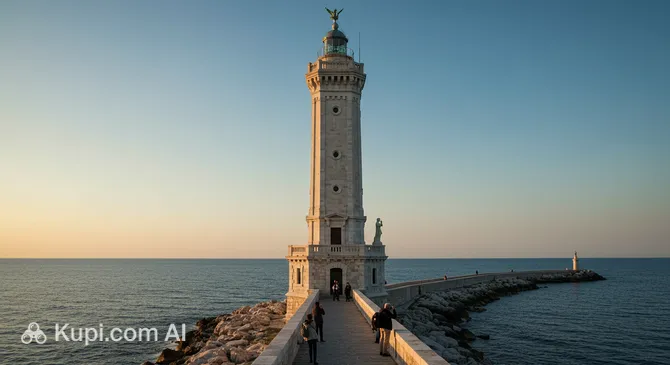
Victory Lighthouse. Source: Kupi.Binoculars
  • Trieste is known as the unofficial coffee capital of Italy, consuming twice as much coffee per capita as the rest of the country. Locals even have their own unique language for ordering; for example, if you ask for a "nero," you will receive an espresso, while a "capo" is a macchiato served in a glass.

  • The city is famous for the Bora, a powerful catabatic wind that can reach speeds of over 150 km/h. It is such an integral part of local life that chains were historically installed along some streets to help pedestrians keep their footing during heavy gusts.

  • Hidden beneath the urban landscape lies Kleines Berlin, a complex of underground air-raid tunnels from World War II. These eerie yet fascinating passageways are open to visitors and provide a glimpse into the city's subterranean history.

  • The majestic Victory Lighthouse, which dominates the Gulf of Trieste, is one of the tallest lighthouses in the world. It features a specialized mechanism that allows the stone structure to expand and contract slightly with temperature changes to prevent structural damage.

  • Near the Old Lanterna Lighthouse, you will find the "Pedocin" (officially Bagno Marino La Lanterna), a unique beach establishment that remains the only one in Europe to retain a wall separating male and female bathers.

How to Get There

Reaching this Adriatic gem is quite convenient, with several transport options available depending on your starting point. Whether you prefer flying or taking the train, the city is well-connected to major European hubs. For a complete overview of routes and travel tips, you can read more about how to get to Trieste to help plan your arrival smoothly.

For air travel, the most direct option is Trieste Airport (IATA: TRS), also known as Ronchi dei Legionari. Although it serves the city, it is located approximately 29 km away from the center. Connectivity is efficient; a train ride from the airport to the city center takes about 30 minutes, while a drive typically lasts around 40 minutes. It is a regional hub with moderate passenger traffic, offering connections to several major cities.

Alternatively, many travelers choose to fly into Venice Marco Polo Airport (IATA: VCE), located in the city of Venice. This is a large international airport situated about 112 km from Trieste. While it offers a wider range of flight options, the transfer requires more planning; reaching Trieste by road or shuttle from here usually takes approximately 2 hours.

For clarity, here is a summary of the main airports:

Airport Name City Passenger Traffic Km from City
Venice Marco Polo Airport Venice Large 112.5
Ljubljana Jože Pučnik Airport Ljubljana Medium 83.2
Trieste Airport Trieste Medium 29.2
Pula Airport Pula Small 85.0
Rijeka Airport Rijeka Small 79.2

Traveling by train is another excellent way to arrive, offering scenic views of the coast and countryside. The main railway hub is Trieste Centrale Station, conveniently located just 0.8 km from the city center, making it easy to reach your accommodation immediately upon arrival. It connects the city efficiently to the rest of the Italian rail network.

If you are coming from the west, you might pass through or transfer at Venezia Santa Lucia Station in the city of Venice. It is a major railway hub with very high passenger traffic, located about 115 km from Trieste. From there, a connecting train or road transfer to Trieste would take roughly 2 to 3 hours depending on the service.

Below is a list of relevant railway stations in the vicinity:

Station City Passenger Traffic Km to Center
Venezia Santa Lucia Station Venice Very Large 115.4
Ljubljana Railway Station Ljubljana Large 73.6
Villach Central Station Villach Large 107.7
Trieste Centrale Station Trieste 0.8
Klagenfurt Hauptbahnhof Klagenfurt 115.2

Main Attractions

Trieste boasts a diverse array of sights that reflect its multilayered history as a crossroads of Latin, Slavic, and Germanic cultures. From sweeping waterfront squares to ancient ruins nestled within the urban fabric, the city invites visitors to explore its architectural grandeur and scenic beauty. Walking through the streets, you will encounter a fascinating mix of neoclassical palaces, medieval fortifications, and Roman remains.

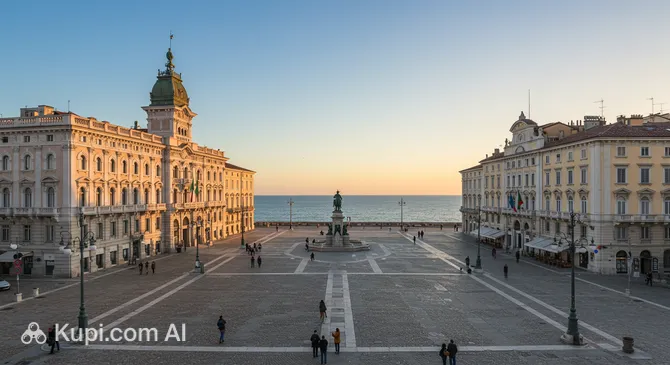
Piazza Unità d'Italia. Source: Kupi.Binoculars

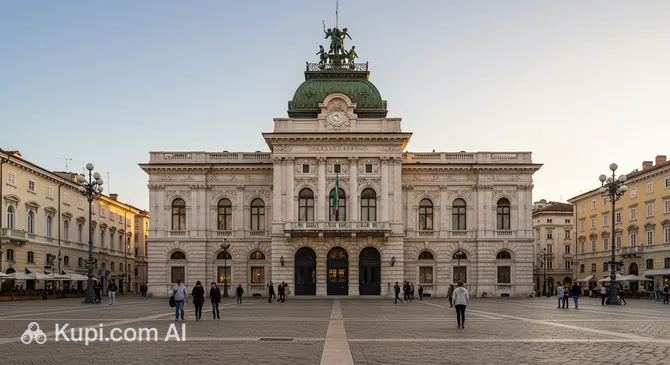
The beating heart of the city is undoubtedly Piazza Unità d'Italia. Often cited as Europe's largest square located directly on the seafront, it is an elegant open-air salon surrounded by magnificent Austro-Hungarian buildings. By day, it dazzles with its spaciousness and light, while at night, the illuminated palaces create a magical atmosphere perfect for a leisurely stroll or a coffee at one of the historic cafes.

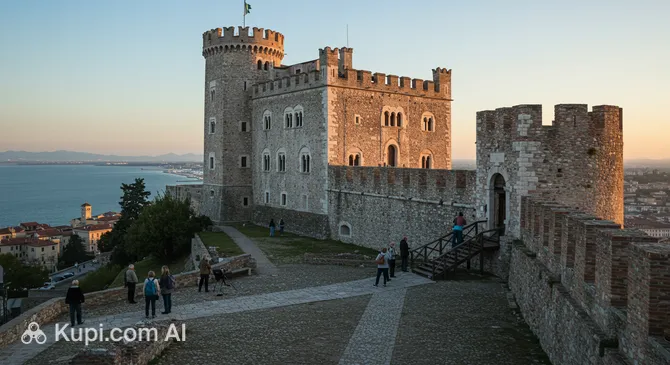
Watching over the city from the hill above is the imposing San Giusto Castle. This fortress, built over several centuries, serves as a symbol of Trieste's history and offers some of the most spectacular panoramic views of the Gulf and the city rooftops. Inside, visitors can explore the museum, which houses a collection of ancient weaponry and historical artifacts, or simply walk along the ramparts to admire the scenery.

San Giusto Castle. Source: Kupi.Binoculars

Just a short distance from the seafront lies the Roman Theatre of Trieste, a remarkable testament to the city's ancient past as Tergeste. Dating back to the 1st century AD, this well-preserved structure sits surprisingly close to modern apartment buildings, creating a striking contrast between eras. It once held thousands of spectators and is occasionally still used for open-air performances during the summer.

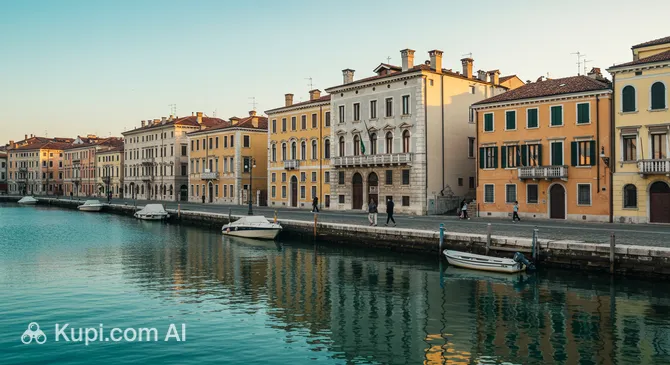
For a touch of Venetian charm, the Grand Canal of Trieste is a must-visit in the Borgo Teresiano district. Originally built to allow boats to unload goods directly into the city's warehouses, it is now a picturesque waterway lined with vibrant cafes, restaurants, and the stunning Church of Sant'Antonio Nuovo at its end. It is a delightful spot to enjoy an aperitif and soak in the lively local ambiance.

Grand Canal of Trieste. Source: Kupi.Binoculars

Finally, a walk along the Audace Pier offers a unique perspective of the city from the sea. Extending 200 meters into the water, this stone pier is a favorite promenade for locals and tourists alike, especially during sunset. Standing at the end of the pier provides a breathtaking view of the skyline and the grand Piazza Unità d'Italia, making it an unforgettable photo opportunity.

Local Cuisine

The culinary landscape of Trieste is a delicious reflection of its multicultural heritage, distinguishing it from any other city in Italy. Here, the Mediterranean diet blends seamlessly with hearty Central European traditions, creating a unique gastronomy where pasta and seafood sit alongside sauerkraut, goulash, and boiled meats. This fusion is best experienced in the city’s traditional buffets, historic taverns that serve quick, flavorful meals often enjoyed standing at the counter.

Meat lovers should not miss the opportunity to try the caldaia, a selection of boiled pork cuts served with mustard and freshly grated horseradish. Another staple of the local table is Jota, a rich and comforting soup made with beans, potatoes, and sauerkraut, perfectly embodying the city's Austro-Hungarian soul. These robust dishes are ideal for fueling a day of exploration, especially during the cooler months.

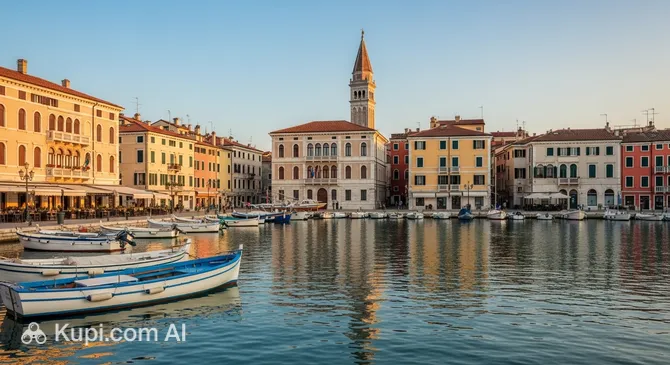
Given its location on the Adriatic, the region also excels in seafood. Freshly caught fish, shellfish, and crustaceans are prepared simply to highlight their natural flavors. For a truly authentic maritime atmosphere, a short trip to Muggia is highly recommended. This charming fishing village nearby is renowned for its excellent seafood restaurants and traditional culinary festivals.

Muggia. Source: Kupi.Binoculars

Back in the city center, dining options abound for every taste. Osteria Marise offers a welcoming atmosphere and a menu rooted in tradition, making it an excellent spot to discover the comfort food that locals cherish. If you find yourself craving a classic Italian favorite, San Genna' Neapolitan Pizzeria serves excellent pizzas that bring a taste of the south to the northern border.

For a casual evening drink or a quick bite, Al Ciketo is a popular choice, known for its lively vibe and selection of appetizers. Finally, no meal in Trieste is complete without coffee. As a historic port for coffee importation, the city boasts a vibrant cafe culture, and sipping an espresso in one of its elegant establishments is an essential local ritual.

Travel Tips

Welcome to Trieste! To ensure your visit to this cosmopolitan port city is as smooth and enjoyable as possible, we have compiled a list of essential travel advice. From navigating the unique local climate to understanding the specific coffee culture, these practical tips will help you explore the city with the confidence of a local.

  1. Clothing and Gear. Trieste is famous for the Bora, a strong and gusty wind that can occur at any time of year but is most frequent in winter. Even if you visit in spring or autumn, packing a windproof jacket and a scarf is highly recommended. The city is built on hills, so bring comfortable, sturdy walking shoes to navigate the steep streets. If you plan to visit religious sites like the Cathedral of San Giusto, remember to dress modestly, covering shoulders and knees.

  2. Transportation. The city center is compact and best explored on foot, but be prepared for some uphill walking. For longer distances, the local bus network, operated by Trieste Trasporti, is efficient and reliable. You must buy tickets at tobacco shops (tabaccheria) or newsstands before boarding and validate them immediately. Car rental is generally unnecessary for the city itself and can be a hassle due to scarce and expensive parking; it is better to rely on public transport or taxis.

  3. Finances. The local currency is the Euro (€). While credit and debit cards are widely accepted in hotels, restaurants, and major shops, it is wise to carry some cash for small purchases in historic cafés, traditional buffets, or kiosks. ATMs are plentiful throughout the city. Tipping is not mandatory, as a service charge (coperto) is usually added to the bill, but rounding up the total or leaving a few euros for good service is appreciated.

  4. Health and Safety. Trieste is considered one of the safest cities in Italy. Pharmacies are marked with a green cross, and there is always one open 24/7 on a rotating basis (look for the list displayed in any pharmacy window). For medical emergencies, dial 112. While the city is safe, exercise standard precautions with your belongings in crowded tourist spots like Piazza Unità d'Italia.

  5. Communication. The official language is Italian, but due to the city's history and proximity to borders, you may also hear Slovenian and German. English is widely spoken in the tourism and hospitality sectors. Learning a simple "Buongiorno" (Good morning) or "Grazie" (Thank you) goes a long way. Free Wi-Fi is available in major public squares (look for "TriesteFreeWifi"), and SIM cards can be purchased at provider stores or some larger supermarkets with a passport.

  6. Local Etiquette. Triestinos are generally polite and reserved. It is customary to greet shop assistants when entering and leaving a store. When visiting the city's famous historic cafés, keep in mind that prices are often different depending on whether you stand at the bar (al banco) or sit at a table (al tavolo). Standing at the counter is the quick, local way to enjoy your coffee.

  7. What to Avoid. Do not underestimate the wind alerts. If the Bora is blowing strongly, avoid walking near the exposed edges of the waterfront, particularly on the Molo Audace, as gusts can be surprisingly powerful and waves may crash over the pier. Also, try to avoid dining strictly at "tourist hours" (very early); locals usually eat lunch around 1:00 PM and dinner after 8:00 PM.

  8. Experience the "Osmiza". For a truly unique local experience, look for an Osmiza in the surrounding Karst plateau. These are temporary open houses run by local farmers where they sell their own wine and cured meats directly to the public. They are identified by a bundle of ivy leaves hanging on a signpost along the road. It is an authentic and affordable way to taste the region's produce in a rustic setting.

Armed with these practical insights, you are ready to fully embrace the elegant atmosphere and rich traditions of Trieste. Enjoy your journey through this fascinating crossroads of culture, history, and the sea!

Entertainment & Nightlife

Trieste offers a nightlife experience that is distinctively sophisticated and social, reflecting its cosmopolitan soul. Unlike the frenetic clubbing scenes found in some other Italian cities, the evening atmosphere here revolves around the ritual of the aperitivo. As the sun sets, locals spill out onto the streets and squares to enjoy a "Spritz" or a glass of local white wine, engaging in lively conversation that often lasts late into the night. The vibe is generally relaxed, safe, and welcoming to visitors of all ages.

The heart of the evening action can be found in the pedestrian-friendly zones around the city center. The Cavana district, a maze of narrow streets behind Piazza Unità d'Italia, has transformed into a trendy hub packed with small bars, pubs, and eateries. Similarly, the banks of the Grand Canal and the area surrounding Piazza della Borsa are bustling meeting points where the crowd is a mix of university students, professionals, and tourists soaking up the lively urban energy.

Piazza della Borsa. Source: Kupi.Binoculars

For those looking to dive into the local bar scene, Rustiko is a popular venue that captures the city's modern spirit. It is an excellent spot to enjoy expertly crafted cocktails and a vibrant atmosphere, making it a favorite for both starting the night or settling in for the evening. If you are willing to venture slightly further for a historic institution, Caffè Vatta offers a classic experience that transitions seamlessly from a daytime café to a lively evening gathering place, beloved for its high-quality service and drinks.

When planning your night out, keep in mind that the evening in Trieste starts relatively late. The aperitivo hour typically begins around 7:00 PM, while bars get busier after 10:00 PM. The dress code is generally "smart casual"—stylish but comfortable. Prices are reasonable compared to other major Italian tourist destinations, with a Spritz often costing between €3 and €5. The city is very safe for night walks, even in the late hours. If you need to travel further or return to your hotel late, it is best to call a taxi via the local Radio Taxi service, as hailing one on the street can be difficult.

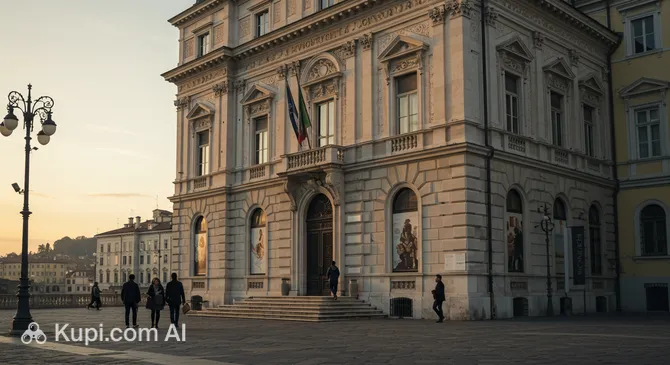
Before the sun goes down, Trieste offers a wealth of cultural entertainment to fill your day. Art and history enthusiasts should not miss the Revoltella Museum, a modern art gallery housed in a splendid 19th-century palace that offers a glimpse into the opulent life of the city's past merchants. For families or science buffs, the Immaginario Scientifico provides an interactive and engaging experience located in the picturesque setting of the Old Port.

Revoltella Museum. Source: Kupi.Binoculars

Parks & Museums

Trieste is a city that successfully balances its bustling port atmosphere with serene green retreats and profound cultural institutions. Beyond the grand piazzas and seafront promenades, visitors can discover lush gardens perfect for relaxation and museums that preserve the complex, and sometimes tragic, history of this borderland.

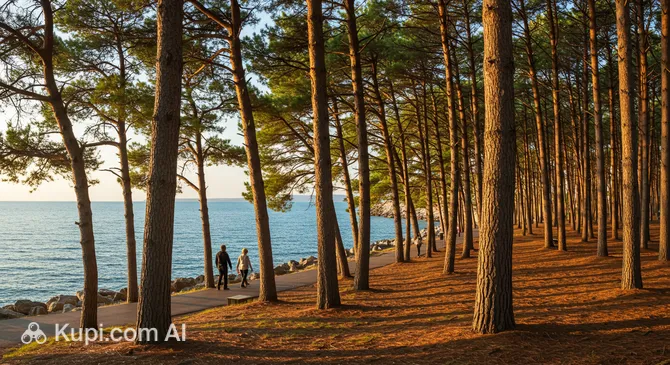
For those seeking fresh air and sea views, the Barcola Pinewood is the undisputed favorite among locals. Stretching along the coast towards Miramare Castle, this pine-shaded promenade serves as the city's "beach" during the summer months. It is an ideal spot for a leisurely walk, a picnic under the trees, or simply watching the sunset over the Adriatic. The paved path is lined with benches and offers easy access to the water, making it a lively social hub year-round.

Barcola Pinewood. Source: Kupi.Binoculars

In the heart of the urban center, the Muzio de Tommasini Public Garden offers a classic respite from the city streets. Designed in the 19th century, this English-style park features winding paths, century-old trees, and a collection of busts honoring famous cultural figures connected to Trieste. It is a peaceful enclave where residents go to read, jog, or let their children play, surrounded by the elegance of the city's historic architecture.

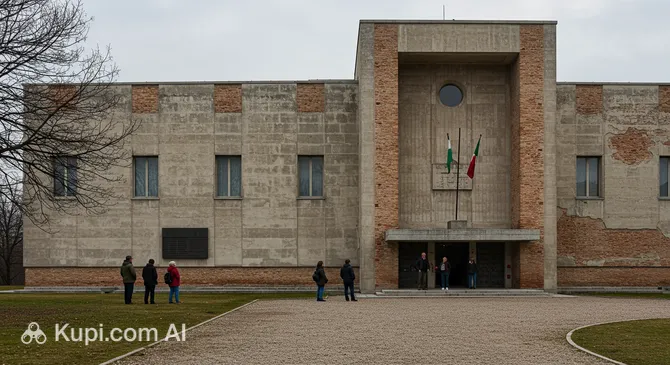
Trieste's museums are as diverse as its history. A somber but essential stop for understanding the region's 20th-century past is the Risiera di San Sabba National Monument and Museum. Housed in a former rice-husking facility, it was used as a concentration camp during World War II. Today, it stands as a powerful memorial and museum, with stark architecture and exhibits that document the events of that era, serving as a moving testament to memory and peace.

Risiera di San Sabba National Monument and Museum. Source: Kupi.Binoculars

On a lighter note, science and nature enthusiasts will appreciate the Civic Museum of Natural History of Trieste. This institution is renowned for its paleontological collection, most notably "Antonio," an exceptionally complete dinosaur skeleton found in the nearby Karst region. The museum also houses extensive botanical and zoological collections that highlight the unique biodiversity of the area where the Mediterranean meets the Alps.

For art and theater lovers, the Gopcevich Palace is an architectural gem located right on the Grand Canal. With its distinctive red-and-white geometric facade, it is impossible to miss. Inside, it hosts the Civico Museo Teatrale Carlo Schmidl, dedicated to the city's rich performing arts history, displaying costumes, instruments, and documents that celebrate Trieste's long-standing love affair with opera and music.

Insider Tip: If you visit the Barcola area, look for the Barcola Fountain, a charming landmark that marks the beginning of the promenade. It is a popular meeting point for locals before they start their walk along the waterfront.

Getting Around

Public transport in Trieste is efficient, reliable, and the best way to navigate the city's hilly terrain and coastal stretches. The system is primarily based on an extensive bus network operated by Trieste Trasporti, which covers the entire urban area and extends into the surrounding suburbs. Since there is no metro system, blue and white buses are the backbone of local mobility. They run frequently and are generally punctual, with digital displays at many stops indicating waiting times.

One of the city's most famous and unique transport features is the historic Tram de Opcina (Opicina Tram). This vintage line, which dates back to the early 20th century, connects the city center at Piazza Oberdan with the village of Opicina on the Karst plateau. It is a hybrid system that operates as a standard tram on flat sections and converts into a cable-tractor funicular to ascend the steep incline. While it occasionally undergoes long periods of maintenance, it remains a beloved symbol of the city and offers spectacular panoramic views of the gulf during the ascent.

For a more scenic route, travelers can utilize the maritime transport services provided by the Delfino Verde ferries. These boats are part of the public transport network and offer a delightful way to travel across the water. Key routes connect the city center with the seaside neighborhood of Barcola, the majestic Miramare Castle, and the charming fishing town of Muggia. It is an affordable alternative to land transport that doubles as a sightseeing experience.

The payment system is integrated, meaning the same tickets are valid for buses and the tram. Tickets must be purchased before boarding. You can find them at newsstands, tobacconists (look for the "T" sign), and automatic vending machines at major stops. A standard urban ticket is valid for 60 minutes from the moment of validation and allows for unlimited transfers within that time. For tech-savvy travelers, the official TPL FVG mobile app is a convenient option, allowing you to buy and validate tickets directly from your smartphone.

Validation is a crucial step to avoid fines. Upon boarding a bus or tram, you must insert your paper ticket into the yellow or green machines until it stamps the time and date. If you are using the app, remember to activate your ticket just before you get on. Regular bus services typically operate from around 5:00 AM until midnight. After hours, a limited night bus service connects key areas, but it is less frequent, so planning ahead is advisable if you are out late.

While the city center is compact and best explored on foot, other alternatives exist. Taxis are available but cannot be hailed on the street; you must call a radio taxi service or go to a designated taxi rank, such as the one at the train station or Piazza Unità d'Italia. For those who prefer two wheels, a bike-sharing service called BiTS is available, though the city's steep hills can make cycling a workout in certain areas. Driving a private car is generally not recommended for tourists due to the scarcity of parking spaces and the complex system of one-way streets.

Accommodation

Trieste offers a welcoming range of accommodation options that cater to various tastes and budgets, reflecting the city's role as a bridge between cultures. Visitors can choose from elegant historic hotels housed in neoclassical palaces that evoke the Austro-Hungarian era, to comfortable mid-range establishments and a growing number of modern vacation rentals and apartments. For backpackers and budget-conscious travelers, there are also several well-equipped hostels and bed & breakfasts scattered throughout the city.

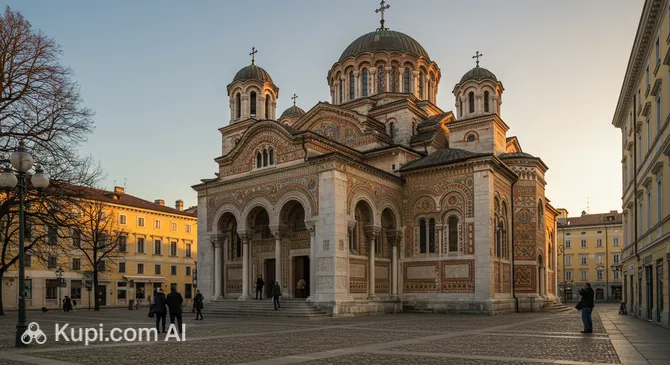
The most convenient area for tourists is undoubtedly the city center, particularly the districts of Borgo Teresiano and Cavana. Staying here places you within easy walking distance of the main attractions, the seafront, and the vibrant cafe scene. The Borgo Teresiano is especially picturesque, characterized by its grid of streets and the Grand Canal. It is also home to the magnificent Serbian Orthodox Church of Saint Spyridon, a landmark that adds to the neighborhood's charm.

Serbian Orthodox Church of Saint Spyridon. Source: Kupi.Binoculars

For those prioritizing logistics, the area around the Central Railway Station is a practical choice. It offers quick access to trains and the airport shuttle, making it ideal for travelers planning day trips to nearby towns or crossing the border into Slovenia. Alternatively, if you are visiting during the summer and prefer a more relaxed, seaside atmosphere, the Barcola district is an excellent option. Located a short bus ride from the center, it allows you to stay close to the popular waterfront promenade and the pine groves, perfect for a refreshing dip in the Adriatic.

While the city does not lack luxury, prices in Trieste are generally more moderate compared to Italy's major tourist hotspots like Venice or Rome. Budget accommodation typically starts from around €60 per night, while mid-range hotels usually fall between €90 and €150. Luxury options and suites with sea views will naturally command higher rates. Most properties can be easily booked via major online platforms or by contacting them directly.

Booking Tip: Trieste is a year-round destination, but availability can drop significantly during the peak summer months. It is particularly important to book your accommodation months in advance if you plan to visit in October during the Barcolana, the largest sailing regatta in the world. During this week, the city is packed with sailors and spectators, and finding a room last minute is nearly impossible.

Nearby Cities

For those looking to explore the surroundings, Trieste serves as an excellent base for day trips to several interesting nearby locations:

City Population Distance (km)
Udine 99518 62
Gorizia 34411 34
Monfalcone 28107 25
Portogruaro 24959 73
Codroipo 16165 70

Among these destinations, Udine stands out as a cultural gem rich in Venetian charm. Located about an hour away, it is often referred to as the "City of Tiepolo" because of the numerous masterpieces by the renowned painter Giambattista Tiepolo housed in its cathedral and galleries. Visitors can stroll through the elegant Piazza della Libertà, considered one of the most beautiful Venetian squares on the mainland, or climb the hill to the castle for panoramic views of the city and the Alps.

Another fascinating stop is Gorizia, a city that sits directly on the border with Slovenia. Its history is deeply intertwined with the Habsburg Empire, giving it a distinct Central European atmosphere often described as the "Nice of Austria." The medieval castle dominating the town is a must-see, offering a journey through history and a vantage point over the lush Isonzo valley. The city’s unique position fosters a vibrant cross-border culture that is evident in its architecture and cuisine.

For a picturesque experience, Portogruaro offers a delightful change of pace. Often called the "Little Venice of the mainland," this medieval town is defined by its arcaded streets and the Lemene River flowing through its center. Key highlights include the two iconic water mills at Sant'Andrea and the leaning bell tower of the cathedral, which adds a quirky touch to the skyline. It is an ideal spot for a relaxing walk and a quiet lunch by the water.

These nearby destinations offer a glimpse into the diverse culture and landscapes of the region.

Shopping & Souvenirs

Shopping in Trieste is a delightful experience that combines the charm of historic European boutiques with the convenience of modern retail. The city is not just a place to buy goods but a destination where commerce meets culture, particularly famous for its historic cafés and literary heritage. Visitors will find a wide range of options, from high-end Italian fashion and international brands to unique local artisanal products and vintage treasures.

The main artery for shopping is Corso Italia, a wide avenue lined with major clothing chains, department stores, and elegant shops. For a more exclusive atmosphere, head to the pedestrian-friendly Via San Nicolò and the surrounding streets of the Borgo Teresiano district. Here, sophisticated shop windows display the latest trends, historic bookstores invite you to browse, and the area around Piazza della Borsa serves as a lively starting point for a retail therapy session.

If you prefer having everything under one roof, the city offers a couple of notable shopping centers. Il Giulia is located within the urban area and provides a variety of shops and services convenient for everyday needs. For a more extensive selection, Torri d'Europa is a large mall situated near the port area, featuring numerous clothing stores, electronics retailers, and a food court, making it a perfect stop for rainy days.

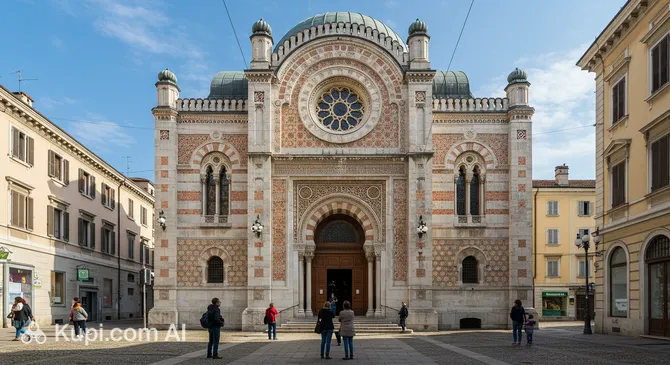
A true highlight of the local shopping scene is the Mercato Coperto (Covered Market). Housed in a striking 1930s building, it is the place to go for fresh local produce, cheeses, and meats, offering a glimpse into the daily life of Triestinos. Additionally, antique lovers should look out for the flea markets often held in the Barbacan area or near the Trieste Synagogue, where you can find vintage curiosities and collectibles.

Trieste Synagogue. Source: Kupi.Binoculars

When it comes to souvenirs, Trieste offers distinct options that reflect its identity. As the coffee capital of Italy, a tin of premium local coffee (such as Illy or Hausbrandt) is a must-buy. Traditional sweets like Presnitz (a puff pastry roll filled with nuts and dried fruit) make for delicious gifts. Items celebrating the famous Bora wind, such as specially designed glassware or books, are also unique keepsakes that embody the spirit of the city.

Store opening hours generally follow the traditional Italian schedule. Smaller shops typically open from 9:00 AM to 1:00 PM and reopen from 3:30 PM to 7:30 PM, often closing on Sundays and Monday mornings. However, major chains and department stores on the main streets usually remain open throughout the day (orario continuato). Credit and debit cards are widely accepted, though carrying some cash is useful for small purchases at markets.

Travelers residing outside the European Union are eligible for a VAT refund on purchases exceeding a certain amount (typically around €155). Look for the "Tax Free" logo in shop windows and remember to ask for the refund form at the checkout to claim your tax back at the airport or border crossing.

Reached the end of the page?

That means the route is fully explored