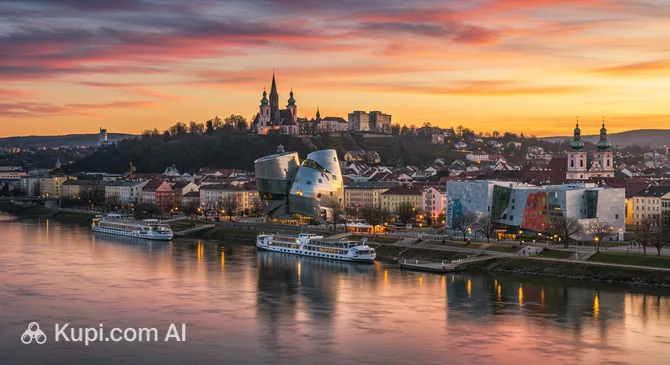
Linz is a vibrant city that perfectly bridges the gap between a rich historical past and a cutting-edge future. As the capital of Upper Austria and the third-largest city in Austria, it offers a dynamic atmosphere where contemporary art meets Baroque architecture along the banks of the Danube River. Far from being just an industrial hub, the city has reinvented itself as a center of culture and media arts, earning the title of UNESCO City of Media Arts.
Linz. Illustration.
Source: Kupi.com AI
With a population of approximately 210,000 inhabitants, the city feels lively yet accessible. Visitors interested in the history of Linz will find a fascinating narrative of evolution, visible in its well-preserved Old Town and the expansive Hauptplatz, which stands as one of the largest enclosed squares in Central Europe. The city's location on the Danube makes it a scenic stop for river cruises and a gateway to the beautiful landscapes of the region.
Travelers are often drawn to the Ars Electronica Center, also known as the Museum of the Future, which explores the intersection of art, technology, and society in a striking building that lights up the night skyline. For a breathtaking perspective, a trip up the Pöstlingberg offers panoramic views of the city and the winding river, accessible via one of the steepest adhesion railways in the world. Whether you are tasting the famous Linzer Torte or exploring modern galleries like the Lentos Art Museum, Linz invites you to discover its unique blend of tradition and innovation.
Weather Overview
The climate in Linz is characterized by four distinct seasons, offering a temperate atmosphere that varies significantly throughout the year. Summers are generally warm and pleasant, making them ideal for exploring the city's outdoor attractions, while winters bring a distinct chill that transforms the city into a cozy winter destination.
During the warmest months of July and August, average temperatures hover around 19.5°C, with daytime highs often reaching 24°C. However, visitors should be prepared for frequent showers, as these months typically see about 15 wet days. Spring and autumn offer milder temperatures, though May is notably one of the dampest months with approximately 17 days of precipitation.
Winter sees temperatures drop considerably, with January being the coldest month, averaging just 0.4°C and lows dipping to -2.1°C. To plan your trip effectively and pack the right gear, it is helpful to review the detailed weather in Linz before your departure. In general, you can expect warm summers with occasional rain and cold winters that require warm layers.
Average monthly temperature
Average monthly precipitation
Interesting Facts
Beyond its scenic riverbanks and modern museums, the city holds a treasure trove of historical curiosities and unique distinctions. Here are a few fascinating details that reveal the deeper character of this Austrian cultural hub.
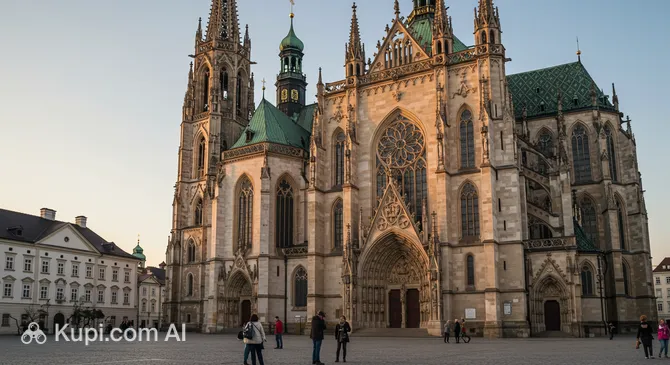
The New Cathedral (Mariendom) Linz holds the title of Austria's largest church by capacity, fitting up to 20,000 people, but it is curiously not the tallest. During its construction, architects were strictly forbidden from exceeding the height of St. Stephen's Cathedral in Vienna; consequently, the spire was built to exactly 135 meters—just two meters shorter than its Viennese counterpart.
The city is the birthplace of what is widely considered the oldest known cake recipe in the world. The famous Linzer Torte, a delicious nut-based pastry topped with a lattice of dough and currant jam, was first mentioned in writing as early as 1653.
Wolfgang Amadeus Mozart created one of his masterpieces here at an astonishing speed. In 1783, while stopping in the city, he composed his Symphony No. 36, now known as the "Linz Symphony," in just four days to have it ready for a local concert.
The renowned astronomer Johannes Kepler called this city home for more than a decade in the early 17th century. It was here that he discovered his third law of planetary motion and completed his major work, the Rudolphine Tables, forever changing our understanding of the solar system.
New Cathedral (Mariendom) Linz. Illustration.
Source: Kupi.com AI
Traveler photos:
How to Get There
Reaching this Upper Austrian capital is quite convenient thanks to its central location and excellent transport connections. Whether you prefer flying or taking the train, there are several options to suit your itinerary. You can find more details about all ways to reach the city on our dedicated page.
For air travel, the most direct option is Linz Airport (IATA: LNZ), also known as Blue Danube Airport. It is located just outside the city limits, approximately 11 km from the center. While it is a smaller regional hub, it offers a quick and stress-free arrival. A taxi or shuttle bus from here to the city center typically takes about 20 minutes. For a wider range of international flights, many travelers choose Vienna International Airport (IATA: VIE). Although it is located in Vienna, about 170 km away, it is the country's largest aviation hub. From there, you can easily reach Linz by a direct train or a rental car in approximately 1 hour and 45 minutes.
For clarity, here is a summary of the main airports:
Traveling by train is one of the most popular and efficient ways to arrive. The city's main station, Linz Hauptbahnhof, is a major railway hub located just 1.8 km from the historic center. It offers frequent high-speed connections from neighboring capitals and major Austrian cities. If you are arriving from the east, you might connect through Vienna Central Station in Vienna, which is about 156 km away; the train journey from there is fast and scenic, taking roughly an hour and a quarter.
Below is an overview of the nearest and most significant railway stations:
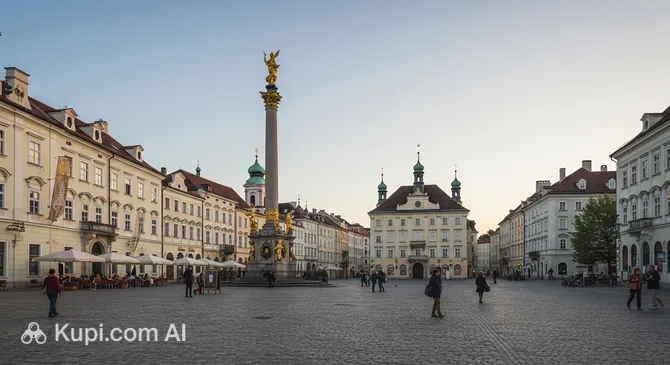
Linz offers a fascinating mix of historical grandeur and futuristic innovation, making it a unique destination for travelers. The city center is dominated by the impressive Main Square Linz (Hauptplatz), which serves as the vibrant heart of the town. Surrounded by beautifully preserved Baroque buildings, this expansive square is perfect for a leisurely stroll or enjoying a coffee while watching the city go by. In the center of the square stands the majestic Trinity Column, a white marble monument completed in 1723 to commemorate the city's survival from plague, fire, and war.
Main Square Linz. Illustration.
Source: Kupi.com AI
Traveler photos:
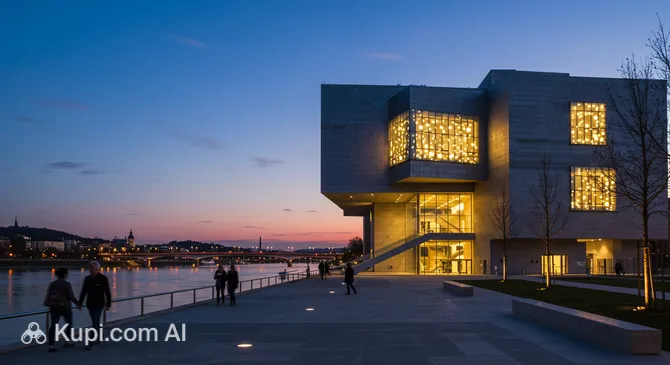
Just across the Danube River, the cityscape transforms dramatically with the Ars Electronica Center. Often referred to as the "Museum of the Future," this striking building is a must-visit for technology enthusiasts and families alike. Inside, interactive exhibitions explore artificial intelligence, biotechnology, and the digital revolution, allowing visitors to touch and experiment with the displays. At night, the building’s LED facade puts on a spectacular light show that reflects beautifully on the river.
Ars Electronica Center. Illustration.
Source: Kupi.com AI
Traveler photos:
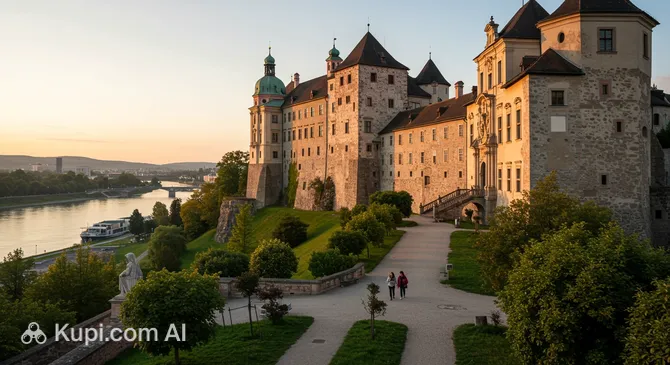
For those interested in history and panoramic views, the Linz Castle Museum is an essential stop. Perched on a hill overlooking the Old Town and the Danube, the castle combines historic fortifications with modern architecture. The museum houses comprehensive collections regarding the cultural and natural history of Upper Austria, ranging from Roman artifacts to medieval weaponry. The terrace outside offers one of the best vantage points for photographing the city skyline.
Linz Castle Museum. Illustration.
Source: Kupi.com AI
Traveler photos:
Art lovers should not miss the Lentos Art Museum, located directly on the banks of the Danube. It is one of the most important museums of modern and contemporary art in Austria, featuring works by Klimt, Schiele, and Kokoschka, as well as international contemporary artists. The building itself is a work of art, with a transparent glass facade that glows in different colors after sunset, creating a visual dialogue with the Ars Electronica Center across the water.
Finally, a trip to the Pöstlingberg hill offers a whimsical experience at the Grottenbahn. Accessible via the Pöstlingbergbahn railway, this attraction transports visitors into a fairy-tale world. A dragon express train rides through a grotto inhabited by dwarfs and scenes from famous fairy tales, making it a nostalgic and delightful adventure, especially for those traveling with children.
Local Cuisine
The culinary landscape of Linz is a delightful reflection of Upper Austrian tradition, blending hearty rural flavors with the refined coffee house culture of the city. The absolute star of the local gastronomy is the world-famous Linzer Torte. Often cited as the oldest known cake recipe in the world, this crumbly pastry is made with ground nuts, spices, and a layer of red currant jam, topped with a distinctive lattice of dough. You will find it in almost every bakery and café, making it the perfect accompaniment to a cup of coffee in the afternoon.
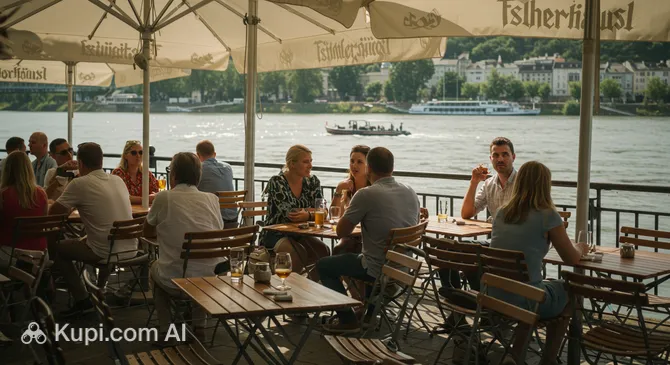
For a savory meal, the region is renowned for its dumplings, or Knödel. These satisfying spheres come in various forms, with Haschknödel (meat-filled) and Speckknödel (bacon-filled) being local favorites. They are typically served with warm sauerkraut or a rich gravy. Another staple is the crispy Schweinsbraten (roast pork) with dumplings, a dish that embodies the comforting essence of Austrian home cooking. Visitors looking for a traditional atmosphere to enjoy these classics might visit Fischerhäusl Linz, a historic venue located near the river that offers a charming garden setting.
Fischerhäusl Linz. Illustration.
Source: Kupi.com AI
Traveler photos:
When it comes to drinks, Linz sits in the heart of a region famous for Most, a fermented cider made from apples or pears. It is a refreshing alternative to beer and wine, often enjoyed mixed with sparkling water. However, beer lovers are also well catered for, as the city has a strong brewing heritage. In the warmer months, locals flock to the banks of the Danube to enjoy these beverages. A popular spot to soak up this riverside vibe is Sandburg, an urban beach bar that offers relaxed drinks with a view of the city skyline.
Sandburg. Illustration.
Source: Kupi.com AI
Traveler photos:
The dining scene in Linz ranges from rustic inns to modern establishments. While the historic center is packed with traditional eateries, there is a growing movement of contemporary cuisine that reinterprets classic ingredients. For those interested in a high-quality culinary experience that focuses on regional products with a modern twist, Restaurant Rauner is a notable destination worth exploring. Whether you are grabbing a quick sausage at a street stand or sitting down for a multi-course dinner, the food culture here is welcoming and unpretentious.
Travel Tips
Welcome to Linz! To ensure your journey through this dynamic UNESCO City of Media Arts is as smooth as it is memorable, we have compiled a set of essential practical guidelines. These tips will help you navigate local customs, logistics, and daily life with the ease of a local, allowing you to focus entirely on enjoying the city's unique blend of history and innovation.
Clothing and Gear: The weather in Austria can be changeable, so dressing in layers is the best strategy, regardless of the season. Winters require warm coats, scarves, and gloves, while summers are generally pleasant but can see sudden showers, so a compact umbrella is a must. Since the historic center is paved with cobblestones, bring comfortable, sturdy walking shoes. If you plan to visit churches like the New Cathedral, remember to dress modestly, covering your shoulders and knees.
Transportation: Linz is a very walkable city, especially within the Old Town. For longer distances, the public transport network (Linz AG Linien), consisting of trams and buses, is efficient, clean, and punctual. Tickets must be purchased before boarding from machines at stops or via the mobile app. Taxis are reliable but can be expensive; they usually wait at designated stands rather than being hailed on the street. Ride-hailing apps are available but less commonly used than standard taxis.
Finances: The local currency is the Euro (EUR). While credit and debit cards (Visa and Mastercard) are widely accepted in hotels, larger restaurants, and shops, cash is still king in smaller cafés, bakeries, and market stalls. ATMs are plentiful throughout the city. Tipping is customary; for good service in restaurants, it is polite to round up the bill or leave about 5-10% extra.
Health and Safety: Linz is generally a very safe city for tourists. Pharmacies, known as Apotheke, are marked with a red "A" and can be found easily; they operate on a rotation system for night and weekend services. Tap water in the city is of excellent quality and perfectly safe to drink, so bring a reusable bottle. For emergencies, dial 112 for general assistance.
Communication: The official language is German. While the local dialect can be distinct, most locals in the service industry and younger generations speak excellent English. It is polite to start conversations with a friendly German greeting like "Grüß Gott" (Hello) or "Danke" (Thank you). Free Wi-Fi is available in many public areas, including the main square, often labeled as "Hotspot Linz."
Local Etiquette: Austrians value politeness and formality. When entering a small shop or elevator, it is customary to greet others. Punctuality is highly regarded, so try to be on time for tours or reservations. If you are sharing a drink, make eye contact when saying "Prost" (Cheers)—it is considered rude not to do so.
What to Avoid: Do not jaywalk or cross the street when the pedestrian light is red, even if there is no traffic; locals strictly adhere to traffic rules and may verbally correct you. Additionally, avoid being loud or boisterous in public transport or quiet neighborhoods, especially on Sundays, which are traditionally days of rest.
Sunday Shopping Rules: Be aware that almost all shops, supermarkets, and pharmacies close on Sundays and public holidays. If you need essentials on a Sunday, your best bet is the supermarket at the main train station (Hauptbahnhof), which remains open. Plan your shopping accordingly to avoid being caught without supplies.
Armed with these practical insights, you are ready to explore the streets of Linz with confidence and ease. Whether you are marveling at digital art or enjoying a slice of cake by the Danube, a little local knowledge goes a long way in making your Austrian adventure truly unforgettable.
Entertainment & Nightlife
Entertainment and Nightlife:
As a university city with a dynamic cultural scene, Linz offers a nightlife that is surprisingly diverse and energetic. While the city may appear quiet during the day, the evenings come alive, particularly in the historic center. The heart of the action is the area affectionately known by locals as the "Bermuda Triangle" in the Old Town (Altstadt). Located around the Main Square (Hauptplatz) and the narrow streets branching off it, this district is densely packed with bars, pubs, and small clubs where you can easily hop from one venue to another.
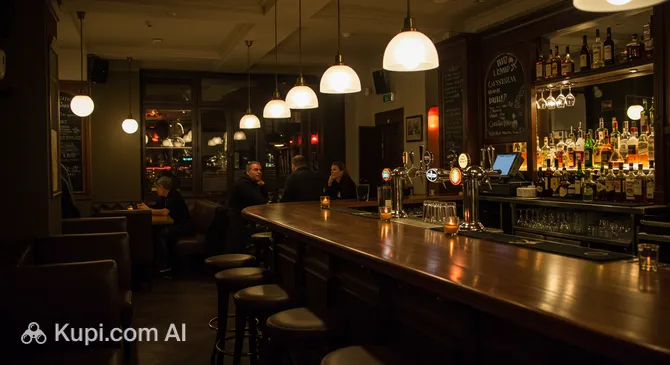
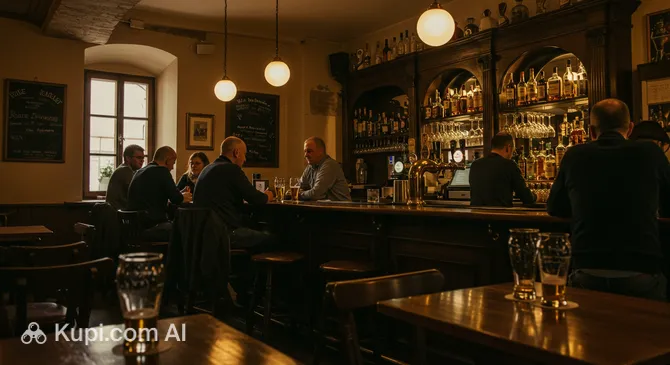
For those who appreciate a sophisticated atmosphere and expertly crafted drinks, Lennox Bar is a standout destination. Situated in the city center, it is famous for its extensive cocktail menu and stylish, dimly lit interior. It attracts a mixed crowd of students, young professionals, and visitors looking for a relaxed yet trendy vibe. Whether you prefer a classic Old Fashioned or a creative signature mix, this is one of the best spots to start your evening.
Lennox Bar. Illustration.
Source: Kupi.com AI
Traveler photos:
If you are looking for a more traditional pub experience, the Chelsea Pub offers a slice of British culture in the heart of Upper Austria. Known for its wide selection of beers, including international stouts and ales, it is a popular meeting point for locals and expats alike. The atmosphere is casual and welcoming, often buzzing with conversation and background music, making it an ideal place to unwind after a day of sightseeing.
Chelsea Pub. Illustration.
Source: Kupi.com AI
Traveler photos:
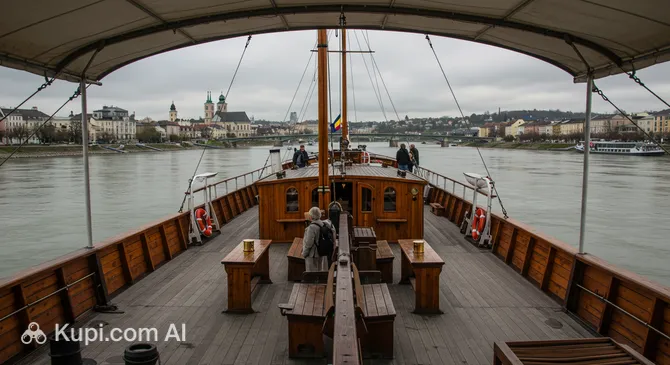
Beyond the classic bars, Linz has a thriving alternative and cultural scene. A unique venue that captures the city's connection to the Danube is the Salonschiff Fräulein Florentine. This docked ship serves as a café, bar, and cultural space all in one. In the summer, the deck is perfect for enjoying a drink with a river breeze, while the hold hosts concerts, theater performances, and DJ sets throughout the year. It represents the creative spirit of the city, floating right on the water.
Salonschiff Fräulein Florentine. Illustration.
Source: Kupi.com AI
Traveler photos:
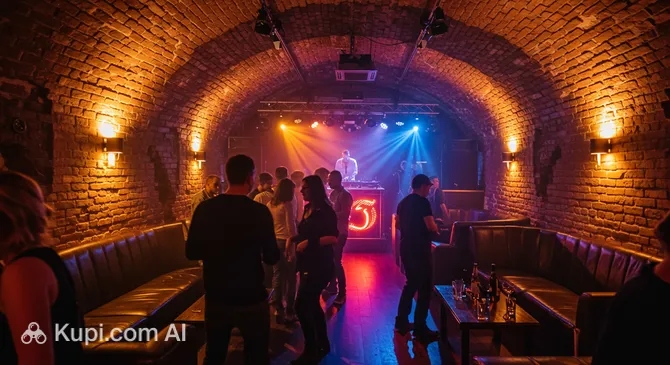
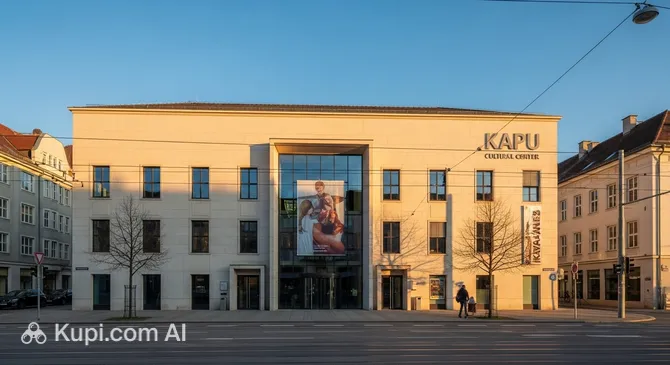
For fans of underground music and subculture, the KAPU Cultural Center is a legendary institution. Since the 1980s, it has been a hub for punk, hip-hop, and alternative rock concerts. It is more than just a venue; it is a cultural workspace that hosts cinema nights and lectures, drawing a dedicated crowd that values independent art and music.
KAPU Cultural Center. Illustration.
Source: Kupi.com AI
Traveler photos:
Practical Advice for Nightlife:
Timing: Bars typically start filling up around 9:00 PM or 10:00 PM. On Fridays and Saturdays, the party often continues until 4:00 AM in the livelier clubs. Weeknights are generally quieter, with many places closing around midnight or 1:00 AM.
Prices: The cost of a night out is moderate. A beer usually costs between €4 and €5, while cocktails range from €9 to €12. Many places accept cards, but it is always wise to carry some cash for smaller bars or cloakrooms.
Dress Code: The vibe in Linz is generally relaxed and casual. Smart-casual attire works well for cocktail bars, while jeans and sneakers are perfectly acceptable in pubs and alternative clubs.
Safety and Transport: Linz is very safe at night, and walking between venues in the center is common. For getting home, the "Nachtlinien" (night bus lines) operate on weekends and before public holidays. Taxis are readily available at designated stands, particularly at the Main Square, or can be ordered via phone.
While nightlife is a major draw, the city also excels in daytime and cultural entertainment. The Musiktheater am Volksgarten is one of Europe's most modern opera houses, offering world-class musicals, operas, and ballets. Throughout the year, the city hosts vibrant events like the Pflasterspektakel, a massive street art festival that transforms the streets into an open-air stage, and the Ars Electronica Festival, which celebrates digital art and technology. Whether you are looking for high culture or a late-night dance floor, the city provides ample options to keep you entertained.
Parks & Museums
While Linz is often celebrated for its digital arts and industrial prowess, the city also boasts an impressive array of green spaces and specialized museums that delve deeper into its unique identity. Beyond the bustling main squares, visitors can find tranquility in lush gardens and explore cultural venues that tell the story of the region's industrial heritage and artistic innovation.
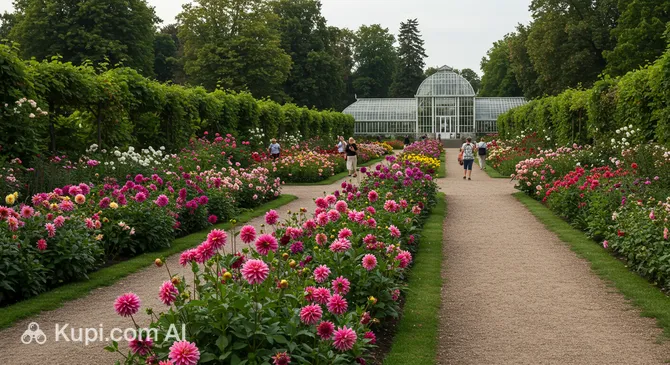
One of the city's most beautiful natural retreats is the Linz Botanical Garden. Located on the Gugl hill, this verdant oasis spans over 4 hectares and is home to around 10,000 different plant species. It is particularly renowned for its extensive collection of orchids and cacti, which are among the finest in Europe. The garden offers a peaceful escape from the urban environment, featuring an arboretum, a rose garden, and an alpine house that showcases mountain flora in a naturalistic setting.
Linz Botanical Garden. Illustration.
Source: Kupi.com AI
Traveler photos:
Another essential green lung is the Donaulände, often referred to as the Donaupark. Stretching along the Danube River, this riverside park serves as the city's open-air living room. It is a favorite spot for locals to jog, picnic, or simply relax by the water. The park is also an open-air museum of sorts, dotted with large-scale modern sculptures that form the "Forum Metall," integrating art directly into the landscape.
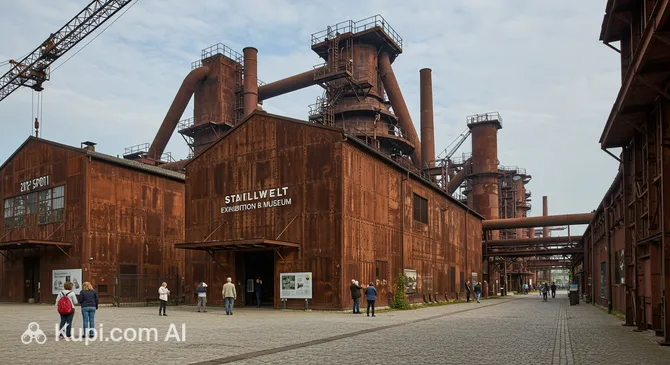
For a deep dive into the industrial soul of the city, the Stahlwelt Exhibition & Museum (World of Steel) is a fascinating destination. Located on the grounds of the voestalpine steel plant, this unique museum offers an interactive journey through the history and future of steel production. Visitors can walk through a giant steel crucible and learn how this material has shaped the city's economy and global architecture. It provides a rare behind-the-scenes look at heavy industry that is both educational and visually striking.
Stahlwelt Exhibition & Museum. Illustration.
Source: Kupi.com AI
Traveler photos:
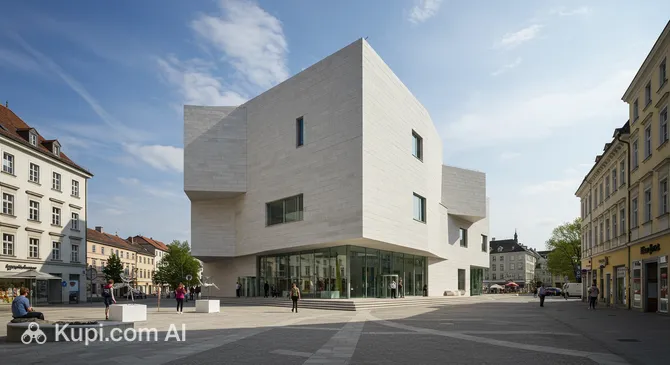
Art enthusiasts looking for cutting-edge creativity should visit the OÖ Center for Contemporary Art. Situated in the OÖ Kulturquartier, this venue is a dynamic hub for experimental art, installations, and regional culture. Unlike traditional museums, it often utilizes its sprawling architecture, including rooftops and corridors, to present immersive art experiences. It reflects the city's commitment to modern expression and often hosts changing exhibitions that challenge and inspire.
OÖ Center for Contemporary Art. Illustration.
Source: Kupi.com AI
Traveler photos:
In terms of historical landmarks, the Pöstlingberg area offers more than just a fairy-tale train ride. Here you will find the Pöstlingberg Railway Upper Station – Tower IV (Maria), a remnant of the massive fortification towers built in the 1830s to protect the city. While many of these towers have been repurposed or dismantled, this site preserves the memory of the city's defensive history. Nearby stands the Franz Josef Tower, a historic observation tower that provides a different vantage point for admiring the surrounding Mühlviertel region.
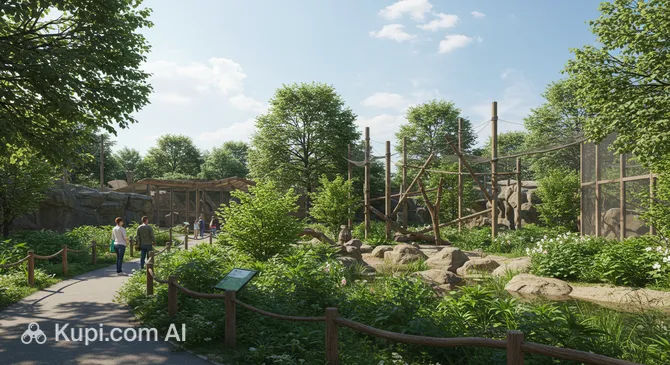
Families and animal lovers will enjoy a trip to the Linz Zoo. Nestled halfway up the Pöstlingberg hill, this zoo focuses on European and domestic animals but also features exotic species like meerkats and zebras. Its location on the hillside offers spectacular views over the city, making a walk through the enclosures a scenic experience in itself.
Linz Zoo. Illustration.
Source: Kupi.com AI
Traveler photos:
For a truly authentic experience, take a walk through the Winterhafen (Winter Harbor) area. While less frequented by tourists than the main Danube park, this area offers a quiet, maritime atmosphere with houseboats and calm waters, perfect for a contemplative evening stroll away from the crowds.
Getting Around
The public transport system in Linz is highly efficient, clean, and covers the entire city with a dense network of trams, trolleybuses, and buses. Operated by Linz AG Linien, the backbone of the system consists of four main tram lines that traverse the city, including a connection that runs underground near the main train station. These are complemented by extensive trolleybus and motorbus routes that ensure easy access to even the more remote districts. For tourists, this network provides a seamless way to navigate between the historic Old Town, the museums along the Danube, and the main railway hub.
Traveling around the city is affordable and straightforward thanks to a unified ticketing system. Visitors can choose from single-ride tickets, but the most convenient option for a day of sightseeing is the 24-hour pass. This ticket offers unlimited travel on all lines within the city limits and is excellent value for money. Tickets can be purchased at the multilingual touchscreen machines located at most tram and bus stops, which accept both cash and cards. Alternatively, tech-savvy travelers can use the "LinzMobil" app to buy tickets directly on their smartphones, often at a slightly reduced rate compared to paper tickets.
When using the transport network, it is important to remember that if you buy a pre-sale paper ticket from a tobacconist (Trafik) or a machine that does not automatically timestamp it, you must validate it immediately upon boarding. Look for the orange stamping boxes inside the vehicle or at the subway platform entrances. The main lines operate from approximately 5:00 AM until midnight. On Friday and Saturday nights, as well as nights before public holidays, a special "Nightline" service keeps the city connected until the early morning hours, ensuring you can enjoy the nightlife without worry.
A unique highlight of the local transport system is the Pöstlingbergbahn. This historic mountain tramway is one of the steepest adhesion railways in the world and starts directly from the Main Square. It climbs the local mountain, the Pöstlingberg, offering passengers spectacular panoramic views of the city and the winding river below. Riding this line is not just a commute but a popular tourist attraction in itself, though it may require a separate or supplementary ticket depending on your pass.
For those who prefer alternative ways to get around, the city is very bicycle-friendly, with dedicated lanes and a bike rental system known as City Bike Linz available at various docking stations. Electric scooters are also widely available for short hops across town. Taxis are reliable but can be relatively expensive compared to public transit; they generally do not stop when hailed on the street, so it is best to find a designated taxi stand or book one by phone. However, given the compact nature of the city center, walking combined with the tram system is usually the most efficient way to explore.
Accommodation
Where to Stay:
Finding the perfect place to stay in Linz is generally straightforward, as the city offers a well-balanced mix of accommodation options to suit every budget and travel style. From modern business hotels and charming boutique guesthouses to budget-friendly hostels and serviced apartments, the hospitality landscape is diverse. Unlike the more tourist-heavy cities of Vienna or Salzburg, accommodation here is often more reasonably priced, though the quality remains high.
For most travelers, the best area to stay is the Innere Stadt (City Center). Staying here puts you within walking distance of the major sights, including the Main Square and the Danube River. The historic streets around the Old Town are lined with established hotels that blend traditional Austrian hospitality with modern amenities. If you prefer a room with a view, look for properties located along the banks of the Danube. These locations offer scenic vistas of the river and easy access to the museums and the Ars Electronica Center across the water.
Another practical area is the district surrounding the Hauptbahnhof (Main Train Station). While it may lack the historic charm of the Old Town, it is exceptionally convenient for those arriving by train or planning day trips to the surrounding region. This area is characterized by reliable chain hotels and business-oriented accommodations that offer quick access to public transport hubs.
Price Range and Booking:
Prices in Linz are generally moderate. Budget travelers can find hostels or simple guesthouses starting from approximately €40 to €60 per night. Mid-range hotels, which make up the bulk of the options, typically range from €90 to €150. Luxury options are available but are less exorbitant than in Austria's capital, usually costing between €160 and €250 per night. Booking is easily done through major online platforms or directly via hotel websites.
Booking Tip: While finding a room is usually easy, the city fills up quickly during major events. If you plan to visit during the Ars Electronica Festival in September or the Pflasterspektakel street art festival in July, it is highly recommended to book your accommodation several months in advance to secure a good location at a fair price.
Nearby Cities
For those looking to explore the surroundings, Linz serves as an excellent base for day trips to several interesting nearby locations:
City
Population
Distance
Leonding
28 698
4 km
Traun
24 477
10 km
Ansfelden
16 194
11 km
Engerwitzdorf
8 790
12 km
Marchtrenk
13 603
18 km
Among these options, Steyr is particularly recommended for a day trip. Located at the picturesque confluence of the Enns and Steyr rivers, this historic town is renowned for its incredibly well-preserved medieval architecture. Visitors can explore the charming main square, visit the Bummerlhaus (one of the oldest Gothic burgher houses in Austria), and enjoy the romantic atmosphere that defines this "city of iron."
Another excellent destination is Wels, which combines rich history with modern attractions. As a former Roman city, it offers fascinating archaeological insights, but it is also home to the Welios Science Center, making it a great spot for families. The city's vibrant town square and the historic Ledererturm tower provide a delightful setting for a leisurely afternoon walk.
These nearby destinations offer a glimpse into the diverse culture and landscapes of the region.
Shopping & Souvenirs
Shopping:
Shopping in Linz offers a delightful mix of modern retail therapy and traditional Austrian charm. The city is compact enough to explore on foot, yet diverse enough to offer everything from international high-street brands to unique local craftsmanship. Whether you are looking for the latest fashion trends, regional delicacies, or handcrafted souvenirs, the city's pedestrian-friendly zones and modern centers provide a relaxed and enjoyable experience.
The undisputed backbone of the local shopping scene is the Landstraße. Stretching from the baroque Main Square Linz down to the Musiktheater, it is one of the busiest and most popular shopping streets in all of Austria. Here, visitors will find a wide array of department stores, fashion chains, and shoe shops. For a more intimate experience, it is worth exploring the quaint side streets such as Herrenstraße and Bischofstraße. These areas are known for their independent boutiques, antique shops, and jewelers, offering a distinct contrast to the hustle and bustle of the main boulevard.
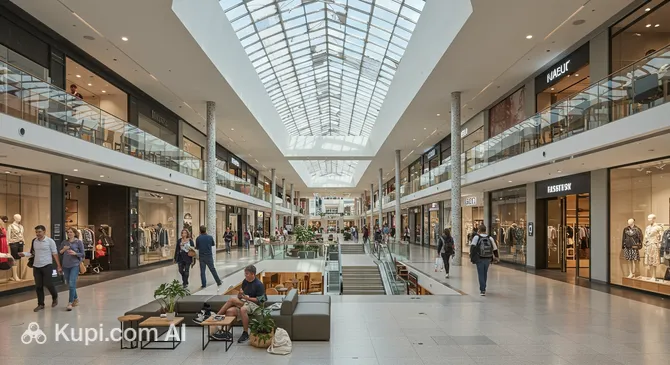
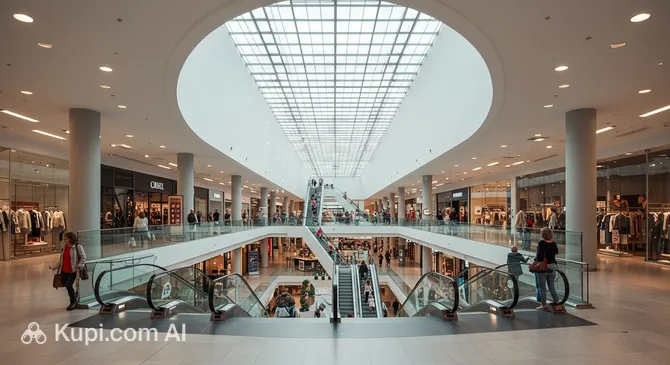
For those who prefer everything under one roof, the city boasts several impressive shopping centers. Located directly on the Landstraße is Passage Linz, an upscale mall that blends seamlessly into the urban streetscape. It features a curated selection of fashion stores and a large electronics retailer, making it a convenient stop for shoppers in the city center.
Passage Linz. Illustration.
Source: Kupi.com AI
Traveler photos:
Just across the Danube River in the Urfahr district, you will find Lentia City. This modern shopping complex is a favorite among locals for its wide variety of shops, ranging from clothing and cosmetics to a large supermarket. It is easily accessible by tram and offers a spacious environment for a full afternoon of browsing.
Lentia City. Illustration.
Source: Kupi.com AI
Traveler photos:
No shopping trip to Linz would be complete without visiting its vibrant markets. The Südbahnhofmarkt is the culinary heart of the city and a must-visit for foodies. This permanent open-air market features charming wooden huts selling fresh regional produce, flowers, meats, and cheeses. It is the perfect place to sample local flavors or grab a quick, authentic lunch. Additionally, on Saturday mornings, the Main Square often hosts a lively flea market where you can hunt for vintage treasures and curiosities against a backdrop of historic architecture.
When it comes to souvenirs, the most iconic gift is undoubtedly the Linzer Torte. This delicious spiced nut cake with red currant jam is available in decorative tins at traditional bakeries throughout the city, designed specifically to travel well. Other popular items include bottles of regional pumpkin seed oil, local schnapps, or handcrafted goods from the Upper Austrian region.
Standard opening hours for shops are generally Monday to Friday from 9:00 AM to 6:00 PM or 7:00 PM, and Saturdays from 9:00 AM to 5:00 PM or 6:00 PM. It is important to remember that, like in the rest of Austria, almost all shops are closed on Sundays and public holidays, with the exception of shops at the main train station. Major credit cards are widely accepted in malls and larger stores, but carrying some cash is advisable for smaller boutiques and market stalls. Visitors from outside the EU may also be eligible for tax-free shopping on purchases exceeding €75, so be sure to look for the "Tax Free" signage in store windows.