Support

Villach

About

Welcome to Villach, a vibrant city that perfectly blends Alpine charm with a distinct Mediterranean flair. As the second-largest city in the province of Carinthia, it serves as a bustling cultural and economic hub in the south of Austria. Situated on the banks of the Drava River, Villach is uniquely positioned near the borders of Italy and Slovenia, creating a delightful "border triangle" atmosphere that influences its cuisine, lifestyle, and hospitality.
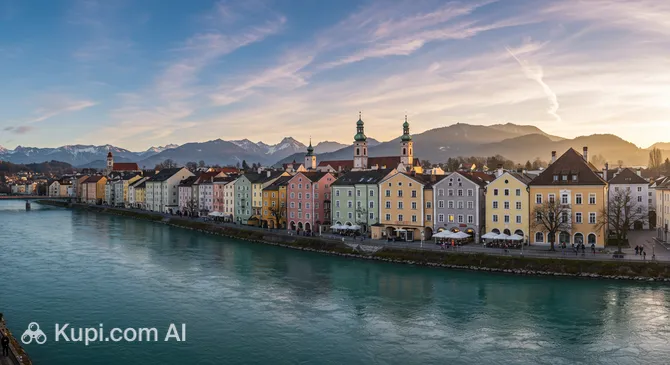
Villach. Source: Kupi.Binoculars

The city is home to approximately 65,000 residents and is surrounded by breathtaking scenery, including the majestic Karawanks and the Gailtal Alps. Its location makes it a fantastic gateway to the famous Carinthian lakes, such as Faaker See and Ossiacher See, which are renowned for their crystal-clear turquoise waters. The climate here is often milder and sunnier than in other parts of the country, adding to the city's allure as a year-round destination.

Walking through the pedestrianized center, you will discover a rich heritage reflected in the colorful facades and narrow streets. Those interested in the history of Villach will find the Hauptplatz (Main Square) to be a captivating starting point, connecting the past with the lively present. One of the most iconic landmarks is the St. Jacob's Church, which boasts the tallest church tower in Carinthia, offering panoramic views to those who make the climb.

Beyond the city center, visitors are often drawn to the imposing Landskron Castle, which sits atop a hill overlooking the valley. This historic site is not only an architectural gem but also hosts the popular Eagle Arena and Affenberg (Monkey Mountain), making it a favorite for families. Whether you are seeking relaxation in the thermal springs of Warmbad-Villach or adventure in the nearby mountains, this charming city invites you to explore its diverse offerings and enjoy its welcoming spirit.
Weather Overview

The climate in this region is characterized by distinct seasons, offering different experiences depending on when you visit. For a comprehensive forecast and monthly breakdowns to help plan your activities, you can consult the detailed guide to the weather in Villach.

Winters are typically cold, with January being the chilliest month, featuring an average temperature of -2.5°C and lows dipping to -6.2°C. This season sees moderate precipitation frequency, with around 9 to 12 wet days per month from December through February, creating a crisp atmosphere suitable for winter sports enthusiasts.

As the year progresses, temperatures rise significantly, making the city a lush destination. By July and August, the average temperature reaches a comfortable 17.2°C, with daily highs often climbing to 22.3°C. However, travelers should be prepared for rain, particularly in late spring; May is notably the dampest month, recording up to 24 wet days.

In general, you can expect warm summers with occasional rain and cold, relatively drier winters. Packing layers is recommended to adapt to the variable conditions, especially if you plan to explore the surrounding mountains and lakes.

Interesting Facts

Beyond the scenic riverbanks and historic squares, Villach holds a collection of fascinating secrets and unique traditions. Digging a bit deeper reveals stories of ancient thermal waters, famous alchemists, and record-breaking landmarks that define the city's quirky character.
St. Jacob's Parish Church. Source: Kupi.Binoculars
  • Home of Paracelsus: The renowned Renaissance physician and alchemist Paracelsus spent his formative years in this city. His father served as the municipal doctor here for over three decades, and the city continues to honor this connection with memorials dedicated to the man often called the "Luther of Medicine."

  • The Maibachl Phenomenon: While the region is famous for wellness, a rare natural phenomenon occurs near the Carinthia Thermal Spa Warmbad-Villach. The "Maibachl" is an intermittent thermal spring that only bubbles up to the surface after heavy rain or snowmelt, creating temporary warm pools in the forest that are a favorite hidden gem for locals.

  • Carnival Capital: Villach is widely considered the carnival capital of Austria. The annual "Villacher Fasching" is a major cultural event broadcast across the nation, where the city transforms into a hub of satire, parades, and revelry, culminating in a grand finale on Shrove Tuesday.

  • A Room with a View: The majestic tower of St. Jacob's Parish Church is not just the tallest in Carinthia at 94 meters; it was historically a vital observation point. A fire watchman actually lived in a small apartment at the very top of the spire until the 1950s to alert the town of any smoke.

  • Giant Landscape Map: Hidden in the Schillerpark is a massive three-dimensional landscape map of Carinthia. Constructed in 1913, this 182-square-meter concrete relief is one of the largest of its kind in Europe, allowing visitors to walk around and view the entire province's topography in miniature.

How to Get There

Reaching this Carinthian gem is quite convenient due to its location at a major transport junction in southern Austria. Whether you prefer flying or taking the train, there are several options to suit your itinerary. For a detailed breakdown of all travel methods, you can read more about how to get to Villach.

The city does not have its own airport, but it is well-served by several nearby options. The closest facility is Klagenfurt Airport (IATA: KLU), located about 37 km away. It is a regional hub, and the journey by taxi or bus typically takes less than an hour. For more international connections, many travelers choose Ljubljana Jože Pučnik Airport (IATA: LJU) in Slovenia. Situated approximately 63 km from the city, it offers a wider range of flights, with a transfer time of about one hour. Another viable option is W. A. Mozart Salzburg Airport (IATA: SZG), located about 147 km away; reaching the city from there takes approximately 2 hours by road.

For clarity, here is a summary of the main airports:

Airport Name City Passenger Traffic Km from City
W. A. Mozart Salzburg AirportSalzburgLarge146.5
Ljubljana Jože Pučnik AirportLjubljanaMedium63.3
Trieste AirportTriesteMedium91.8
Graz AirportGrazMedium128.5
Klagenfurt AirportKlagenfurtSmall36.7

Traveling by train is often the most comfortable way to arrive, as the city is a key railway hub in the Alps-Adriatic region. You can arrive directly at Villach Central Station (Villach Hauptbahnhof), which is conveniently located just 1.1 km from the city center. This major station handles significant passenger traffic and connects the city with major European capitals like Vienna, Salzburg, and Munich, as well as destinations in Italy and Slovenia.

Below is a list of the nearest and most significant railway stations:

Station City Passenger Traffic Km to Center
Salzburg HauptbahnhofSalzburgHigh147.2
Ljubljana Railway StationLjubljanaHigh79.6
Villach Central StationVillachHigh1.1
Trieste Centrale StationTrieste105.9
Klagenfurt HauptbahnhofKlagenfurt35.4

Main Attractions

Villach offers a delightful mix of historical landmarks, relaxation spots, and modern leisure facilities. Whether you are a history buff, a wellness enthusiast, or a fan of classic engineering, the city has something special to offer. Exploring these sites provides a deeper understanding of the region's culture and lifestyle.

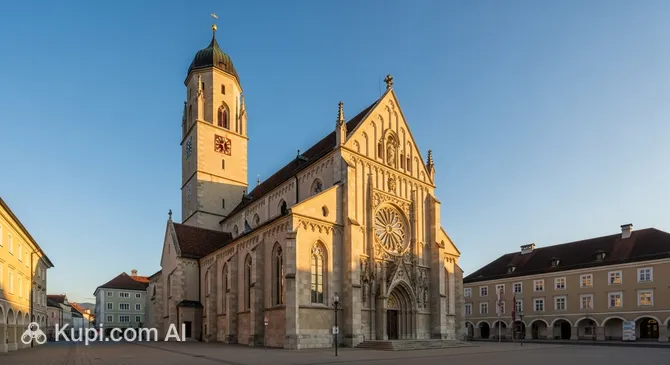
Standing tall in the heart of the city, St. Jacob's Parish Church is impossible to miss. This Gothic structure is not only a place of worship but also the city's most prominent landmark. Visitors are particularly drawn to its impressive 94-meter tower, which is the highest in the region. Climbing the 239 steps rewards you with a breathtaking view over the rooftops of the Old Town and the surrounding mountain ranges, making it a perfect spot for photography and orientation.

St. Jacob's Parish Church. Source: Kupi.Binoculars

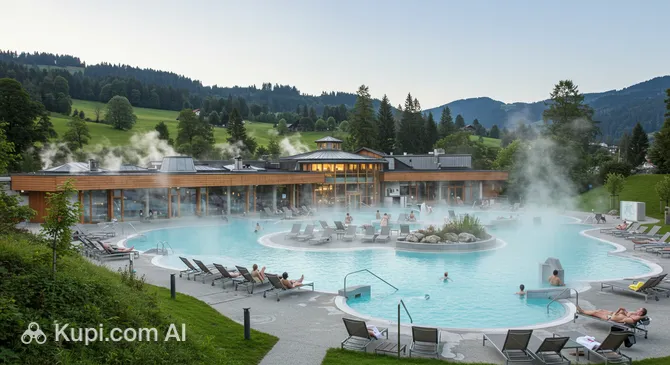
For those seeking relaxation, the Carinthia Thermal Spa Warmbad-Villach is a must-visit destination. Built upon ancient thermal sources that have been used since Roman times, this modern facility offers a vast array of pools, saunas, and wellness treatments. It is especially interesting for families due to its fun water slides and "Crazy River," while adults can unwind in the expansive spa area. The unique combination of fun and healing thermal waters makes it a top choice for a rejuvenating day trip.

Carinthia Thermal Spa Warmbad-Villach. Source: Kupi.Binoculars

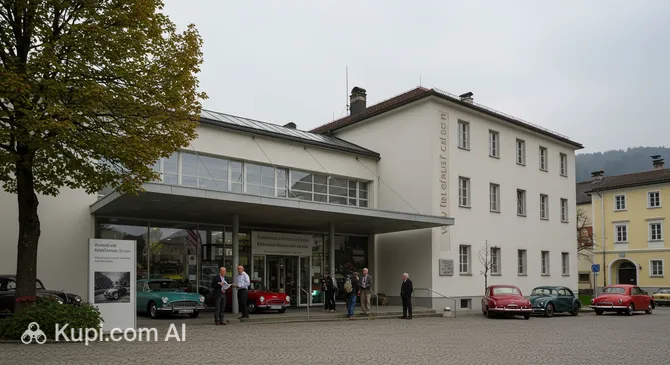
Automobile enthusiasts will find a hidden gem in the TAF-TIMER Automobile Museum. This museum showcases a lovingly curated collection of classic cars and vehicles that span several decades of automotive history. It offers a nostalgic journey through time, displaying rare models and everyday classics that evoke memories of bygone eras. It is an intriguing stop for anyone who appreciates the design and engineering of vintage vehicles.

TAF-TIMER Automobile Museum. Source: Kupi.Binoculars

If you are in the mood for shopping with a unique twist, head to ATRIO Villach. This is not just a standard shopping mall; it is an architectural highlight located at the intersection of Austria, Italy, and Slovenia. The center is famous for its "shopping without borders" concept and features a large, walkable aerial map of the tri-border region on its central plaza floor. With over 90 shops and restaurants, it serves as a bustling meeting point where you can enjoy international brands and local culinary treats under one eco-friendly roof.

ATRIO Villach. Source: Kupi.Binoculars

Local Cuisine

The culinary landscape of Villach is a delightful reflection of its geographical location at the intersection of three cultures. Known as the heart of the "Alpe-Adria" cuisine, the city blends traditional Carinthian heartiness with the refined flavors of neighboring Italy and the rustic charm of Slovenia. This unique mix ensures that every meal here is an exploration of fresh, regional ingredients and centuries-old recipes.

When it comes to signature dishes, you simply cannot leave without trying the famous Kärntner Kasnudeln. These are handcrafted pasta pockets featuring a distinctive "crimped" edge, traditionally filled with a mixture of curd cheese, potatoes, and fresh herbs. The secret ingredient that gives them their unique flavor is the local brown mint (Nudelminze). They are typically served swimming in melted brown butter, making for a rich and satisfying meal.

Another local specialty, particularly celebrated during the city's annual folklore festival, is the Villacher Kirchtagssuppe. This is a slightly sour cream soup seasoned with saffron and filled with several types of meat and vegetables. For those with a sweet tooth, the Kärntner Reindling is a must. It is a yeast cake baked in a special bundt-style mold, filled with cinnamon, sugar, and raisins. While usually a dessert, it is also traditionally eaten with ham and horseradish during Easter celebrations.

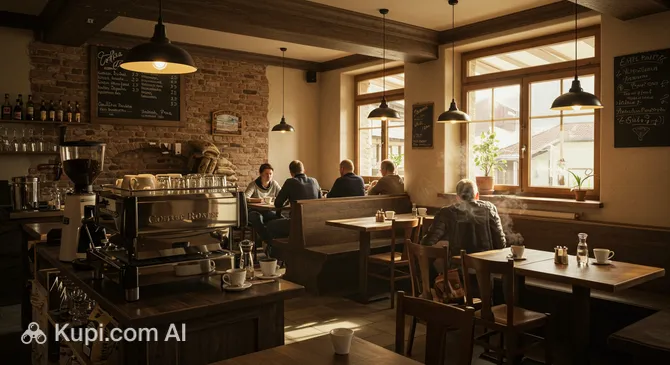
The city's beverage culture is dominated by its very own brewery. Villacher Bier is an institution here, and you will find this crisp, locally brewed beer served in almost every establishment. It pairs perfectly with the savory local dishes. Given the proximity to the Italian border, the coffee culture is also exceptional. Locals take their espresso and cappuccino seriously, often enjoying them in cozy spots like the Coffee Roaster Kaffeeteria, where the art of roasting is celebrated.

Coffee Roaster Kaffeeteria. Source: Kupi.Binoculars

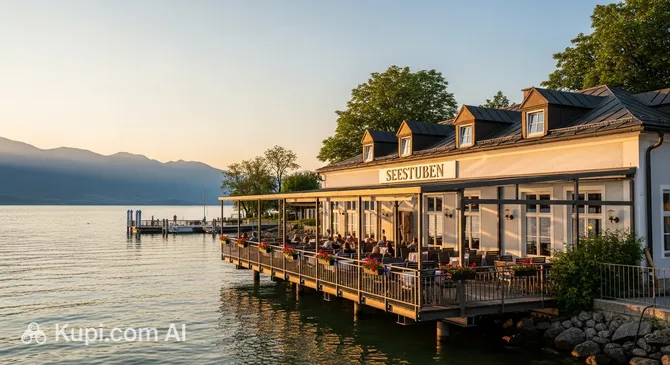
Dining in Villach ranges from rustic inns (Gasthäuser) in the historic center to elegant terraces along the Drava River. The atmosphere is generally relaxed and welcoming. For a picturesque dining experience, many visitors head to locations that offer views of the water, such as the Seestuben Restaurant. Whether you are grabbing a quick snack at a market stall or enjoying a multi-course dinner, the emphasis is always on high-quality, seasonal produce sourced from the surrounding farms and lakes.

Seestuben Restaurant. Source: Kupi.Binoculars

Travel Tips

Traveling to Villach is generally a smooth and delightful experience, thanks to its well-organized infrastructure and welcoming atmosphere. However, knowing a few local nuances can make your trip even more enjoyable and stress-free. Here are some practical tips to help you navigate the city like a pro.

  1. Clothing and Gear: The weather in this Alpine region can be changeable, so the key to comfort is layering. Even in summer, evenings can get cool, so bring a light sweater. Since May and June can be rainy, a waterproof jacket or umbrella is essential. Comfortable, sturdy walking shoes are a must, not only for the cobblestone streets of the Old Town but also if you plan to explore the nearby hiking trails or the Dobratsch mountain.
  2. Transportation: The historic city center is compact and pedestrian-friendly, making walking the best way to explore the main sights. For longer distances, the local bus network (BUS:SI) is reliable and covers the city and suburbs efficiently. Taxis are available at designated stands or via phone, but they can be pricey. If you plan to visit the surrounding lakes, renting a bike is highly recommended, as the area is famous for its scenic cycling paths along the Drava River.
  3. Finances: The official currency is the Euro (€). While credit and debit cards are widely accepted in hotels, supermarkets, and larger restaurants, Austria still has a strong cash culture. It is wise to carry some cash for small purchases, cafés, bakeries, and especially for mountain huts (Alm) where card terminals may not be available. ATMs are plentiful throughout the city center. Tipping around 5-10% is customary in restaurants if the service was good; simply round up the bill when paying.
  4. Health and Safety: Villach is a very safe city with low crime rates, but standard precautions against pickpocketing in crowded areas apply. Tap water here is of excellent quality—often coming directly from mountain springs—so you can drink it safely and refill your bottle at public fountains. Pharmacies are marked with a red "A" (Apotheke); if you need one at night or on Sunday, look for the posted schedule of on-duty pharmacies (Nachtdienst) on the door of any pharmacy.
  5. Communication: The official language is German. While English is widely spoken in the tourism sector, younger generations, and most shops, learning a few local phrases is appreciated. A friendly "Grüß Gott" (formal "Hello") or "Servus" (informal "Hello/Goodbye") goes a long way. Free Wi-Fi is available in many public areas, including the city center and the ATRIO shopping center.
  6. Local Etiquette: Politeness is highly valued. Always greet staff when entering a small shop and say goodbye when leaving. Punctuality is taken seriously, so try to be on time for tours or reservations. Sundays are considered rest days; most shops and supermarkets will be closed, so plan your grocery shopping for Saturday. Restaurants and bakeries, however, usually remain open.
  7. What to Avoid: Do not walk in designated bike lanes. Cycling is very popular here, and locals ride quite fast; blocking the path can be dangerous and is frowned upon. Also, avoid being loud or boisterous in public places, especially on public transport or in quiet neighborhoods after 10 PM, as locals value peace and order.
  8. Regional Guest Cards: Ask your accommodation provider about the "Erlebnis CARD" (Experience Card). It is often provided free of charge to guests staying in the region and offers a wide range of benefits, such as free guided tours, cycling buses, and admission to various leisure programs depending on the season.

By keeping these simple tips in mind, you will be well-prepared to embrace the relaxed Carinthian lifestyle. Villach is a city that invites you to slow down and savor the moment, so take your time, enjoy the fresh mountain air, and let the local charm work its magic on you.

Entertainment & Nightlife

When the sun sets over the mountains, Villach reveals a lively social side that perfectly complements its outdoor adventures. The city offers a diverse range of evening entertainment, from cozy pubs to energetic venues, ensuring there is something for every mood.

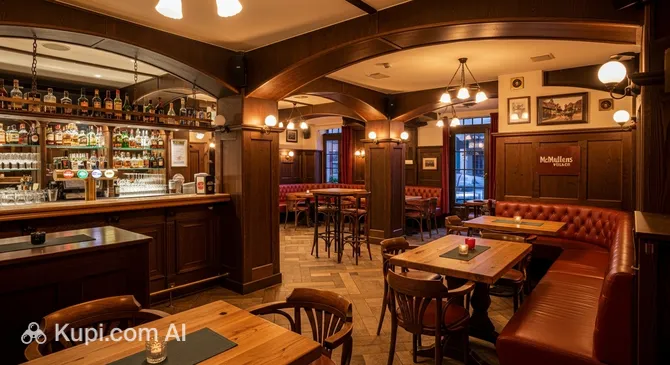
For those who appreciate the conviviality of a traditional Irish pub, McMullens Villach is a standout choice. Located in the city center, this authentic spot is beloved for its rustic interior, extensive selection of beers, and warm atmosphere. It is also a popular gathering place for watching live sports, making it easy to strike up a conversation with locals.

McMullens Villach. Source: Kupi.Binoculars

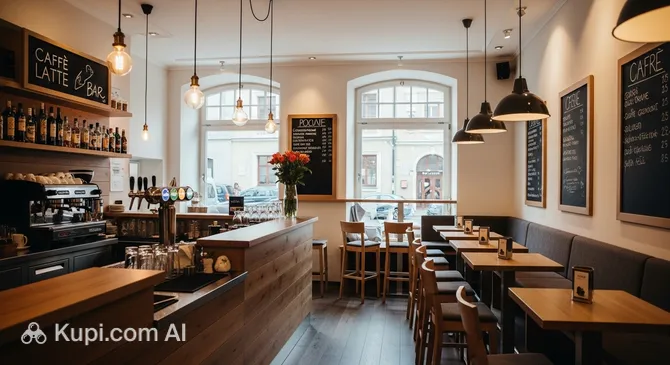
If you prefer a more modern and stylish setting, the Caffè Latte Bar invites you to relax with a touch of elegance. By day, it serves excellent coffee, but as evening approaches, it transforms into a chic lounge perfect for enjoying expertly crafted cocktails and socializing in a sophisticated environment.

Caffè Latte Bar. Source: Kupi.Binoculars

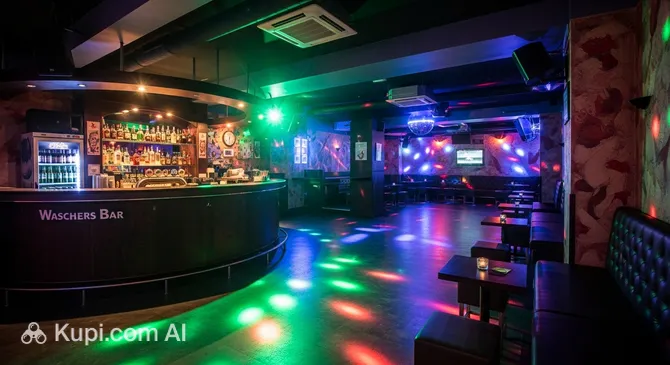
Night owls looking to dance and experience the local party scene should head to Waschers Bar. This venue is a staple of Villach's nightlife, known for its vibrant energy, music, and bustling crowd. It is the ideal destination for those wishing to extend their evening late into the night.

Waschers Bar. Source: Kupi.Binoculars

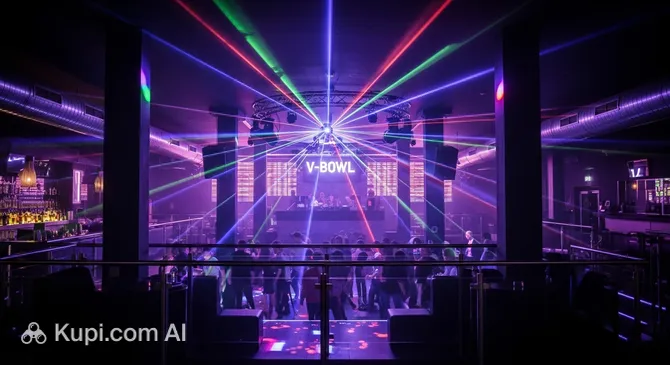
For a fun-filled group activity, V-Bowl Villach offers a great mix of active leisure and entertainment. This modern facility combines a bowling alley with a party atmosphere, complete with music and drinks, providing an entertaining break from sightseeing for families and friends alike.

V-Bowl Villach. Source: Kupi.Binoculars

Beyond the nightlife, visitors can explore additional shopping opportunities at the Neukauf Shopping Center. While the city center has its charm, this mall offers a convenient variety of stores for fashion, daily necessities, and more, serving as a practical alternative for a relaxed shopping spree.

Neukauf Shopping Center. Source: Kupi.Binoculars

Parks & Museums

Villach is a city that seamlessly integrates urban living with the natural world, offering visitors a refreshing balance of verdant landscapes and rich cultural heritage. Beyond its bustling squares and historic lanes, you will find serene green spaces and museums that safeguard the region's artistic and historical treasures, making it a rewarding destination for those who wish to delve deeper into the local identity.

One of the most significant natural areas is the Dobratsch Nature Park, often referred to as the "Villacher Alpe." Just a short distance from the city, this expansive protected area serves as the local recreational mountain. It is renowned for its diverse flora and fauna, including the Villach Alpine Garden, which showcases hundreds of alpine plant species. Visitors can explore well-marked hiking trails that offer spectacular views of the Southern Limestone Alps or simply enjoy the pristine environment that supplies the city with its high-quality drinking water.

Closer to the city center, the banks of the Drava River provide a picturesque setting for relaxation and leisure. The Wasenboden is a popular green strip along the river where locals gather for picnics, jogging, and cycling. It offers a peaceful escape from the urban rhythm while keeping the silhouette of the Old Town in view. In the summer, this area comes alive with open-air events, but it remains a tranquil spot for a riverside stroll year-round.

For those interested in the cultural narrative of the city, the Museum of the City of Villach (Stadtmuseum) is an essential stop. Housed in a historic building in the pedestrian zone, the museum presents a comprehensive overview of regional history, from Roman archaeological finds to medieval art. A significant portion of the exhibition is dedicated to Paracelsus, the famous physician and alchemist associated with the city, offering fascinating insights into his life and the medical practices of the Renaissance.

Technology and design enthusiasts will find a compelling contrast to traditional history at the TAF-TIMER Automobile Museum. This venue celebrates the golden age of motoring with a meticulously assembled collection of vintage cars and motorcycles. It serves as a tribute to engineering excellence and design aesthetics of the 20th century, making it a standout attraction for families and car lovers looking to admire rare vehicles in pristine condition.

For a truly authentic experience, take a short detour to the quieter trails around the Warmbad forest. While known for its spa, the surrounding woods are dotted with historical traces, such as the remnants of a Roman road (Römerweg). Walking here allows you to literally step in the footprints of ancient travelers while enjoying the calm of the forest canopy.

Getting Around

Navigating Villach is remarkably straightforward, as the city is compact and boasts a well-organized public transport network. While the historic center is best explored on foot due to its pedestrian-friendly zones, reaching the suburbs, thermal spas, or nearby lakes is easy thanks to an efficient system of buses and regional trains. There is no metro or tram system here; instead, the city relies on a dense network of bus lines and the "S-Bahn" regional railway to keep residents and visitors moving.

The backbone of the local transport system is the bus network, distinctively branded as BUS:SI. These buses connect the main railway station (Villach Hauptbahnhof), which serves as the central hub, with key locations such as the city center, the ATRIO shopping center, and the Warmbad thermal resort. The intervals are generally frequent during the day, typically running every 30 minutes on main lines. For travel slightly further afield, the S-Bahn Kärnten (Carinthian S-Bahn) is an excellent option. It functions much like a metro for the region, providing quick and scenic connections to the shores of Lake Ossiach or Lake Faak in just a few minutes.

Payment operates within the integrated Kärntner Linien tariff system, meaning one ticket is valid for both buses and regional trains within the purchased zones. For most tourists staying within the city limits, a single ticket or a 24-hour pass is the most practical choice. Prices are reasonable, with a single journey costing a few Euros. Tickets can be purchased directly from the bus driver (usually cash only, so keep small change handy), at ticket machines located at the train station, or conveniently via the ÖBB or Kärntner Linien mobile apps. If you buy a paper ticket from a machine, remember to validate it at the stamp boxes on the platform or inside the vehicle if it is not already date-stamped.

Operating hours for buses are generally from early morning, around 6:00 AM, until approximately 8:00 PM. Service is reduced on Saturdays and is significantly limited on Sundays and public holidays, so it is wise to check the timetable in advance if you are traveling on a weekend. The S-Bahn trains typically run later into the evening, offering a reliable alternative for getting back to the city center after a dinner by the lake.

For those who prefer more flexibility, cycling is a highly popular alternative. Villach is situated along the famous Drava Cycle Path (Drauradweg), and the city is very bike-friendly with dedicated lanes and rental stations available near the train station and major hotels. Taxis are also readily available at designated stands, particularly outside the Hauptbahnhof and in the city center, though they can be more expensive compared to public transit. Ride-sharing apps are not as dominant here as in major capitals, so relying on traditional taxi dispatch numbers or hotel reception bookings is often more effective.

A special feature for visitors is the seasonal transport offering. In winter, free ski buses connect the city to the nearby Gerlitzen Alpe ski resort, while in summer, special hiking buses run to the Dobratsch Nature Park. Additionally, if you possess the regional "Erlebnis CARD" (often provided free by hosts), you may be entitled to free use of certain S-Bahn lines and seasonal buses, making it both an eco-friendly and budget-conscious way to explore the stunning surroundings.

Accommodation

Finding the perfect place to stay in Villach is relatively easy, as the city offers a wide spectrum of accommodation options to suit various tastes and budgets. Whether you are looking for a luxurious wellness retreat, a charming family-run guesthouse, or a practical city apartment, the local hospitality sector is well-equipped to host you. The style of accommodation often reflects the region's character, blending traditional Alpine coziness with modern comfort.

The most popular area for tourists is undoubtedly the Old Town (Altstadt). Staying here places you within walking distance of the main sights, the pedestrian zone, and a variety of restaurants and cafés. It is the ideal location for those who want to be in the heart of the action and enjoy the historic atmosphere. Alternatively, travelers seeking relaxation often prefer the district of Warmbad, located just south of the city center. This area is famous for its thermal springs and high-end resorts, making it the premier choice for spa enthusiasts and those looking for a quiet, restorative break.

For those prioritizing convenience and mobility, the area around the Central Station (Hauptbahnhof) offers several modern business hotels. These are particularly practical for travelers arriving by train or those planning to use public transport to explore the surrounding lakes and ski resorts. If you prefer a more authentic and independent experience, there are numerous holiday apartments and traditional "Gasthöfe" (inns) scattered throughout the city and its outskirts, offering a home-away-from-home vibe.

Booking Tip: Villach is a year-round destination, but accommodation can fill up quickly during peak periods. The summer months (July and August) are busy due to the nearby lakes, while the winter season attracts skiers. Additionally, the city's famous carnival (Fasching) in February is a major event, so if you plan to visit during these times, it is highly recommended to book your room several months in advance.

In terms of pricing, the city caters to all wallets. You can find budget-friendly hostels and simple B&Bs, as well as mid-range hotels that offer excellent value for money. The luxury segment is primarily concentrated around the thermal spa areas. Booking is straightforward, with most establishments listed on major online platforms, though contacting smaller, family-run guesthouses directly can sometimes secure you a better rate or a more personalized offer.

Nearby Cities

Thanks to its central location in the province of Carinthia, Villach serves as an excellent jumping-off point for exploring the wider region. Within a short drive or train ride, you can visit several charming Austrian towns and cities, each offering its own unique history, culture, and scenic beauty. Whether you are interested in exploring the provincial capital or discovering medieval castles in smaller towns, the surroundings have much to offer.

Here is an overview of the nearest cities that are perfect for a day trip:

City Distance from Villach Population
Feldkirchen 22 km 14,198
Spittal an der Drau 35 km 15,413
Klagenfurt 36 km 101,403
Wolfsberg 80 km 25,035
Saalfelden 119 km 16,700

Closest to Villach is the historic town of Feldkirchen. Located just a short distance to the northeast, it is known for its well-preserved medieval center and traditional architecture. It serves as a gateway to the Nockberge mountains and several smaller, warm bathing lakes, offering a relaxed atmosphere that contrasts with the bustle of larger cities.

Heading west along the Drava River, you will reach Spittal an der Drau. This town is famous for the majestic Porcia Castle (Schloss Porcia), which is considered one of the most significant Renaissance buildings in Austria outside of Italy. The town also hosts vibrant cultural events and offers easy access to the Goldeck mountain for hiking and skiing.

A slightly longer trip takes you to Klagenfurt, the provincial capital of Carinthia. Situated on the eastern shore of Lake Wörthersee, it boasts a beautiful Renaissance city center, the famous Lindwurm dragon statue, and the Minimundus miniature park. It is the largest city in the region and offers extensive shopping, dining, and cultural experiences.

Shopping & Souvenirs

Shopping in Villach is a delightful experience that mirrors the city's overall character: a harmonious blend of traditional Alpine charm and modern convenience. Historically a trade hub due to its location near the borders of Italy and Slovenia, the city continues to offer a diverse retail landscape. Visitors can enjoy a leisurely stroll through historic pedestrian zones lined with family-run boutiques or visit contemporary shopping centers that embrace the region's "shopping without borders" philosophy.

The heart of the shopping scene is undoubtedly the Old Town (Altstadt). The central Hauptplatz (Main Square) and its connecting streets, such as Widmanngasse and Lederergasse, form a picturesque pedestrian area. Here, you will find a mix of international fashion chains, traditional costume (Tracht) shops, and jewelers nestled within centuries-old buildings. It is the perfect place to browse for high-quality leather goods or unique fashion items while admiring the colorful facades that define the city center.

For a more extensive retail experience under one roof, ATRIO Villach is the premier destination. Located just a short distance from the center, this is not merely a mall but arguably the most beautiful shopping center in the Alpe-Adria region. It hosts over 90 shops, cafes, and restaurants, offering everything from electronics and sports equipment to fashion and beauty products. Another practical option for travelers is the Neukauf Shopping Center, which provides a wide range of stores catering to everyday needs, making it convenient for stocking up on supplies or quick fashion purchases.

To truly taste the local culture, a visit to the city's markets is essential. The Villach Weekly Market (Wochenmarkt), typically held on Wednesdays and Saturdays near the Draulände, is a feast for the senses. Local farmers from Carinthia, as well as vendors from neighboring Italy and Slovenia, gather here to sell fresh fruits, vegetables, cheeses, and cured meats. It is an excellent spot to pick up a healthy snack or simply soak in the lively atmosphere of local commerce.

When searching for the perfect souvenir, focus on regional specialties that reflect Carinthian traditions. A bottle of Pumpkin Seed Oil (Kürbiskernöl) or locally produced honey makes for a delicious gift. For something sweet, look for a packaged Kärntner Reindling, the region's famous cinnamon and raisin yeast cake. Additionally, distinctively crafted ceramics or a bottle of Schnapps from a local distillery are popular choices to bring a piece of Austria home.

Store opening hours in Villach generally follow the standard Austrian schedule. Most shops in the city center are open Monday through Friday from 9:00 AM to 6:00 PM, with some larger stores staying open until 7:00 PM. On Saturdays, shops typically close earlier, around 5:00 PM or 6:00 PM. It is important to note that, with very few exceptions (such as shops at the train station or souvenir stalls), retail stores are closed on Sundays and public holidays. regarding payment, while major cards (Visa, Mastercard) are widely accepted in malls and larger shops, carrying some cash is highly recommended for smaller boutiques, market stalls, and cafes.

Travelers residing outside the European Union may be eligible for a VAT refund on purchases. If you spend more than a certain amount (typically €75.01) in a single store on the same day, you can ask for a tax-free form. Look for the "Tax Free Shopping" signage in store windows to take advantage of this saving before leaving the country.

Reached the end of the page?

That means the route is fully explored