Support

Bratislava

About

Welcome to Bratislava, the charming and compact capital that serves as the political, cultural, and economic heart of Slovakia. Often referred to as the "Beauty on the Danube," this city offers a unique blend of medieval grandeur and modern vibrancy. Its relatively small size creates an intimate atmosphere where visitors can easily explore most sights on foot, making it a perfect destination for a relaxing yet enriching city break.

Geographically, Bratislava holds a truly unique position as the only national capital in the world that borders two independent countries: Austria and Hungary. Situated in the southwestern part of the country along the banks of the majestic Danube River and the foothills of the Little Carpathians, it enjoys a mild continental climate. With a population of approximately 475,000 residents, it is a bustling hub that still manages to retain a friendly, local feel.
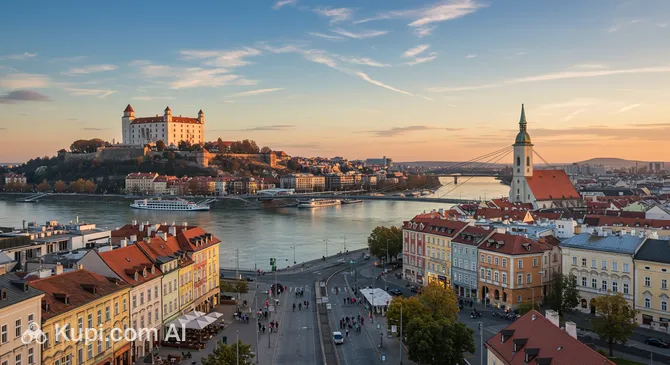
Bratislava. Source: Kupi.Binoculars

The city's strategic location has shaped its character over centuries. Visitors fascinated by the past should definitely explore the history of Bratislava, which includes a glorious era as the coronation city for Hungarian kings. Evidence of this royal heritage can be seen throughout the pedestrian-only Old Town, a labyrinth of narrow streets lined with pastel-colored 18th-century buildings and lively cafes.

Among the top attractions, the iconic Bratislava Castle stands guard on a hill overlooking the city, offering panoramic views of the river and neighboring countries. Another must-see is the whimsical Blue Church (Church of St. Elizabeth), known for its Art Nouveau architecture and distinct color. For a contrast in styles, the futuristic UFO Bridge (Most SNP) features an observation deck and restaurant that looks like a flying saucer, providing a modern counterpoint to the city's historical skyline.

Whether you are strolling through the historic Michael's Gate, enjoying a cruise on the Danube, or sampling local delicacies in a traditional tavern, Bratislava promises a memorable experience. It is a city that invites you to slow down and savor the moment, making it an ideal stop for any traveler exploring Central Europe.
Weather Overview

Bratislava enjoys a mild continental climate with four distinct seasons, offering a variety of experiences throughout the year. To help plan your trip effectively and pack the right clothing, it is helpful to review the typical weather in Bratislava.

During the summer months of June through August, the city is at its warmest and most vibrant. July is typically the hottest month, with an average temperature of 22.6°C and daily highs often reaching 27.8°C. While this is an excellent time for outdoor exploration, travelers should be prepared for occasional showers, as there are usually around 10 to 11 wet days per month during this period.

In contrast, winters are cold and crisp. January is generally the coldest month, where average temperatures drop to 1.7°C and minimums can dip to -1.1°C. The shoulder seasons of spring and autumn offer a pleasant middle ground; May sees averages rise to a comfortable 15.3°C, while September retains some summer warmth at 17.1°C. Overall, visitors can expect warm summers with occasional rain and cold winters, making layers a smart choice for any visit.

Interesting Facts

Beyond the main attractions, Bratislava holds many fascinating secrets and architectural quirks that often escape the casual observer. From remnants of Napoleonic sieges to inverted pyramids, the city's details tell a rich and sometimes surprising story.
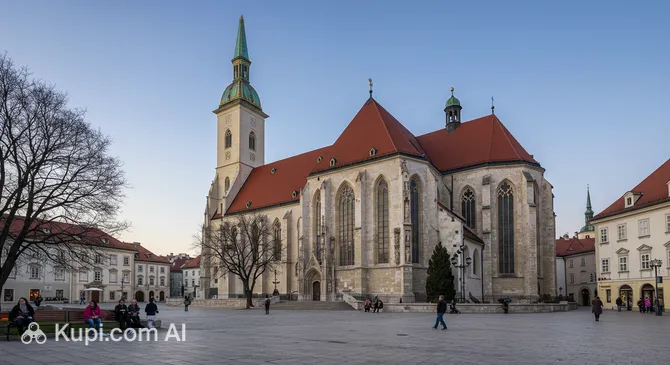
  • The spire of St. Martin's Cathedral is not topped with a traditional cross, but rather a gilded replica of the Holy Crown of Hungary. This massive replica weighs approximately 150 kilograms and rests on a gold-plated pillow, commemorating the 19 kings and queens who were crowned inside this sanctuary.

  • The city is home to one of the most unusual structures in Central Europe, the Slovak Radio Building, which is shaped like an inverted pyramid. This design is not just aesthetic; it was intended to insulate the recording studios located in the building's core from outside street noise.

  • While walking through the historic center, look closely at the tower of the Old Town Hall. Embedded in the facade is a real cannonball fired by Napoleon’s troops during their bombardment of the city in 1809, preserved as a permanent reminder of the siege.

  • The beloved bronze statue of Čumil (The Watcher) peeking out of a manhole is the only statue in the city with its own traffic sign. After careless drivers accidentally damaged the sculpture twice, authorities installed a unique road sign to warn vehicles of the "Man at Work" beneath their wheels.

St. Martin's Cathedral. Source: Kupi.Binoculars

How to Get There

Reaching the Slovak capital is straightforward thanks to its strategic location in Central Europe. Whether you prefer flying or taking the train, there are convenient connections from major neighboring hubs. You can find all ways to reach the city in our detailed guide, but here is an overview of the most popular transport options.

The city is served by its own Bratislava Airport (BTS), also known as M. R. Štefánik Airport. It is located directly in Bratislava, approximately 8.2 km from the city center, making the transfer very quick—usually around 20 to 30 minutes by taxi or bus. While it handles a significant number of flights, many international travelers also opt for Vienna International Airport (VIE) in Austria. This major international hub is only about 41.1 km from Bratislava. The transfer from there is quite efficient; you can expect a journey of roughly 45 to 60 minutes by road.

Another alternative for travelers is Budapest Ferenc Liszt International Airport (BUD) in Budapest, Hungary. Although it is located about 179.3 km away, it offers a wide range of connections. A trip from this airport to Bratislava typically takes around 2.5 to 3 hours by road. Both Vienna and Budapest airports are excellent entry points if you are planning a multi-city tour of the region.

For clarity, here is a summary of the main airports:
Airport Name City Passenger Traffic Km from City
Vienna International AirportViennaLarge41.1
Budapest Ferenc Liszt International AirportBudapestLarge179.3
Bratislava AirportBratislavaMedium8.2
Graz AirportGrazSmall179.8
Turany AirportBrnoSmall115.6

If you prefer traveling by rail, the region's extensive train network provides good access, often via neighboring capitals. You can arrive at Vienna Central Station (Vienna Hauptbahnhof) in the city of Vienna, which is approximately 54.4 km from Bratislava. From this major hub, you can easily catch a direct train to the Slovak capital, with the journey taking approximately one hour. Another significant node is the Wien Mitte CAT Station, also in Vienna, located about 54.1 km away.

Here is a list of nearby railway stations that serve as key transit points:
Station City Passenger Traffic Km to Center
Wien Mitte CAT StationViennaLarge54.1
Vienna Central StationViennaLarge54.4
Vienna WestbahnhofViennaMedium57.6
St. Pölten HauptbahnhofSt. PöltenMedium110.6
Deli Railway StationBudapest160.3

Main Attractions

Exploring the capital offers a journey through centuries of architectural evolution. While the city center is compact, it is packed with significant landmarks that range from medieval fortifications to elegant palaces, making it a delight for history buffs and casual sightseers alike.

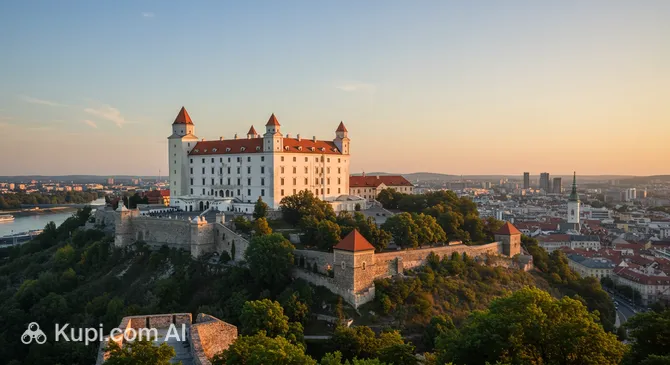
Dominating the cityscape is the massive Bratislava Castle. Perched atop a rocky hill, this rectangular fortress with its four corner towers is the defining symbol of the city. Inside, it houses the Museum of History, where visitors can view diverse collections ranging from historical furniture to valuable silverworks. The castle grounds also feature beautifully reconstructed Baroque gardens, which provide a peaceful spot for a stroll and offer stunning views over the Danube River and the Old Town.

Bratislava Castle. Source: Kupi.Binoculars

In the heart of the historic center lies the elegant Primate's Palace. Considered one of the most beautiful neoclassical buildings in the country, it is famous for its distinct pale pink facade and the magnificent Hall of Mirrors, where the Peace of Pressburg was signed in 1805. Tourists are often drawn here to admire the rare collection of 17th-century English tapestries that were discovered by chance during a renovation.

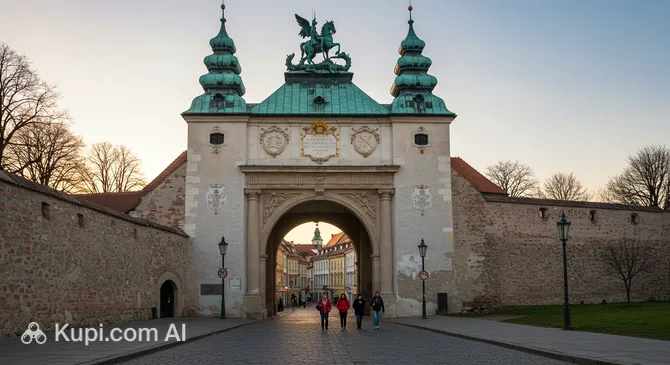
As the only preserved gate of the original medieval city fortifications, Michael's Gate is an essential stop for visitors. Rising 51 meters high, the tower houses the Museum of Arms and offers access to an upper balcony. From this vantage point, you can enjoy a picturesque panorama of the castle hill and the charming red-tiled roofs of the pedestrian streets below.

Michael's Gate. Source: Kupi.Binoculars

Another architectural gem is the Grassalkovich Palace, a grand Rococo summer palace that now serves as the residence of the President of Slovakia. While the interior is generally reserved for state affairs, the sprawling French garden behind the palace is open to the public. It is a popular green oasis in the city center, perfect for a relaxing break near the fountain.

For those seeking the best panoramic views, a trip to Slavín is highly recommended. This monumental war memorial sits on a hill overlooking the entire city. Aside from its historical reverence, it is a favorite spot for quiet walks and offers breathtaking sunsets with the castle and the surrounding landscapes in the background.

Local Cuisine

Bratislava’s culinary scene is a delicious reflection of its multicultural history, blending traditional Slovak flavors with strong Austrian and Hungarian influences. The local food is generally hearty, comforting, and rich, designed to satisfy after a day of exploring. Visitors can expect a focus on high-quality meats, potatoes, dumplings, and dairy products, often prepared with recipes that have been passed down for generations.

No visit to the city is complete without trying the national dish, Bryndzové halušky. These small potato dumplings are smothered in creamy sheep cheese and topped with crispy bits of smoked bacon, offering a savory explosion of flavor. Another staple is Kapustnica, a thick sauerkraut soup often made with sausage, dried mushrooms, and sometimes plums. For a lighter snack or side dish, look for lokše, savory potato pancakes that are frequently served with roast duck or goose, especially during the autumn feast season.

For those with a sweet tooth, the city is famous for Bratislavské rožky (Bratislava Rolls). These crescent-shaped pastries, filled with either poppy seeds or walnuts, have a Protected Geographical Indication status and are a perfect companion to a morning coffee. The cafe culture here is reminiscent of Vienna, with plenty of cozy spots to enjoy a slice of strudel or a rich cake.

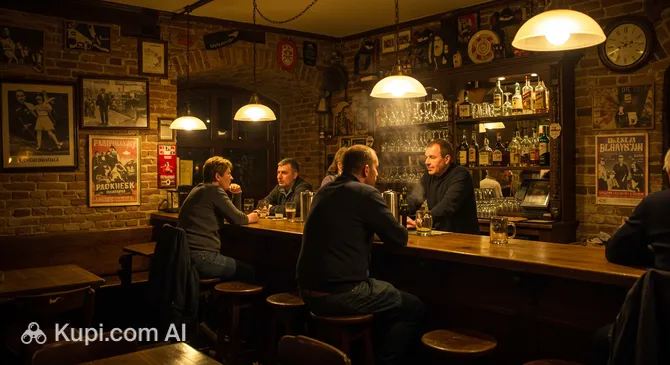
Viecha pod hradom. Source: Kupi.Binoculars

When it comes to drinks, the region surrounding the capital is a celebrated wine-producing area. You can sample excellent local varieties, such as Frankovka Modrá, at traditional wine bars or spots like Viecha pod hradom, which offers a rustic atmosphere right under the castle. If you prefer non-alcoholic options, try Kofola, a popular herbal cola on draft that is a local icon. For something stronger, a shot of Slivovica (plum brandy) is the traditional way to toast to your health.

Dining in Bratislava ranges from historic cellar pubs to modern bistros, mostly concentrated in the pedestrian-friendly Old Town. The city also loves open-air dining and seasonal events. During the holidays, Hviezdoslav Square transforms into a gastronomic hub with markets selling roasted meats, sausages, and mulled wine, making it a prime location to experience the local street food culture.

Travel Tips

To ensure your visit to the "Beauty on the Danube" is as smooth as it is memorable, we have compiled a set of essential guidelines to help you navigate the city with ease. These practical insights will help you blend in with the locals and avoid common pitfalls during your stay.

  1. Clothing and Footwear: Since the historic Old Town is paved with cobblestones, high heels can be treacherous; it is best to pack comfortable, flat walking shoes. The weather can be changeable, so bringing layers is a smart strategy, especially a light waterproof jacket for sudden showers. If you plan to visit religious sites like the Blue Church or St. Martin's Cathedral, ensure your shoulders and knees are covered to show respect.

  2. Getting Around: Bratislava does not have a metro system, but it boasts an efficient network of trams, buses, and trolleybuses. You must purchase your ticket before boarding from yellow coin-operated machines or via the mobile app (IDS BK), and validate it immediately upon entering the vehicle to avoid hefty fines. For late-night travel, reliable ride-hailing apps like Bolt or Uber are widely available and often cheaper than hailing a taxi on the street.

  3. Money Matters: The official currency is the Euro (€). While credit and debit cards are widely accepted in hotels, restaurants, and supermarkets, it is wise to carry some cash for small souvenir shops, street food stalls, or public toilets. Tipping is not mandatory but is appreciated; rounding up the bill or leaving about 10% for good service is standard practice.

  4. Health and Safety: Bratislava is generally a very safe city for tourists, but standard precautions against pickpocketing should be taken in crowded areas. Tap water is of excellent quality and safe to drink, so you can refill your bottle freely. Pharmacies are marked with a green cross (labeled Lekáreň), and there is usually one open 24/7 in the city center for emergencies.

  5. Communication: The official language is Slovak, but English is widely spoken, especially by the younger generation and in the tourism sector. Locals appreciate it if you try a few basic words: say "Dobrý deň" (Good day) when entering a shop and "Ďakujem" (Thank you). Free Wi-Fi is often available in the city center and cafes, making it easy to stay connected.

  6. Local Etiquette: Politeness is highly valued here; it is customary to greet shop assistants when entering and leaving a store. If you are invited to a Slovak home, always remove your shoes at the door—your host will likely offer you slippers. When toasting with drinks, maintain eye contact and say "Na zdravie!" (To your health), but never cross arms with others at the table.

  7. What to Avoid: Avoid hailing taxis directly off the street, particularly around the train station or airport, as tourists can sometimes be overcharged; using an app guarantees a fixed price. Additionally, try not to refer to Slovakia as "Eastern Europe"—locals consider themselves firmly part of Central Europe, and this geographical distinction is a point of national pride.

  8. Smart Sightseeing: Many museums and galleries in Bratislava are closed on Mondays, so plan your cultural itinerary accordingly. If you plan to visit multiple attractions, consider purchasing the Bratislava CARD, which offers free public transport and discounts on entrance fees to various museums and landmarks.

Armed with these tips, you are ready to explore the winding streets and historic corners of the Slovak capital with confidence. Enjoy the hospitality, the history, and the relaxed atmosphere that makes this city such a delightful destination.

Entertainment & Nightlife

Entertainment and Nightlife:

As the sun sets over the Danube, Bratislava transforms from a relaxed historical capital into a vibrant hub of evening entertainment. The city's nightlife is concentrated primarily in the pedestrian-friendly Old Town (Staré Mesto), making it incredibly easy to hop from one venue to another without the need for transport. The atmosphere is generally welcoming and unpretentious, catering to everyone from students and backpackers to professionals seeking a sophisticated cocktail.

The beating heart of the nightlife scene lies around Michalská, Ventúrska, and Panská streets. Here, the cobblestone lanes are lined with an eclectic mix of pubs, wine bars, and energetic clubs. In the warmer months, the action spills out onto the street terraces, creating a lively, communal vibe. For a more modern setting, the riverbank near the Eurovea complex offers chic lounge bars with stunning views of the illuminated bridges and the river.

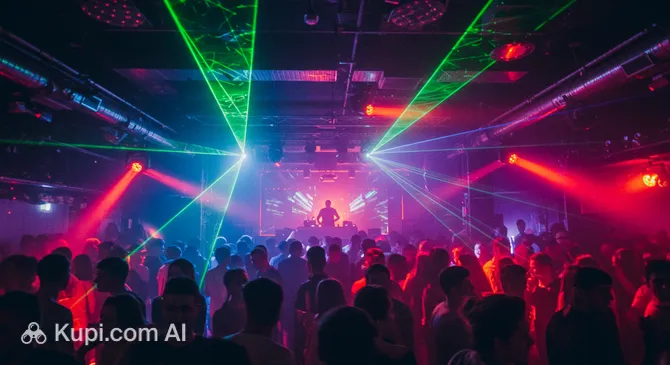
For those looking to dance the night away, the city offers several popular spots. A standout venue is the Great Club, located right in the center. It is known for its stylish interior, diverse music genres ranging from commercial hits to house, and a bustling crowd on weekends. It is a quintessential stop for anyone wanting to experience the local party scene.

Great Club. Source: Kupi.Binoculars

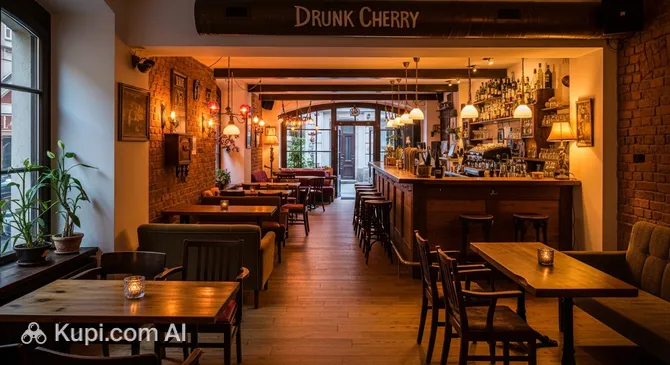
If you prefer a more specialized drinking experience, Drunk Cherry has become a favorite meeting point. Famous for its signature cherry liqueur, this bar offers a cozy and spirited atmosphere that is perfect for starting your evening or enjoying a nightcap. The venue's distinctive decor and sweet, potent drinks make it a memorable stop on any bar crawl.

Drunk Cherry. Source: Kupi.Binoculars

For lovers of high culture, an evening at the Slovak National Theatre is a must. The historic building on Hviezdoslav Square hosts world-class opera, ballet, and drama performances in a breathtaking neo-Renaissance setting. It provides a sophisticated alternative to the clubbing scene and requires a more formal dress code compared to the casual attire acceptable in most bars.

Practical Advice: Nightlife in Bratislava is surprisingly affordable compared to Western European capitals. A pint of beer typically costs between 2€ and 4€, while cocktails range from 6€ to 10€. Most bars stay open until 1:00 or 2:00 AM, while clubs often keep the party going until 4:00 or 5:00 AM on Fridays and Saturdays. Dress codes are generally relaxed "smart casual," though some upscale clubs may frown upon sportswear.

Safety and Transport: The city center is well-lit and safe for night walks, even in the early hours. However, standard precautions apply. When it is time to head home, avoid hailing taxis directly off the street, as they may overcharge tourists. Instead, use reliable mobile apps like Bolt or Uber for a fair, fixed price. The city also operates a network of night buses (marked with 'N'), which depart from the main train station and cover most districts.

During the day, entertainment options are equally diverse. Families and nature lovers can explore the Bratislava Zoo, located in the Mlynská Dolina district, or take a relaxing walk through the Botanical Garden. For art enthusiasts, the city is dotted with galleries, and the nearby Danubiana Meulensteen Art Museum (accessible by boat) is a world-class destination for modern art.

Parks & Museums

Beyond its medieval streets and historic squares, Bratislava offers a wealth of green sanctuaries and cultural institutions that provide a deeper look into its heritage. The city balances its urban energy with serene natural retreats and museums that range from the traditional to the technically unique, offering visitors a chance to unwind or educate themselves on the region's rich past.

One of the most cherished green spaces is Janko Kráľ Park. Located on the right bank of the Danube in the Petržalka district, it holds the distinction of being the oldest public park in Central Europe. Visitors love it for its massive, ancient trees and the peaceful atmosphere that feels worlds away from the city center, yet is just a short walk across the bridge. It is a perfect spot for a picnic or a quiet stroll along the river.

Janko Kráľ Park. Source: Kupi.Binoculars

For floral enthusiasts and those seeking tranquility, the Comenius University Botanical Garden is a must-visit. This carefully maintained area features a rose garden with over 120 varieties, exotic greenhouses, and quiet ponds. It serves as a colorful escape during the spring and summer months, allowing travelers to admire diverse plant species in a relaxed setting.

To understand the city's civic evolution, a visit to the Old Town Hall is essential. It houses the Bratislava City Museum, the oldest museum in the capital, documenting the city's history from medieval times to the present. Besides the fascinating exhibits on feudal justice and municipal history, the complex allows visitors to climb the tower for a stunning view of the main square and the castle.

Old Town Hall. Source: Kupi.Binoculars

A more unconventional but fascinating site is the Waterworks Museum. Located in a historical pumping station, it offers an intriguing look into the history of water supply in the region. The museum is set within a beautiful garden that serves as a recreational space, blending industrial heritage with nature in a unique way.

For a truly authentic experience, venture to the city's outskirts to explore the pre-WWII fortifications like Bunker B-S 4 Lány. These preserved concrete structures offer a raw glimpse into military history. Alternatively, if you are visiting in summer, join the locals at Tyršák, a vibrant urban beach on the Danube bank that offers sandy relaxation, food trucks, and spectacular views of the Old Town skyline.

Getting Around

Bratislava boasts a comprehensive and efficient public transport system, known locally as MHD, which makes navigating the city straightforward without the need for a car. The network relies primarily on a combination of trams, trolleybuses, and buses. Trams are the backbone of transport in the city center and are generally the fastest way to travel during peak hours, as they often have dedicated lanes. Trolleybuses typically serve the hilly areas surrounding the castle and the Koliba district, while buses connect the suburbs and the Petržalka district across the Danube. It is important to note that Bratislava does not have a metro system.

The payment system is integrated, meaning the same ticket is valid for all modes of transport within specific zones and time limits. For most tourists staying in the city, tickets covering zones 100 and 101 are sufficient. Fares are based on time validity, typically ranging from 30 minutes to several days. A standard 30-minute ticket costs approximately €1.10, while 24-hour or 72-hour tourist passes offer great value for unlimited travel. Visitors can also use the Bratislava CARD, which includes unlimited free public transport along with discounts at various attractions.

Travelers have several convenient options for purchasing tickets. The most traditional method is using the yellow or orange coin-operated machines found at most stops; however, these often do not accept cards. A more modern and convenient alternative is the IDS BK mobile app, which allows you to buy tickets instantly using your smartphone. If you opt for a paper ticket, you must validate it immediately upon entering the vehicle in the small marking machines. Failure to do so is treated the same as having no ticket and can result in a significant fine from ticket inspectors who frequently check passengers.

Standard transport services run from approximately 5:00 AM until 11:00 PM. After this time, a network of night buses (marked with the letter 'N') takes over. These lines depart from the main train station and cover most parts of the city. Night tickets may have slightly different rules or require a longer validity ticket depending on the specific line, so checking the schedule via an app like Google Maps or IDS BK is recommended.

For those who prefer alternative transport, ride-hailing apps like Bolt and Uber are very popular, reliable, and generally inexpensive compared to hailing a traditional taxi on the street. Active travelers can take advantage of the city's bike-sharing scheme, Slovnaft BAjk, which has docking stations scattered throughout the center and residential areas. While not a part of the public transit system, the red "Prešporáčik" tourist trains offer a unique, specialized way to tour the pedestrian zones of the Old Town where standard vehicles are not permitted.

Accommodation

Where to Stay:

Finding the perfect place to stay in Bratislava is relatively easy, as the city offers a diverse range of accommodation options to suit every budget and travel style. From lively hostels catering to backpackers to sophisticated hotels housed in restored historic buildings, the choices are plentiful. The city's compact nature means that wherever you choose to stay, you are likely to be within walking distance or a short tram ride from the main sights.

The most popular area for tourists is undoubtedly the Old Town (Staré Mesto). Staying here places you right in the heart of the action, surrounded by medieval streets, cafes, and major landmarks. For those seeking a prestigious address, the area around Hviezdoslav Square is particularly recommended. This elegant promenade is lined with grand architecture and serves as a central point for exploring the city's cultural heritage.

Hviezdoslav Square. Source: Kupi.Binoculars

For a truly unique experience, visitors should consider staying in one of the "botels" (boat hotels) anchored along the banks of the Danube River. These floating accommodations offer distinct views of the castle and the UFO Bridge, combining the novelty of life on the water with easy access to the city center. Conversely, budget-conscious travelers will find a good selection of affordable hostels and guesthouses, particularly in the streets radiating outwards from the historic core and near the main train station.

Booking Tips: While accommodation is generally easier to find here than in larger neighboring capitals, it is still advisable to book in advance, especially during the peak summer season (July and August) or when the city hosts major events like the Ice Hockey World Championship. During these times, the best locations fill up quickly, and prices can rise significantly.

In terms of pricing, Bratislava remains one of the more affordable capitals in Central Europe. Budget travelers can expect to pay between €20 and €50 per night for a hostel bed or a simple room. Mid-range hotels typically charge between €60 and €120, offering comfortable amenities and convenient locations. Luxury options, including international chains and boutique 5-star hotels, generally start from €150 per night. Most accommodations can be easily booked via major online platforms, though booking directly can sometimes yield special offers.

Nearby Cities

For those looking to explore the surroundings, Bratislava serves as an excellent base for day trips to several interesting nearby locations:

Just a short train ride away lies Trnava, often referred to as "Little Rome" due to its abundance of churches and well-preserved history. Visitors can wander through its beautiful historic center, admire the extensive medieval city walls, and climb the Town Tower for a great view. It offers a quieter, more relaxed atmosphere compared to the capital while still being rich in cultural heritage.

For wine enthusiasts, the town of Pezinok is a delightful stop located at the foothills of the Little Carpathians. As a center of Slovak wine production, it features the Little Carpathians Museum and numerous local cellars where you can taste the region's famous vintages. Its proximity makes it perfect for a quick afternoon escape into the vineyards.

Further afield is Nitra, one of the oldest cities in Slovakia. Dominated by the majestic Nitra Castle perched on a hill, the city is steeped in religious and political history. Nature lovers can also hike up Zobor Mountain for panoramic views of the region, making it a balanced destination for both history buffs and outdoor enthusiasts.

City Population Distance (km)
Petrzalka 114000 4
Nitra 78489 74
Trnava 65382 43
Piestany 28000 73
Pezinok 24900 20

These nearby destinations offer a glimpse into the diverse culture and landscapes of the region.

Shopping & Souvenirs

Shopping in Bratislava offers a pleasant mix of modern convenience and traditional charm, reflecting the city's evolving character. While it may not be a sprawling fashion capital, the Slovak capital provides a relaxed experience where visitors can find everything from high-end international brands to unique local handicrafts. The city center is compact, allowing you to easily browse through boutiques, souvenir shops, and large shopping centers all within a short distance of each other.

For those who enjoy strolling through city streets, Obchodná ulica (Shopping Street) serves as the main high street artery, lined with affordable fashion chains and fast-food spots. However, for a more picturesque experience, the pedestrian zones of the Old Town, particularly Michalská and Panská streets, are perfect for window shopping. Here, hidden amongst historic facades, you will find design stores, bookstores, and small boutiques selling quality goods.

The city is home to several impressive modern shopping malls that serve as social hubs for locals. One of the newest and most multifunctional complexes is the Nivy Centre. This architectural landmark combines a modern international bus terminal with a vast shopping area, a fresh food market, and a unique green roof park that offers space for relaxation and exercise. It is an excellent stop for travelers arriving by bus who want to grab a bite or shop immediately.

Nivy Centre. Source: Kupi.Binoculars

Another favorite among residents and tourists alike is Aupark Bratislava. Located on the right bank of the Danube near the Janko Kráľ Park, it is easily accessible from the city center via a short walk across the UFO Bridge. This mall features a wide array of premium fashion brands, a cinema, and numerous cafes, making it a family-friendly destination for a full day of entertainment and retail therapy.

If you prefer a more authentic atmosphere, the city's market scene is worth exploring. The Stará tržnica (Old Market Hall) in the city center often hosts Saturday markets featuring local farmers, food artisans, and sometimes antique sellers. During the winter season, squares like Hviezdoslav Square transform into magical Christmas markets, selling traditional gifts, beeswax candles, and warm woolen items alongside festive treats.

When looking for souvenirs to take home, focus on traditional Slovak craftsmanship. Modra majolica (hand-painted ceramics), intricate lace embroidery, and dolls made from corn husks (šúpolienky) are beloved cultural artifacts. Edible souvenirs are also popular; consider buying a bottle of local wine, a jar of high-quality Slovak honey, or the famous Horalky wafer bars, which are a staple snack in the country.

Opening Hours and Payment: Major shopping malls are typically open daily from 9:00 AM to 9:00 PM, including weekends. Smaller boutiques and street shops in the Old Town usually operate from 10:00 AM to 6:00 PM and may be closed or have shorter hours on Sundays. Credit and debit cards are widely accepted almost everywhere, including most market stalls, though carrying some cash is advisable for small vendors. Non-EU residents can also take advantage of tax-free shopping for purchases exceeding a certain amount in participating stores.

Reached the end of the page?

That means the route is fully explored