Support

Slovakia

Cities in the country

About the Country

Slovakia is a charming country in the heart of Europe that will surprise you with its diversity and hospitality. Despite its relatively small size, Slovakia offers travellers a rich variety of experiences, from medieval castles and cosy historic towns to magnificent mountain landscapes and thermal spas. The nation's capital, Bratislava, situated on the banks of the Danube River, is an excellent starting point for exploring this amazing country.
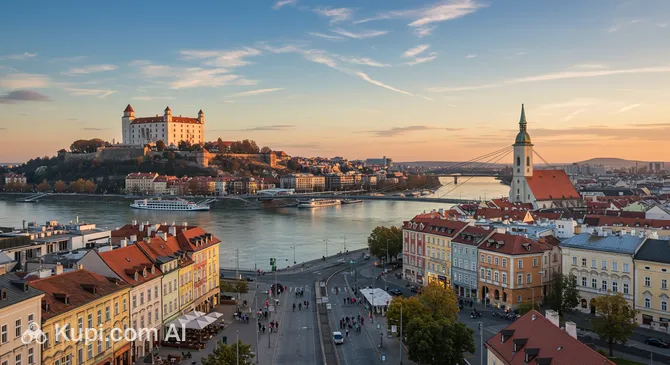
Bratislava. Source: Kupi.com Binoculars

Slovakia's cultural and historical heritage is truly impressive. The country is dotted with more than a hundred castles and fortresses, each holding its own secrets and legends. The majestic Bratislava Castle, towering over the capital, and the fairytale-like Spiš Castle, one of the largest castle complexes in Europe, are just a few of the treasures awaiting discovery. Strolling through the narrow streets of ancient towns such as Levoča or Banská Štiavnica immerses you in a medieval atmosphere.

The nature in Slovakia is no less captivating. The majestic High and Low Tatras, with their picturesque valleys, crystal-clear lakes, and numerous hiking trails, attract outdoor enthusiasts all year round. The city of Poprad is often called the gateway to the High Tatras. Numerous national parks, such as the Slovak Paradise with its unique gorges and waterfalls, offer unforgettable experiences. While Slovakia is the only EU member state without an official mosque, prayer facilities can be found in major cities like Bratislava and Košice. It is a country where everyone can find something to enjoy, whether it is exploring historical monuments, enjoying active recreation in nature, or discovering the unique culture and tasty local cuisine, with halal options available in larger cities.
Currency

The official currency of Slovakia is the euro (EUR), as the country is a member of the Eurozone. Banknotes in circulation are in denominations of 5, 10, 20, 50, 100, and 200 euros, which are the same across all Eurozone countries. Euro coins also have standard denominations (1, 2, 5, 10, 20, 50 cents, as well as 1 and 2 euros) but feature a unique national side. On Slovak coins, you will find symbols such as the double cross on three hills (the coat of arms of Slovakia), Kriváň mountain, and Bratislava Castle.

You can exchange foreign currency, such as UAE Dirhams (AED), for euros at banks or licensed exchange offices (known as ‘zmenáreň’ in Slovak). It is advisable to compare exchange rates and ask about any commission fees before the transaction. Generally, banks and exchange offices in cities offer more favourable rates, while those at airports or in hotels may be less competitive. Credit and debit cards, especially Visa and Mastercard, are widely accepted for payment in most shops, restaurants, hotels, and petrol stations throughout Slovakia. The ATM network (called ‘bankomat’) is also well-developed, making it easy to withdraw cash when needed.

Visa Requirements

When planning your trip to Slovakia, it is essential to check the visa requirements. For citizens of the United Arab Emirates, travel to Slovakia is straightforward as it is part of the Schengen Area. UAE passport holders do not need a visa for short stays of up to 90 days within any 180-day period. This visa-free access allows for tourism and business trips across Slovakia and other Schengen member countries.

Although a visa is not required for UAE nationals, you must hold a valid passport with at least six months of validity from your date of entry. It is also a mandatory requirement for your passport to be valid for at least three months beyond your planned date of departure from the Schengen Area. Upon arrival, you may be asked to present return or onward flight tickets, proof of accommodation, and a valid medical insurance policy covering your stay. As entry rules can be updated, it is highly recommended to check the most current information on the official websites of the Slovak diplomatic missions before you travel.

We'll tell you if you need a visa

Specify where you are going, or
Your citizenship
Destination

Time Zones

When planning a trip to Slovakia, you will not need to worry about changing time zones within the country. The entire territory of Slovakia is in a single time zone.

Slovakia observes Central European Time (CET), which is UTC+1. For comparison, the UAE operates on Gulf Standard Time (GST) at UTC+4 and does not observe daylight saving time. Like many European countries, Slovakia switches to Central European Summer Time (CEST) by moving clocks forward one hour to UTC+2. This means that from the last Sunday in October to the last Sunday in March, Slovakia is 3 hours behind the UAE. For the rest of the year, during its summer time, the difference is reduced to 2 hours.

How to Get There

There are several ways to get to Slovakia from the UAE, with the most convenient option being by air. While there are no direct flights from Abu Dhabi or Sharjah, flydubai operates direct flights from Dubai to the capital, Bratislava. The flight time is approximately 6 hours and 35 minutes. For travellers from other emirates, one-stop connecting flights are available with airlines such as Emirates, Etihad Airways, Qatar Airways, and Turkish Airlines, often flying into Bratislava or other international airports in the country.

A popular and highly convenient alternative is to fly into Vienna International Airport (VIE) in Austria, which is only about 60 km from Bratislava. From the airport, there are frequent and direct bus services that can take you to Bratislava in as little as 45-60 minutes. This option often provides greater flexibility with flight schedules. Given its location in Central Europe, Slovakia also has excellent ground transport links with neighbouring countries, making it an ideal destination for a multi-country trip. International train and bus routes connect Slovakia with Czechia, Poland, Hungary, and Austria.

When planning your trip, especially during peak tourist seasons or public holidays, it is advisable to book your flights and accommodation in advance. This will not only help you secure better prices but also guarantee availability on your preferred dates.

For your reference, here is a summary of the main airports:

Airport Name City Size/Traffic
Bratislava AirportBratislavaMajor
Košice International AirportKošiceMinor
Poprad-Tatry AirportPopradMinor

Slovakia offers travellers an amazing variety of holiday destinations, from lively historic cities to peaceful resorts surrounded by magnificent nature. The country's jewel is undoubtedly its capital, Bratislava. This city on the Danube charms with its rich history, cosy streets of the Old Town, the majestic Bratislava Castle, and a modern atmosphere. For visitors from the UAE, it is also worth noting that Bratislava offers a growing number of halal-friendly restaurants serving Middle Eastern and other international cuisines.

Bratislava. Source: Kupi.com Binoculars

Besides the capital, Slovakia boasts other attractive destinations. Košice, the country's second-largest city, will delight connoisseurs of Gothic architecture, particularly with the magnificent St. Elisabeth Cathedral. Visitors are advised to dress modestly when entering places of worship. For fans of outdoor activities and mountains, Poprad, which serves as the gateway to the High Tatras, is an excellent choice, as is Liptovský Mikuláš, known for its family-friendly water parks and proximity to ski resorts. And if you are looking for a peaceful waterside retreat, the resort town of Senec with its Sunny Lakes is a wonderful choice. While there are no official mosques in the country, prayer facilities for Muslims can be found in larger cities.

Top Attractions

Slovakia is a country with a rich history and diverse opportunities for leisure. Here, you can explore ancient fortresses, relax in modern thermal complexes, or dedicate time to shopping and entertainment in lively city centres. Here are a few places that deserve your attention during your trip to Slovakia:

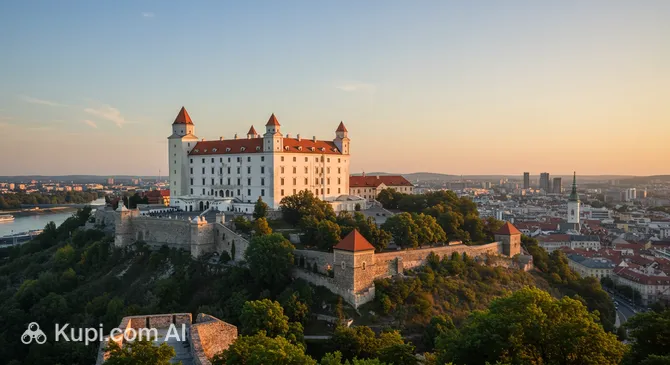
One of the main symbols of the country and its capital, Bratislava, is the majestic Bratislava Castle. Situated on a hill above the River Danube, this beautifully restored castle offers visitors not only an immersion into history through its museum exhibits but also stunning panoramic views of the city and its surroundings. A walk through its grounds will leave a lasting impression.

Bratislava Castle. Source: Kupi.com Binoculars

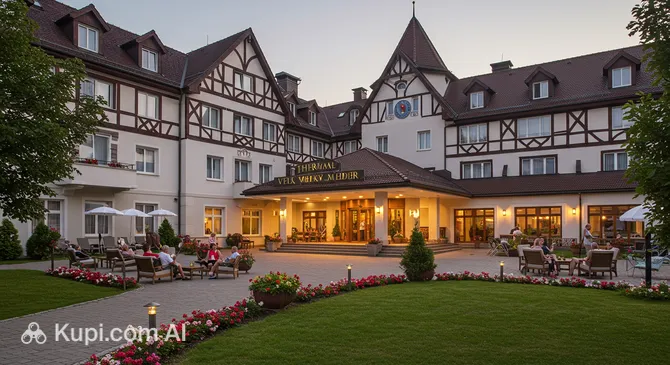
If you are looking for a place for relaxation and wellness, consider the Thermal Corvinus Veľký Meder. This popular complex is famous for its pools with thermal water, which is known for its healing properties for the musculoskeletal system. It provides everything needed for comfortable, family-friendly relaxation: a variety of water attractions, saunas, and wellness treatments for all ages.

Thermal Corvinus Velky Meder. Source: Kupi.com Binoculars

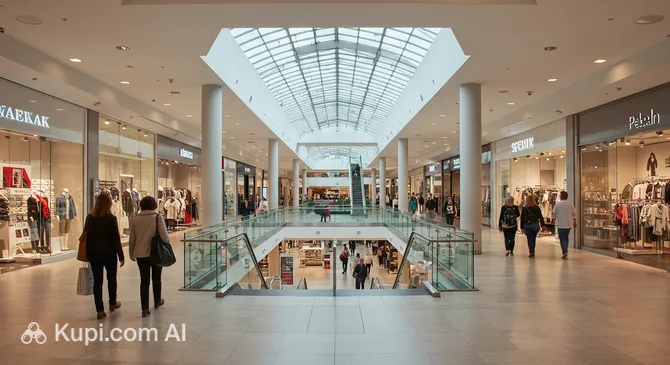
For those who combine cultural sightseeing with modern entertainment, the Forum shopping centre in Poprad can be an interesting spot on the map. Located in a popular tourist region at the foot of the High Tatras, it offers not only shopping opportunities at well-known brand stores but also a range of dining options, including cafés and international fast-food chains suitable for various dietary preferences, making it a perfect place to relax after a busy day exploring Slovakia's natural beauty.

Forum. Source: Kupi.com Binoculars

Best Time to Visit

Slovakia is an attractive destination for travellers all year round, but the best time to visit depends on your plans. The high season traditionally falls during the summer months (June-August), when the weather is warm and sunny, offering a pleasant escape from the UAE's heat. This climate is ideal for hiking in the mountains, exploring cities like Bratislava, and relaxing by the lakes. Numerous summer festivals also take place during this period. However, be prepared for larger crowds and higher accommodation prices. The winter high season (December-February) attracts ski enthusiasts to the resorts in the Tatras, offering snowy slopes and a festive Christmas atmosphere, but this also comes with peak prices and visitor numbers.

The low season, or shoulder season – spring (April-May) and autumn (September-October) – offers its own advantages. In spring, nature is in full bloom, and the weather becomes pleasant for sightseeing and outdoor activities without the peak summer warmth. In autumn, Slovakia is painted in golden hues, creating picturesque landscapes, especially in the mountains, and this is the time for traditional grape harvest festivals (vinobranie). During these periods, there are significantly fewer tourists, and prices for hotels and services can be lower. A potential downside is the more unpredictable weather, and some tourist attractions, particularly in mountainous regions, may have reduced opening hours or be closed until the main season begins.

The climate in Slovakia is temperate-continental but can vary noticeably depending on the region. In mountainous areas like the High and Low Tatras, the weather is always cooler, and the winters are snowier than on the plains in the south of the country. Therefore, when planning your trip, especially if it includes mountain hiking or visiting specific regions, it is advisable to check the weather forecast for your chosen location.

Traditions

When planning a trip to Slovakia, it is helpful to familiarise yourself with some local cultural customs to ensure your interactions with residents are pleasant and respectful. When meeting someone, Slovaks usually exchange a handshake while maintaining direct eye contact. In formal settings or when addressing the older generation, it is customary to use the formal "Vy" and the greeting "Dobrý deň" (Good day). Among young people and friends, the more informal "Ahoj" (Hello) is common. Slovaks are known for their hospitality; if you are invited to their home, it is a kind gesture to bring a small gift. Good options include flowers for the hostess (always an odd number, avoiding yellow flowers and chrysanthemums), fine chocolates, or a small souvenir from your home country. Also, do not be surprised if you are asked to remove your outdoor shoes upon entering a home – this is a common custom.

While there are no strict dress codes for daily life, when visiting churches and other religious sites, it is important to opt for modest attire that covers the shoulders and knees. At the dining table, it is polite to wait for the host or the eldest person to start eating or to say "Dobrú chuť!" (Enjoy your meal!). It is considered polite to keep your hands on the table, with wrists resting on the edge, rather than in your lap. Slovaks value punctuality, so try to be on time for any appointments. Loud conversations and overly expressive behaviour in public places may be viewed negatively.

Among the most significant holidays that reflect the cultural traditions of Slovakia are Christmas (Vianoce) and Easter (Veľká Noc). These holidays are typically spent with family, observing many long-standing customs. To show respect for the local culture, it is best to avoid discussing sensitive political or historical topics, especially if you are not familiar with the context. Simple words of courtesy, such as "Ďakujem" (Thank you) and "Prosím" (Please/You're welcome), will always be appropriate and greatly appreciated.

Entertainment

Slovakia offers its guests a wide range of entertainment to suit every taste. For fans of active holidays, it is a true paradise: picturesque mountain ranges, such as the Tatras, are ideal for hiking and trekking in the summer, and transform into popular ski resorts in the winter. The country's cultural life is also rich: numerous castles and fortresses, such as the majestic Bratislava Castle, tell the story of the region's rich history. In the cities, you will find a variety of museums, art galleries, and theatres, offering a chance to get acquainted with local art and traditions.

Evening entertainment is most lively in the capital, Bratislava, and other large cities like Košice or Žilina, where you can find many cosy bars, traditional restaurants, and modern clubs. While dedicated halal restaurants are not yet common, it is possible to find establishments serving halal food, particularly Middle Eastern and Indian cuisine, in larger cities. Many restaurants also offer a good selection of vegetarian and seafood dishes. As for shopping, popular souvenirs from Slovakia include folk crafts, Slovak crystal, and traditional cheeses like 'oštiepok'. The main shopping streets and modern centres are concentrated in the major cities. For a family holiday, the country offers thermal spas and water parks, such as the Thermal Corvinus Veľký Meder, as well as interactive museums and the chance to explore ancient towns, which will be of interest to both adults and children.

Currency rates

Planning a trip? That's wonderful! To avoid any financial surprises during your journey, it's important to remember that currency exchange rates fluctuate constantly. We therefore strongly advise you to keep track of the latest rates, both just before you fly and throughout your trip. For this, you can use the data provided below — we monitor currency rates 24/7 and strive to provide the most current information.

EUR currency exchange rate as of 02.01.2026

4.34 AED
~ 1 EUR
450.31 AMD
~ 1 EUR
1.77 AUD
~ 1 EUR
2.01 AZN
~ 1 EUR
3.47 BYN
~ 1 EUR
1.62 CAD
~ 1 EUR
1 GBP
~ 1.14 EUR
386.26 HUF
~ 1 EUR
106.24 INR
~ 1 EUR
103.23 KGS
~ 1 EUR
1704.93 KRW
~ 1 EUR
598.98 KZT
~ 1 EUR
4.24 PLN
~ 1 EUR
93.10 RUB
~ 1 EUR
4.43 SAR
~ 1 EUR
1.52 SGD
~ 1 EUR
50.70 TRY
~ 1 EUR
49.93 UAH
~ 1 EUR
1.18 USD
~ 1 EUR
14181.45 UZS
~ 1 EUR

Reached the end of the page?

That means the route is fully explored