St. Pölten is a city that surprises many visitors with its harmonious contrast between the old and the new. As the capital of the federal state of Lower Austria, it serves as a vibrant cultural and administrative hub, blending small-town charm with the amenities of a modern regional center. Visitors are often drawn to its unique atmosphere, where splendid Baroque architecture stands just a short walk away from striking contemporary government buildings.
Geographically, the city is situated in the Traisen River valley, nestled between the foothills of the Alps to the south and the Danube River to the north. With a population of approximately 55,000 residents, it offers a relaxed pace of life while remaining easily accessible. Its location makes it an excellent starting point for exploring the wider region of Austria, particularly the scenic Wachau valley nearby.
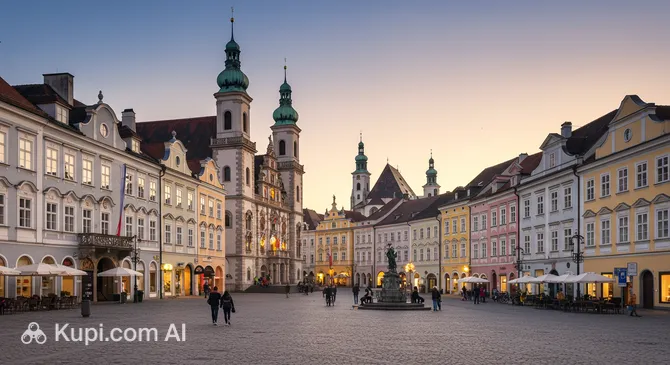
Although it is the youngest state capital in the country, having been designated as such in 1986, the history of St. Pölten is remarkably deep. In fact, it holds the title of the oldest granted city rights in the nation, with roots stretching back to the Roman settlement of Aelium Cetium. This rich heritage is reflected in the beautifully preserved historic center, which invites travelers to stroll through centuries of architectural evolution.
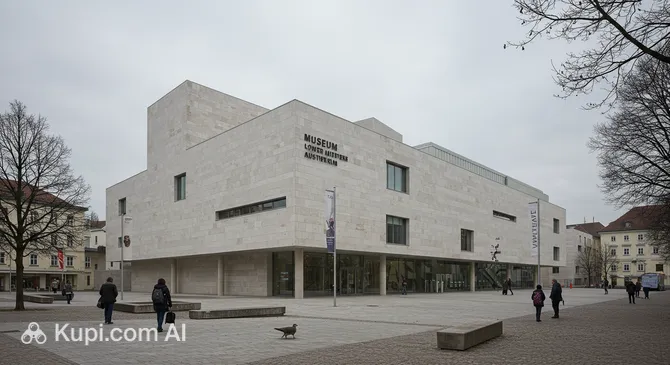
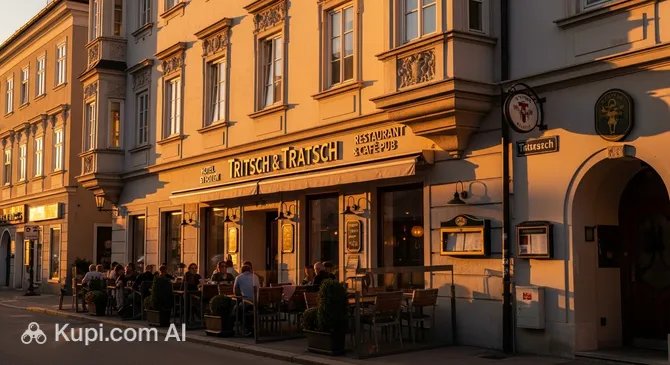
Among the city's key attractions is the picturesque Rathausplatz (City Hall Square), surrounded by elegant Baroque and Renaissance facades. In stark contrast, the Landhausviertel (Government District) showcases modern architectural ambition, featuring the futuristic Sound Tower and the Festspielhaus. Art lovers and history buffs will also appreciate the Museum Niederösterreich, which offers fascinating insights into the region's nature and past.
Whether you are interested in exploring varied architectural styles, enjoying local festivals, or simply looking for a charming destination off the beaten path, St. Pölten welcomes you. It is a delightful place to discover the authentic spirit of Lower Austria.