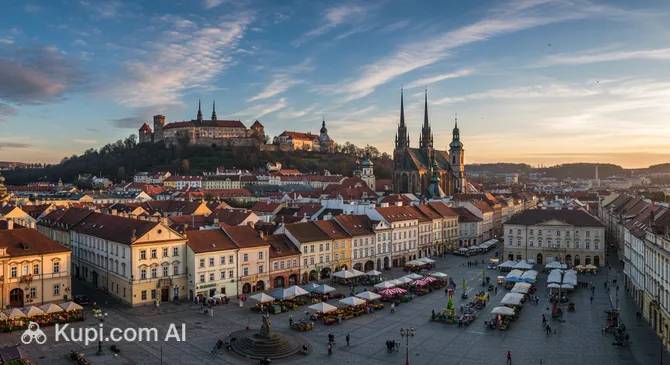
Welcome to Brno, a vibrant metropolis that serves as the administrative and cultural capital of the South Moravian Region. As the second-largest city in the Czech Republic, it offers a dynamic atmosphere fueled by a large student population and a thriving local arts scene. Unlike the more crowded tourist hubs, this city provides an authentic and relaxed experience, blending urban energy with Moravian hospitality.
Geographically, the city is situated in the southeastern part of the country at the confluence of the Svitava and Svratka rivers. With a population of approximately 382,000 people, it strikes a perfect balance between a bustling urban center and a cozy, navigable town. Its location makes it an excellent gateway for exploring the surrounding vineyards and rolling hills of the region.
Brno. Illustration.
Source: Kupi.com AI
The fascinating history of Brno is etched into its diverse skyline, where medieval landmarks stand alongside modern masterpieces. Visitors are often captivated by the imposing Špilberk Castle, a fortress that has served as a royal castle, a prison, and now a museum. For admirers of modern design, the UNESCO-listed Villa Tugendhat is a must-see, renowned globally as an icon of functionalist architecture.
Whether you are wandering through the historic center, exploring the mysterious underground labyrinths, or enjoying the local café culture, the city promises memorable discoveries. We invite you to immerse yourself in the unique charm and rich heritage of this exceptional destination.
Weather Overview
The climate in this region is generally temperate, characterized by four distinct seasons. Visitors can expect warm summers with occasional rain and cold winters where temperatures often hover around freezing. To help plan your activities and packing list, it is helpful to consult the current weather in Brno.
Summer, lasting from June to August, is typically the most pleasant time to visit, with average temperatures ranging from 18.9°C to 20.5°C. July and August are the warmest months, where daily highs frequently reach around 25°C. However, rain is not uncommon during this season, with approximately 12 to 13 wet days per month.
In contrast, the winter months of December, January, and February bring noticeably colder conditions. Average temperatures drop significantly, settling between 0.3°C and 2.3°C, and nights can be frosty with minimums dipping to -2.1°C. Spring and autumn offer milder transitions, though travelers should be aware that May is often the wettest month, recording up to 14 rainy days.
Average monthly temperature
Average monthly precipitation
Interesting Facts
Beyond the main attractions, Brno holds many fascinating secrets and quirky legends that locals love to share. From mis-timed bells to exotic creatures, the city's folklore is as unique as its architecture.
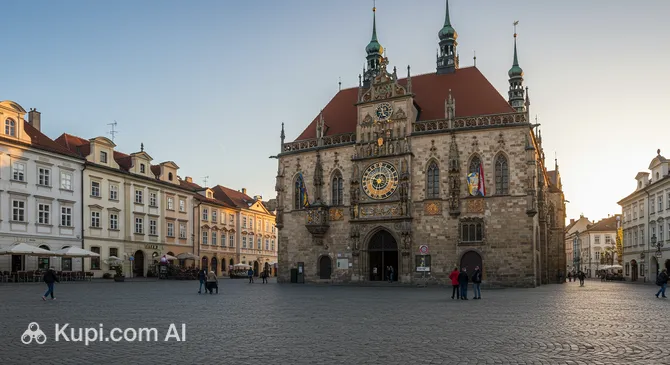
The city is famous for its "noon" ringing at 11:00 AM. According to legend, during the Swedish siege in 1645, the invading general promised to leave if the city didn't fall by noon. The clever locals rang the bells of the Cathedral of St. Peter and Paul an hour early, tricking the army into retreating and saving the city.
The symbol of the city is not a mythical beast but a stuffed crocodile, affectionately known as the "Brno Dragon." It hangs from the ceiling of the passage in the Old Town Hall and has been the subject of local tales for centuries.
Beneath the city streets lies the Ossuary at St. James Church, which is estimated to be the second-largest underground ossuary in Europe after the Catacombs of Paris, housing the remains of over 50,000 people.
A peculiar stone head known as the "Indecent Little Man" can be found on the facade of the Church of St. James. Legend says the sculptor carved the figure showing its bare bottom towards the rival cathedral on Petrov hill as a permanent gesture of mockery.
Old Town Hall. Illustration.
Source: Kupi.com AI
Traveler photos:
How to Get There
Reaching this Moravian metropolis is quite convenient thanks to its central location in Europe. Whether you prefer flying or taking ground transport, there are several options available. For a complete overview of all travel methods, you can read more about how to get to Brno and plan your journey accordingly.
For air travel, the city is served by its own local hub, Turany Airport (IATA: BRQ). Located directly in Brno, it is the most convenient option, situated just 8.0 km from the city center. A taxi or bus ride from here typically takes around 20 to 30 minutes. Although it handles a smaller volume of traffic compared to major international hubs, it provides direct access to the region.
Alternatively, many travelers choose to fly into Vienna International Airport (IATA: VIE) in Vienna. This major international gateway is located approximately 119.4 km from Brno. While it is not in the city itself, it offers a much wider range of flight connections. The transfer time to Brno typically takes between 1.5 to 2.5 hours, with frequent direct bus connections available directly from the terminal.
For clarity, here is a summary of the main airports:
If you prefer traveling by train, you can utilize major railway hubs in the surrounding region. One significant option is Vienna Central Station (IATA: XWC), located in the city of Vienna, about 113.6 km from Brno. It is a major transit point with high passenger traffic. From here, you can take a direct train to Brno, with the journey offering a comfortable and scenic ride that generally lasts around 1.5 hours.
Below is a list of nearby railway stations that can serve as entry points:
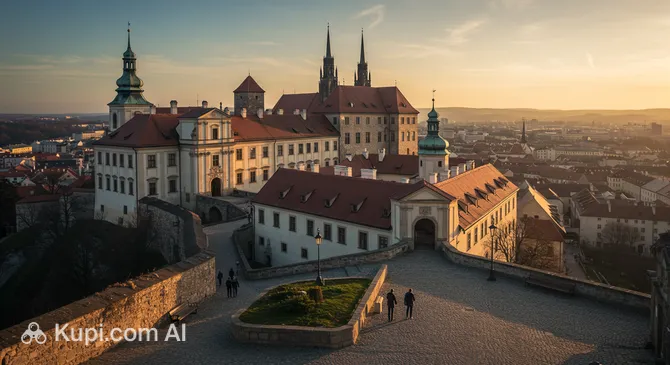
No visit to the city is complete without exploring the imposing Špilberk Castle. Perched atop a hill overlooking the historic center, this massive baroque fortress has a storied past, having served as a royal residence, a formidable military stronghold, and a notorious prison known as the "Dungeon of Nations." Today, it houses the Brno City Museum, where visitors can delve into local history, explore the dark casemates, and enjoy panoramic views of the skyline from the ramparts.
Špilberk Castle. Illustration.
Source: Kupi.com AI
Traveler photos:
For architecture enthusiasts, Villa Tugendhat is an absolute masterpiece of modern design. Designed by the famous architect Ludwig Mies van der Rohe in the late 1920s, this UNESCO World Heritage site is celebrated for its revolutionary open-plan layout and the iconic onyx wall that changes color with the sunlight. Tours are highly sought after, so booking well in advance is recommended to see this gem of functionalism.
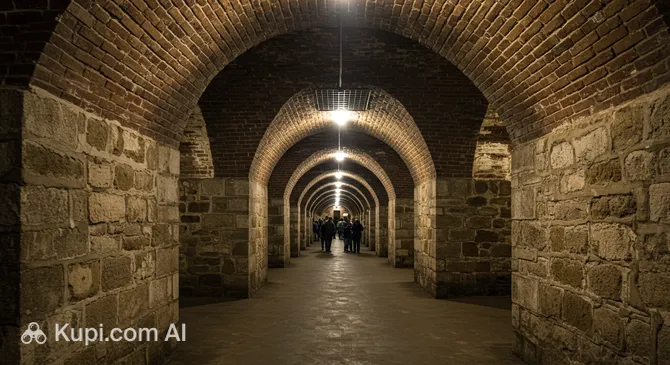
Delve beneath the bustling streets to discover the Labyrinth Under the Vegetable Market. This extensive network of medieval corridors and cellars was once used to store food, brew beer, and mature wine. A guided tour takes you through these cool, subterranean passages, offering a glimpse into the daily lives of citizens in centuries past and displaying historical replicas of pillories and alchemist workshops.
Labyrinth Under the Vegetable Market. Illustration.
Source: Kupi.com AI
Traveler photos:
If you are traveling with family or simply love interactive exhibits, the VIDA! Science Center is a fantastic destination. Located in the former pavilion of the Brno Exhibition Centre, this science park features over 170 hands-on exhibits divided into themes like the Planet, Civilization, and Man. It is a place where you can launch a hydrogen rocket, freeze your own shadow, or experience an earthquake, making learning fun for all ages.
Another unique site is the Capuchin Crypt, located beneath the Capuchin Monastery. This final resting place is famous for its naturally mummified bodies of friars and prominent noblemen, preserved due to the unique geological composition of the ground and the ventilation system. It offers a somber yet fascinating look at the city's history and the order's approach to life and death.
Local Cuisine
The culinary scene in Brno is a delightful fusion of traditional Moravian heritage and a booming, modern gastronomic wave. As the capital of the South Moravian Region, the city offers a distinct flavor profile that sets it apart from other parts of the country. Here, food is celebrated with a relaxed yet sophisticated passion, evident in the bustling markets, trendy bistros, and a high density of top-tier establishments that cater to every palate.
When it comes to traditional dishes, you must try the local classic known as Moravský vrabec (Moravian sparrow). Despite the whimsical name, it is actually a hearty meal consisting of roasted pork chunks served with sauerkraut and potato dumplings. Another staple is the beloved Svíčková, braised beef sirloin in a creamy vegetable sauce, typically garnished with cranberries and a dollop of whipped cream. These meals are rich, comforting, and perfect for refueling after a day of sightseeing.
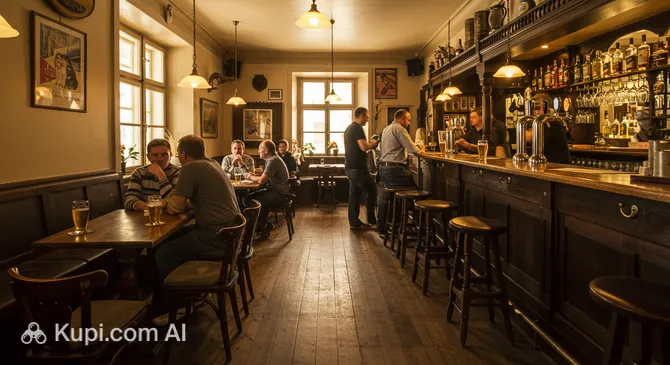
While the Czech Republic is globally famous for its beer, this specific region is the heart of the country's wine production. The surrounding vineyards produce exceptional white wines, such as Pálava and Ryzlink vlašský, which are widely available in local wine bars (vinotéky). However, beer lovers will not be disappointed, as the local brewing tradition is strong. For a legendary pub experience, visitors often head to Hostinec U Blahovky, a spot famous for its perfectly poured pilsner and roasted pork knee.
Hostinec U Blahovky. Illustration.
Source: Kupi.com AI
Traveler photos:
In recent years, the city has earned a reputation as a coffee capital, boasting a vibrant café culture that rivals prominent European hubs. Beyond coffee, the cocktail scene is thriving and innovative. A prime example of this modern energy is The Bar That Doesn't Exist. This venue, with its impressive selection of spirits and unique atmosphere, has become a symbol of the city's nightlife renaissance and is a must-visit for anyone looking to enjoy a crafted drink.
Dining options range from the fresh produce found at the open-air Vegetable Market (Zelný trh) to stylish restaurants like ZAZA, which offers a more contemporary dining experience in the heart of the city. Whether you are grabbing a quick street food snack like a grilled sausage or settling in for a multi-course dinner, the local food culture is welcoming and diverse, catering to both traditionalists and adventurous foodies alike.
Travel Tips
Planning a trip to the heart of South Moravia requires a little preparation to ensure your journey is as smooth as it is memorable. To help you navigate the city with ease, we have compiled a list of essential practical tips that cover everything from packing the right gear to mastering the local transport system.
Clothing and Gear: Brno experiences four distinct seasons, so checking the forecast before departure is essential. In summer, light clothing is suitable, but always carry a light jacket for cooler evenings. Winters can be quite cold, requiring warm layers, gloves, and hats. Since the historic center features many cobblestone streets, bring comfortable, flat walking shoes and leave the high heels for indoor events.
Transportation: The city boasts an excellent and integrated public transport system (IDS JMK) consisting of trams, buses, and trolleybuses. Trams are the most convenient way to get around the center. You can purchase tickets at yellow vending machines, newsstands, or easily via a contactless card directly inside the vehicle ("Beep & Go" system). Ride-hailing apps like Uber and Bolt are also available and generally reliable.
Finances: The official currency is the Czech Koruna (CZK). While contactless card payments are widely accepted in restaurants, supermarkets, and museums, it is wise to carry some cash for small purchases at markets like Zelný trh or in smaller cafés. ATMs are plentiful, but avoid independent "Euronet" machines with high fees; stick to bank-affiliated ATMs. Tipping is appreciated; rounding up the bill by about 10% is standard practice in restaurants.
Health and Safety: Brno is a safe city with low crime rates, but standard precautions against pickpocketing should be taken in crowded areas. Pharmacies are marked with a green cross and are known as "lékárna"; some operate 24 hours a day for emergencies. The universal emergency number for police, ambulance, and fire services is 112, and operators usually speak English.
Communication: The official language is Czech. While the younger generation and the large student population speak excellent English, older residents may not. Learning a few basic phrases like "Dobrý den" (Good day) and "Děkuji" (Thank you) goes a long way. Free Wi-Fi is often available in city squares and cafés, and local SIM cards are cheap and easy to buy at mobile provider shops or newsstands.
Local Etiquette: Politeness is highly valued here. It is customary to greet the staff with a "Dobrý den" when entering a small shop or elevator and say "Na shledanou" (Goodbye) when leaving. On escalators, always stand on the right to let people pass on the left. In restaurants, wait to be seated unless it is a very casual pub.
What to Avoid: Do not exchange money at street kiosks that claim "0% commission" without checking the actual exchange rate first, as they often offer poor value. Also, never forget to validate your paper ticket immediately upon entering a tram or bus if you haven't bought it electronically; ticket inspectors are frequent and strict, and "I didn't know" is not a valid excuse.
Local Insight: While the Czech Republic is famous for beer, remember that Brno is the capital of the wine-growing Moravian region. Don't miss the chance to visit a local "vinotéka" (wine bar) and try regional white wines like Pálava or Ryzlink vlašský, which are a source of great local pride.
With these practical insights in mind, you are well-equipped to enjoy everything this dynamic city has to offer without any hassles. Relax, soak up the atmosphere, and let the unique charm of Brno surprise you at every corner.
Entertainment & Nightlife
Brno boasts a nightlife scene that is as vibrant as it is diverse, fueled by a large university population and a creative local spirit. The city comes alive after dark, offering everything from pulsating clubs and cozy jazz venues to sophisticated cocktail lounges. A unique feature of the local culture is the "standing bar" phenomenon, particularly around Jakubské náměstí (St. James Square). Here, during the warmer months, the boundaries between venues disappear as crowds gather outside to socialize, creating a lively open-air party atmosphere.
For those seeking live music and an authentic local vibe, The Old Bakery (Stará Pekárna) is a legendary spot. Far from being a place to buy bread, this club is a cornerstone of the alternative music scene, regularly hosting jazz, blues, and ethno bands. If you prefer a more whimsical and intimate setting for a drink, Čarokavárna offers a magical interior and a relaxed ambiance that feels like stepping into a different world.
Major cultural events and large-scale concerts are often held at the Brno Arena, a modern venue that attracts international performers and sporting events. When heading out, the dress code is generally "smart casual." While some upscale bars appreciate a sharper look, most venues in the city are welcoming and relaxed, reflecting the friendly nature of the locals.
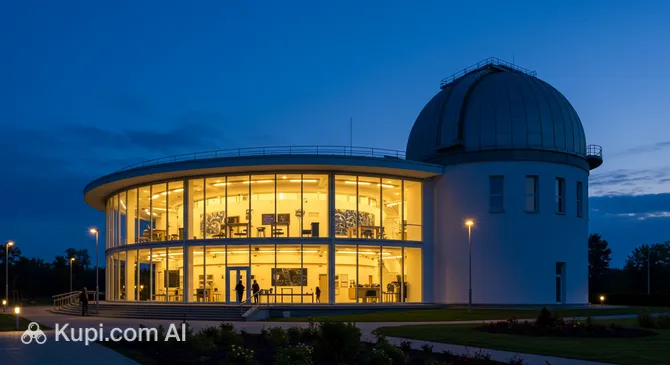
Brno Observatory and Planetarium. Illustration.
Source: Kupi.com AI
Traveler photos:
Navigating the city at night is incredibly convenient thanks to the unique "rozjezdy" (night buses) system. These buses gather at the main train station every hour (or every 30 minutes on weekends) and depart simultaneously in all directions, ensuring a safe and reliable ride home to any part of the city. While Brno is very safe for night walks, it is always wise to stay in well-lit areas and keep an eye on your personal belongings. Taxi apps are also widely available and offer a transparent way to get around.
Beyond the nightlife, the city offers plenty of daytime entertainment to fill your itinerary. Art and design enthusiasts should not miss the Museum of Applied Arts, which houses impressive collections of fashion, graphic design, and photography. For a mix of science and spectacle, the Brno Observatory and Planetarium located in Kraví hora park provides fascinating digital shows and astronomical programs that appeal to visitors of all ages.
Parks & Museums
Brno is a city that perfectly balances urban energy with refreshing greenery and intellectual depth. For travelers seeking a break from the bustling streets or a dive into local culture, the city offers an impressive array of parks, gardens, and diverse museums. Whether you are interested in prehistoric times, Art Nouveau architecture, or simply a quiet place to relax under ancient trees, you will find plenty of spaces to explore.
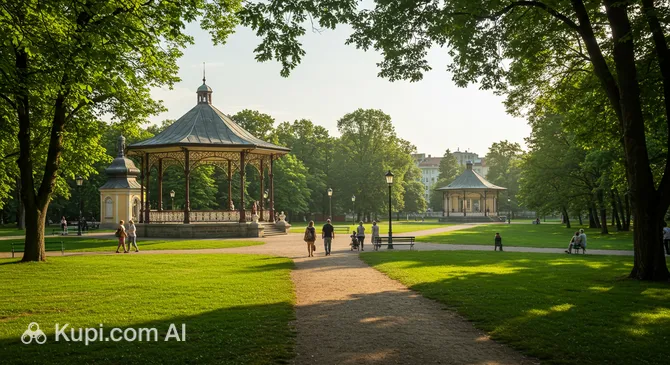
One of the most beloved green spaces is Lužánky Park, historically significant as the oldest public park in the Czech Republic. Established in the 18th century, this expansive area is a favorite among locals for jogging, yoga, and picnics. Its Renaissance-inspired layout and majestic avenues of trees provide a serene escape right in the city center. For nature enthusiasts, the Kamenný vrch Nature Reserve offers a different experience. Located on the outskirts, it is famous for the Pasque Meadow, where thousands of protected Pasque flowers bloom in spring, creating a stunning purple carpet that attracts photographers from all over.
Lužánky Park. Illustration.
Source: Kupi.com AI
Traveler photos:
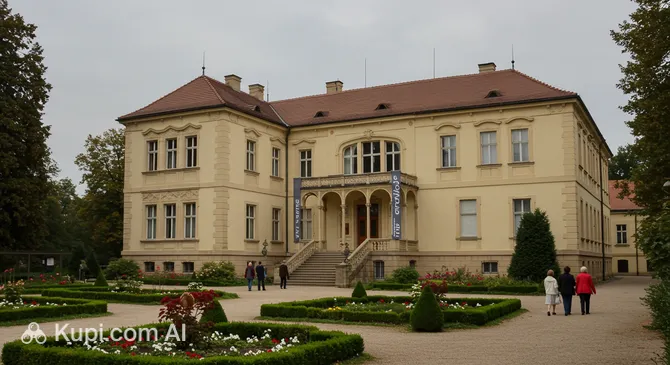
The city's museum scene is equally captivating, with the Anthropos Pavilion being a standout attraction. Part of the Moravian Museum, it is dedicated to the oldest history of human settlement in Europe and is famous for its life-sized model of a woolly mammoth, which is a hit with visitors of all ages. Art and history lovers should not miss Villa Löw-Beer. This Art Nouveau masterpiece was the home of Greta Tugendhat's parents and offers a glimpse into the lifestyle of the Jewish industrial elite before World War II. The villa also hosts exhibitions on the history of architecture and the textile industry.
Villa Löw-Beer. Illustration.
Source: Kupi.com AI
Traveler photos:
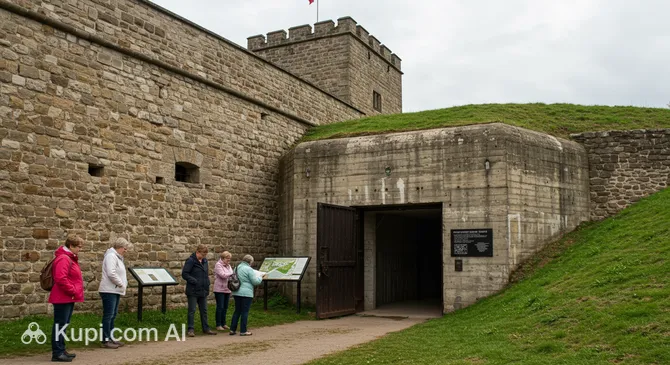
For those interested in 20th-century history, Bunker 10-Z offers a unique and slightly chilling experience. This former nuclear fallout shelter, built to protect the city's political representatives, has been converted into a retro hostel and museum where you can explore the labyrinth of tunnels and learn about the Cold War era. Another architectural gem is Villa Stiassni, a stately home with an "L" shaped ground plan that once hosted prominent government guests, including Fidel Castro.
Walking through the city center, you will encounter striking monuments like the Parnas Fountain in the Vegetable Market, a Baroque masterpiece depicting mythical figures. Nearby stands the Equestrian Statue of Margrave Jobst of Luxembourg. This towering modern sculpture is known for its long legs and the peculiar perspective it offers when looking up from underneath the horse's head.
For a truly unique "insider" experience, venture to the Water Reservoirs under Žlutý Kopec. These recently opened underground brick cathedrals are an engineering marvel, offering a mystical atmosphere that feels like stepping into a fantasy movie set. Alternatively, for a lighter and more colorful experience, the Butterfly House Brno allows you to walk among hundreds of exotic butterflies in a tropical environment.
Getting Around
Public transport in Brno is widely regarded as one of the most efficient and user-friendly systems in Europe. Managed under the integrated regional network known as IDS JMK, the city is covered by a dense web of trams, trolleybuses, and buses that make navigating the urban area seamless. The backbone of the system is the extensive tram network—locally referred to as "šalina"—which connects the city center with the outskirts and major residential areas. Trolleybuses and standard buses complement these routes, ensuring that even the hilly parts of the city are easily accessible.
For tourists, the payment system is modern and convenient. The city operates on a time-zone basis, meaning your ticket is valid for a specific duration across all modes of transport within the designated zones (Zones 100 and 101 cover the entire city). You can purchase tickets for short trips (15 or 60 minutes) or opt for a 24-hour pass, which is often the best value for visitors planning a full day of sightseeing. Prices are affordable, with a standard short-term ticket costing roughly the price of a coffee.
The easiest way to pay is using the "Beep & Go" system. Every vehicle is equipped with yellow validators that accept contactless bank cards. Simply tap your card when you board to purchase a 60-minute ticket. If your journey is shorter than 15 minutes, tap again when you exit to pay a reduced fare. Alternatively, you can buy paper tickets at yellow vending machines (which usually accept coins) found at major stops, or at newsstands. There is also a mobile app called "Poseidon" that allows you to buy digital tickets directly on your phone.
If you choose paper tickets, it is crucial to validate them immediately upon entering the vehicle by stamping them in the yellow device; failure to do so can result in a hefty fine. Transport runs frequently from early morning until around 11:00 PM. After this time, the city switches to its unique night bus system, where buses depart from the main train station at regular intervals to all corners of the city, ensuring safe travel 24 hours a day.
Beyond the standard public transit, there are several alternatives for getting around. Ride-hailing apps like Uber and Bolt operate reliably and offer a comfortable alternative if you are carrying heavy luggage. For active travelers, bike-sharing is very popular. You will see pink and blue shared bikes parked throughout the city, which can be rented via their respective mobile apps, offering a scenic way to explore the flatter areas and parks.
A unique feature of the local transport system is the seasonal boat service on the Brno Reservoir. From April to October, the transport authority operates a fleet of electric boats that ferry passengers between the city outskirts and Veveří Castle. These boats are fully integrated into the public transport system, meaning standard valid tickets or passes can often be used, turning a simple commute into a delightful recreational cruise.
Accommodation
Accommodation:
Finding the perfect place to stay in Brno is relatively easy, as the city offers a diverse range of options to suit every budget and preference. From luxury hotels housed in restored historical buildings to modern apartments and wallet-friendly hostels, the accommodation landscape is well-developed. Unlike the crowded tourist districts of Prague, the hospitality scene here feels more personal and relaxed, often providing better value for money while maintaining high standards of comfort and service.
For most tourists, the best area to stay is the historic city center (Brno-střed). Staying here puts you within walking distance of major landmarks, the best cafés, and the vibrant nightlife around St. James Square. If you are visiting for business or attending a trade fair, the district around the Brno Exhibition Centre is a convenient choice, offering modern facilities and quick access to the fairgrounds. The public transport system is excellent, so even accommodation slightly further out is a viable option.
While the city boasts many standard hotels, it also offers some truly unique lodging experiences. Adventurous travelers can spend the night in Bunker 10-Z, a former nuclear fallout shelter turned into a retro hostel. This facility provides a rare opportunity to sleep in authentic period rooms deep underground, immersing guests in the atmosphere of the Cold War era while offering a fascinating historical context.
Bunker 10-Z. Illustration.
Source: Kupi.com AI
Traveler photos:
Booking Tip: Although finding a room is usually straightforward, the city fills up quickly during major events. It is highly recommended to book your accommodation well in advance if your trip coincides with the Moto GP Grand Prix or the International Engineering Fair, as prices spike and availability becomes scarce during these periods.
Generally, the price range for accommodation is moderate compared to other major European cities. Budget travelers can find hostels and guesthouses at very attractive rates, while mid-range and luxury hotels offer premium services without the exorbitant price tags found in western capitals. Booking is most commonly done through major online platforms, but checking the hotel's direct website can sometimes yield special offers or packages.
Nearby Cities
For those looking to explore the surroundings, Brno serves as an excellent base for day trips to several interesting nearby locations:
One of the most captivating destinations is Kroměříž, often referred to as the "Athens of Haná." It is famous for its breathtaking Archbishop's Palace and the pristine Flower Garden, both of which are UNESCO World Heritage sites. Another excellent option is Znojmo, a historic town located near the Austrian border. It is celebrated for its extensive underground catacombs and its deep-rooted winemaking tradition, making it a paradise for history buffs and wine lovers alike. For those interested in cultural heritage, Třebíč offers a remarkably preserved Jewish Quarter and the Romanesque-Gothic St. Procopius Basilica, providing a profound look into the region's diverse past.
City
Population
Distance
Lisen
26 781
6 km
Bystrc
24 218
7 km
Kurim
11 021
13 km
Blansko
20 306
19 km
Ivancice
9 854
20 km
These nearby destinations offer a glimpse into the diverse culture and landscapes of the region.
Shopping & Souvenirs
Shopping in Brno offers a relaxed and authentic experience, distinct from the frantic pace of larger tourist capitals. The city provides a balanced mix of modern international trends and traditional local charm. While it may not be a global fashion metropolis, visitors will find a wide array of high-street brands, independent boutiques, and specialty stores offering unique regional products, all within a compact and walkable city center.
The main shopping artery of the city runs through the historic core, primarily along Masarykova Street and Česká Street. These pedestrian-friendly zones connect the Main Train Station with Freedom Square (Náměstí Svobody) and are lined with popular fashion chains, bookstores, and shoe shops. Wandering through these streets allows you to combine retail therapy with sightseeing, as many stores are housed in beautifully restored historic buildings.
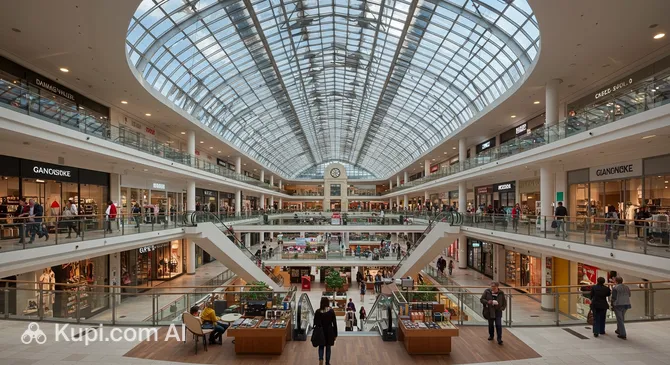
For a comprehensive shopping experience under one roof, Galerie Vaňkovka is the premier destination. Located just a short walk from the city center, this mall is architecturally significant, built within the revitalized structures of a former 19th-century machine factory. It houses over 130 shops, ranging from fashion and electronics to cafes. Another notable center is Campus Square, situated near the university district, which offers a variety of retail options and services in a modern setting.
Galerie Vaňkovka. Illustration.
Source: Kupi.com AI
Traveler photos:
A true highlight of the local shopping scene is the Vegetable Market (Zelný trh). Operating in one of the oldest squares in the city, this open-air market is a vibrant display of colors and scents. Here, locals buy fresh fruit, vegetables, flowers, and homemade produce directly from farmers. It is not just a place to shop, but a cultural staple where the community gathers, especially during the festive Easter and Christmas markets.
When looking for souvenirs, the best choices reflect the region's heritage. Since Brno is the capital of the South Moravian wine region, a bottle of local white wine (such as Pálava) is a perfect gift. Other popular items include traditional folk ceramics, spa wafers, or design pieces inspired by the city's functionalist architecture, such as books or prints related to Villa Tugendhat.
Most shops in the city center are open from 9:00 AM to 6:00 PM on weekdays, with shopping malls generally staying open until 9:00 PM daily. While smaller boutiques may close on Sunday afternoons, major centers remain accessible. Payment is convenient, with credit and debit cards being widely accepted almost everywhere, including many stalls at the seasonal markets, though carrying some cash for small vendors is always a good idea.
Tourists from outside the European Union may be eligible for a VAT refund (tax-free shopping) on purchases exceeding 2,001 CZK in a single store on the same day. Look for the "Tax Free Shopping" signage in store windows and ask for the refund form at the checkout to claim your refund at the airport or border crossing.