Support

Ostrava

About

Ostrava, the third-largest city in the Czech Republic, offers a travel experience that is distinctively different from the country's other famous destinations. Situated in the northeast of the country within the Moravian-Silesian Region, it lies near the border with Poland at the confluence of four rivers: the Oder, Opava, Ostravice, and Lučina. With a population of over 280,000, it is a vibrant metropolis that has successfully reinvented itself from an industrial powerhouse into a modern cultural hub.

Often referred to as the "steel heart" of the nation, the city embraces its raw industrial past while looking towards a green future. To fully appreciate how this coal-mining giant transformed into a dynamic center of art and education, visitors should explore the fascinating history of Ostrava. The city's unique character is defined by a captivating blend of technical monuments, functionalist architecture, and expansive green spaces.
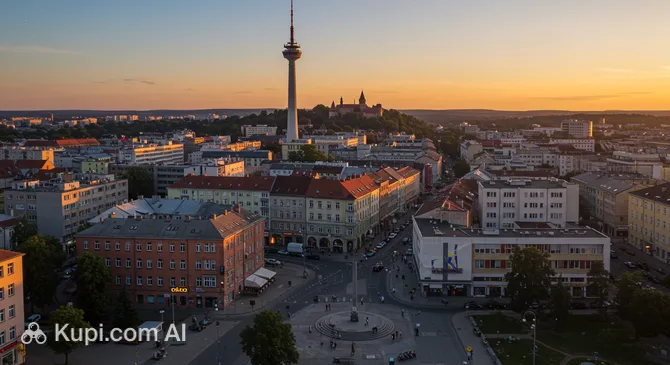
Ostrava. Source: Kupi.Binoculars

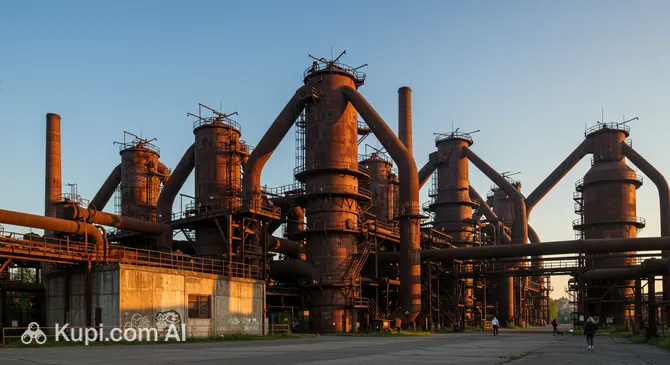
Travelers are drawn to Ostrava for its one-of-a-kind attractions. The most iconic landmark is Dolní Vítkovice, a colossal former industrial complex that has been revitalized into a spectacular cultural and educational district, often compared to a sci-fi movie set. For those seeking a lively atmosphere, the legendary Stodolní Street is famous for its high concentration of bars, clubs, and restaurants, making it the center of the city's nightlife. Additionally, Landek Park offers a unique opportunity to descend into a historic coal mine and experience the region's mining heritage firsthand.

Whether you are an admirer of industrial architecture, a festival-goer, or simply a curious explorer, Ostrava promises an unforgettable visit. Its authentic atmosphere and friendly spirit make it a compelling destination for anyone looking to discover the diverse facets of Central Europe.
Weather Overview

Understanding the local climate is helpful when planning your itinerary. For a detailed forecast and seasonal trends, you can consult the guide to the weather in Ostrava. The city experiences distinct seasons, with the warmest conditions occurring in summer. July and August are typically the hottest months, where average temperatures hover around 20.0°C and daily highs often reach nearly 25°C.

Winters are significantly colder, particularly in January, which sees an average temperature of just 0.4°C and minimums dropping to -2.0°C. Precipitation is fairly consistent throughout the year, with the number of wet days ranging from 10 in November to 15 in months like January and May. Expect warm summers with occasional rain and cold winters suitable for indoor activities.

Interesting Facts

Beyond the main attractions, Ostrava holds many fascinating secrets that reveal the city's resilience and quirkiness. Here are some intriguing details that highlight the unique character of this Moravian-Silesian metropolis.
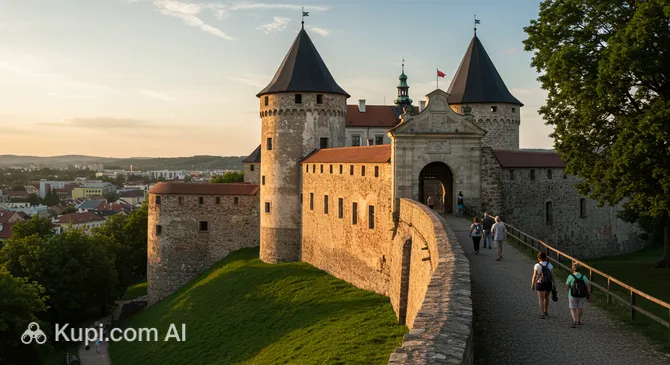
  • The Sinking Castle: The Silesian Ostrava Castle is a geological oddity; due to centuries of coal mining directly beneath its foundations, the entire structure has sunk approximately 16 meters into the ground, yet it remarkably remains standing.

  • A "Volcanic" Hill: The city is home to the Ema Slag Heap, an artificial hill created from mining waste that burns internally; this subterranean combustion creates a subtropical microclimate where snow rarely settles, and flowers can bloom even in winter.

  • Record-Breaking Height: While Prague is often associated with spires, the New City Hall in Ostrava actually boasts the tallest town hall viewing tower in the Czech Republic, offering panoramic views from 73 meters above ground.

  • A Sprinter's Legacy: The Bolt Tower, a striking glass superstructure built atop a former blast furnace, was personally christened by the legendary sprinter Usain Bolt, who has been a regular guest at the city's athletic meets.

Silesian Ostrava Castle. Source: Kupi.Binoculars

How to Get There

Reaching this industrial and cultural hub is straightforward thanks to its strategic location near the Polish and Slovak borders. Whether you prefer flying or taking the train, there are several convenient options to suit your itinerary. For a complete overview of all travel methods, you can read more about how to get to Ostrava detailed in our dedicated guide.

The most direct way to arrive by air is via Mosnov Airport (IATA: OSR), also known as Leoš Janáček Airport Ostrava. Located approximately 17.6 km from the city center, it is a regional hub handling smaller passenger volumes. A taxi or shuttle from here typically takes around 30 minutes to reach downtown. For a wider range of international connections, many travelers choose to fly into Katowice International Airport (IATA: KTW) in the neighboring city of Katowice, Poland. Although it is situated about 93.2 km away, it serves as a major entry point for the region. The journey from Katowice to Ostrava by road usually takes about 1 hour and 15 minutes via the highway.

Another significant option is John Paul II International Airport Krakow-Balice (IATA: KRK), located in Krakow, Poland, roughly 113.4 km from Ostrava. As a large international airport, it offers extensive flight connections. Travelers landing here should expect a transfer time of approximately 1 hour and 30 minutes by taxi or bus to reach Ostrava.

For clarity, here is a summary of the main airports in the vicinity:

Airport Name City Passenger Traffic Km from City
John Paul II International Airport Krakow-BaliceKrakowLarge113.4
Katowice International AirportKatowiceLarge93.2
Turany AirportBrnoMedium135.8
Mosnov AirportOstravaSmall17.6
Poprad-Tatry AirportPopradSmall165.8

Traveling by train is an excellent alternative, as the Czech Republic has a dense and efficient railway network. The city is primarily served by Ostrava Main Railway Station (IATA: XJV), which is conveniently located just 3.3 km from the city center. It is a major railway junction welcoming trains from Prague, Vienna, Warsaw, and other European capitals. A short taxi or tram ride of about 10 to 15 minutes will get you from the station to the heart of the city.

Below is a list of relevant railway stations in the broader region:

Station City Passenger Traffic Km to Center
Wien Mitte CAT StationViennaVery Large225.9
Kraków Główny Railway StationKrakowLarge123.9
Zakopane Railway StationZakopaneMedium135.2
Ostrava Main Railway StationOstravaLarge3.3
Pardubice Main Railway StationPardubiceMedium181.9

Main Attractions

Ostrava's transformation from an industrial giant to a cultural hotspot is best experienced through its diverse array of attractions. The city honors its technical heritage while offering modern entertainment and educational experiences, making it a fascinating destination for travelers of all ages.

Undoubtedly the most significant site in the region is Lower Vítkovice. This national cultural monument is a sprawling former industrial complex that includes coal mines, coke ovens, and blast furnaces. Unlike typical museums, it allows visitors to walk through the history of iron production in a raw and authentic setting. The site has been revitalized to host concerts, festivals, and cultural events, turning the rusty giants of the past into a vibrant backdrop for contemporary life.

Lower Vítkovice. Source: Kupi.Binoculars

Located within the same district is the Science and Technology Center. This modern facility is a paradise for curious minds, offering hundreds of interactive exhibits that explain the laws of nature, the history of civilization, and the secrets of the human body. It serves as a playful educational hub where both children and adults can experiment and learn, making it a perfect stop for families.

For a more historical take on engineering, The Small World of Technology U6 offers a unique experience. Housed in a former power station, this museum is designed in the style of Jules Verne's novels. It chronicles the development of technology from the steam engine to modern machinery, allowing visitors to touch and operate many of the exhibits. The atmosphere is distinctively nostalgic, celebrating the ingenuity of the industrial age.

The Small World of Technology U6. Source: Kupi.Binoculars

Connecting the Moravian and Silesian parts of the city, the Miloš Sýkora Bridge is not just a functional structure but a symbol of the city's resilience. This steel riveted bridge over the Ostravice River is named after a local hero who, according to legend, saved it from destruction during World War II. Its striking steel architecture makes it a popular photography spot and a gateway to the historic city center.

Local Cuisine

The culinary landscape of Ostrava is deeply rooted in its location at the crossroads of Moravia and Silesia. Traditional cuisine here is characterized by hearty, filling meals that once sustained the city's coal miners and steelworkers. Today, this gastronomic heritage blends seamlessly with a growing wave of modern bistros and international flavors, offering visitors a diverse range of dining options.

When it comes to main dishes, you cannot leave without trying the Czech staple vepřo-knedlo-zelo, consisting of roast pork, bread dumplings, and sauerkraut. Another favorite is svíčková na smetaně, featuring beef sirloin served in a creamy vegetable sauce with cranberries. For a taste of the region's specific character, look for dishes influenced by nearby Poland, or grab a fresh bramborák (potato pancake) seasoned with marjoram and garlic from a street vendor.

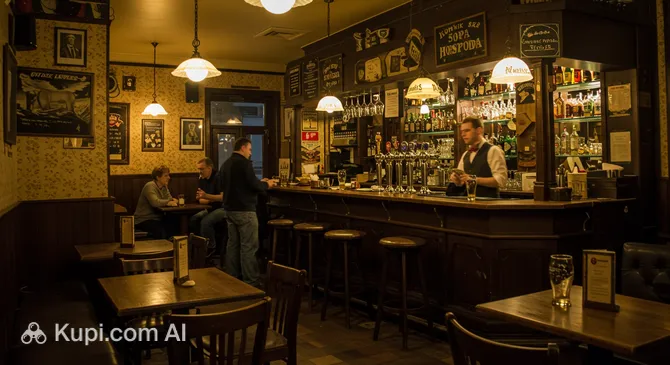
Ostrava is also a city of beer lovers. The local Ostravar brewery has been producing the city's signature golden lager since the 19th century. For those interested in craft brews and a unique pub atmosphere, Kurnik Šopa Hospoda is a must-visit spot known for its excellent selection of beers on tap. If you prefer non-alcoholic beverages, be sure to order a draft Kofola, a herbal soda that is an iconic Czech alternative to cola.

Kurnik Šopa Hospoda. Source: Kupi.Binoculars

The city's dining scene has evolved significantly, with many establishments offering high-quality contemporary cuisine. Hogo Fogo Bistro is a prime example, popular among locals for its delicious burgers and relaxed vibe. For travelers seeking variety in a convenient location, the Forum Nová Karolina complex houses a wide array of restaurants and cafes, making it easy to find something to suit every palate.

Travel Tips

Welcome to Ostrava, a city where raw industrial history meets modern energy! To help you navigate this unique Moravian-Silesian metropolis with ease and confidence, we have compiled a set of essential practical tips for your journey.

  1. Clothing and Gear: Ostrava is a city best explored on foot, especially when visiting vast industrial sites like Dolní Vítkovice. Pack comfortable, sturdy walking shoes as you will likely cover a lot of ground on varying terrains. The weather can be changeable, so dressing in layers is a smart strategy year-round. While the general vibe is casual, if you plan to attend a concert or visit a high-end restaurant, smart-casual attire is recommended.
  2. Transportation: The public transport system (DPO) is excellent, consisting of trams, buses, and trolleybuses that cover the entire city efficiently. You don't need to buy paper tickets in advance; you can simply use your contactless credit or debit card to "tap on and tap off" directly inside the vehicle for the best fare. Ride-hailing apps like Uber and Bolt operate here and are often more reliable and cheaper than hailing a taxi on the street.
  3. Finances: The official currency is the Czech Koruna (CZK). While credit and debit cards are widely accepted in hotels, supermarkets, and most restaurants, it is essential to carry some cash for small purchases, street food stands, or public toilets. ATMs are plentiful, but avoid independent "Euronet" machines with high fees; stick to bank-affiliated ATMs. Tipping is customary; rounding up the bill or leaving about 10% for good service is the norm.
  4. Health and Safety: Ostrava is generally a safe city for tourists. Pharmacies are marked with a green cross and the word "Lékárna"; you can easily find them in shopping malls like Forum Nová Karolina. For any emergencies, dial 112, which is the universal European emergency number with English-speaking operators. As in any major city, keep an eye on your belongings in crowded areas, though violent crime is rare.
  5. Communication: The official language is Czech. While younger people and those in the tourism industry typically speak good English, older generations may not. Learning a few basic phrases like "Dobrý den" (Good day) and "Děkuji" (Thank you) goes a long way in breaking the ice. Free Wi-Fi is often available in cafes and public transport vehicles, but buying a local SIM card is cheap and easy if you need constant data.
  6. Local Etiquette: Politeness is highly valued. It is customary to greet shop assistants with "Dobrý den" when entering a store and "Na shledanou" (Goodbye) when leaving. On escalators, always stand on the right to let people pass on the left. In restaurants, wait to be seated if there is a host, though in casual pubs, you can often choose your own table.
  7. What to Avoid: Do not exchange money at street kiosks offering "0% commission" without carefully checking the rates first, as they often have poor exchange values. Also, avoid comparing Ostrava constantly to Prague; locals are proud of their city's distinct industrial identity and "steel heart" heritage, so appreciate it for its own unique character.
  8. Drink the Tap Water: A great money-saving and eco-friendly tip is to drink the tap water. The water quality in Ostrava is excellent and perfectly safe to drink. Carry a reusable water bottle and refill it at your hotel or drinking fountains to stay hydrated while exploring.

Armed with these practical insights, you are ready to dive into the authentic atmosphere of Ostrava. Enjoy the blend of technical marvels and warm hospitality that makes this city truly one of a kind!

Entertainment & Nightlife

Ostrava is well-known throughout the Czech Republic and beyond for its legendary nightlife, earning it the nickname "the city that never sleeps." The epicenter of this nocturnal energy is undeniably Stodolní Street. Located right in the city center, this phenomenon features dozens of bars, clubs, and pubs packed into a single strip. On Friday and Saturday nights, the street transforms into a massive party zone where locals and tourists hop from one venue to another, enjoying everything from Irish pubs and dance clubs to quiet cocktail lounges. The atmosphere is vibrant, sometimes rowdy, and incredibly inclusive, with no strict dress codes enforced in most establishments.

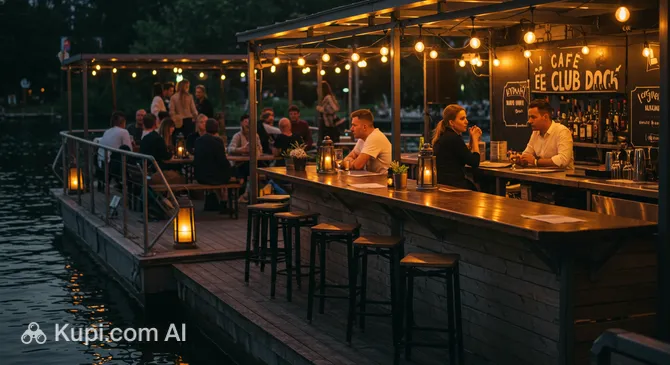
However, the city's entertainment scene extends far beyond just one famous street. For those seeking a more alternative or relaxed vibe, the riverbanks and surrounding districts offer excellent options. A perfect example is Cafe Club Dock, situated on the bank of the Ostravice River. This venue combines a cozy café atmosphere with a cultural club, frequently hosting live music, theater performances, and discussions. It is an ideal spot for visitors who prefer a laid-back evening with a view of the water rather than a crowded dance floor.

Cafe Club Dock. Source: Kupi.Binoculars

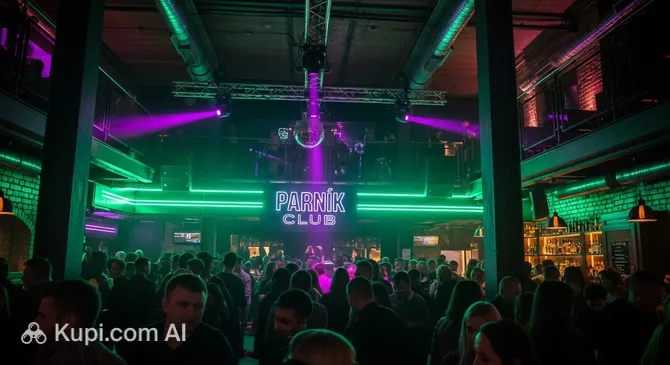
Music lovers will find plenty to appreciate in Ostrava's diverse venue selection. If you enjoy jazz, blues, or intimate concerts, Parník Club is a cultural staple in the city. It hosts regular musical events and offers a sophisticated yet welcoming environment. For a more traditional pub experience with a historic touch, Rynek Inn provides a warm setting to enjoy local drinks and socialize with friends. The prices in Ostrava are generally lower than in Prague, making a night out quite affordable.

Parník Club. Source: Kupi.Binoculars

During the daylight hours, the city offers a different kind of entertainment suitable for families and active travelers. If you are looking to relax or have some aquatic fun, Water World Sareza (Čapkárna) is a popular facility featuring both indoor and outdoor pools, water slides, and wellness zones. For those who prefer indoor activities, the Horník Entertainment Center offers various leisure options to pass the time pleasantly before the evening festivities begin.

When enjoying Ostrava at night, safety is generally not a major concern, but standard precautions apply. The area around Stodolní is heavily patrolled, but it can get very crowded, so keep an eye on your belongings. Getting around is easy; the city has an efficient network of night trams and buses that run reliably until the early morning hours. Alternatively, ride-hailing apps are widely available and offer a safe, convenient way to return to your accommodation.

Parks & Museums

While Ostrava is often recognized for its industrial heritage, the city is surprisingly green and boasts a rich cultural tapestry that extends far beyond its factories. Visitors can easily escape the urban bustle in expansive parks or dive deep into history and art in its varied museums and galleries.

One of the most beloved green spaces is Komenského sady (Comenius Gardens). Stretching along the banks of the Ostravice River near the city center, this vast park is the perfect spot for relaxation, jogging, or in-line skating. With its mature trees, well-maintained paths, and riverside atmosphere, it serves as a peaceful retreat where locals gather to unwind and enjoy the outdoors.

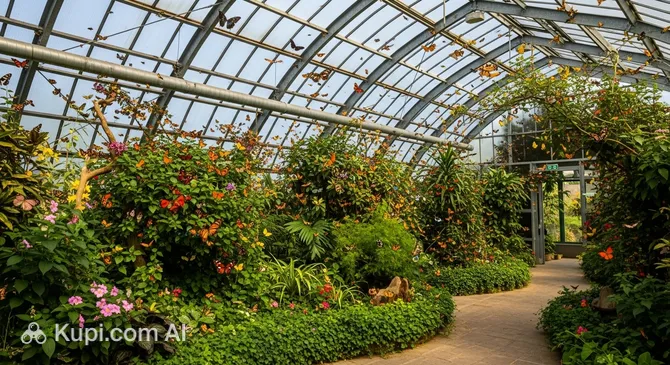
For a more exotic experience within the city limits, the Butterfly House Ostrava offers a colorful tropical escape. Located near the popular shopping areas, this attraction allows you to walk among hundreds of vibrant butterflies from around the world. It is a magical environment that is particularly delightful for families and nature enthusiasts, providing a stark contrast to the city's steel structures.

Butterfly House Ostrava. Source: Kupi.Binoculars

Another essential stop for nature lovers is the Ostrava Zoo and Botanical Park. Situated in the Slezská Ostrava district, it is the second-largest zoo in the Czech Republic. It is renowned for its spacious natural enclosures and successful breeding programs, making it a full-day destination where you can explore diverse ecosystems from around the globe in a beautiful forest setting.

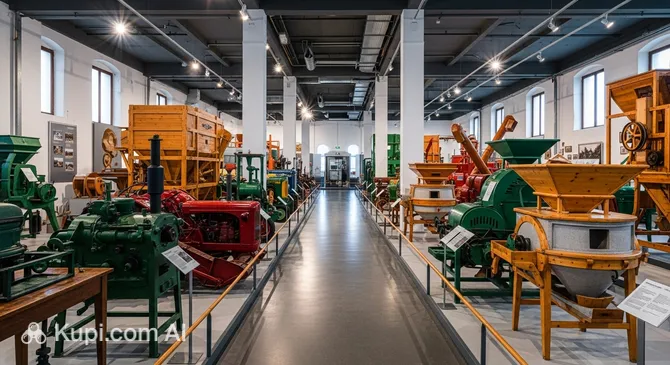
To understand the region's agricultural roots alongside its industrial ones, visit the National Agricultural Museum Ostrava. Housed in a revitalized industrial hall in the Lower Vítkovice area, this museum presents a fascinating look at the history of food processing and farming technology. Its interactive exhibits make complex topics accessible and engaging, offering a unique perspective on how technology has shaped our daily lives.

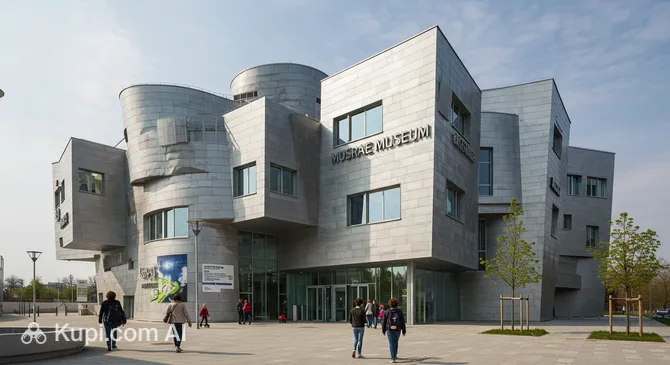
National Agricultural Museum Ostrava, Museum of Food and Agricultural Machinery. Source: Kupi.Binoculars

For art aficionados, the Gallery of Fine Arts (GVUO), also known as the House of Art, is a cultural gem. It holds an impressive collection of Czech and international art from the 19th and 20th centuries, including works by famous masters. The gallery's functionalist building itself is an architectural landmark and hosts rotating contemporary exhibitions that reflect the city's modern creative spirit.

For a truly authentic experience, take a walk through the Bělský Les forest park in the southern part of the city. It is a favorite local hideaway with winding trails and fresh air, offering a glimpse into how residents enjoy nature right on their doorstep.

Getting Around

Public transport in Ostrava is widely recognized as one of the most modern and efficient systems in the region. Operated by the local transport company (DPO), the network relies on a dense web of trams, which serve as the backbone of city travel, supported by an extensive system of trolleybuses and buses. While there is no metro system, the trams run frequently and connect all major districts, including the historic center, industrial sites, and residential suburbs, making it easy to navigate the city without a car.

The city has pioneered a user-friendly contactless payment system that is ideal for tourists. You do not need to purchase paper tickets in advance or look for kiosks. Instead, you can simply board any tram, bus, or trolleybus and use your standard contactless bank card (or a smartphone/smartwatch with Apple Pay or Google Pay) at the yellow terminals located inside the vehicle. The system automatically calculates the best fare for you. A standard transfer ticket is valid for 45 minutes, but if your journey is short (under 10 minutes), you can pay a reduced rate by tapping your card again when you exit ("tap on, tap off").

For those planning to travel extensively throughout the day, the system offers a convenient "daily cap." Once your accumulated fares reach the price of a 24-hour ticket, you will not be charged any more for the rest of the day, effectively giving you an unlimited day pass automatically. If you prefer traditional methods, yellow ticket vending machines accepting coins and cards are available at major stops, and you can also purchase tickets via the MojeDPO mobile app. Remember that paper tickets must be validated immediately upon boarding.

The network operates from the early morning hours, around 4:00 AM, until shortly before midnight. For late-night adventures, a reliable service of night trams and buses takes over, ensuring safe transport back to your accommodation at hourly intervals. These stops are clearly marked with schedules, and the central transfer point for night lines is typically at the Karolina or Hlavní nádraží (Main Station) stops.

If you prefer active mobility, Ostrava is very bike-friendly. The city has integrated the Nextbike shared bicycle system, which is extremely popular among locals. You can easily find pink bikes docked at stations across the city; the first 15 minutes of every ride are often free, making it a perfect option for short hops between attractions. For private transport, taxi apps like Bolt and Uber are active and generally offer better rates and reliability than hailing a cab on the street.

A unique feature of Ostrava's public transport is the presence of double-decker buses. Unlike the typical red London buses, these are modern turquoise vehicles that often run on specific scenic routes, such as Line 88, which connects the Lower Vítkovice area with the Zoo on weekends and holidays. Riding on the upper deck offers a fantastic vantage point to see the city's diverse architecture and industrial landmarks.

Accommodation

Where to Stay:

Finding the right place to stay in Ostrava is generally straightforward and affordable, especially when compared to the capital city of Prague. The city offers a diverse range of accommodation options that cater to various budgets and travel styles. Visitors can choose from modern business hotels, charming pensions located in renovated historical buildings, stylish apartments, and cost-effective hostels. Whether you are visiting for a cultural festival, a business trip, or a weekend of exploration, you will find suitable lodging that meets your needs.

The most popular area for tourists is undoubtedly the city center, particularly the district of Moravská Ostrava. Staying here places you within walking distance of key landmarks such as the New City Hall and the vibrant nightlife of Stodolní Street. This central location ensures you are never far from excellent restaurants, cafes, and major public transport hubs. For those who enjoy shopping and modern conveniences, looking for accommodation near the Forum Nová Karolina shopping mall is a practical choice, offering easy access to both retail therapy and transit connections.

If you are traveling specifically to attend an event at the Ostrava Arena or visiting the industrial marvels of the region, you might consider staying in the wider city center or near the Vítkovice district. This area is convenient for accessing the Lower Vítkovice complex, which hosts major music festivals and cultural events throughout the year. While these neighborhoods are slightly removed from the historic core, Ostrava’s efficient public transport system makes commuting quick and easy.

In terms of pricing, Ostrava is very wallet-friendly. Budget travelers can find hostels and guesthouses at very competitive rates, while mid-range and luxury hotels offer high standards of service for significantly less than what you would pay in Western European destinations. Most accommodations can be easily booked via major online platforms or directly through their websites.

Booking Tip: While room availability is generally good, the city fills up quickly during major international events, such as the "Colours of Ostrava" music festival in July or the "Golden Spike" athletic meeting. If your trip coincides with these dates, it is highly recommended to book your accommodation several months in advance to secure the best locations and prices.

Nearby Cities

For those looking to explore the surroundings, Ostrava serves as an excellent base for day trips to several interesting nearby locations. Just a short journey away lies Opava, the historical capital of Czech Silesia, renowned for its elegant parks, diverse museums, and rich cultural heritage. Another notable destination is Frýdek-Místek, often called the gateway to the Beskydy Mountains; this twin city boasts a picturesque historic square and a charming castle that hosts regular exhibitions. For architecture enthusiasts, Havířov offers a unique glimpse into the past with its protected zone of Socialist Realism architecture, known locally as "Sorela".

City Population Distance (km)
Havirov 70165 13
Opava 55996 29
Frydek-Mistek 55006 17
Karvina 50902 21
Trinec 34778 33

These nearby destinations offer a glimpse into the diverse culture and landscapes of the region.

Shopping & Souvenirs

Shopping in Ostrava offers a convenient mix of modern retail centers and traditional browsing experiences. While the city may not have the luxury avenues of Prague, it provides a comprehensive selection of international brands, high-street fashion, and unique local products. The shopping scene here is compact and accessible, allowing visitors to find everything they need without traveling great distances.

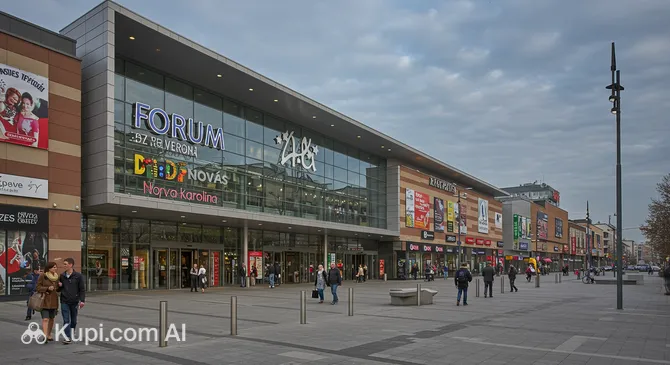
The heart of the city's retail life is undoubtedly the Forum Nová Karolina. Located just a short walk from the historic center, this architectural landmark is one of the largest shopping malls in the Czech Republic. It houses hundreds of stores ranging from fashion and electronics to books and cosmetics, along with a cinema and numerous dining options. Its central location makes it a natural meeting point for locals and tourists alike.

Forum Nová Karolina. Source: Kupi.Binoculars

For a different experience, travelers can visit the Avion Shopping Park. Situated on the outskirts of the city, this sprawling complex is easily accessible by bus or tram. It is home to a vast array of shops, including a large IKEA and sports retailers, making it an ideal destination for those looking for variety or specific household items.

Beyond the malls, the streets surrounding Masaryk Square (Masarykovo náměstí) in the city center offer a more traditional atmosphere. Here, you can find independent boutiques, antique shops, and bookstores nestled among historic buildings. This area is perfect for a leisurely stroll, where you can combine window shopping with a coffee break in one of the many charming cafes.

Markets are also a vibrant part of Ostrava's culture, particularly during the festive seasons. The Christmas markets held in the main square are famous for their festive atmosphere, offering handmade crafts, ornaments, and local treats. Throughout the year, seasonal farmers' markets provide an opportunity to purchase fresh regional produce, honey, and artisanal goods directly from local producers.

When looking for authentic souvenirs, consider items that reflect the region's industrial heritage and Silesian culture. Unique jewelry made from "black gold" (coal) is a distinctive local gift. Other popular choices include bottles of Ostravar beer, brewed locally since 1897, or traditional herbal liqueurs. Czech crystal and wooden toys are also widely available and make for timeless keepsakes.

Most shops in shopping malls are open daily from 9:00 AM to 9:00 PM, including weekends. Independent stores in the city center typically operate from 9:00 AM to 6:00 PM on weekdays and may have reduced hours or be closed on Saturdays and Sundays. Payment is hassle-free, with major credit and debit cards accepted almost everywhere, though keeping some cash (Czech Koruna) is advisable for small market stalls.

Tourists from outside the European Union should note that tax-free shopping is available in many larger stores. If you spend over 2,001 CZK in a single purchase at a participating retailer, you may be eligible for a VAT refund. Look for the "Tax Free Shopping" signage in store windows and ask for the refund form at the checkout.

Reached the end of the page?

That means the route is fully explored