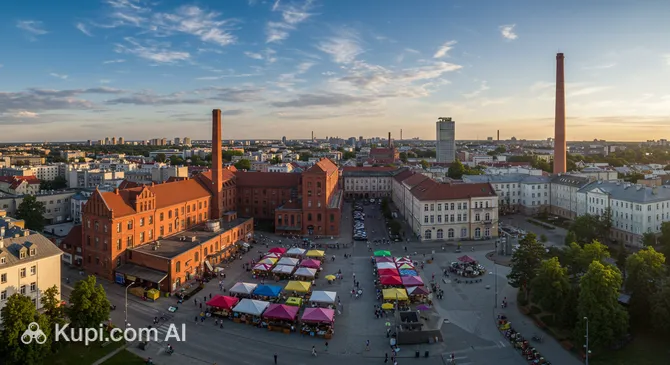
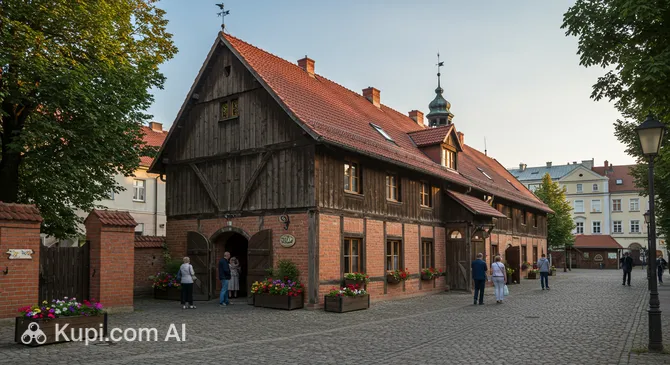
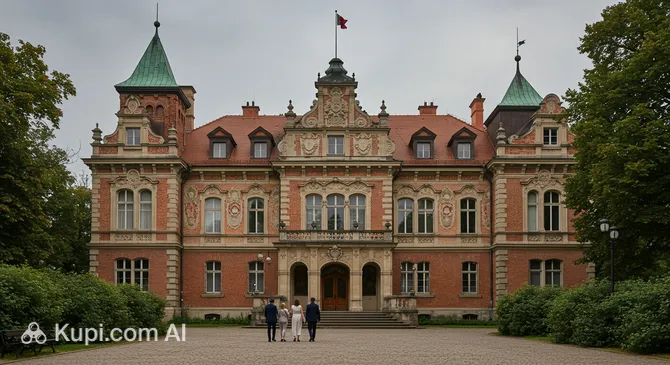
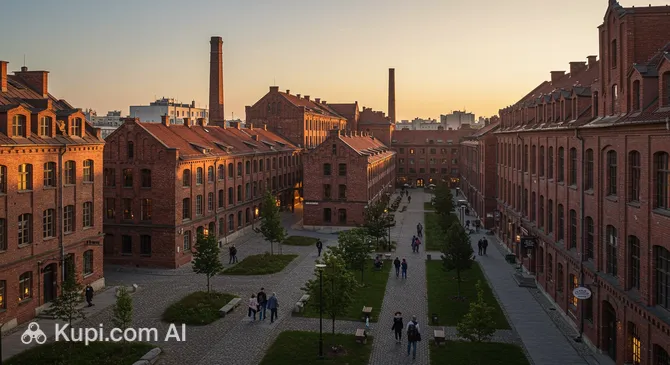
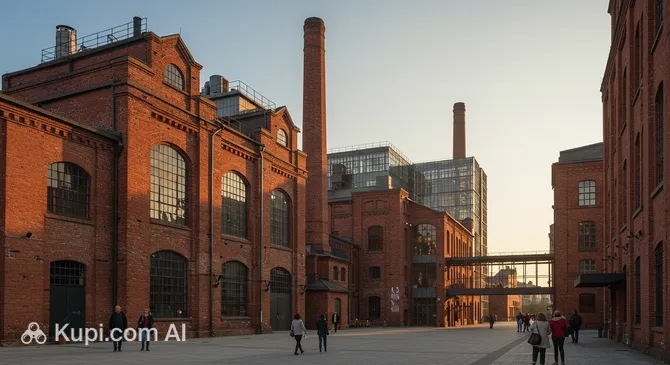
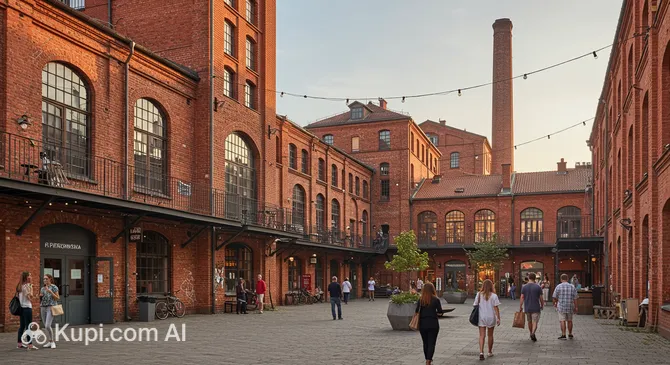
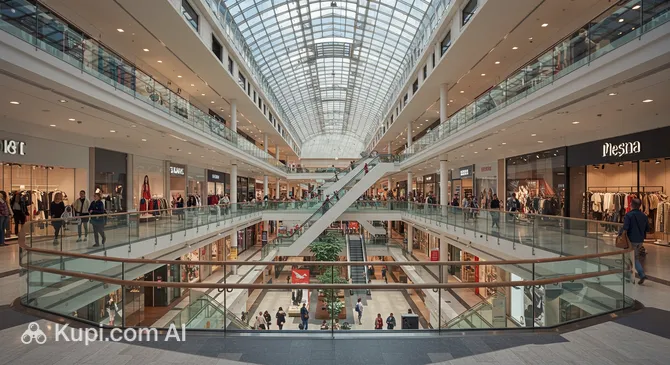
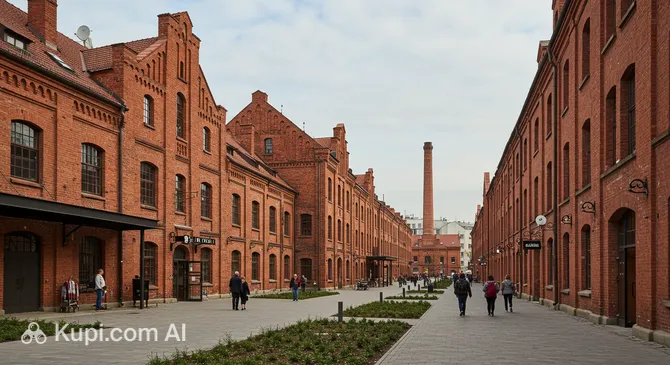
Lodz is a city of fascinating contrasts and vibrant creativity, offering a distinct experience for travelers in the heart of Poland. Often referred to as the "Polish Manchester," it is famous for its unique blend of industrial heritage and modern artistic flair. Unlike the medieval market squares found elsewhere in the country, Lodz boasts a landscape defined by grand 19th-century palaces and revitalized red-brick factories.
Lodz. Illustration.
Source: Kupi.com AI
Geographically, the city is situated in the center of the country, serving as the capital of the Łódź Voivodeship. With a population of approximately 690,000 residents, it stands as one of the largest and most significant urban centers in the region. Its central location makes it an accessible and intriguing destination for those exploring the diversity of Polish culture.
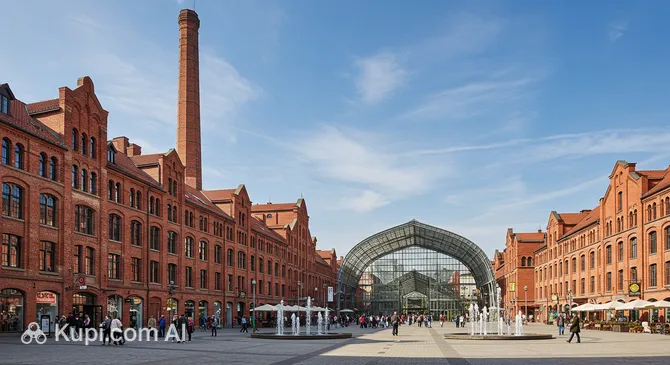
The history of Lodz is a captivating tale of rapid transformation from a small settlement to a textile empire. This industrial boom has left an indelible mark on the city's architecture and identity. Today, visitors can admire the seamless integration of the past and present, particularly in places like Manufaktura, a massive shopping and cultural complex housed in a beautifully renovated former factory.
A stroll down Piotrkowska Street is essential for any visitor; this lively promenade is one of the longest commercial streets in Europe and serves as the social spine of the city. Lodz is also celebrated for its cinematic legacy and impressive street art murals that decorate many building facades. Whether you are interested in industrial architecture or avant-garde art, Lodz invites you to discover its dynamic and unpretentious atmosphere.
Weather Overview
Lodz experiences a temperate climate with four distinct seasons, offering a different atmosphere depending on when you choose to visit. The summer months of June, July, and August are generally the most pleasant for outdoor sightseeing, with average temperatures hovering around 19°C to 20°C and daily highs reaching a comfortable 25°C. This period is ideal for exploring the city's parks and open-air attractions, though it is worth noting that these are also some of the wetter months, with rain occurring on about 12 to 13 days each month.
In contrast, the winter season brings a distinct chill to the city. From December to February, temperatures drop significantly, with averages ranging from 0.4°C to 1.8°C and minimums frequently dipping below freezing. January is typically the coldest month, seeing lows of around -1.7°C. Despite the cold, the precipitation volume remains low, though visitors should still anticipate damp conditions with up to 15 wet days in January.
Overall, the climate is moderately variable. Expect warm summers with occasional rain and cold winters that are perfect for enjoying the city's indoor cultural venues. To help you pack the right clothing for your specific travel dates, you can consult the detailed report on the weather in Lodz.
Average monthly temperature
Average monthly precipitation
Interesting Facts
Beyond the main attractions, Lodz holds many fascinating secrets that reveal its quirky character and rich heritage. From hidden waterways to cinematic legends, the city offers plenty of surprises for those who look beneath the surface.
Despite being a major metropolis, Lodz is built on a network of "invisible" rivers. The textile industry was originally powered by over 18 local streams, but today, most of them flow entirely through underground canals beneath the city streets, hidden from view.
The city is widely known as "HollyŁódź" due to its status as the heart of Polish filmmaking. It is home to the famous National Film School, where world-renowned directors studied, and you can explore this cinematic history at the Cinema Museum in Łódź.
Locals have a unique and whimsical name for the central tram station hub: the Unicorn Stable. This architectural curiosity features a multi-colored, stained-glass membrane roof that glows in the sunlight, resembling the magical aura of the mythical creature.
Hidden within a seemingly ordinary courtyard on Piotrkowska Street is the Rose Passage. This dazzling art installation involves millions of small, irregular mirror pieces covering the facade of the buildings, creating a surreal and shimmering mosaic that plays with light.
Unicorn Stable. Illustration.
Source: Kupi.com AI
Traveler photos:
How to Get There
Reaching this vibrant city is straightforward thanks to its central location in Poland and good connectivity. Whether you prefer flying or taking the train, there are several options to suit your itinerary. You can find detailed information and all ways to reach the city on our dedicated transport page.
The most convenient entry point is the local Lodz Lublinek Airport (LCJ). Located directly in the city, it is just 6.1 km from the center. This regional airport handles a modest volume of traffic but offers a quick connection to the heart of the city, with a transfer time of approximately 30 minutes by taxi or bus.
For a wider range of international flights, many travelers opt for Frederic Chopin Airport (WAW) in Warsaw. This is the country's largest major hub, handling millions of passengers annually. It is situated in the capital, approximately 113 km from Lodz. The journey from the airport to Lodz typically takes between 1.5 to 2 hours by train or car via the motorway. Another viable option is Warsaw-Modlin Airport (WMI) in Nowy Dwor Mazowiecki, located roughly 112 km away. Known for serving low-cost carriers, it is about a 2-hour drive from the city.
For clarity, here is a summary of the main airports:
If you are traveling by rail from international destinations, you might transit through major hubs nearby. One of the most significant connections is Warszawa Centralna in Warsaw. Although this station is not in Lodz itself, it is a primary node located about 118 km away. Direct trains connect the two cities in roughly 1.5 hours. Another major railway point is Poznań Główny Railway Station (RPZ) in Poznan, situated roughly 188 km from Lodz. A train journey from this station typically takes around 2.5 to 3 hours.
Below is a list of major railway stations in the vicinity:
Lodz offers a sightseeing experience quite unlike any other Polish city. Its attractions are deeply rooted in its industrial past, transforming former factories and opulent palaces into vibrant centers of culture, entertainment, and science. Exploring these sites provides a unique window into the era when this city was a textile powerhouse.
One of the most iconic destinations is Manufaktura. This sprawling complex is the crown jewel of the city's revitalization efforts, housed in the former textile factory of the industrial magnate Izrael Poznański. It is now a bustling hub containing a shopping mall, museums, a cinema, and numerous restaurants. Tourists love it for its striking red-brick architecture and the lively market square that hosts concerts, beach bars in summer, and a skating rink in winter.
Manufaktura. Illustration.
Source: Kupi.com AI
Traveler photos:
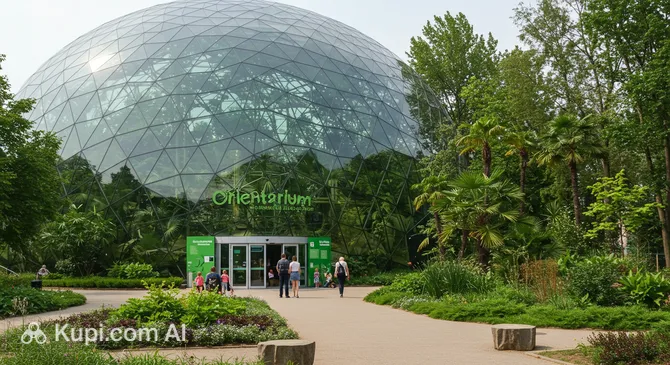
For families and nature enthusiasts, the Orientarium Zoo Łódź is a must-see highlight. This modern facility is specifically dedicated to the fauna and flora of Southeast Asia. The main attraction is the underwater tunnel, where visitors can watch sharks and rays swim overhead, as well as the spacious enclosures for Indian elephants. It stands as one of the most advanced and immersive zoo complexes in Europe.
Orientarium Zoo Łódź. Illustration.
Source: Kupi.com AI
Traveler photos:
Often referred to as the "Louvre of Lodz," the Izrael Poznański Palace is a testament to the immense wealth of the city's 19th-century factory owners. Located right next to Manufaktura, this eclectic neo-Baroque residence features lavish interiors that have been beautifully preserved. Inside, it houses the Museum of the City of Lodz, offering a fascinating glimpse into the luxurious lifestyle of the industrial elite and the history of the region.
Izrael Poznański Palace. Illustration.
Source: Kupi.com AI
Traveler photos:
To step back in time, take a walk through Ksiezy Mlyn (Priest's Mill). This historic district was originally built as a self-sufficient town for factory workers, complete with housing, a school, and a fire station. Today, it is a quiet, atmospheric area filled with renovated lofts, artist studios, and charming cafes. It is a perfect spot for photography and for understanding the social fabric of the industrial era.
Ksiezy Mlyn. Illustration.
Source: Kupi.com AI
Traveler photos:
Another prime example of industrial repurposing is EC1 Łódź – City of Culture. Located in a revitalized historic power plant near the central station, this center is a haven for science and art lovers. It features a planetarium, the National Centre for Film Culture, and an interactive Center for Science and Technology. The architecture alone, which integrates preserved industrial machinery with modern design, makes it a fascinating place to explore.
EC1 Łódź – City of Culture. Illustration.
Source: Kupi.com AI
Traveler photos:
Local Cuisine
The culinary landscape of Lodz is as diverse and textured as its history, blending traditional Polish flavors with Jewish, German, and Russian influences. The city’s gastronomy has evolved from hearty, simple meals designed for factory workers into a sophisticated scene that values local produce and creative reinvention. Today, dining here is often an experience set against the backdrop of red-brick industrial architecture.
When it comes to signature dishes, you cannot leave the city without trying zalewajka. This rustic soup is the culinary symbol of Lodz, traditionally made with a sour rye starter (similar to żurek), diced potatoes, and sausage or bacon, often enriched with wild mushrooms. Another local favorite, especially in late summer and autumn, are knedle ze śliwkami—soft potato dumplings stuffed with sweet plums and topped with butter and cinnamon or breadcrumbs. For a more substantial meal, roasted goose is a regional specialty that features prominently on many menus.
For the most vibrant food experience, head straight to OFF Piotrkowska. Located within the grounds of a former cotton mill, this alternative district is the beating heart of the city's modern dining culture. It is packed with food trucks, slow-food bistros, and trendy restaurants serving everything from gourmet burgers to asian fusion cuisine. It is the perfect place to see how the city transforms its industrial legacy into a hipster gastronomic hub.
OFF Piotrkowska. Illustration.
Source: Kupi.com AI
Traveler photos:
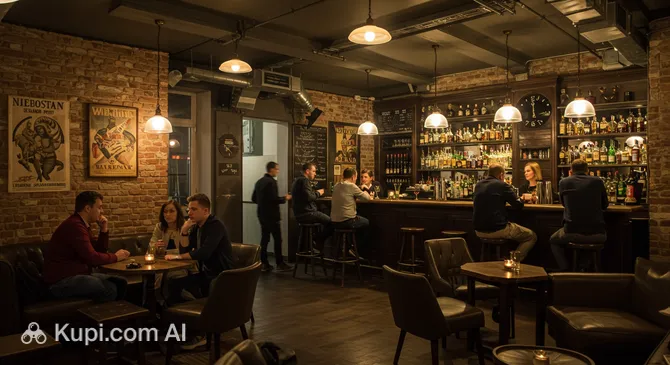
The beverage scene in Lodz is equally exciting, with a strong emphasis on craft beer. The city is home to several microbreweries that experiment with bold flavors, and you can find these local brews in the many pubs lining Piotrkowska Street. For a more artistic vibe, places like Niebostan offer a unique setting where coffee and cocktails are enjoyed amidst books and cultural events. Whether you prefer a classic vodka shot with herring or a meticulously poured flat white, the city's cafe culture caters to all tastes.
If you are looking for top-tier international flavors, the city surprises with high-quality options like Ato Ramen, which is widely considered one of the best spots of its kind in the country. However, for a quick and authentic bite, the street food culture along the main promenade is thriving, offering delicious "zapiekanka" (toasted baguette with mushrooms and cheese) to fuel your sightseeing.
Travel Tips
Welcome to Lodz! To ensure your visit to this post-industrial gem is seamless, we have gathered some essential practical advice. These tips will help you navigate the city's unique layout and local customs like a pro.
Smart Packing for the Season. Poland has four distinct seasons, so checking the forecast before departure is crucial. In winter, thermal wear is a must, while summers can be surprisingly hot. Since you will likely spend a lot of time walking along the exceptionally long Piotrkowska Street, bring very comfortable walking shoes.
Getting Around. The public transport system (MPK Łódź), consisting of trams and buses, is efficient and covers the whole city. You must buy a ticket (at kiosks, ticket machines on board, or via mobile apps) and validate it immediately upon entering the vehicle. Ride-hailing apps like Uber and Bolt are also widely available and affordable if you prefer a car.
Currency and Payments. The official currency is the Polish Złoty (PLN). While some tourist spots might accept Euros, the exchange rate is usually poor, so stick to PLN. Card payments and contactless methods (Apple Pay, Google Pay) are accepted almost everywhere, even in small kiosks, so you won't need to carry large amounts of cash. Tipping around 10% in restaurants is standard practice.
Stay Safe and Healthy. Lodz is generally a safe city for tourists. Pharmacies are marked with a green cross and the word "Apteka"; look for "Apteka Dyżurna" signs if you need 24-hour service. In case of any emergency, dial 112 for immediate assistance.
Language and Connectivity. English is widely spoken by the younger generation and in hospitality, but learning a simple "Dzień dobry" (Good morning) or "Dziękuję" (Thank you) is always appreciated. Prepaid SIM cards are cheap and available at convenience stores like Żabka, but remember you must present a passport to register them by law.
Local Manners. Polish people value politeness. When entering a shop, elevator, or waiting room, it is customary to greet others. On public transport, always give up your seat to elderly people, pregnant women, or parents with small children, as this is a strictly observed social norm.
Strict Rules to Follow. Avoid drinking alcohol in public places such as parks, streets, or squares, as it is strictly prohibited and can result in a fine. Additionally, do not jaywalk; crossing the street at a red light or outside designated crosswalks is taken seriously by the police and can be dangerous.
The Rickshaw Experience. Since the main promenade, Piotrkowska Street, is over 4 kilometers long, walking it back and forth can be tiring. Make use of the iconic bicycle rickshaws (trishaws) that operate along the street—they are a fun, inexpensive, and quintessentially local way to travel between Manufaktura and the southern part of the center.
With these practical tips in hand, you are ready to dive into the vibrant atmosphere of Lodz without worry. Enjoy the unique architecture, delicious food, and the creative spirit of this fascinating city!
Entertainment & Nightlife
Lodz transforms into a vibrant hub of activity after dark, driven largely by its significant student population and creative community. The city's nightlife is legendary in Poland, centered primarily around the bustling Piotrkowska Street. This iconic promenade serves as the spine of evening entertainment, lined with hundreds of pubs, dance clubs, and beer gardens tucked away in atmospheric courtyards. Whether you are looking for a sophisticated cocktail bar or a rowdy student pub, you will likely find it here.
For those seeking a high-energy clubbing experience, the Manufaktura Night Club offers a modern setting to dance the night away. It is part of the larger Manufaktura complex, which shifts from a shopping destination by day to an entertainment zone by night. If you prefer a more alternative and artistic atmosphere, Niebostan is a unique venue located in a historic tenement house on Piotrkowska. It functions as a cultural cafe and club, perfect for enjoying drinks surrounded by books and eclectic decor.
Niebostan. Illustration.
Source: Kupi.com AI
Traveler photos:
The vibe in Lodz is generally relaxed and unpretentious. Most venues do not have a strict dress code, with "smart casual" being the standard, although some upscale clubs might be more selective. The party typically starts late, with bars filling up around 9:00 PM and clubs hitting their peak after midnight. For a more activity-based evening, you can visit STREFA Billiards & Darts, a popular spot for groups to enjoy a game and a beer in a friendly environment.
Music lovers should keep an eye on the schedule for the Atlas Arena. As one of the largest indoor venues in the country, it regularly hosts major international concerts, sporting events, and grand shows. On warm evenings, the post-industrial OFF Piotrkowska area is the place to be, where the outdoor seating buzzes with conversation and music well into the night.
Regarding safety and logistics, the main nightlife areas are well-lit and generally safe, though Piotrkowska Street can get quite rowdy on weekends. It is advisable to stick to the main thoroughfares and avoid unlit backstreets late at night. Public transport runs night buses, but for convenience and safety, using ride-hailing apps like Uber or Bolt is recommended. They are affordable and reliable, sparing you the trouble of navigating the night bus network.
Before the sun sets, Lodz offers plenty of daytime entertainment options to keep adrenaline levels high. You can test your wits at the Tkalnia Zagadek Escape Room, which offers immersive puzzles set in industrial themes. Alternatively, for water enthusiasts, the Fala Aquapark is one of the largest water parks in Poland, featuring massive slides and a tropical palm house, providing fun for visitors of all ages.
Parks & Museums
While Lodz is famous for its industrial red-brick architecture, the city is surprisingly green and boasts a rich array of cultural institutions that celebrate its unique heritage. Beyond the factory walls, visitors can discover tranquil gardens and world-class museums that tell the story of the city's transformation from a textile giant to a modern creative hub.
For a refreshing escape into nature, the Botanical Garden in Łódź is one of the largest and most diverse in the country. Covering over 60 hectares, it features various thematic sections, including a Japanese garden and an Alpine rockery. It is a perfect spot for a leisurely walk, offering a colorful display of flora that changes with the seasons.
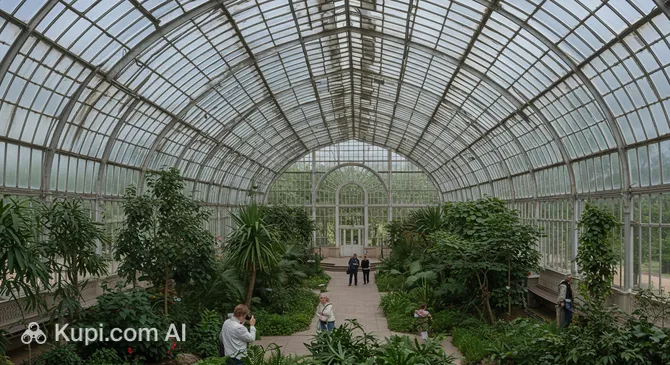
Another green gem is Źródliska Park I, the oldest park in the city. It radiates a historic charm with its ancient trees and English-style layout. Within its grounds, you will find the historic Palm House. This glass-enclosed conservatory allows you to step into a tropical climate regardless of the weather outside, housing a collection of exotic plants, palms, and even turtles that are over 100 years old.
Palm House. Illustration.
Source: Kupi.com AI
Traveler photos:
To truly understand the identity of Lodz, a visit to the Central Museum of Textiles is essential. Located in the majestic "White Factory" complex, it is the oldest museum of its kind in the region. It offers a comprehensive look at the history of the textile industry, fashion trends through the decades, and the technology that powered the city's growth. The interactive exhibits make it engaging for visitors of all ages.
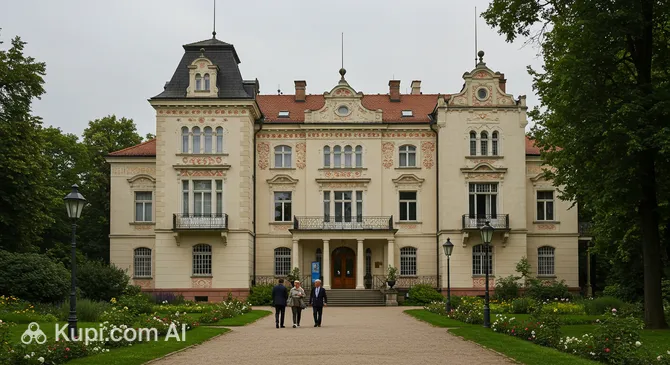
Art and history lovers should not miss the Herbst Palace Museum. This beautifully restored residence, once belonging to a wealthy industrialist family, offers a glimpse into the luxurious life of the 19th-century elite. The museum features authentic interiors, a carriage house, and a lovely garden, providing a stark but fascinating contrast to the workers' housing found in other parts of the city.
Herbst Palace Museum. Illustration.
Source: Kupi.com AI
Traveler photos:
For a unique "insider" experience, head to the Łódź City Culture Park. This open-air museum (skansen) transports you back in time with its collection of wooden architecture typical of the region's past. It is a quiet, atmospheric place where you can see traditional weavers' houses and a wooden church, offering a perspective on the pre-industrial history of the area that is often overlooked.
Getting Around
Navigating Lodz is straightforward and efficient, primarily relying on a comprehensive network of trams and buses managed by MPK Łódź. Unlike some other major European cities, there is no traditional underground metro system here. Instead, the tram network serves as the backbone of public transit, connecting the city center with outer districts rapidly. These trams are often the fastest way to get around, bypassing traffic on major thoroughfares.
The bus network complements the tram lines, reaching areas where rails do not go. Both modes of transport operate on the same ticketing system, which is based on time limits rather than distance. This means you purchase a ticket valid for a specific duration—typically 20, 40, or 60 minutes—allowing for unlimited transfers within that timeframe. For tourists planning a full day of sightseeing, 24-hour or multi-day tickets are also available and offer excellent value.
Tickets can be purchased easily through several channels. Stationary ticket machines, which support multiple languages, are located at most major stops and transport hubs. You can also find ticket machines inside most modern vehicles; however, be aware that onboard machines often accept only card payments. For the most convenient experience, it is highly recommended to use mobile apps like Jakdojade, SkyCash, or moBiLET, which allow you to buy and validate tickets directly from your smartphone.
If you opt for a paper ticket, remember the most important rule: validate it immediately upon boarding. Look for the small yellow or orange validators inside the bus or tram. Failure to do so is treated the same as not having a ticket and can result in a hefty fine during routine inspections. Public transport generally operates from early morning until around 11:00 PM. After this time, a network of night buses takes over, converging at the central hub near the "Unicorn Stable" tram station to ensure safe travel across the city at late hours.
For alternatives to public transit, ride-hailing apps like Uber, Bolt, and Free Now are widely used, reliable, and relatively inexpensive compared to western standards. Traditional taxis are also plentiful and can be hailed from designated stands or ordered by phone. If you prefer to be active, the city offers the Łódzki Rower Publiczny (Lodz Public Bike) scheme. You can easily rent a bicycle from one of the many docking stations scattered throughout the city using a mobile app, which is a great way to explore the greener parts of the city.
A unique feature of local transport, specifically found on the pedestrianized Piotrkowska Street, is the fleet of bicycle rickshaws (trishaws). Since regular cars and buses are restricted in this area, these rickshaws are a popular and charming way to travel the 4-kilometer length of the promenade. They are not part of the official MPK network, so you will need to agree on a fare with the driver, but they offer a quintessential Lodz experience that blends transport with sightseeing.
Accommodation
Lodz offers a diverse and rapidly expanding range of accommodation options that reflect the city's unique post-industrial character. Visitors can choose from a wide spectrum of places to stay, ranging from budget-friendly hostels and comfortable mid-range apartments to luxurious hotels housed in revitalized red-brick factories. Unlike many other European cities where the "old town" is the primary base, here the best stays are often found in converted 19th-century textile mills or elegant tenement houses that have been modernized with style.
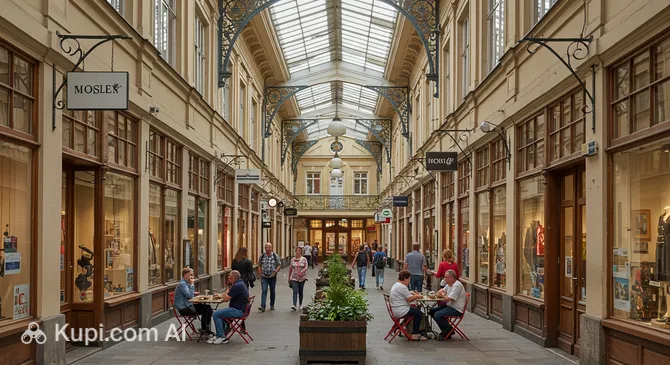
The most popular area for tourists is undoubtedly the vicinity of the famous Piotrkowska Street. Staying here puts you right in the heart of the action, with immediate access to hundreds of restaurants, pubs, and shops. The side streets and passages branching off the main promenade, such as the picturesque Schiller Passage, often hide charming boutique hotels and quiet apartments that offer a respite from the city buzz while keeping you centrally located.
Schiller Passage. Illustration.
Source: Kupi.com AI
Traveler photos:
Another excellent location is the area around Manufaktura. This district is particularly convenient for families and shoppers, offering proximity to major museums, a cinema, and the city's premier shopping complex. The accommodation here often leans towards the upscale, with some of the city's most iconic loft-style hotels located directly within the historic factory walls. For those seeking a greener and more tranquil atmosphere, the historic district of Ksiezy Mlyn offers unique rental apartments in former workers' housing, providing an immersive historical experience.
Booking Tip: While Lodz is generally less crowded than Warsaw or Krakow, it hosts several major events throughout the year, such as the Light Move Festival. During these times, the city fills up quickly, so it is highly recommended to book your accommodation well in advance to secure the best rates and locations.
In terms of pricing, the city is very affordable compared to other major Polish destinations. You can expect to find high-quality lodgings at reasonable prices, with a solid selection of budget and mid-range options. Booking is most easily done through major online platforms, which offer a wide variety of verified apartments and hotel rooms. Whether you prefer the anonymity of a modern hotel chain or the character of a renovated vintage apartment, Lodz has something to suit every traveler's taste and budget.
Nearby Cities
For those looking to explore the surroundings, Lodz serves as an excellent base for day trips to several interesting nearby locations:
City
Population
Distance
Konstantynow Lodzki
18 960
9 km
Zgierz
55 079
11 km
Aleksandrów Łódzki
22 148
12 km
Pabianice
64 988
13 km
Brzeziny
12 501
21 km
One of the most historically significant towns in the vicinity is Piotrków Trybunalski. Often celebrated as the cradle of Polish parliamentarianism, it boasts a charming Old Town that has retained its medieval layout. Visitors can explore the Royal Castle and wander through the market square, which has served as a backdrop for numerous films due to its authentic atmosphere.
For nature enthusiasts, Tomaszow Mazowiecki offers a delightful escape. The town is famous for the "Blue Springs" (Niebieskie Źródła) Nature Reserve, where turquoise-colored water bubbles up from underground springs surrounded by lush greenery. Nearby, the Open-Air Museum of the Pilica River provides an interesting look at the region's military and ethnographic history.
Just a stone's throw away from Lodz lies Zgierz, known for its unique "City of Weavers" cultural park. This area features a collection of restored 19th-century wooden houses that once belonged to clothiers, offering a rare glimpse into the wooden architecture that preceded the brick industrial boom of the region.
These nearby destinations offer a glimpse into the diverse culture and landscapes of the region.
Shopping & Souvenirs
Shopping in Lodz is a distinctive experience that perfectly mirrors the city's unique character. Unlike typical retail destinations, commerce here is frequently set against a backdrop of revitalized industrial architecture. Visitors can expect to find a fascinating mix of high-end international brands, local design boutiques, and artistic concept stores, often housed in beautifully restored red-brick factories. Whether you are looking for the latest fashion trends or unique handmade crafts, the city offers a shopping environment that is as visually impressive as it is diverse.
The undisputed spine of the city's retail scene is Piotrkowska Street. As one of the longest commercial promenades in Europe, it serves as an open-air shopping mall lined with elegant tenement houses. A walk down this street reveals a variety of specialized shops, bookstores, and antique dealers. For those seeking something more alternative, the OFF Piotrkowska area is a must-visit. Located just off the main drag, this creative hub is home to showrooms of local fashion designers, concept stores, and art studios, offering products that you won't find in standard chain stores.
When it comes to large-scale shopping centers, Lodz boasts some of the most impressive malls in the country. The most iconic is Manufaktura, a massive complex that has garnered international acclaim for its design. It offers hundreds of shops, from popular high-street names to exclusive boutiques, all situated within a historic textile factory. Another key destination is Galeria Łódzka, located conveniently near the southern end of Piotrkowska Street. Its architecture pays homage to the industrial style of the surrounding area, and it houses around 160 stores, providing a comprehensive shopping experience in the city center.
Galeria Łódzka. Illustration.
Source: Kupi.com AI
Traveler photos:
For a newer addition to the retail landscape, you can visit Geyer Gardens. This revitalized complex is transforming another historic industrial site into a modern mixed-use space, blending shopping, dining, and services in a way that respects the city's heritage.
Geyer Gardens. Illustration.
Source: Kupi.com AI
Traveler photos:
While modern malls dominate, the city also retains a culture of traditional markets. Local "bazaars" and market halls can still be found in various districts, offering fresh seasonal produce, flowers, and budget-friendly clothing. These markets are excellent places to observe daily local life and buy fresh Polish fruits, vegetables, or artisanal food products directly from producers.
If you are hunting for souvenirs, Lodz's textile history offers the best inspiration. High-quality linen and cotton products, such as tablecloths, bedding, or fashion accessories, make for meaningful gifts. Due to the city's cinematic heritage, film-related memorabilia is also a popular choice. Additionally, the flourishing local art scene means you can find unique ceramics, graphics, and jewelry created by Lodz-based artists, particularly in the boutiques around OFF Piotrkowska.
Standard shopping hours in Lodz are generally from 9:00 AM or 10:00 AM to 9:00 PM for major shopping malls, Monday through Saturday. Smaller boutiques on the high street may close earlier, around 6:00 PM or 7:00 PM. It is important to remember that Poland enforces a Sunday trading ban, meaning most large shops and supermarkets are closed on Sundays, with few exceptions for specific shopping Sundays throughout the year. Payment is hassle-free, with credit and debit cards (Visa, Mastercard) and contactless payments being widely accepted everywhere, even for small transactions.
Travelers from outside the European Union can take advantage of the Tax-Free shopping scheme. Many larger stores and international brands in Lodz participate in the Global Blue or similar refund systems. Look for the "Tax Free" signage in shop windows. If you spend a minimum amount (usually 200 PLN) on a single receipt, you can ask for a tax refund form to claim back the VAT upon leaving the EU.