Support

Brest

About

Brest is one of the oldest and most atmospheric cities in Belarus. Located in the southwestern corner of the country, right on the border with Poland, it serves as a symbolic gateway connecting East and West. This vibrant city is situated at the confluence of the Western Bug and Mukhavets rivers and is home to approximately 340,000 residents, making it a lively regional center with a rich cultural tapestry.

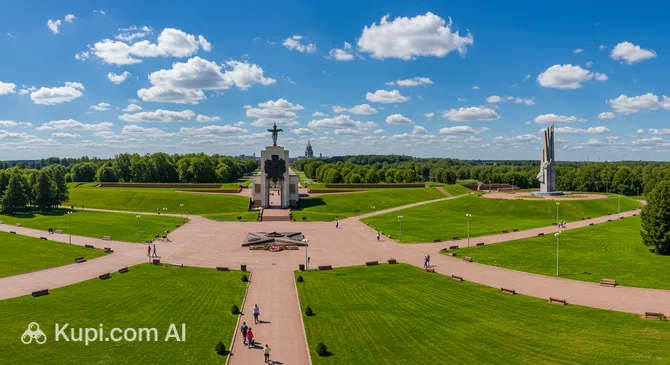
The history of Brest spans over a millennium, having been first mentioned in chronicles in 1019. This deep heritage is best experienced at the monumental Brest Fortress, a sprawling 19th-century fortification that is the city's most iconic landmark. Inside the fortress complex, visitors can also find the unique Berestye Archeological Museum, which protects an excavated medieval settlement with authentic wooden buildings dating back to the 13th century.

Brest. Source: Kupi.Binoculars

Beyond its historical sites, the city offers a charming modern atmosphere. A highlight for many tourists is a stroll down the pedestrian Sovetskaya Street. Here, a delightful tradition comes alive every evening when a uniformed lamplighter manually lights the kerosene street lamps, creating a magical ambiance. With its blend of heroic monuments, ancient archaeology, and cozy streets, Brest is a truly captivating destination worth adding to your travel itinerary.

Weather Overview

Brest experiences a temperate continental climate with four distinct seasons, making it a year-round destination with varying atmospheres. Generally, travelers can expect warm summers with occasional rain and cold winters. To help you pack appropriately for your specific travel dates, it is helpful to consult the detailed guide to the weather in Brest.

The summer months of June, July, and August are the warmest, with average temperatures hovering around 19°C to 20°C and daily highs frequently reaching a comfortable 25°C. However, this is also a relatively wet period, so bringing an umbrella is advisable. In contrast, winter brings freezing temperatures, with January seeing averages around -1°C and lows dropping to -3°C. The transition months of May and September are often ideal for sightseeing, offering mild average temperatures between 13°C and 15°C.

Interesting Facts

Beyond the main attractions, Brest holds many fascinating secrets that often escape the casual observer's eye. This border city is full of historical quirks and unique traditions that make it unlike any other place in the country.

  • The City That Moved: One of the most surprising facts about Brest is that the city center has not always been in its current location. In the 1830s, the entire ancient town of Berestye was effectively erased and moved two kilometers to the east to make way for the construction of the massive Brest Fortress. The "Old City" now lies buried beneath the fortifications, meaning the modern city center is actually a 19th-century "New Town."

  • The "Flying" Trains: Due to the difference in railway track gauges between the post-Soviet region and Western Europe, Brest serves as a unique technical checkpoint. Trains traveling to Poland must stop here for approximately two hours to have their wheels (bogies) changed. Passengers often stay inside the carriages while hydraulic jacks lift the entire train into the air to swap the wheelsets, a rare spectacle for international travelers.

  • A Literary Avenue: While walking down Gogol Street, you will encounter an open-air gallery of artistic lanterns inspired by the works of the famous writer Nikolai Gogol. Each wrought-iron lamp is a unique sculpture depicting characters or scenes from his stories, such as a burning manuscript from "Dead Souls" or the nose from his satirical short story "The Nose."

How to Get There

Brest serves as a major transportation hub in Western Belarus, historically acting as a bridge between the East and the West. Due to its strategic location, the city is accessible by various means of transport, though planning your route in advance is recommended. For a detailed overview of all available routes and travel tips, you can read more about how to get to Brest.

The most convenient option for air travel directly to the city is Brest Airport (BQT). It is a regional airport located approximately 9.2 km from the city center. A taxi ride from here to the downtown area typically takes around 35 minutes. While it serves the city directly, flight options may be limited compared to larger international hubs.

For international travelers, a common alternative is flying into neighboring Poland and then continuing by land. The most significant nearby hub is Frederic Chopin Airport (WAW) in Warsaw, situated about 192 km away from Brest. This is a large international airport with extensive global connections. Another option in the vicinity is Lublin Airport (LUZ) in Świdnik, roughly 120 km away. Travelers choosing these airports should account for the additional travel time required to cross the border by bus or train.

For clarity, here is a summary of the main airports:

Airport Name City Passenger Traffic Km from City
Frederic Chopin Airport Warsaw Very High 191.6
Warsaw-Modlin Airport Nowy Dwor Mazowiecki High 215.9
Lublin Airport Świdnik Medium 120.1
Radom Airport Radom Small 193.3
Brest Airport Brest 9.2

Traveling by train is one of the most popular and atmospheric ways to arrive. The city is served by Brest Central Station, a major railway junction located just 5.7 km from the heart of the city. This station is an architectural landmark in itself and handles significant passenger traffic, connecting Brest with the capital, Minsk, and other regional cities. A trip from the station to the city center is quick, taking approximately 30 minutes by taxi or public transport.

Below is a list of railway stations serving the area:

Station City Passenger Traffic Km to Center
Brest Central Station Brest High 5.7
Zhabinka Railway Station Zhabinka Medium 20.7
Kobryn Railway Station Kobryn Medium 42.2
Oranchitsy Railway Station Pruzhany 66.2
Drohichyn Railway Station Drahichyn 88.7

Main Attractions

While the historic fortress and pedestrian streets often steal the spotlight, Brest offers a variety of other interesting locations for leisure, shopping, and dining. Exploring these local favorites provides a glimpse into the everyday life of the city's residents and offers a change of pace for travelers looking to unwind.

For a relaxing walk combined with a touch of history, the Park of Internationalist Soldiers is a noteworthy destination. This green space serves as a serene recreational area and a memorial complex. It is particularly interesting for those who appreciate military history, as the park features an open-air display of military vehicles, including a BTR armored carrier. The scenic paths and the respectful atmosphere of the monuments make it a quiet place for reflection away from the city center's bustle.

Park of Internationalist Soldiers. Source: Kupi.Binoculars

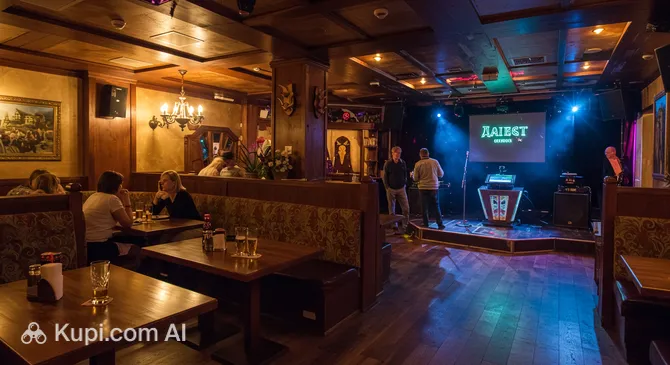
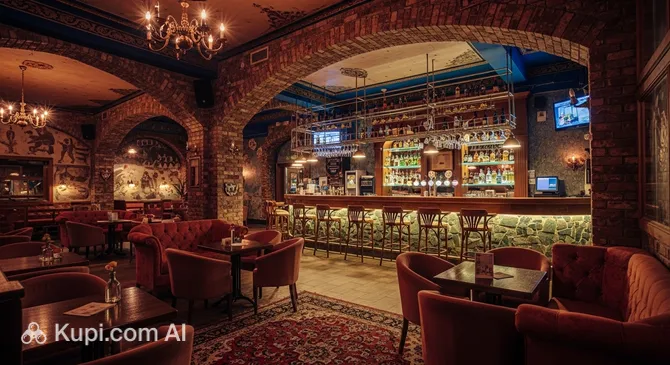
If you are looking for entertainment and a lively atmosphere, the Karaoke Club Restaurant '12 Chairs' is a popular choice. Inspired by the famous satirical novel by Ilf and Petrov, this establishment combines a restaurant with a vibrant nightlife venue. It is an excellent spot for tourists who want to experience the local social scene, enjoy a hearty meal, or test their singing skills in a fun, themed environment.

Karaoke Club Restaurant '12 Chairs'. Source: Kupi.Binoculars

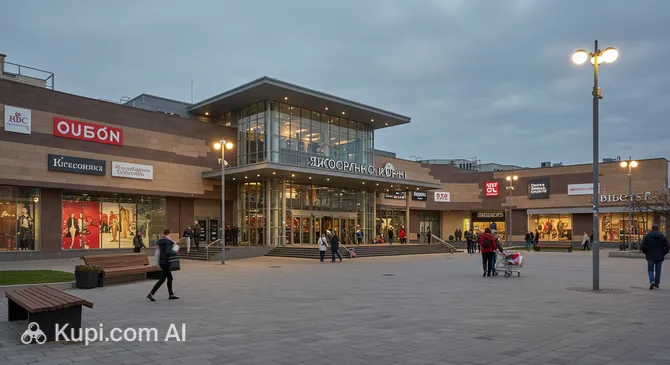
For those interested in modern retail and picking up souvenirs, Korona is one of the city's premier shopping destinations. As a large hypermarket and shopping mall, it offers a wide range of goods, from local Belarusian products to international brands. It is a convenient stop for travelers needing to resupply or looking to buy gifts, offering a comfortable, modern shopping experience with ample amenities.

Korona. Source: Kupi.Binoculars

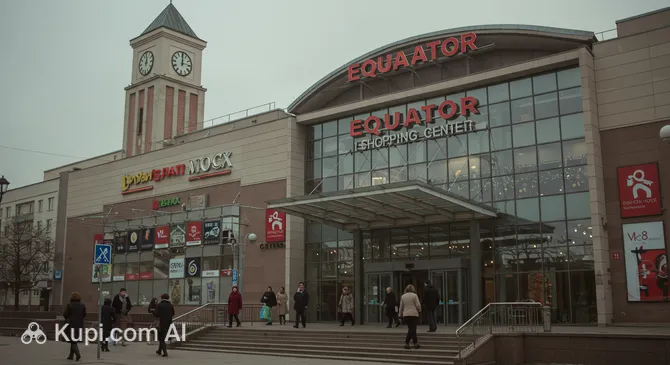
Another significant spot for retail therapy is the Equator Shopping Center. Known for its distinct colorful facade, this mall is a hub for family-friendly activities and shopping. It houses various clothing stores, electronics shops, and food outlets, making it a practical and enjoyable place to spend a few hours, especially on a rainy day.

Equator Shopping Center. Source: Kupi.Binoculars

Local Cuisine

The culinary scene in Brest is a delightful reflection of deep-rooted Belarusian traditions mixed with European influences, owing to its proximity to the border. As in the rest of the country, the potato is the undisputed king of the table. No visit is complete without tasting draniki, crispy potato pancakes that are golden on the outside and soft on the inside. They are typically served with a generous dollop of fresh sour cream or a rich mushroom sauce, making for a simple yet incredibly satisfying meal.

Another dish that defines the local gastronomy is machanka. This hearty pork stew, often cooked with sausages and ribs in a creamy sauce, serves as a savory dip for thick, fluffy yeast pancakes. For a lighter option, especially during the summer, locals enjoy khaladnik, a cold beet soup topped with boiled eggs, cucumbers, and fresh dill. It is an incredibly refreshing choice on a warm day and showcases the region's love for fresh, seasonal ingredients.

When it comes to beverages, the traditional fermented bread drink known as kvass is a favorite thirst-quencher, available on almost every corner during the warmer months. It has a unique, slightly tangy flavor that pairs well with savory snacks. For something stronger, you might encounter krambambula, a historic honey-spiced alcoholic drink that warms the soul and pays homage to the grand feasts of the past.

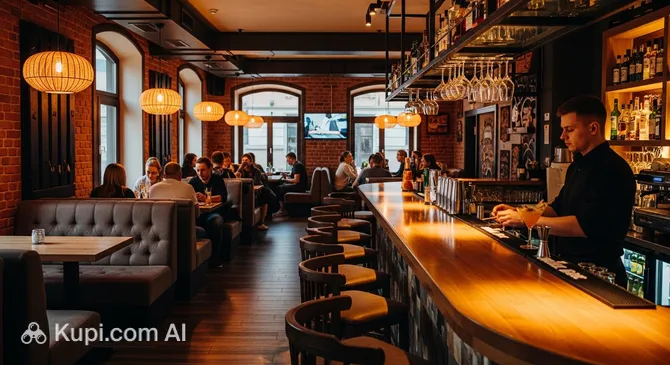
The heart of Brest's dining culture beats strongest along the pedestrian Sovetskaya Street. Here, the aroma of freshly ground coffee and grilled meats fills the air, inviting tourists to relax in one of the many open-air terraces. For those looking to enjoy a meal in a stylish setting, Grill Bar offers a menu focused on expertly prepared meat dishes and a cozy atmosphere perfect for an evening out.

Grill Bar. Source: Kupi.Binoculars

If you prefer a place to unwind with a drink and enjoy the local social vibe, Sochi Café is another welcoming spot in the city. Whether you choose a high-end restaurant or a simple bistro, the food in Brest is generally characterized by its generous portions and the warm, unpretentious hospitality with which it is served.

Sochi Café. Source: Kupi.Binoculars

Travel Tips

Welcome to Brest, a city where history meets modern charm right at the crossroads of East and West. To ensure your visit to this fascinating border city is as smooth and enjoyable as possible, we have compiled a list of essential practical tips covering everything from local customs to getting around.

  1. Clothing and Gear: The weather in Brest varies significantly by season, so check the forecast before packing. For a summer visit, light clothing is perfect, but always bring a comfortable pair of walking shoes for exploring the cobblestones of Sovetskaya Street and the vast grounds of the Brest Fortress. If you visit in winter, thermal layers, a heavy coat, and waterproof boots are essential to handle the freezing temperatures. When visiting Orthodox churches, modest dress is respectful; women are often expected to cover their heads with a scarf, and men should remove their hats.
  2. Transportation: Brest has a reliable public transport network consisting of buses, trolleybuses, and "marshrutkas" (minibuses). For buses and trolleybuses, you must purchase a ticket from a kiosk or the driver and validate it immediately upon boarding. For a more direct route, ride-hailing apps like Yandex Go are extremely popular, affordable, and overcome language barriers better than hailing a taxi on the street. The city center is compact and best explored on foot.
  3. Finances: The local currency is the Belarusian Ruble (BYN). While credit cards are widely accepted in hotels, large restaurants, and malls like Korona, it is highly recommended to carry some cash for small souvenir shops, public transport, or local markets. You can exchange major currencies (USD, EUR) at bank branches or official exchange offices; avoid exchanging money on the street. Tipping is appreciated but not mandatory; rounding up the bill or leaving about 10% is a standard gesture for good service.
  4. Health and Safety: Brest is generally a very safe city for tourists, with low crime rates. Standard precautions, such as keeping an eye on your belongings in crowded places, are sufficient. Pharmacies are marked with a green cross and are easy to find; look for signs saying "Apteka." Tap water is treated, but for short-term visitors, buying bottled water is the safest choice to avoid any stomach upset due to different mineral content.
  5. Communication: The primary language of daily communication is Russian, though you will see signs in Belarusian. English is not widely spoken by the older generation or in smaller shops, so having a translation app (like Google Translate or Yandex Translate) on your phone is incredibly useful. It is advisable to purchase a local SIM card upon arrival (passport required) to ensure you have mobile data for maps and translation.
  6. Local Etiquette: Belarusians are generally polite and reserved in public. It is customary to give up your seat on public transport to elderly people, pregnant women, or parents with small children. When entering a shop or café, a simple greeting is polite. Handshakes are the standard greeting between men. Loud behavior in public places is generally frowned upon.
  7. What to Avoid: As Brest is a border city, be very cautious about where you take photos. Do not photograph border checkpoints, military personnel, or government buildings, as this is strictly prohibited and can lead to trouble with authorities. Also, avoid drinking alcohol in public places (streets, parks) outside of designated café terraces, as this is against the law and enforced.
  8. Don't Miss the Lamplighter: A unique tip for Brest is to synchronize your evening walk with the sunset. Head to Sovetskaya Street to witness the city's famous tradition: a uniformed lamplighter manually lighting the kerosene street lamps. It is a charming ritual that happens every day, and rubbing a button on his uniform is said to bring good luck!

By keeping these practical tips in mind, you will be well-prepared to navigate the city with confidence and ease. We hope these insights help you focus on what truly matters—soaking in the unique atmosphere and rich heritage of Brest.

Entertainment & Nightlife

While Brest is not typically famous for wild, sleepless parties, its nightlife scene is surprisingly vibrant, cozy, and welcoming. The city offers a balanced mix of laid-back bars, lively karaoke clubs, and late-night eateries that cater to both locals and visitors. The epicenter of evening entertainment is undoubtedly the pedestrian Sovetskaya Street and its surrounding alleyways. After the famous lamplighting ceremony concludes, this area transforms into a buzzing social hub where music spills out from open terraces and people enjoy the fresh evening air.

For those looking to combine dinner with entertainment, the Karaoke Club Restaurant '12 Chairs' is a standout venue. It is particularly popular among those who enjoy a spirited atmosphere, offering a chance to sing your heart out or simply watch others perform while enjoying a full menu. It captures the local love for music and social gatherings, making it a fun stop for groups.

If you prefer a more relaxed setting to enjoy a cocktail or a glass of beer, the city has several atmospheric bars. Places like Grill Bar provide a comfortable environment where the focus is on good conversation, hearty meat dishes, and a solid selection of drinks. The dress code in most Brest venues is casual to smart-casual; while you don't need formal wear, looking neat is appreciated. Venues typically stay open until 2:00 AM or 4:00 AM on weekends, though it is wise to check specific hours in advance.

The city is generally very safe for night walks, especially in the well-lit center along Sovetskaya and Gogol streets. However, standard precautions apply. Getting around at night is easy and affordable; ride-hailing apps like Yandex Go are the most convenient way to call a taxi, ensuring you don't have to worry about language barriers or negotiating prices. A ride across the city center is usually quite inexpensive.

During the day, the entertainment shifts towards culture and relaxation. Brest is home to the renowned Brest Academic Drama Theatre, which stages high-quality performances. For families and history buffs, the city offers unique museums such as the Railway Museum, featuring an impressive collection of open-air steam locomotives. When the weather is nice, the Park of Culture and Rest (1st May Park) is the perfect spot for a leisurely afternoon stroll or enjoying local amusement rides.

Parks & Museums

Brest is a city that surprisingly balances its monumental concrete fortifications with lush, serene green spaces and a collection of museums that are unique to its status as a border town. For travelers, this means there are plenty of opportunities to alternate between diving into deep history and relaxing under the canopy of century-old trees.

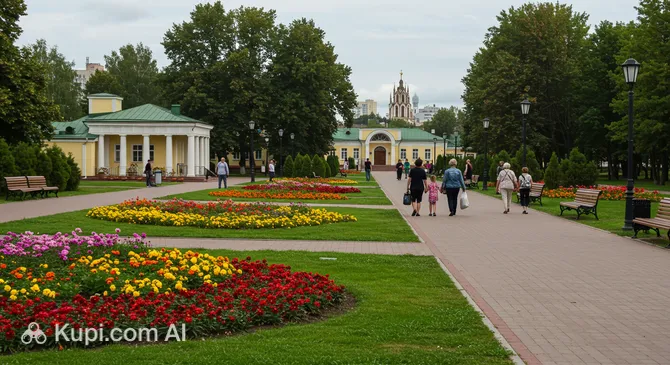
One of the most beloved green spots in the city is the 1st May Park (Park of Culture and Rest). Located centrally, it is the oldest park in Brest, offering a classic recreational atmosphere with winding paths, scenic ponds, and graceful bridges. It is a favorite among locals for family strolls and features various amusement rides, making it a lively destination on weekends. The park's abundance of old trees provides excellent shade, creating a cool refuge during the warm summer months.

For a completely different natural experience, the Winter Garden is a hidden gem managed by the local university. Housed in a distinct modernist structure, this indoor botanical garden transports visitors into a tropical zone regardless of the weather outside. It is divided into three climatic zones—tropics, subtropics, and desert—allowing you to see exotic ferns, cacti, and palms right in the center of a Belarusian city. It is a quiet, atmospheric place perfect for nature lovers and photographers.

When it comes to museums, Brest offers collections that you won't find anywhere else. The Brest Railway Museum is a standout attraction, often cited as one of the best of its kind in the region. It is an open-air museum displaying a massive collection of restored steam locomotives and vintage carriages. Unlike traditional museums where you can only look, here visitors are often allowed to climb onto the trains and explore the cabins, making it an interactive journey through the golden age of rail travel.

Another culturally significant venue is the Museum of Saved Artistic Values. This museum is entirely unique to Brest's identity as a border city. Its collection consists of art, antiques, icons, and jewelry that were confiscated by customs officers from smugglers attempting to transport them across the border illegally. The exhibits range from 16th-century icons to delicate porcelain and silverworks, showcasing a treasure trove of heritage that was almost lost.

For an authentic insider experience, keep an eye out for the temporary exhibitions often held at the Brest Fortress Defense Museum if you visit the citadel. While the fortress is famous for its war history, the museum often highlights the personal stories and everyday lives of the people who lived there, offering a more intimate perspective than the grand monuments outside.

Getting Around

Navigating Brest is straightforward and convenient, thanks to a well-organized public transport network that covers the entire city. Unlike the capital, Brest does not have a metro system or tram lines. Instead, the city relies on an extensive web of buses and trolleybuses, supplemented by a fleet of private minibuses known as "marshrutkas." The terrain is predominantly flat, and the city center is compact, meaning that for many tourists, a combination of walking and occasional short rides is all that is needed.

The municipal buses and trolleybuses are the backbone of local transit, connecting the central railway station and major tourist sites with residential districts. They run on fixed schedules, which are generally adhered to quite strictly. Stops are marked with yellow signs displaying the route numbers and timetables. These vehicles are spacious and safe, making them a good option for travelers with luggage.

For a faster alternative, look for the marshrutkas (minibuses), which are typically yellow or white vans zipping through traffic. They follow specific numbered routes like buses but stop only on demand. To get off, you must verbally ask the driver to stop at the next bus stop. They are slightly more expensive than municipal transport but are significantly quicker and run more frequently, making them a favorite among locals for getting across town efficiently.

The payment system differs depending on your mode of transport. For buses and trolleybuses, you need a paper ticket (talon). It is best to purchase these in advance from "Belsoyuzpechat" kiosks (often found near stops) or tobacco stalls, as they are cheaper than buying directly from the driver. Once on board, you must validate your ticket immediately by inserting it into one of the mechanical punchers located on the handrails. Failure to do so can result in a fine, even if you have a ticket in your hand. Recently, mobile payment options via QR codes (using local apps like Oplati) have been introduced on many vehicles, offering a digital alternative for those with local internet access.

In marshrutkas, the system is simpler: you pay the driver directly in cash upon boarding. Tickets from buses and trolleybuses are not valid here. It is polite to have small change ready, as drivers are often busy navigating traffic. The cost for a ride is very affordable, typically costing just a fraction of a equivalent ride in Western Europe.

Public transport generally operates from around 5:30 AM to midnight. If you are traveling late at night or prefer more comfort, taxis are an excellent alternative. The most convenient way to book a car is through ride-hailing apps like Yandex Go, which is widely used in the region. This eliminates language barriers and ensures you see the fixed price upfront. Traditional taxi hailing on the street is possible but less recommended for tourists due to variable pricing.

Given the city's flat landscape, cycling is also gaining popularity. During the warmer months, you can find bike rental stations near major parks and the pedestrian Sovetskaya Street. Exploring the city on two wheels is a pleasant way to see the sights, especially if you plan to visit the sprawling grounds of the Brest Fortress or the rowing canal area.

Accommodation

Accommodation:

Finding a place to stay in Brest is generally a straightforward and affordable experience. The city offers a range of accommodation options that cater primarily to budget and mid-range travelers. Visitors can choose from large, classic hotels that have been updated since the Soviet era, smaller modern boutique hotels, and a growing number of comfortable hostels. Additionally, the short-term rental market is very well-developed, with many locals offering fully furnished apartments ("apartments for the day") which are often a cost-effective choice for families or groups.

When choosing a location, the most convenient area for tourists is undoubtedly the historic city center. Staying near the pedestrian Sovetskaya Street or Lenin Street places you right in the heart of the action, within walking distance of the best restaurants, cafes, and the nightly lamplighting ceremony. For those arriving late or departing early by train, the area around the Central Railway Station is a practical alternative, as it is safe and located just a short walk or taxi ride from the downtown core. While staying near the Brest Fortress might seem appealing for history buffs, the area is quieter and slightly removed from the evening entertainment options.

Price-wise, accommodation in Brest is quite reasonable compared to Western European standards. You can typically find comfortable lodgings ranging from budget-friendly to moderate prices, with very few ultra-luxury options available. It is advisable to book your accommodation in advance, especially if you are visiting during major holidays like Victory Day (May 9th), when the city attracts thousands of visitors. Most properties can be booked via major international online platforms, though for apartment rentals, reading recent reviews is highly recommended to ensure quality.

Nearby Cities

For those looking to explore the surroundings, Brest serves as an excellent base for day trips to several interesting nearby locations:

One of the most convenient destinations for a quick getaway is Kobryn, located just a short drive east of the city. It is a charming, well-kept town known for its extensive green park and a large aquapark, which is a favorite among families. History enthusiasts will also appreciate the local military history museum. Further afield lies Pinsk, often celebrated as the unofficial capital of the Polesia region. Situated on the riverbanks, Pinsk is renowned for its well-preserved Baroque architecture, including the impressive Jesuit Collegium, and offers a distinct cultural atmosphere that sets it apart from the rest of the country.

For those willing to venture a bit further, the historic city of Grodno is a must-see. Although the journey takes longer, the city rewards visitors with its royal heritage, featuring the Old and New Castles and the ancient Kalozha Church, which dates back to the 12th century.

City Population Distance (km)
Grodno 375,000 175
Baranovichi 174,183 191
Pinsk 125,900 160
Kobryn 52,843 42
Slonim 49,830 153

These nearby destinations offer a glimpse into the diverse culture and landscapes of the region, ranging from quiet provincial charm to grand historical sites.

Shopping & Souvenirs

Shopping in Brest offers a pleasant mix of modern convenience and traditional charm. While the city may not be a global fashion capital, it provides a relaxed retail experience where visitors can find everything from high-quality local products to international brands. The shopping scene is characterized by a blend of large, contemporary malls and smaller, independent boutiques located along the historic pedestrian streets.

The heart of the city's retail life beats along Sovetskaya Street. As the main pedestrian artery, it is lined with a variety of shops selling clothing, jewelry, and shoes. Walking down this street allows tourists to combine sightseeing with window shopping. Here, you can find specialized souvenir stores offering magnets, local crafts, and books about the city's history. It is the perfect place to hunt for unique gifts while enjoying the lively atmosphere of street musicians and coffee shops.

For a more concentrated shopping experience, the city features several modern malls. Korona is one of the most popular destinations for both locals and tourists. It functions as a large hypermarket and shopping gallery, offering a wide selection of electronics, fashion, and household goods. It is particularly convenient for travelers looking to buy Belarusian food products or cosmetics in one place.

Another significant spot is the Equator Shopping Center, situated in the Vostok residential district. It hosts numerous clothing chains, a children's entertainment center, and a food court, making it a family-friendly destination. These malls provide a comfortable, climate-controlled environment, which is especially welcome during the cold winter months or hot summer days.

To experience the authentic flavor of daily life, a visit to the Brest Central Market (often referred to as the "Dome" due to its architecture) is essential. Located near the bus station, this bustling market is where locals buy fresh farm produce, seasonal fruits, honey, and meats. It is a vibrant sensory experience where you can taste local delicacies and interact with friendly vendors.

When it comes to souvenirs, Brest has several signature items worth bringing home. Belarusian linen (flax) is world-renowned for its quality; look for tablecloths, bedding, or clothing made from this natural fabric. Local cosmetics from brands like Belita-Vitex are inexpensive yet high-quality and make for excellent gifts. Additionally, the city is famous for its textile industry, particularly the Brest Hosiery Combine; buying a pair of their high-quality socks is a humorous yet practical tradition for many visitors. Don't forget to pick up some local sweets, such as marshmallows (zephyr) or chocolates from Belarusian confectioneries.

Most shops in Brest operate daily, typically opening around 10:00 AM and closing between 9:00 PM and 10:00 PM. Supermarkets and larger malls often stay open later, sometimes until 11:00 PM. Payment is very convenient for travelers; credit and debit cards (Visa, Mastercard) are accepted almost everywhere, including small kiosks and many market stalls, though carrying some cash is always a good idea for smaller purchases.

Tourists from outside the Eurasian Economic Union may be eligible for a Tax Free refund on purchases. If you spend over a certain amount (typically 80 BYN) in a single day at participating stores—look for the "Tax Free" signage—you can claim a VAT refund upon leaving the country. Be sure to ask the shop assistant for the necessary forms and keep your receipts handy.
Reached the end of the page?

That means the route is fully explored