Support

Rosenheim

About

Rosenheim is a vibrant and picturesque city located in the heart of Upper Bavaria. Often referred to as the "Pearl of the Inn Valley," it perfectly blends traditional Bavarian charm with a touch of Italian flair, evident in its colorful architecture and lively squares. As a significant cultural and economic hub in the southern part of Germany, the city offers visitors a welcoming atmosphere, surrounded by breathtaking scenery near the Chiemgau Alps.

Geographically, the city enjoys a privileged location at the confluence of the Inn and Mangfall rivers, making it an ideal gateway to the nearby mountains and lakes. With a population of approximately 63,500 residents, Rosenheim maintains a cozy, manageable size while providing all the amenities of a modern urban center. Its position as a major transport junction has historically contributed to its prosperity and continues to make it easily accessible for travelers exploring the region.
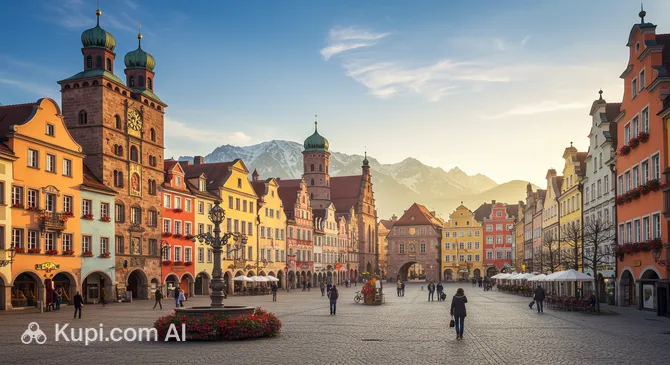
Rosenheim. Source: Kupi.Binoculars

The history of Rosenheim is deeply rooted in trade, dating back to its origins as a market town in the Middle Ages. Visitors can feel this historical legacy while strolling through the magnificent Max-Josefs-Platz, the city's central square framed by elegant townhouses with arcades and onion-domed churches. Another key highlight is the Lokschuppen, a renowned exhibition center housed in a former locomotive shed, which attracts guests from all over with its changing cultural and scientific displays.

Whether you are interested in exploring local museums, enjoying traditional Bavarian cuisine in a beer garden, or using the city as a base for hiking and skiing trips in the Alps, Rosenheim has something for everyone. Its unique mix of alpine nature and urban culture makes it a delightful destination that invites you to linger and explore.
Weather Overview

The climate in this region is generally temperate, characterized by distinct seasonal changes that offer different experiences for visitors throughout the year. For a detailed forecast during your specific travel dates, checking the weather in Rosenheim is highly recommended. Summers are typically warm and enjoyable, with July and August seeing average temperatures around 18.5°C and daily highs reaching approximately 23°C.

Winters transform the city into a colder landscape, where average temperatures from December to February sit between 0.6°C and 2.4°C, often dropping below freezing at night. Rainfall is a consistent feature year-round; even the warmer month of May experiences significant precipitation with up to 19 wet days. Travelers should expect warm summers with occasional rain and cold, damp winters, making layers and rain gear essential items for any packing list.

Interesting Facts

Beyond the picturesque squares and mountain views, Rosenheim holds several fascinating secrets and cultural quirks. Here are a few unique details that reveal the deeper character of this Bavarian city.
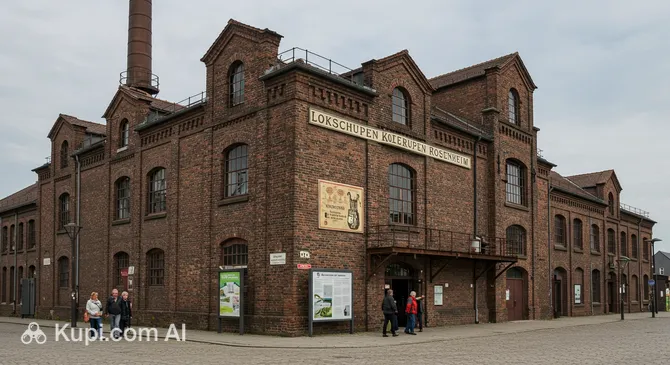
Lokschuppen Rosenheim. Source: Kupi.Binoculars
  • A TV Star: The city serves as the primary filming location for the long-running and beloved German television series "Die Rosenheim-Cops." Fans of the show often flock to the historic Town Hall, which doubles as the police headquarters on screen.

  • Industrial Reinvention: The Lokschuppen Rosenheim is a prime example of adaptive reuse. Originally built in 1858 as a semicircular depot for steam locomotives, it has been transformed into one of Bavaria’s most successful exhibition centers, attracting hundreds of thousands of visitors to its cultural showcases.

  • Medicinal Roots: The Riedergarten was not always a public recreational space. It was established in 1729 as a private apothecary garden for cultivating medicinal herbs, and its layout still reflects this botanical heritage today.

  • Art in Nature: Unlike typical city parks, the Salingarten functions as an open-air gallery. It features large-scale sculptures by significant artists from the 1980s, creating a striking contrast between modern art and the surrounding greenery.

How to Get There

Reaching this Bavarian gem is quite convenient thanks to its central location and excellent connectivity within the region. Whether you are arriving from international destinations or neighboring cities, there are multiple options to suit your travel plans. For a comprehensive guide on all available transport methods, you can check all ways to reach the city to ensure a smooth journey.

The city of Rosenheim does not have its own airport, but you can fly into Franz Josef Strauss Airport (MUC) in the city of Munich, which is about 60.5 km from Rosenheim. This is a major international hub offering numerous connections. From there, the travel time by taxi or shuttle is approximately 110 minutes. Alternatively, travelers can choose W. A. Mozart Salzburg Airport (SZG) located in Salzburg, roughly 66.7 km away. The drive from Salzburg to Rosenheim typically takes around 120 minutes by car.

For clarity, here is a summary of the main airports:
Airport Name City Passenger Traffic Km from City
Franz Josef Strauss AirportMunichVery High60.5
Memmingen Allgäu AirportMemmingenMedium141.4
W. A. Mozart Salzburg AirportSalzburgMedium66.7
Innsbruck AirportInnsbruckMedium88.3
Linz AirportLinzSmall159.9

Traveling by train is another popular option, although the city is often accessed via major hubs in the vicinity. You can arrive at the Munich Hauptbahnhof station in the city of Munich, which is about 52.4 km from Rosenheim. From there, you can get a taxi or bus, which takes about 100 minutes, though direct train connections are often much faster. Another convenient option is the Salzburg Hauptbahnhof station in Salzburg, situated approximately 69.6 km away, with a road transfer time of around 125 minutes.

Below is a list of the nearest and most significant railway stations:
Station City Passenger Traffic Km to Center
Munich HauptbahnhofMunichVery High52.4
Augsburg HauptbahnhofMunichHigh107.7
Innsbruck Railway StationInnsbruckHigh85.4
Rosenheim Bus StationRosenheimMedium0.8
Salzburg HauptbahnhofSalzburgMedium69.6

Main Attractions

Rosenheim offers a delightful variety of sights that cater to culture enthusiasts, nature lovers, and fans of traditional Bavarian hospitality. From internationally acclaimed exhibitions to serene green spaces in the city center, the local attractions provide a perfect overview of the city's diverse character. Exploring these highlights is the best way to understand the unique blend of alpine charm and urban flair that defines this region.

One of the most significant cultural venues in the city is the Lokschuppen Rosenheim. Housed in a beautifully renovated locomotive shed from the mid-19th century, this exhibition center has gained a reputation far beyond the borders of Bavaria. It hosts changing, high-quality exhibitions on themes ranging from archaeology and history to nature and science. The unique architecture and the immersive presentation of topics make it a fascinating destination for families and curious travelers alike.

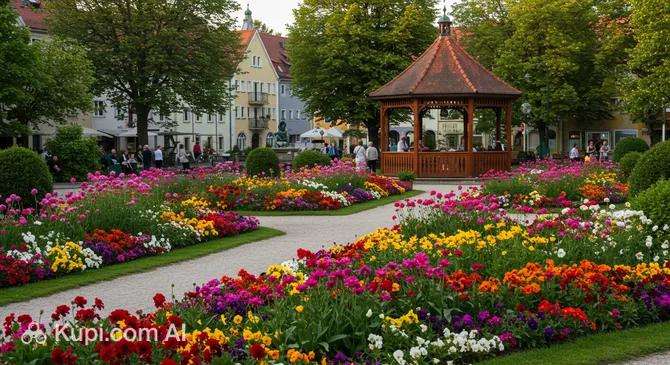
For those seeking relaxation amidst nature, the Riedergarten is a hidden gem located directly in the city center. Originally created as a private apothecary garden in 1729, it was later opened to the public and remains a peaceful oasis. Visitors can stroll along well-kept paths, admire the seasonal flower beds, and enjoy the calming atmosphere away from the bustling streets. It is a perfect spot for a leisurely break during a sightseeing tour.

Riedergarten. Source: Kupi.Binoculars

Art lovers should not miss the Salingarten, located just opposite the Culture and Congress Centre. This park serves as an open-air museum, featuring large sculptures by significant sculptors from the region and beyond. The contrast between the lush greenery and the modern artistic forms creates a stimulating environment. It is an excellent place to appreciate how Rosenheim integrates contemporary art into its public spaces.

Salingarten. Source: Kupi.Binoculars

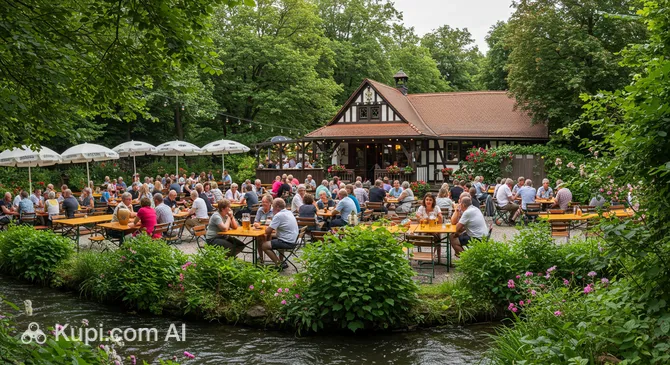
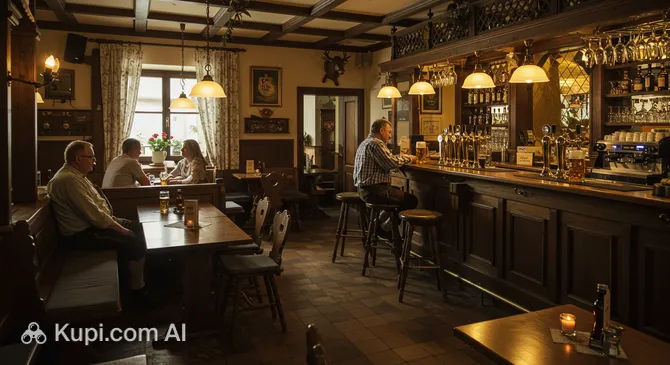
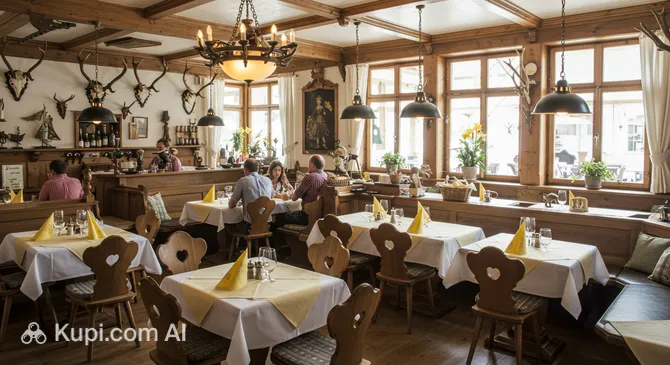
To experience the culinary side of the city, a visit to the Country Inn at Erdinger Weissbräu offers a taste of authentic Bavarian tradition. Located in a historic building, this establishment is known for its hearty local cuisine and lively atmosphere. It provides tourists with the classic experience of a Bavarian Wirtshaus, where good food and regional beer bring people together in a cozy, rustic setting.

Country Inn at Erdinger Weissbräu. Source: Kupi.Binoculars

Local Cuisine

The culinary landscape of Rosenheim is a delightful reflection of its location, serving as a bridge between traditional Upper Bavarian heartiness and a distinct Mediterranean influence. Visitors can expect hearty portions of classic regional fare, where Schweinebraten (roast pork) served with savory gravy and potato dumplings is a staple on almost every menu. Another essential experience is the traditional Bavarian breakfast featuring Weisswurst, white veal sausages enjoyed with sweet mustard and a fresh pretzel, customarily eaten before noon.

Often called the "northernmost Italian city," Rosenheim also boasts a vibrant food culture that embraces flavors from the south. The city center is dotted with ice cream parlors, espresso bars, and bistros that rival those found in Italy. This unique mix means travelers can easily transition from a rustic beer garden lunch to a sophisticated Italian dinner, enjoying the best of both worlds within a few blocks.

Hotel San Gabriele. Source: Kupi.Binoculars

When it comes to dining out, the atmosphere is just as important as the food. Locals often gather in historic inns and lively beer gardens, especially during the warmer months. For a dining experience steeped in history and atmosphere, the Hotel San Gabriele offers a unique setting. Located in a former monastery, it provides a romantic backdrop for enjoying meals that highlight the region's flair for combining tradition with high-quality ingredients.

No culinary tour of Rosenheim would be complete without sampling the local liquid specialties. The city takes immense pride in its brewing tradition, with local breweries like Flötzinger and Auerbräu producing excellent lagers and wheat beers. For those seeking the city's Mediterranean side, Amici Rosenheim is a popular destination to enjoy authentic pasta and wine, further cementing the city's reputation as a culinary crossroads.

Travel Tips

Visiting Rosenheim allows you to experience the authentic Bavarian lifestyle without the overwhelming crowds of larger tourist hubs. To help you navigate the city like a local and make the most of your stay in this "Pearl of the Inn Valley," here are some practical tips to keep in mind before you pack your bags.

  1. Clothing and Gear: Since the weather in the Alpine foothills can be unpredictable, packing layers is essential. Even in summer, evenings can get cool, so bring a light jacket. Comfortable walking shoes are a must, as the historic center, particularly around Max-Josefs-Platz, is best explored on foot and features cobblestone streets. Don't forget a standard Type F power adapter (two round pins) for your electronics, as this is the standard in Germany.
  2. Transportation: The city center is compact and very walkable; you likely won't need a vehicle for exploring the main sights. For longer distances, the local bus network is reliable, and the train station is a major hub connecting you to Munich and Salzburg in under an hour. Taxis are available at designated stands or by phone, but ride-hailing apps are less common here than in major metropolises. A rental car is only recommended if you plan to explore the remote corners of the Chiemgau Alps.
  3. Finances: The currency is the Euro (€). While credit cards (Visa/Mastercard) are increasingly accepted in hotels and larger restaurants, Bavaria still loves cash. Smaller bakeries, traditional inns (Wirtshäuser), and kiosks often only accept cash or the local "EC-Karte." It is wise to carry some cash with you at all times. Tipping is customary but relaxed; simply rounding up the bill or adding 5-10% is considered polite.
  4. Health and Safety: Rosenheim is a very safe city for travelers. Pharmacies, marked by a red "A" (Apotheke), are widely available and can help with minor ailments; they operate on a rotating schedule for night and weekend services. For serious emergencies, dial 112 for ambulance or fire services. The tap water is of excellent quality and safe to drink.
  5. Communication: German is the official language, and in this region, you will often hear the Bavarian dialect. English is widely spoken, especially by younger people and in the service industry. However, learning a few basic phrases goes a long way. Buying a prepaid SIM card at a supermarket or electronics store is recommended for reliable internet access, as public Wi-Fi is not always available everywhere.
  6. Local Etiquette: Politeness is highly valued here. When entering a shop or hiking on a trail, it is customary to greet others. In Bavaria, the standard greeting is "Grüß Gott" rather than "Guten Tag." Also, Sundays are considered "Ruhetag" (rest day); expect most shops and supermarkets to be closed, and keep noise levels down in residential areas.
  7. What to Avoid: Be careful not to walk in designated bike lanes, often marked in red or separated by a line on the sidewalk; cyclists can be fast and expect the path to be clear. Additionally, avoid crossing the street at red lights, even if no cars are coming, as locals strictly adhere to traffic rules and it sets a bad example for children.
  8. Local Insight: If you are visiting in late August or early September, you might catch the Rosenheimer Herbstfest. It is often described by locals as the "friendly alternative to Oktoberfest"—it offers the same beer, traditional costumes (Tracht), and fun rides, but with a much more authentic and relaxed atmosphere.

By keeping these practicalities in mind, you will be well-prepared to enjoy the hospitality and charm of Rosenheim without any hiccups. Whether you are here for the alpine views or the historic architecture, a little local know-how ensures your trip will be as smooth as it is memorable.

Entertainment & Nightlife

While Rosenheim may not share the frantic pace of a major metropolis, its nightlife reflects the city's unique blend of Bavarian tradition and "dolce vita." The evening scene here is characterized by a relaxed, convivial atmosphere where locals gather to unwind after work. The city is often referred to as the northernmost Italian city, and this is evident in the thriving culture of outdoor cafes and wine bars that stay lively well into the night, particularly during the warmer months.

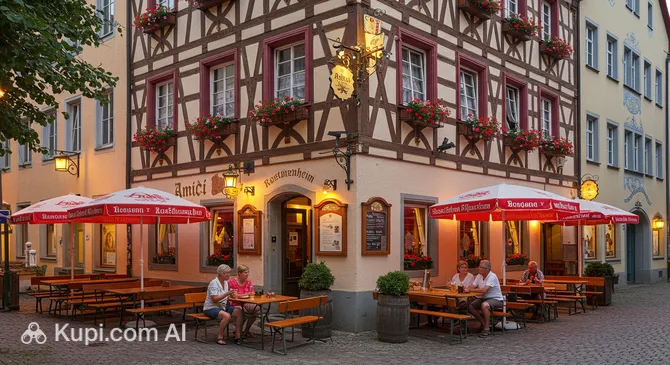
The heart of the action can be found around the historic Max-Josefs-Platz and the nearby Salinplatz. These pedestrian-friendly zones are lined with a variety of establishments, from rustic pubs to chic cocktail lounges. In the summer, the squares transform into large open-air living rooms, buzzing with conversation and laughter. For a sophisticated start to the evening, Amici Rosenheim is a popular choice. It perfectly captures the city's Mediterranean spirit, offering a stylish setting for enjoying wine and cocktails accompanied by Italian-inspired bites.

Amici Rosenheim. Source: Kupi.Binoculars

For those seeking a more traditional Bavarian night out, the Country Inn at Erdinger Weissbräu remains a cornerstone of local social life. Here, the evening revolves around hearty mugs of wheat beer and a rustic ambiance that invites guests to linger for hours. It is an excellent spot to mingle with locals and experience the authentic Gemütlichkeit (coziness) that the region is famous for. If you are looking for late-night dancing, a few clubs and music venues are scattered near the city center and the train station, playing a mix of charts, house, and oldies.

When it comes to practicalities, the nightlife in Rosenheim is generally very safe. The city center is compact and well-lit, making it comfortable to walk between venues. Most bars are open until 1:00 or 2:00 AM on weekends, while clubs may stay open until dawn. The dress code is typically "smart casual"—you will fit in just as well in jeans and a nice shirt as you would in traditional Tracht (leather breeches or dirndl), which is commonly worn even for casual nights out. Taxis are readily available at the central bus station or can be called by phone, ensuring a safe trip home.

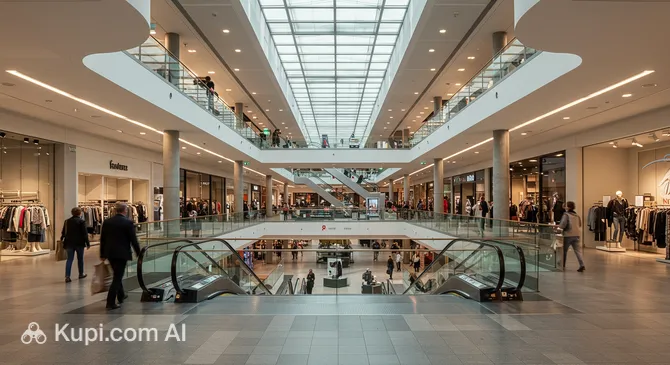
Beyond the nocturnal hours, the city offers plenty of daytime entertainment. Culture enthusiasts can visit the Kultur+Kongress Zentrum (KU'KO) for concerts, theater productions, and cabaret shows. For those who prefer a bit of retail therapy mixed with leisure, the Stadtcenter Rosenheim provides a modern shopping experience right in the heart of town. It is a hub for fashion and lifestyle, perfect for spending a rainy afternoon or taking a break from sightseeing before the evening festivities begin.

Stadtcenter Rosenheim. Source: Kupi.Binoculars

Whether you prefer sipping an Aperol Spritz on a cobblestone square, enjoying a fresh draft beer in a historic hall, or catching a cultural performance, Rosenheim offers a welcoming and diverse entertainment landscape that caters to a wide range of tastes.

Parks & Museums

Rosenheim seamlessly integrates cultural richness with abundant green spaces, offering visitors a delightful mix of artistic discovery and natural relaxation. The city is known for its "green soul," with carefully maintained parks that provide a tranquil escape, while its museums reflect a deep respect for both local history and international exhibitions. Whether you are looking to stroll through floral gardens or dive into captivating educational displays, the city's leisure offerings are diverse and accessible.

For nature lovers, the Mangfallpark is a standout destination. Originally designed for the State Garden Show in 2010, this expansive green area is located where the Mangfall and Inn rivers meet. It features spacious lawns, walking paths, and recreational areas, making it a favorite spot for picnics and riverside strolls. In the heart of the city, the Riedergarten offers a more intimate nature experience. As a former apothecary garden established in the 18th century, it retains a historic charm with its medicinal plant beds and serene atmosphere, perfect for a quiet break from sightseeing.

Art and nature converge uniquely at the Salingarten, located just a few steps from the city center. This park functions as an open-air sculpture gallery, showcasing large-scale works by significant regional sculptors. The juxtaposition of modern art against a backdrop of lush trees and manicured lawns creates a stimulating environment for a leisurely walk. It serves as a cultural connector between the bustling shopping streets and the quieter residential areas.

When it comes to museums, the Lokschuppen Rosenheim is the undisputed cultural flagship of the region. Housed in a heritage-listed locomotive depot, this exhibition center is renowned across Germany for its high-quality, family-friendly exhibitions covering themes from anthropology and history to natural sciences. For those interested in local heritage, the Städtisches Museum (Municipal Museum), located in the historic Mittertor—the only surviving market gate of the city—offers a deep dive into Rosenheim’s past, featuring collections on Roman history and city development.

Another unique institution is the Wood Technology Museum (Holztechnisches Museum), located in the Ellmaierhaus on Max-Josefs-Platz. Given Rosenheim's reputation as a hub for wood engineering and education, this museum provides a fascinating look into the processing and usage of wood throughout history. Visitors can explore the technical and artistic aspects of this versatile material, which has played a crucial role in the region's economy.

For an authentic insider experience, take a walk along the Inn Dam. It is a popular route for locals to cycle, jog, or simply watch the sunset over the river, offering a peaceful perspective of the landscape away from the main tourist trails. Additionally, keep an eye out for the small Inn Museum, located in a historic Bruckbaustadel, which details the significant history of shipping and river engineering on the Inn River.

Getting Around

Navigating Rosenheim is remarkably stress-free, thanks to its compact size and efficient public infrastructure. The city does not have a metro or tram system; instead, the primary mode of public transport is a reliable network of city buses (Stadtbus). These buses connect the central train station and the historic city center with the surrounding residential neighborhoods and commercial districts. For most tourists, the city center is easily explorable on foot, as the main attractions around Max-Josefs-Platz are located within a short walking distance of each other.

For journeys slightly further afield, the bus system is the way to go. The central bus station (Busbahnhof), located conveniently near the city center, serves as the main hub where most lines converge. A significant development for travelers is that the city and district are now part of the Munich Transport and Tariff Association (MVV). This means that the pricing system is unified with the greater Munich area, making travel seamless for those arriving from the capital of Bavaria. Visitors can use the MVV-App or the DB Navigator app to check schedules and purchase digital tickets instantly.

When purchasing physical tickets, you can find vending machines at the main railway station and some larger bus stops. You can also buy single tickets directly from the bus driver, though having small change is highly recommended. A crucial tip for tourists using paper tickets bought from machines is to validate them before starting your journey. Look for the small stamping machines (Entwerter) at the station platforms or inside the buses; failure to stamp your ticket can result in a fine. If you plan to travel extensively within the region, the Bayern-Ticket is an excellent value option, allowing unlimited travel on regional trains and most buses for a day.

Public transport typically operates from early morning, around 06:00, until the evening, roughly 20:00 or 21:00. On weekends and late at night, regular bus services are often replaced or supplemented by the "Anrufsammeltaxi" (AST) or call-shared taxis. These require a phone reservation in advance, usually at least 30 minutes before departure. It is wise to check the specific timetables if you are planning a late night out, as options can be more limited than in larger metropolises.

Given the city's flat terrain and scenic surroundings, cycling is an extremely popular alternative to motorized transport. Rosenheim is known as a bicycle-friendly city, and renting a bike is a fantastic way to explore the Inn River dams or the Mangfallpark. Rental shops are available near the train station. Taxis are also readily available and can be found waiting at the designated rank outside the main train station or hailed via phone. While ride-sharing apps are less prevalent here than in major global hubs, the local taxi services are reliable and safe.

Accommodation

Accommodation in Rosenheim caters to a diverse range of travelers, offering a pleasant mix of traditional Bavarian charm and modern convenience. The city provides options ranging from family-run guesthouses (Gasthöfe) and cozy bed-and-breakfasts to contemporary business hotels. While you won't find an abundance of ultra-luxury resorts directly in the town, the standard of hospitality is high, with a focus on cleanliness, comfort, and the warm welcome typical of the region.

For those who want to be in the heart of the action, staying near Max-Josefs-Platz in the city center is the best choice. This area places you within walking distance of the pedestrian zone, numerous cafes, and the historic sights. It is perfect for visitors who enjoy stepping out of their hotel directly into the lively atmosphere of the old town. Alternatively, the area surrounding the train station is highly convenient for travelers planning day trips to Munich, Salzburg, or the Chiemsee, offering quick access to regional transport links without the need for a car.

A unique feature of staying in this part of Bavaria is the prevalence of traditional inns. These establishments often combine accommodation with a restaurant on the ground floor, allowing guests to enjoy a hearty breakfast or dinner without leaving the premises. For visitors planning a longer stay or traveling with family, holiday apartments (Ferienwohnungen) are widely available and offer a "home away from home" experience, often located in quieter residential neighborhoods just a short bus ride from the center.

Booking Tip: Accommodation can fill up quickly during the summer peak season and especially during the Rosenheimer Herbstfest (Autumn Festival) in late August and early September. If you plan to visit during these times, it is highly advisable to book your room several months in advance to secure the best rates and locations.

Price-wise, Rosenheim is generally more affordable than nearby Munich. Travelers can expect to find budget-friendly options starting around €60-80 per night, while mid-range hotels typically fall between €90 and €150. Most hotels and guesthouses can be booked easily via major online platforms, though some smaller, traditional family-run places may still offer better deals through direct booking on their websites or via email.

Nearby Cities

For those looking to explore the surroundings, Rosenheim serves as an excellent base for day trips to several interesting nearby locations. The region is dotted with charming towns that offer everything from wellness experiences to deep dives into Bavarian history, allowing visitors to easily expand their itinerary beyond the city limits.

One of the most popular nearby destinations is Bad Aibling, located just a few kilometers west of the city. Renowned as Bavaria's oldest mud spa and youngest thermal spa, it is a haven for relaxation and health. Visitors can unwind in the architectural masterpiece of the local thermal baths or take a peaceful walk through the extensive spa gardens, providing a perfect contrast to the bustling activity of Rosenheim.

Heading slightly further east, Traunstein acts as the beating heart of the Chiemgau region. This town is steeped in history and is famous for its traditional market square and deep-rooted beer culture. It offers a wonderful mix of shopping, culinary delights, and cultural sights, making it an ideal spot to experience the authentic lifestyle of the Alpine foothills.

Another close neighbor worth visiting is Kolbermoor. Historically linked to the same industrial boom as Rosenheim, it has transformed its old cotton spinning mill into a vibrant cultural and residential quarter. It is easily accessible by bike along the Mangfall river and offers a unique blend of industrial heritage and modern living.

City Population Distance (km)
Vaterstetten25,02338
Traunreut20,97737
Traunstein20,86839
Bad Aibling19,1648
Kolbermoor18,6625

These nearby destinations offer a glimpse into the diverse culture and landscapes of the region, ensuring that every traveler can find a day trip that suits their interests.

Shopping & Souvenirs

General Overview: As the economic center of the region, Rosenheim is widely known as a premier shopping destination in southeastern Upper Bavaria. The city offers a delightful mix of traditional charm and modern retail therapy, attracting visitors from the surrounding Alpine foothills and even neighboring Austria. Shoppers can expect a diverse range of options, from family-run specialty boutiques that have existed for generations to well-known international fashion chains. The atmosphere is relaxed and inviting, allowing for a leisurely stroll through the historic streets while browsing for high-quality goods.

Main Shopping Areas: The heart of the shopping experience beats in the pedestrian zone around Max-Josefs-Platz and Münchener Straße. Surrounded by colorful facades and historic merchant houses, this area is lined with fashion boutiques, shoe stores, and jewelers. It is the perfect place to combine window shopping with admiring the city's architecture. Just a short walk away, Salinplatz offers a slightly more modern vibe with trendy shops and lifestyle stores, often interspersed with inviting cafes where you can take a break.

Shopping Malls: For a concentrated selection of brands under one roof, the Stadtcenter Rosenheim is the city's main shopping mall. Located centrally within the pedestrian zone, it houses a variety of fashion retailers, electronics stores, and service providers. Its convenient location and ample parking make it a popular starting point for a day of shopping, providing a modern contrast to the open-air retail experience of the old town.

Markets: To experience the local flavor, a visit to the Grüner Markt (Green Market) on Ludwigsplatz is highly recommended. Here, local farmers and vendors sell fresh regional produce, including Bavarian cheese, artisan bread, fruits, and flowers. It is a vibrant spot where locals do their daily grocery shopping and where tourists can find authentic snacks. During the weeks leading up to Christmas, the city also hosts a charming Christkindlmarkt, which is an excellent place to find handcrafted gifts and seasonal decorations.

Souvenirs: Visitors looking to take a piece of Bavaria home will find plenty of options in Rosenheim. Authentic Tracht (traditional clothing like Dirndl and Lederhosen) is a popular, albeit higher-priced, keepsake that represents the local culture. For culinary souvenirs, look for regional specialties such as sweet Bavarian mustard, locally brewed beer, or fruit schnapps. Additionally, fans of the popular TV show "Die Rosenheim-Cops" can often find themed merchandise in local tourist information centers or souvenir shops.

Opening Hours and Payment: Standard shopping hours in the city are generally from 09:00 or 10:00 until 18:00 or 20:00 on weekdays and Saturdays. It is important to remember that, like in the rest of Germany, almost all shops—including supermarkets and malls—are closed on Sundays. While major chains and the shopping mall accept credit and debit cards (Visa, Mastercard), many smaller boutiques, bakeries, and market stalls still prefer or exclusively accept cash. Carrying some Euro bills is always a wise decision.

Tax-Free: Travelers residing outside the European Union may be eligible for a VAT refund on purchases exceeding a certain amount. Many participating stores display the "Tax Free" or "Global Blue" signage in their windows. Be sure to ask for a tax-free form at the checkout, which you can later validate at customs upon leaving the EU.

Reached the end of the page?

That means the route is fully explored