Support

Zurich

About

Zurich. Source: Kupi.Binoculars

Zurich is often recognized as a global center for banking and finance, but this vibrant metropolis offers far more than just economic significance. Known for its exceptionally high quality of life, the city seamlessly blends urban sophistication with picturesque natural landscapes. It serves as a cultural hub where trendy districts meet well-preserved heritage, creating a unique atmosphere that appeals to travelers seeking both relaxation and adventure.

Located at the northwestern tip of Lake Zurich in northern Switzerland, the city is surrounded by wooded hills, including the famous Uetliberg. With a population of approximately 436,000 residents, it is the largest city in the country, yet it retains a manageable and welcoming feel. The climate is generally moderate, with warm summers perfect for swimming in the lake and crisp winters that often bring a dusting of snow to the cobblestone streets.

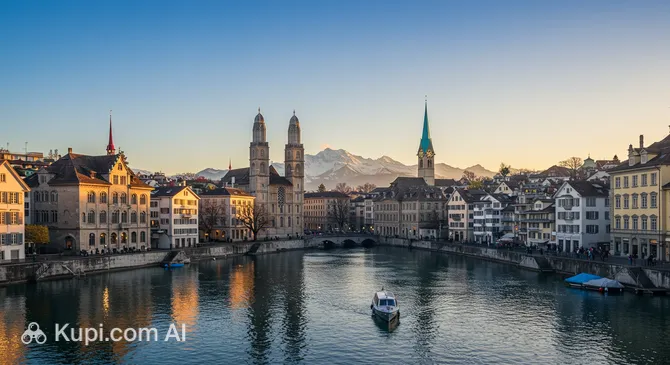
Walking through the narrow lanes of the Altstadt (Old Town), visitors can easily connect with the rich history of Zurich. This area is a testament to the city's past, featuring medieval houses, Renaissance town halls, and the iconic twin towers of the Grossmünster church. Beyond its historical roots, the city is a modern powerhouse of art and lifestyle, boasting over 50 museums and more than 100 art galleries.

One of the city's greatest assets is its proximity to nature. A stroll along the promenade of Lake Zurich offers stunning views of the Alps on a clear day, while the Limmat River flows gently through the city center, lined with inviting cafes and swimming spots. Whether you are exploring the upscale shopping mile of Bahnhofstrasse or hiking up local peaks for a panoramic view, Zurich provides a memorable experience for every type of traveler.

Weather Overview

The climate in Zurich is characterized by four distinct seasons, making it a year-round destination with varying atmospheres. Summer is the warmest time to visit, particularly in July and August, when average temperatures hover around 19.8°C and daily highs can reach 24.6°C. Winters are generally cold, with January being the chilliest month, seeing average temperatures drop to 1.8°C and minimums falling to -1.1°C.

Rainfall is fairly consistent throughout the year, so it is wise to be prepared for wet weather regardless of when you travel. May is recorded as having the highest frequency of precipitation with 18 wet days, while February sees slightly fewer, though still significant, 12 wet days. Expect warm summers with regular showers and cold winters where damp days are common. To help you pack suitable clothing for your trip, you can consult the detailed weather in Zurich page.

Interesting Facts

Beyond the main attractions and its financial reputation, Zurich holds many fascinating secrets and unexpected features.
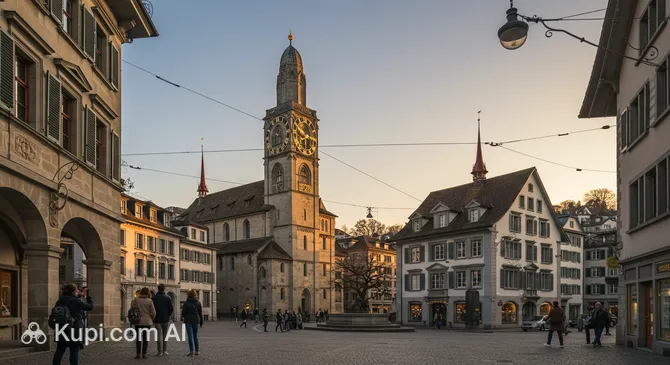
St. Peter Church. Source: Kupi.Binoculars
  • The St. Peter Church features the largest tower clock face in Europe. With a diameter of 8.7 meters, it is significantly larger than the famous clock on Big Ben in London.

  • Zurich is the birthplace of Dadaism, an avant-garde art movement founded in 1916 at the Cabaret Voltaire, which sought to challenge traditional conventions of art and society during the early 20th century.

  • Travelers can drink directly from over 1,200 public fountains scattered across the city. Many of these fountains are beautifully designed works of art, providing fresh, high-quality spring water to everyone for free.

  • The city is home to the world's oldest continuously open vegetarian restaurant, Haus Hiltl. It has been serving meat-free delicacies since 1898, long before plant-based diets became a global trend.

  • Inside the Masoala Hall, visitors can step into a dedicated mini-ecosystem that replicates a Madagascar rainforest, complete with tropical temperatures and free-roaming animals.

How to Get There

Zurich is exceptionally well-connected, serving as a primary transportation hub for Switzerland and Europe. Whether you are arriving by air or rail, the city offers efficient and comfortable entry points. For a comprehensive overview of all travel options, you can read more about how to get to Zurich to plan your journey seamlessly.

The most convenient gateway for air travelers is Zurich Airport (ZRH), also known as Kloten Airport. It is the largest international airport in the country and is situated just 8.5 km from the city center. Due to its proximity, the transfer is quick; a train ride typically takes about 10 to 15 minutes, making it one of the most accessible city airports in the world. The airport handles a vast number of passengers annually, offering a wide range of global connections and modern amenities.

Another viable option, particularly for travelers coming from within Europe, is the EuroAirport Basel–Mulhouse–Freiburg (EAP). Located in the city of Basel, approximately 79.8 km from Zurich, this airport serves the tri-national region of France, Germany, and Switzerland. While it is further away, requiring a transfer time of around one and a half to two hours by road or train connection, it is a significant hub for various carriers.

For clarity, here is a summary of the main airports:

Airport Name City Passenger Traffic Km from City
Zurich Airport Zurich Very High 8.5
EuroAirport Basel–Mulhouse–Freiburg Basel High 79.8
Memmingen Allgäu Airport Memmingen Medium 144.2
Strasbourg Airport Strasbourg Medium 146.0
Friedrichshafen Airport Friedrichshafen Low 79.0

If you prefer traveling by train, the city is anchored by the Zürich Hauptbahnhof (ZLP), often simply called Zurich HB. Located directly in the heart of the city (just 0.1 km from the center), it is one of the busiest railway stations in the world. As a central node, it connects Zurich to major cities across Switzerland and neighboring countries with high-speed efficiency. Arriving here puts you instantly within reach of the city's main attractions and public transport network.

Travelers may also find themselves passing through or arriving at Basel SBB station (ZDH) in Basel, located about 74.2 km from Zurich. It is a major border station connecting Swiss, French, and German rail lines. From Basel, the journey to Zurich is straightforward, with frequent direct trains taking under an hour. This station is a key entry point for those exploring the wider region before heading to Zurich.

Below is a list of relevant railway stations in the region:

Station City Passenger Traffic Km to Center
Zürich Hauptbahnhof Zurich Very High 0.1
Bern Railway Station Bern High 96.4
Basel SBB station Basel High 74.2
Oerlikon Railway Station Zurich High 93.9
Basel Badischer Bahnhof Basel Medium 73.6

Main Attractions

Zurich offers a wealth of sights that range from medieval history to modern cultural institutions. The city is compact enough to explore many of its highlights on foot, particularly within the charming Old Town (Altstadt) and along the lakefront. Here are some of the most significant places that define the character of this Swiss metropolis.

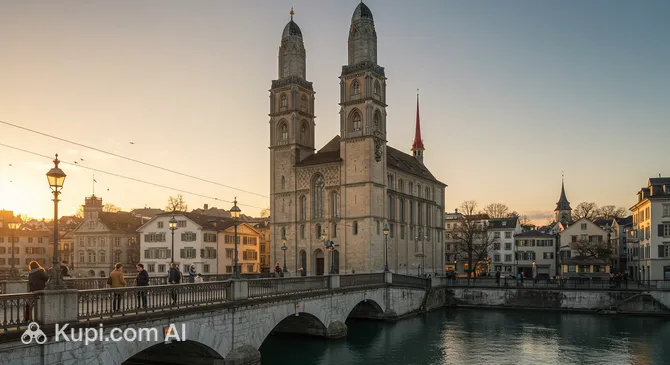
One of the most recognizable landmarks in the city is the Grossmünster, a Romanesque-style Protestant church famous for its iconic twin towers. Legend has it that the church was founded by Charlemagne, and it later played a pivotal role in the Swiss-German Reformation. Tourists are drawn here not only for its historical significance but also for the opportunity to climb the Karlsturm tower. From the top, you can enjoy breathtaking panoramic views over the rooftops of the Old Town, the lake, and the distant Alpine peaks.

Grossmünster. Source: Kupi.Binoculars

Located directly across the Limmat River from the Grossmünster is the Fraumünster Church, distinguished by its slender blue spire. Originally an abbey for aristocratic women founded in 853, the church is now a must-visit for art lovers. The main reason to step inside is to admire the magnificent stained glass windows created by Marc Chagall and Augusto Giacometti. The five Chagall windows in the choir are particularly famous for their vibrant colors and dreamlike storytelling.

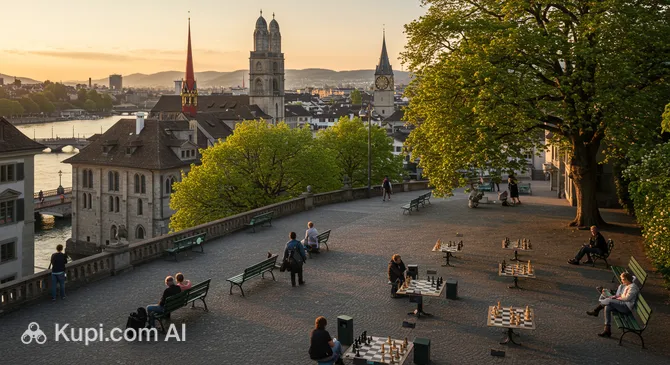
For a peaceful break with a view, travelers should head to Lindenhof. This elevated park in the center of the city is a historical site where a Roman castle once stood. Today, it serves as a car-free oasis shaded by lime trees, offering one of the best vantage points for photographing the Old Town and the Limmat riverfront. It is a favorite spot for locals to play chess and for visitors to soak in the serene atmosphere away from the bustling shopping streets.

Lindenhof. Source: Kupi.Binoculars

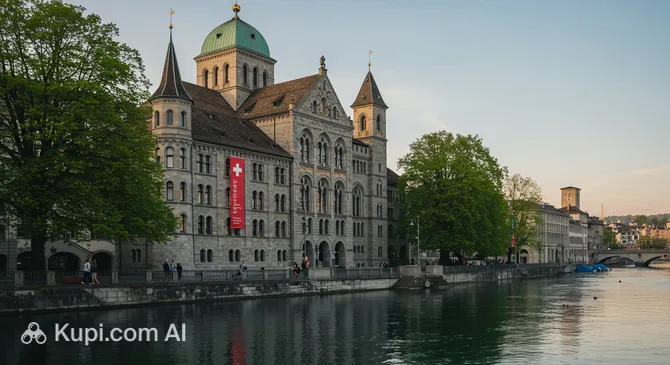
Culture enthusiasts should not miss the Swiss National Museum, which is housed in a fairytale-like castle building right next to the main train station. It is the most frequently visited museum of cultural history in Switzerland. The extensive collections take visitors on a journey from prehistoric times to the present day, showcasing handicrafts, armory, and everyday objects that explain the development of Swiss identity. The contrast between the historic architecture of the original building and its modern extension is an attraction in itself.

Swiss National Museum. Source: Kupi.Binoculars

A little further from the center lies the Zurich Zoo, widely considered one of the best zoos in Europe. It is renowned for its dedication to nature conservation and its spacious, immersive habitats. A highlight for many is the Kaeng Krachan Elephant Park, which allows the elephants to roam freely and swim. It provides a wonderful day out for families and anyone interested in wildlife, offering a chance to see animals in environments that closely mimic their natural homes.

Local Cuisine

The culinary landscape of Zurich is a delightful reflection of its cultural heritage, blending hearty Swiss traditions with a sophisticated international flair. The city prides itself on high-quality ingredients, often sourced from the surrounding countryside and lake. For visitors, the dining experience ranges from centuries-old guild houses (Zunfthäuser) with wood-paneled interiors to trendy industrial-chic eateries in the revitalized Zurich West district.

When it comes to signature dishes, no trip to the city is complete without trying Zürcher Geschnetzeltes. This iconic meal consists of sliced veal cooked quickly in a creamy white wine and mushroom sauce. It is almost invariably served alongside Rösti, a crispy, golden-brown cake made from grated potatoes that is a staple of Swiss cuisine. Another local contribution to global food culture is Birchermüesli. Invented in Zurich by Dr. Maximilian Bircher-Benner more than a century ago, this healthy mixture of oat flakes, lemon juice, condensed milk, grated apples, and nuts is now a popular breakfast or snack worldwide.

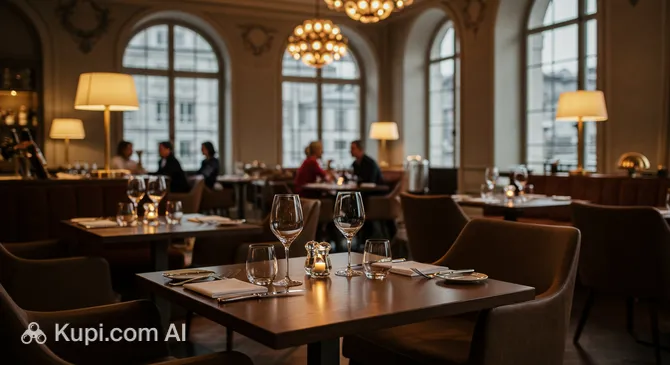
For those seeking a luxurious dining experience with a panoramic backdrop, The Dolder Grand is a celebrated destination. Located high above the city, it offers not only exceptional gourmet cuisine but also sweeping views of the lake and the Alps, making it a perfect spot for a memorable meal.

The Dolder Grand. Source: Kupi.Binoculars

The city's location on the water heavily influences its atmosphere. In the warmer months, locals and tourists flock to the riverbanks and lake promenades. Establishments like Storchen provide a unique opportunity to dine or enjoy a drink right on the edge of the Limmat River, watching the swans glide by in the heart of the Old Town. It is an ideal setting to soak up the historic charm of the city while enjoying local hospitality.

regarding beverages, wine lovers should explore the local vintages produced from the vineyards along Lake Zurich. The Räuschling grape is a regional specialty that produces a fresh, acidic white wine that pairs perfectly with lake fish. For non-alcoholic options, the city is famous for its drinking water, which flows from over 1,200 fountains and is of excellent quality. Additionally, hot chocolate remains a favorite treat, best enjoyed in one of the city's historic cafés alongside a "Luxemburgerli," the famous local macaron.

Travel Tips

Zurich is a city where alpine beauty meets urban efficiency, offering a seamless travel experience for those who come prepared. To help you navigate the local customs and logistics with ease, here are some essential practical tips for your visit.

  1. Clothing and Gear: The weather in Switzerland can be unpredictable, so dressing in layers is the best strategy regardless of the season. Bring a waterproof jacket and comfortable walking shoes, as the cobblestone streets of the Old Town are best explored on foot. Don't forget a power adapter; Switzerland uses Type J outlets, which are different from the standard European plugs, though two-pin Europlugs (Type C) often fit.

  2. Transportation: Public transport here is world-class, punctual, and the most efficient way to get around. The network of trams, buses, and trains (ZVV) covers every corner of the city. Consider purchasing a Zurich Card for unlimited travel and museum discounts, or buy a day pass if you plan to make multiple trips. Taxis are extremely expensive, and renting a car is generally unnecessary and cumbersome due to limited parking.

  3. Finances: The local currency is the Swiss Franc (CHF). While credit and debit cards are widely accepted even for small amounts, it is wise to carry some cash for market stalls or small, traditional shops. Zurich is known for being expensive, so budget accordingly. Tipping is not mandatory as a service charge is included in the bill, but rounding up to the nearest franc or leaving a small amount for exceptional service is appreciated.

  4. Health and Safety: Zurich is one of the safest cities in the world, with very low crime rates, though standard precautions against pickpocketing in crowded areas apply. Pharmacies (marked with a green cross) are easy to find, and the Bellevue and Bahnhof pharmacies are open 24/7 for emergencies. A great money-saving tip is to drink from the city's 1,200+ public fountains; the water is clean and potable.

  5. Communication: The official language is German, but locals speak a dialect called Swiss German. However, English is widely spoken and understood, especially in the service industry. A friendly "Grüezi" (Hello) works wonders as an icebreaker. Free Wi-Fi is available in many public squares, cafes, and at the main station, reducing the urgent need for a local SIM card for short stays.

  6. Local Etiquette: Politeness and punctuality are highly valued. Always greet shop assistants when entering a store and say goodbye when leaving. On Sundays, the city is very quiet; making loud noises (like mowing lawns or recycling glass bottles) is frowned upon. If you are invited to a local's home, arrive exactly on time.

  7. What to Avoid: Do not jaywalk. Waiting for the green pedestrian light is taken seriously here, and crossing on red can result in a fine or disapproving looks from locals. Also, avoid assuming that Euros are accepted everywhere; while some major shops take them, the exchange rate will likely be unfavorable, and change is usually given in Francs.

  8. Shopping Hours: Be aware that most shops close relatively early, typically around 8:00 PM on weekdays, and are closed on Sundays. The main exceptions are the shops located within Zurich Main Station and the airport, which remain open 365 days a year—a lifesaver if you need groceries or essentials on a Sunday.

By keeping these practicalities in mind, you will find it easy to blend in with the locals and enjoy the orderly, relaxed rhythm of the city. Whether you are catching a tram or enjoying a fondue, a little local knowledge goes a long way in making your trip unforgettable.

Entertainment & Nightlife

Zurich transforms remarkably after sunset, shedding its business-like persona to reveal a vibrant and diverse nightlife scene. With one of the highest densities of nightclubs in Switzerland, the city caters to every taste, from electronic music aficionados to lovers of live jazz and classical performances. Whether you prefer sipping cocktails in a sophisticated lounge or dancing until dawn in a converted industrial warehouse, the evening entertainment options are plentiful and exciting.

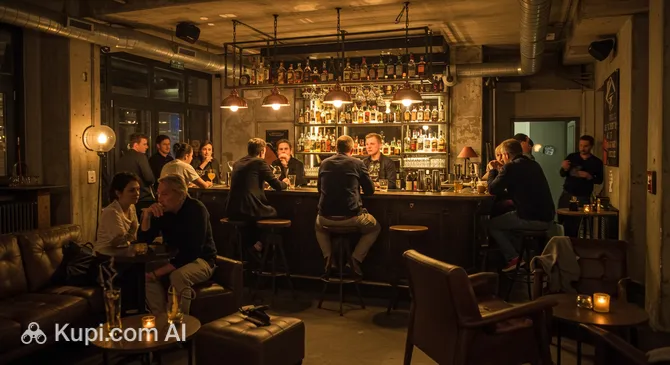
One of the most dynamic areas for nightlife is Zurich West. Formerly an industrial quarter filled with factories and shipyards, it has evolved into a trendy district known for its urban grit and modern flair. The arches of the viaduct and the old halls now house stylish bars, clubs, and cultural spaces. Here, you can find venues like the Zürich West Bar, which perfectly embodies the district's contemporary atmosphere. The crowd in this area is generally young, fashion-forward, and energetic.

Zürich West Bar. Source: Kupi.Binoculars

For a slightly edgier experience, the Langstrasse quarter is often cited as the city's legendary party mile. It is a colorful melting pot of cultures where neon lights illuminate a street lined with countless pubs, late-night takeaways, and clubs that stay open well into the morning. In contrast, the Niederdorf area in the Old Town offers a more traditional vibe. Its pedestrian-friendly cobblestone streets are packed with cozy bars and street artists, making it an ideal spot for a relaxed pub crawl or a casual evening drink with friends.

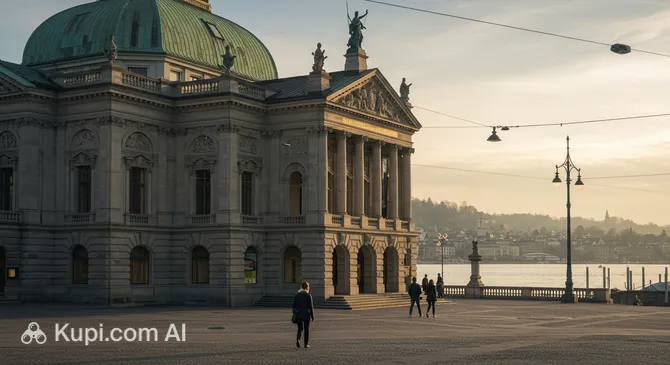
Culture enthusiasts seeking a sophisticated night out should head to the Zurich Opera House at Sechseläutenplatz. As one of the world's leading opera houses, it stages top-tier ballet and opera performances in a magnificent Neo-Baroque building. For those interested in alternative culture and concerts, the Rote Fabrik in Wollishofen is a must-visit. Located right by the lake, this cultural center hosts a variety of events, from indie concerts to theater and parties, attracting a creative and diverse audience.

Zurich Opera House. Source: Kupi.Binoculars

If you are looking for large-scale entertainment, the Hallenstadion serves as the city's premier arena, regularly hosting major international music acts and sporting events. Regarding timing, nightlife in Zurich generally kicks off around 10:00 PM or 11:00 PM for clubs, while bars fill up earlier. The dress code is mostly casual chic; locals dress well but comfortably, though some exclusive venues may have stricter door policies. Be prepared for Swiss prices—entry fees and drinks can be higher than in many other European cities.

Getting around at night is safe and convenient. On weekends (Friday and Saturday nights), the ZVV night network operates trains and buses until the early morning hours, ensuring you can get home safely after a night out. While the city is generally very safe for night walks, even in busy party districts, it is always wise to stay aware of your surroundings. Taxis are available but can be quite expensive, making the efficient public transport system the preferred choice for most locals and visitors.

Beyond the nightlife, Zurich offers a wealth of daytime entertainment options. Visitors can explore extensive collections at the Kunsthaus, enjoy family adventures at the zoo, or spend a relaxing afternoon at one of the many "Badis" (open-air swimming pools) that dot the river and lake, seamlessly blending leisure with the city's natural beauty.

Parks & Museums

Zurich is a city that breathes through its abundant green spaces and expresses its soul through world-class cultural institutions. Beyond the bustling financial district and the historic Old Town, visitors will find a treasure trove of carefully manicured gardens, wild forests, and museums that house some of the most significant art collections in Europe. Whether you are looking to escape into nature or immerse yourself in artistic mastery, the city offers a diverse array of experiences.

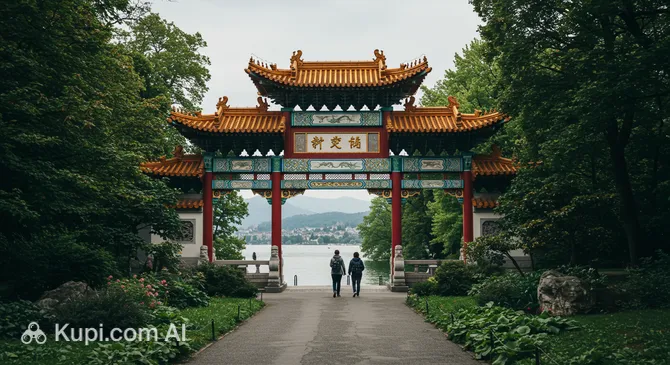
For a touch of exotic tranquility by the lake, the Chinese Garden Zurich is a stunning architectural gem. It was a gift from Zurich's Chinese partner city, Kunming, and is ranked as one of the highest-ranking temple gardens outside of China. The garden is dedicated to the "Three Friends of Winter"—the pine, the bamboo, and the plum blossom—and features a central pond with a small island, intricate pavilions, and decorative walls. It is a perfect place for a peaceful walk and contemplation.

Chinese Garden Zurich. Source: Kupi.Binoculars

Nature lovers seeking a more rugged experience should explore the Zurich Wilderness Park Sihlwald. Located just outside the city limits, this sprawling area is the first nationally recognized nature discovery park in Switzerland. It offers a unique glimpse into what the region's forests looked like centuries ago, with ancient beech trees and deadwood left to decay naturally, creating a rich habitat for wildlife. It is an ideal spot for hiking, with miles of trails winding through the untouched landscape.

Another green highlight is the Botanical Garden (Zurich), managed by the University of Zurich. Famous for its three futuristic dome greenhouses, the garden houses around 9,000 different plant species from all over the world. Visitors can travel from the tropical rainforest to the dry savannah within just a few steps. The expansive outdoor grounds are equally impressive, offering a colorful display of flowers and a relaxing atmosphere for a sunny afternoon.

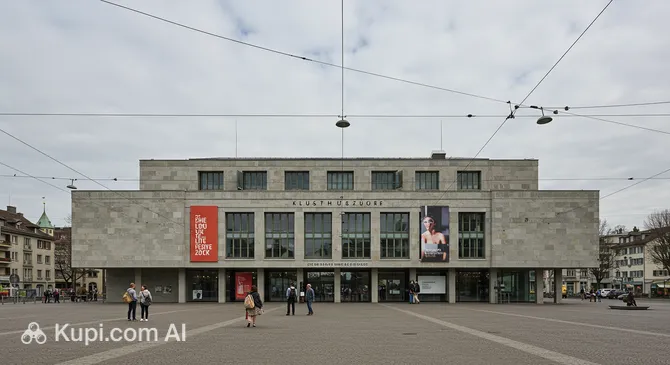
In terms of art, the Kunsthaus Zürich stands as a cultural beacon. It holds one of the most important art collections in Switzerland, spanning from the Middle Ages to contemporary works. The museum is particularly renowned for having the largest collection of Munch paintings outside of Norway and an extensive assortment of works by Alberto Giacometti. The recent extension by architect David Chipperfield has further cemented its status as a premier destination for art aficionados.

Kunsthaus Zürich. Source: Kupi.Binoculars

For a broader cultural perspective, the Rietberg Museum offers a fascinating journey into non-European art. Situated in the beautiful Rieterpark, the museum is the only one of its kind in the country, showcasing exquisite treasures from Asia, Africa, the Americas, and Oceania. The entrance is marked by a striking emerald-green glass pavilion, which leads underground to the exhibition spaces, blending modern architecture with the historic villa setting of the park.

For a truly unique and slightly surreal experience, consider visiting the Bruno Weber Park. Located in the Limmattal valley, this sculpture park is the lifework of Swiss artist Bruno Weber. It is a fantasy world filled with monumental, colorful concrete sculptures of mythical creatures that visitors can walk on and explore. It serves as a playful and imaginative contrast to the classic museums of the city center.

Getting Around

The public transport system in Zurich is widely regarded as one of the most efficient, clean, and reliable networks in the world. Managed by the Zürcher Verkehrsverbund (ZVV), it operates as a fully integrated web where a single ticket allows you to switch seamlessly between trams, buses, trains, and even boats. For tourists, this means you can navigate the entire city without worrying about complex zone boundaries or conflicting schedules, making a car largely unnecessary for exploring the center.

The backbone of the city's transit is its extensive tram network, easily recognized by the blue and white vehicles that glide through the streets. Trams are the best way to get around the city center, running frequently and covering most major attractions. While Zurich does not have a traditional underground metro system, it relies on a highly efficient S-Bahn (suburban train) network. These trains connect the city center with outlying neighborhoods and the airport in minutes, often traveling underground within the downtown area to function much like a rapid transit system.

For navigation and payment, the system is designed to be user-friendly. The city of Zurich falls into a single fare zone known as Zone 110. When purchasing a ticket, you generally have the choice between a single journey or a day pass. Since a day pass costs the same as two single rides, it is almost always the better value for tourists planning to explore multiple spots. Tickets can be purchased from the blue touchscreen machines located at every tram stop and train station; these machines accept cash and credit cards and can be switched to English. Alternatively, the SBB Mobile app or the ZVV app offers a convenient way to buy digital tickets directly on your smartphone.

Travelers should be aware that the system operates on an honesty basis, meaning there are no turnstiles to pass through. However, you must possess a valid ticket before boarding any vehicle. Ticket inspections are random but frequent, and failing to present a valid ticket results in a steep on-the-spot fine. If you buy a physical single ticket or day pass from a machine, it is usually validated immediately upon printing. If you have a multi-journey card, you must validate it in the orange stamping machines before your ride begins.

The operating hours are extensive, typically running from around 5:30 AM until shortly after midnight. On Friday and Saturday nights, the ZVV "Nachtnetz" (night network) keeps the city moving with late-night buses and trains that run until the early morning hours, ensuring you can return to your hotel safely after a night out. While night surcharges were common in the past, they are no longer required, so your regular valid ticket or pass is sufficient for weekend night travel.

Beyond standard commuting, the transport network includes some charming historic and scenic options. The Polybahn, a nostalgic red funicular railway, whisks passengers from Central square up to the university terrace in just a few minutes, offering excellent views. Additionally, the Limmat River boats and Lake Zurich steamships are part of the public transport network. A regular zone ticket allows you to hop on the river buses that cruise through the Old Town, providing a unique perspective of the city from the water.

While public transport is the primary choice, there are alternatives. Zurich is incredibly walkable, and many distances in the Old Town are shorter than they appear on maps. For cyclists, the "Züri rollt" initiative offers free bike rentals (with a deposit) at various stations, which is a fantastic way to see the lakeside. Taxis and ride-hailing services are available but are among the most expensive in the world; they are generally only recommended if you have heavy luggage or are traveling at odd hours when public transport is less frequent.
Accommodation

Zurich offers a wide spectrum of accommodation options, ranging from world-class luxury establishments to efficient business hotels and clean, well-maintained hostels. The standard of hospitality is consistently high, ensuring a comfortable stay regardless of the category chosen. Visitors can find everything from historic properties with centuries of tradition in the heart of the city to sleek, modern design hotels in the revitalized industrial districts.

Choosing the right area to stay in can greatly enhance your experience. The Altstadt (Old Town) is the most popular district for tourists, as it places you within walking distance of the main railway station, the Limmat River, and major historical landmarks. For those seeking a trendier, more urban atmosphere, Zurich West is an excellent choice; this former industrial quarter is now a hub for nightlife, art, and modern architecture. Alternatively, the districts of Enge and Seefeld, located along the shores of Lake Zurich, offer a more relaxed and scenic setting while still being just a short tram ride away from the center.

Regarding costs, travelers should be prepared for the city's general price level, which is among the highest in Europe. While "budget" accommodation exists, typically in the form of youth hostels or simple guesthouses, prices are often higher than in neighboring countries. Mid-range and luxury hotels are plentiful but can be expensive. Most accommodations can be easily booked via major online platforms, though checking the hotel's own website for direct booking deals is often worth the effort.

A helpful tip for securing the best stay is to book as far in advance as possible. Zurich is a hub for both business and leisure, meaning that well-located and reasonably priced rooms fill up quickly, especially during the summer peak season and major trade fairs. If you are visiting on a tighter budget, consider looking for hotels slightly further from the city center; the excellent public transport network makes commuting fast and stress-free.

Nearby Cities

For those looking to explore the surroundings, Zurich serves as an excellent base for day trips to several interesting nearby locations.

One of the most popular excursions is to Rapperswil-Jona, located at the upper end of Lake Zurich. Often referred to as the "City of Roses" due to its magnificent rose gardens, this charming town features a medieval castle perched on a hill that offers commanding views of the lake and the distant Alps. Visitors can stroll through the historic old town or walk across the wooden bridge that connects to Hurden, making it a perfect spot for a scenic afternoon.

Another cultural heavyweight nearby is Winterthur. Just a short train ride away, this city is renowned as a museum hub, boasting world-class institutions like the Swiss Science Center Technorama and the Fotomuseum Winterthur. Beyond its art and history, Winterthur offers a pedestrian-friendly city center and extensive parks, providing a relaxed atmosphere that contrasts with the busier streets of the capital.

For nature enthusiasts, Adliswil offers a gateway to the outdoors. It is the starting point for the aerial cableway that whisks visitors up to Felsenegg. From this vantage point on the Albis chain of hills, you can enjoy one of the most spectacular panoramic views over the lake and the city, especially at sunset.

City Population Distance (km)
Dubendorf 28002 6
Dietikon 26936 11
Opfikon 19864 7
Kloten 19362 9
Adliswil 18731 7

These nearby destinations offer a glimpse into the diverse culture and landscapes of the region.

Shopping & Souvenirs

Shopping in Zurich is an experience that rivals the world's top fashion capitals, characterized by a mix of luxury brands, high-quality local craftsmanship, and trendy urban boutiques. The city is renowned for offering everything from exclusive haute couture and glittering watches to the finest Swiss chocolate. Whether you are looking for international labels or unique Swiss design, the shopping landscape here is diverse, walkable, and exceptionally well-organized.

The most famous shopping destination in the city is undoubtedly the Bahnhofstrasse. Stretching for 1.4 kilometers from the main train station down to the lake, this tree-lined avenue is one of the most exclusive shopping streets in the world. The northern end near the station features large department stores and popular fashion chains, while the southern end near Paradeplatz is home to prestigious luxury boutiques, jewelry stores, and major banks. It is the perfect place to window shop or indulge in high-end purchases.

For a more bohemian and independent shopping vibe, visitors should explore the Niederdorf area in the Old Town or the revitalized Zurich West district. The narrow, cobblestone alleys of the Old Town are filled with small fashion boutiques, antique bookshops, and traditional craft stores. In contrast, Zurich West, particularly the area around the Viadukt, offers a modern experience where concept stores and design ateliers are housed within the arches of an old railway viaduct, showcasing the city's creative side.

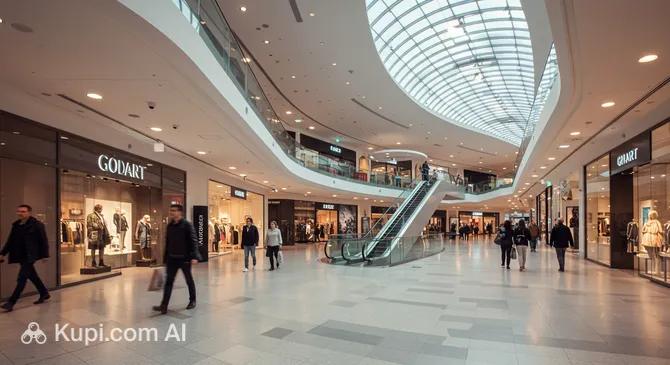
If you prefer having everything under one roof, the city boasts several excellent shopping centers. The Glatt Shopping Center is one of the most popular and largest malls in Switzerland. Located just outside the city center in Wallisellen, it is easily accessible by public transport and features over 90 stores, ranging from fashion and electronics to home goods. Another option for everyday needs and retail therapy is the Riedmatt Shopping Mall, which offers a convenient mix of shops and services.

Glatt Shopping Center. Source: Kupi.Binoculars

Markets are also a vibrant part of the local culture. The market at Bürkliplatz is a favorite among locals, offering fresh vegetables, flowers, and regional delicacies on Tuesdays and Fridays. On Saturdays, this square transforms into a lively flea market where you can hunt for vintage treasures and second-hand rarities. For those arriving or departing, "Shopville" located beneath Zurich Main Station is a bustling underground mall that remains open 365 days a year, providing a crucial shopping lifeline on Sundays when most other stores are closed.

When it comes to souvenirs, Switzerland offers classic items that are celebrated worldwide for their quality. The most popular gift is undoubtedly Swiss chocolate; visitors can find exquisite pralines at confectionery shops like Sprüngli or Teuscher. A Swiss Army Knife is another practical and iconic keepsake, available in countless variations. For those with a higher budget, a Swiss watch is the ultimate memento, with options ranging from playful Swatch designs to timeless luxury timepieces.

Standard opening hours for shops in the city center are typically from 9:00 AM to 8:00 PM on weekdays and until 5:00 PM or 6:00 PM on Saturdays. It is important to remember that nearly all shops are closed on Sundays, with the exception of those at the airport and the main train station. Credit and debit cards are widely accepted almost everywhere, though carrying a small amount of cash is useful for market stalls. Tourists residing outside Switzerland can also benefit from tax-free shopping; for purchases exceeding CHF 300 in a single store, you can request a VAT refund form to reclaim the tax upon leaving the country.

Reached the end of the page?

That means the route is fully explored