Support

Payerne

About

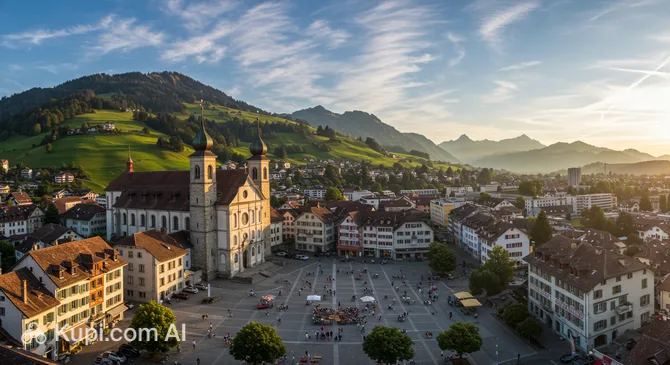
Nestled in the rolling hills of the Broye valley, Payerne is a captivating destination that offers a perfect blend of cultural heritage and scenic beauty. Located in the French-speaking canton of Vaud, this charming town serves as a delightful gateway to the rural heart of Switzerland. With a population of approximately 10,000 residents, it maintains a friendly, small-town atmosphere while providing all the amenities needed for a comfortable visit.

Payerne. Source: Kupi.Binoculars

The town is perhaps best known for its remarkable architectural landmark, the Abbey of Payerne. As the largest Romanesque church in the country, it stands as a testament to the region's spiritual and architectural past. Visitors interested in the history of Payerne will find the abbey and the surrounding old town streets to be a fascinating journey through time, revealing centuries of local traditions and stories.

Beyond its medieval stones, Payerne looks to the skies. The town is famous for its military airbase and the Clin d'Ailes museum, which showcases the fascinating world of military aviation. Whether you are admiring ancient frescoes or marveling at jet fighters, Payerne offers a unique and diverse experience for every traveler. It is an ideal stop for those seeking to discover the authentic character of the Swiss plateau.

Weather Overview

Travelers visiting Payerne can expect a climate with distinct seasonal changes, making it important to pack accordingly. The weather in Payerne generally features warm, pleasant summers and cold winters. During the warmest months of July and August, average maximum temperatures reach approximately 23°C, creating comfortable conditions for outdoor exploration.

In contrast, the winter season brings colder air, particularly in January when minimum temperatures often dip to around -2.0°C. Spring and autumn offer milder transitions, though visitors should be prepared for frequent precipitation; May, for instance, typically sees about 19 wet days. Overall, expect warm summers with occasional rain and cold winters.

Interesting Facts

Beyond its medieval walls and modern runways, Payerne holds intriguing stories that add depth to its character. This town is not just a stopover but a place where history and innovation intersect in surprising ways.
  • Home to Solar Aviation History: Payerne played a pivotal role in modern aviation as the home base for the Solar Impulse project. The revolutionary solar-powered aircraft, which successfully circumnavigated the globe without fuel, conducted its first test flights and was housed at the local airfield.

  • The Strategist of Emperors: The town is the birthplace of General Antoine-Henri Jomini, one of the most celebrated military theorists of the 19th century. Having served under both Napoleon and the Russian Tsar, his treatises on the art of war influenced military strategy for generations.

  • The Legend of Queen Bertha: The famous Abbey of Payerne is the final resting place of Queen Bertha of Swabia. A beloved figure in Switzerland, legend says she was so dedicated to her people that she spun wool while riding her horse, a scene often associated with local folklore.

  • A Unique Carnival Tradition: Payerne hosts the Brandons, one of the oldest carnivals in the French-speaking part of the country. This vibrant festival is distinct for its satirical newspapers and nightly processions, keeping ancient local traditions alive with great enthusiasm.

How to Get There

Reaching this charming destination in the Broye valley is relatively straightforward, thanks to Switzerland's efficient transport network. While the town is tucked away in the countryside, it remains accessible via several major international gateways. For a comprehensive overview of your travel options, you can view all ways to reach the city on our detailed page.

The city of Payerne does not have its own commercial airport for scheduled passenger flights, so most international visitors fly into one of the larger Swiss hubs. A popular choice is Geneva Airport (IATA: GVA), located in the city of Geneva. It is approximately 91 km from Payerne. If you choose to travel by taxi or shuttle bus from there, the journey typically takes around 1 hour and 15 minutes via the A1 motorway. Alternatively, you can fly into Zurich Airport (IATA: ZRH), the largest in the country. Situated in Zurich about 141.5 km away, the road transfer to Payerne generally takes close to 1 hour and 45 minutes.

For clarity, here is a summary of the main airports:

Airport Name City Passenger Traffic Km from City
Zurich AirportZurichLarge141.5
Geneva AirportGenevaLarge91.0
EuroAirport Basel–Mulhouse–FreiburgBaselMedium96.3
Dole-Jura AirportDoleSmall117.7
SionSionSmall73.2

Traveling by rail is another excellent way to approach the region, offering scenic views of the Swiss landscape. While Payerne is integrated into the local network, long-distance travelers often arrive first at a major hub. The Bern Railway Station, located in the capital city of Bern, is the closest major terminal, situated about 40 km from Payerne. From there, a taxi or car ride takes approximately 45 minutes. Another significant entry point is the Geneva Railway Station in Geneva, roughly 91 km away, which serves as a key node for high-speed trains from neighboring countries.

Below is a list of nearby railway stations that serve as convenient transit points:

Station City Passenger Traffic Km to Center
Bern Railway StationBernLarge40.3
Geneva Railway StationGenevaLarge91.4
Basel SBB stationBaselLarge94.5
Oerlikon Railway StationZurichLarge44.0
Sion Railway StationSionMedium73.5

Main Attractions

Payerne offers a surprising variety of sights that cater to history buffs, aviation enthusiasts, and families alike. While the town is relatively small, its landmarks are significant on a national scale, providing visitors with unique experiences that range from exploring medieval architecture to piloting flight simulators.

The undisputed highlight of the town is the Abbey of Payerne. As the largest Romanesque church in Switzerland, this majestic structure dates back to the 11th century and serves as a masterpiece of Cluniac architecture. Visitors are often struck by the sheer scale of the nave and the beautiful, light-filled interior adorned with ancient frescoes. It is a fascinating place to explore the region's spiritual history, and the attached museum offers further insights into the local heritage and the life of General Jomini.

For a complete change of pace, the Clin d'Ailes Museum of Military Aviation is a must-visit attraction located at the Payerne Air Base. This museum is dedicated to the history of the Swiss Air Force and showcases an impressive collection of retired jet fighters and helicopters, including Vampires, Venoms, and Mirages. It is particularly interesting for technology lovers and thrill-seekers, as it offers the rare opportunity to sit in a cockpit or book a session in a flight simulator to experience the sensation of flying a jet.

Travelers looking for active entertainment will enjoy a trip to Payerneland. This leisure complex is famous for having one of the best indoor karting tracks in Europe, as well as an outdoor circuit for sunny days. Beyond racing, the park features an adventure area with tree-top climbing courses and attractions suitable for children. It is the perfect spot for families or groups of friends wanting to unwind and enjoy some adrenaline-fueled fun after a day of sightseeing.

Local Cuisine

The culinary landscape of Payerne is deeply rooted in the rustic and hearty traditions of the Canton of Vaud. Food here is celebrated for its quality ingredients and comforting flavors, reflecting the town's agricultural surroundings in the Broye valley. Visitors will find that the local cuisine is unpretentious yet incredibly satisfying, with a strong emphasis on cured meats, dairy products, and savory pastries.

The undisputed star of the local table is the famous Saucisson Vaudois, a pork sausage that is a staple of the region's gastronomy. In Payerne, this specialty is treated with great respect by local butchers. It is traditionally served resting atop a bed of Papet Vaudois, a creamy stew made from leeks and potatoes that have been slow-cooked until tender. The combination of the smoky, savory sausage with the mild, melting vegetables creates a dish that perfectly embodies the warmth of Swiss comfort food.

For those with a sweet tooth, the region offers delightful treats that pair perfectly with an afternoon coffee. A must-try is the Gâteau à la crème (cream tart), a simple but decadent pastry consisting of a yeast dough base topped with a mixture of cream and sugar. Another local favorite, influenced by the nearby lake region, is the Gâteau du Vully, which can be found in both sweet versions with caramelized sugar and savory versions topped with bacon and cumin.

The dining culture in Payerne revolves around traditional auberges (inns) and brasseries, where the atmosphere is casual and welcoming. These establishments are the best places to sample authentic local dishes alongside residents. To accompany the meal, locals often choose a glass of Chasselas, a crisp white wine produced in the nearby vineyards of the Vaud and Vully regions. This wine is renowned for its ability to cut through the richness of cheese and charcuterie, rounding off a truly Vaudois dining experience.

Travel Tips

Preparing for a trip to Payerne is straightforward, but having a few local insights can make your visit to this historic corner of the Vaud canton even more enjoyable. Here is some practical advice to help you navigate the town’s customs and logistics with ease, ensuring a smooth experience from arrival to departure.

  1. Clothing and Gear: Since the weather can be changeable, the best strategy is to pack layers. Even in summer, evenings can be cool, so a light jacket is recommended. Comfortable walking shoes are essential, especially if you plan to explore the cobblestones around the Abbey or visit the vast Payerne Air Base area. Do not forget to bring a Type J power adapter (three-pin hexagonal), as standard European Type C or F plugs may not fit recessed Swiss outlets.
  2. Transportation: Payerne is a compact town, and its center is best explored on foot; the Abbey and local shops are within easy walking distance of the train station. For trips to nearby villages or major cities like Bern and Lausanne, the train system (SBB/CFF) is punctual and efficient; download the SBB mobile app for real-time schedules and tickets. Taxis are available but can be expensive, so they are best reserved for specific needs or late-night travel.
  3. Finances: The official currency is the Swiss Franc (CHF). While major credit cards (Visa, Mastercard) are widely accepted in hotels, supermarkets, and larger restaurants, it is wise to carry some cash for small bakeries, kiosks, or parking meters. ATMs are readily available throughout the town. Tipping is not mandatory as service is included in the bill by law, but rounding up the amount or leaving a small sum for exceptional service is appreciated.
  4. Health and Safety: Payerne is a very safe town with low crime rates, though standard precautions against petty theft should always be taken. Pharmacies are marked with a green cross; they typically operate during standard business hours, but a rotating "pharmacie de garde" is available for after-hours emergencies (check the window of any pharmacy for the schedule). For urgent medical assistance, dial 144.
  5. Communication: The primary language in Payerne is French. While staff at major tourist attractions like the Clin d'Ailes museum usually speak English, it is less common in smaller local shops. Learning a few basic phrases like "Bonjour" (Hello) and "Merci" (Thank you) is considered polite and opens doors. Be aware that Switzerland is not part of the EU roaming zone, so check your mobile plan or buy a local SIM card/eSIM to avoid high data charges.
  6. Local Etiquette: Politeness is highly valued here. It is customary to greet shopkeepers with a friendly "Bonjour" when entering a store and "Au revoir" when leaving. If you are invited to a local's home or are sharing a table, wait for a toast—usually "Santé"—before drinking. Punctuality is taken seriously, so try to be on time for any reservations or tours.
  7. What to Avoid: Avoid making loud noises or causing disturbances on Sundays. Sunday is traditionally a day of rest in Switzerland, and activities like mowing lawns, recycling glass bottles, or loud music are frowned upon. Additionally, do not assume that everyone accepts Euros; while some shops might take them, the exchange rate will likely be unfavorable, and change will be given in Francs.
  8. Midday Closures: Unlike in large metropolises, many smaller shops and businesses in Payerne close for a lunch break, typically between 12:00 PM and 1:30 PM. Plan your shopping or administrative errands accordingly. This is the perfect time to follow the locals' lead and enjoy a leisurely meal at a restaurant yourself.

By keeping these practical tips in mind, you will be well-equipped to relax and focus on the unique experiences Payerne has to offer. Whether you are delving into medieval history or watching jets soar overhead, a little preparation ensures your Swiss adventure is as comfortable as it is memorable.

Entertainment & Nightlife

While Payerne is better known for its medieval history and aviation heritage than for a wild party scene, the town offers a pleasant and convivial nightlife suitable for a relaxing evening after a day of exploration. The atmosphere here is distinctly laid-back, revolving around warm gatherings, lively conversations, and the traditional Swiss culture of the "apéro." You will not find sprawling nightclub districts; instead, the evening entertainment is concentrated in a few welcoming spots, primarily located along the Grand-Rue and near the train station.

For those looking to unwind with a drink, the town center features several friendly establishments. The Phoenix Bar is a popular choice among locals, conveniently situated near the station. It transforms from a cozy café during the day into a dynamic spot for cocktails and music in the evening. If you prefer a more traditional pub vibe, Charlie's Scottish Pub offers a robust selection of beers and a classic, rustic atmosphere perfect for chatting with friends. These venues typically operate until midnight or 1:00 AM on weekends, with a casual dress code that welcomes hikers and smart-casual dressers alike.

For a more active night out, visitors should head slightly out of the center to Payerneland. This extensive leisure complex is a major draw for the region and stays open late, often until 11:00 PM. It houses the largest indoor karting track in Europe, allowing for adrenaline-fueled races regardless of the weather. It is an excellent option for groups or families who want to combine dinner at the on-site restaurant with some high-speed entertainment.

Culturally, the town offers a quieter but equally engaging evening program. The Cinéma Les Apollo, located on the Grand-Rue, screens the latest international and local films in a comfortable setting. During the warmer months, particularly in June, the town comes alive with the Red Pigs Festival, an open-air music event that takes over the Place du Marché with free concerts and a festive spirit. In terms of daytime culture, the famous Abbey of Payerne and the Clin d'Ailes museum remain the primary attractions, but the evening is best spent enjoying the local hospitality.

Payerne is a very safe town at night, and walking between the center and the station is generally secure. However, since the streets can become quite quiet after dark, it is advisable to stick to well-lit main roads. Taxis are available but can be scarce late at night, so it is recommended to book one in advance if you are traveling to or from venues on the outskirts like Payerneland. Prices for evening entertainment are standard for Switzerland, with a cocktail costing around 15 CHF and a pint of beer around 8-10 CHF.

Parks & Museums

Payerne offers a delightful mix of cultural treasures and refreshing green spaces, making it an ideal destination for those who appreciate both history and the outdoors. While the town is famous for its medieval architecture, it is also situated in the heart of the Broye valley, providing easy access to serene natural environments where visitors can unwind and reconnect with nature.

For those seeking a peaceful escape, the banks of the River Broye provide a picturesque setting for leisurely strolls or morning jogs. The river winds gently through the region, and the paths along its edge are shaded by trees, offering a cool retreat during the summer months. It is a favorite spot for locals to walk their dogs or enjoy a quiet picnic by the water. Just a short distance from the town center, the surrounding countryside opens up into the Golf de Payerne at the Domaine des Invuardes. This beautifully maintained green space is not only for golfers; its manicured landscapes and views of the distant Jura mountains make it a scenic area that highlights the lush beauty of the Vaudois plateau.

The cultural heartbeat of the city is undoubtedly the Abbey of Payerne, which functions as a sprawling museum complex. Far from being just a static monument, the Abbey offers an immersive "Discovery Trail" that guides visitors through its thousand-year history. Through interactive audio-visual installations, tourists can learn about the lives of the Cluniac monks, the legend of Queen Bertha, and the architectural secrets of this Romanesque masterpiece. The site frequently hosts art exhibitions and concerts, utilizing the superb acoustics of the nave to create memorable cultural experiences.

On the modern end of the spectrum, the Clin d'Ailes Museum of Military Aviation stands as a tribute to Switzerland's aerial history. Located at the operational Payerne Air Base, this museum is a fascinating destination for technology enthusiasts and families. It houses a remarkable collection of retired Swiss Air Force jets and helicopters, including the iconic Mirage III and the Vampire. Beyond static displays, the museum is renowned for its flight simulators and the opportunity to see active military aircraft taking off from the nearby runway, bridging the gap between history and present-day aviation.

For a truly authentic experience, visitors should explore the Sentier des Bornes (Boundary Stone Trail). This lesser-known hiking path takes you through the forests and fields around Payerne, marking the historical borders of the town. It is a quiet, off-the-beaten-path activity that offers a unique perspective on the local geography and provides a perfect excuse to breathe in the fresh country air away from the main tourist crowds.

Getting Around

Navigating Payerne is a stress-free experience, as the town is compact and pedestrian-friendly. Due to its relatively small size, there is no metro, tram, or trolleybus system. Instead, the public transport network relies primarily on a reliable fleet of buses and the central railway station, which serves as the main hub for both local and regional connections. For most visitors, walking is the most convenient way to explore the historic center, while public transport is ideal for reaching the outskirts, the air base, or neighboring villages in the Broye valley.

The local bus network is largely operated by PostBus (CarPostal), easily customizable by their distinctive yellow vehicles. These buses connect the Payerne railway station with residential areas, industrial zones, and surrounding communities. The schedules are generally synchronized with train arrivals and departures to facilitate smooth transfers. While service is frequent during peak weekday hours, it is important to note that the frequency may decrease significantly in the evenings and on Sundays.

For fare payment, Payerne is integrated into the Mobilis tariff network, which covers the Canton of Vaud. This means that a single ticket is valid for both trains and buses within the purchased zones for a specific duration. Travelers can purchase single tickets or day passes. A standard single ticket for a local zone typically costs a few francs, but prices can vary based on the number of zones crossed. Tourists planning to travel extensively might benefit from a day pass, which offers unlimited travel within the selected zones for 24 hours.

The most convenient way to pay for transport is digital. The SBB Mobile app and FAIRTIQ are widely used and highly recommended for tourists; they allow you to check timetables in real-time and purchase tickets instantly without needing cash. If you prefer physical tickets, vending machines are available at the train station and major bus stops. These machines usually accept credit cards and coins. Be sure to buy your ticket before boarding the bus or train, as onboard sales are rare and traveling without a valid ticket can result in a hefty fine.

If you prefer alternatives to public transit, taxis are available, though they are generally quite expensive compared to other European destinations. You can typically find a taxi rank outside the train station, but it is often safer to book one by phone or via an app in advance, especially at night. Ride-sharing services like Uber are not standard in this smaller town, so relying on local taxi companies is the best bet for private car transport.

Cycling is another fantastic option for getting around, given the relatively flat terrain of the Broye valley. Visitors can rent bicycles directly at the Payerne railway station through the Rent a Bike service. This is particularly popular for tourists wishing to ride out to the Roman ruins in nearby Avenches or simply explore the scenic country lanes. For those with a driving license, car-sharing vehicles from Mobility are also stationed at the railway station, providing a flexible option for day trips.

Accommodation

Finding a place to stay in Payerne is relatively simple, though the options are more intimate and limited compared to larger Swiss cities. The town primarily caters to cultural tourists visiting the Abbey and aviation enthusiasts drawn to the air base. Despite the smaller selection, the available accommodations are known for their cleanliness, efficiency, and the warm hospitality typical of the Canton of Vaud.

For those who wish to stay in the heart of the action, Hôtel La Suite is the standout choice. Conveniently situated just steps from the railway station and a short walk from the historic Abbey of Payerne, this hotel offers modern amenities and serves as an excellent base for exploring the town on foot. Its central location means you are never far from local brasseries, shops, and the vibrant atmosphere of the Grand-Rue.

Travelers seeking a more home-like environment or those planning a longer stay in the Broye valley can find several furnished apartments and Bed & Breakfasts scattered throughout the town and its immediate surroundings. These options often provide a quieter experience and the flexibility of self-catering, which is perfect for families or small groups.

If accommodations in Payerne itself are fully booked—which can happen during the Brandons carnival or major events at the air base—visitors often look to the neighboring town of Estavayer-le-Lac. Located on the shores of Lake Neuchâtel, it is just a short train ride or drive away and offers a wider range of hotels, from historic inns to lakeside resorts. The nearby medieval town of Avenches is another charming alternative that provides additional lodging options within easy reach.

Travel Tip: Payerne is home to a major Swiss Air Force base. During air shows, flight demonstrations, or significant military exercises, demand for rooms in the area skyrockets. It is highly recommended to book your accommodation well in advance if your visit to Switzerland coincides with these popular aviation events.

Nearby Cities

For those looking to explore the surroundings, Payerne serves as an excellent base for day trips to several interesting nearby locations:

Located just a short distance away, Fribourg is a captivating destination known for its remarkably preserved medieval architecture. Visitors can wander through the Old Town, crossing ancient bridges over the Sarine River, and admire the stunning Gothic St. Nicholas Cathedral. As a bilingual city sitting on the cultural border between French and German Switzerland, it offers a unique and rich atmosphere.

The Swiss capital, Bern, is another essential stop, famous for its UNESCO World Heritage historic center. Travelers can stroll through kilometers of covered arcades, watch the mechanical figures of the Zytglogge clock tower, or visit the Bears at the expansive Bear Park. It combines relaxed charm with significant cultural landmarks.

Situated on the shores of Lake Geneva, Lausanne is a vibrant city that serves as the Olympic Capital. It features the fascinating Olympic Museum, a lively waterfront district at Ouchy, and a beautiful Gothic cathedral. The city’s hilly topography offers spectacular views across the lake to the Alps, making it a scenic spot for a day trip.

City Population Distance (km)
Lausanne 139111 41
Bern 133883 41
Köniz 41784 38
La Chaux-de-Fonds 38965 32
Fribourg 38365 17

These nearby destinations offer a glimpse into the diverse culture and landscapes of the region.

Shopping & Souvenirs

Shopping in Payerne offers a relaxed and authentic experience that stands in contrast to the frenetic pace of large metropolises. While you will not find high-end luxury fashion houses here, the town provides a charming selection of local boutiques, traditional artisans, and practical retail outlets. It is the perfect place to discover regional specialties and enjoy a stroll through a town center where shopkeepers often take the time to chat with their customers.

The heart of the shopping scene is located along the Grand-Rue and the surrounding pedestrian-friendly streets of the historic center. This area is lined with independent stores, including florists, bookstores, and clothing boutiques that cater to a local clientele. It is also where you will find some of the best bakeries in the region, tempting passersby with the scent of fresh pastries. A walk down this main artery allows visitors to combine window shopping with sightseeing, as many businesses are housed in well-preserved historic buildings.

For more extensive shopping needs, the town features commercial zones located on the outskirts, easily accessible by car or bus. These areas host larger supermarkets and retail chains, offering everything from electronics and sports equipment to household goods. While these centers lack the medieval charm of the old town, they provide convenience and a wider variety of international brands for travelers who need to restock on supplies.

A highlight for many visitors is the local market culture. The Place du Marché comes alive with stalls offering fresh produce, regional cheeses, and flowers. These markets are an excellent opportunity to mingle with residents and purchase high-quality ingredients directly from farmers in the Broye valley. Throughout the year, special seasonal markets, such as Christmas markets or craft fairs during local festivals, add a festive touch to the shopping experience.

When it comes to souvenirs, Payerne is a destination for food lovers. The most iconic item to bring home is the Saucisson Vaudois, a protected regional sausage available at local butcher shops (boucheries). Pair this with a bottle of Chasselas wine from the nearby vineyards or a box of artisanal Swiss chocolates. For a sweet memento that must be consumed quickly, pick up a slice of the famous Gâteau à la crème (cream tart) from a local bakery.

Store opening hours in Payerne follow traditional Swiss customs. Most shops are open from Monday to Friday, typically between 8:00 AM and 6:30 PM. It is important to note that many smaller, independent shops in the town center close for a lunch break, usually from 12:00 PM to 1:30 PM. On Saturdays, shops generally close earlier, around 4:00 PM or 5:00 PM, and nearly all retail businesses are closed on Sundays, except for small convenience stores at the train station.

Payment is straightforward, with the Swiss Franc (CHF) being the official currency. Major credit and debit cards are widely accepted in supermarkets and most boutiques, though carrying some cash is advisable for small purchases at the market or in smaller cafés. International tourists residing outside Switzerland may be eligible for a VAT refund on purchases exceeding 300 CHF in a single store; look for the "Tax Free" signage in shop windows to inquire about the necessary forms.
Reached the end of the page?

That means the route is fully explored