Support

Chambéry

About

Chambéry is a city of art and history, often celebrated as a "Crossroads of the Alps" where Italian influence meets alpine tradition. Located in the Auvergne-Rhône-Alpes region of France, this charming destination serves as a gateway to some of the country's most spectacular mountain ranges. With a population of approximately 59,000 inhabitants, it offers the amenities of a vibrant urban center while maintaining a welcoming, human-scale atmosphere.
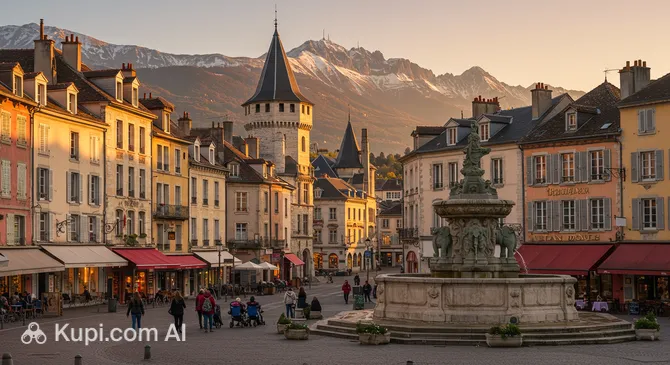
Chambéry. Source: Kupi.Binoculars

The city is nestled in a valley between the Bauges and Chartreuse massifs, providing stunning natural backdrops in every direction. Historically significant as the former capital of the House of Savoy, the town boasts a unique architectural character. Visitors eager to understand the deep roots of this region will find exploring the history of Chambéry to be a fascinating journey through time, revealing stories of dukes, diplomacy, and cultural exchange.

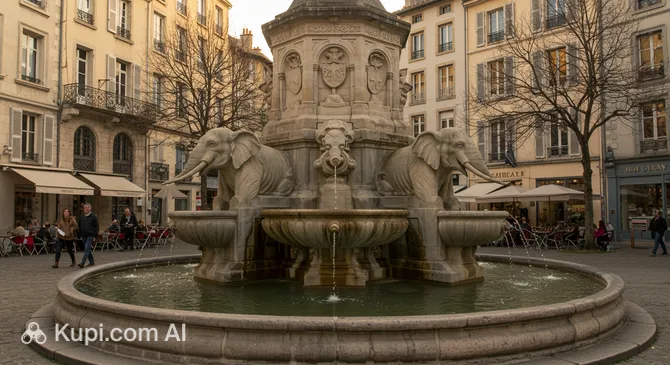
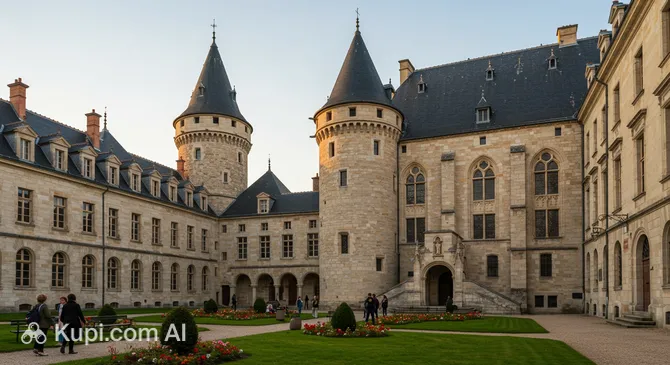
Walking through the Old Town is a highlight for any traveler. The winding medieval streets are lined with colorful facades and hidden passageways known as "allées." Among the top attractions is the impressive Château des Ducs de Savoie, a sprawling complex that dominated the region's politics for centuries. Another unmissable landmark is the Fontaine des Éléphants (Elephants Fountain), affectionately nicknamed "The Four Without Butts" by locals due to the unique positioning of the sculptures.

Whether you are stopping by on your way to the ski slopes or planning a dedicated cultural getaway, Chambéry invites you to discover its culinary delights, vibrant markets, and rich heritage. It is a destination that truly captures the spirit of the French Alps.
Weather Overview

The climate in Chambéry is defined by distinct seasonal changes, influenced significantly by its position near the Alps. Summers are generally warm and pleasant, making them popular for visiting; July is typically the warmest month with an average temperature of 20.2°C and highs reaching 25.3°C. Conversely, winters are cold, with January averages dropping to 1.8°C and minimum temperatures often dipping below freezing to around -1.5°C.

Precipitation is a consistent factor to consider when planning a trip, as the city experiences a high number of wet days throughout the year. May is notably frequent for rainfall, recording up to 18 wet days, while even the drier summer months like August still see rain on about 12 days. Travelers should expect warm summers with occasional rain and cold, damp winters, so it is wise to consult the detailed weather in Chambéry forecast before packing.

Interesting Facts

Beyond its scenic beauty and alpine charm, Chambéry holds fascinating secrets and historical curiosities that often escape the casual observer. From artistic masterpieces to royal relics, the city offers unique stories waiting to be discovered.

Château of the Dukes of Savoy. Source: Kupi.Binoculars
  • The city was once the guardian of one of Christianity's most famous relics. For nearly a century, the Holy Shroud was housed in the Sainte-Chapelle of the Château of the Dukes of Savoy. It was actually here, during a fire in 1532, that the shroud sustained the burn marks that are still visible on the cloth today, before it was eventually moved to Turin.

  • Art lovers may be surprised to learn that the Saint-François-de-Sales Cathedral contains the largest ensemble of trompe-l'œil painting in Europe. Covering over 6,000 square meters of the interior, these intricate illusions masterfully mimic architectural details and reliefs on flat surfaces, creating a stunning visual depth.

  • The famous philosopher Jean-Jacques Rousseau spent some of the happiest years of his youth in this region. He lived at Les Charmettes – Jean-Jacques Rousseau's House, a country home where he developed his profound love for nature and botany, a period he later described fondly in his autobiography, Confessions.

  • Chambéry is home to a masterpiece of industrial architecture known as "La Rotonde." This massive railway roundhouse, built in the early 20th century, features a spectacular metal dome structure often compared to the work of Gustave Eiffel. It remains one of the largest covered railway rotundas in France, symbolizing the city's historical importance as a transit hub.

How to Get There

Chambéry is strategically positioned as a gateway to the French Alps, making it relatively easy to access from various parts of Europe. Whether you are arriving for a ski trip or a cultural visit, there are several transport options available. For a comprehensive guide on all travel methods, you can read more about how to get to Chambéry.

For those preferring to fly, the most convenient option is often Chambéry Airport (IATA: CMF). Located directly in Chambéry, it is situated just 8.7 km from the city center. Although it is a smaller regional hub, it is particularly popular during the winter season for skiers. Alternatively, for a wider range of international flights, travelers often choose Lyon Saint-Exupéry International Airport (IATA: LYS). This major airport is located in the city of Lyon, about 66.9 km from Chambéry. Another significant option is Geneva Airport (IATA: GVA) in Geneva, which is approximately 76.3 km away and serves as a major international entry point for the region.

For clarity, here is a summary of the main airports:

Airport Name City Annual Traffic Distance to Chambéry
Geneva AirportGeneva17,800,00076.3 km
Lyon Saint-Exupéry International AirportLyon9,970,00066.9 km
Turin AirportTurin4,500,000141.5 km
Chambéry AirportChambéry169,0008.7 km
SionSion35,929131.4 km

Travelers arriving by train can also utilize major railway hubs in neighboring cities if direct connections are not available. The Grenoble Railway Station is one of the closest significant hubs, located in the city of Grenoble, approximately 44.4 km from Chambéry. Additionally, Lyon Part-Dieu Station is a key transit point for high-speed trains. It is situated in Lyon, roughly 85.3 km away.

Below is a list of nearby railway stations that serve the region:

Station City Annual Traffic Distance to Chambéry
Geneva Railway StationGeneva42,120,00073.9 km
Lyon Part-Dieu StationLyon40,088,68985.3 km
Grenoble Railway StationGrenoble8,776,38444.4 km
Gare de Lyon-PerracheLyon7,637,07787.5 km
Valence TGV StationValence3,283,28897.4 km

Main Attractions

While the historic center draws many visitors, Chambéry offers a diverse array of attractions that extend beyond its medieval streets. From cascading waters to expansive green spaces and modern leisure facilities, the city provides varied experiences for nature lovers and shoppers alike.

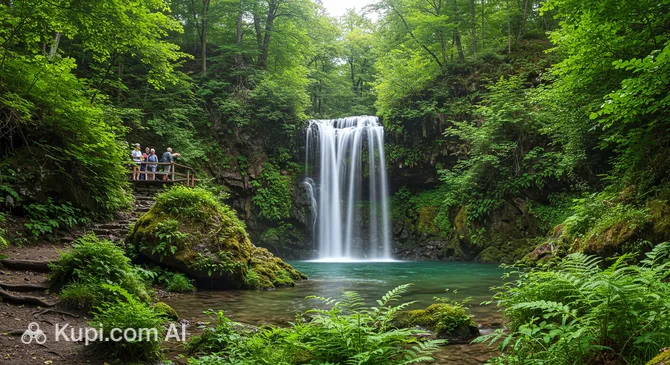
For a refreshing escape into nature without leaving the city limits, the Jacob-Bellecombette Waterfall is a hidden gem. Located just a short distance from the university district, this natural site features a picturesque cascade nestled within a wooded gorge. It is an ideal spot for a short hike or a peaceful break, offering a cool retreat during the warmer months and a scenic backdrop for photography enthusiasts.

Jacob-Bellecombette Waterfall. Source: Kupi.Binoculars

Those seeking a blend of history and horticulture should explore Buisson-Rond Park. This vast landscaped park surrounds a noble château and is renowned for its magnificent Alpine rose garden, which bursts with color in the spring and summer. With its wide open lawns, shaded paths, and sports facilities, the park serves as a perfect location for a family picnic or a relaxing afternoon stroll away from the urban bustle.

Travelers interested in a different kind of leisure can visit the Chamnord Mall. As a major commercial hub in the region, it offers a comprehensive shopping experience with a wide variety of French and international brands. Whether you are looking to purchase local souvenirs, update your wardrobe, or simply enjoy a meal at one of the many eateries, this center provides a modern contrast to the city's historic charm.

Additionally, art admirers can visit the Chambéry Museum of Fine Arts. Situated in a renovated grain exchange, it houses an impressive collection of Italian paintings, reflecting the strong cultural ties between Savoy and Italy. It remains a quiet sanctuary for contemplation and artistic appreciation in the heart of the town.

Local Cuisine

The culinary identity of Chambéry is deeply intertwined with the alpine traditions of the Savoy region. Visitors can expect hearty, warming dishes that celebrate the richness of local produce. The area is famous for its exceptional cheeses, such as Beaufort, Reblochon, and Tomme de Savoie. These are the essential ingredients for iconic mountain meals like Fondue Savoyarde and Raclette, which are best enjoyed in good company during the cooler months.

Beyond cheese, the local gastronomy features savory specialties like Diots, pork sausages typically simmered in white wine and onions. They are often accompanied by Crozets, small square pasta made from buckwheat that is unique to the French Alps. For a refreshing apéritif, one must try the Vermouth de Chambéry. This aromatic fortified wine, flavored with alpine herbs, is a protected designation of origin and a symbol of the city's historical trade.

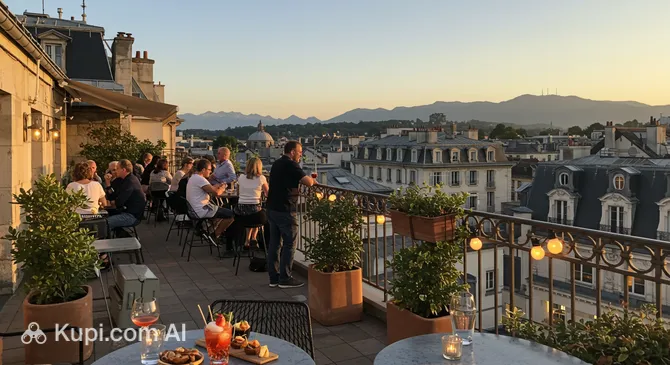
For a memorable dining experience with a view, Le Corsaire Beer & Rooftop Bar is a standout choice. Combining a relaxed atmosphere with a selection of craft beers and tasty bites, this venue allows guests to soak in the cityscape from above.

Le Corsaire Beer & Rooftop Bar. Source: Kupi.Binoculars

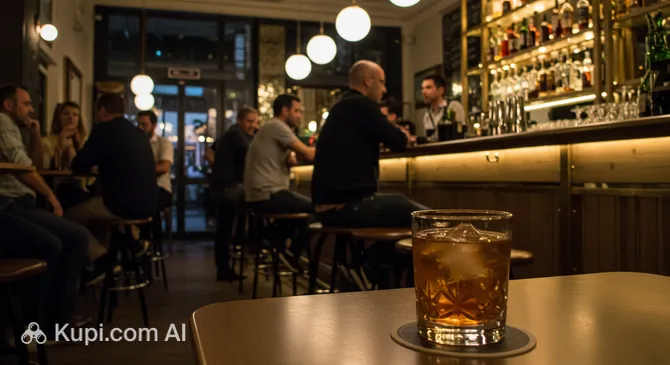
Those seeking a vibrant spot to unwind in the evening should visit Le 22 Chambéry. This popular bar offers a welcoming environment and a diverse drink menu, making it an excellent place to experience the local nightlife and mingle with residents.

Le 22 Chambéry. Source: Kupi.Binoculars

Travel Tips

Visiting Chambéry offers a delightful mix of urban history and alpine adventure, but a little preparation goes a long way to ensure a stress-free experience. To help you navigate the capital of Savoy like a pro, here are some practical tips designed to help you make the most of your stay.

  1. Clothing and Gear: Since Chambéry is located in a valley surrounded by mountains, the weather can be changeable. Even in summer, evenings can bring a fresh alpine breeze, so layering is essential. In winter, bring a warm coat, gloves, and a scarf. Most importantly, pack comfortable, flat walking shoes; the historic center is filled with charming but uneven cobblestones that are difficult to navigate in heels.

  2. Transportation: The best way to explore the historic center is on foot, as many streets are pedestrian-only. For longer distances, the local Synchro bus network is efficient and reliable. Taxis are available but can be expensive; ride-hailing apps are less common than in major metropolises like Paris. You generally do not need a rental car unless you plan to explore the surrounding mountains or ski resorts.

  3. Finances: The local currency is the Euro (€). Credit and debit cards (Visa and Mastercard) are widely accepted in restaurants, shops, and museums. However, it is wise to carry some cash for small purchases at bakeries or the local market. Tipping is not mandatory as a service charge is included in the bill, but leaving small change or rounding up is a polite gesture for good service.

  4. Health and Safety: Chambéry is generally a very safe city for tourists. Pharmacies are easily recognized by a flashing green cross sign and are well-stocked; the staff can often provide advice for minor ailments. For emergencies, dial 112. As in any city, keep an eye on your belongings in crowded areas or at the train station, but violent crime is rare.

  5. Communication: While French is the official language, many people in the hospitality industry speak English. However, English proficiency may be lower in smaller shops or among older residents. It is highly recommended to learn a few basic phrases like "S'il vous plaît" (Please) and "Merci" (Thank you). A polite effort to speak French is always appreciated and often encourages locals to switch to English to help you.

  6. Local Etiquette: The most important rule in France is to always say "Bonjour" (Good day) or "Bonsoir" (Good evening) when entering a shop, restaurant, or even an elevator. Failing to greet someone is considered rude. Also, French dining is a leisurely affair; do not rush your meal, and be aware that asking for the check immediately after eating is uncommon—you usually have to signal the waiter when you are ready.

  7. What to Avoid: Avoid touching produce at the open-air markets unless you see a sign permitting it. It is customary to let the vendor select the fruits or vegetables for you. Additionally, try not to speak too loudly in public spaces or restaurants, as discretion and maintaining a moderate volume are valued social norms here.

  8. Market Day Tip: If you are in town on a Saturday morning, do not miss the market near the Halles. It is a vibrant slice of local life where you can buy regional specialties like Reblochon cheese and Savoyard sausages directly from producers. It is the perfect place to assemble a picnic for a hike in the nearby parks.

By keeping these simple guidelines in mind, you will find it easy to blend in with the locals and enjoy the authentic rhythm of life in Chambéry. Embrace the relaxed pace, enjoy the mountain views, and have a wonderful trip!

Entertainment & Nightlife

As a vibrant university town, Chambéry boasts a lively and welcoming nightlife scene that caters to a diverse crowd. The atmosphere is generally relaxed and friendly, characterized by bustling terraces and animated conversations rather than exclusive or high-end clubbing. The heart of the evening action is undoubtedly the Carré Curial. This former Napoleonic barracks has been transformed into a dynamic cultural and commercial hub, now teeming with bars, restaurants, and nightspots where students and locals gather to unwind.

Another key district for night owls is the historic Place Saint-Léger. With its colorful facades and pedestrian-friendly layout, it offers a picturesque setting for an evening stroll or a drink al fresco. Here, the vibe is casual, and the dress code is almost always informal. Most bars open for "apéro" around 6:00 PM and stay busy until 1:00 AM, while the few nightclubs in town keep the energy going until the early morning hours.

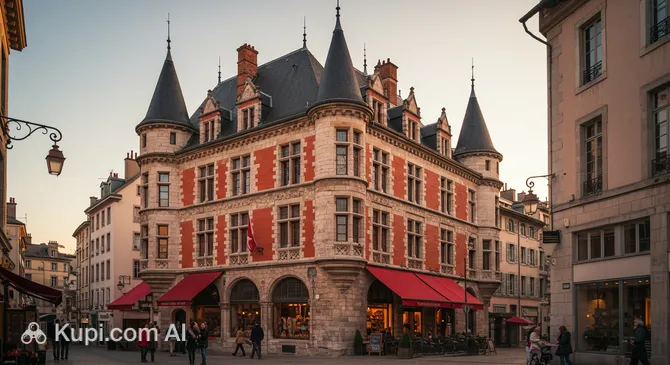
For those seeking a specific venue to experience the local mood, Le 22 Chambéry is a popular choice. Known for its warm ambiance and selection of drinks, it captures the spirit of the city's social life. If you prefer enjoying your evening with a view, Le Corsaire Beer & Rooftop Bar provides an excellent vantage point to admire the city lights while sampling craft beers. For travelers looking for a more refined setting, perhaps for a quiet evening drink or dinner, La Maison Rouge offers a sophisticated atmosphere that contrasts with the more boisterous student bars.

La Maison Rouge. Source: Kupi.Binoculars

Practicalities for a night out are straightforward. The city center is compact and safe to walk around at night, though standard precautions should always be taken. Public transport runs until late evening, but if you are staying further out or staying out late, it is advisable to book a taxi in advance, as hailing one on the street can be difficult. Prices are generally reasonable compared to larger French cities, with a pint of beer typically costing between 5 and 7 euros.

During the day, entertainment in Chambéry shifts towards culture and history. The city is home to several theaters and the Espace Malraux, which hosts concerts and shows. Visitors can also explore the Fountain of the Elephants, the city's most iconic landmark, or enjoy a peaceful afternoon in Verney Park. For shopping enthusiasts, the Chamnord Mall offers a modern diversion from the historic streets.

Fountain of the Elephants. Source: Kupi.Binoculars

Parks & Museums

Chambéry seamlessly blends its rich architectural heritage with refreshing green spaces, offering visitors a perfect balance between cultural exploration and natural relaxation. The city's commitment to preserving its environment and history is evident in its well-maintained gardens and diverse museum collections, which celebrate everything from alpine traditions to fine art.

For those seeking a breath of fresh air in the city center, Verney Park is the oldest and most popular green space in town. Located near the courthouse, this "green lung" is characterized by its majestic century-old trees and wide, gravel pathways that invite leisurely strolls. It serves as a central gathering point for locals, hosting various events and providing a shaded retreat during the warmer months.

Verney Park. Source: Kupi.Binoculars

Just on the outskirts of the city, nature lovers will find the expansive Buisson-Rond Park. Spanning over 22 hectares, this landscape garden surrounds a historic château and is renowned for its magnificent Alpine rose garden, which boasts thousands of rose bushes. It is an ideal spot for families and fitness enthusiasts alike, offering large lawns for picnics and trails that connect to the surrounding hills.

Chambéry's cultural scene is equally impressive, with museums that reflect its unique past as the capital of Savoy. The Chambéry Museum of Fine Arts is a must-visit for art aficionados. Housed in the former grain exchange, it holds a prestigious collection of Italian paintings from the 14th to the 18th centuries, highlighting the strong historical ties between the region and Italy. The museum provides a quiet, contemplative atmosphere to appreciate masterpieces by artists such as Uccello and Titian.

A short distance from the center lies a site of great literary significance: Les Charmettes – Jean-Jacques Rousseau's House. This country house, where the philosopher Jean-Jacques Rousseau stayed with Madame de Warens, has been preserved as a museum dedicated to his life and work. Visitors can explore the period rooms and the charming medicinal garden, gaining insight into the formative years of one of the Enlightenment's most influential thinkers.

Les Charmettes – Jean-Jacques Rousseau's House. Source: Kupi.Binoculars

In terms of religious heritage, the Saint-François-de-Sales Cathedral stands as a testament to the city's artistic ingenuity. While its exterior is relatively modest, the interior contains the largest ensemble of trompe-l'œil paintings in Europe, covering the vaults with stunning optical illusions that mimic intricate architectural details.

For a truly authentic experience, take the time to visit the Galerie Eurêka, the Centre for Scientific Culture (CCSTI). While less traditional than a history museum, it offers fascinating interactive exhibitions on the science of the mountains, including geology and meteorology, providing a deeper understanding of the majestic alpine environment that surrounds the city.

Getting Around

Navigating Chambéry is straightforward and convenient, thanks to its compact size and efficient public transport network known as Synchro. Unlike larger metropolises, the city does not have a metro or tram system; instead, it relies on a well-structured bus network that connects the historic center with the surrounding neighborhoods and commercial areas. For visitors, this means that most points of interest are easily accessible either by a short bus ride or a pleasant walk.

The backbone of the local transport is the Synchro Bus system. It features four high-frequency lines, labeled Chrono A, B, C, and D, which run from early morning until late evening with intervals of about 10 to 15 minutes during peak times. These lines cover the main arteries of the city and key locations like the railway station, the university, and the Chamnord shopping center. In addition to these, there are numerous regular lines serving residential areas and a special Sunday service, though frequencies are lower on weekends and holidays.

For ticketing, the system is designed to be user-friendly. A standard single-trip ticket is valid for one hour and allows for transfers. Tourists planning a full day of exploration should consider the 24-hour pass (Ticket 24h), which offers unlimited travel and is excellent value for money. Tickets can be purchased from automatic vending machines located at major bus stops (like the exchange hubs at the train station or Halles), at the Synchro sales office, or directly from the driver upon boarding, though buying on board usually incurs a small surcharge and requires exact change.

Modern conveniences have made paying even easier. You can use the Synchro Chambéry app to buy titles digitally or utilize the SMS ticket service (if you have a compatible mobile carrier) by sending a code to a specific number before boarding. Regardless of how you purchase your fare, remember that validating your ticket immediately upon entering the bus is mandatory to avoid fines. Keep your ticket with you until you exit the vehicle.

Cycling is another fantastic way to get around, as Chambéry has invested heavily in bike-friendly infrastructure. The Synchro Vélostation, located right next to the train station, offers bike rentals ranging from classic city bikes to electric-assist models. With over 90 kilometers of cycle paths in the urban area, renting a bike is a popular choice for visiting nearby parks or riding to the Lac du Bourget.

For those who prefer private transport, taxis are available but are less commonly hailed on the street than in bigger cities. It is best to find them at the designated rank outside the railway station or to book one by phone in advance, especially for late-night trips when bus services have stopped. While car rentals are an option, driving in the historic center is restricted due to pedestrian zones, so parking in one of the peripheral underground garages and exploring on foot or by bus is often the most practical strategy.

Accommodation

Accommodation:

Finding the perfect place to stay in Chambéry is relatively easy, as the city offers a diverse range of accommodation options to suit various budgets and travel styles. Visitors can choose from charming boutique hotels nestled in historic buildings, practical mid-range chains near transport hubs, and furnished apartments that provide a "home away from home" experience. For budget-conscious travelers, there are also affordable hostels and guest houses that offer basic amenities without compromising on comfort.

The most popular area for tourists to stay is undoubtedly the Old Town (Centre Ville). Staying here places you within walking distance of the main sights, pedestrian streets, and lively restaurants. It is ideal for those who want to immerse themselves in the city's medieval atmosphere. Alternatively, the district surrounding the Chambéry-Challes-les-Eaux railway station is highly convenient for travelers planning to use the city as a base for day trips to nearby Alpine ski resorts or lakes, offering quick access to trains and buses.

For those seeking a more refined experience, La Maison Rouge is a notable example of the city's hospitality. This establishment combines modern comfort with a sophisticated ambiance, making it a favorite choice for couples and business travelers alike. Located conveniently for exploring the city, it represents the higher end of the local accommodation spectrum, providing excellent service and facilities.

When planning your trip, it is important to consider the seasonality of the region. As a gateway to the Alps, Chambéry can be quite busy during the winter ski season and the peak summer months. Therefore, a useful booking tip is to reserve your accommodation well in advance—ideally several months ahead—to secure the best rates and availability. Prices generally range from modest fees for hostels to higher rates for luxury hotels, and bookings can be easily made through major online platforms or directly via hotel websites.

Nearby Cities

For those looking to explore the surroundings, Chambéry serves as an excellent base for day trips to several interesting nearby locations:

City Population Distance (km)
Grenoble 158,198 44
Annecy 130,721 41
Saint-Martin-d'Hères 38,398 46
Echirolles 36,961 49
Aix-les-Bains 30,463 14

Just a short distance away, Aix-les-Bains is a premier destination for relaxation and leisure. Known as the "Riviera of the Alps," this thermal spa town sits on the shores of Lac du Bourget, the largest natural lake in France. Visitors can admire its elegant Belle Époque architecture, enjoy water sports, or stroll along the scenic esplanades that have attracted royalty for centuries.

Often referred to as the "Venice of the Alps," Annecy is one of the most picturesque towns in the region. Its medieval Old Town is crisscrossed by winding canals and flower-lined bridges, creating a fairytale atmosphere. A visit here offers the chance to explore the historic Château d'Annecy and relax by the crystal-clear waters of Lake Annecy, surrounded by stunning mountain peaks.

For a more urban alpine experience, Grenoble offers a dynamic mix of history and innovation. Surrounded by mountains, the city is famous for its "Bastille," a fortress accessible by a distinctive spherical cable car that provides panoramic views of the valley. It is also a hub for museums and culture, making it a perfect spot for travelers interested in art, history, and science.

These nearby destinations offer a glimpse into the diverse culture and landscapes of the region.

Shopping & Souvenirs

Exploring the retail scene in Chambéry is a delightful experience that seamlessly blends the charm of historic architecture with the convenience of modern commerce. Whether you are searching for authentic Savoyard souvenirs, trendy fashion, or artisanal delicacies, the city provides a diverse array of options that cater to every type of shopper.

The heart of the action lies in the Old Town, where the atmosphere is as inviting as the storefronts. A stroll down the Rue de Boigne offers a unique shopping experience under its famous "portiques" (arcades). These sheltered walkways allow visitors to browse through independent boutiques, antique dealers, and bookstores regardless of the weather. Nearby, the pedestrian-friendly Place Saint-Léger is lined with colorful facades and features a mix of clothing stores, jewelry shops, and perfumeries, making it the perfect spot to find a special gift or simply enjoy window shopping in a picturesque setting.

For those who wish to take home the flavors of the Alps, the city is a gastronomic treasure trove. Local fromageries (cheese shops) are essential stops for purchasing vacuum-packed wedges of Beaufort, Reblochon, or Tomme de Savoie. Wine enthusiasts should look for the celebrated Vermouth de Chambéry or bottles from the surrounding vineyards. To experience the daily life of the residents, a visit to the Halles de Chambéry (covered market) is highly recommended. Open from Tuesday to Saturday mornings, this vibrant market is the best place to buy fresh regional produce, cured meats, and artisanal honey directly from local producers.

Travelers seeking a more extensive selection of international brands and major retailers should head to the Chamnord Mall. Located just a short distance from the city center and easily accessible by bus, this large commercial complex is the premier shopping destination in the area. It houses a wide variety of fashion, beauty, and electronics stores, along with a large hypermarket, providing a one-stop solution for all your travel needs and leisure shopping.

Reached the end of the page?

That means the route is fully explored