Support

Lyon

About

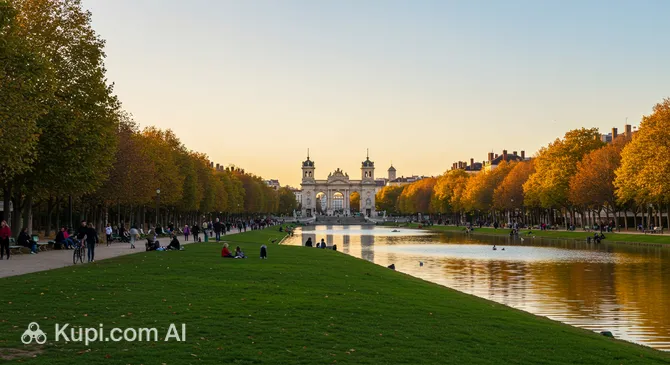
Lyon is a captivating metropolis that perfectly blends urban dynamism with a relaxed way of life. Often celebrated as the gastronomic capital of the world, this city in southeastern France offers a rich tapestry of culture, art, and architectural beauty. Sitting majestically at the confluence of the Rhône and Saône rivers, Lyon serves as the capital of the Auvergne-Rhône-Alpes region and is home to a population of approximately 522,000 residents.
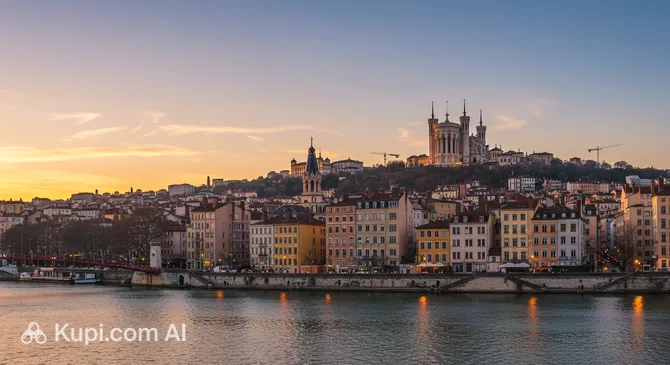
Lyon. Source: Kupi.Binoculars

The city's layout is defined by its two rivers and two main hills, Fourvière and Croix-Rousse, creating a unique landscape that begs to be explored. Visitors are often drawn to the fascinating history of Lyon, which spans over 2,000 years from its founding as the Roman city of Lugdunum to its status as a Renaissance trading hub. This deep heritage is best experienced in Vieux Lyon (Old Lyon), a UNESCO World Heritage site filled with colorful facades and narrow cobblestone streets.

One of the city's most distinctive features is its traboules, secret covered passageways that were originally used by silk manufacturers to transport their goods. Today, they provide a mysterious and charming way for tourists to navigate between streets. High above the city stands the iconic Basilique Notre-Dame de Fourvière, offering breathtaking panoramic views that stretch as far as the Alps on a clear day.

Whether you are indulging in a traditional meal at a local bouchon or strolling along the scenic riverbanks, Lyon promises an unforgettable experience. It is a destination that invites travelers to linger, taste, and discover the many layers of its vibrant character.
Weather Overview

Lyon experiences a semi-continental climate characterized by distinct seasons, making it a year-round destination with varied atmospheres. To help you pack the right clothing for your trip, it is useful to check the current weather in Lyon before you travel.

The summer months of July and August are typically the warmest, with average temperatures around 22.2°C and highs reaching up to 27.6°C. This period is generally drier compared to the rest of the year, seeing about 9 wet days per month. In contrast, winters are brisk and cooler. January is usually the coldest month, where the average temperature drops to 4.0°C and lows can hover near 1.0°C.

Rainfall is fairly distributed throughout the year, though frequency varies. December is particularly damp, recording up to 17 wet days, while May also sees significant activity with around 15 wet days. Generally, you can expect warm summers with occasional rain and cold, damper winters.

Interesting Facts

Beyond the main attractions, Lyon holds many fascinating secrets and historical footnotes that often escape the casual visitor. Delve deeper into the city's heritage with these intriguing details that reveal its true character.

  • Lyon is widely recognized as the birthplace of modern cinema. The Lumière brothers, Auguste and Louis, invented the cinematograph here in 1895. Today, film enthusiasts can visit the Lumière Museum, located in the family's original villa, to see where the very first motion picture was shot.

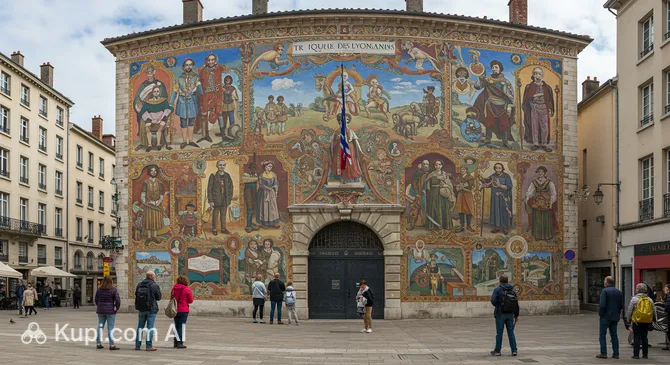
  • The city is famous for its massive trompe-l'œil wall paintings, making it a European capital of murals. One of the most spectacular examples is the Fresque des Lyonnais, an immense painted facade that depicts 30 famous figures from Lyon's history, including Antoine de Saint-Exupéry and Paul Bocuse, appearing as if they are looking out from balconies.

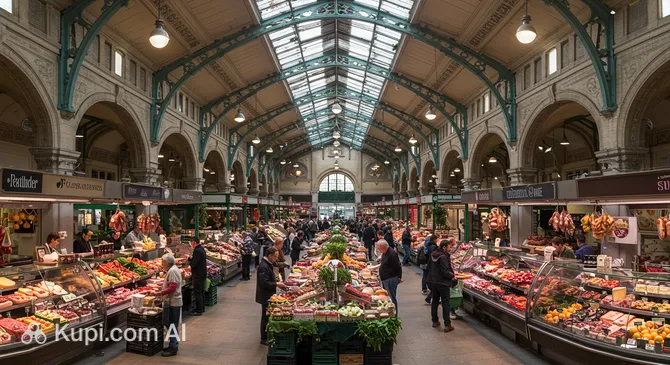
  • For food lovers, the city is a pilgrimage site, largely thanks to the legacy of legendary chef Paul Bocuse. His influence is immortalized at Les Halles de Lyon Paul Bocuse, a prestigious indoor food market where you can find the finest local cheeses, charcuterie, and delicacies used by top chefs.

  • While the city's covered passageways are well-known, the specific history of the "Canuts" (silk workers) is a fascinating chapter of local heritage. The Maison des Canuts preserves the legacy of the 19th-century silk industry and the workers' revolts that significantly influenced modern labor rights.

Fresque des Lyonnais. Source: Kupi.Binoculars

How to Get There

Reaching this vibrant French metropolis is convenient thanks to its excellent transport connections. Whether arriving by air or rail, travelers have multiple options to suit their itinerary. You can find all ways to reach the city in our dedicated guide, but the following overview highlights the most common entry points.

The primary gateway for air travelers is Lyon Saint-Exupéry International Airport (IATA: LYS). Located just 20.3 km from the city center, this international airport serves as a major hub for the region. It welcomes millions of passengers annually and offers easy access to the city. The journey to downtown Lyon typically takes approximately 50 minutes by taxi or shuttle services.

Another significant option is Geneva Airport (IATA: GVA). Although the city of Lyon does not have this airport within its immediate vicinity—it is located in Geneva, roughly 112 km away—it is a major international hub with extensive flight connections. Travelers landing here can reach Lyon by road in approximately 3 hours and 10 minutes, or utilize the efficient train connections between the two cities.

For clarity, here is a summary of the main airports serving the region:

Airport Name City Passenger Traffic Km from City
Geneva AirportGenevaHigh111.8
Lyon Saint-Exupéry International AirportLyonHigh20.3
Clermont-Ferrand Auvergne AirportClermont-FerrandMedium129.6
Chambéry AirportChambéryMedium82.5
Dole-Jura AirportDoleMedium148.8

Lyon is also a key node in the European rail network, making train travel a very popular choice. The city's main railway station is Lyon Part-Dieu Station (IATA: XYD), situated centrally just 1.9 km from the heart of the city. It handles a massive volume of high-speed TGV traffic connecting Lyon to Paris, Marseille, and other major destinations. Another important hub is Gare de Lyon-Perrache (IATA: XYL), which is also located within the city, approximately 1.9 km from the center, and serves as a historic terminus for both regional and national lines.

Below is a list of the nearest and most significant railway stations:

Station City Passenger Traffic Km to Center
Geneva Railway StationGenevaVery High112.8
Lyon Part-Dieu StationLyonVery High1.9
Grenoble Railway StationGrenobleHigh93.6
Gare de Lyon-PerracheLyonHigh1.9
Valence TGV StationValenceHigh86.5

Main Attractions

A visit to Lyon would not be complete without spending a relaxing afternoon at the Parc de la Tête d'Or. This expansive urban park is often considered the "green lung" of the city and is one of the largest of its kind in France. Tourists love it for its diverse offerings, which include a large lake for boating, extensive botanical gardens, and a free zoo that houses giraffes, flamingos, and other exotic animals, making it a perfect spot for families and nature lovers alike.

Parc de la Tête d'Or. Source: Kupi.Binoculars

For those interested in modern architecture and science, the Musée des Confluences is an absolute must-see. Located at the spectacular junction where the Rhône and Saône rivers meet, this futuristic building resembles a floating crystal cloud. Inside, the museum offers a fascinating journey through natural history, anthropology, and the story of mankind, featuring immersive exhibits that explore the origins of the universe and life itself.

Stepping back into the city's rich religious heritage, the Saint John the Baptist Cathedral stands as a masterpiece of Gothic and Romanesque architecture in the heart of the historic district. Visitors are particularly drawn to its remarkable 14th-century astronomical clock, which still functions today, and the stunning stained-glass windows that cast colorful light into the ancient stone interior.

In the center of the Presqu'île district lies Place Bellecour, one of the largest open squares in Europe. Dominated by a majestic equestrian statue of King Louis XIV, this vast red-gravel square serves as a central meeting point for locals and tourists. It offers clear views of the Fourvière hill and is surrounded by prime shopping streets, making it an ideal starting point for exploring the city center.

To experience the ancient roots of Lyon, travelers should head to the Gallo-Roman Theatre on Fourvière hill. Built around 15 BC, this impressive archaeological site is one of the oldest in France and once seated up to 10,000 spectators. Today, it remains a vibrant cultural venue, hosting the renowned Nuits de Fourvière festival every summer, where history and live performance merge under the stars.

Local Cuisine

Lyon is rightfully hailed as the gastronomic capital of the world, a title that promises every meal here will be a memorable event. The city's culinary heart beats strongest in its traditional restaurants known as bouchons. These cozy, convivial establishments are the best places to experience authentic local cooking, characterized by hearty, rustic dishes that prioritize flavor and generosity over pretension.

When sitting down for a meal, you simply must try the Quenelle de brochet, a delicate dumpling made from pike fish mixed with cream and egg, typically served in a rich, creamy crayfish sauce known as Nantua sauce. Another staple is the Salade Lyonnaise, a perfect starter featuring bitter frisée lettuce tossed with warm bacon lardons, croutons, and topped with a perfectly poached egg. For meat lovers, the Saucisson brioché—a pistachio-studded sausage baked inside a soft, buttery brioche loaf—is a comforting classic found in many bakeries and restaurants.

Les Halles de Lyon Paul Bocuse. Source: Kupi.Binoculars

No culinary tour is complete without a sweet finish. The city is famous for its Tarte à la Praline, a visually striking dessert made with crushed pink sugar-coated almonds (pralines) that create a vibrant red, caramel-like filling. It is sweet, crunchy, and absolutely iconic to the region.

To accompany these rich flavors, locals turn to the vineyards that surround the city. Lyon sits between the Beaujolais and Côtes du Rhône wine regions, meaning excellent red wines are always on the table. For an aperitif, you might encounter a "Communard," a variation of the Kir made with red wine and crème de cassis, popular among the locals.

For a true immersion into the local food culture, visit Les Halles de Lyon Paul Bocuse. This legendary indoor market is a sanctuary for gourmets, offering high-end cheeses like Saint-Marcellin, fresh oysters, cured meats, and pastries. It is the perfect spot to wander, taste, and purchase high-quality ingredients just as the top chefs of the city do.

Travel Tips

Preparing for your trip to Lyon is as exciting as the visit itself, but a few insider details can make your experience truly seamless. These practical tips are designed to help you navigate the city's streets, customs, and services with the confidence of a local, ensuring you can focus on enjoying the atmosphere.

  1. Clothing and Gear: The weather in Lyon varies significantly by season, so layers are key. Summers can be hot, while winters are brisk, so pack accordingly. Most importantly, bring sturdy, comfortable walking shoes; the historic Vieux Lyon district is paved with ancient cobblestones that can be difficult to navigate in heels or stiff soles. If you plan to visit religious sites like the Basilique Notre-Dame de Fourvière, ensure your shoulders and knees are covered.
  2. Transportation: The best way to explore is on foot or by using the efficient public transport system known as TCL, which includes metro lines, trams, and buses. Do not miss a ride on the funicular (locally called "la ficelle") to reach Fourvière hill without the steep climb. Renting a car is generally unnecessary and can be a hassle due to traffic and limited parking; if you need a taxi, ride-hailing apps like Uber are widely available.
  3. Finances: The currency is the Euro (€). Credit and debit cards (Visa and Mastercard) are accepted almost everywhere, from restaurants to ticket machines. However, it is wise to carry a small amount of cash for small purchases at local bakeries or outdoor markets. Tipping is not mandatory as a service charge is included in the bill, but leaving small change or rounding up is a polite gesture for good service.
  4. Health and Safety: Lyon is generally a safe city for tourists, but standard precautions apply. Keep an eye on your belongings in crowded areas like the Part-Dieu station or on public transport to avoid pickpockets. Pharmacies are easily identified by a flashing green cross and are abundant; for emergencies, dial 112 for universal European assistance.
  5. Communication: French is the official language. While many locals in the hospitality industry speak English, it is not guaranteed everywhere. Learning a few basic phrases—especially "Bonjour" (Hello), "S'il vous plaît" (Please), and "Merci" (Thank you)—is greatly appreciated. Free Wi-Fi is often available in public parks and cafes, and prepaid SIM cards can be bought at tobacco shops (tabacs) or mobile provider stores.
  6. Local Etiquette: Politeness is paramount in French culture. Always greet shopkeepers or staff with a friendly "Bonjour" when entering an establishment and "Au revoir" when leaving; failing to do so can be considered rude. In restaurants, speaking at a moderate volume is the norm, as loud conversations are often frowned upon.
  7. What to Avoid: Do not expect to eat dinner early; most restaurants do not open for evening service until 7:00 PM or 7:30 PM. Also, avoid rushing your meal. Dining in Lyon is a cultural ritual meant to be savored, so asking for the check immediately after eating might seem impatient to the waiter.
  8. Additional Tip: Consider purchasing the Lyon City Card if you plan to do a lot of sightseeing. It offers unlimited access to public transport, free entry to many museums (including the Musée des Confluences), and discounts on various activities, making it a great money-saving "hack" for visitors.

With these essentials in mind, you are fully equipped to immerse yourself in the charm and flavors of this magnificent city. Relax, explore at your own pace, and enjoy every moment of your journey through the heart of the Auvergne-Rhône-Alpes region!

Entertainment & Nightlife

Entertainment:

Lyon offers a vibrant array of entertainment options that extend well beyond its culinary reputation. From pulsing nightlife venues to unique cultural experiences and shopping havens, the city provides ample ways to unwind and have fun after a day of sightseeing.

For those seeking a lively evening, the city's nightlife scene is diverse and energetic. Music lovers often flock to Le Transbordeur, a celebrated concert venue located in a former water treatment plant that hosts an eclectic mix of rock, pop, and electronic acts. If dancing until dawn is on the agenda, Queen Club is a popular destination offering dynamic DJ sets and a spirited atmosphere in the heart of the city.

Shopping enthusiasts will find their paradise at the Hôtel-Dieu de Lyon. Once a historic hospital, this majestic building has been transformed into a luxurious lifestyle center featuring high-end boutiques, restaurants, and relaxing courtyards. It is a perfect example of how the city blends its architectural heritage with modern leisure.

For a unique twist on entertainment, the Museum of Cinema and Miniature in Old Lyon is an absolute must. It houses an incredible collection of original movie props, costumes, and hyper-realistic miniature scenes that delight visitors of all ages. Those looking for an interactive challenge can visit SENSAS Lyon, a sensory amusement park where teams complete fun tasks in total darkness to test their senses.

When the weather is warm, locals escape to the Grand Parc Miribel Jonage. Located on the outskirts, this vast natural area offers a refreshing break with activities like swimming at Fontanil Beach or enjoying the inflatable obstacles at BE FUN Water Park Lyon. It is the ideal spot for outdoor recreation and water sports.

Parks & Museums

Lyon is a city that effortlessly weaves nature and culture into its urban fabric, offering visitors a delightful mix of lush green spaces and world-class museums. From historic gardens to avant-garde art venues, the city provides countless opportunities to explore its heritage and relax in beautiful surroundings.

For botany enthusiasts and those seeking tranquility, the Lyon Botanical Garden is a true treasure. Situated within the larger Parc de la Tête d'Or, this remarkable garden spans 8 hectares and houses roughly 15,000 plant species. It features impressive historical greenhouses that shelter tropical plants, orchids, and ferns, making it a fascinating educational stop for nature lovers.

Another unique green space is the Parc Sergent Blandan, located on the site of a former military fort. This 17-hectare park blends history with recreation, preserving the old fortifications while offering modern skate parks and play areas. Its distinct layout and wide promenades make it a favorite among locals for a peaceful escape from the city buzz.

Lyon's museums are equally compelling, reflecting its status as a historical capital. The Gallo-Roman Museum of Lyon-Fourvière (Lugdunum) is essential for understanding the city's ancient roots. Ingeniously built into the hillside next to the Roman theatres, the museum displays a vast collection of mosaics, statues, and artifacts that tell the story of Lyon when it was the capital of the Gauls.

For a completely different cultural experience, the Abode of Chaos (Demeure du Chaos) offers a striking contrast to traditional museums. Located just outside the city center, this open-air contemporary art museum is a provocative and visually stunning space dedicated to post-apocalyptic art, challenging visitors with its bold sculptures and murals.

Architecture lovers should not miss the majestic Lyon City Hall (Hôtel de Ville), located between Place des Terreaux and the Opera House. Its breathtaking 17th-century facade is a masterpiece of French Baroque architecture. Nearby, on the slopes of Croix-Rousse, you can discover the Traboule and Cour des Voraces, one of the most famous "traboules" with its monumental six-story staircase, symbolizing the city's silk-weaving history.

For an authentic local experience, try visiting the parks early in the morning when the mist still hangs over the Saône river. It is the perfect time to watch the city wake up and enjoy the serene atmosphere before the bustle of the day begins.

Getting Around

Lyon boasts a highly efficient and comprehensive public transport network known as TCL (Transports en Commun Lyonnais), which makes navigating the city both easy and affordable for visitors. The system is fully integrated, meaning a single ticket allows you to switch between the metro, trams, buses, and trolleybuses within a designated time frame. The metro system consists of four lines (A, B, C, and D) that connect the city center with the suburbs, while an extensive tramway network complements these routes, offering scenic ground-level travel across the metropolis.

One of the most distinctive and charming features of the transport system is the funicular railway, affectionately known by locals as "la ficelle" (the string). These historic cable cars are essential for tourists wishing to visit the hilltop districts without facing a steep climb. There are two lines departing from the Vieux Lyon station: one heads to the Saint-Just neighborhood, and the other transports visitors directly to the Basilique Notre-Dame de Fourvière, offering spectacular views of the city below.

For payment, the system is designed with tourists in mind. You can purchase single-journey tickets, booklets of ten, or unlimited passes for 24, 48, or 72 hours, which are excellent value for short stays. Tickets can be bought at automatic vending machines located at metro and tram stations (which offer instructions in English), at TCL agencies, or at authorized tobacco shops (Tabac). Recently, the network has also introduced contactless payment, allowing you to simply tap your credit or debit card directly on the validators on buses and trams.

It is crucial to remember to validate your ticket every time you board a bus or tram, or when passing through metro turnstiles. Failure to validate, even if you have a ticket, can result in an on-the-spot fine from ticket inspectors who patrol frequently. The transport network generally operates from around 5:00 AM until midnight, though some major bus lines and the metro may have slightly different schedules depending on the day of the week.

If you prefer alternative ways to get around, Lyon is incredibly bike-friendly and offers a popular public bike-rental service called Vélo'v. With thousands of red bicycles stationed throughout the city, it is a fun and healthy way to explore the riverbanks and parks. For late-night travel or direct transfers, taxis and ride-sharing apps are widely available, though walking remains one of the best ways to experience the compact historic center.

Accommodation

Finding the perfect place to stay in Lyon is relatively easy, as the city offers a diverse range of accommodation options to suit every budget and travel style. Whether you are a backpacker looking for a social hostel, a couple seeking a romantic boutique hotel, or a family in need of a spacious apartment rental, the city's hospitality sector is well-equipped. From luxurious five-star establishments to practical mid-range chains and charming guest houses, visitors will find plenty of choices scattered throughout the metropolis.

The location of your stay can significantly shape your experience. For first-time visitors, the Presqu'île district is often the most convenient choice, placing you right in the center of shopping, dining, and major landmarks like Place Bellecour. If you prefer a historic atmosphere, Vieux Lyon (Old Lyon) offers Renaissance charm with its cobblestone streets, though it can be busier. For travelers prioritizing connectivity or business, the Part-Dieu area is ideal due to its proximity to the main railway station and modern amenities.

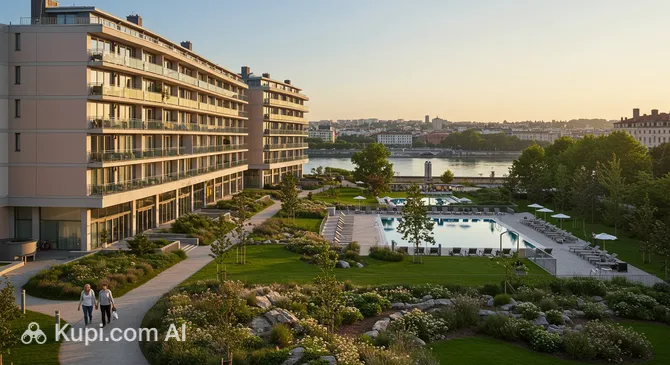
Among the specific options available, the Cité Internationale Aparthotel is a notable example for those who appreciate a blend of hotel services and apartment-style living. Located near the Rhône river and the expansive Parc de la Tête d'Or, it offers a tranquil yet accessible base for exploring the city.

Cité Internationale Aparthotel. Source: Kupi.Binoculars

When planning your trip, it is highly recommended to book your accommodation well in advance, especially if you are visiting during peak periods like the summer months or the famous Fête des Lumières (Festival of Lights) in December. During these times, demand surges, and the best locations fill up quickly.

Prices in Lyon are generally reasonable compared to Paris, but they can vary widely. Budget travelers can find affordable rates in hostels or budget hotels, while luxury stays will naturally command higher prices. Booking is most commonly done through major online travel platforms, which offer the flexibility to compare rates and read reviews, though booking directly with hotels can sometimes yield special offers or better cancellation terms.

Nearby Cities

For those looking to explore the surroundings, Lyon serves as an excellent base for day trips to several interesting nearby locations. Just a short distance away, the medieval village of Pérouges transports visitors back in time with its cobblestone streets and well-preserved fortifications, making it a favorite for history enthusiasts. Another compelling option is Vienne, located along the Rhône River, which is renowned for its remarkable Roman ruins, including a well-preserved ancient temple and a vast antique theater. For nature lovers, the Beaujolais wine region to the north offers rolling vineyards and charming stone villages perfect for a relaxing escape.

City Population Distance (km)
Villeurbanne 152,212 4
Venissieux 67,285 8
Vaulx en Velin 52,795 7
Caluire-et-Cuire 43,294 4
Bron 42,244 7

These nearby destinations offer a glimpse into the diverse culture and landscapes of the region, ranging from bustling neighboring communes to historic sites just a short journey from the city center.

Shopping & Souvenirs

Shopping in Lyon is a delightful experience that reflects the city's reputation for elegance and quality. From high-end fashion boutiques to traditional artisan workshops, the city offers a diverse retail landscape. Whether you are looking for the latest trends, unique local crafts, or gastronomic treasures, the streets of Lyon provide a perfect blend of modern convenience and historic charm.

The primary shopping destination is the Presqu'île district, specifically the pedestrian-friendly Rue de la République and Rue Victor Hugo. Here, you will find major international brands, department stores, and popular chains. For a more exclusive experience, the "Carré d'Or" (Golden Square) area, located between Place Bellecour and Place des Jacobins, is home to luxury fashion houses and upscale jewelers. Conversely, the winding streets of Vieux Lyon offer a completely different atmosphere, filled with independent craftsmen, quirky bookshops, and galleries.

For those who prefer the convenience of a shopping center, the immense Part-Dieu shopping mall is one of the largest in Europe, housing hundreds of stores under one roof. For a more scenic and sophisticated setting, the Hôtel-Dieu de Lyon is an unmissable stop. This beautifully restored historic building features a curated selection of fashion, design, and wellness boutiques set around magnificent courtyards, making it as much a sightseeing trip as a shopping spree.

Markets are an integral part of daily life here. Food lovers should prioritize a visit to Les Halles de Lyon Paul Bocuse, where they can purchase the finest local produce, from Saint-Marcellin cheese to cured meats. For a more casual outdoor experience, the Saint-Antoine Market along the Saône riverbanks offers fresh fruits, vegetables, and local specialties every morning except Monday, providing a vibrant slice of local culture.

When it comes to souvenirs, Lyon is historically known as the capital of silk. Authentic silk scarves, ties, and accessories are the ultimate local keepsake. You can learn about this heritage and purchase genuine items at the Maison des Canuts in the Croix-Rousse district. Gastronomic gifts are also popular; look for "Coussins de Lyon" (green marzipan candies filled with chocolate ganache) or a bag of pink pralines to take the taste of the city home with you.

Most shops in the city center are open from Monday to Saturday, typically between 10:00 AM and 7:00 PM. While large shopping malls and department stores stay open during lunch hours, smaller independent boutiques may close for a break around midday. It is important to note that most shops are closed on Sundays, although some businesses in tourist-heavy areas like Vieux Lyon may remain open. Payment by credit card (Visa and Mastercard) is widely accepted, even for small amounts, though having some cash for markets is advisable.

Visitors from outside the European Union may be eligible for a tax refund (détaxe) on purchases. If you spend more than a certain threshold in a single store on the same day, ask the retailer for a tax-free form. You will need to present your passport at the time of purchase and validate the documents at the airport or train station before leaving the EU.

Reached the end of the page?

That means the route is fully explored