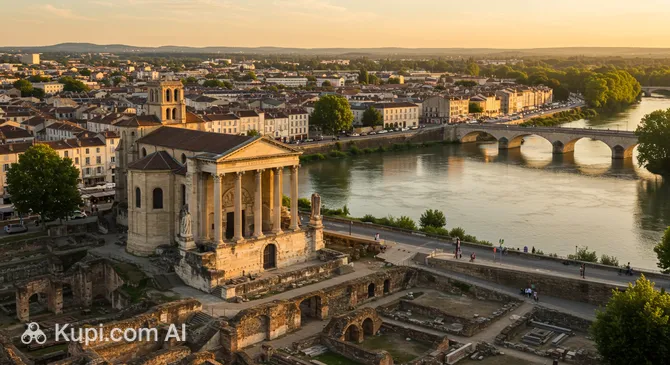
Nestled along the banks of the majestic Rhône River, Vienne is a captivating destination that seamlessly blends ancient heritage with vibrant modern life. Located in the Auvergne-Rhône-Alpes region of France, just south of Lyon, this city offers a unique atmosphere where every street corner seems to tell a story. With a population of approximately 30,000 residents, Vienne maintains a welcoming, human-scale feel while preserving monuments of international importance.
Vienne. Illustration.
Source: Kupi.com AI
The city was once a major capital of the Roman Empire, and its legacy is still incredibly visible today. Exploring the history of Vienne reveals a timeline stretching back thousands of years, marked by impressive architectural feats that have withstood the test of time. Visitors can marvel at the remarkably preserved Temple of Augustus and Livia in the city center or visit the vast Roman Theatre, which is nestled against the hillside and remains a hub of cultural activity.
Beyond its ancient stones, the city is renowned for its dynamic cultural scene, most notably the world-famous Jazz à Vienne festival held every summer. Whether you are a history enthusiast eager to walk in the footsteps of the Romans or a music lover seeking world-class performances in an ancient amphitheater, Vienne promises an unforgettable experience. Its scenic riverside setting and rich cultural tapestry make it a must-visit stop on any journey through the region.
Weather Overview
The climate in Vienne is generally temperate, characterized by distinct seasons that offer different experiences for travelers throughout the year. For a more detailed breakdown of what to expect during your visit, you can consult the guide to the weather in Vienne. Overall, the city enjoys warm, pleasant summers and cool to cold winters, making it a year-round destination depending on your preferences.
During the peak summer months of July and August, temperatures are quite inviting, with averages hovering around 22°C and daytime highs reaching up to 27.7°C. This is an ideal time for outdoor activities and festivals. Conversely, winters are significantly colder; in January and December, average temperatures drop to between 3.9°C and 4.8°C, with overnight lows occasionally dipping near freezing. It is advisable to pack layers if you are visiting during the colder season.
Precipitation is a factor to consider regardless of when you travel, as wet days are spread relatively evenly across the calendar. While the volume of rain is generally moderate, the frequency of rainy days can be high, particularly in December and May, which see around 15 to 17 wet days. Generally, you can expect warm summers with occasional rain and cold winters with frequent damp days.
Average monthly temperature
Average monthly precipitation
Interesting Facts
Beyond the well-known monuments, Vienne holds many fascinating secrets and historical footnotes that surprise even history buffs. Here are some unique insights into the city's past and legends:
The city is home to a mysterious Roman obelisk known locally as "The Pyramid," which originally stood in the center of a Roman circus. For centuries, a persistent urban legend claimed that this monument was actually the tomb of Pontius Pilate, who was rumored to have been exiled to Vienne.
Vienne played a pivotal role in the fate of the Knights Templar. It was here, during the Council of Vienne in 1311, that Pope Clement V officially abolished the powerful order, marking a dramatic turning point in medieval history.
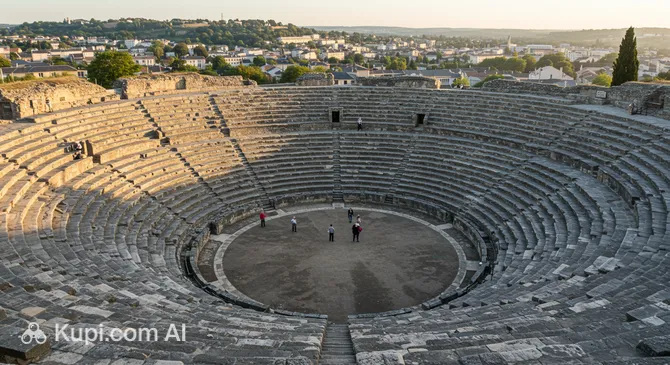
The Ancient Theatre of Vienne was not always the open-air spectacle it is today. For hundreds of years, it was completely buried under earth and houses, effectively disappearing from view until extensive excavations in the 1920s revealed its massive scale and capacity for 13,000 spectators.
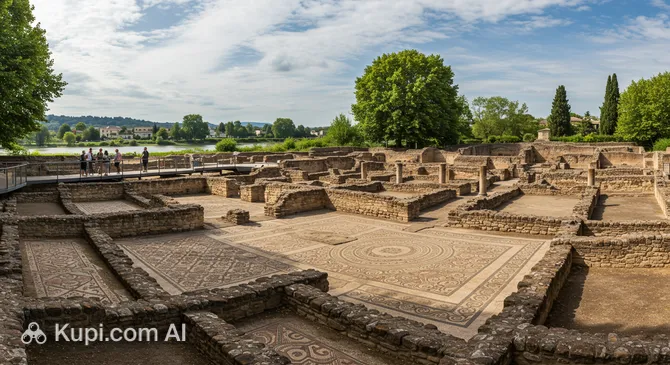
Just across the river, the Saint-Romain-en-Gal Archaeological Museum and Sites uncovers a "little Pompeii" of the region. This area preserves an entire Roman residential district that demonstrates how the ancient city sprawled across both banks of the Rhône, featuring incredibly detailed mosaics and advanced underfloor heating systems.
Ancient Theatre of Vienne. Illustration.
Source: Kupi.com AI
Traveler photos:
How to Get There
Planning a trip to this historic city is the first step toward an unforgettable experience, and there are several convenient options for your journey. Whether you prefer flying or taking the train, the region's infrastructure makes arrival quite straightforward. For a detailed breakdown of routes and transport modes, you can read more about how to get to Vienne on our dedicated page.
The city of Vienne does not have its own airport, but it is well-served by major aviation hubs in the region. The most convenient option is Lyon Saint-Exupéry International Airport (LYS), located in the city of Lyon, approximately 28 km from Vienne. As a large international airport, it handles significant passenger traffic and offers numerous connections. A taxi or car ride from here to Vienne typically takes approximately 35 to 45 minutes via the highway.
Another option for international travelers is Geneva Airport (GVA), situated in Geneva, Switzerland. Although it is further away—about 124 km from Vienne—it is a major international hub with extensive flight options. The journey by road is longer, generally taking about 1 hour and 45 minutes by taxi or shuttle.
For clarity, here is a summary of the main airports:
For those arriving by rail, the region is connected by an extensive high-speed network. While Vienne is accessible by local trains, long-distance travelers often arrive at the major stations in neighboring Lyon. You can arrive at Lyon Part-Dieu Station (XYD) in Lyon, which is about 26.2 km from Vienne. From there, a taxi or shuttle transfer takes roughly 30 to 45 minutes depending on traffic. This station is a major hub with very high passenger volume.
Alternatively, Gare de Lyon-Perrache (XYL), also in Lyon, is located just 25 km away. It serves as another key entry point for the region with frequent connections. The transfer time by road from this station is similar, usually taking approximately 30 to 40 minutes.
For clarity, here is a summary of the nearby railway stations:
Vienne is often described as an open-air museum, where every turn reveals a new layer of history. The city's rich heritage is best experienced through its remarkable collection of monuments and sites that date back to antiquity. Walking through the streets, visitors are constantly reminded of the city's former status as a major capital of the Roman Empire.
One of the most spectacular sites is the Ancient Theatre of Vienne. Built in the 1st century AD, this massive structure is built into the hillside of Pipet and was capable of seating up to 13,000 spectators in its prime. Today, it is not merely a ruin but a vibrant cultural venue that hosts the renowned Jazz à Vienne festival. Tourists are drawn here not only for the impressive architecture but also for the breathtaking views over the city and the Rhône River from the upper tiers.
Just across the river, connected by a pedestrian bridge, lies the Saint-Romain-en-Gal Archaeological Museum and Sites. This extensive complex offers a fascinating glimpse into the daily life of the Gallo-Roman population. The site covers seven hectares and features the remains of a wealthy residential district, complete with thermal baths, workshops, and remarkably preserved mosaics. The accompanying museum provides context with modern exhibits, making it a perfect educational stop for families and history enthusiasts.
Saint-Romain-en-Gal Archaeological Museum and Sites. Illustration.
Source: Kupi.com AI
Traveler photos:
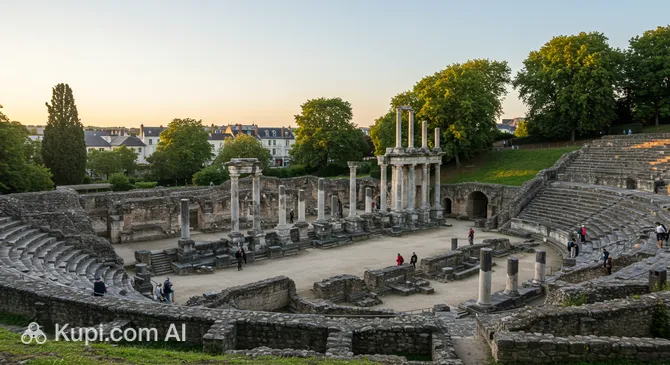
In the heart of the city, you will find the Archaeological Gardens of Cybele. This archaeological park is a unique urban space that contains the vestiges of the administrative district of the ancient city. Visitors can wander among the foundations of the forum and the sanctuary dedicated to the goddess Cybele. It is a peaceful spot that allows you to touch the ancient stones and appreciate the complexity of Roman urban planning without leaving the modern city center.
Archaeological Gardens of Cybele. Illustration.
Source: Kupi.com AI
Traveler photos:
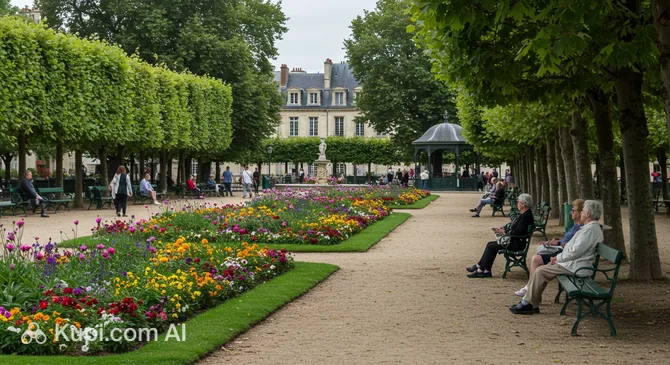
For a change of pace, the Jardin de Ville offers a lush, green escape. This public park is a favorite among locals for a leisurely stroll or a quiet break. It features beautifully landscaped paths, century-old trees, and monuments that pay tribute to local figures. It serves as a refreshing counterpoint to the stone monuments, providing a relaxing atmosphere where tourists can unwind after a day of sightseeing.
Jardin de Ville. Illustration.
Source: Kupi.com AI
Traveler photos:
Local Cuisine
The culinary landscape of Vienne is a delightful reflection of its location in the rich Rhône Valley, heavily influenced by the gastronomic prestige of nearby Lyon. Food lovers will find themselves in a haven of flavors, where traditional recipes are prepared with fresh, high-quality ingredients sourced from the surrounding countryside. A staple of the local diet is the renowned Rigotte de Condrieu, a small, tender goat cheese produced in the nearby Pilat massif, which pairs perfectly with the region's crusty bread.
No exploration of Vienne's cuisine would be complete without mentioning its world-class wines. The city is situated at the foot of some of France's most prestigious vineyards, most notably the steep terraced slopes of Côte-Rôtie and Condrieu. These appellations produce exceptional red wines made from Syrah grapes and aromatic whites from Viognier grapes, respectively. For a non-alcoholic alternative, the valley's orchards provide an abundance of fruits, leading to excellent local apricot and pear juices, particularly those made from the specialized varieties grown in the region.
Hearty dishes are central to the dining experience here. Visitors should try the classic quenelles de brochet (pike dumplings), often served in a rich, creamy Nantua sauce made from crayfish. Another local favorite is the saucisson brioché, a savory sausage baked inside a buttery brioche loaf, often enjoyed as a starter or a light meal. The food culture is deeply ingrained in daily life, best exemplified by the immense Saturday morning market. As one of the largest markets in France, it transforms the city center into a vibrant hub where locals and tourists alike browse stalls overflowing with regional produce, meats, and spices.
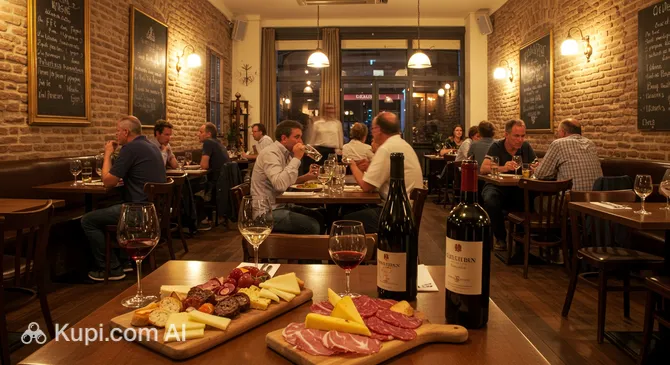
Au Fût et à mesure Vienne. Illustration.
Source: Kupi.com AI
Traveler photos:
The dining scene in Vienne ranges from historic establishments to lively modern venues. While traditional bistros offer a cozy atmosphere to enjoy slow-cooked meals, the city also embraces new trends. For those looking to experience the local nightlife and enjoy a drink in a unique setting, places like Au Fût et à mesure Vienne offer a fun, interactive environment where you can sample various beverages. Whether you are dining in a Michelin-starred restaurant or grabbing a quick bite at a market stall, the passion for good food is palpable everywhere.
Travel Tips
Visiting Vienne is a delightful journey into the past, but a little modern know-how goes a long way in ensuring a smooth trip. To help you make the most of your stay in this Gallo-Roman gem in France, we have compiled some essential practical advice to keep in mind.
Clothing and Gear: The historic center features cobblestone streets and some steep inclines, particularly if you plan to hike up to Mount Pipet for the view. Therefore, comfortable walking shoes are an absolute must. In summer, light clothing and a hat are essential as it can get quite hot, while autumn and winter visitors should pack a waterproof jacket and warm layers to handle the damp, cooler weather.
Transportation: The city center is compact and best explored on foot. For longer distances or to reach the surrounding hills, the local bus network, known as L'va, is efficient and affordable. If you are arriving by train, the station is conveniently located near the center. A car is generally not necessary within the city itself and can be a hassle due to limited parking in the historic zones; it is better suited for exploring the nearby vineyards.
Finances: The local currency is the Euro (€). Credit and debit cards (Visa and Mastercard) are widely accepted in hotels, restaurants, and most shops. However, it is wise to carry some cash, especially for small purchases at the market or in smaller bakeries. ATMs are plentiful throughout the city center. Tipping is not mandatory as service is included, but leaving small change for good service is appreciated.
Health and Safety: Vienne is a safe city for tourists, but standard precautions against pickpockets should be taken in crowded areas, especially during the Jazz à Vienne festival or the Saturday market. Pharmacies are easily recognized by a flashing green cross sign and are well-stocked. For any serious emergencies, dial 112 for universal European assistance.
Communication: The official language is French. While staff in hotels and major tourist attractions usually speak English, it is less common in smaller local shops. Learning a few basic phrases like "Bonjour" (Hello), "S'il vous plaît" (Please), and "Merci" (Thank you) will go a long way in earning a warm reception from the locals.
Local Etiquette: Politeness is paramount in French culture. Always greet the shopkeeper with a polite "Bonjour" immediately upon entering a store or restaurant; failing to do so can be considered rude. When dining, remember that lunch is typically served strictly between 12:00 PM and 2:00 PM, and many kitchens close in the afternoon before reopening for dinner around 7:00 PM or 7:30 PM.
What to Avoid: Do not expect shops to be open on Sundays or Monday mornings, as this is traditional rest time for many local businesses. Also, avoid touching the ancient ruins or climbing on walls at the archaeological sites unless explicitly permitted, as preserving these historical treasures is a top priority for the city.
Market Tip: Do not miss the Saturday morning market, which is one of the largest in the region. It stretches for kilometers through the city streets. To get the best experience, arrive early (around 8:00 AM or 9:00 AM) to see the stalls fully stocked and to avoid the densest crowds that arrive later in the morning.
Armed with these practical tips, you are ready to navigate the charming streets of Vienne with confidence and ease. Embrace the local rhythm, savor the regional flavors, and enjoy every moment of your exploration in this historic city.
Entertainment & Nightlife
While Vienne may not rival the frenetic clubbing scene of nearby Lyon, it offers a nightlife atmosphere that is warm, convivial, and deeply rooted in the French art of "bon vivant." The evenings here are less about thumping bass and more about socializing over excellent drinks, enjoying lively dinners that stretch late into the night, and soaking up the ambiance of the historic streets. The city center serves as the main hub for evening entertainment, particularly the pedestrian zones and squares near the Roman monuments, where locals gather to unwind after work.
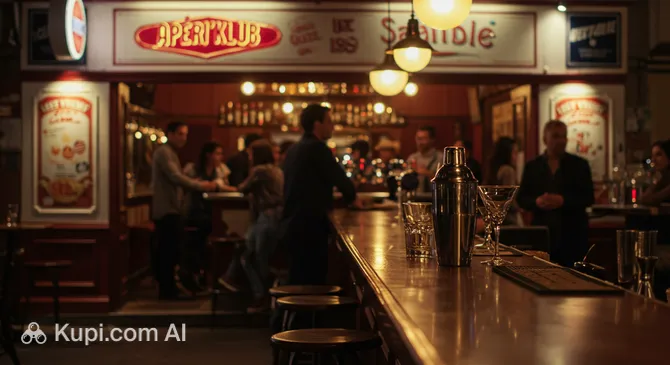
For those looking to experience the local bar culture, the downtown area hosts several spots that combine great drinks with a festive mood. A popular destination for a fun night out is Apéri'Klub. This venue is well-regarded for its vibrant atmosphere, making it a great place to gather with friends, enjoy music, and sample a variety of beverages. The crowd in Vienne is generally a mix of young professionals, students, and tourists, creating an environment that is inclusive and relaxed. The dress code is typically casual to smart-casual; you will feel comfortable in jeans and a nice top, though some people dress up a bit more for dinner at upscale venues.
Apéri'Klub. Illustration.
Source: Kupi.com AI
Traveler photos:
Dining is an integral part of the nightlife experience in Vienne, and many restaurants offer a lively setting that feels like a night out in itself. If you are in the mood for something with a bit of international flair and energy, Picanha is a notable spot. As a restaurant specializing in Brazilian cuisine, it brings a festive rhythm to the dining scene, perfect for groups looking to start their evening with hearty food and a spirited vibe. During the summer months, the terraces throughout the city fill up, and the atmosphere becomes electric, especially during the Jazz à Vienne festival when music spills out onto every street corner.
Before the sun sets, the city offers plenty of daytime entertainment to fill your schedule. Cultural enthusiasts can spend hours exploring the museums or attending events at the local theaters. The shopping districts are also lively during the day, offering everything from local crafts to fashion. However, as evening approaches, the focus shifts to the bars and pubs. The best time to experience the nightlife is from Thursday to Saturday, when the venues are busiest and stay open later. Prices are generally reasonable and slightly lower than in larger French cities, with a pint of beer or a glass of wine costing a few euros.
When it comes to safety and logistics, Vienne is a secure place for night walks, particularly in the well-lit center and along the main quays. However, as with any city, it is advisable to stay in populated areas late at night. Public transportation options like buses tend to stop running in the evening, so if your accommodation is far from the center, you should plan ahead. Taxis are available, but it is often best to book one in advance or have a restaurant call one for you, as hailing them on the street can be difficult late at night. Walking is the most common way to get around the compact downtown area, allowing you to hop easily from one venue to another.
Parks & Museums
While Vienne is globally celebrated for its Roman monuments, the city also offers refreshing green spaces and world-class museums that provide a deeper understanding of its rich heritage. Beyond the ancient stones, visitors can find tranquility in beautifully maintained gardens and explore collections that showcase the artistic and industrial history of this unique destination in the Auvergne-Rhône-Alpes region.
For a peaceful break in the heart of the city, the Jardin de Ville is the premier destination. This central park is more than just a collection of trees; it is a historical site in its own right, containing a preserved section of the original Roman road that once connected the city to Lyon. With its shaded avenues, vibrant flowerbeds, and proximity to the tourist office, it serves as a perfect starting point for walking tours or a quiet spot for a picnic. Another unique green space is the Archaeological Gardens of Cybele. This area functions as a hybrid between an archaeological site and a public square, allowing visitors to relax on benches surrounded by the vestiges of the ancient forum and medieval structures, effectively blending leisure with history.
For those willing to venture slightly further for a natural experience, the Île Barlet offers a stark contrast to the urban center. Located nearby on the river, this natural area is a haven for walkers, joggers, and nature lovers, offering scenic paths along the water and a chance to observe the local flora and fauna of the Rhône valley.
Vienne's cultural landscape is anchored by exceptional museums. The Saint-Romain-en-Gal Archaeological Museum and Sites is the most prominent, renowned for its modern architecture that hovers over the archaeological dig. Inside, the museum houses one of the finest collections of Roman mosaics in France, along with scale models that reconstruct the ancient city's layout, offering a vivid context to the ruins outside. In the city center, the Museum of Fine Arts and Archaeology (Musée des Beaux-Arts et d'Archéologie), located in the 19th-century grain hall, complements this with a diverse collection ranging from Gallo-Roman artifacts to French faience and paintings.
Architecture enthusiasts should not miss the majestic Saint-Maurice Cathedral. This imposing Gothic structure, which took over four centuries to build, dominates the skyline and sits atop earlier Roman constructions. Its intricate façade and soaring nave are a testament to the city's medieval power. Nearby, the Ancient Theatre of Vienne stands as a monumental link to the past, but for a more intimate look at religious architecture, the Cloister of Saint-André-le-Bas offers a serene environment with beautifully carved Romanesque capitals.
For a truly authentic experience, take the time to climb up to the belvedere near the chapel on Mount Pipet. While the theatre offers views, the panorama from the very top provides an unparalleled vantage point over the Rhône River bend, the cathedral's roof, and the distant vineyards, offering a photographer's dream perspective of the city.
Getting Around
The public transport system in Vienne is designed primarily around a comprehensive bus network, as the city is too compact to require a metro or tram lines. The network, known locally as L'va (Lignes de Vienne et Agglomération), connects the historic city center with the surrounding hillside neighborhoods and nearby communes. For most tourists, the urban bus lines are the most relevant, offering a convenient way to reach points of interest that are too far to walk, such as the heights of Mount Pipet or the hospital.
The payment system is user-friendly and affordable. A standard single-trip ticket typically costs around €1.20 if purchased in advance, or slightly more if bought directly on board from the driver. Tickets are valid for one hour and allow for transfers within that period. For visitors planning to use the bus frequently, purchasing a booklet of ten tickets (carnet) or a day pass offers significant savings. You can buy tickets at the L'va Point Info located at the bus station (Gare Routière), at authorized retailers such as tobacco shops (tabacs) displaying the network's logo, or via SMS if you have a compatible mobile carrier.
When using the bus, it is essential to validate your ticket immediately upon boarding by inserting it into the machine; failure to do so can result in a fine. In terms of scheduling, buses generally operate from early morning until around 8:00 PM. However, travelers should be aware that service frequency drops significantly on Sundays and public holidays, and some lines may not run at all. It is highly recommended to check the timetables at bus stops or use a local mobility app to plan your journeys on weekends.
For those who prefer more flexibility, there are alternatives to the bus. Walking remains the best way to explore the pedestrian-friendly historic center and see the Roman monuments. Taxis are available but are not typically hailed on the street; you should book one by phone or head to the taxi rank located directly outside the train station. Additionally, given the city's location on the ViaRhôna route, cycling is a popular option. Bike rentals are available, offering a scenic way to travel along the riverbanks, though be prepared for steep inclines if you venture away from the water and up into the city's hills.
Accommodation
Finding the perfect place to stay in Vienne is relatively straightforward, as the city offers a welcoming selection of accommodations that cater to various preferences and budgets. While it does not boast the vast array of luxury resorts found in larger metropolises, the city provides a charming mix of options. Travelers can choose from cozy boutique hotels nestled in historic buildings, reliable mid-range chains, and an increasing number of private apartment rentals and bed-and-breakfasts (chambres d'hôtes) that offer a more personal touch.
For most visitors, the best area to stay is undoubtedly the historic city center. Staying here places you within easy walking distance of the major Roman monuments, the train station, and the vibrant local markets. This central location allows you to immerse yourself in the city's atmosphere, enjoying evening strolls along the Rhône or dinner at a local bistro without worrying about transportation. Alternatively, the area across the river in Saint-Romain-en-Gal offers a quieter setting while still being just a short walk across the pedestrian bridge from the main attractions.
When planning your trip, timing is everything. A crucial tip for anyone visiting in summer is to book accommodation well in advance. During the world-famous Jazz à Vienne festival in June and July, the city transforms, and hotels fill up months ahead of time. If you plan to visit during this peak season, securing your room early is essential to avoid limited availability and higher rates.
Regarding costs, Vienne is generally more affordable than its larger neighbor, Lyon. The price range typically spans from budget-friendly options to moderate prices, with very few ultra-expensive luxury establishments. Booking is easily done through major online travel platforms, though contacting smaller guesthouses directly can sometimes yield better rates or a more personalized experience.
Nearby Cities
For those looking to explore the surroundings, Vienne serves as an excellent base for day trips to several interesting nearby locations:
City
Population
Distance
Givors
20 285
10 km
Feyzin
9 902
16 km
Corbas
11 196
16 km
Mions
13 707
16 km
Irigny
8 750
17 km
While the immediate vicinity is dotted with residential towns, the region offers significant cultural and historical depth just a short journey away. The most notable destination is undoubtedly Lyon, located just north of Vienne. As the gastronomic capital of France and a UNESCO World Heritage site, it offers endless opportunities for exploration, from the winding traboules (secret passageways) of Vieux Lyon to the majestic Basilica of Notre-Dame de Fourvière overlooking the city.
Another intriguing spot included in the list is Sainte-Foy-lès-Lyon. Situated on a hill overlooking the confluence of the Rhône and Saône rivers, this town is particularly interesting for history enthusiasts due to the remains of the Roman Gier aqueduct. Visitors can see preserved arches of this ancient engineering marvel that once supplied water to the major Roman city of Lugdunum, tying in perfectly with the historical themes found in Vienne.
These nearby destinations offer a glimpse into the diverse culture and landscapes of the region, ranging from bustling urban centers to quiet historical sites.
Shopping & Souvenirs
Shopping in Vienne is a delightful experience that centers around its pedestrian-friendly historic core. The city offers a balanced mix of independent boutiques, artisan workshops, and well-known national brands, allowing visitors to enjoy a relaxed retail therapy session while admiring the ancient architecture. The main commercial activity is concentrated along the Cours Romestang, the Rue Marchande, and the surrounding streets, where you can find everything from fashion and accessories to home decor and books.
The absolute highlight of the local shopping scene is the spectacular Saturday morning market. Renowned as one of the largest markets in France, it stretches for kilometers through the city center, taking over the squares and boulevards. This vibrant event is more than just a place to buy food; it is a social institution where locals and tourists alike gather. Stalls overflow with fresh regional produce, textiles, clothes, and crafts. Arriving early is recommended to fully appreciate the atmosphere and selection before the midday crowds arrive.
For those seeking authentic souvenirs, the region's gastronomy provides excellent options. Vienne is the gateway to some of the world's most prestigious vineyards, making a bottle of Côte-Rôtie or Condrieu wine a perfect gift. Local wine cellars (caves) are plentiful and often offer tastings. Sweet treats are also popular, particularly the Galets du Rhône, praline chocolates designed to resemble the pebbles of the river. Cheese lovers should look for the Rigotte de Condrieu, a small, tender goat cheese that has earned a protected designation of origin.
Travelers should be mindful of local business hours when planning their shopping trips. Most shops are open from Tuesday to Saturday, typically between 10:00 AM and 7:00 PM. It is important to note that many smaller independent boutiques still observe a traditional lunch break, closing their doors from approximately 12:00 PM to 2:00 PM. Sundays are generally very quiet with most stores closed, and many businesses also remain closed on Monday mornings.