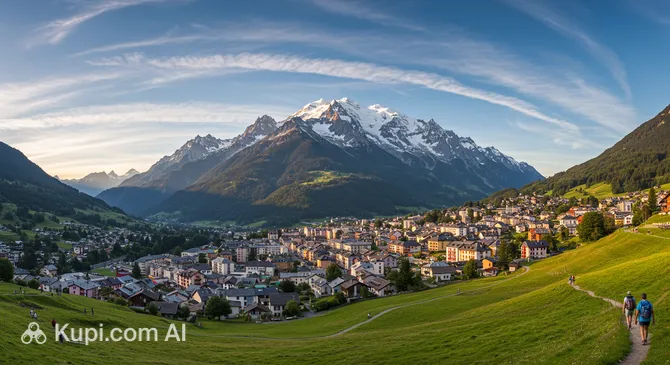
While Sallanches is famous for its proximity to high-altitude adventures, the city itself offers a refreshing array of green spaces and cultural institutions that celebrate its Alpine heritage. Visitors looking to slow down will find beautifully maintained parks and educational venues that provide a deeper understanding of the natural world and the history of the Haute-Savoie region.
Lacs des Ilettes stands out as the city's premier green space, acting as a true oasis for relaxation and outdoor recreation. This expansive leisure base is unique because it comprises three distinct lakes, each designed for a specific purpose: one for fishing, one for swimming, and one for windsurfing and paddleboarding. Surrounding the water, a network of flat, well-maintained trails allows for leisurely strolls or jogging, all while offering an uninterrupted, mirror-like reflection of the Mont Blanc massif. It is an ideal spot for a family picnic or a quiet afternoon connecting with nature.
Another significant natural area is the protected site at the foot of the Cascade de l'Arpenaz. While the waterfall itself is a major attraction, the surrounding parkland is equally inviting, featuring spacious clearings and shaded areas perfect for observing local flora. The site has been arranged to allow visitors to safely approach the base of the falls, where the spray creates a cool microclimate during the summer months. It serves as a gateway to several hiking paths that lead further into the geological wonders of the Fiz mountain range.
For those seeking cultural enrichment, the Centre de la Nature Montagnarde is the city's flagship museum. Housed within the historic Château des Rubins, a 14th-century fortified house, this museum offers a sensory and interactive journey through the Alpine environment. Spanning several floors, the exhibits cover everything from the formation of the Alps to the elusive wildlife that inhabits them, such as the bearded vulture and the wolf. It is widely regarded as one of the best educational facilities in the region for understanding the mountain ecosystem.
Complementing the museum scene is the Médiathèque Ange Abrate, which frequently functions as a cultural gallery. This modern facility often hosts temporary exhibitions ranging from photography and painting to local history and heritage displays. It serves as a vibrant community hub where tourists can view works by regional artists or attend cultural workshops, offering a glimpse into the contemporary creative life of the Arve Valley.
History enthusiasts should not miss the Collégiale Saint-Jacques located in the town center. Although primarily a religious site, its interior acts as a repository of art and history, featuring a stunning Baroque altar and a sundial dating back to the 19th century. Just outside, the Place Saint-Jacques and the nearby Grenette (an old grain market hall constructed in granite) showcase the town's architectural resilience following the great fire of 1840, reflecting the Sardinian influence on the city's reconstruction.
For a truly authentic local experience, take a walk along the Quais de la Sallanche. This riverside promenade follows the small Sallanche stream that runs through the town before joining the Arve river. It is a peaceful, lesser-known path lined with flowers and benches, offering a quiet escape from the busier commercial streets and a lovely perspective on the town's stone bridges and old buildings.