Support

Annemasse

About

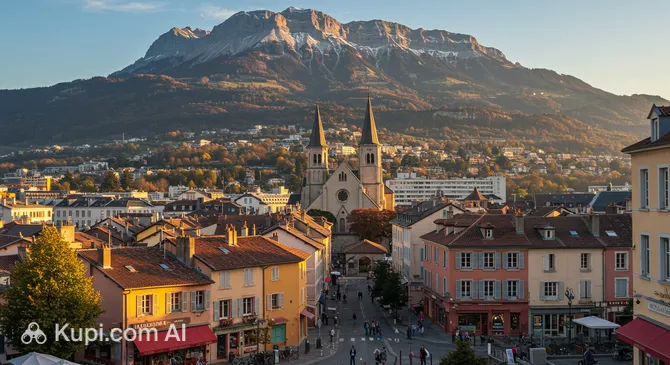
Welcome to Annemasse, a dynamic city situated at the crossroads of the French Alps and the Lake Geneva basin. Located in the Auvergne-Rhône-Alpes region of France, this bustling urban center sits directly on the border with Switzerland, making it a strategic gateway for travelers. With a population of over 36,000 residents, Annemasse offers a lively atmosphere that blends local French charm with an international flair, serving as a vital hub in the Greater Geneva area.

The city has undergone a remarkable transformation over the decades, evolving from a modest rural community into a modern economic center. Visitors interested in the past can explore the fascinating history of Annemasse to understand how its unique location shaped its development and cultural identity. Today, it stands as a testament to cross-border cooperation and urban renewal.

Annemasse. Source: Kupi.Binoculars

Travelers are often drawn here by the exceptional natural surroundings. Annemasse lies at the foot of the majestic Mont Salève, often called the "Balcony of Geneva," which offers hiking trails and breathtaking panoramic views of the Alps and Mont Blanc. Within the city limits, culture enthusiasts should visit the Villa du Parc, a contemporary art center set in the beautiful Montessuit Park. The city is also renowned for its vibrant weekly markets, where you can sample delicious regional produce and soak up the local lifestyle.

Whether you are using it as a base to explore the nearby ski resorts or looking to discover the Lake Geneva region, Annemasse is a welcoming destination with plenty to offer. Its excellent transport connections and friendly spirit make it an ideal stop on your journey through the region.

Weather Overview

Understanding the local climate is key to enjoying your visit to this Alpine crossroads. The city generally experiences a temperate climate with distinct seasonal changes, characterized by warm summers and cold winters. To help you prepare for your trip with the most up-to-date forecast, you can view more detailed information about the weather in Annemasse.

Summer is typically the most pleasant time to visit, particularly from June to August. During these months, average maximum temperatures reach approximately 24°C, creating comfortable conditions for outdoor activities and exploring the city. However, even in the warmest months, rain is not uncommon, with June seeing up to 17 wet days.

Winter brings a distinct chill to the air, influenced by the nearby mountains. From December through February, average temperatures range from 1.3°C to 3.5°C, with minimums occasionally dropping to around -1.8°C in January. Precipitation remains frequent throughout the year, so it is always a good idea to pack a raincoat or umbrella regardless of when you plan to travel.

Interesting Facts

Beyond the main thoroughfares and its reputation as a border city, Annemasse holds intriguing details that reveal a unique local character.
  • A Historic Free Trade Zone: Annemasse is part of a specific area known as the "Zone Franche," established by treaties in the 19th century. This unique diplomatic arrangement traditionally allowed for the duty-free movement of local agricultural products between this part of France and neighboring Switzerland, shaping the local economy for generations.

  • Contemporary Art in a Classic Setting: While the city is often viewed as modern, it houses a significant cultural gem in a 19th-century mansion. The Villa du Parc, located within the serene Montessuit Park, is not a history museum but a dedicated center for contemporary art, offering a striking contrast between its classic architecture and modern exhibitions.

  • The Green Border Crossing: The city features the "Voie Verte" (Green Way), a popular path built on a former railway line. It allows pedestrians and cyclists to commute across the international border into Geneva entirely traffic-free, symbolizing the seamless integration of the two cities.

  • A "Mushroom City" History: Unlike many French towns with ancient medieval roots, Annemasse was a small hamlet with very few residents until the mid-19th century. Its transformation into a major urban hub was almost exclusively driven by the arrival of the railway, making it a classic example of a city born from transportation infrastructure.

Montessuit Park. Source: Kupi.Binoculars

How to Get There

Reaching Annemasse is quite convenient due to its strategic location on the French-Swiss border. Whether you are arriving by air or rail, the city benefits from the major transport infrastructure of the Greater Geneva area and the Auvergne-Rhône-Alpes region. For a detailed breakdown of routes and transport options, you can read more about how to get to Annemasse.

The city of Annemasse does not have its own airport, but it is exceptionally well-served by Geneva Airport (GVA), located just across the border in the city of Geneva, Switzerland. This major international hub is situated only about 11 km from Annemasse. Due to its proximity, it acts as the primary gateway for international visitors. The journey by taxi or transfer is very short, typically taking around 35 to 40 minutes depending on border traffic. The airport handles a massive volume of passengers annually, offering connections to destinations worldwide.

Another option for travelers preferring to land within France is Lyon Saint-Exupéry International Airport (LYS). Located in the city of Lyon, it is approximately 103 km away from Annemasse. While further away, it is a significant large-scale airport with extensive European and international connections. Reaching Annemasse from here generally takes about 3 hours by road. For those looking for regional flights, Chambéry Airport in Chambéry is closer, at roughly 68 km distance, though it serves a much smaller number of passengers and is often seasonal.

For clarity, here is a summary of the main airports:

Airport Name City Passenger Traffic Km from City
Geneva Airport Geneva Very Large 10.8
Lyon Saint-Exupéry International Airport Lyon Large 102.7
Chambéry Airport Chambéry Small 67.5
Dole-Jura Airport Dole Small 112.5
Sion Sion Small 84.4

Travelers arriving by train will find excellent connectivity as well. While Annemasse has its own station, many international high-speed connections route through the nearby Geneva Railway Station in the city of Geneva. Located just 7.3 km from the center of Annemasse, this is a major rail hub with very high passenger traffic. From there, a taxi or local tram/train connection to Annemasse takes only about 30 minutes. It serves as the main interchange for those coming from Switzerland or Northern Europe.

On the French side, the Lyon Part-Dieu Station in Lyon is a key node for TGV high-speed trains coming from Paris and other major French cities. It is situated approximately 117 km from Annemasse. Although it is a significant distance, the rail network in the region is efficient, allowing for subsequent connections to the local area. The station handles a very large number of passengers annually, making it one of the busiest in France.

Below is a list of the nearest major railway stations:

Station City Passenger Traffic Km to Center
Geneva Railway Station Geneva Very Large 7.3
Lyon Part-Dieu Station Lyon Very Large 116.9
Grenoble Railway Station Grenoble Large 118.5
Gare de Lyon-Perrache Lyon Large 119.8
Sion Railway Station Sion Medium 86.9

Main Attractions

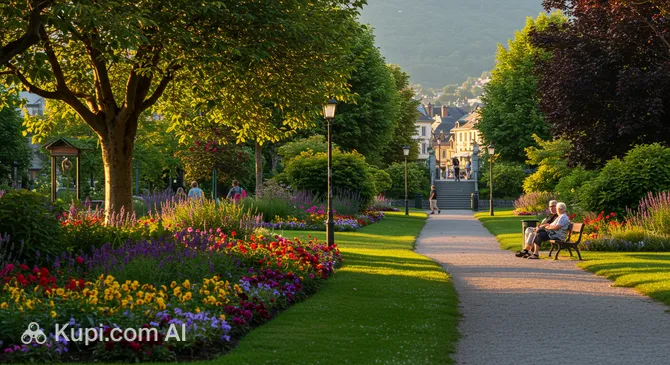
While Annemasse is often seen as a transit hub, it boasts several engaging spots that offer leisure and culture to visitors. One of the city's most beloved green spaces is Montessuit Park. Located in the heart of the town, this beautifully landscaped garden is perfect for a relaxing stroll under the shade of century-old trees. It is not just a place for nature lovers; the park is also home to the Villa du Parc, a center for contemporary art that hosts rotating exhibitions, making it a cultural focal point where art and nature seamlessly blend.

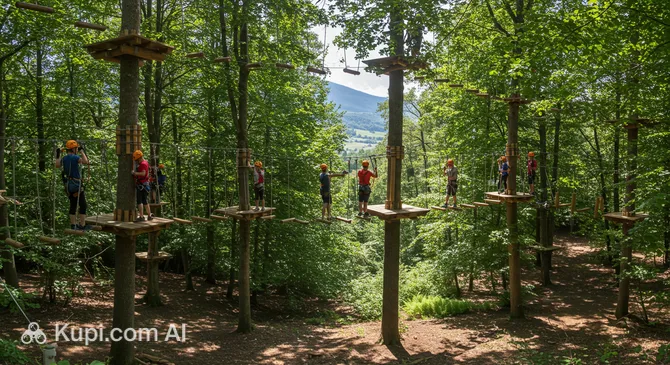
For those seeking a bit more adrenaline and outdoor fun, the Filenvol Adventure Park is a fantastic destination, especially for families. Situated near the local airfield, this unique park features "parcabout" nets suspended high in the trees, allowing visitors to bounce and move freely without the need for harnesses. It offers a playful and safe environment to enjoy the forest canopy, often providing interesting views of the nearby planes taking off and landing.

Filenvol Adventure Park. Source: Kupi.Binoculars

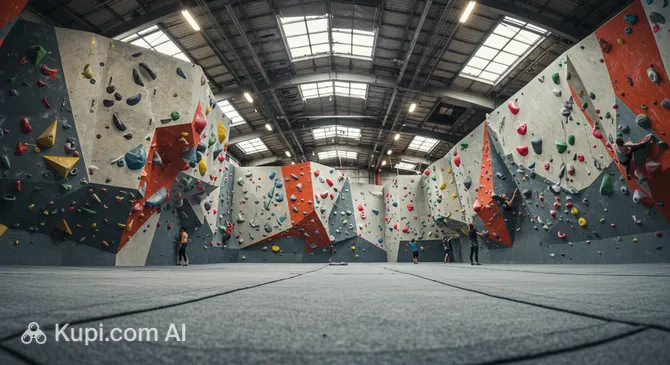
Travelers looking for an active break should visit Arkose Genevois. This modern facility is primarily a bouldering gym, offering climbing walls suitable for all levels, from beginners to experts. Beyond the sport, it functions as a vibrant social hub with an eco-responsible restaurant and bar, making it a great place to unwind, eat healthy local food, and mingle with locals after a workout.

Arkose Genevois. Source: Kupi.Binoculars

Local Cuisine

The culinary scene in Annemasse is a delightful reflection of its location in the Haute-Savoie department, blending hearty Alpine traditions with the diverse influences of a border city. Visitors can expect a gastronomic experience that revolves deeply around local cheeses, cured meats, and warming dishes designed to comfort you after a day in the mountain air.

At the heart of the local menu are the famous Savoyard specialties. One absolute must-try is Tartiflette, a rich gratin made with potatoes, lardons, onions, and garlic, all smothered in melted Reblochon cheese. Another regional favorite is Diots de Savoie, distinctive pork sausages often cooked in white wine and onions. They are traditionally served with Crozets, small square-shaped pasta made from buckwheat or wheat flour, which offer a unique texture and nutty flavor found almost exclusively in this part of France.

To accompany these robust meals, locals typically turn to the crisp white wines of the region. A glass of Apremont or Roussette de Savoie pairs perfectly with the heavy cheese dishes, cutting through the richness with refreshing acidity. For a non-alcoholic option, the region produces excellent apple juices and artisan syrups. To finish a meal like a true local, you might be offered a digestif of Genépi, a herbal liqueur made from alpine plants harvested high in the mountains.

The food culture in Annemasse is vibrant and social, anchored by its bustling street markets. The city hosts one of the largest markets in the region, where stalls overflow with fresh produce, local honey, and artisanal cheeses like Abondance and Tomme de Savoie. It is a prime spot for tourists to grab a quick, high-quality snack or simply observe the daily life of the residents.

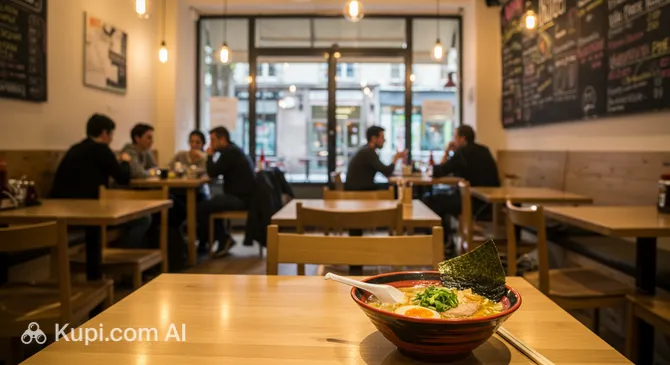
While tradition is strong, the city's proximity to Geneva has fostered a modern and international dining scene. You can find everything from classic French brasseries to global cuisine. For those craving authentic Japanese flavors, Yatta Ramen Annemasse is a popular spot, offering handmade noodles and rich broths that provide a savory alternative to the local dairy-heavy diet.

Yatta Ramen Annemasse. Source: Kupi.Binoculars

For travelers seeking a more contemporary and eco-conscious dining experience, the restaurant at Arkose Genevois is worth a visit. Known as "La Cantine," this spot focuses on fresh, local, and seasonal ingredients, serving healthy dishes in a relaxed, industrial-chic atmosphere that contrasts beautifully with the rustic charm of traditional Alpine chalets.

Travel Tips

To ensure your visit to Annemasse is as smooth and enjoyable as possible, we have compiled a set of essential travel tips. Situated right on the border between France and Switzerland, this city has unique characteristics that make a bit of local know-how very valuable for a hassle-free experience.

  1. Clothing and Gear: Since Annemasse sits at the foot of the Alps, the weather can be changeable. Pack layers that you can easily add or remove, especially if you plan to visit the nearby Mont Salève. Comfortable walking shoes are a must for exploring the city center and the parks. If you visit religious sites, modest attire covering shoulders and knees is respectful. Don't forget a Type E power adapter for your electronics.

  2. Transportation: The city boasts excellent public transport connectivity. The TAC bus network covers the local area efficiently, while the Léman Express train and the tram line offer a quick and seamless connection directly into Geneva. Unless you plan to explore remote villages in the Haute-Savoie countryside, a rental car is often unnecessary and can be a hassle due to traffic and parking. Rideshare apps and taxis are available but can be pricey compared to public transit.

  3. Finances: The local currency is the Euro (€). While credit and debit cards (Visa and Mastercard) are widely accepted, it is wise to carry some cash for small purchases at markets or bakeries. Be careful with your wallet near the border: Geneva uses Swiss Francs (CHF), and while some shops in Annemasse might accept them, the exchange rate will likely be poor. Service is included in restaurant bills, but leaving a small tip (pourboire) for good service is appreciated.

  4. Health and Safety: Annemasse is generally a safe city for tourists. Pharmacies are easily identifiable by a glowing green cross and are well-stocked for minor ailments; check for the "Pharmacie de Garde" for after-hours service. In case of any serious emergency, dial 112, the universal European emergency number. Tap water is safe to drink and of high quality.

  5. Communication: The official language is French. Due to the proximity to international Geneva, many locals and service workers understand English, but starting any conversation with a polite "Bonjour" (Hello) is crucial for good service. Important: Check your mobile plan before arriving. While EU roaming works in France, your phone might connect to a Swiss tower near the border, and Switzerland is often excluded from standard EU roaming packages, potentially leading to high costs.

  6. Local Etiquette: Politeness is highly valued in French culture. Always greet shopkeepers and staff when entering an establishment and say "Au revoir" when leaving. When shopping at the local markets, avoid touching fresh produce yourself unless invited to do so; usually, the vendor will select the items for you.

  7. What to Avoid: Do not cross the border into Switzerland without your passport or ID card. Although checks are infrequent due to Schengen agreements, random customs inspections do happen, and being without identification can cause significant delays. Also, avoid being loud in public spaces or on public transport, as this is considered rude.

  8. Market Days: Don't miss the weekly markets held on Tuesdays and Fridays in the city center. They are among the liveliest in the region and offer a fantastic opportunity to buy fresh local cheese, sausages, and crafts directly from producers. Arrive early in the morning for the best selection and atmosphere.

By keeping these practical tips in mind, you will be well-prepared to navigate the cross-border dynamics and local culture of Annemasse. Enjoy the unique blend of French charm and Swiss proximity that makes this city such a fascinating destination to explore.

Entertainment & Nightlife

The nightlife in Annemasse is characterized by a relaxed and convivial atmosphere, distinct from the high-energy clubbing scene of neighboring Geneva. Rather than large discotheques, the city favors cozy wine bars, lively pubs, and late-night dining spots where locals gather to unwind. The evening usually begins in the bustling Chablais Parc district, a modern pedestrian area filled with shops, terraces, and restaurants that stays vibrant well after sunset.

For a unique start to your evening, Arkose Genevois offers more than just sports facilities. This venue has become a popular social hub thanks to its "La Cantine," a restaurant and bar area with an industrial-chic vibe. It is an excellent place to enjoy local craft beers and organic burgers in a friendly setting, often frequented by a young and active crowd. If you prefer a comforting meal before heading out for drinks, Yatta Ramen Annemasse provides a warm and inviting atmosphere perfect for a casual dinner with friends.

Those seeking more traditional late-night entertainment should head to the Casino d'Annemasse. Located along the Arve River, this establishment is a cornerstone of the local nightlife, offering slot machines, table games, and a restaurant that stays open late. For cultural enthusiasts, the Château Rouge is a major performance venue that hosts a diverse program of evening concerts, theater productions, and dance shows, drawing audiences from across the region.

Practicalities for a night out in Annemasse are straightforward. The dress code is generally casual and unpretentious. Prices for drinks and entry fees are significantly lower than in Switzerland, making it an affordable alternative to Geneva. The Léman Express trains run until late, providing a safe and reliable way to move between the city and the wider region. Taxis and ride-sharing services are also readily available, though it is advisable to book them in advance on weekends.

In terms of safety, Annemasse is generally secure for evening walks, particularly in the well-lit city center and around Chablais Parc. However, as with any border city and transit hub, it is wise to stay vigilant around the train station area late at night and avoid poorly lit side streets. Stick to the main thoroughfares where there is plenty of foot traffic.

Before the sun goes down, the city offers a variety of daytime entertainment options. Visitors can explore the local shopping streets, catch a movie at the Ciné Actuel, or visit the exhibition spaces at Villa du Parc. For families, the nearby parks provide ample space for leisure, while the city's proximity to the mountains allows for easy day trips before returning to enjoy the evening scene.

Parks & Museums

While often recognized for its commercial dynamism, Annemasse offers a surprising array of green spaces and cultural venues that provide a refreshing break from the urban bustle. The city has made significant efforts to integrate nature into its development, resulting in well-maintained parks and a growing reputation for contemporary art and community-focused culture.

The crown jewel of the city's green spaces is undoubtedly Montessuit Park. Located right in the city center, this landscaped garden is a favorite among locals for its serene atmosphere and magnificent century-old trees, including redwoods and cedars. It serves as the city's "green lung," offering a perfect setting for a leisurely walk or a picnic on the grass. Just a short distance away, nature lovers can explore the banks of the Arve River. This area provides a wilder, more natural environment where walking paths allow visitors to enjoy the river's flow and the riparian forest, offering a stark contrast to the busy streets nearby.

For those who prefer their nature with a dose of adrenaline, the Filenvol Adventure Park offers a unique experience. Situated in a forest setting near the airfield, it invites visitors to navigate through large nets suspended between trees. Unlike traditional high ropes courses, you can move freely without a harness, making it a liberating way to enjoy the canopy. It is an excellent spot for families and groups looking to combine outdoor activity with the fresh air of the Haute-Savoie region.

On the cultural front, Annemasse distinguishes itself with the Villa du Parc, a center for contemporary art located within the grounds of Montessuit Park. Housed in a charming 19th-century mansion, this venue does not maintain a permanent collection but instead hosts rotating exhibitions featuring regional and international artists. Its mission is to make contemporary art accessible to all, often offering workshops and guided tours that decode modern artistic expressions for the general public.

Architecture enthusiasts strolling through the city should pause to admire the Hôtel de Ville (Town Hall). This imposing building reflects the civic pride of the mid-20th century and stands as a central landmark. Nearby, the Church of Saint-André offers a glimpse into the city's spiritual heritage. Although the original structure has evolved, it remains a focal point of the community. Additionally, the city is home to the distinctive Monument to the Dead, which pays solemn tribute to those lost in conflicts, anchoring the city's history in the public space.

For a truly local experience, take a walk or cycle along the "Voie Verte" (Green Way). This paved path follows the route of the old railway line and connects Annemasse directly to Geneva. It is a favorite route for commuters and leisure cyclists alike, offering a car-free perspective of the cross-border landscape and hidden urban gardens that you might otherwise miss.

Getting Around

Public transport in Annemasse is modern, efficient, and deeply integrated with the neighboring city of Geneva, making it exceptionally easy for visitors to get around. The city is served by the TAC (Transports Annemasse Agglo) network, which operates a comprehensive system of bus lines connecting the city center with surrounding neighborhoods and villages. For those looking to cross the border, the Léman Express serves as the backbone of regional travel. This cross-border rail network functions like a metro, providing frequent and fast connections between Annemasse Railway Station and major hubs in Switzerland and the wider region.

A standout feature of the local transit system is the extension of the Tram 17 line. Operated in coordination with the Geneva public transport authority (TPG), this tram line runs directly from the center of Annemasse into the heart of Geneva. It is a favorite among tourists and commuters alike for its reliability and scenic route. Additionally, the bus network includes high-frequency lines, known as "Tango" lines, which operate with extended hours and priority lanes to ensure quick travel times across the agglomeration.

Navigating the payment system is straightforward, thanks to the integrated Léman Pass. This multimodal ticket allows you to use trains, trams, and buses within designated zones using a single ticket. Annemasse falls under Zone 210. If you plan to travel only within Annemasse, you can purchase a local TAC ticket. However, if you intend to visit Geneva, you should buy a cross-border Léman Pass ticket that covers both Zone 210 and Zone 10 (Geneva). Prices for a single local journey are affordable, typically around €1.60, while cross-border passes are slightly more expensive but offer great value for the distance covered.

Tickets can be purchased easily at vending machines located at tram stops and major bus stations; these machines usually accept both cash and cards. For convenience, you can also use mobile apps like TAC Mobilités or TPG to buy electronic tickets directly on your smartphone. Another option is the "Maison de la Mobilité" near the train station, where staff can assist you with maps and subscriptions. Remember to validate your ticket immediately upon boarding buses or before entering the platform for trains to avoid fines.

Public transport generally operates from around 5:00 AM until midnight, with some main lines and the Léman Express running slightly later on weekends. If you prefer active travel, Annemasse is very bike-friendly. The "Voie Verte" (Green Way) offers a safe, car-free route for cyclists. You can rent standard or electric bikes from the station or use local bike-sharing services. Taxis are available at designated ranks, particularly outside the train station, but they can be significantly more expensive than public transit. Ride-sharing apps are also active in the area.

A unique transport experience nearby is the Mont Salève Cable Car (Téléphérique du Salève). Accessible via a short bus ride to the border (Veyrier), this cable car whisks passengers up the steep face of the mountain in just a few minutes. While technically a tourist attraction, it is fully integrated into the regional transport identity, offering spectacular views of the Geneva basin and the Alps, and is a must-do for anyone visiting the area.

Accommodation

Finding accommodation in Annemasse is often a strategic choice for travelers. As a border city sitting directly next to Geneva, it offers a practical and generally more affordable alternative to the high prices found in Switzerland. The hospitality sector here is well-developed, catering largely to cross-border commuters, business travelers, and tourists who want easy access to the Lake Geneva region without the premium price tag of staying in downtown Geneva.

The range of lodging options is functional and diverse. Visitors will primarily find mid-range international chain hotels that offer reliable standards and modern amenities. Because the city attracts many business professionals and long-term visitors, there is also a strong presence of aparthotels and furnished residences. These are particularly convenient for families or those planning an extended stay, providing kitchenette facilities and more living space than a standard hotel room. While Annemasse is not known for ultra-luxury resorts, it provides comfortable and clean bases for exploring the area.

When choosing where to stay, location is key. The most convenient area for tourists is undoubtedly the city center, specifically the streets surrounding the Annemasse Railway Station (Gare d'Annemasse). Staying here places you within walking distance of the Léman Express, which can whisk you into central Geneva in under 30 minutes, as well as the tram line and the bus station. The modern Chablais Parc district is another excellent spot, offering a lively environment with immediate access to shops, restaurants, and the cinema.

Booking Tips: Due to its proximity to Geneva, hotels in Annemasse can fill up quickly, especially during major international conferences or trade shows held in Switzerland. It is highly recommended to book your accommodation well in advance to secure the best rates and availability. Prices here are significantly lower than across the border, typically falling into the budget to mid-range category by French standards, but they can spike during peak Swiss events. Most bookings can be easily managed through major online travel platforms.

Nearby Cities

For those looking to explore the surroundings, Annemasse serves as an excellent base for day trips to several interesting nearby locations. The region is rich in alpine history and lakeside beauty, making it easy to discover diverse attractions just a short drive or train ride away.

One of the most popular destinations is Annecy, often referred to as the "Venice of the Alps." Located approximately 34 km from Annemasse, this stunning town is famous for its crystal-clear lake, winding canals, and a beautifully preserved medieval Old Town. Visitors can wander through the cobblestone streets, visit the Palais de l'Île, or enjoy water sports on the lake against a backdrop of mountain peaks.

Another delightful spot is Thonon-les-Bains, a historic spa town situated on the French shores of Lake Geneva (Lac Léman). About 27 km away, it offers a relaxed atmosphere with its thermal baths, the impressive Château de Ripaille, and a funicular railway that connects the town center to the picturesque port area. It is an ideal location for those seeking a mix of cultural heritage and leisure by the water.

For travelers interested in industrial history and mountain culture, Cluses is a fascinating stop in the Arve Valley. Known as the capital of screw-cutting and precision engineering, it houses a dedicated museum showcasing the region's watchmaking legacy. Its location also makes it a strategic gateway to some of the major ski resorts in the French Alps.

City Population Distance (km)
Annecy 130721 34
Thonon-les-Bains 35826 27
Seynod 21595 35
Cran-Gevrier 18330 33
Cluses 16996 31

These nearby destinations offer a glimpse into the diverse culture and landscapes of the region, ranging from lakeside relaxation to alpine adventures.

Shopping & Souvenirs

Shopping in Annemasse is a major draw for visitors, largely due to its strategic position on the border. As a commercial hub for the Haute-Savoie region and a popular destination for Swiss neighbors seeking more affordable prices, the city boasts a vibrant retail scene. From modern open-air complexes to traditional pedestrian streets, the options range from high-street fashion to local artisanal products, making it a lively place to browse and buy.

The heart of the shopping action is located in the city center, particularly around the pedestrian zones. Rue du Commerce and the streets radiating from the Place de l'Hôtel de Ville are lined with a mix of independent boutiques, shoe stores, and French fashion brands. This area offers a pleasant atmosphere for window shopping, with plenty of cafes interspersed among the shops where you can take a break and watch the world go by.

For a more modern shopping experience, Chablais Parc is the place to go. This contemporary open-air shopping district has transformed the city center, offering a concentration of well-known international brands, beauty stores, and lifestyle shops. It is designed as a pleasant urban living space with wide walkways and green areas, distinguishing it from the typical enclosed suburban mall. For those looking for large-scale hypermarkets and extensive commercial zones, the outskirts of the city (such as the nearby Ville-la-Grand commercial area) host larger retail parks.

Markets are an institution in Annemasse and are widely considered some of the best in the region. The Place de la Libération and Place des Marchés come alive on Tuesday and Friday mornings with a massive market that attracts crowds from both sides of the border. Here, you can find everything from fresh produce and regional delicacies to clothing and textiles. It is a vibrant, colorful experience where the local culture of the Genevois area is on full display.

When it comes to souvenirs, the best items to bring back are undoubtedly gastronomic specialties. The Haute-Savoie region is famous for its cheeses, so picking up a wheel of Reblochon or a slice of Tomme de Savoie from a local creamy or the market is a great idea. Other popular local goods include Savoie wines (such as Apremont or Mondeuse), artisanal chocolates, and cured meats like saucisson. These edible gifts offer an authentic taste of the French Alps.

Store opening hours in Annemasse generally follow standard French customs. Most shops are open from 9:00 AM or 10:00 AM until 7:00 PM, Monday through Saturday. While larger chains and the shops in Chablais Parc usually stay open during lunch, smaller independent boutiques may close between 12:00 PM and 2:00 PM. It is important to note that, unlike in some countries, most shops are closed on Sundays, except for some bakeries and small grocery stores in the morning.

Regarding payment, the official currency is the Euro (€). While credit and debit cards (Visa and Mastercard) are accepted almost everywhere, it is useful to have some cash for market stalls or small purchases. Since many shoppers come from Switzerland, some larger stores may accept Swiss Francs, but the exchange rate is rarely favorable, so paying in Euros is recommended.

Finally, because Annemasse is a border city, tax-free shopping (Détaxe) is a common practice for visitors residing outside the European Union, including those from Switzerland. If you spend over a certain threshold (typically €100.01) in a single store, you can ask for a tax refund form. Many shops display a "Tax-Free" sign and can help you process the paperwork, which you then validate at customs terminals (PABLO kiosks) when leaving France.
Reached the end of the page?

That means the route is fully explored