Support

Milan

About

Milan is a dynamic metropolis that effortlessly blends old-world romance with urban grit and cosmopolitan flair. Recognized globally as a capital of fashion and design, this vibrant city offers a sophisticated atmosphere that attracts travelers from all corners of the globe. Whether you are seeking high-end shopping, artistic masterpieces, or culinary delights, the city's unique energy is sure to captivate you.

Located in the heart of the Lombardy region in northern Italy, the city serves as a major financial and economic hub. With a population of approximately 1.3 million people, it is the second-largest city in the country. Its geographical position makes it a strategic gateway to the Italian Alps and the beautiful lakes of the north, while its climate features hot, humid summers and cold, foggy winters.
Milan. Source: Kupi.Binoculars

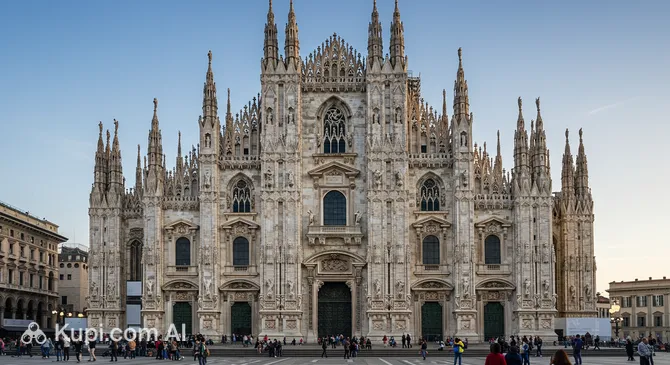
While the city is often celebrated for its modernity, the history of Milan is rich and complex, dating back to ancient times. Visitors can explore a wealth of historical treasures, including the magnificent Duomo di Milano, a breathtaking Gothic cathedral that took nearly six centuries to complete. Another unmissable landmark is the Galleria Vittorio Emanuele II, one of the world's oldest shopping malls, known for its stunning glass dome and luxury boutiques. Art lovers will also appreciate the chance to see Leonardo da Vinci's The Last Supper, housed in the Convent of Santa Maria delle Grazie.

From its bustling aperitivo culture to its world-class opera at La Scala, the city offers an endless array of experiences. We invite you to explore the stylish streets and hidden gems of this remarkable destination, where tradition and innovation exist in perfect harmony.
Weather Overview

Understanding the local climate is key to enjoying your visit to this fashionable Italian metropolis. The weather in Milan is generally continental, featuring distinct seasons that transform the city's atmosphere throughout the year. Winters are typically cold, while summers bring warmth and sunshine, making the city a year-round destination with varying experiences.

During the winter months of December and January, average temperatures hover around 4.5°C, with lows occasionally dropping near the freezing point. While precipitation volume is recorded as low during this time, you can still expect about 6 to 8 wet days per month. Conversely, summer heats up significantly; July and August see average temperatures of 24.7°C, with daytime highs frequently reaching 29.5°C, perfect for enjoying outdoor cafes and parks.

Transition seasons like spring and autumn offer milder temperatures but are often accompanied by more frequent rainfall. May, for instance, is quite active with an average temperature of 17.4°C but also records up to 17 wet days. Overall, expect warm summers with occasional rain and cold, relatively dry winters, so packing layers is always a good strategy.

Interesting Facts

Beyond the main attractions, Milan holds many fascinating secrets that reveal a whimsical side to this industrious metropolis. From hidden gardens to curious local rituals, the city offers plenty of surprises for those willing to look closer.
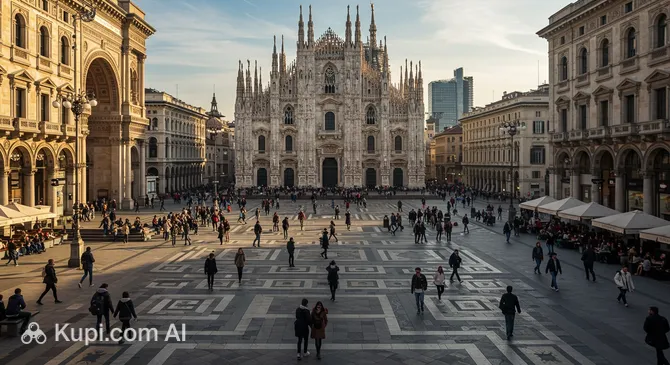
Milan Cathedral. Source: Kupi.Binoculars
  • The magnificent Milan Cathedral is adorned with over 3,400 statues, but one in particular catches the eye of many visitors. The statue known as "The New Law," created in 1810 for the cathedral's facade, bears an uncanny resemblance to the Statue of Liberty, leading to local legends that it may have served as inspiration for the New York landmark.

  • A peculiar tradition takes place on the mosaic floor of the Galleria Vittorio Emanuele II. It is said that spinning three times on your right heel on the testicles of the dancing bull depicted in the floor mosaic brings good luck, a superstition that has worn a distinct hole in the stone over the years.

  • While the city is not located in the tropics, you can find a flock of real pink flamingos living in the city center. Since the 1970s, these exotic birds have inhabited the private garden of Villa Invernizzi on Via Cappuccini, where curious passersby can catch a glimpse of them through the front gate.

  • Milan was once a "city of water" comparable to Venice, with a complex network of navigable canals known as the Navigli. While many were covered in the 20th century to make way for roads, the remaining canals are a testament to engineering feats that Leonardo da Vinci himself helped to improve with his innovative lock designs.

How to Get There

As a major European hub, the capital of Lombardy is exceptionally well-connected, welcoming millions of visitors each year. Whether arriving by air or rail, travelers have multiple convenient options to reach the city center. For a comprehensive guide on all available transport methods, you can read more about how to get to Milan.

The city is primarily served by three significant airports. Milano Malpensa Airport (MXP) is the largest and most prominent international gateway, located approximately 40.5 km from the city center. It handles a high volume of long-haul and European flights; reaching the city from here typically takes around 80 minutes by taxi or bus. Another key entry point is Orio al Serio International Airport (BGY), situated 46.7 km away. Popular with low-cost carriers, the journey to the city center from this airport takes approximately 90 minutes. For those seeking the quickest access, Milano Linate Airport (LIN) is the closest option, located just 7.6 km away, with a transfer time of only about 30 minutes.

For clarity, here is a summary of the main airports:

Airport Name City Passenger Traffic Km from City
Milano Malpensa Airport Milan High 40.5
Orio al Serio International Airport Milan High 46.7
Milano Linate Airport Milan High 7.6
Genoa Cristoforo Colombo Airport Genoa Medium 120.0
Lugano Airport Lugano Low 63.2

Traveling by train is another excellent way to arrive, thanks to the city's extensive rail network. The most important hub is Milano Centrale Station (XIK), a grand architectural landmark located just 2.6 km from the center. It serves as a major node for high-speed and international trains. Another vital stop is Porta Garibaldi Station (IPR), situated 1.8 km from the heart of the city, which handles a significant number of commuter and regional services.

Below is a list of the nearest and most significant railway stations:

Station City Passenger Traffic Km to Center
Milano Centrale Station Milan Very High 2.6
Porta Garibaldi Station Milan High 1.8
Genova Piazza Principe Station Genoa High 118.7
Lugano Railway Station Lugano Medium 62.4
Rogoredo Railway Station Milan Medium 5.8

Main Attractions

Milan is a treasure trove of cultural and historical landmarks that go far beyond its reputation as a fashion capital. The city invites visitors to journey through time, exploring everything from medieval fortresses to world-class sporting arenas and serene green spaces.

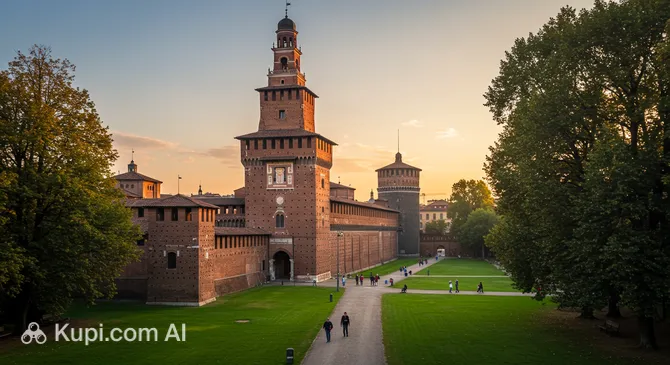
One of the most imposing structures in the city is the Sforza Castle (Castello Sforzesco). Originally built in the 15th century by Francesco Sforza, Duke of Milan, this grand fortress was once a symbol of military power. Today, it serves as a major cultural complex, housing several museums and art collections. Visitors can explore its vast courtyards and view masterpieces such as Michelangelo's unfinished Rondanini Pietà and frescoes by Leonardo da Vinci.

Sforza Castle. Source: Kupi.Binoculars

For art enthusiasts, the Brera Art Gallery (Pinacoteca di Brera) is an essential destination. Located in the charming Brera district, which is famous for its narrow cobbled streets and artistic vibe, this gallery holds one of Italy's most significant collections of paintings. Inside, you can admire iconic works by masters like Raphael, Caravaggio, and Hayez, offering a deep dive into the country's rich artistic heritage.

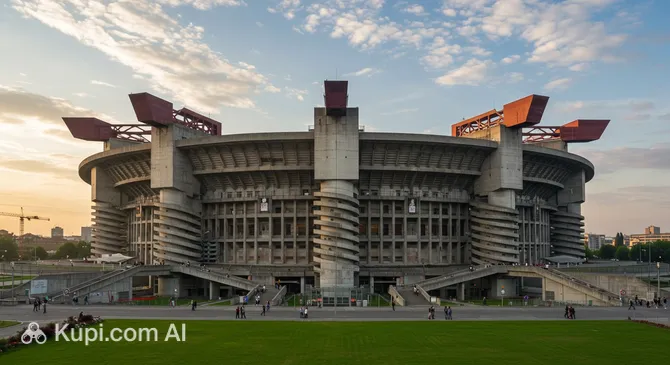
Sports fans should not miss the opportunity to visit the legendary San Siro Stadium. Often referred to as the "Scala of Football," this colossal arena is one of the largest in Europe and serves as the home ground for both AC Milan and Inter Milan. A tour of the stadium allows visitors to see the locker rooms, walk through the tunnel, and visit the on-site museum dedicated to the history of these two football giants.

San Siro Stadium. Source: Kupi.Binoculars

To escape the urban bustle, locals and tourists alike flock to Sempione Park. Situated just behind the Sforza Castle, this sprawling English-style garden is the city's most beloved green space. It is the perfect spot for a leisurely stroll or a picnic, offering scenic paths that lead to the majestic Arch of Peace (Arco della Pace), a neoclassical triumphal arch that stands as a historic gateway to the city.

Local Cuisine

The culinary landscape of Milan is as sophisticated and stylish as its fashion scene, yet it remains deeply rooted in tradition. Unlike the tomato-based cuisine of southern Italy, Milanese cooking relies heavily on butter, rice, and fresh meats, reflecting the agricultural richness of the Lombardy region. A shining example of this is the city's signature dish, Risotto alla Milanese. This creamy, golden rice dish owes its distinctive color and flavor to high-quality saffron, making it a must-try for any visitor.

Meat lovers will find plenty to savor here, particularly the famous Cotoletta alla Milanese. This breaded veal cutlet is traditionally fried in butter until crisp and golden, often served bone-in. Another hearty classic is Ossobuco, a tender braised veal shank cooked with vegetables, white wine, and broth, typically accompanied by a zesty gremolada topping of lemon zest, garlic, and parsley. These dishes embody the comforting, rich flavors that define the local gastronomy.

No guide to the city's food culture would be complete without mentioning the beloved ritual of the aperitivo. Every evening, from roughly 6:00 PM to 9:00 PM, locals flock to bars and cafes to unwind with a drink and a buffet of snacks. The Negroni Sbagliato, a "mistaken" Negroni made with sparkling wine instead of gin, was invented right here in the city. Whether you prefer a classic Spritz or a glass of local wine, the atmosphere during these hours is buzzing with energy.

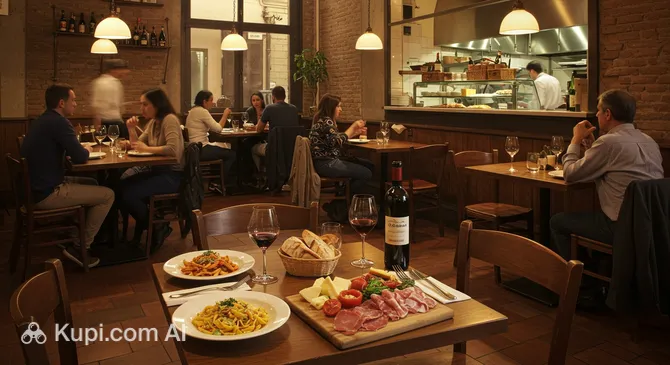
The dining scene offers a mix of historic trattorias and modern establishments. For a delightful meal in a welcoming setting, you might visit Gloria Osteria, where you can experience the warmth of Italian hospitality. While street food is available, the true Milanese experience involves sitting down to enjoy the company and the courses.

Gloria Osteria. Source: Kupi.Binoculars

For breakfast or a mid-day treat, the city's cafe culture is second to none. Espresso is a way of life, often enjoyed standing at the counter. If you are looking for excellent pastries and specialty coffee, Loste Café is a popular spot to recharge. Don't forget to try a slice of Panettone if you are visiting around the holidays; this legendary sweet bread originated in Milan and has become a symbol of Christmas worldwide.

Travel Tips

Welcome to Milan! To ensure your visit to this fast-paced and fashionable metropolis is as smooth as it is stylish, we have compiled a set of essential guidelines to help you navigate the city with confidence.

  1. Clothing and Gear: As the fashion capital of Italy, the local style is smart and polished, so pack versatile, chic layers. However, comfort is key for exploring, so bring sturdy walking shoes for the cobblestone streets. Crucially, if you plan to visit the Duomo di Milano or other religious sites, strict dress codes apply: you must cover your shoulders and knees, so carry a light scarf or shawl during warmer months.

  2. Transportation: The city boasts an excellent public transport system managed by ATM, consisting of the metro, buses, and iconic yellow trams. It is the most efficient way to get around; you can even pay with a contactless card directly at the metro turnstiles. Taxis are available but cannot usually be hailed on the street; you must find a designated taxi rank or use an app. Renting a car is generally discouraged due to heavy traffic and restricted traffic zones (Area C).

  3. Finances: The currency is the Euro (€). Credit and debit cards are widely accepted, even for small amounts like a coffee, but carrying some cash is useful for smaller, family-run shops. Tipping is not mandatory or expected, as a service charge or "coperto" (cover charge) is often added to the bill. Rounding up the total is a polite gesture for good service.

  4. Health and Safety: Pharmacies are easily recognized by a flashing green cross sign, and many operate on a rotation system to provide 24/7 service. The general emergency number is 112. While the city is generally safe, remain vigilant against pickpockets in crowded areas, particularly around Milano Centrale station and Piazza del Duomo.

  5. Communication: While Italian is the official language, English is widely spoken in hotels, restaurants, and tourist areas. However, learning a few basic phrases like Buongiorno (Good morning) and Grazie (Thank you) goes a long way with locals. Free Wi-Fi is available in many public spots via the "Open Wifi Milano" network, and SIM cards can be easily purchased from providers like TIM, Vodafone, or Iliad.

  6. Local Etiquette: It is polite to greet shopkeepers when entering or leaving a store. When visiting a café, remember that standing at the counter (al banco) is significantly cheaper than sitting at a table. Also, follow the unwritten local rule regarding coffee: a cappuccino is strictly a breakfast drink and is rarely ordered after 11:00 AM or after a meal.

  7. What to Avoid: Do not walk in the dedicated bicycle lanes, as cyclists can be quite fast and assertive. Additionally, avoid buying tickets from unauthorized sellers outside train stations or attractions; always use official kiosks or authorized apps to avoid scams.

  8. Additional Tip: If you are visiting in August, be aware that this is the traditional holiday month for Italians (Ferragosto). Many smaller shops, family-owned restaurants, and even some bakeries may close for several weeks, so it is wise to check opening hours in advance.

With these practical tips in hand, you are ready to embrace the vibrant energy and sophisticated culture of this unique city. Enjoy every moment of your Milanese adventure, from the first espresso to the last evening stroll!

Entertainment & Nightlife

As the sun sets, Milan transforms into a vibrant playground for night owls, living up to its reputation for "Milano da bere" (Milan to drink). The evening typically begins with the beloved aperitivo ritual, where locals unwind with drinks and appetizers. The epicenter of this social scene is undoubtedly the Navigli district, where bustling crowds gather along the historic canals to enjoy the lively atmosphere. For a more exclusive and glamorous experience, the area around Corso Como is the place to see and be seen, hosting high-end clubs frequented by the fashion crowd. Meanwhile, the Brera district offers a sophisticated alternative with its chic wine bars and artistic vibe.

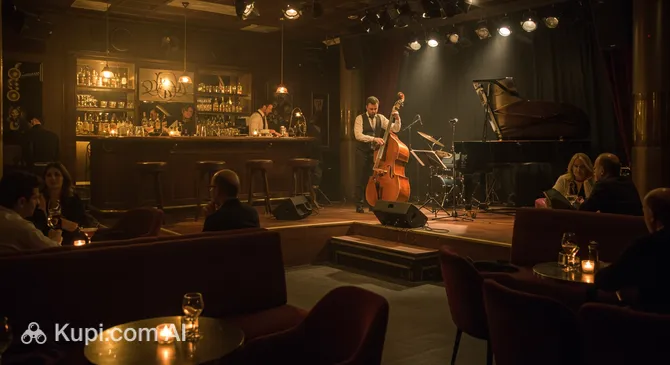
Music enthusiasts will find a diverse array of venues to enjoy live performances. A standout destination is Blue Note Milan, a legendary jazz club known for hosting international artists in an elegant setting. If you prefer dancing the night away, Zoo Club offers energetic parties and DJ sets that keep the floor moving until dawn. For a more relaxed and social environment, Ostello Bello Grande is a popular spot that organizes cultural events and aperitifs, attracting a friendly mix of locals and travelers.

Blue Note Milan. Source: Kupi.Binoculars

When planning your night out, keep in mind that the local crowd takes style seriously. The dress code is generally "smart casual," but many clubs in the Porta Nuova and Corso Como areas expect a more polished look; it is best to avoid sportswear if you plan to enter exclusive venues. The nightlife schedule is shifted later than in many other cities: dinner often ends around 10:00 PM, and clubs only start filling up after midnight. Prices can vary, with cocktails typically costing between €10 and €15, while club entry fees often include one drink.

Getting around at night is relatively easy, though it requires some planning. The metro system usually operates until about 12:30 AM, with extended hours on weekends, after which a network of night buses takes over. For safety and convenience, especially in the early morning hours, it is best to use a taxi. Note that you cannot hail them on the street in Italy; you must head to a designated taxi stand or use a mobile app to book a ride. While the main nightlife districts are bustling and safe for walking, it is advisable to be cautious around the central station area late at night.

Beyond the nightlife, the city offers a wealth of diverse entertainment during the day. Culture seekers should not miss the chance to attend a performance at La Scala, one of the most prestigious opera houses in the world. For a journey into innovation, the Leonardo da Vinci Museum of Science and Technology showcases the genius of the Renaissance master alongside modern advancements. Families and thrill-seekers can also find excitement at Acquaworld, a large indoor water park and wellness center located just outside the city.

Parks & Museums

Beyond its reputation as a fast-paced business hub, Milan surprises visitors with its rich tapestry of green spaces and a museum scene that rivals any European capital. The city offers a perfect balance between manicured historic gardens, cutting-edge contemporary art venues, and ancient religious sites, inviting you to slow down and explore its cultural soul.

While the central Sempione Park is well-known, nature lovers seeking a more immersive experience should venture to Parco delle Cave. Located in the western part of the city, this vast park is a stunning example of urban rewilding, featuring four lakes, woodland paths, and agricultural areas. It is a favorite among locals for jogging and cycling, and on summer evenings, it becomes a magical spot to watch fireflies, offering a peaceful retreat far from the city's traffic.

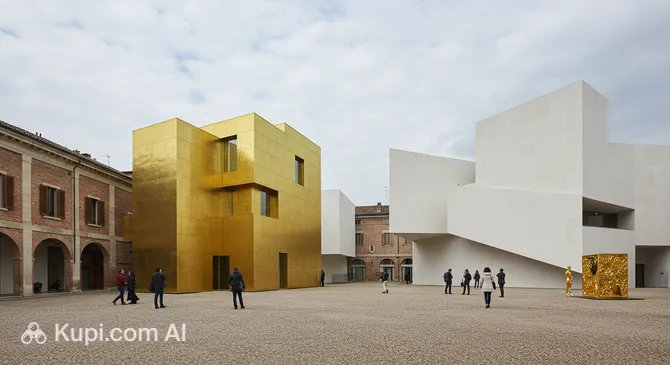
For those interested in the evolution of art and culture, the city boasts several world-class institutions. A standout destination for contemporary art enthusiasts is the Fondazione Prada. Housed in a former gin distillery transformed by the architectural firm OMA, this complex is as famous for its "Haunted House" building covered in gold leaf as it is for its thought-provoking exhibitions. It represents the modern, innovative spirit of the city and includes a cinema and a Wes Anderson-designed café.

Fondazione Prada. Source: Kupi.Binoculars

Another essential stop is the Mudec – Museum of Cultures, located in the Tortona design district. Set within a beautifully restored industrial plant, the museum focuses on the relationship between the city and world cultures, hosting major international exhibitions ranging from anthropology to fine art. If you prefer classic grandeur, the Royal Palace of Milan (Palazzo Reale), situated right next to the Duomo, serves as the city's premier cultural center, regularly displaying masterpieces by artists like Picasso, Monet, and Caravaggio in its historic halls.

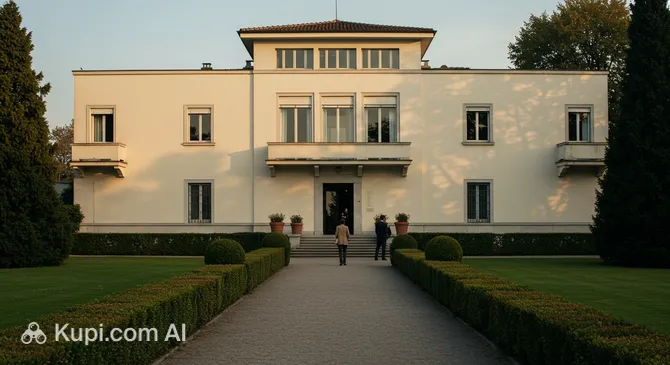
To understand the lifestyle of the Milanese upper class in the 20th century, a visit to Villa Necchi Campiglio is unmatched. Hidden in a quiet street, this rationalist architectural gem from the 1930s remains perfectly preserved, complete with a swimming pool and tennis court. It offers an intimate glimpse into a bygone era of elegance and is surrounded by a lush, tranquil garden that feels worlds away from the urban bustle.

Villa Necchi Campiglio. Source: Kupi.Binoculars

History buffs will find deep roots at the Basilica of Sant'Ambrogio, one of the most ancient churches in Italy. Dedicated to the city's patron saint, this Romanesque masterpiece dates back to the 4th century and provides a solemn, atmospheric contrast to the Gothic grandeur of the cathedral. Its atrium and golden altar are stunning examples of medieval art.

For a taste of the city's creative reuse of industrial spaces, check out the Fabbrica del Vapore. Once a factory for building trams, it has been converted into a dynamic hub for youth culture, hosting workshops, markets, and experimental theater, offering a fresh perspective on the local creative scene.

Getting Around

Navigating Milan is remarkably easy and efficient, thanks to a comprehensive public transport network managed by ATM. The system is fully integrated, meaning a single ticket allows you to switch between the metro, trams, and buses within the validity period. The backbone of the network is the Metro, consisting of five lines (M1 to M5) identified by different colors, which connect the city center to the suburbs and key transit hubs. Complementing the subway is an extensive web of surface transport, including trolleybuses, buses, and the city's signature trams, which weave through the streets and offer a scenic way to view the architecture.

For tourists, the payment system is modern and user-friendly. You can purchase tickets at automatic machines in metro stations, at authorized newsstands and tobacconists (look for the "T" sign), or via the official ATM smartphone app. Recently, the city introduced contactless payment directly at the turnstiles; you can simply tap your credit or debit card (Mastercard, Visa, American Express) or a digital wallet device on the orange readers at the metro gates and on surface vehicles. A standard single ticket costs approximately €2.20 and is valid for 90 minutes from the first validation. For those planning extensive travel, 24-hour or 72-hour travel cards offer excellent value and unlimited rides.

When using the transport system, it is crucial to validate your ticket immediately upon entering a bus or tram, or before going down to the metro platforms. In the metro, you must also scan your ticket or card to exit the station. The service typically operates from around 5:30 AM until 12:30 AM. After the metro closes, a network of night buses takes over, following the same routes as the subway lines, ensuring you can get back to your accommodation safely even after a late night out.

A unique feature of the local transport scene is the historic tram fleet. While modern vehicles serve many lines, the city has kept its charming "Type 1928" trams in operation. These iconic yellow trams, with their wooden benches and retro glass lamps, are a tourist attraction in themselves. Tram line 1 is particularly recommended for sightseeing, as it passes by many major landmarks, including the opera house and the Sforza Castle, offering a nostalgic ride through the heart of the city.

If you prefer alternatives to public transit, taxi services are widely available, though it is important to note that you generally cannot hail them on the street. You must head to a designated taxi rank or book one via phone or app. Car-sharing services and bike-sharing schemes like BikeMi are also extremely popular and accessible via mobile apps, providing a flexible way to explore the flatter areas of the city or navigate the traffic-restricted zones with ease.

Accommodation

Finding the perfect place to stay in Milan is an integral part of the travel experience, as the city offers a diverse range of accommodation options to suit every preference and budget. From opulent five-star establishments and sleek design hotels to charming boutique guesthouses and budget-friendly hostels, the hospitality landscape here is as varied as its fashion scene. Whether you are looking for luxury service or a functional base for sightseeing, you will find ample choices spread across the city's distinct neighborhoods.

For first-time visitors, the most coveted location is the Centro Storico, particularly the area surrounding the Duomo. Staying here puts you within walking distance of major landmarks, though prices tend to be higher. If you prefer a more bohemian and artistic atmosphere, the Brera district offers cobblestone streets and stylish apartments. Alternatively, the area around Milano Centrale Station is a practical choice for those prioritizing logistics and train connections, often offering more competitive rates. For nightlife enthusiasts, the Navigli district provides a lively backdrop with its canal-side bars and restaurants right on your doorstep.

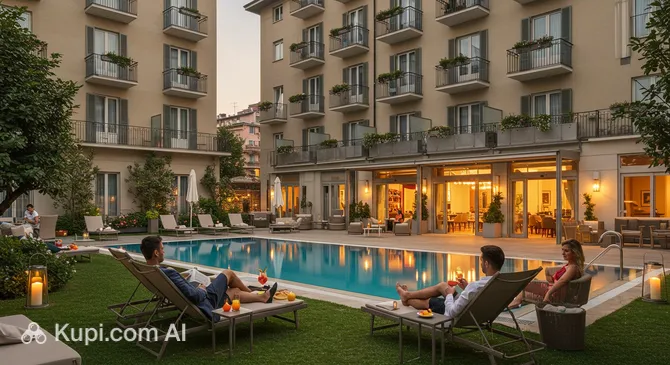
Travelers seeking specific recommendations can consider well-regarded establishments that cater to various needs. For instance, Hotel Milano provides a convenient and comfortable setting for guests who want to be close to the action. Another excellent option is Kleos Hotel Milano, which offers a welcoming environment and easy access to the city's transport network, making it a reliable choice for both leisure and business travelers.

Kleos Hotel Milano. Source: Kupi.Binoculars

When planning your trip, it is crucial to consider the city's event calendar. As a global capital of fashion and design, Milan hosts major international events such as Fashion Week (typically in February and September) and the Salone del Mobile (Design Week) in April. During these periods, accommodation prices skyrocket, and availability becomes extremely scarce. Therefore, a key booking tip is to reserve your room several months in advance if your dates coincide with these peak times.

In terms of pricing, the city generally leans towards the more expensive side compared to other Italian destinations, especially for mid-range and luxury properties. However, booking online through major platforms or directly with hotels can sometimes yield special offers. While luxury resorts command premium rates, budget travelers can still find affordable guesthouses and rentals if they are willing to stay slightly further from the immediate city center and utilize the efficient metro system.

Nearby Cities

For those looking to explore the surroundings, Milan serves as an excellent base for day trips to several interesting nearby locations:

Just a short train ride away lies Bergamo, a stunning city characterized by its unique double structure. Visitors can explore the Città Alta (Upper Town), a medieval hilltop gem encircled by Venetian walls and filled with cobblestone streets, which is connected to the modern Città Bassa (Lower Town) by a historic funicular. It is a perfect destination for history enthusiasts and those seeking panoramic views of the Lombard plains.

For a change of scenery, the city of Como offers a gateway to the breathtaking landscapes of the Italian Lakes. Located at the southern tip of Lake Como, this town is famous for its elegant villas, Gothic cathedral, and the scenic waterfront promenade. A boat trip on the lake or a funicular ride up to Brunate provides unforgettable vistas of the water meeting the mountains.

Closer to the metropolis is Monza, a city renowned for its royal heritage and sporting history. It is home to the magnificent Villa Reale, a neoclassical palace with lavish gardens, and the vast Monza Park, one of the largest enclosed parks in Europe. Racing fans will also recognize it as the site of the legendary Formula 1 Grand Prix circuit.

City Population Distance (km)
Sesto San Giovanni 81773 8
Cinisello Balsamo 75723 10
Cologno Monzese 47720 10
Paderno Dugnano 46701 11
Rozzano 42442 11

These nearby destinations offer a glimpse into the diverse culture and landscapes of the region.

Shopping & Souvenirs

Milan is universally recognized as one of the world's fashion capitals, making it a premier destination for shopping enthusiasts. From high-end luxury boutiques to independent concept stores and bustling high streets, the city offers an unparalleled retail experience. Whether you are looking for the latest runway trends, exquisite leather goods, or unique interior design pieces, the variety of options caters to every taste and budget.

The heart of the city's luxury shopping is the famous "Golden Quadrangle" (Quadrilatero della Moda). This district, anchored by Via Montenapoleone and Via della Spiga, is lined with the showrooms of the most prestigious Italian and international designers. For a more accessible but equally vibrant experience, Corso Buenos Aires serves as one of the longest shopping streets in Europe, featuring over 350 shops ranging from popular high-street brands to local boutiques.

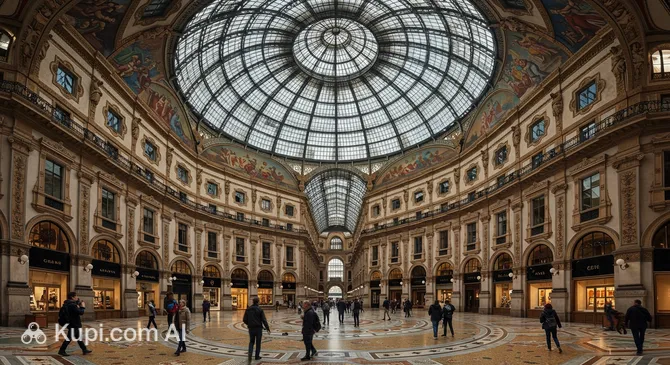
When it comes to shopping centers, the city blends history with modernity. The Galleria Vittorio Emanuele II is not just a mall but an architectural masterpiece. Built in the 19th century, it houses historic shops, luxury retailers, and elegant cafes under a magnificent glass dome. For a completely different atmosphere, the CityLife Shopping District offers a sleek, contemporary experience within a futuristic architectural complex designed by Zaha Hadid. Travelers willing to venture slightly further can visit Il Centro Arese, one of the largest shopping malls in Europe, located just outside the city.

Galleria Vittorio Emanuele II. Source: Kupi.Binoculars

Markets are also an intrinsic part of the local lifestyle. The market on Via Fauché is particularly beloved by fashionistas for its high-quality stock, often including discounted designer shoes and clothes. For a more traditional atmosphere, the Viale Papiniano market offers everything from fresh produce to textiles and household goods, providing a lively glimpse into everyday Milanese life.

If you are looking for the perfect souvenir, Milan is the ideal place to purchase high-quality leather goods, such as gloves or handbags. Design objects are another great choice, given the city's reputation in the furniture and industrial design sectors. For edible gifts, a traditional Panettone (sweet bread) is a classic option, available year-round in historic bakeries, or you might choose saffron, the key ingredient of the local risotto.

Most shops in the city center are open daily from 10:00 AM to 7:30 PM. While major chains and department stores stay open all day (orario continuato), smaller boutiques outside the main tourist areas may close for a lunch break between 1:00 PM and 3:30 PM. Credit and debit cards are widely accepted, though carrying some cash is useful for small purchases at markets.

Visitors residing outside the European Union are eligible for a VAT refund on purchases exceeding a certain minimum amount made in a single store. Look for the "Tax Free" logo in shop windows and remember to ask for the necessary forms at the checkout to process your refund at the airport before leaving the EU.

Reached the end of the page?

That means the route is fully explored