Support

Pisa

About

Pisa is a city that instantly captures the imagination, celebrated worldwide for its iconic architectural landmarks and vibrant academic atmosphere. Located in the picturesque region of Tuscany, this charming city sits along the banks of the Arno River, just before it empties into the Ligurian Sea. While it is one of the most visited destinations in Italy, Pisa retains a relaxed and authentic Italian vibe, distinct from the hustle of larger tourist hubs.

With a population of approximately 90,000 residents, the city feels intimate yet lively, largely due to the presence of the prestigious University of Pisa, which attracts students from all over the world. The history of Pisa is rich and fascinating, dating back to its glorious days as a powerful Maritime Republic that once rivaled Venice and Genoa for dominance in the Mediterranean trade routes.
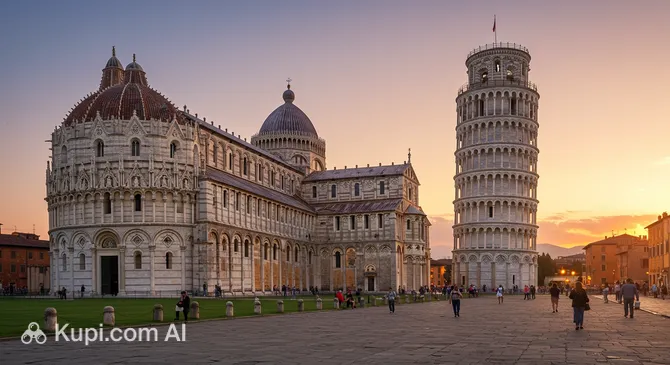
Pisa. Source: Kupi.Binoculars

The city's crown jewel is undoubtedly the Piazza dei Miracoli (Square of Miracles), a UNESCO World Heritage site that houses the famous Leaning Tower, the majestic Cathedral of Santa Maria Assunta, and the monumental Baptistery. Beyond these renowned monuments, visitors can stroll along the scenic lungarni (river embankments) or explore the narrow medieval streets filled with bustling cafes and artisan shops. Whether you are marveling at gravity-defying structures or enjoying traditional Tuscan cuisine, Pisa offers a truly unforgettable travel experience.
Weather Overview

Planning a trip to this Tuscan gem requires understanding the local climate, which generally features distinct seasons suitable for year-round travel. To help you pack the right clothing for your specific travel dates, checking the detailed weather in Pisa is highly recommended.

The summer months constitute the warmest period, with August seeing average temperatures around 25.0°C and highs reaching up to 28.4°C. This is also the driest time of the year; July, for instance, typically experiences rain on only 5 days. In contrast, the winter season brings cooler air and more frequent precipitation. January is generally the coldest month, with average temperatures hovering around 8.3°C and minimums dipping to 5.6°C, while December is often the dampest, recording approximately 16 wet days.

Spring and autumn offer mild and pleasant transition periods, with May averaging a comfortable 17.0°C, making it a popular time for sightseeing. Overall, you can expect warm, sunny summers and cool winters with regular rainfall.

Interesting Facts

Beyond the celebrated Field of Miracles, Pisa holds many fascinating secrets that often escape the average visitor's itinerary. From modern art masterpieces to underground archaeological treasures, the city offers surprising discoveries for those willing to look closer.

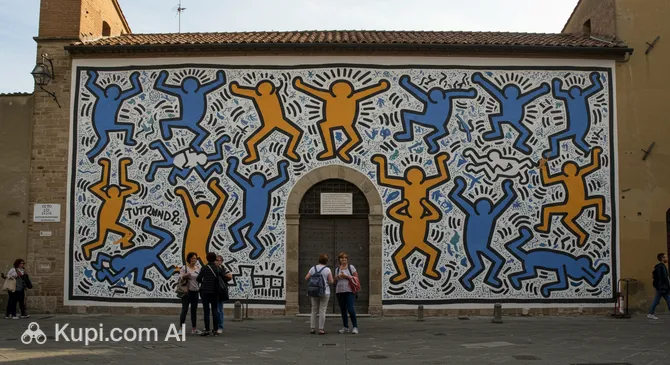
Tuttomondo (Keith Haring). Source: Kupi.Binoculars
  • One of the city's most unexpected treasures is Tuttomondo (Keith Haring), a massive mural painted on the rear wall of the Church of Sant'Antonio Abate. Created in 1989, this vibrant piece is one of the few permanent outdoor works left by the legendary American artist and stands as a colorful symbol of world peace.

  • The world-famous tower is not the only building in Pisa that defies gravity. Due to the soft river clay and sandy soil beneath the city, several other structures lean noticeably, including the bell towers of the Church of San Nicola and the Church of San Michele degli Scalzi, making Pisa a true city of leaning towers.

  • In 1998, a routine railway repair unearthed an incredible archaeological find known as the "Pompeii of the sea." Workers discovered roughly 30 well-preserved Roman vessels, which are now showcased in the Museum of Ancient Ships of Pisa, offering a rare glimpse into the city's ancient maritime dominance.

  • The Pisa Baptistery of St. John is renowned for its extraordinary acoustics, designed with a unique double dome. The echo inside is so resonant that a single person singing distinct notes can sound like an entire choir, a feature guards often demonstrate to visitors every 30 minutes.

  • Legend has it that Galileo Galilei formulated his theory of isochronism while watching a swinging incense lamp inside the Pisa Cathedral. Although the original lamp is now located in the Camposanto Monumentale, the story remains a cherished part of the city's scientific heritage.

How to Get There

Reaching this iconic Tuscan city is straightforward, thanks to its excellent connectivity with the rest of Italy and Europe. Whether you are flying in from abroad or traveling by train from a neighboring region, you have multiple convenient options. You can read more about how to get to Pisa and plan your specific route in detail.

The most direct way to arrive is via Pisa International Airport (PSA), also known as Galileo Galilei Airport. Located within the city of Pisa itself, it is situated just 4.4 km from the center. This proximity makes transfers incredibly quick; a taxi ride typically takes around 10 to 15 minutes depending on traffic and your final destination within the historic walls. As the main gateway to Tuscany, it handles a significant volume of passengers annually.

Alternatively, you can fly into Firenze-Peretola Airport (FLR) in the city of Florence. Located approximately 65 km from Pisa, this airport is a common choice for travelers visiting the wider region. The transfer by road from Florence to Pisa takes roughly 1 hour and 15 minutes. Another option for those arriving on major international carriers is Guglielmo Marconi Airport (BLQ) in Bologna, which is about 115 km away and offers extensive connections.

For clarity, here is a summary of the main airports:
Airport Name City Passenger Traffic Km from City
Guglielmo Marconi AirportBolognaHigh114.9
Pisa International AirportPisaMedium4.4
Firenze-Peretola AirportFlorenceMedium65.4
Luigi RidolfiForliSmall143.8
Marina di Campo AirportElbaSmall107.7

For those traveling by rail, the region is served by several major hubs that facilitate easy access to Pisa. A primary connection point is Firenze Santa Maria Novella Station in the city of Florence, located about 68 km away. As one of the busiest stations in Italy with immense passenger traffic, it connects high-speed lines from Rome and Milan to regional trains heading to the coast. The train journey from this station to Pisa Central typically takes approximately 1 hour.

You might also consider arriving at Bologna Centrale Station in Bologna, situated roughly 115 km from Pisa. This major railway junction is a key entry point for travelers coming from Northern Europe. Additionally, La Spezia Centrale Station in La Spezia, about 64 km away, serves as a convenient hub for those exploring the nearby Cinque Terre before heading to Pisa.

Below is an overview of the nearest major railway stations:
Station City Passenger Traffic Km to Center
Firenze Santa Maria Novella StationFlorenceVery High68.4
Bologna Centrale StationBolognaVery High115.1
La Spezia Centrale StationLa SpeziaMedium64.0
Firenze Campo di Marte Railway StationFlorenceMedium70.8
Reggio Emilia AV Mediopadana StationReggio EmiliaMedium113.1

Main Attractions

Pisa offers a wealth of artistic and architectural treasures that extend far beyond its most famous monument. While the city is compact, its attractions are dense with history, ranging from grand piazzas to intimate gothic chapels, inviting travelers to explore its streets at a leisurely pace.

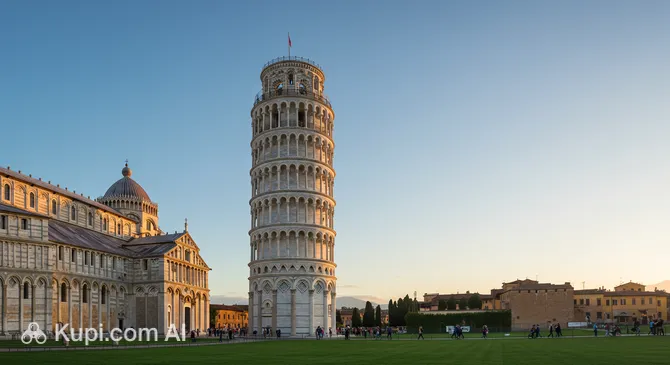
No visit would be complete without experiencing the Leaning Tower of Pisa. Standing as the bell tower of the city's cathedral, this white marble structure is world-renowned for its unintended tilt, which began during its construction in the 12th century. It is not just a photo opportunity; adventurous visitors can climb the nearly 300 steps to the top for a panoramic view of the Piazza dei Miracoli and the red-tiled roofs of the city.

Leaning Tower of Pisa. Source: Kupi.Binoculars

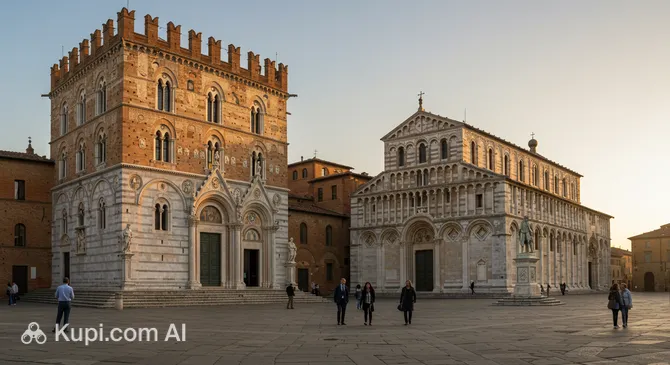
Just a short walk from the main tourist hub lies the Knights' Square (Piazza dei Cavalieri), a stunning example of Renaissance urban planning. Once the political center of the medieval Republic of Pisa, it was transformed by Giorgio Vasari into the headquarters for the Order of the Knights of St. Stephen. Today, it is a vibrant center of education, housing the prestigious Scuola Normale Superiore in the ornate Palazzo della Carovana, making it a lively spot filled with students and history.

Knights' Square. Source: Kupi.Binoculars

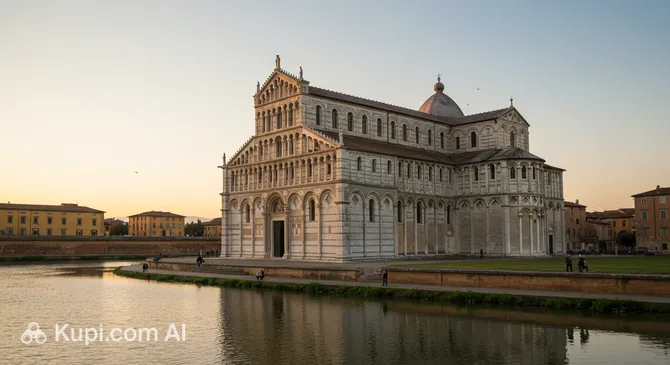
For a touch of gothic elegance, the Church of Santa Maria della Spina is an absolute gem located directly on the banks of the Arno River. This small, jewel-box church is famous for its intricate exterior, adorned with cusps, tympani, and tabernacles. Its name derives from the fact that it once housed a thorn believed to be from Christ's Crown of Thorns, and its riverside setting makes it one of the most picturesque buildings in Tuscany.

Church of Santa Maria della Spina. Source: Kupi.Binoculars

To truly capture the atmosphere of the city, a stroll along the Pisa Lungarni is essential. These wide promenades along the Arno River are lined with elegant aristocratic palaces, such as the famous Palazzo Blu, which hosts major art exhibitions. The riverfront is particularly enchanting during sunset when the colorful buildings reflect in the water, offering a peaceful retreat from the bustling crowds of the main squares.

Local Cuisine

The culinary landscape of Pisa is a delightful journey through traditional Tuscan flavors, characterized by rustic ingredients and recipes passed down through generations. The local gastronomy, often referred to as cucina povera (poor kitchen), excels at transforming simple, high-quality seasonal produce into rich and hearty meals. Unlike the meat-heavy diets of inland Tuscany, Pisan cuisine also incorporates a significant amount of fresh seafood due to its proximity to the coast.

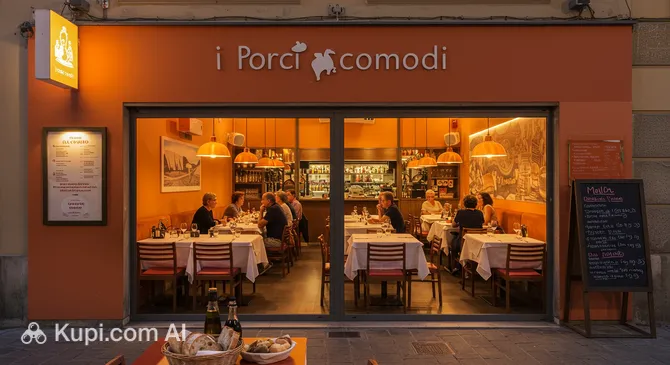
One cannot visit the city without trying its most iconic street food, cecina. This savory, thin pancake is made from chickpea flour, water, oil, and salt, baked in large copper pans until golden and crisp. It is typically eaten on its own or stuffed inside a focaccia with a dusting of black pepper. For those looking to experience the best of local cold cuts and cheeses in a casual setting, popular spots like I Porci Comodi serve generous platters and sandwiches that perfectly capture the essence of Tuscan comfort food.

I Porci Comodi. Source: Kupi.Binoculars

When sitting down for a traditional dinner, look for Zuppa alla Pisana, a hearty soup made with white cannellini beans, kale, and stale bread, similar to the famous Ribollita but with its own local twist. Another signature dish is Stoccafisso alla Pisana, a flavorful stew of dried cod cooked with potatoes, tomatoes, and Mediterranean herbs. Meat lovers should try Mucco Pisano, a specific breed of beef from the nearby San Rossore park, known for its tenderness and rich flavor.

To satisfy a sweet tooth, the local specialty is Torta co' bischeri, a shortcrust pastry tart filled with chocolate, rice, and nutmeg, traditionally prepared for pilgrims. Of course, no Italian meal is complete without gelato. Artisan shops like Gelato Dipendente offer creamy, handmade scoops that are perfect for enjoying while strolling along the riverbanks.

Dining in Pisa is a relaxed affair, with locals frequenting lively osterias and trattorias tucked away in the narrow alleys off the main squares. To accompany your meal, the region offers excellent wines, particularly the Chianti delle Colline Pisane (Chianti from the Pisan Hills), a red wine that is softer and lighter than its Florentine counterparts, making it an ideal pairing for the varied local menu.

Travel Tips

Welcome to Pisa, a city that perfectly blends historic grandeur with a youthful, academic energy. To help you navigate the cobblestone streets and make the most of your Tuscan adventure, here are some essential practical tips for a smooth and enjoyable trip.

  1. Dress Smart and Respectfully: Pisa is best explored on foot, so bring a pair of sturdy, comfortable walking shoes to handle the uneven cobblestones. If you plan to visit the Cathedral or the Baptistery in the Square of Miracles, remember that strict dress codes apply; both men and women must cover their shoulders and knees. In summer, carry a light scarf to drape over yourself, and in winter, pack layers and a compact umbrella for occasional showers.
  2. Getting Around: The historic center is very compact and walkable; you can easily cross the main tourist area in about 20-30 minutes. For longer distances or to reach the coast, the local bus network (Autolinee Toscane) is efficient. The PisaMover is a convenient automated shuttle connecting the airport to the central train station in just 5 minutes. Avoid renting a car for city driving, as the center is a "ZTL" (Limited Traffic Zone) monitored by cameras, and unauthorized entry results in hefty fines.
  3. Managing Your Finances: The currency is the Euro (€). While credit cards (Visa and Mastercard) are widely accepted in restaurants and shops, it is wise to carry some cash for small purchases like espresso, gelato, or souvenirs. ATMs (Bancomat) are plentiful. Be aware that most restaurants add a coperto (cover charge) of roughly €2–3 per person to the bill; tipping is not mandatory, but rounding up or leaving a few euros for good service is appreciated.
  4. Health and Safety: Pisa is generally a safe city, but like any popular tourist destination, it attracts pickpockets, especially around the Leaning Tower and Pisa Centrale station. Keep your valuables secure and be vigilant in crowds. Pharmacies are marked by a green cross neon sign; they are well-stocked, and pharmacists can often provide advice for minor ailments. For serious emergencies, dial 112.
  5. Communication: The official language is Italian. Due to the high volume of tourists and the large student population, English is widely spoken in the center. However, learning a few basic phrases like Buongiorno (Good morning), Per favore (Please), and Grazie (Thank you) goes a long way in showing respect. Free Wi-Fi is often available in public squares and cafes, but buying a local SIM card (TIM, Vodafone, or Iliad) is recommended for reliable navigation.
  6. Local Etiquette: Italians value greetings; always say hello when entering a small shop or restaurant. When visiting local markets, never touch the produce with your bare hands—ask the vendor or look for plastic gloves provided for customers. Coffee culture is huge here; remember that an espresso at the counter (al banco) is significantly cheaper than sitting at a table, and ordering a cappuccino after a meal is considered unusual by locals.
  7. What to Avoid: strictly avoid buying counterfeit luxury goods (bags, sunglasses) from illegal street vendors, as this can lead to significant fines for the buyer, not just the seller. Also, respect the monuments; sitting, eating, or lying down on the steps of the Cathedral or the Baptistery is forbidden and is actively policed by guards who will ask you to move.
  8. Insider Tip: For a unique perspective of the city away from the crowds, walk along the Mura di Pisa (City Walls). The walkway is open to the public and offers stunning elevated views of the Square of Miracles and hidden private gardens that you cannot see from the street level.

By keeping these practicalities in mind, you will be able to relax and immerse yourself in the authentic charm of Pisa. Enjoy the art, the food, and the lively atmosphere of this beautiful Tuscan city!

Entertainment & Nightlife

Pisa is a city that buzzes with energy, offering a diverse range of activities that extend well beyond its historical monuments. From vibrant shopping districts and lively student bars to serene botanical gardens and fascinating museums, the city provides ample opportunities for leisure and amusement for every type of traveler.

The city center is a paradise for shoppers, particularly along the bustling Corso Italia and the elegant Borgo Stretto, where international brands sit alongside historic boutiques. For a more modern retail experience, visitors can head to the Pisanova Shopping Center, which offers a wide variety of stores, a supermarket, and convenient services just outside the ancient walls. Another excellent option is the Centro dei Borghi, a large complex perfect for a full afternoon of browsing and buying.

Thanks to its large university population, Pisa boasts a spirited nightlife scene that comes alive after dark. The historic center, especially around Piazza delle Vettovaglie and Piazza Garibaldi, fills with students and locals enjoying aperitivos. For those looking to dance or enjoy late-night music, SudPisa is a popular nightclub destination known for its energetic atmosphere. If you prefer a more relaxed evening with excellent wine and food, L'Ostellino is a beloved spot to start the night, while the Gandhi Indian Restaurant offers a flavorful alternative to traditional Italian dining.

Escape the stone streets and discover Pisa's green heart. The Orto and Botanical Museum is a must-visit; established in the 16th century, it is one of the oldest academic botanical gardens in the world, offering a peaceful retreat filled with rare plants and historic greenhouses. For a casual stroll or a picnic, the Scotto Garden provides a lovely setting within the walls of a former fortress, hosting open-air cinema and concerts during the summer.

Just a few kilometers from the city lies the vast Migliarino, San Rossore, Massaciuccoli Regional Park. This protected area stretches to the coast and offers trails for hiking, horseback riding, and cycling through pine forests and dunes, making it an ideal day trip for nature enthusiasts.

For an educational yet entertaining experience, the city offers unique museums that captivate visitors of all ages. The Natural History Museum of the University of Pisa, located in the majestic Calci Charterhouse nearby, houses one of the largest cetacean galleries in Europe. Meanwhile, the Museum of Ancient Ships of Pisa provides an immersive look into the city's maritime past through well-preserved Roman vessels and interactive exhibits.

Parks & Museums

While the city is globally recognized for its architectural marvels, Pisa is also a treasure trove of artistic heritage and museum culture that appeals to history buffs and art enthusiasts alike. A standout cultural hub is **Palazzo Blu**, situated along the scenic southern Lungarno. Easily recognizable by its distinct blue façade, this restored noble residence has become the city's premier center for art. Inside, visitors can explore a sophisticated permanent collection featuring Pisan art from the 14th to the 20th century, alongside prestigious temporary exhibitions that frequently showcase masterpieces by world-renowned artists.

Located within the illustrious Square of Miracles, the **Camposanto Monumentale** offers a profound artistic experience. Often referred to as an "open-air museum," this historic monumental cemetery is enclosed by a beautiful marble cloister. It is famous for its collection of Roman sarcophagi and breathtaking medieval frescoes that adorn the walls. Despite suffering damage in the past, meticulous restoration efforts have returned works like the Triumph of Death to their rightful splendor, allowing visitors to walk through centuries of Pisan history and art.

To fully understand the artistic legacy of the Piazza dei Miracoli, travelers should explore the dedicated museums located on the square. The Museo delle Sinopie is a unique facility housing the preparatory drawings (sinopie) discovered beneath the frescoes of the Camposanto, offering a rare glimpse into the creative process of medieval masters. Nearby, the Museo dell'Opera del Duomo displays the original sculptures and treasures from the cathedral and baptistery, including works by Nicola and Giovanni Pisano, ensuring their preservation while allowing the public to admire them up close.

For those interested in religious architecture and art beyond the main tourist trail, the **Church of Saint Catherine of Alexandria** is a magnificent example of Pisan Gothic style. Located in a quiet square, this ancient church boasts a stunning façade and an interior rich with historical significance. It houses important artworks and served as a prominent Dominican center where Saint Thomas Aquinas once preached. The church's serene atmosphere provides a perfect setting for appreciating the spiritual and artistic depth of the city.

Getting Around

Navigating Pisa is remarkably straightforward, as the city is compact and flat, making it conducive to walking. However, for reaching destinations further afield or traveling with luggage, the city offers an efficient public transport network primarily consisting of buses. There is no underground metro or tram system in the city; instead, the urban bus service, operated by Autolinee Toscane, acts as the backbone of local transit, connecting the central railway station, the historic center, and the suburban areas with regular frequency.

A unique and highly convenient feature for visitors is the PisaMover. This fully automated, driverless electric shuttle connects Pisa International Airport directly to Pisa Centrale train station in approximately five minutes. It runs every day from early morning until midnight with high frequency, offering a fast and stress-free link between the air hub and the city center. It also stops at the San Giusto/Aurelia parking areas, serving as a park-and-ride facility for commuters.

For bus travel, the payment system is flexible. You can purchase physical tickets at authorized retailers known as "Tabacchi" (marked with a large 'T' sign), newsstands, or at the ticket office near the train station. Alternatively, digital solutions are widely available; travelers can use the official "at bus" app to buy digital tickets or simply tap a contactless credit or debit card on the "Tip Tap" validators found on board most urban buses. A standard single ticket is typically valid for 70 to 90 minutes, allowing for transfers between lines within that timeframe.

Practicality is key when using the bus network. If you are using a paper ticket, you must validate it immediately upon boarding by stamping it in the small yellow or green machines near the doors; failure to validate is treated the same as having no ticket and can lead to hefty fines. Buses generally operate from around 6:00 AM to 9:00 PM, with reduced services on Sundays and holidays. Night buses exist but are less frequent, so it is advisable to check the schedule if you plan a late evening out.

Given the flat geography of the city, cycling is an extremely popular alternative to motorized transport. Pisa offers a bike-sharing service called Ciclopi, with numerous stations located near major attractions and transport hubs, allowing you to rent a bike for short trips easily. For more direct and private transport, official white taxis are available at designated ranks, such as those at the Piazza dei Miracoli and the train station. Note that in Italy, you typically cannot hail a taxi on the street; you must go to a rank or call a radio taxi service.

Accommodation

Pisa offers a welcoming array of accommodation options suited to every budget and travel style. Whether you are looking for a luxurious stay in a converted historic palazzo, a comfortable mid-range hotel, or a budget-friendly hostel, the city is well-equipped to host its visitors. In recent years, there has also been a rise in charming bed and breakfasts and vacation rental apartments, which provide a more intimate, "local" experience and are particularly popular among families and those planning longer stays.

For those prioritizing sightseeing, the Santa Maria district, located just south of the Square of Miracles, is the most popular choice. Staying here puts you just steps away from the iconic monuments, making it ideal for short visits or first-time travelers. However, this convenience often comes with a slightly higher price tag. Travelers seeking a more authentic atmosphere might prefer the neighborhoods south of the Arno River, such as San Martino or San Antonio. These districts are close to Pisa Centrale station, making them incredibly convenient for day trips to Florence or Lucca, and they offer a lively selection of restaurants and bars frequented by residents rather than just tourists.

When planning your trip, it is highly advisable to book your accommodation well in advance, especially if you are visiting during the peak summer months (June to August) or around Easter. Pisa is a compact city with high tourist demand, and the best-value options—particularly those with views of the tower or river—tend to sell out quickly.

Prices in Pisa are generally reasonable compared to other major Italian tourist hubs like Florence or Rome. Budget travelers can find affordable guesthouses and hostels, while mid-range options offer excellent amenities at competitive rates. Booking is typically done through major online platforms, which is the most convenient method for comparing prices and locations, though contacting smaller family-run B&Bs directly can sometimes yield a warm welcome and personalized service.

Nearby Cities

For those looking to explore the surroundings, Pisa serves as an excellent base for day trips to several interesting nearby locations.

One of the most beloved destinations is Lucca, situated just a short train ride away. This charming city is famous for its intact Renaissance walls, which have been transformed into a tree-lined promenade perfect for walking or cycling. Inside the walls, visitors can explore the unique oval-shaped Piazza dell'Anfiteatro and climb the Guinigi Tower, known for the oak trees growing on its roof.

For a taste of the coast, Livorno offers a vibrant maritime atmosphere. As a major port city, it is celebrated for its fresh seafood and the picturesque "Venezia Nuova" district, where canals and bridges evoke the spirit of Venice. A walk along the elegant Terrazza Mascagni, a checkerboard promenade overlooking the sea, is a highlight of any visit.

Travelers seeking relaxation and seaside elegance should consider Viareggio. Known as the "Pearl of the Tyrrhenian Sea," it boasts long sandy beaches and a promenade lined with stunning Art Nouveau architecture. It is also world-renowned for its spectacular Carnival, which attracts thousands of visitors each year with its giant papier-mâché floats.

City Population Distance (km)
Livorno15837121
Lucca8924316
Viareggio6207920
Capannori4607219
Cascina452129

These nearby destinations offer a glimpse into the diverse culture and landscapes of the region.

Shopping & Souvenirs

Shopping in Pisa offers a delightful mix of historic atmosphere and modern convenience, allowing visitors to browse for fashion, crafts, and local delicacies amidst stunning architecture. The city’s retail heart is divided by the Arno River, with distinct characters on each bank. For a sophisticated experience, the medieval Borgo Stretto is the place to be. Walking under its elegant arcades, you can explore high-end boutiques, jewelry stores, and historic bookshops without worrying about the weather. This area is perfect for those looking for Italian luxury brands and unique fashion items in a refined setting.

On the opposite side of the river, connecting the central train station to the city center, lies Corso Italia. This pedestrian-friendly thoroughfare serves as the city's main high street, lined with popular international chains, sportswear shops, and accessible fashion retailers. It is always bustling with energy, making it a great spot for a casual afternoon stroll while updating your wardrobe. Be sure to explore the smaller side streets branching off the Corso, where you can often find independent artisan workshops selling leather goods and handmade accessories, a craft for which Tuscany is famous.

For a taste of authentic local life, a visit to the daily market at Piazza delle Vettovaglie is essential. While the square transforms into a social hub by night, during the day it is a vibrant marketplace where residents buy fresh fruit, vegetables, and regional specialties. Surrounding the square are traditional bottegas offering Tuscan olive oil, truffles, and wines, which make for excellent edible souvenirs to take home. Additionally, the area around the Leaning Tower hosts numerous souvenir stalls where you can find everything from miniature statues to alabaster crafts.

Travelers who prefer a comprehensive, all-in-one shopping experience can venture just outside the historic walls to the city's larger commercial centers. The Centro dei Borghi is a spacious mall that houses a hypermarket and a wide variety of clothing, electronics, and home goods stores, providing a practical solution for any travel necessities or a rainy day activity.

Reached the end of the page?

That means the route is fully explored