Support

Bastia

About

Bastia is a captivating port city located on the northeastern coast of Corsica, serving as the island's principal commercial hub and a vibrant gateway for travelers. With a population of approximately 48,000 people, it is the second-largest city on the island and offers a lively, authentic atmosphere that differs from the more resort-focused towns in the south. Situated at the base of the Cap Corse peninsula, the city climbs steeply from the sea, providing stunning views of the Mediterranean.

Although it is a key destination in France, Bastia retains a unique cultural identity with strong historical influences from Italy, particularly visible in its baroque architecture and colorful facades. The climate here is typically Mediterranean, characterized by hot, sunny summers and mild winters, making it a pleasant destination year-round. The city is bustling with energy, blending the charm of a historic seaside town with the activity of a modern economic center.
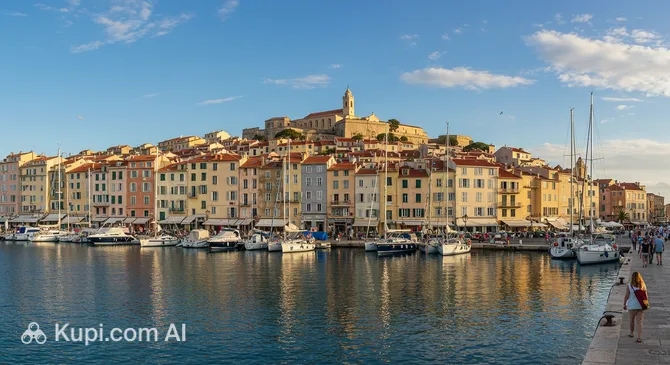
Bastia. Source: Kupi.Binoculars

The city is traditionally divided into the Terra Vecchia (Old Town) around the harbor and the Terra Nova (the upper Citadel). Exploring the history of Bastia reveals its origins under Genoese rule, which shaped much of its urban layout and defensive structures. Visitors can wander through narrow, winding streets that lead to impressive landmarks, such as the Governor's Palace and the majestic Church of Saint-Jean-Baptiste, which dominates the skyline near the water.

One of the city's most beloved features is the Old Port (Vieux Port), a picturesque marina lined with bars and restaurants where locals and tourists alike gather to enjoy the scenery. Just a short walk away lies the Place Saint-Nicolas, one of the largest squares in Europe, facing the sea and shaded by palm and plane trees. Whether you are passing through on your way to the wild landscapes of Cap Corse or staying to soak up the local culture, Bastia invites you to experience its dynamic spirit and rich heritage.
Weather Overview

Travelers planning a trip to the northeastern coast of Corsica will find that the city enjoys a mild climate year-round. To help you pack appropriately for your specific travel dates, it is helpful to review the detailed forecast for the weather in Bastia. Generally, the summer months of July and August are the warmest, with average temperatures reaching nearly 25°C and daily maximums peaking around 27.5°C. These are also the driest months, featuring as few as 3 to 5 wet days, making them ideal for exploring the outdoors.

The winter season remains gentle rather than harsh, with average temperatures in January and February staying around 9.5°C to 10°C and lows rarely dropping below 7.5°C. While the temperatures are comfortable, the cooler season does bring more frequent rainfall; November is typically the dampest month in terms of frequency, seeing about 14 wet days. Overall, visitors can expect warm, dry summers and mild winters with a higher chance of rain.

Interesting Facts

Beyond the main attractions, Bastia holds many fascinating secrets and historical curiosities that often escape the casual observer. Uncovering these details offers a deeper glimpse into the city's rich Genoese heritage and cultural evolution.
Place Saint Nicolas. Source: Kupi.Binoculars
  • The city derives its name from the "Bastiglia," a fortress built by the Genoese governor Leonello Lomellini in 1380. This original stronghold became the nucleus for the Terra Nova district, effectively birthing the city around its defensive walls.

  • The expansive Place Saint Nicolas is not just a popular gathering spot; it is one of the largest open squares in France, measuring nearly 300 meters in length. It features a distinctive marble statue of Napoleon Bonaparte depicted as a Roman Emperor, a nod to the island's most famous son.

  • Hidden away in the heights of the city, the Chapel of Our Lady of Monserrato houses a rare "Scala Santa" (Holy Staircase). It is one of the few recognized Holy Stairs outside of Rome, authorized by Pope Pius VII in the early 19th century to allow penitents to earn indulgences without traveling to the Vatican.

  • For over 500 years, Bastia served as the capital of Corsica until Napoleon moved the title to his birthplace, Ajaccio, in 1811. This long period of administrative dominance explains the grandeur of the Governor’s Palace and the city's sophisticated urban layout compared to other island towns.

How to Get There

Reaching this vibrant Corsican port city is an exciting part of the journey, with options ranging from direct flights to scenic ferry rides connecting the island to the mainland. For a comprehensive overview of all travel methods and routes, you can read more about how to get to Bastia to plan your trip effectively.

The most direct way to arrive is by flying into Bastia Poretta Airport (IATA: BIA), which is conveniently located in Bastia itself, approximately 16.3 km from the city center. As a key regional hub, it welcomes a significant number of travelers annually. The journey from the airport to the heart of the city takes about 45 minutes by taxi or shuttle bus. This is the primary choice for visitors looking to start their vacation immediately upon landing.

If you are exploring other parts of Corsica first, you might consider arriving at Sainte Catherine Airport (IATA: CLY) in the city of Calvi. Situated about 57.0 km from Bastia, this airport serves the northwestern region. The drive to Bastia from here takes roughly 1 hour and 45 minutes, offering a scenic introduction to the island's landscapes. Another alternative is Ajaccio Napoleon Bonaparte Airport (IATA: AJA) in Ajaccio, located 101.2 km away. While further afield, requiring a drive of nearly 3 hours, it is a major entry point for the island.

For clarity, here is a summary of the main airports:

Airport Name City Passenger Traffic Km from City
Pisa International Airport Pisa Large 133.7
Ajaccio Napoleon Bonaparte Airport Ajaccio Medium 101.2
Bastia Poretta Airport Bastia Medium 16.3
Sainte Catherine Airport Calvi Small 57.0
Marina di Campo Airport Elba Small 65.0

For travelers preferring rail travel through Europe before crossing to Corsica, the journey typically involves taking a train to a mainland port city in Italy or France. Although Bastia is on an island and not directly connected to the continental rail network, you can arrive at La Spezia Centrale Station in the city of La Spezia, which is approximately 159.9 km away across the Ligurian Sea. From the nearby ports, ferries depart regularly for Bastia.

Another major hub for rail-and-sail travelers is Genova Piazza Principe Station in Genoa, located about 195.8 km from Bastia. Genoa is a historic port city with frequent ferry connections to Bastia, making it a popular transit point for those arriving by train from other parts of Europe.

Below is a list of relevant railway stations on the mainland:

Station City Passenger Traffic Km to Center
Firenze Santa Maria Novella Station Florence Large 188.9
Genova Piazza Principe Station Genoa Large 195.8
Brignole Railway Station Genoa Large 194.2
La Spezia Centrale Station La Spezia Medium 159.9
Firenze Campo di Marte Railway Station Florence Medium 190.8

Main Attractions

Bastia offers a delightful mix of historic charm and seaside relaxation, with its attractions reflecting the city's vibrant daily life. Exploring these sites allows visitors to connect with the local culture, from bustling squares to serene stretches of coastline.

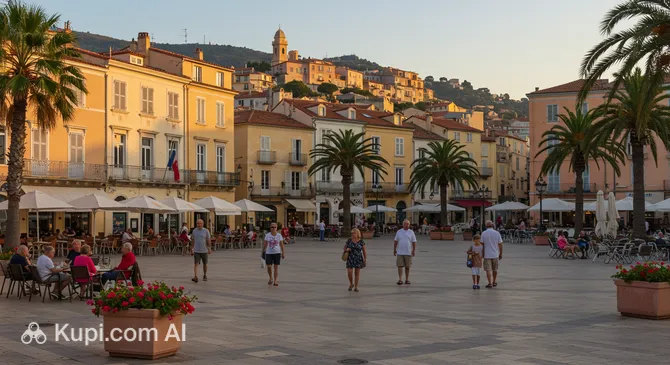
The beating heart of the city is undoubtedly Place Saint Nicolas. Facing the ferry port, this expansive esplanade is lined with plane trees and cafes, making it the perfect spot for a morning coffee or an evening stroll. It serves as the social hub of Bastia, where locals gather to chat and children play. The square is also home to a majestic statue of Napoleon and regularly hosts flea markets and concerts, offering a lively atmosphere year-round.

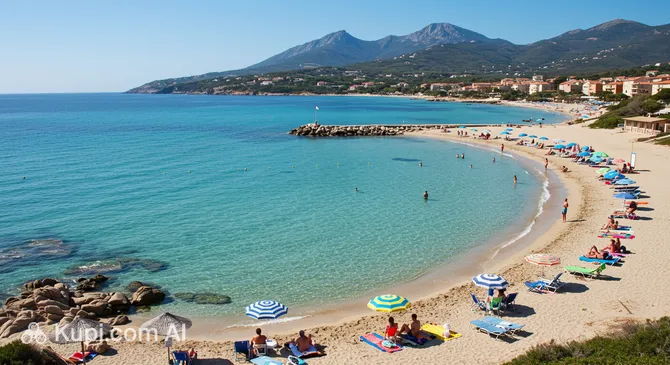
For those looking to enjoy the Mediterranean sun, Arinella Beach is the ideal destination. Located just south of the city center, this long stretch of sand is easily accessible and offers plenty of space for sunbathing and swimming. It is well-equipped with facilities, including a playground and water sports centers, making it a favorite for families and active travelers alike. The view of the citadel from the water adds a scenic backdrop to a relaxing day by the sea.

Arinella Beach. Source: Kupi.Binoculars

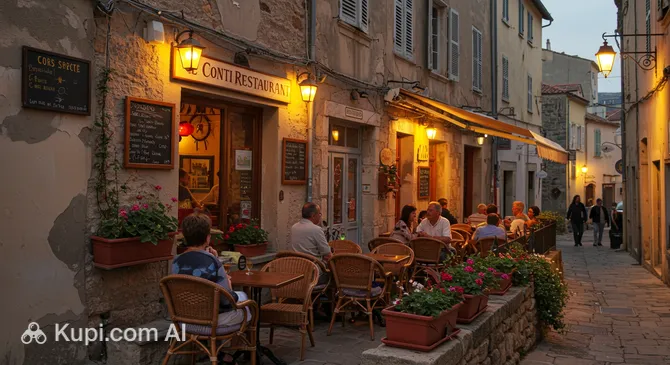
To experience the culinary heritage of Bastia in a historic setting, a visit to Le Conti Restaurant is highly recommended. Often regarded as an institution in the city, this establishment is known for its elegant brasserie atmosphere and traditional dishes. It provides a wonderful opportunity to taste local Corsican flavors while soaking in a classic ambiance that transports you back in time.

Le Conti Restaurant. Source: Kupi.Binoculars

Local Cuisine

The gastronomy of Bastia is a delightful journey that bridges the gap between French sophistication and Italian rusticity, heavily influenced by the island's rugged terrain and the surrounding sea. As a historic port city, the local diet is rich in fresh seafood, with fishermen delivering their catch daily to the Old Port. One dish you simply must try is aziminu, the Corsican version of bouillabaisse, a hearty fish soup seasoned with local herbs. Another favorite is sardines stuffed with brocciu, a fresh ewe’s or goat's milk cheese that is a staple of Corsican cuisine and found in countless recipes.

Beyond the coast, the cuisine celebrates the island's interior with robust flavors. A meal often begins with a platter of renowned Corsican charcuterie, featuring cured meats like coppa, lonzu, and prisuttu. For a main course, wild boar stew, known as civet de sanglier, is a savory classic, often served with polenta made from chestnut flour. Those with a sweet tooth should not leave without tasting fiadone, a light and zesty cheesecake made with brocciu and lemon, often enjoyed as a refreshing finish to a hearty lunch.

No culinary experience in Bastia is complete without exploring the local beverages. The city is the birthplace of Cap Corse Mattei, a famous quinine-based aperitif that has been an island icon since the 19th century; it is traditionally enjoyed with ice and a slice of orange. For beer lovers, Pietra, an amber beer brewed with chestnuts, offers a unique taste of the local terroir. Wine enthusiasts will also appreciate the proximity to the Patrimonio vineyards, which produce some of the island's finest reds and whites.

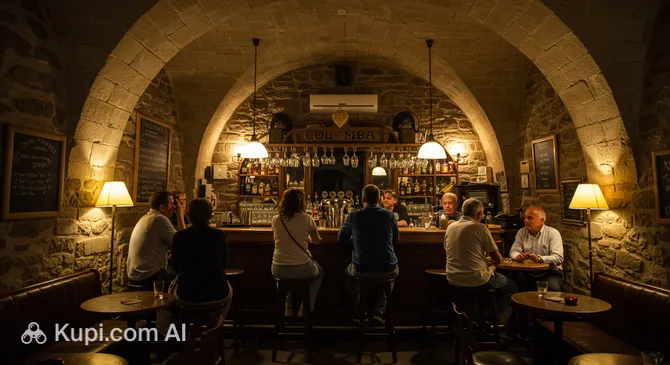
Colomba. Source: Kupi.Binoculars

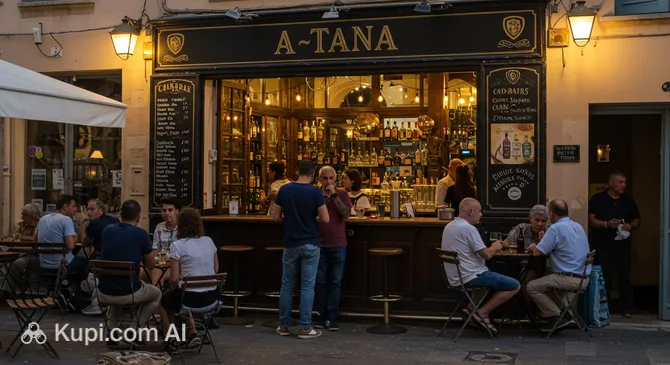
The food culture here is social and relaxed, centered around the bustling Vieux Port and the vibrant Market Square, where locals love to linger over meals on sunny terraces. For a casual evening or a night out, the city offers welcoming spots to unwind. You might visit Colomba, a popular venue where the atmosphere captures the lively spirit of Bastia's nightlife. Alternatively, A Tana offers another cozy setting to enjoy local drinks and conversation, perfect for soaking up the authentic mood of the city.

Travel Tips

Visiting Bastia offers a unique blend of vibrant city life and relaxed island charm, distinct from the typical resort experience. To help you navigate the winding streets and local customs with ease, here are some practical tips for your journey.

  1. Smart Packing for the Terrain. Bastia is built on a slope connecting the Old Port to the high Citadel, so bring sturdy, comfortable walking shoes to handle the steep stairs and cobblestones. While summer calls for lightweight, breathable clothing, it is wise to carry a light jacket or scarf for breezy evenings by the harbor. If you plan to visit religious sites like the Church of Saint-Jean-Baptiste, ensure your shoulders and knees are covered.

  2. Getting Around. The city center is compact and best explored on foot, though be prepared for some climbing. Public buses are available but can be infrequent, especially on Sundays. If you wish to explore the surrounding beaches of La Marana or drive around the scenic Cap Corse peninsula, renting a car is highly recommended for flexibility.

  3. Currency and Payments. The local currency is the Euro (€). While major credit cards are widely accepted in hotels and larger restaurants, many smaller shops, bakeries, and market stalls prefer cash. ATMs are plentiful in the city center. Tipping is not mandatory as service is included, but rounding up the bill or leaving a few coins is a polite gesture appreciated by staff.

  4. Stay Safe and Healthy. Bastia is generally a very safe city for travelers, but standard precautions against pickpocketing in crowded areas like the ferry terminal are advisable. Pharmacies are easily identified by a glowing green cross and are well-stocked. The sun can be intense, so high-SPF sunscreen and hydration are essential, even when the sea breeze feels cool.

  5. Language Essentials. French is the official language, though you will frequently see and hear Corsu (Corsican), which is a source of local pride. English is understood in most tourist hubs, but locals appreciate it if you start conversations with a polite "Bonjour" (Hello) in French. It is the magic word that opens doors and smiles.

  6. Local Manners. Corsicans value courtesy and respect. Always greet shopkeepers when entering a store and say goodbye when leaving. Dining is a social event here and is rarely rushed; do not be surprised if service is more leisurely than you are used to—simply relax and enjoy the atmosphere.

  7. Cultural Sensitivities. Avoid making strong comparisons between Corsica and mainland France or discussing sensitive political history, as the island's distinct identity is cherished. Additionally, never enter shops or walk through the city center in swimwear; save the beach attire for Arinella Beach.

  8. Market Mornings. For an authentic experience, visit the market at Place du Marché on Saturday or Sunday mornings. It is the perfect time to buy local specialties like brocciu cheese or chestnut flour directly from producers, and it offers a lively glimpse into the daily life of Bastia's residents.

With these tips in mind, you are well-prepared to immerse yourself in the authentic atmosphere of this historic port city. Enjoy the warm hospitality, the rich flavors, and the stunning Mediterranean views that make Bastia so special.

Entertainment & Nightlife

Nightlife in Bastia is defined by a warm, convivial atmosphere rather than high-decibel nightclubs. The city cultivates a "dolce vita" vibe where evenings are spent socializing on outdoor terraces, enjoying long dinners, and sipping local wines late into the night. The action is concentrated in two main areas: the historic Vieux Port (Old Port) and the expansive Place Saint Nicolas. In the Old Port, the reflection of the illuminated Church of Saint-Jean-Baptiste on the water creates a magical backdrop for the numerous bars and restaurants lining the quays.

For those looking to immerse themselves in the local crowd, the Place Saint Nicolas is the perfect starting point. As the sun sets, families and friends gather here for the traditional apéro. A staple of this square is Colomba, a bustling brasserie and bar that captures the essence of Bastia's social life. It is an ideal spot to sit back with a Cap Corse spritz and watch the world go by. The atmosphere here is lively yet relaxed, suitable for all ages.

If you prefer a more intimate and sophisticated setting, the winding streets near the port hide some excellent gems. A Tana is a highly regarded wine bar that offers a deep dive into Corsican viticulture. With its cozy interior and expert selection of local vintages accompanied by artisanal plates, it provides a perfect evening for couples or small groups of friends looking for quality over quantity.

A Tana. Source: Kupi.Binoculars

Practical Tips for Night Owls:
Most bars in Bastia stay open until 2:00 AM, while the few nightclubs located on the outskirts may operate until dawn. The dress code is generally "casual chic"—relaxed but neat; beachwear is not appropriate for evening venues. Prices are moderate compared to the French Riviera, with a beer costing around €5–€7 and cocktails between €10–€12. The summer months, particularly August, see the city at its busiest with frequent night markets and open-air concerts.

Safety and Getting Around:
Bastia is a safe city to walk in at night, especially in the well-lit center and port areas. However, the streets can be steep and cobblestoned, so comfortable footwear is recommended. Public transport winds down in the evening, so if your accommodation is far from the center, relying on a taxi is the best option. It is advisable to book a taxi in advance or head to the designated rank at Place Saint Nicolas, as hailing one on the street can be difficult late at night.

While the nights are for unwinding, daytime in Bastia offers its own array of cultural entertainment. Visitors can explore the Musée de Bastia housed in the former Governors' Palace for a dose of history, or catch a performance at the Théâtre Municipal, which hosts a variety of plays and concerts throughout the year. Whether day or night, the city offers a vibrant mix of activities to suit every traveler.

Parks & Museums

While Bastia is best known for its lively port and historic architecture, the city also offers enriching cultural spaces and serene green areas where visitors can relax or delve into the island's past. Whether you are looking to explore a museum housed in a fortress or take a peaceful stroll through lush gardens, the city provides several spots to escape the bustle of the urban center.

The premier cultural institution in the city is the Musée de Bastia (Bastia Museum), magnificently situated within the Governors' Palace in the Citadel (Terra Nova). This massive fortress, which once served as the residence of the Genoese governors, now houses a rich collection dedicated to the history of Bastia and Corsica. Visitors can explore exhibits showcasing the city's urban development, its maritime importance, and its era as the island's capital. The museum also features fine art, period furniture, and a fascinating collection of heraldry, all set against the backdrop of the palace's stunning architecture and courtyard views.

For a breath of fresh air amidst the stone streets, the Jardin Romieu provides a romantic and verdant escape. Constructed in the 19th century, this terraced garden clings to the slopes beneath the Citadel, connecting the upper town to the Old Port. Winding staircases and gravel paths lead visitors through a landscape of Mediterranean flora, old iron railings, and shaded benches. It is an ideal spot for a quiet walk, offering picturesque vantage points over the harbor and the sea below.

Although it functions as the city's main square, Place Saint Nicolas acts as a central park for the locals. Stretching nearly 300 meters in length, this tree-lined esplanade is shaded by century-old plane trees and palms, creating a pleasant canopy for leisurely promenades. It is the perfect place to watch children play, enjoy a moment of shade on a hot day, or admire the war memorial and the statue of Napoleon.

Nature enthusiasts willing to venture just a short distance south of the city center will find the Biguglia Pond Nature Reserve (Réserve Naturelle de l'Étang de Biguglia). Located near Arinella Beach, this vast coastal lagoon is the largest wetland in Corsica and a sanctuary for biodiversity. It is a haven for birdwatchers, attracting over 250 species, including graceful pink flamingos, herons, and kingfishers. The reserve offers an immersive natural experience with walking trails and an eco-museum dedicated to the lagoon's ecosystem.

Getting Around

Public transport in Bastia is relatively modest, reflecting the city's compact size and challenging topography. The system relies primarily on a bus network that serves the city center and the surrounding suburbs. For most tourists staying within the historic districts of Terra Vecchia and the Citadel, walking is often the most efficient way to get around, although be prepared for steep streets and stairs. However, for reaching beaches, the airport, or outlying residential areas, the public transport system becomes essential.

The bus network is managed by the local transport authority and operates under the name Via Bastia. It consists of several regular lines connecting the city center with neighborhoods like Montesoro and Furiani. A particularly useful service for visitors is the free electric shuttle bus (Navette Gratuite), which loops around the town center. This small bus is perfect for saving your legs from the uphill climb to the Citadel or for quickly moving between the Old Port and the train station without spending a cent.

Regarding payment, the system is straightforward. A single ticket typically costs around €1.30 to €1.50 and is valid for one hour, allowing for transfers. You can purchase tickets directly from the driver upon boarding, but it is crucial to have small change as drivers often cannot break large bills. For those planning to use the bus frequently, a booklet of 10 tickets (carnet) offers a discount and can be bought at authorized tobacco shops (tabacs) or the transport agency's information office. Recently, mobile apps have been introduced to allow digital ticket purchases, which can be a convenient option to avoid handling cash.

A unique feature of the local transport landscape is the Corsican Railway (Chemins de fer de la Corse), affectionately known as U Trinichellu. While primarily an intercity service connecting Bastia to Ajaccio and Calvi, the section between Bastia and Casamozza functions almost like a suburban commuter line. It stops at various stations along the coast and is a scenic, albeit slower, alternative to the bus for reaching the southern suburbs and beaches. The main station is located near the Prefecture, just a short walk from Place Saint Nicolas.

Tourists should be aware of the operating hours. Buses generally run from around 6:30 AM to 8:00 PM on weekdays and Saturdays. Service is significantly reduced on Sundays and public holidays, with some lines not running at all. Therefore, if you plan to travel late in the evening or on a Sunday, you should not rely solely on the bus schedule. Always check the latest timetables at the bus stops or online before setting out.

When public transport is not an option, taxis are the main alternative. Unlike in major metropolises, you cannot simply hail a cab on the street. You must find a designated taxi rank—the most prominent one is located at Place Saint Nicolas—or call to book one in advance. Taxis can be expensive, especially at night or on Sundays. Car rentals are extremely popular and often necessary for exploring the wider island, but parking within Bastia's city center can be difficult and paid parking garages are the best solution.

Accommodation

Finding the right place to stay in Bastia is straightforward, as the city offers a diverse range of accommodation options to suit various preferences and budgets. While the selection of large luxury resorts is limited compared to the southern parts of Corsica, visitors can choose from charming boutique hotels, reliable mid-range establishments, and a growing number of private apartment rentals. Whether you prefer the services of a traditional hotel or the independence of a self-catering flat, the city caters well to both leisure and business travelers.

The most popular area for tourists is undoubtedly Terra Vecchia, the historic lower town surrounding the Old Port. Staying here places you in the heart of the action, with easy access to restaurants, bars, and the vibrant waterfront atmosphere. For those seeking a quieter, more scenic experience, the Terra Nova district within the Citadel offers breathtaking views and a historic setting, though it involves navigating steep streets. Alternatively, the area around Place Saint Nicolas is highly practical, offering proximity to the ferry terminal, the bus station, and the main commercial streets.

Prices in Bastia fluctuate significantly depending on the season. During the peak summer months of July and August, rates for all types of accommodation increase, and availability can become scarce. It is highly recommended to book well in advance if you plan to visit during this period to secure the best locations and rates. In contrast, the shoulder seasons of spring and autumn offer excellent value, with many establishments providing comfortable stays at much lower prices.

Most bookings can be easily made through major online travel platforms, which offer a wide inventory of local properties. Direct booking with smaller, family-run hotels is also a viable option and can sometimes yield better deals or more personalized service. Generally, you can expect to find budget-friendly options starting from around €60–€80 per night, while mid-range and upscale properties typically range from €100 to over €200 per night during the high season.

Nearby Cities

For those looking to explore the surroundings, Bastia serves as an excellent base for day trips to several interesting nearby locations:

One of the most significant destinations to visit is Ajaccio, the capital of Corsica located on the island's west coast. Known as the birthplace of Napoleon Bonaparte, this imperial city offers a rich blend of history and elegance, featuring museums, grand monuments, and a relaxed seaside atmosphere that contrasts with the north. The journey across the island to reach it provides a scenic tour of Corsica's rugged interior landscapes.

Closer to Bastia, the charming town of Saint-Florent is a favorite getaway, often compared to Saint-Tropez for its chic marina and vibrant lifestyle. Situated at the base of the Cap Corse peninsula, it serves as the gateway to the Agriates Desert and some of the island's most pristine beaches. Visitors can wander through its historic citadel, enjoy fresh seafood along the harbor, or take a boat trip to secluded coastal spots.

For a dive into the island's heart, the historic city of Corte is an essential stop. Nestled high in the central mountains, it was once the capital of independent Corsica and remains the guardian of its cultural identity. Dominated by a dramatic citadel perched atop a rocky crag, Corte is home to the Museum of Corsica and offers breathtaking mountain views, appealing to history buffs and nature lovers alike.

City Population Distance (km)
Nice 342669 210
Cannes 74545 220
Antibes 73438 213
Ajaccio 71361 104
Cagnes-sur-Mer 52178 216

These nearby destinations offer a glimpse into the diverse culture and landscapes of the region.

Shopping & Souvenirs

Shopping:

As the economic capital of Corsica, Bastia offers a vibrant shopping scene that far exceeds the seasonal offerings of smaller resort towns. The city center serves as a bustling open-air mall where modern fashion meets traditional craftsmanship. Visitors will find that the retail experience here is concentrated within a few main arteries, making it easy to explore on foot while enjoying the historic architecture.

The primary destination for fashion and general retail is Boulevard Paoli. This wide, busy avenue is the heart of the city's commercial life, lined with well-known French brands, department stores, and pharmacies. Running parallel to it is Rue César Campinchi, another key street featuring upscale boutiques and shoe shops. For a more charming and intimate experience, travelers should stroll down Rue Napoléon. This narrow, often pedestrianized street is famous for its independent designers, home decor shops, and souvenir boutiques, all set within beautiful old buildings.

For an authentic taste of local life, a visit to the Place du Marché (Market Square) is essential. Located between the Old Port and the city center, this square hosts a traditional food market, which is particularly lively on Saturday and Sunday mornings. It is the perfect place to buy regional delicacies directly from producers, including charcuterie (such as prisuttu and lonzu), sheep's milk cheeses, chestnut flour, and locally produced honey. The sensory experience of smells and colors here is a highlight of any trip.

On Sunday mornings, the expansive Place Saint Nicolas hosts a popular flea market (brocante). Locals and tourists alike gather to browse through antiques, vintage books, second-hand furniture, and collectibles against the backdrop of the sea. The square is also home to the historic Mattei concept store, a beautifully preserved shop dedicated to the famous Cap Corse aperitif and other island gourmandises, making it an excellent stop for high-quality gifts.

When searching for souvenirs, look for items that reflect Corsican heritage. Red coral jewelry is a prestigious local craft, often found in specialized jewelers around the port area. Traditional Corsican knives, known for their distinct curved shape and craftsmanship, are also highly sought after. Visitors should keep in mind that many smaller, independent shops observe a traditional lunch break, closing from approximately 12:00 PM to 2:00 PM, and most retail stores are closed on Sundays.

Reached the end of the page?

That means the route is fully explored