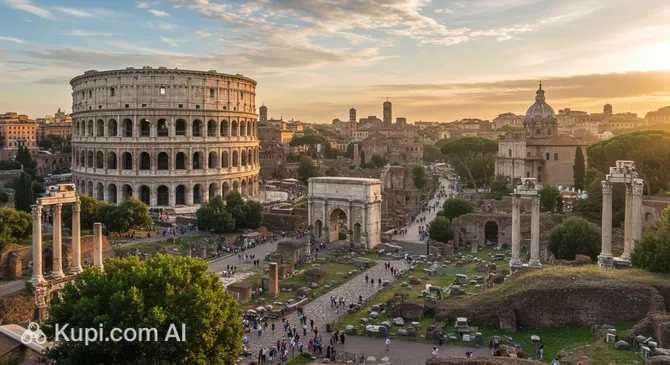
Rome is a city where time seems to have stood still, allowing modernity to coexist harmoniously with antiquity. The capital of beautiful Italy rightfully bears the title of the "Eternal City," beckoning travelers from all over the world with its unique charm and majestic character.
Spanning the banks of the Tiber River, the metropolis is home to nearly 2.87 million people. Its centuries-old history and rich heritage began, according to legend, back in 753 BC, when the brothers Romulus and Remus laid the foundation of the future empire. Today, Rome is a grand open-air museum, where the Mediterranean sun illuminates the ancient cobblestones and the facades of Renaissance palazzos.
Rome. Illustration.
Source: Kupi.com AI
Strolling through the historic center, a UNESCO World Heritage site, it is impossible not to feel the scale of the past. From the colossal walls of the Colosseum and the ruins of the Roman Forum to the spiritual grandeur of the Vatican and the elegance of the Trevi Fountain — every step here reveals a new page of a great chronicle. The city air is infused with the aromas of freshly brewed espresso and authentic cuisine, while the bustling squares are always filled with energy and life.
A visit to the Italian capital is more than just a trip; it is a true immersion into the origins of Western civilization. Whether it is a thoughtful study of museum masterpieces or a leisurely stroll through the charming streets of the Trastevere district, this city will inspire you and make you fall in love with its atmosphere forever.
Weather Overview
The city generally enjoys a Mediterranean climate, characterized by hot, sunny summers and mild, rainy winters. To help plan your daily activities and packing list, it is helpful to check the current weather in Rome before your trip.
During the peak summer months of July and August, the city is at its warmest, with average temperatures around 26°C and highs frequently reaching 31°C. These months are also the driest, typically seeing only 3 to 6 wet days. In contrast, the winter season brings cooler air, with average lows in January dipping to 4.8°C. Travelers visiting in late autumn should be prepared for rain, as November often records the highest frequency of precipitation with up to 15 wet days.
Average monthly temperature
Average monthly precipitation
Interesting Facts
Beyond the famous monuments and bustling piazzas, the Eternal City hides layers of history and quirky details that often escape the casual observer. Uncover some of the most intriguing secrets that make this destination truly unique.
There is a special law in the city that protects cats, stating that they cannot be forcibly removed from the place where they were born. As a result, hundreds of felines live among the ancient ruins at Largo di Torre Argentina, which also serves as a sanctuary for them.
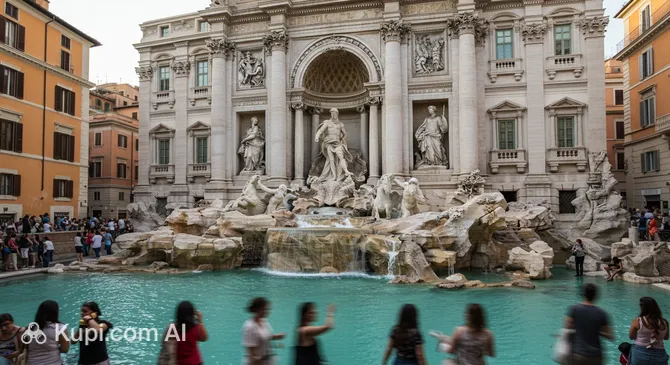
The Trevi Fountain is much more than a photo opportunity; it is a significant source of charity. Each day, approximately 3,000 euros are thrown into the water by visitors, and this money is collected every night to fund a supermarket for the needy.
Architectural enthusiasts might be surprised to learn that the Pantheon still holds a world record nearly 2,000 years after its construction. Its magnificent dome remains the largest unreinforced concrete dome in the world, a testament to ancient Roman engineering.
A secret fortified corridor known as the Passetto di Borgo connects the Vatican City to Castel Sant'Angelo. This elevated passage was famously used by popes in the past as an emergency escape route during times of siege and danger.
Rome contains more public fountains than any other city in the world, with over 2,000 scattered throughout the streets. Many of these are the famous "Nasoni" (big noses), which provide fresh, cold drinking water freely to anyone who needs it.
Trevi Fountain. Illustration.
Source: Kupi.com AI
Traveler photos:
How to Get There
Reaching the Italian capital is generally a seamless experience thanks to its status as a major global transportation hub. Whether you are arriving from a neighboring European country or flying in from across the ocean, you have multiple convenient options. For a detailed breakdown of all routes and tips, you can read more about how to get to Rome.
The primary international gateway is Leonardo da Vinci-Fiumicino Airport (IATA: FCO), which handles the vast majority of long-haul and full-service flights. Located approximately 22 km from the city center, it is a large international airport offering extensive connections. A taxi or bus ride to the historic center typically takes around 53 minutes, depending on traffic. Another popular option, especially for travelers flying with low-cost carriers, is Ciampino–G. B. Pastine International Airport (IATA: CIA). Situated just 14.3 km from the heart of the city, the journey by road is slightly shorter, taking about 41 minutes.
For clarity, here is a summary of the main airports:
If you are traveling by train, the city is excellently served by high-speed and regional connections. The most significant hub is Roma Termini Station (IATA: XRJ), located right in the city center, just 1.8 km from many major landmarks. As the busiest station in Italy, it connects the capital with virtually every part of the country. Getting to your hotel from here is quick, with a taxi or bus ride taking approximately 23 minutes. Another key node is Tiburtina Railway Station (IATA: IRT), situated about 4.3 km from the center. It serves as a major stop for high-speed trains bypassing the terminus, and a transfer to the center takes around 26 minutes.
Below is a list of the major railway stations serving the area:
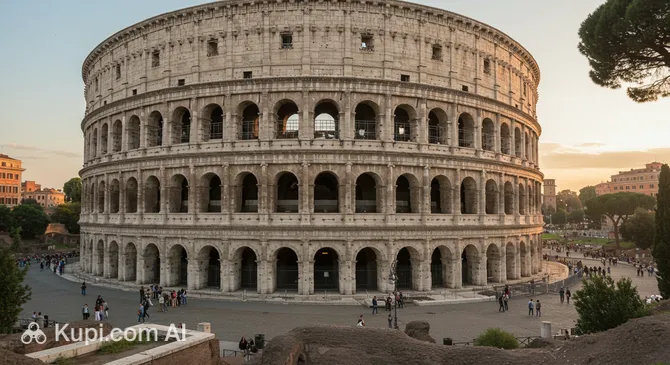
No visit to the Italian capital is complete without standing before the massive amphitheater that defined the ancient world. The Colosseum is an architectural marvel where gladiators once battled, offering a thrilling glimpse into the city's imperial past. Tourists are captivated by its sheer scale and the complex underground network of tunnels, known as the hypogeum, which is now visible to the public.
Colosseum. Illustration.
Source: Kupi.com AI
Traveler photos:
Just a short walk away lies the Roman Forum, the sprawling ruin complex that served as the political, legal, and social heart of the ancient empire. Walking through these remains allows you to trace the footsteps of emperors and senators among the ruins of temples and basilicas. It is an essential stop for history enthusiasts looking to understand the daily life of antiquity.
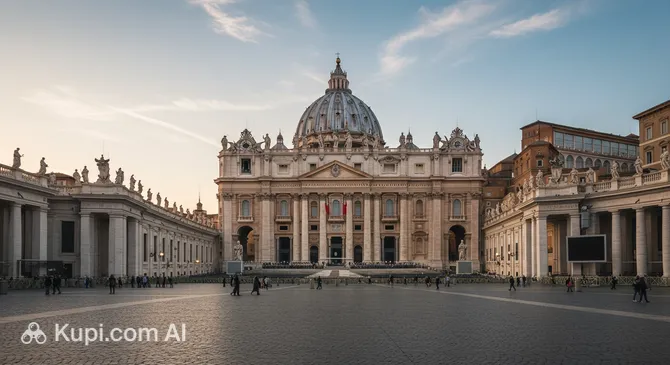
Crossing the river towards the Vatican, St. Peter's Basilica awaits as a masterpiece of Renaissance architecture and a spiritual beacon. It is one of the largest churches in the world, housing Michelangelo's breathtaking Pietà and Bernini's soaring baldachin. Visitors are often struck by the grandeur of the interior and the opportunity to climb the dome for panoramic views of the city.
St. Peter's Basilica. Illustration.
Source: Kupi.com AI
Traveler photos:
For a taste of Baroque elegance, Piazza Navona offers a lively atmosphere centered around three magnificent fountains, including the famous Fountain of the Four Rivers. It is a perfect spot to enjoy a gelato, watch street performers, and admire the surrounding palaces built on the site of the ancient Stadium of Domitian.
Finally, the Spanish Steps provide a scenic gathering place that connects the Piazza di Spagna with the Trinità dei Monti church at the top. This iconic stairway is famous for its vibrant azalea decorations in the spring and serves as a popular backdrop for photos and leisurely pauses during a day of sightseeing.
Local Cuisine
Roman cuisine is celebrated for its simplicity and reliance on high-quality, seasonal ingredients, a style often referred to as "cucina povera" or peasant cooking. Despite its humble roots, the flavors are rich and satisfying. A trip to the city is not complete without tasting the "holy trinity" of local pastas: Carbonara, made with eggs, Pecorino Romano, guanciale, and black pepper; Cacio e Pepe, a creamy delight created from just cheese and pasta water; and Amatriciana, which adds tomato to the mix. For those seeking an authentic dining experience, Tonnarello in the Trastevere district is a popular spot to enjoy these homemade specialties served in traditional pans.
Street food plays a massive role in the local food culture, offering delicious options for travelers on the go. Pizza al taglio, or pizza by the slice, is a ubiquitous lunch choice, often topped with simple ingredients like potatoes and rosemary or fresh mozzarella. Another must-try snack is the supplì, a fried rice ball mixed with tomato sauce and a melting heart of mozzarella. For a modern take on Roman street eats, Trapizzino Trastevere has become famous for its triangular pockets of pizza dough filled with savory classics like oxtail stew or meatballs.
Campo de' Fiori. Illustration.
Source: Kupi.com AI
Traveler photos:
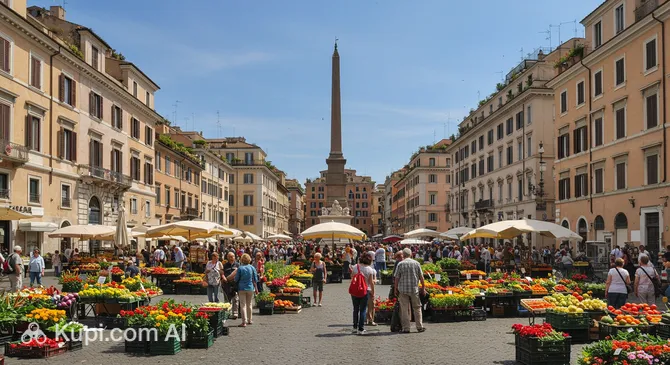
The culinary heartbeat of the city can also be felt in its vibrant open-air markets, where locals shop for fresh produce like artichokes (carciofi) and zucchini flowers. Campo de' Fiori hosts one of the most historic and picturesque markets, bustling with vendors selling fruit, vegetables, and spices every morning. It is a perfect place to witness the daily life of Romans and pick up some fresh ingredients or souvenirs.
When it comes to drinks, the local culture is defined by the evening ritual of the aperitivo. Before dinner, friends gather to enjoy a refreshing Aperol Spritz or a Negroni, often accompanied by light snacks. Wine lovers will appreciate the local whites from the nearby Lazio region, such as Frascati or Castelli Romani, which pair perfectly with the savory richness of Roman dishes. And, of course, no meal ends without a strong, high-quality espresso.
Travel Tips
Prepare for your Roman holiday with these essential insights designed to make your trip smooth and enjoyable. From navigating ancient cobblestones to understanding local dining customs, these practical tips will help you explore the capital like a savvy traveler.
Clothing and Gear: The city's historic center is paved with uneven cobblestones (sampietrini), so comfortable walking shoes are absolutely essential. If you plan to visit religious sites like St. Peter's Basilica or the Pantheon, strict dress codes apply: both men and women must cover their shoulders and knees. Carry a light scarf in your bag during summer to cover up when necessary.
Transportation: The best way to see the sights is on foot, but the Metro and bus network are useful for longer distances. Remember to always validate your paper ticket in the yellow machines upon boarding buses or entering metro stations to avoid hefty fines. Avoid renting a car for city driving due to confusing Limited Traffic Zones (ZTL); stick to official white taxis or ride-hailing apps instead.
Finances: The local currency is the Euro (€). While credit cards are widely accepted in restaurants and shops, it is wise to carry cash for small purchases like espresso, gelato, or souvenirs. Tipping is not mandatory as a service charge (coperto) is often added to the bill, but rounding up or leaving a few euros is appreciated for good service.
Health and Safety: Pharmacies are identified by an illuminated green cross and are plentiful; "Farmacia di turno" signs indicate which ones are open late or on weekends. While the city is generally safe, pickpocketing is a real issue in crowded tourist spots and on public transport, especially the infamous Bus 64 to the Vatican. Keep your valuables secure and be aware of your surroundings.
Communication: While English is widely spoken in hospitality, locals appreciate it when you try to speak Italian. Start interactions with a polite Buongiorno (Good morning) or Buonasera (Good evening) and say Grazie (Thank you). For internet access, purchasing a local SIM card from providers like TIM or Vodafone is cheaper and more reliable than relying solely on public Wi-Fi.
Local Etiquette: Coffee culture is serious here; remember that an espresso at the bar (counter) is significantly cheaper than sitting at a table. Also, when visiting open-air markets, do not touch the produce with your bare hands. Ask the vendor for what you need, and they will select the best items for you.
What to Avoid: Do not sit, eat, or drink on the famous Spanish Steps or splash in the historic fountains. These actions are strictly prohibited to preserve the monuments, and police enforce these rules with on-the-spot fines.
Hydration Hack: Save money and plastic by bringing a reusable water bottle. Rome is famous for its Nasoni—small, spout-shaped public fountains that run continuously with fresh, cold, and safe drinking water. You will find them in almost every piazza.
With these tips in hand, you are ready to embrace the chaotic beauty and timeless charm of the Eternal City without the common tourist pitfalls. Enjoy every moment of your adventure, from the morning cappuccino to the evening stroll through the illuminated piazzas.
Entertainment & Nightlife
Entertainment and Nightlife:
When the sun sets over the seven hills, the Italian capital transforms into a vibrant hub of evening activity. The nightlife here is less about aggressive partying and more about the art of socializing, known locally as "lo stare insieme." The evening typically begins with a lingering dinner or an extended aperitivo, seamlessly flowing into late-night drinks in crowded piazzas and historic streets.
For those seeking the heart of the action, the Trastevere district is the undisputed center of Roman nightlife. Its labyrinthine cobblestone streets are packed with locals and tourists sipping wine and craft beer outside eclectic bars. Across the river, the Testaccio neighborhood offers a more authentic, gritty vibe and is known as the city's clubbing district, where venues are often carved into the ancient Monte dei Cocci. For a younger, more alternative crowd, the university district of San Lorenzo provides affordable drinks and a bohemian atmosphere.
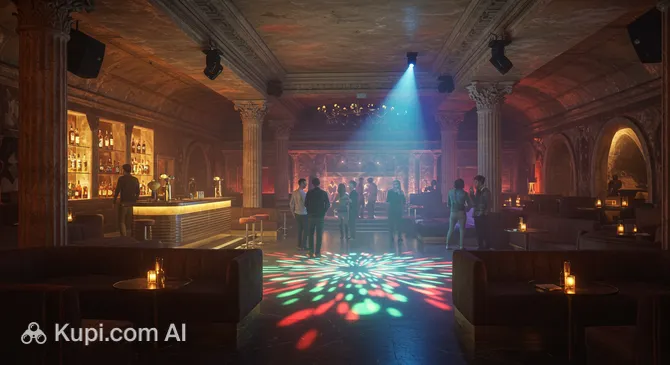
If you are looking for a specific place to enjoy the evening, Scholars Lounge near Piazza Venezia is a lively choice. This popular venue combines the warmth of an Irish pub with live music, karaoke, and sports screenings, drawing a spirited mix of expats and locals. For a truly unique experience, consider visiting the Ice Club Roma. Located near the Colosseum, this bar is constructed entirely from ice—from the walls to the glasses—and offers vodka-based cocktails in a sub-zero setting, with thermal capes provided at the entrance.
Ice Club Roma. Illustration.
Source: Kupi.com AI
Traveler photos:
Practical planning is key to enjoying the night. Romans operate on a late schedule; restaurants often don't fill up until 9:00 PM, and clubs rarely get going before 1:00 AM. Dress codes are generally smart-casual, though some high-end clubs in the Via Veneto area may require more elegant attire. Regarding transportation, the Metro closes around 11:30 PM (1:30 AM on Fridays and Saturdays), after which "Notturni" (night buses) take over. However, for safety and convenience, it is best to use official white taxis or a ride-hailing app to get back to your accommodation late at night.
While the city is generally safe for night walks, especially in busy areas like Campo de' Fiori and Monti, it is wise to stay vigilant. Avoid unlit parks and be cautious around the Termini station area after dark. Stick to the main crowds, and you will find the atmosphere welcoming and festive.
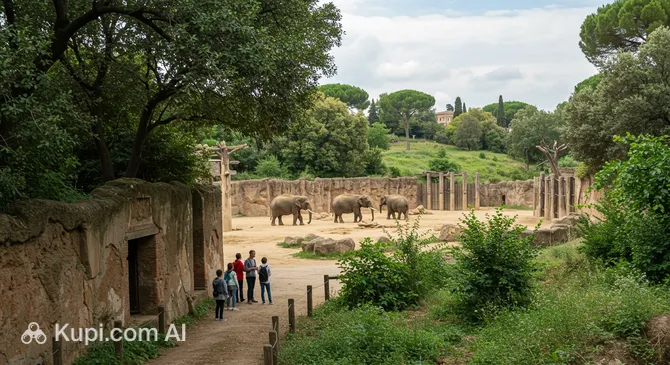
Beyond the nightlife, the city offers plenty of daytime entertainment for families and thrill-seekers. The Bioparco di Roma, located within the Villa Borghese gardens, is one of the oldest zoos in Europe and makes for a delightful afternoon. During the hot summer months, visitors can cool off at Hydromania, a large water park on the outskirts featuring slides and pools suitable for all ages.
Bioparco di Roma. Illustration.
Source: Kupi.com AI
Traveler photos:
Parks & Museums
Beyond its ancient ruins and bustling piazzas, the Italian capital is a city of surprising greenery and unparalleled artistic wealth. Visitors can easily escape the urban energy by stepping into lush gardens or immersing themselves in collections that hold some of the world's most significant treasures.
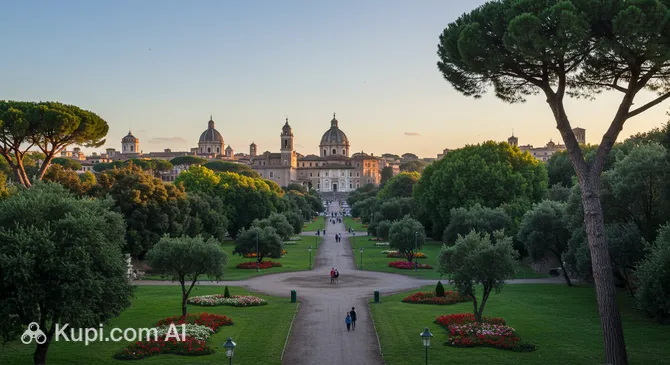
The most beloved green space in the city is undoubtedly Villa Borghese. Often called the "green lung" of Rome, this heart-shaped park offers a delightful mix of nature and culture. Visitors can rent rowboats on the small lake, cycle through tree-lined paths, or simply enjoy a picnic on the grass. It is also home to several museums and the Pincio Terrace, which provides one of the most spectacular sunsets over the city domes.
Villa Borghese. Illustration.
Source: Kupi.com AI
Traveler photos:
For a quieter and more romantic natural setting, the Orange Garden (Giardino degli Aranci) on the Aventine Hill is a must-visit. This small, walled park is filled with fragrant bitter orange trees and offers a perfectly framed view of St. Peter's Dome across the river. It is an ideal spot for a peaceful break away from the crowds.
When it comes to art, the Vatican Museums are in a league of their own. This massive complex contains an immense collection amassed by popes over centuries, ranging from Egyptian mummies to Renaissance maps. The journey through the galleries culminates in the breathtaking Sistine Chapel, where Michelangelo's ceiling frescoes leave millions of visitors in awe every year.
Vatican Museums. Illustration.
Source: Kupi.com AI
Traveler photos:
Art enthusiasts should not miss the Borghese Gallery, located within the Villa Borghese park. It houses a concentrated collection of masterpieces by Bernini, Caravaggio, and Titian in a magnificent setting. Reservations are mandatory and should be made weeks in advance. For a deep dive into the city's ancient roots, the Capitoline Museums sit atop Capitoline Hill and claim to be the oldest public museum in the world, guarding the famous bronze She-Wolf statue.
Among the city's architectural giants, Castel Sant'Angelo stands out for its fascinating evolution. Originally built as a mausoleum for Emperor Hadrian, it was later transformed into a fortress and a papal residence. Today, visitors can explore its ramparts and historic apartments. Dominating Piazza Venezia, the Altare della Patria is another colossal monument. While its neoclassical white marble contrasts with the ancient surroundings, the panoramic elevators offer some of the best 360-degree views of the Forum and the city center.
For a truly unique experience, look for the Knights of Malta Keyhole just a few steps from the Orange Garden. Peeking through this unassuming door keyhole reveals a perfectly aligned view of St. Peter's Basilica, framed by manicured garden hedges—a secret perspective that feels like a hidden gem.
Getting Around
Public Transport:
Navigating Rome is an adventure in itself, and the city's public transport system, managed primarily by ATAC, is the most budget-friendly way to get around. The network consists of the Metro (subway), buses, trams, and urban trains. The Metro is the fastest option for covering long distances, though it currently has only three lines—A (Orange), B (Blue), and C (Green)—which largely skirt the historic center to avoid disturbing archaeological ruins. For destinations deep within the ancient heart of the city, the extensive bus and tram network serves as the main connector, filling the gaps left by the subway.
The ticketing system is integrated, meaning a single ticket is valid across all forms of public transport. The standard ticket, known as BIT, costs a small fee and is valid for 100 minutes from the first validation, allowing for unlimited bus transfers and one metro ride. For tourists planning extensive sightseeing, 24-hour, 48-hour, and 72-hour travel passes are available. Alternatively, the Roma Pass offers a convenient combination of unlimited transport and discounted entry to major museums. Travelers can also use the "Tap & Go" service at metro turnstiles and on some surface vehicles to pay directly with a contactless credit or debit card.
Tickets can be purchased at automated machines in metro stations, newsstands, or Tabacchi shops, which are easily identified by a large white "T" on a blue or black background. A crucial rule for visitors is to always validate your paper ticket. On buses and trams, you must insert your ticket into the yellow or red machines immediately upon boarding. Failure to validate is a common mistake that can lead to hefty on-the-spot fines from ticket inspectors.
Public transport generally operates from 5:30 AM until 11:30 PM. On Fridays and Saturdays, the Metro operating hours are extended until 1:30 AM. Once the metro and regular day buses stop running, the city switches to its Night Bus network (Notturni), marked with an "N" next to the route number. These buses run less frequently but cover the main routes, ensuring you can return to your accommodation even after a late night out.
If you prefer more direct comfort, official taxis are white and must be found at designated taxi stands or booked via phone or apps like FreeNow; hailing them on the street is rarely successful. Be wary of unauthorized drivers offering rides at airports or stations. For short distances, the city has embraced shared mobility, with electric scooters and bikes widely available for rent through various smartphone apps, offering a nimble way to navigate the traffic and cobblestones.
Accommodation
Finding the perfect place to stay in the Italian capital is relatively easy given the vast array of options, though choosing the right neighborhood can significantly shape your experience. The city offers everything from opulent five-star hotels housed in converted Renaissance palaces to cozy, family-run bed and breakfasts (B&Bs) and budget-friendly hostels. For travelers who prefer a "home away from home" feeling, vacation rentals and apartments are widely available and popular throughout the historic districts.
Location is key when booking accommodation. The Centro Storico (Historic Center), near the Pantheon and Piazza Navona, is ideal for those who want to be within walking distance of major sights, though prices here tend to be higher. For a charming, bohemian atmosphere with a vibrant nightlife, Trastevere is a top choice, characterized by ivy-clad buildings and narrow cobblestone streets. Travelers on a budget or those prioritizing transport links often choose the area around Roma Termini Station; while less picturesque, it offers excellent connectivity to the airport and the rest of Italy. Alternatively, the Prati district near the Vatican offers a quieter, more elegant residential vibe with wide avenues and upscale shopping.
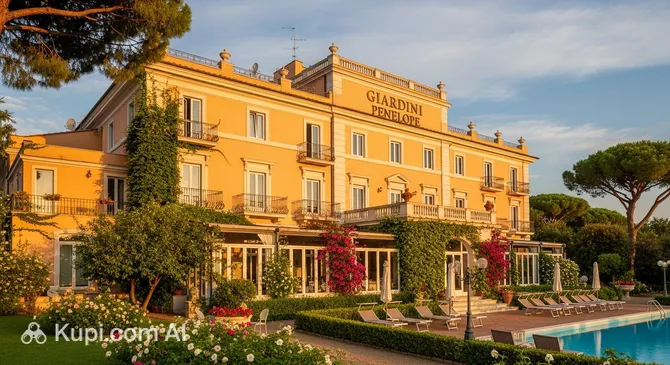
While the city is packed with historic hotels, there are also options for those seeking a more resort-like atmosphere. For instance, Giardini Penelope provides a distinct setting for guests looking to unwind. Whether you choose a luxury suite or a simple room, staying in a place that suits your travel style is essential for recharging after long days of walking.
Giardini Penelope. Illustration.
Source: Kupi.com AI
Traveler photos:
A crucial tip for booking is to plan well in advance, especially if you are visiting during peak seasons like Easter (Holy Week), late spring, or early autumn. Rome is a year-round destination, and the best-value accommodations sell out quickly. Additionally, keep in mind that almost all accommodations charge a mandatory daily city tax (tassa di soggiorno), which is often payable in cash upon arrival and varies based on the hotel's star rating.
Prices can fluctuate significantly depending on the season. Expect premium rates in May, June, September, and October, while visiting in November or February can offer substantial savings. Most travelers book through major online platforms for convenience and security, but checking a hotel's direct website can sometimes yield special offers or welcome perks.
Nearby Cities
For those looking to explore the surroundings, Rome serves as an excellent base for day trips to several interesting nearby locations. Just a short journey from the capital lies Tivoli, a historic hilltop town famous for its two UNESCO World Heritage Sites: the spectacular Renaissance fountains of Villa d'Este and the expansive ancient ruins of Hadrian's Villa. Travelers seeking culinary delights and scenic views often head to the Castelli Romani area, where towns like Marino and Albano Laziale offer volcanic lakes, crisp white wines, and the region's celebrated roast pork, porchetta. Additionally, the coastal town of Fiumicino provides a refreshing escape to the sea, known for its excellent seafood and proximity to the archaeological wonders of Ostia Antica.
City
Population
Distance
Vatican City
825
2 km
Paese
21 992
8 km
Ciampino
38 645
14 km
Frascati
22 450
19 km
Viale
8 939
20 km
These nearby destinations offer a glimpse into the diverse culture and landscapes of the region, providing a perfect counterpoint to the bustle of the city center.
Shopping & Souvenirs
Shopping in Rome is an integral part of the local experience, ranging from browsing high-end designer boutiques to hunting for treasures in historic open-air markets. As a fashion capital, the city offers an incredible variety of goods, with a particular reputation for high-quality leather products, handmade crafts, and artisanal food items. Whether you are looking for the latest runway trends or unique vintage finds, the Italian capital caters to every style and budget.
The most famous shopping district is centered around the trident of streets radiating from Piazza del Popolo. Via del Corso serves as the main commercial artery, lined with popular international high-street brands and flagship stores. For luxury seekers, Via dei Condotti is the place to be. Located at the foot of the Spanish Steps, this elegant avenue is home to Italy's most prestigious fashion houses, including Gucci, Prada, and Valentino. Nearby, Via del Babuino and Via di Ripetta offer a mix of upscale boutiques and art galleries.
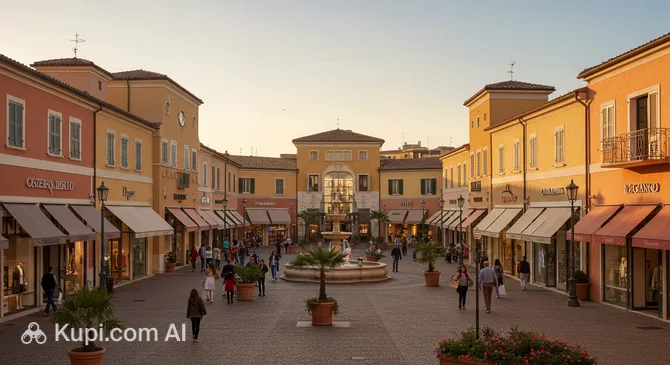
While the city center is dominated by street shopping, there are significant options for those who prefer large shopping centers. Porta di Roma is one of the largest malls in the area, featuring hundreds of shops, a cinema, and numerous dining options. For bargain hunters, the Castel Romano Designer Outlet is a must-visit destination located just outside the city. Here, visitors can find designer brands at significantly discounted prices, making the short trip well worth the effort.
Castel Romano Designer Outlet. Illustration.
Source: Kupi.com AI
Traveler photos:
Markets are the beating heart of Roman daily life and offer a more traditional shopping atmosphere. The historic market at Campo de' Fiori is perfect for buying fresh produce, spices, and colorful flowers in the morning. For a different experience, the massive Porta Portese flea market takes over the Trastevere district every Sunday morning. It is a chaotic but fascinating place to rummage for antiques, vintage clothing, and bric-a-brac.
When it comes to souvenirs, leather goods such as bags, belts, and gloves are top choices due to their exceptional quality. Religious items from the shops near the Vatican make meaningful gifts for many. Food lovers often bring back vacuum-packed Parmigiano Reggiano, truffle oil, or bottles of local wine. Ceramics and handmade stationery are also popular artisanal keepsakes.
Store opening hours typically run from 10:00 AM to 7:30 PM. While major chains and department stores in the center stay open all day, smaller independent shops may still close for a lunch break (riposo) between 1:30 PM and 3:30 PM, though this is becoming less common in tourist areas. Most shops accept major credit cards, but it is advisable to carry cash for small purchases at markets.
Tourists residing outside the European Union are eligible for a VAT refund on purchases exceeding a certain amount in a single store. Look for the "Tax Free" sign in shop windows and ask for the refund form at the checkout. You will need to present these forms along with your passport and the goods at the customs office at the airport before leaving the EU.