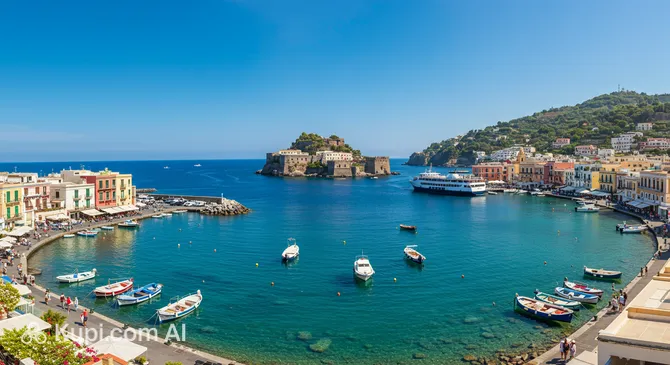
Ischia is a captivating volcanic island located in the Tyrrhenian Sea, at the northern end of the Gulf of Naples. Often referred to as the "Green Island" due to its lush vegetation and pine forests, it offers a perfect blend of natural beauty, relaxation, and Mediterranean charm. Unlike its more glamorous neighbor Capri, Ischia is renowned for a more laid-back atmosphere, making it a favorite destination for those seeking tranquility and authentic local culture.
Ischia. Illustration.
Source: Kupi.com AI
Geographically, the town is situated in the Campania region of Italy, serving as the main center of the island. With a population of approximately 20,000 inhabitants, it is a lively hub that balances small-town hospitality with excellent tourist infrastructure. The climate is typically Mediterranean, characterized by hot, dry summers and mild winters, which allows for a pleasant visit almost any time of the year.
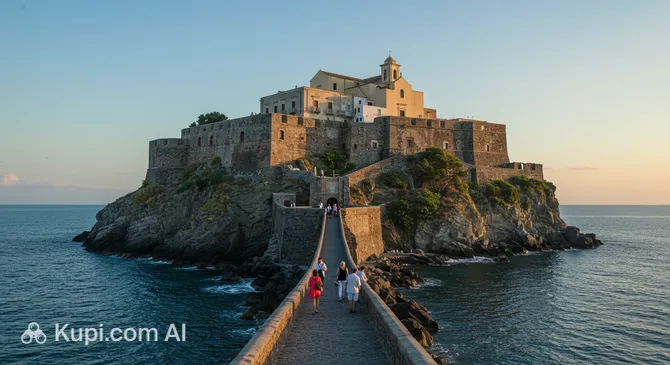
The island has a deep and fascinating past, being one of the first Greek colonies in the west. You can delve deeper into the ancient roots and cultural evolution by exploring the history of Ischia, which has shaped the unique architecture and traditions visible today. One of the most iconic symbols of this heritage is the majestic Aragonese Castle, a medieval fortress connected to the mainland by a stone bridge, offering breathtaking views of the sea.
Ischia is perhaps most famous worldwide for its thermal spas and natural hot springs, which are fed by the island's volcanic activity. Visitors flock here to rejuvenate in the healing waters of renowned parks like the Poseidon Gardens. Whether you are hiking up the slopes of Mount Epomeo or relaxing on the sandy beaches, Ischia promises an unforgettable escape full of wellness and discovery.
Weather Overview
Ischia enjoys a classic Mediterranean climate, offering distinct seasonal experiences for travelers. The summer months are the warmest and driest, particularly July and August, where average temperatures rise to approximately 26°C. During this peak season, rainfall is virtually non-existent, with data showing 0mm of precipitation and only 2 to 3 wet days, making it the perfect time for beach holidays.
In contrast, the winter season is cooler and significantly wetter, though temperatures remain relatively mild compared to northern Europe. January is typically the coldest month, with average temperatures around 10.9°C and lows rarely dropping below 9°C. November tends to be the wettest month, recording about 16 rainy days, so packing a raincoat is advisable if you visit late in the year.
Spring and autumn offer a pleasant middle ground. May sees comfortable averages of 18°C, while October retains warmth at around 19.4°C, although the likelihood of rain increases. For a more detailed breakdown of what to expect during your specific travel dates, you can consult the guide to the weather in Ischia. Generally, you can expect hot, dry summers and mild winters with frequent rainfall.
Average monthly temperature
Average monthly precipitation
Interesting Facts
Beyond the main attractions, Ischia holds many fascinating secrets that surprise even seasoned travelers. From cinematic history to unique geological formations, the island is full of hidden gems waiting to be discovered.
A Star of the Silver Screen: The island has served as a stunning backdrop for numerous international films. The majestic Aragonese Castle of Ischia and the scenic streets of Ischia Ponte were prominently featured in the classic movie The Talented Mr. Ripley, as well as in the epic Cleopatra.
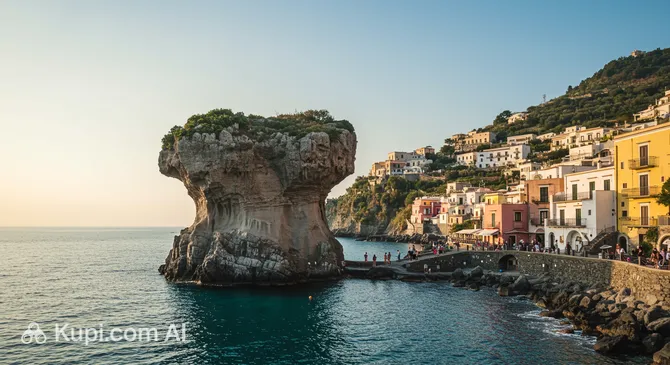
The Mushroom Rock: In the town of Lacco Ameno, visitors can marvel at a peculiar geological curiosity known as Il Fungo (The Mushroom Rock). This massive tufa rock, which tumbled down from Mount Epomeo centuries ago, has been sculpted by the wind and sea into the distinct shape of a giant mushroom rising from the water.
Ancient Writing: Ischia is home to one of the most significant archaeological finds in the Mediterranean, the "Nestor's Cup." Housed in the Archaeological Museum of Pithecusae, this ancient clay vessel bears a three-line inscription that is considered one of the oldest surviving examples of writing in the Greek alphabet.
Land Over Sea: Despite being an island surrounded by the rich Tyrrhenian Sea, Ischia’s signature dish is actually rabbit, not seafood. Coniglio all'Ischitana is a spicy rabbit stew that reflects the island's strong agrarian history and the farming traditions of the inland hills.
Il Fungo (The Mushroom Rock). Illustration.
Source: Kupi.com AI
Traveler photos:
How to Get There
Reaching the beautiful island of Ischia typically involves a combination of air or rail travel followed by a ferry crossing, as the island does not have its own airport or train station. The journey usually goes through Naples, which serves as the primary gateway. For a complete guide on logistics and transfers, you can read more about how to get to Ischia.
The city of Ischia does not have its own airport, but you can fly into Naples International Airport (NAP) in the city of Naples, which is about 33 km from Ischia. It is the most convenient hub for reaching the island. From the airport, the transfer by taxi or bus to the ferry port takes approximately 20 to 30 minutes. Once at the port, the subsequent ferry crossing to the island generally takes around 60 to 90 minutes. For a wider range of international connections, travelers often use Leonardo da Vinci-Fiumicino Airport (FCO) in Rome. Located roughly 184 km from Ischia, the transfer by road and sea takes significantly longer, making it a viable option for long-haul flights.
For clarity, here is a summary of the main airports:
The city of Ischia does not have a railway station, but you can arrive at the Naples Centrale Station in the city of Naples, which is about 30 km from Ischia. From there, you can get a taxi or bus to the port, which takes about 10 to 15 minutes. Another significant option for high-speed trains is the Napoli Afragola High-Speed Railway Station, also located in Naples, approximately 39 km away. Both stations offer excellent connections to the rest of Italy before you embark on the final sea leg of your journey.
Below is an overview of the nearest railway stations:
Ischia offers a diverse array of sights, ranging from ancient historical monuments to stunning natural wonders. Whether you are interested in exploring medieval fortifications, relaxing on volcanic sands, or immersing yourself in the island's rich archaeological heritage, there is something here to captivate every traveler.
Undoubtedly the most iconic landmark on the island is the Aragonese Castle of Ischia. Standing proudly on a volcanic islet connected to the old town by a stone bridge, this fortress is like a city within a city. Visitors can walk through centuries of history, exploring the ruins of the Cathedral of the Assumption, the cryptic cemetery of the Poor Clares, and lush Mediterranean gardens. The climb to the top is rewarded with spectacular panoramic views of Ischia and the surrounding Gulf of Naples.
Aragonese Castle of Ischia. Illustration.
Source: Kupi.com AI
Traveler photos:
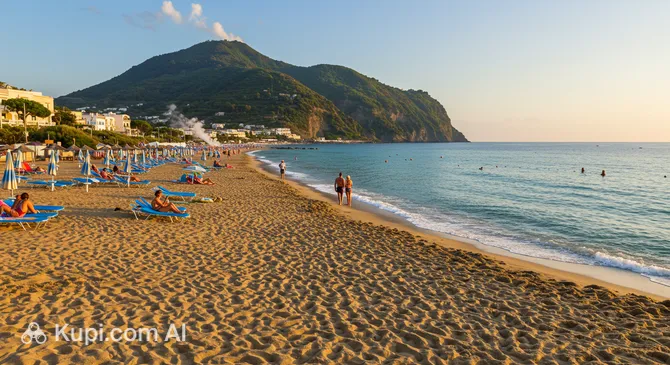
For beach lovers, Maronti Beach is a must-visit destination. As the largest beach on the island, it stretches for approximately 3 kilometers along the southern coast, framed by majestic cliffs and hills. What makes this spot truly unique is the presence of fumaroles—jets of steam rising from the sand due to underground volcanic activity. It is an ideal place to sunbathe, swim in crystal-clear waters, or simply enjoy the dramatic coastal scenery.
Maronti Beach. Illustration.
Source: Kupi.com AI
Traveler photos:
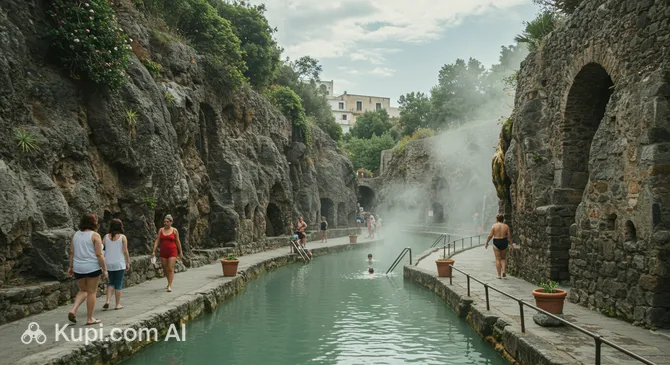
Those seeking wellness and a touch of history should discover the Cavascura Thermal Baths. Tucked away in a natural canyon, this thermal park has preserved its rustic charm since Roman times. The baths are carved directly into the soft volcanic rock, offering a truly authentic experience. You can soak in the healing thermal waters, enjoy a natural mud mask, and admire the rugged beauty of the stone gorge that surrounds this ancient spa.
Cavascura Thermal Baths. Illustration.
Source: Kupi.com AI
Traveler photos:
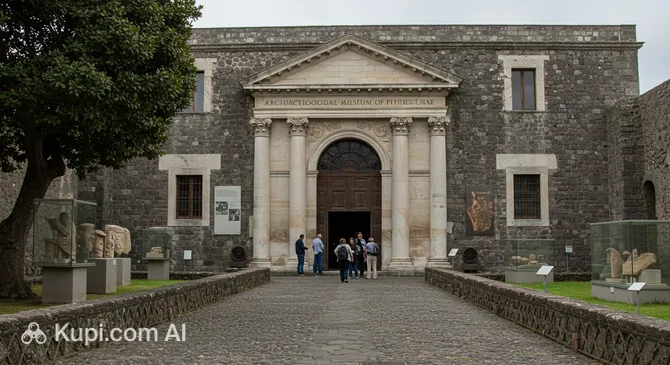
To dive deeper into the island's past, a visit to the Archaeological Museum of Pithecusae is highly recommended. Located in the beautiful Villa Arbusto in Lacco Ameno, the museum houses an impressive collection of artifacts that tell the story of Ischia from prehistoric times to the Roman era. It provides a fascinating insight into the lives of the early Greek settlers who made Ischia their home, making it a cultural highlight for history enthusiasts.
Local Cuisine
Ischian cuisine is a delightful paradox that perfectly reflects the island's dual nature of sea and mountains. While one might expect a menu dominated entirely by fish, the undisputed king of the local table is actually a land dish: Coniglio all'Ischitana (Ischian-style rabbit). This flavorful stew is cooked slowly in a terracotta pot with white wine, tomatoes, garlic, and wild herbs like marjoram and thyme. It is deeply rooted in the island's farming history and is a culinary experience you simply cannot miss.
Of course, the Tyrrhenian Sea provides a bounty of fresh seafood that rivals the rabbit in popularity. Simple yet delicious dishes like spaghetti alle vongole (spaghetti with clams) or a mixed fried fish platter known as frittura di paranza are staples at lunch and dinner. The volcanic soil of Ischia also produces exceptionally flavorful vegetables, particularly tomatoes and eggplants, which serve as the base for many pasta sauces and side dishes.
Taverna Pietro Paolo Detto Stalino. Illustration.
Source: Kupi.com AI
Traveler photos:
To accompany these meals, locals turn to the island's ancient winemaking traditions. The volcanic terroir yields excellent white wines, such as Biancolella and Forastera, which are crisp and mineral-rich. For a digestif, skip the standard Limoncello and try Rucolino instead. This unique local liqueur is made from wild arugula (rocket) leaves, offering a dark, bittersweet flavor that perfectly concludes a heavy meal.
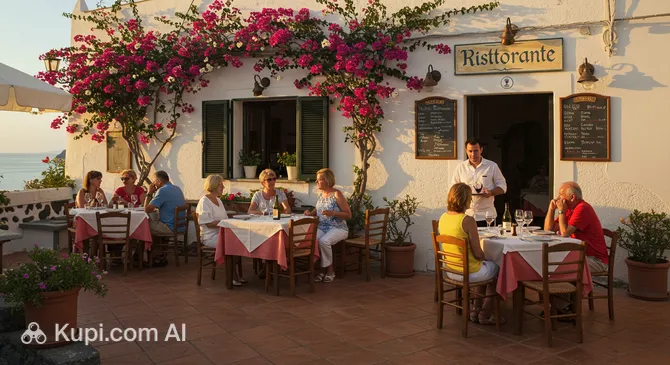
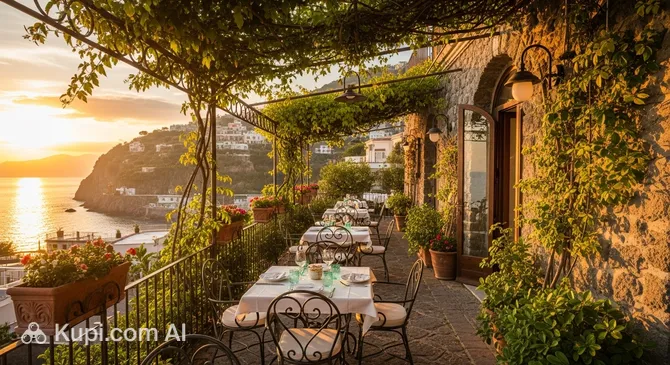
The dining scene in Ischia ranges from rustic, family-run trattorias in the hills to elegant terraces overlooking the water. For an authentic taste of local hospitality, you might visit Taverna Pietro Paolo Detto Stalino, a restaurant known for its traditional approach to regional classics. If you prefer a more relaxed spot for an aperitif or a quick bite by the sea, Bar Gino is a popular choice among visitors. Whether you are dining in a bustling square or a quiet cove, the food culture here is all about fresh ingredients and conviviality.
Travel Tips
Welcome to Ischia, a volcanic gem where relaxation meets rich culture. To help you navigate the "Green Island" with ease and make the most of your stay, here are some practical tips covering everything from local customs to getting around.
Clothing and Gear: Since Ischia is famous for its thermal parks, pack plenty of swimwear, but don't forget a swim cap, as many pools require one for hygiene. For exploring, comfortable walking shoes are essential due to the cobblestone streets and hilly terrain, especially if you plan to hike Mount Epomeo or climb to the Aragonese Castle. If visiting in summer, lightweight fabrics are best, but bring a light jacket for breezy evenings; in cooler months, a raincoat is advisable.
Transportation: The public bus system (EAV) is the most convenient way to travel, with two main circular lines, CD (Circolare Destra) and CS (Circolare Sinistra), looping around the island. Taxis are available but can be expensive. While renting a scooter offers freedom, be aware that roads are narrow and winding. Renting a car is often discouraged in peak summer due to heavy traffic and strict restrictions (ZTL) prohibiting non-residents from bringing vehicles.
Finances: The local currency is the Euro (€). While credit cards are widely accepted in hotels and larger restaurants, it is wise to carry cash for small purchases at kiosks, beach bars, or for bus tickets. ATMs (Bancomat) are plentiful in the main towns. Tipping is not mandatory but appreciated; leaving a few euros or rounding up the bill is a kind gesture for good service.
Health and Safety: Ischia is generally a very safe destination for tourists. Pharmacies are marked with a green cross and are usually open during standard business hours, with a rotating schedule for night shifts. In summer, the sun can be intense, so high SPF sunscreen and hydration are crucial. If you visit natural hot springs in the sea (like at Sorgeto), be cautious as the water can be scalding hot near the source.
Communication: The official language is Italian. While English is spoken in most tourist hubs and hotels, it is less common in rural areas or smaller family-run trattorias. Learning a few basic phrases like "Buongiorno" (Good morning) and "Grazie" (Thank you) goes a long way. Free Wi-Fi is available in many public squares and cafes, but having a roaming plan or a local SIM card is recommended for maps and schedules.
Local Etiquette: Italians value politeness, so always greet shopkeepers or waiters when entering an establishment. When visiting churches, modest dress is required; ensure your shoulders and knees are covered. It is also considered polite to wait for the host to say "Buon appetito" before starting a meal in a formal setting or a local home.
What to Avoid: Do not walk around the town centers or enter shops wearing only your swimwear. It is considered disrespectful and, in some municipalities, can result in a fine. Always cover up with a sarong, shirt, or dress when leaving the beach area.
Additional Tip: Keep in mind the afternoon pause, often called the riposo. Many smaller shops and businesses close roughly between 1:30 PM and 4:00 PM for a midday break. Plan your shopping or errands for the morning or late afternoon, and use this quiet time to enjoy a long lunch or a relax by the pool just like the locals do.
With these practical tips in hand, you are ready to immerse yourself in the laid-back lifestyle of Ischia. Embrace the island's slow pace, enjoy the thermal waters, and let the warmth of the Italian hospitality make your trip truly unforgettable.
Entertainment & Nightlife
Entertainment and Nightlife:
While Ischia is often celebrated for its thermal spas and relaxation, the island transforms as the sun goes down, offering a vibrant and sophisticated nightlife scene. The atmosphere is distinctively Mediterranean: lively yet elegant, with a focus on socializing over excellent drinks and music rather than raucous partying. The nightlife here typically starts late, with locals and tourists alike enjoying a long dinner before heading out to the bars around midnight.
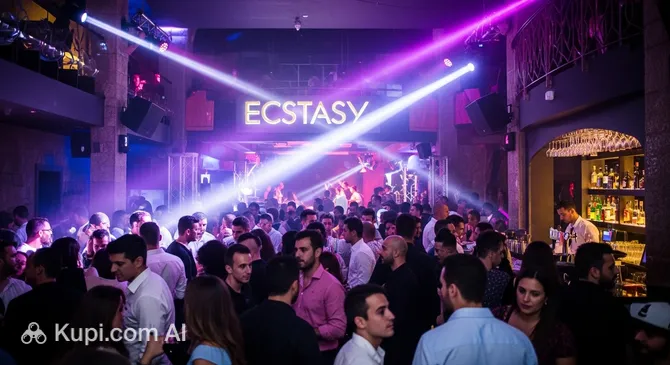
The epicenter of the island's evening entertainment is undoubtedly the Riva Destra (Right Bank) of the port in Ischia Porto. This bustling strip is lined with restaurants, lounge bars, and discos that stay open until the early hours of the morning. It is the perfect place to see and be seen, often attracting a stylish crowd. Here, you can find Ecstasy, a renowned venue that seamlessly transitions from a lounge bar suitable for an aperitif to a pulsating night club hosting DJ sets and live music events.
Ecstasy. Illustration.
Source: Kupi.com AI
Traveler photos:
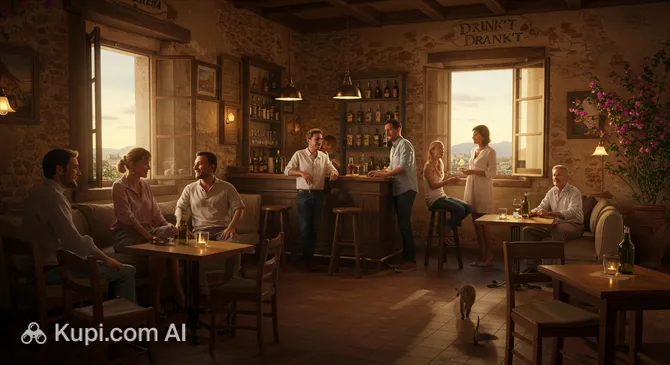
Another popular area for evening fun is the town of Forio, particularly along the seafront and the port area. It offers a slightly more laid-back vibe but is equally animated during the summer months. For those seeking high-quality mixology and a trendy atmosphere, Drink't n Drank't is a standout choice. This bar is celebrated for its creative cocktail menu and friendly service, making it an excellent spot to kick off your night or enjoy a relaxed evening with friends.
Drink't n Drank't. Illustration.
Source: Kupi.com AI
Traveler photos:
If you prefer a dining experience that extends into the night with a scenic view, Auras Restaurant offers a delightful setting near the sea. Many such venues on the island host live piano music or soft jazz, providing a romantic backdrop for couples. The dress code in Ischia's nightlife districts is generally "smart casual." While beachwear is strictly for the day, you don't need a tuxedo; a nice shirt or a summer dress fits in perfectly with the chic island style.
Auras Restaurant. Illustration.
Source: Kupi.com AI
Traveler photos:
When it comes to logistics and safety, Ischia is a very safe destination for night walks, even in the late hours. The main nightlife zones are well-lit and populated. However, public transport becomes less frequent after midnight. While some night buses run during the peak summer season (July and August), relying on them can be risky if you stay out very late. It is often more convenient to call a taxi to get back to your hotel. Taxis are generally reliable, though it is advisable to agree on the fare or check the meter before starting your journey.
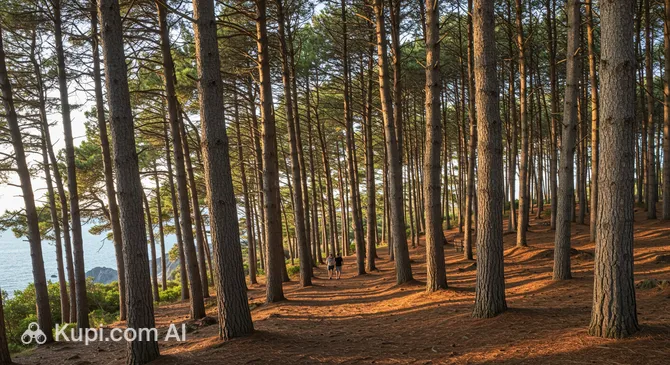
Beyond the nightlife, Ischia offers plenty of daytime entertainment to fill the hours between beach sessions. The island does not have large amusement parks, but it boasts beautiful green spaces like Pineta Mirtina, a public park in Ischia Porto perfect for a peaceful stroll or a break in the shade. For culture lovers, the shopping streets, such as Corso Vittoria Colonna, offer a mix of luxury boutiques and local artisan shops, effectively serving as an open-air entertainment hub where you can enjoy gelato and people-watching.
Pineta Mirtina. Illustration.
Source: Kupi.com AI
Traveler photos:
Parks & Museums
Ischia earns its nickname, the "Green Island," not only from its verdant volcanic slopes but also from its abundance of manicured gardens, pine forests, and stunning natural landscapes. Beyond the beaches, the city and its surroundings offer a wealth of cultural treasures, from world-class museums housing ancient artifacts to botanical havens that showcase the island's rich biodiversity.
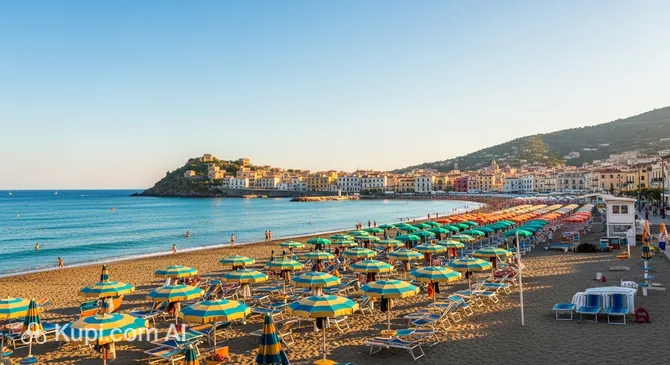
One of the most accessible natural spots for visitors staying near the port is San Pietro Beach. While it is a popular strip of sand, it also serves as a gateway to the island's coastal beauty, offering a lively atmosphere framed by the blue waters of the Gulf. It is an excellent starting point for a leisurely walk along the shore, where the sea breeze mixes with the scent of nearby pine trees, providing a refreshing natural escape just steps from the town center.
San Pietro Beach. Illustration.
Source: Kupi.com AI
Traveler photos:
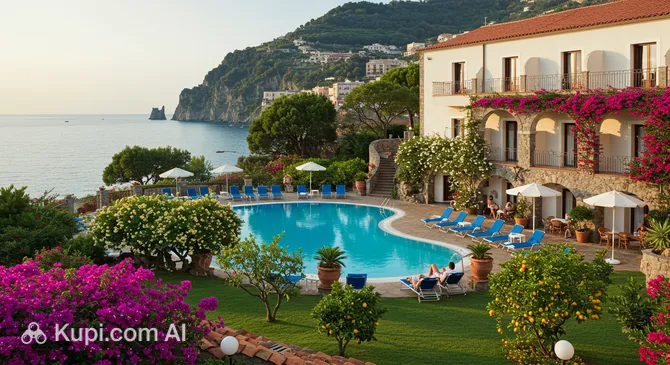
For those seeking a blend of nature and wellness, the Park Resort & Spa Castiglione is a prime example of Ischia's unique landscape. Set in a natural basin that slopes down towards the sea, this park features a series of thermal pools at varying temperatures, surrounded by lush flower beds and tall maritime pines. A funicular railway transports guests through the greenery down to the water, making it a perfect spot to experience the island's volcanic geology in a refined, garden-like setting.
Park Resort & Spa Castiglione. Illustration.
Source: Kupi.com AI
Traveler photos:
No discussion of Ischia's greenery is complete without mentioning the famous La Mortella Gardens (Giardini La Mortella). Although located in the nearby municipality of Forio, they are a short bus ride away and are considered an essential part of the island's cultural landscape. Created by Susana Walton, the wife of British composer Sir William Walton, this botanical masterpiece is carved into volcanic rock and houses thousands of rare and exotic plants from around the world, interspersed with fountains and architectural features.
Culturally, the island is deeply rooted in ancient history. The premier institution for understanding this past is the Archaeological Museum of Pithecusae, located in the Villa Arbusto complex. The museum chronicles the history of the island from the Bronze Age to Roman times. Its most famous exhibit is Nestor's Cup, a clay vessel bearing one of the earliest known examples of Greek writing, which serves as a testament to Ischia's role as a pivotal ancient settlement.
Archaeological Museum of Pithecusae. Illustration.
Source: Kupi.com AI
Traveler photos:
Another fascinating cultural venue is the Museo del Mare (Sea Museum), located in the historic center of Ischia Ponte. Housed in the 18th-century Palazzo dell'Orologio, this museum celebrates the island's maritime heritage. The collection includes vintage nautical instruments, model ships, and fishing equipment, offering a glimpse into the lives of the sailors and fishermen who have shaped the local economy and culture for centuries.
For architecture enthusiasts, the Guevara Tower (also known as Michelangelo’s Tower) is a significant landmark situated just across from the Aragonese Castle. This fortress-like structure, set within a garden overlooking the sea, often hosts art exhibitions and cultural events. Its intricate masonry and historical association with the Renaissance artist Michelangelo make it a compelling stop on a walking tour of the area.
For a truly authentic experience, seek out the Ravino Gardens, known for their incredible collection of succulent plants and cacti. Unlike the more formal La Mortella, Ravino offers a wilder, more exotic atmosphere where you can sip a cactus cocktail at the on-site lounge while surrounded by towering desert flora—a surprising and delightful contrast to the typical Mediterranean scenery.
Getting Around
Public transportation in Ischia relies almost entirely on a comprehensive bus network, as there are no metro, tram, or train systems within the city or on the island. The service is operated by the EAV company and covers the entire territory efficiently. The two most useful lines for visitors are the CD (Circolare Destra) and CS (Circolare Sinistra). These circular routes loop around the island in clockwise and counter-clockwise directions, respectively, making it easy to reach major towns, beaches, and thermal parks from the main port area.
To use the bus system, you must purchase tickets before boarding. Tickets are not typically sold by drivers, or if they are, they come with a surcharge. You can buy them at newsstands, tobacco shops (look for the large "T" sign), and many bars or ticket offices near the bus terminals. Options usually include a single-ride ticket (valid for one journey), a timed ticket (often valid for 100 minutes), and a convenient daily pass (biglietto giornaliero), which allows unlimited travel until midnight on the day of validation.
It is crucial to remember to validate your ticket immediately upon entering the bus using the yellow or green stamping machines on board. Failure to do so can result in a significant fine if inspectors check. Buses generally run from early morning until late at night, but frequencies can vary. In the peak summer months, they run very frequently but can get quite crowded, so it is often wise to board at the main terminus in the port area to secure a seat.
For a more comfortable and direct alternative, taxis are widely available at the port and major taxi stands. They are typically white cars and generally use a meter, although fixed fares are often established for standard routes between the main towns. Always confirm the approximate price with the driver before starting your journey. A unique local feature you might encounter is the Ape Calessino (micro-taxi). These iconic three-wheeled vehicles are perfect for short, scenic trips through narrow streets and offer a fun, open-air way to experience the city's charm.
Renting a vehicle is another popular choice for those seeking independence. Scooters are particularly favored because they are easy to park and navigate through winding coastal roads. Car rentals are available but can be challenging during the high season due to heavy traffic and scarce parking spaces. Additionally, be mindful of ZTL zones (Limited Traffic Zones) in the city center, where access is restricted to pedestrians during specific hours of the day.
Accommodation
Accommodation:
Finding the perfect place to stay in Ischia is an essential part of the experience, as the island offers a wide variety of accommodation styles to suit every preference and budget. Options range from luxurious five-star resorts with private thermal spas to charming, family-run bed and breakfasts tucked away in quiet alleys. For travelers on a tighter budget, there are also comfortable hostels and numerous apartment rentals, which are particularly popular for longer stays.
When choosing where to base yourself, location is key. Ischia Porto is the liveliest area, offering convenient access to ferry connections, shopping streets, and nightlife, making it ideal for those who want to be in the center of the action. Just a short walk away is Ischia Ponte, a more historic and tranquil district dominated by the Aragonese Castle, perfect for romantic getaways. For beach lovers and sunset admirers, the western town of Forio is a favorite choice, while the car-free fishing village of Sant'Angelo offers an exclusive and upscale atmosphere.
Many of the island's accommodations are designed with wellness in mind, taking full advantage of Ischia's volcanic nature. It is quite common for hotels to feature their own thermal pools and spa facilities. A prime example of this integration is the Park Resort & Spa Castiglione. This establishment allows guests to stay directly within a renowned thermal park, combining comfortable lodging with immediate access to healing waters and lush gardens, offering a truly immersive relaxation experience.
Booking Tip: Ischia is an extremely popular destination for both international tourists and Italians, especially during August (Ferragosto). If you plan to visit during the peak summer season, it is highly recommended to book your accommodation several months in advance to secure the best rates and availability.
Prices can vary significantly depending on the season and the type of facility. High-end luxury resorts and boutique hotels command premium prices, particularly in July and August, while mid-range hotels and guesthouses offer more affordable rates during the shoulder seasons of May, June, and September. Booking is easily done through major online travel platforms, though many smaller, family-owned establishments also welcome direct inquiries, sometimes offering special deals for extended stays.
Nearby Cities
For those looking to explore the surroundings, Ischia serves as an excellent base for day trips to several interesting nearby locations:
The most obvious and popular choice is the vibrant city of Naples. Just a ferry ride away, it offers an immersion into a world of art, history, and culinary excellence. Visitors can explore the UNESCO-listed historic center, visit the National Archaeological Museum, or simply enjoy the city's world-famous pizza. It is a city of contrasts, bustling energy, and deep cultural roots that provides a stark change of pace from the island life.
Another fascinating destination is Pozzuoli, located in the heart of the Phlegraean Fields volcanic area. This coastal town is rich in Roman history, boasting the impressive Flavian Amphitheater, which is the third-largest in Italy. Pozzuoli is also known for its geological phenomena, such as the Solfatara crater, and its lively port area filled with seafood restaurants, making it a perfect spot for history buffs and food lovers alike.
City
Population
Distance
Barano d'Ischia
10 001
3 km
Procida
10 465
6 km
Forio
17 840
7 km
Monte di Procida
12 743
11 km
Bacoli
26 412
13 km
These nearby destinations offer a glimpse into the diverse culture and landscapes of the region.
Shopping & Souvenirs
Shopping in Ischia is a delightful leisurely activity that perfectly mirrors the island's relaxed yet sophisticated character. While you will not find massive department stores or sprawling commercial complexes, the island boasts a vibrant array of high-end boutiques, artisan workshops, and charming souvenir stores. The retail scene is heavily focused on local craftsmanship, particularly ceramics and fashion, as well as the island's renowned wellness products derived from its thermal waters.
The beating heart of Ischia’s shopping scene is undoubtedly located in Ischia Porto. The most famous thoroughfare is Corso Vittoria Colonna, an elegant pedestrian street lined with designer fashion boutiques, jewelry stores, and trendy shops selling swimwear and sandals. This street seamlessly connects to Via Roma, creating a long, bustling promenade where tourists can shop for Italian leather goods or enjoy a gelato between purchases. For a more exclusive and artistic shopping experience, the car-free village of Sant'Angelo offers chic boutiques and art galleries tucked away in its whitewashed alleys, catering to a more upscale clientele.
Unlike major metropolitan cities, Ischia does not feature large American-style shopping malls. The retail experience is distinctly traditional and street-focused. However, for everyday necessities and groceries, there are several well-stocked supermarkets and smaller commercial centers scattered across the main towns. The lack of giant malls preserves the island's authentic atmosphere, encouraging visitors to explore the small, family-run businesses that define the local economy.
Markets play a significant role in daily life here. While there isn't a permanent "Grand Bazaar," nearly every municipality hosts weekly street markets where locals buy everything from fresh produce and cheese to clothing and household goods. These markets are excellent places to find bargains and observe the local culture. Additionally, in tourist-heavy areas like Ischia Ponte, near the Aragonese Castle of Ischia, you will find numerous stalls and small shops selling colorful souvenirs, beach gear, and handmade trinkets.
When it comes to souvenirs, Ischia offers several unique products that make for perfect gifts. The island is world-famous for its thermal cosmetics, including mud masks, face creams, and soaps made from the mineral-rich volcanic waters. Ceramics are another top choice; the brightly painted pottery, often featuring lemons or sea motifs, is a staple of the Campania region. For foodies, a bottle of Rucolino (a local liqueur made from wild arugula) or a bag of traditional taralli spices are must-buy items to bring the taste of Ischia home.
Store opening hours in Ischia generally follow the traditional Italian split schedule. Shops typically open around 9:00 AM or 10:00 AM and stay open until 1:00 PM or 1:30 PM. They then close for the afternoon "riposo" (siesta) and reopen in the late afternoon, usually around 4:30 PM or 5:00 PM, staying open late into the evening, especially during the summer months when stores on the main streets may remain bustling until midnight. Payment is easy, with major credit and debit cards widely accepted, though it is always useful to carry some cash for smaller transactions at markets or kiosks.
For visitors residing outside the European Union, tax-free shopping is available at participating stores. Look for the "Tax Free" signage in shop windows, particularly in the higher-end boutiques along Corso Vittoria Colonna. If you spend above the required minimum threshold on a single receipt, you can request a refund form to claim back the VAT (Value Added Tax) at the airport upon your departure from the EU.