Support

Vieste

About

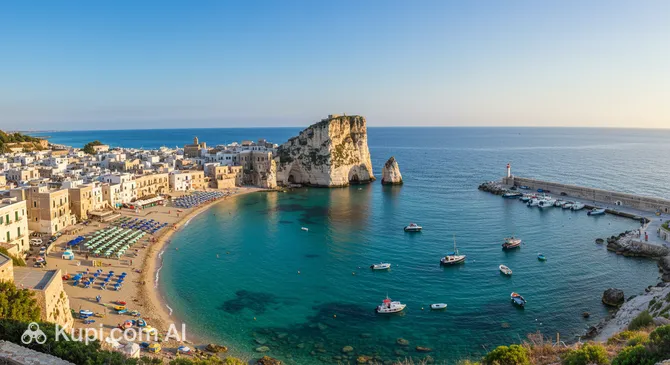
Perched on the easternmost tip of the Gargano promontory, Vieste is often hailed as the "Pearl of the Gargano." This picturesque town in the Province of Foggia offers a breathtaking mix of white limestone cliffs, crystal-clear waters, and a charming medieval center. As one of the most popular summer destinations in Italy, it captivates visitors with its dazzling natural beauty and relaxed coastal atmosphere.

Vieste. Source: Kupi.Binoculars

Geographically, the town is unique because it sits on a rocky peninsula that juts out into the Adriatic Sea, flanked by two long, sandy beaches. With a population of approximately 14,000 residents, it transforms into a bustling hub during the tourist season while retaining its authentic character. The history of Vieste is deeply etched into its architecture, from the narrow, winding streets of the old town to the ancient watchtowers that once guarded the coast against pirate attacks.

Travelers are drawn here not just for the sun, but for iconic landmarks like Pizzomunno, a massive limestone monolith standing guard on the Scialara beach, which is the subject of a touching local legend. The imposing Swabian Castle and the beautiful Cathedral of Santa Maria Assunta are also must-see highlights that showcase the town's rich heritage. Whether you are looking to explore spectacular sea caves or simply soak up the sun, Vieste promises an unforgettable Mediterranean escape.

Weather Overview

Vieste enjoys a pleasant Mediterranean climate characterized by hot, sunny summers and mild winters. During the peak holiday season in July and August, average temperatures hover around 25-26°C, with daytime highs often reaching nearly 28°C. This period is the driest of the year, with very little rainfall and only about 3 to 5 wet days per month, creating ideal conditions for beach lovers.

The winter months are cooler but rarely freezing, with January seeing an average temperature of approximately 9.5°C. Precipitation becomes more frequent in late autumn, particularly in November, which typically experiences around 12 wet days. For those planning a trip, checking the detailed weather in Vieste can help with packing. Overall, you can expect warm, dry summers and mild, moderately wet winters.

Interesting Facts

Beyond the main attractions, Vieste holds many fascinating secrets and local traditions that add depth to its coastal beauty. Here are a few intriguing details about this pearl of the Gargano that you might not find in a standard brochure.

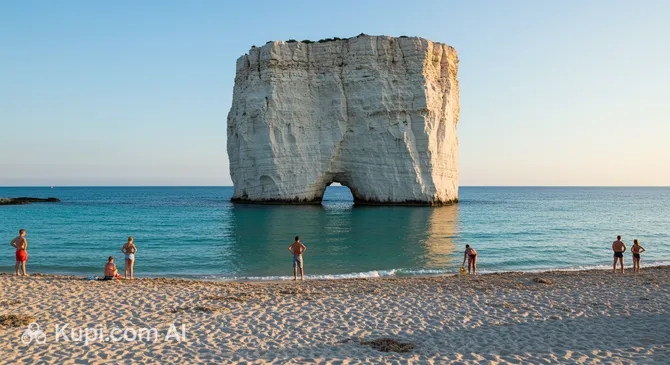
Pizzomunno Monolith. Source: Kupi.Binoculars
  • The towering Pizzomunno Monolith is central to a heartbreaking local legend. It is said that the rock is actually a young fisherman named Pizzomunno, who was turned to stone by jealous sirens because of his undying love for a girl named Cristalda. According to the myth, the lovers are reunited for just one night every hundred years.

  • In the heart of the old town, you can find the Staircase of Love of Vieste. This colorful flight of steps is painted with the lyrics of the song "La Leggenda di Pizzomunno" presented at the Sanremo Music Festival, making it a romantic landmark where couples often stop for a photograph.

  • The coastline around the city is dotted with "Trabucchi," ancient wooden fishing machines that resemble giant spiders perched on the cliffs. These ingenious structures allowed locals to fish safely without venturing into the open sea during storms, and today many are preserved as historical monuments or converted into unique restaurants.

  • The name "Vieste" is believed by some historians to derive from a pagan temple dedicated to Vesta, the Roman goddess of the hearth, which supposedly stood on the site where the city's cathedral is located today.

How to Get There

Reaching the scenic town of Vieste usually involves a combination of travel methods, as it is secluded on the tip of the Gargano promontory. While the journey might require a transfer, the drive offers spectacular views of the coast and the national park. For a complete guide on transport options and routes, you can read more about how to get to Vieste.

The city of Vieste does not have its own airport, but you can fly into Palese Airport (IATA: BRI) in the city of Bari, which is about 96 km from Vieste. This is the most common gateway for international travelers, handling a large volume of passengers annually. The transfer from Bari to Vieste typically takes around 2 hours and 45 minutes by taxi or rental car. Another option is the smaller Gino Lisa airport (IATA: FOG) in Foggia, located approximately 73 km away. Although it serves fewer flights, it is geographically closer, with a travel time of about 2 hours and 10 minutes. You might also consider Abruzzo Airport (IATA: PSR) in Pescara, which is roughly 175 km north of the town.

For clarity, here is a summary of the main airports:

Airport Name City Passenger Traffic Km from City
Palese Airport Bari Large 96.2
Abruzzo Airport Pescara Medium 175.2
Pontecagnano Salerno Medium 175.5
Gino Lisa Foggia Small 72.9
Brac Bol Small 161.4

The city of Vieste does not have a railway station, but you can arrive at the Bari Centrale Station in the city of Bari, which is about 103 km from Vieste. From there, you can get a taxi or bus, which takes about 3 hours. It is a major hub connecting the region to the rest of Italy. Alternatively, travelers may arrive at Naples Centrale Station in Naples, located approximately 196 km away. While further, it is a very significant station with high traffic, though the subsequent transfer to Vieste will take considerably longer.

Below is a list of the nearest major railway stations:

Station City Passenger Traffic Km to Center
Naples Centrale Station Naples Very Large 195.8
Bari Centrale Station Bari Large 102.9
Napoli Afragola High-Speed Railway Station Naples Large 186.7
Mergellina Railway Station Naples Medium 193.6
Salerno Railway Station Salerno 178.1

Main Attractions

Exploring Vieste means immersing yourself in a landscape where natural wonders meet charming urban details. The city offers a variety of sites that range from iconic geological formations to unique artistic corners in the historic center. While the coastline is the main draw, a stroll through the town reveals hidden gems that capture the spirit of the Gargano.

Undoubtedly the most famous symbol of the city is the Pizzomunno Monolith. Located at the very beginning of the Scialara beach, also known as the "Castle Beach," this gigantic limestone rock rises 25 meters out of the sand. It is an imposing sight against the backdrop of the white cliffs and the Swabian Castle. Tourists flock here to admire its sheer size and to take photos of this natural guardian of the coast, which dominates the shoreline and offers a spectacular view, especially at sunset.

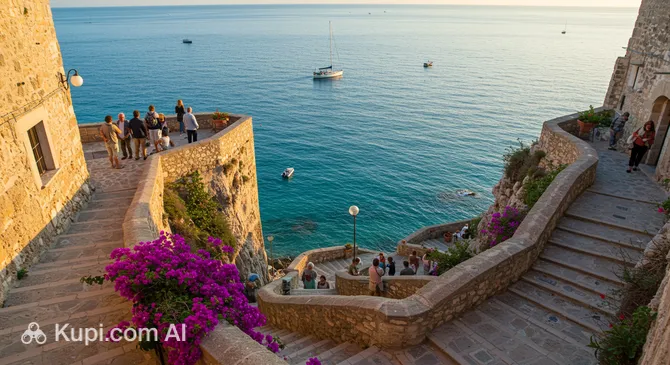
In the heart of the old town, visitors can find a more modern but equally captivating landmark: the Staircase of Love of Vieste. This artistic installation connects the upper part of the historic center with the area near the Town Hall. The steps are painted with the lyrics of the song "La Leggenda di Pizzomunno" by Max Gazzè, turning a simple walk into a poetic journey. It has become a favorite spot for couples and photographers looking to capture the romantic atmosphere of the city.

Staircase of Love of Vieste. Source: Kupi.Binoculars

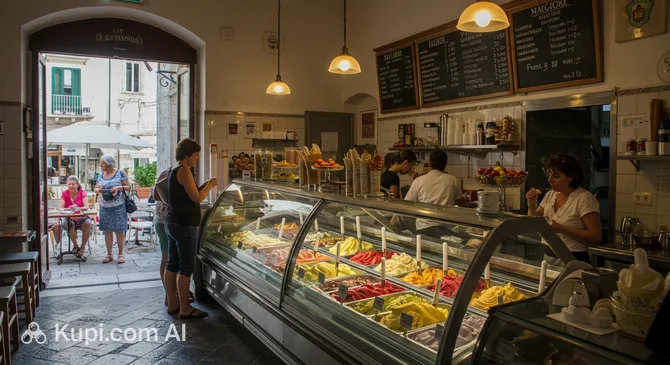
For a taste of local tradition, a stop at Maggiore Artisanal Gelateria is highly recommended. Situated in the lively streets of Vieste, this establishment is renowned for its authentic, handcrafted gelato. It offers a refreshing break after a day of sightseeing, allowing visitors to sample classic Italian flavors and unique local combinations made with fresh ingredients. It is a delightful way to experience the culinary sweetness of the region.

Maggiore Artisanal Gelateria. Source: Kupi.Binoculars

Local Cuisine

The culinary landscape of Vieste is a delicious reflection of its geography, perfectly balancing the bounty of the Adriatic Sea with the rustic traditions of the Gargano hinterland. The local cuisine is simple yet rich in flavor, relying heavily on "zero-kilometer" ingredients like the region's famous extra virgin olive oil, often referred to as "green gold." Seafood lovers will be in paradise here, where fresh catches arrive daily at the port and are transformed into savory masterpieces.

One of the signature dishes you must try is Troccoli, a type of thick, fresh spaghetti with a rough texture designed to hold sauce perfectly. It is traditionally served with a rich cuttlefish sauce or a medley of seafood. Another staple is the classic Orecchiette, often prepared with turnip tops (cime di rapa) or a simple tomato and basil sauce topped with cacioricotta cheese. For a taste of the land, look for Caciocavallo Podolico, an aromatic aged cheese produced from a specific breed of cows that graze in the Gargano National Park.

When it comes to street food or a quick lunch, the Paposcia is a local legend. This sandwich, made from pizza dough and baked in a wood-fired oven, is crispy on the outside and soft on the inside, typically stuffed with tomatoes, mozzarella, and local olive oil. To accompany your meal, try the robust red wines of Puglia, such as Primitivo or Negroamaro. For a digestif, a glass of chilled Limoncello is essential; in this area, it is made from the fragrant "Femminello del Gargano," the oldest lemon variety in Italy.

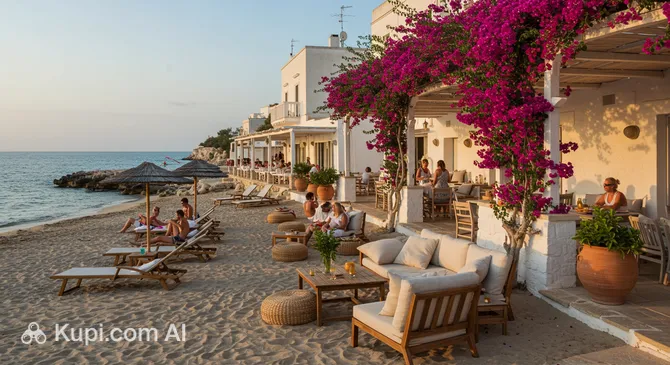
Dining in Vieste offers a range of atmospheric settings, from romantic trattorias hidden in the whitewashed alleys of the historic center to the unique experience of eating on a "Trabucco," an ancient fishing platform converted into a restaurant over the sea. For those seeking an authentic taste of the region's culinary creativity, Pietra Vieste is a notable spot where tradition meets modern presentation. Whether you are enjoying a sunset dinner by the water or grabbing a gelato while strolling the lungomare, the flavors of Vieste are sure to be a highlight of your trip.

Pietra Vieste. Source: Kupi.Binoculars

Travel Tips

To ensure your visit to the "Pearl of the Gargano" is as relaxing and enjoyable as possible, we have compiled a list of essential travel advice. These practical tips will help you navigate Vieste with ease, allowing you to focus on the stunning scenery and local culture.

  1. Clothing and Gear: In the summer, lightweight fabrics, sunglasses, and swimwear are essential, but always pack a light jacket for breezy evenings by the sea. Since the historic center is a maze of steep staircases and cobblestones, comfortable walking shoes are a must; save the high heels for dinner at a flat venue. If you plan to visit the Cathedral of Santa Maria Assunta, remember to dress modestly by covering your shoulders and knees.

  2. Transportation: The best way to explore Vieste itself is on foot, as the old town is pedestrian-friendly and compact. For reaching nearby beaches or exploring the Gargano National Park, a rental car gives you the most freedom, though parking can be scarce and expensive in July and August. Local buses are available for trips to neighboring towns like Peschici, but schedules can be less frequent on Sundays.

  3. Finances: The local currency is the Euro (€). While credit cards are widely accepted in hotels and restaurants, it is wise to carry cash for small purchases at gelaterias, markets, or beach kiosks. ATMs (Bancomat) are readily available throughout the town. Tipping is not mandatory, as a "coperto" (cover charge) is usually added to the bill, but leaving a small amount for good service is appreciated.

  4. Health and Safety: Vieste is generally a very safe destination for tourists. Pharmacies are marked with a green cross and are typically open during business hours, with a rotating schedule for nights and Sundays. In case of minor health issues, there is a "Guardia Medica Turistica" (Tourist Medical Guard) active during the summer season. For serious emergencies, dial 112.

  5. Communication: Italian is the primary language. While staff in the tourism sector usually speak English, it is less common among older locals or in smaller shops. Learning a few basic phrases like "Buongiorno" (Good morning) and "Grazie" (Thank you) goes a long way. Free Wi-Fi is often available in cafes and hotels, but buying a local SIM card is recommended for reliable navigation around the promontory.

  6. Local Etiquette: Respect the Italian tradition of the riposo (afternoon break). Many shops and businesses close between 1:30 PM and 4:30 PM, so plan your shopping or errands for the morning or late afternoon. When entering a store or restaurant, it is polite to greet the staff. Also, beachwear is strictly for the beach; cover up when walking through the town streets.

  7. What to Avoid: Do not expect to dine early. Restaurants in Vieste, like much of Southern Italy, typically start serving dinner around 8:00 PM or later. Arriving at 6:00 PM might find you facing closed doors or an empty kitchen.

  8. Additional Tip: If you want to explore the famous sea caves along the coast, book your boat tour in the morning at the port. The sea is generally calmer in the first half of the day, making the experience of entering the grottoes much more pleasant and photogenic.

Armed with these tips, you are ready to experience the authentic charm of Vieste without the stress of the unexpected. Embrace the slow pace of Apulian life, enjoy the warm hospitality, and have a wonderful trip!

Entertainment & Nightlife

As the sun sets over the Adriatic, Vieste transforms from a sun-drenched beach destination into a lively hub of evening activity. The nightlife here is distinctively Italian: it is less about thumping mega-clubs and more about the "dolce vita" lifestyle—long dinners, vibrant street promenades, and open-air beach parties. The atmosphere is friendly and relaxed, attracting a mix of families, couples, and groups of friends who gather to enjoy the warm summer breeze and the illuminated beauty of the town.

The heartbeat of the evening is undoubtedly the Historic Center (Centro Storico). Its narrow, cobblestone streets come alive with shops staying open late, street performers, and bustling piazzas. This is the perfect place for the traditional passeggiata (evening stroll). Conversely, the Lungomare Enrico Mattei (Pizzomunno Beach) and Lungomare Europa offer a different vibe. Here, many of the beach establishments, known as "lidos," convert into lounge bars and open-air discos after dark, hosting DJ sets and dance parties right by the sea.

A typical night out in Vieste revolves around culinary pleasures. You might start with a sophisticated dinner at Pietra Vieste, a venue known for its modern take on local flavors and its inviting ambiance. Dining here is a slow, enjoyable affair that often lasts until late. After dinner, it is customary to grab a sweet treat. No evening stroll is complete without stopping at Maggiore Artisanal Gelateria. Located in the busy center, it is a favorite spot for locals and tourists alike to enjoy a cone while people-watching in the lively streets.

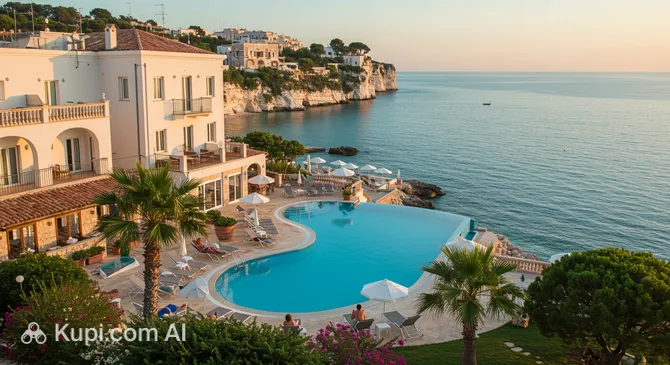
For those looking to extend the night near the water, the resort areas along the coast often feature entertainment. Establishments like Scialì Hotel are situated in prime locations where the energy shifts from daytime relaxation to evening socialization. The dress code in Vieste is generally "smart casual." While beachwear is fine for the lidos during the day, people tend to dress up a bit more—think linen shirts and summer dresses—when heading into the Old Town for the night.

Scialì Hotel. Source: Kupi.Binoculars

Practical Advice: The nightlife in Vieste peaks late. Restaurants are busiest around 9:00 PM or 9:30 PM, and bars start to fill up after 11:00 PM. Prices are generally reasonable compared to other major Italian tourist spots; a cocktail might cost between €6 and €10. The town is very safe for night walks, even in the winding alleys of the old center. Taxis are available but can be scarce late at night, so it is often easier to stay within walking distance of your accommodation or arrange transport in advance if you are staying far from the center.

While the nights are for socializing, daytime entertainment in Vieste is more focused on nature and culture. Apart from the beaches, you can visit the Malacological Museum, which houses a vast collection of sea shells, or enjoy a boat tour to the sea caves. For families, the town offers small amusement areas and open-air events during the peak summer season, ensuring there is something to do at any hour of the day.

Parks & Museums

While Vieste is primarily celebrated for its stunning coastline, the city also serves as a cultural gateway and a perfect base for exploring the lush greenery of the region. Visitors will find that the area offers a harmonious blend of protected natural environments and repositories of local history, providing a deeper understanding of the Gargano's unique heritage beyond its sandy shores.

The most significant natural asset surrounding the city is the vast Gargano National Park. Vieste acts as a strategic entry point to this protected area, which includes the magnificent Foresta Umbra (Umbra Forest). Located just a short drive inland, this UNESCO World Heritage site is an ancient beech forest that feels worlds away from the beach. It offers cool, shaded trails perfect for hiking, mountain biking, and picnicking, allowing tourists to observe diverse flora and wild orchids unique to the promontory.

Closer to the town center, the coastline itself functions as a natural park. The geological formation of the Pizzomunno Monolith marks the beginning of a stretch of nature that includes breathtaking sea caves and limestone arches. Boat tours often explore these natural galleries carved by the sea, which are considered some of the most impressive geological features in Apulia.

In terms of museums, the Malacological Museum (Museo Malacologico) is a fascinating highlight for visitors of all ages. Situated near the historic center, this museum houses an extraordinary collection of over 10,000 sea shells from around the world and the local Adriatic waters. It provides an intriguing look at marine biodiversity and the history of fossils found in the region, making it a perfect educational stop, especially for families.

For history enthusiasts, the Swabian Castle (Castello Svevo) stands as a testament to Vieste's military past. While it is currently a military installation and often only open for specific exhibitions or events, its imposing exterior dominates the skyline. Nearby, the Civic Archaeological Museum (often hosted within historical buildings like the former convent of San Francesco) preserves artifacts ranging from prehistoric flints to Roman anchors, telling the story of the civilizations that have settled on this rocky spur over millennia.

For a truly unique experience that blends nature and archaeology, seek out the La Salata Necropolis. Located a few kilometers from the town, this Early Christian burial complex is set within a natural oasis rich in streams and vegetation. It is considered one of the most important archaeological sites in the Mediterranean basin, offering a serene and somewhat mystical atmosphere that remains off the radar of many mainstream tourists.

Getting Around

Navigating the public transport system in Vieste is relatively straightforward, reflecting the town's compact nature and relaxed coastal atmosphere. Since it is a small municipality, there are no metro, tram, or trolleybus systems available. The historic center is best explored on foot due to its pedestrian-only zones and narrow alleys, while the primary form of motorized public transportation consists of an urban bus network that connects the town center with the port, residential areas, and the extensive stretches of beaches.

The urban bus service is operated by Fini Viaggi. During the summer season, these buses function as essential shuttles, frequently running along the two main seafronts, Lungomare Enrico Mattei (south) and Lungomare Europa (north). This is particularly useful for tourists staying in the many camping villages and hotels located along the coast who wish to visit the town center without driving. It is important to distinguish this local service from Ferrovie del Gargano, which primarily operates the intercity buses connecting Vieste to other towns in the region and the nearest train stations.

Regarding the payment system, you cannot usually pay with contactless cards or apps directly on the bus. You must purchase a physical ticket before boarding. Single-journey tickets are quite affordable, typically costing around €1.00 to €1.50. For practical advice, the most important rule is to buy your ticket in advance at "Tabacchi" shops (look for the big "T" sign), newsstands, or authorized retailers. Once you board the bus, remember to validate your ticket in the machine to avoid fines.

Given the scenic nature of the coastline and the proximity of the Umbra Forest, many visitors opt for independent transport over public buses. Car and scooter rentals are extremely popular and offer the freedom to explore hidden coves and the winding roads of the promontory at your own pace. Bicycles are also a great option for getting around the flat seafront promenades. Taxis are available but are generally found at specific ranks, such as near the port or the bus terminal, rather than being hailed on the street. They can be more expensive, so it is advisable to agree on a fare before starting your journey.

Accommodation

Finding the perfect place to stay in Vieste is relatively easy, as the town offers a diverse array of accommodation options tailored to every type of traveler. The range spans from budget-friendly "villaggi turistici" (holiday villages) and camping sites, which are incredibly popular in this part of the Gargano, to charming Bed & Breakfasts hidden in the historic center. For those seeking more comfort and amenities, there are numerous mid-range hotels and a selection of luxury resorts located directly on the seafront.

When choosing where to stay, location is key. The Historic Center is ideal for couples and those who want to be immersed in the town's medieval atmosphere, though it involves navigating steep staircases and narrow alleys. Families and beach lovers often prefer the areas along the two main promenades: Lungomare Enrico Mattei (famous for the Pizzomunno Monolith) and Lungomare Europa. These areas offer flat, easy access to the sandy beaches and are lined with hotels and resorts that cater to summer vacationers.

For visitors looking for a relaxing beachside experience, the coastline is dotted with establishments that combine proximity to the sea with modern comforts. A notable example is the Scialì Hotel, which is situated near the popular Scialara beach. Staying in such locations allows tourists to enjoy the convenience of private beach access while being just a short distance from the lively evening activities of the town center.

The price range for accommodation in Vieste varies significantly depending on the season. In the shoulder months of May, June, and September, you can find excellent value for money, with prices remaining quite reasonable. However, during the peak summer months of July and August, rates for all types of lodging increase substantially. Booking is typically done through major online platforms, though many local B&Bs and holiday villages also accept direct inquiries, sometimes offering better rates or specific packages.

Booking Tip: Vieste is one of the most popular summer destinations in Puglia, and availability disappears quickly. If you plan to visit in August, especially around the "Ferragosto" holiday (August 15th), it is highly recommended to book your accommodation at least 4 to 6 months in advance to secure your preferred location and avoid inflated last-minute prices.

Nearby Cities

Nearby Cities:

Although Vieste is situated on the far tip of the Gargano promontory, it serves as a great base for exploring the wider region of Puglia. The town is surrounded by landscapes of extraordinary beauty, and a short drive allows visitors to discover several significant urban centers in the Province of Foggia and beyond. These neighboring cities offer a mix of historical architecture, shopping districts, and cultural heritage that complements the seaside experience.

The closest major town is Manfredonia, located just south of the promontory. It is often considered the gateway to the Gargano and is famous for its medieval castle and busy port. Further inland lies Foggia, the provincial capital and the main administrative hub of the area. For those interested in art and history, the cities of Barletta and Andria are within reach for a day trip, offering impressive cathedrals and fortresses. Cerignola is another notable center known for its agricultural traditions and large cathedral.

Below is a list of the nearest major cities, sorted by their distance from Vieste:

City Population Distance (km)
Manfredonia 56,906 35
Barletta 94,477 63
Foggia 151,372 70
Cerignola 58,540 72
Andria 99,857 74

Shopping & Souvenirs

Shopping:

Shopping in Vieste offers a delightful and relaxed experience that mirrors the town's laid-back coastal atmosphere. Unlike major metropolitan hubs dominated by massive commercial centers, this pearl of the Gargano is defined by small, independent businesses. Visitors will find a charming array of boutiques, artisan workshops, and "bottegas" that focus on quality, tradition, and local craftsmanship rather than mass-produced goods.

The main shopping activity is concentrated along Corso Lorenzo Fazzini and Viale 24 Maggio. These bustling avenues serve as the town's modern commercial heart, lined with shops selling clothing, beachwear, jewelry, and summer accessories. For a more atmospheric experience, head into the winding alleys of the Historic Center (Centro Storico). Here, tucked away in medieval buildings, you will discover unique souvenir shops, art studios, and stores dedicated to local gastronomy, perfect for browsing during an evening stroll.

Travelers should note that there are no large shopping malls or department stores within the city limits of Vieste. The retail landscape is distinctly local. For those seeking international fashion chains or a large-scale shopping center experience, the nearest options are located near the city of Foggia, such as the GrandApulia shopping centre, which is about an hour and a half drive away.

Markets play a significant role in the daily life of the residents and offer an authentic glimpse into Apulian culture. The primary weekly market typically takes place on Monday mornings near the Europa seafront area. It is a vibrant, colorful affair where vendors sell everything from fresh seasonal fruit and vegetables to clothing, shoes, and household goods at bargain prices. It is an excellent place to mingle with locals and experience the lively banter of southern Italian commerce.

When it comes to souvenirs, the best items to bring back from Vieste are undoubtedly edible ones. The region is famous for its "green gold"—Extra Virgin Olive Oil—produced from the ancient groves of the Gargano. Other must-buy items include bags of handmade Orecchiette (the traditional ear-shaped pasta), jars of pickled vegetables, and the savory ring-shaped crackers known as Taralli. For non-food gifts, look for colorful hand-painted ceramics or objects carved from local olive wood.

Store opening hours in Vieste follow the traditional Italian schedule, which includes a midday break known as the riposo. Shops generally open around 9:00 AM, close for lunch between 1:00 PM and 4:30 PM, and then reopen until the evening. However, during the peak summer season (July and August), the evening shift extends significantly, with many shops in the center remaining open until midnight or even later to accommodate the crowds enjoying the nightlife.

Regarding payments, major credit and debit cards are widely accepted in most boutiques and supermarkets. However, smaller artisan shops, market stalls, and kiosks may prefer or require cash, so it is always wise to carry some euros. Non-EU tourists should look for the "Tax Free" signage in shop windows, although this is more common in high-end boutiques than in the smaller local stores typical of Vieste.
Reached the end of the page?

That means the route is fully explored