Support

Bol

About

Nestled on the southern side of the island of Brač, Bol is a picturesque town that captures the true essence of the Mediterranean. As one of the most renowned destinations in Croatia, it offers a perfect blend of natural beauty, crystal-clear waters, and authentic island charm. Although it is a popular tourist hub, the town maintains a welcoming atmosphere with a permanent population of approximately 1,600 inhabitants, making it lively yet intimate.
Bol. Source: Kupi.Binoculars

Geographically, Bol is situated in the Split-Dalmatia County at the foot of the Vidova Gora mountain. This unique location provides the town with a pleasant microclimate, characterized by long, sunny summers and mild winters. While it is a modern vacation spot today, the history of Bol is quite deep, as it is celebrated as the oldest coastal settlement on the island, filled with stone houses and narrow winding streets that whisper tales of the past.

The town is globally famous for the Zlatni Rat (Golden Horn) beach, a spectacular pebble spit that changes shape with the wind and currents. Beyond the beach, visitors can hike up to Vidova Gora, the highest peak on the Adriatic islands, which offers breathtaking panoramic views. For those interested in culture, the elegant 15th-century Dominican Monastery provides a serene escape and a glimpse into the region's artistic heritage.

Whether you are a windsurfing enthusiast looking to catch the afternoon "maestral" breeze or a traveler seeking a relaxing seaside retreat, Bol promises an unforgettable experience. Its combination of stunning landscapes, rich culture, and warm hospitality makes it a must-visit location on any Dalmatian itinerary.
Weather Overview

Bol enjoys a classic Mediterranean climate, making it a delightful destination throughout most of the year. The typical weather pattern features hot, dry summers and mild, wetter winters. July and August are the peak summer months, boasting average temperatures around 24°C to 25°C and highs reaching nearly 28°C, while rainfall is exceptionally scarce with only about 1mm of precipitation.

As the seasons change, the town experiences a shift in conditions. The shoulder seasons of May and September are particularly pleasant, offering average temperatures of roughly 17°C to 21°C, which is perfect for outdoor activities. To help plan your visit effectively, you can view the detailed forecast for the weather in Bol before you travel.

Winter brings cooler air and more frequent rain, though it rarely gets freezing. January is generally the coldest month with an average temperature of 7.5°C, and the period from November to December sees the highest frequency of wet days, ranging from 14 to 15 days per month. Despite the increase in rain, the mild temperatures ensure that the island remains a welcoming place even during the off-season.

Interesting Facts

Beyond the main attractions, Bol holds many fascinating secrets and unique phenomena that surprise even seasoned travelers. From architectural oddities to mysterious caves, the town offers a deeper glimpse into the history and legends of the island of Brač.
  • One of the most curious local landmarks is the "House in a House" (Kuća u kući). According to legend, a wealthy family tried to force a peasant to sell his land by building walls around his small home; he stubbornly refused to leave, and today his original house still stands preserved inside the walls of the unfinished palace.

  • Although famous for its beauty, the Golden Horn Beach is a geological marvel that never stays the same. The tip of the beach is so sensitive to the elements that it constantly shifts its shape and direction, sometimes moving significantly to the left or right depending on the wind and sea currents.

  • Bol is distinguished as the oldest coastal settlement on the island of Brač. Unlike other historic villages on the island, which were built inland to hide from pirate attacks, Bol developed boldly right along the waterfront, with the Bol Port serving as a central hub for centuries.

  • High above the town lies the Dragon’s Cave (Zmajeva špilja), a mysterious site where Glagolitic priests sought refuge in the 15th century. The cave walls are covered in strange reliefs that blend Christian iconography with Slavic pagan mythology, including the carving of a dragon that gives the cave its name.

Golden Horn Beach. Source: Kupi.Binoculars

How to Get There

Reaching this beautiful island destination is part of the adventure, involving a mix of air and sea travel. For a comprehensive guide on all available transport methods, routes, and tips, you can read more about how to get to Bol.

The most convenient entry point for many travelers is the local Brac airport (IATA: BWK), situated directly on the island just 3.4 km from the town center. Although it is a smaller regional hub with an annual traffic of around 22,000 passengers, it allows you to land right on the doorstep of your vacation spot. The short transfer by taxi or bus typically takes approximately 25 minutes.

For a wider range of international connections, the Split Airport (IATA: SPU) is the primary gateway. Located in the city of Split on the mainland, about 42.1 km from Bol, this major airport handles over 3.6 million passengers annually. Since Bol is on an island, the journey from Split requires a transfer to the ferry port, followed by a scenic catamaran or ferry ride across the channel.

Another option on the mainland is Zadar Airport (IATA: ZAD), located in Zadar, roughly 141.2 km away. While it is further afield, it serves as a good alternative for those exploring the broader Dalmatian coast, with a travel time to the ferry ports taking significantly longer due to the distance.

For clarity, here is a summary of the main airports:

Airport Name City Passenger Traffic Km from City
Split Airport Split Large 42.1
Sarajevo International Airport Sarajevo Medium 149.3
Zadar Airport Zadar Medium 141.2
Brac Bol Small 3.4
Mostar Airport Mostar Small 96.8

The city of Bol does not have a railway station, and train travel is generally not the primary method for reaching the Dalmatian islands. The nearest major station listed in the region is Bari Centrale Station (IATA: BAU) in the city of Bari, Italy. It is located approximately 238.9 km from Bol across the Adriatic Sea. While it is a major hub with 14 million annual passengers, arriving here would necessitate a subsequent international ferry crossing to reach the Croatian coast.

Below is information regarding the nearest major railway station:

Station City Passenger Traffic Km to Center
Bari Centrale Station Bari Large 238.9

Main Attractions

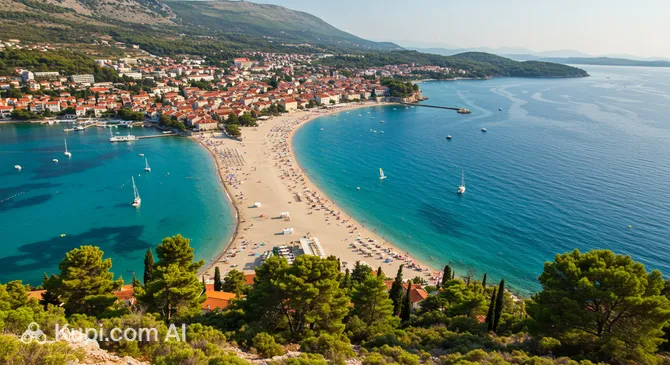
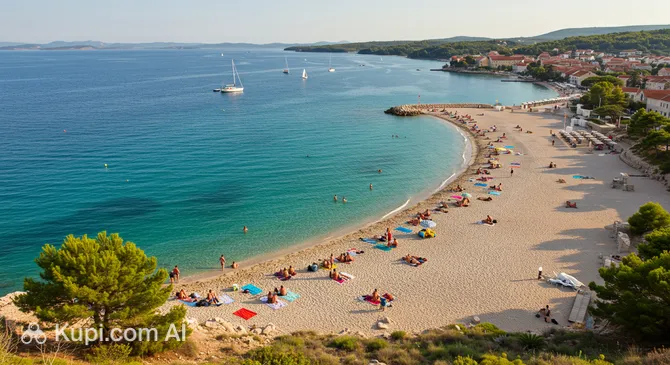
Undoubtedly, the most iconic landmark in Bol is the Golden Horn Beach (Zlatni Rat). This natural phenomenon is frequently cited as one of the most beautiful beaches in Europe, famous for its unique pebbled tip that extends roughly 500 meters into the Adriatic Sea. What makes it truly fascinating for tourists is its shapeshifting nature; the tip of the beach constantly changes its direction and form depending on the wind and waves. Surrounded by a lush pine forest that offers natural shade, it is also a premier destination for windsurfers and kitesurfers due to the favorable Maestral winds.

Golden Horn Beach. Source: Kupi.Binoculars

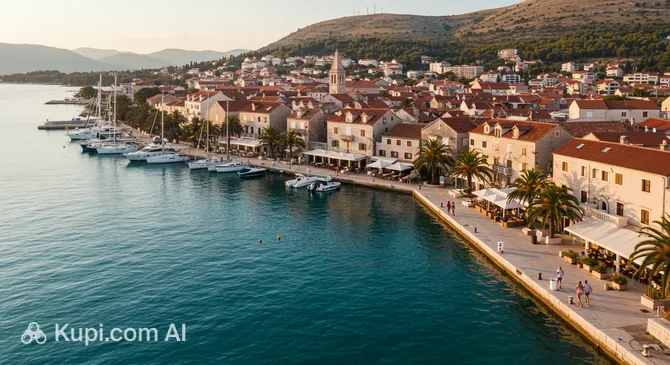
The heart of the town beats at the Bol Port, a charming waterfront area that serves as the central hub for local life and tourism. Lined with traditional white stone houses, cafes, and restaurants, the promenade is perfect for a relaxing evening stroll. Visitors are drawn here to watch the fishing boats and yachts dock, enjoy fresh seafood, or simply soak in the lively Mediterranean atmosphere. It is also the departure point for many excursions to nearby islands, making it a convenient and picturesque base for exploration.

Bol Port. Source: Kupi.Binoculars

For those seeking panoramic views and outdoor adventure, Vidova Gora is an unmissable attraction. Rising 778 meters above sea level, it stands as the highest peak on all the Adriatic islands. Hikers can tackle the marked trail starting from Bol, which rewards them with breathtaking vistas over the Golden Horn, the Hvar Channel, and the neighboring island of Hvar. Whether you choose to hike or drive to the top, the summit offers a spectacular vantage point that captures the rugged beauty of the Dalmatian coast.

Culture enthusiasts will find peace and history at the Dominican Monastery, situated on the Glavica peninsula just a short walk from the town center. Founded in 1475, this architectural gem houses a valuable museum with a collection of prehistoric items, numismatics, and underwater archeology. The monastery is also home to a beautiful botanical garden and boasts an impressive collection of artwork, including a painting of the Madonna and Child attributed to the workshop of the famous Venetian master Tintoretto.

Local Cuisine

The culinary scene in Bol is a delightful reflection of its Dalmatian heritage, characterized by simple yet flavorful preparation methods that highlight the freshness of local ingredients. The foundation of almost every meal is the high-quality olive oil produced on the island of Brač, often cited as some of the best in the region. Visitors can expect a diet rich in fresh seafood, locally raised meat, and seasonal vegetables, all seasoned with wild Mediterranean herbs like rosemary and sage.

One of the most authentic dishes you must try is Brački vitalac, a protected intangible cultural heritage of the island. This ancient shepherd's dish consists of lamb offal wrapped in lamb intestines and roasted on a spit until crispy. For those who prefer classic cuts, lamb on the spit or baked under a "peka" (an iron bell covered with hot coals) is a staple of local festivities. Naturally, given the coastal location, seafood is abundant; grilled fish, black risotto with cuttlefish, and octopus salad are standard offerings in most taverns.

No meal in Bol is complete without a glass of local wine. The southern slopes of Brač are famous for their vineyards, particularly those cultivating the Plavac Mali grape variety. This produces a robust red wine that pairs perfectly with the island's hearty meat dishes and aged cheeses. For a non-alcoholic refreshment or a sweet finish, look for herbal teas or syrups made from local sage and heather.

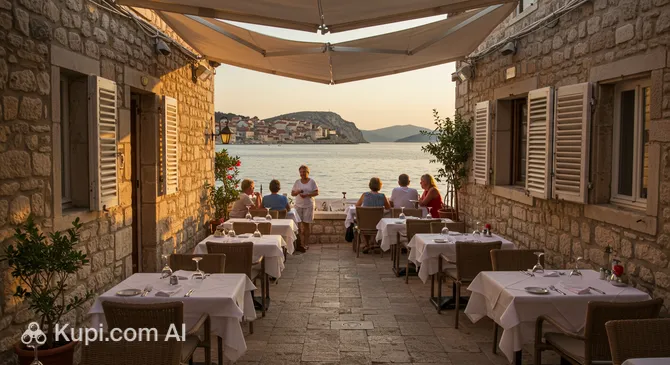
The dining atmosphere in Bol ranges from relaxed, family-run taverns known as "konobas" to more contemporary establishments along the waterfront. Locals typically enjoy long, leisurely meals where the focus is as much on socializing as it is on eating. A great example of the town's welcoming gastronomic environment is Argento, a restaurant that offers a mix of traditional flavors and modern presentation, allowing visitors to taste the essence of the region in a lovely setting.

Argento. Source: Kupi.Binoculars

Whether you are grabbing a quick bite from a bakery or settling in for a multi-course dinner by the sea, the food culture here is unpretentious and deeply rooted in tradition. Be sure to leave room for dessert, perhaps trying the famous Hrapoćuša cake, a rustic nut-heavy sweet named after the rough stones of the island's caves.

Travel Tips

Visiting Bol is a seamless experience thanks to its laid-back island vibe, but a few practical preparations will ensure your holiday is completely stress-free. Here are some essential tips to help you navigate local customs, logistics, and the unique environment of this Adriatic gem.

  1. Clothing and Gear: Summer weather calls for lightweight, breathable fabrics and high-SPF sunscreen, while the shoulder seasons require layers for cooler evenings. Since Zlatni Rat and other local beaches are made of pebbles rather than sand, water shoes are highly recommended to protect your feet and make entering the water easier. If you plan to visit the Dominican Monastery or other religious sites, remember to dress modestly by covering your shoulders and knees.

  2. Transportation: The town center is compact and best explored on foot. To reach the famous Golden Horn beach, you can take a scenic walk along the shaded promenade, hop on the popular tourist road train, or catch a taxi boat from the port. While a car is not necessary for staying within Bol, renting one is excellent for exploring the rest of the island or driving up to the Vidova Gora peak. Local buses also connect Bol to other towns like Supetar.

  3. Finances: Croatia uses the Euro (€) as its official currency. While credit cards are widely accepted in hotels, larger restaurants, and supermarkets, you will definitely need cash for small cafes, ice cream stands, and souvenir shops. ATMs are readily available in the town center. Tipping is appreciated; leaving about 10% for good service in restaurants or rounding up the bill in cafes is standard practice.

  4. Health and Safety: Bol is a very safe destination with a low crime rate, making it comfortable for solo travelers and families. There is a pharmacy (ljekarna) in the town center for minor health needs, and a medical clinic is available for tourists. Be cautious of the strong midday sun and stay hydrated. Also, watch out for sea urchins in rocky areas away from the main beach, which is another reason why water shoes are a smart investment.

  5. Communication: The official language is Croatian, but English is spoken fluently by almost everyone in the tourism industry, so you will have no trouble communicating. Learning a few basic words like Dobar dan (Good day) and Hvala (Thank you) goes a long way with locals. Free Wi-Fi is common in bars and restaurants, and prepaid SIM cards can be easily bought at newsstands (look for Tisak kiosks).

  6. Local Etiquette: The lifestyle here is often defined by pomalo—a philosophy of taking things slowly and relaxing. Do not be impatient with service; instead, enjoy the leisurely Mediterranean pace. When greeting people, a handshake and a smile are appropriate. It is also polite to greet shopkeepers when entering and leaving their stores.

  7. What to Avoid: Do not walk around the historic town center or sit in restaurants wearing only your swimwear. This is considered disrespectful and can even result in fines in some coastal towns; always put on a t-shirt or cover-up when leaving the beach area to walk through the streets.

  8. Wind Awareness: Bol is famous for the Maestral wind, which typically picks up in the afternoon. If you prefer calm waters for swimming, head to the beach in the morning. Conversely, if you want to watch windsurfers or try the sport yourself, the afternoon is the prime time to be at Zlatni Rat.

By keeping these simple tips in mind, you will fit right in with the relaxed rhythm of island life. Enjoy the crystal-clear waters, the warm hospitality, and the stunning scenery that make Bol such a special place to visit.

Entertainment & Nightlife

While Bol is often celebrated for its daytime beauty, the town transforms into a vibrant and sophisticated destination once the sun sets. The nightlife here is distinct from the high-energy party scenes found on nearby islands like Hvar; instead, it offers a more relaxed, open-air atmosphere focused on lounge bars, cocktail terraces, and beach parties. The entertainment scene is centered around the waterfront, allowing visitors to hop from one venue to another while enjoying the warm Mediterranean breeze.

The evening typically begins at the Bol Port, which serves as the heart of the town's social life. As dusk falls, the promenade fills with people taking their evening stroll, and the local bars turn up the music. One of the most iconic spots in this area is Varadero, a central open-air cocktail bar situated right on the waterfront. Nestled under pine trees and white canopies, it is the go-to place for locals and tourists alike to enjoy music, dance, and expertly crafted drinks until the early morning hours.

For those who prefer a beachside vibe, the action shifts towards the famous Golden Horn Beach. Here, venues like the Auro Cocktail Bar offer a magical setting where you can lounge on bean bags in the sand, watching the sunset turn into a starry night. These beach bars often host DJ sets and "after-beach" parties that bridge the gap between daytime relaxation and nighttime fun. If you are looking for a more culinary start to your evening, Argento is an excellent choice for a late dinner or a glass of wine in a romantic, quieter setting before heading out to the busier clubs.

The atmosphere in Bol is generally "smart casual" or "beach chic." There is no strict dress code, but people tend to dress up slightly for the evening—think linen shirts and summer dresses rather than swimwear. Prices for cocktails and drinks are comparable to other popular Croatian destinations, with a premium charged for locations with sea views. The peak hours for nightlife are usually between 11:00 PM and 2:00 AM, though many bars stay open later during the height of the summer season.

Beyond the bars, Bol offers a rich cultural program during the warmer months. The Bol Summer Festival (Bolsko lito) organizes numerous events, including open-air theater performances, classical concerts, and "klapa" (traditional a cappella) singing nights in the town squares. Art lovers can visit the Branislav Dešković Art Gallery, located in a Renaissance-baroque palace at the port, which houses a significant collection of Croatian modern art. There is also a charming open-air cinema that screens films under the stars, providing a nostalgic and relaxing entertainment option.

Safety is rarely a concern in Bol; the town is very safe for night walks, even for solo travelers. Since the center is compact, you can easily get around on foot. Most nightlife venues are within walking distance of the main accommodation areas. However, if you are staying further out or need a ride after a long night, taxis are available at the main rank near the bus station, and a tourist road train connects the port to the beaches during the day and evening.

Parks & Museums

Bol is a destination where natural splendor and cultural heritage are inextricably linked, offering visitors much more than just sun and sea. The town is surrounded by lush Mediterranean vegetation and steeped in history, providing a variety of green spaces and artistic venues that reflect the soul of the island of Brač.

While the Golden Horn Beach is primarily known for its swimming and sunbathing, the extensive pine forest that borders the pebble spit serves as the town's most popular natural park. This verdant area offers a cool retreat from the summer heat and features walking paths that are perfect for a leisurely stroll or a morning jog. Another serene green oasis can be found within the grounds of the Dominican Monastery, which boasts a beautifully maintained botanical garden. Here, visitors can admire a diverse collection of Mediterranean plants while enjoying the quiet atmosphere of the monastery courtyards.

For art lovers, the Branislav Dešković Art Gallery is a cultural gem located directly on the waterfront at the Bol Port. Housed in a stunning Renaissance-baroque palace from the late 17th century, the gallery is named after a notable sculptor who was a native of the area. It displays a rich collection of modern Croatian art, featuring works by renowned painters and sculptors who were inspired by the light and landscapes of the island. The historic building itself is an architectural landmark, standing out with its elegant stone facade among the traditional houses.

A deep dive into the region's history awaits at the Dominican Monastery Museum. Situated on the Glavica peninsula, the museum holds a fascinating array of exhibits, including prehistoric items, a numismatic collection of ancient coins, and underwater archaeological finds from the surrounding waters. The highlight for many is the monastery's art collection, which includes a precious altar painting of the Madonna and Child, believed to be the work of the legendary Venetian artist Tintoretto.

One of the most intriguing cultural and natural sites is the Dragon’s Cave (Zmajeva špilja), located near the village of Murvica, just a few kilometers west of Bol. This site served as a temple and dwelling for Glagolitic priests in the 15th century. It is famous for the mysterious reliefs carved directly into the living rock, depicting a blend of Christian symbols and Slavic pagan mythology, including the dragon that gives the cave its name. It offers a unique insight into the spiritual life of the island's past inhabitants.

For a truly authentic experience, plan a hike to the Dragon’s Cave with a local guide, as the site is kept locked to preserve its interior and the path requires some physical effort. Additionally, art enthusiasts should check the summer schedule for the Branislav Dešković Gallery, as it often hosts temporary exhibitions and remains open late into the evening, allowing for a cultural visit after a day at the beach.

Getting Around

Given the compact size of the town, the public transport system in Bol is quite different from what you might find in a large metropolis. There is no metro, tram, or trolleybus network here. Instead, the town relies on a simple yet effective combination of tourist-oriented vehicles, boats, and regional buses that are perfectly scaled to the needs of visitors and locals. For the most part, the center is pedestrian-only, making walking the primary and most enjoyable way to get around.

The most popular form of "public transport" within the town is the tourist road train. This is a rubber-tired vehicle designed to look like a train, which runs a regular route along the shaded promenade connecting the port area to the famous Golden Horn beach. It is a favorite among families and those looking to avoid the summer heat. In addition to the train, taxi boats operate frequently along the same route, offering a scenic and refreshing alternative to travel between the town center and the beaches.

For travel beyond the town limits, specifically to other settlements on the island like Supetar or Sumartin, you will rely on the regional bus service. The main bus station is located just a few minutes' walk from the port. These buses are reliable and comfortable, serving as the primary link to the ferry terminals on the other side of the island. While they run regularly, the frequency of connections varies significantly between the busy summer season and the quieter winter months.

Regarding payment, simplicity is key. For the tourist road train and taxi boats, tickets are typically purchased directly from the driver or conductor in cash before boarding. It is highly checking if card payments are accepted, as smaller operators often prefer cash. For regional buses, tickets can be bought at the bus station kiosk, directly from the driver (again, usually cash), or sometimes online via the bus operator's website or app (such as Arriva), which is a good option if you want to secure a seat during peak travel times.

Travelers should keep a few practical tips in mind. Validation machines like those in big cities do not exist here; your receipt from the driver serves as your ticket. Operating hours are strictly seasonal; the tourist train and taxi boats run frequently from morning until late evening during the summer but may cease operations entirely in the off-season. Always check the printed schedules posted at the stops or the bus station, as online information for local specific transit is not always updated in real-time.

If you prefer more independence, there are several alternatives to public transport. Taxis are available and can be found at designated stands near the bus station and the port. For a more adventurous approach, renting a bike or an e-scooter is a very popular choice, allowing you to explore the coastline at your own pace. Additionally, car rentals are available for those wishing to explore the mountain peaks or distant villages, though a car is generally unnecessary for staying strictly within the town.

Accommodation

Accommodation:

Finding the perfect place to stay in Bol is a seamless part of the holiday experience, as the town is well-equipped to host the thousands of visitors who arrive each summer. The accommodation landscape is diverse, ranging from high-end wellness resorts and boutique hotels to a vast selection of private apartments and guesthouses. While there are no massive high-rise hotel chains, you will find elegant complexes that blend naturally with the pine forests and the coastline.

For travelers who prioritize convenience and a lively atmosphere, the area around the Bol Port is the best choice. Staying here puts you right in the center of the action, with easy access to restaurants, cafes, and the catamaran terminal. The historic stone houses in this district often feature charming, renovated apartments that offer an authentic island feel. However, be aware that this area can be a bit noisier in the evenings due to the bustling promenade.

If your main goal is to spend time by the sea, consider the stretch of coastline leading west from the center towards the famous Golden Horn Beach. This area is connected by a beautiful, shaded promenade and is home to several larger hotel resorts that offer comprehensive amenities, including pools, spa centers, and entertainment programs for children. It is a quieter zone compared to the port, making it ideal for families and couples seeking relaxation while remaining within walking distance of the main attractions.

Booking Tip: Bol is an extremely popular destination, especially in July and August. During these peak months, the best rooms and apartments sell out quickly. It is highly recommended to book your accommodation at least 3 to 4 months in advance to secure your preferred location and price. For visits in the shoulder seasons of May, June, or September, you can often find excellent deals even with shorter notice.

The price range varies significantly depending on the type of lodging. Private apartments (often marked as "Apartmani") are generally the most budget-friendly option and provide great value, often including kitchenettes and balconies. Mid-range and luxury hotels command higher prices, particularly those with sea views or direct beach access. Booking is typically done through major online platforms, though many repeat visitors prefer to contact local apartment owners directly to avoid service fees.

Nearby Cities

For those looking to explore the surroundings, Bol serves as an excellent base for day trips to several interesting nearby locations:

The most popular and accessible destination is Split, the vibrant capital of the Dalmatia region. Just a catamaran ride away, this ancient city is built around the spectacular Diocletian's Palace, a UNESCO World Heritage site that dates back to the Roman era. Visitors can wander through the labyrinthine stone streets, explore the historic cellars, and enjoy the bustling atmosphere of the Riva promenade, making it a perfect mix of history and modern urban life.

Another gem located along the coast is Sibenik. Unlike other major coastal cities founded by Greeks or Romans, Šibenik is the oldest native Croatian town on the Adriatic. It is famous for the magnificent Cathedral of St. James, an architectural masterpiece built entirely of stone. The city is also known for its four fortresses, which offer incredible panoramic views of the archipelago and the medieval town center.

For a more relaxed experience, Kaštel Stari offers a glimpse into the history of the nobility. It is the oldest of the seven settlements that make up the town of Kaštela. Here, you can admire the 15th-century Ćipiko Castle and enjoy the local charm of a coastal village that is deeply rooted in viticulture and maritime tradition.

City Population Distance (km)
Split 178,102 33
Zadar 75,082 149
Slavonski Brod 56,769 237
Sibenik 46,332 81
Kaštel Stari 43,349 41

These nearby destinations offer a glimpse into the diverse culture and landscapes of the region.

Shopping & Souvenirs

Shopping in Bol is a delightful, low-stress activity that perfectly mirrors the town's laid-back lifestyle. You will not find sprawling shopping malls or international fashion chains here; instead, the retail scene is dominated by small, independent boutiques, open-air stands, and markets that highlight the island's rich traditions. The experience is less about consumerism and more about discovering unique, locally crafted treasures that serve as perfect mementos of your holiday.

The most iconic souvenir you can take home is anything made from Brač stone. This radiant white limestone, quarried on the island, has been used to build masterpieces like Diocletian's Palace in Split and parts of the White House in Washington D.C. In Bol, you will find it fashioned into smaller, intricate items such as clocks, mortars, vases, and jewelry. These pieces are sold in specialized souvenir shops scattered around the center and along the waterfront promenade.

Gastronomy plays a huge role in the local shopping culture. The island of Brač is famous for its high-quality olive oil and excellent wines, particularly the rich reds made from the Plavac Mali grape. Visitors often purchase bottles directly from local producers or wine shops (vinoteka) in the town center. If you are walking near the Bol Port, you will find several charming stores offering these delicacies, along with jars of fig jam, honey, and bags of aromatic dried lavender.

For daily necessities and fresh produce, the local Green Market (Pazar) is the place to be. Located near the heart of the town, it offers a colorful array of seasonal fruits and vegetables, often sold by the farmers themselves. It is the perfect spot to grab fresh peaches, grapes, or tomatoes for a beach picnic. In addition to the market, there are several well-stocked supermarkets like Studenac and Konzum where you can buy groceries, toiletries, and other essentials.

The promenade that stretches from the town center towards Golden Horn Beach is lined with stalls selling summer gear, from swimwear and hats to inflatable toys and sunglasses. These stands are convenient for picking up last-minute beach essentials. Most shops in Bol stay open late into the evening during the summer season, allowing you to enjoy a leisurely shopping spree after dinner. While supermarkets accept credit cards, smaller souvenir stands and the green market often prefer or require cash, so it is wise to carry some Euros with you.

Reached the end of the page?

That means the route is fully explored