Support

Ancona

About

Ancona is a captivating port city located on the Adriatic coast of central Italy. As the capital of the Marche region, it serves as a vital economic and trade hub, yet it retains a distinct charm often overlooked by travelers rushing to catch a ferry. The city sits on a promontory that juts out into the sea, forming a natural harbor protected by an elbow-shaped curve, which actually gave the city its name—derived from the Greek word Ankon, meaning "elbow".

With a population of approximately 100,000 residents, Ancona offers a lively urban atmosphere balanced by scenic views of the azure waters. The climate here is typically Mediterranean, characterized by warm, sunny summers and mild winters, making it a pleasant destination year-round. The city is uniquely divided into two parts: the historic center on the hill and the modern part laid out on a grid pattern along the coast.
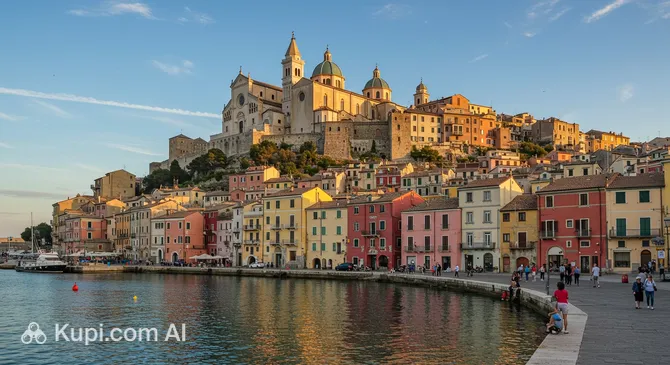
Ancona. Source: Kupi.Binoculars

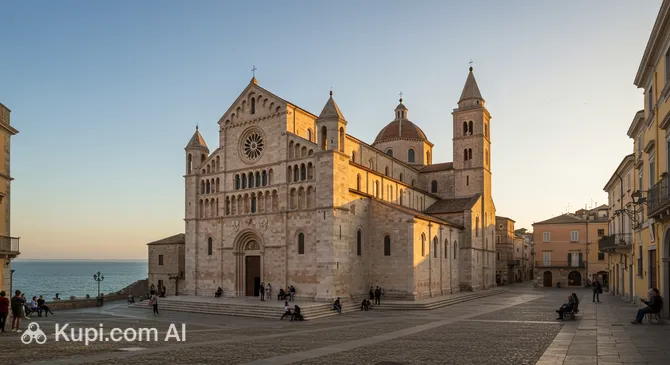
Exploring the history of Ancona reveals a rich tapestry of influences, dating back to its foundation by Greek settlers from Syracuse in the 4th century BC. This deep heritage is visible in the city's architecture and monuments. One of the most striking landmarks is the Cathedral of San Ciriaco, a magnificent Romanesque-Byzantine structure perched high on Guasco Hill, offering panoramic views of the harbor and the sea below.

Another testament to the city's ancient significance is the Arch of Trajan, a remarkably well-preserved Roman monument standing tall at the port entrance. For those seeking natural beauty, the Passetto area offers stunning white cliffs dropping into the sea, complete with a war memorial and elevator access to the rocky beaches below.

Whether you are strolling along the tree-lined avenues, enjoying fresh seafood in a local trattoria, or admiring the sunset from the cathedral grounds, Ancona provides a delightful mix of culture and relaxation. It is a destination well worth a stop for anyone wishing to experience the authentic maritime spirit of the Adriatic.
Weather Overview

The city enjoys a typical Mediterranean climate, making it a pleasant destination for most of the year. Generally, you can expect warm summers with plenty of sunshine and mild, though sometimes damp, winters. The transition seasons of spring and autumn offer moderate temperatures, ideal for sightseeing without the intensity of the peak summer heat.

Summer is the warmest time to visit, particularly in July and August, when average temperatures hover around 26°C and can reach highs of nearly 29°C. These months are also the driest, with very few rainy days, perfect for enjoying the nearby beaches. In contrast, winter sees average temperatures dropping to around 8°C or 9°C in January and February. While extreme cold is rare, these months, along with late autumn and spring, tend to be wetter; for instance, May and November typically record the highest number of wet days.

For travelers planning their packing list, it is useful to check the detailed forecast before departure. You can find more specific information about the weather in Ancona to help you decide on the best time for your trip. Overall, the climate is inviting, with the sea breeze often tempering the summer heat and keeping the winters relatively gentle.

Interesting Facts

Beyond the main attractions, Ancona holds many fascinating secrets that reveal its unique geographic and cultural character. Here are a few surprising details that make this city truly special and worth exploring in depth.
  • Due to its distinctive elbow-shaped promontory, Ancona is one of the very few cities in Italy where you can watch both the sunrise and the sunset over the sea from the same location, a phenomenon best observed during the summer months.

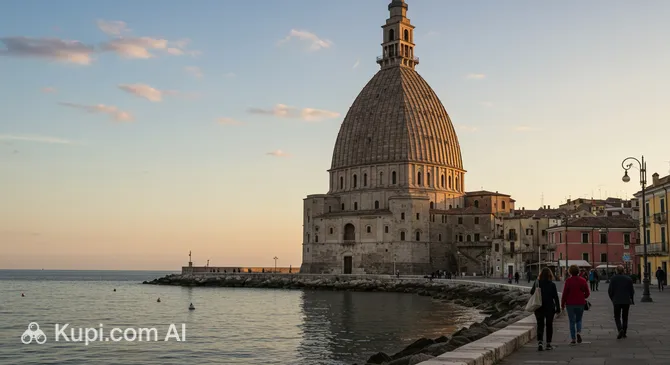
  • The Mole Vanvitelliana is an architectural rarity: a pentagonal building located on an artificial island. Originally constructed in the 18th century as a lazaretto (quarantine station), it now serves as a vibrant cultural venue surrounded by water.

  • Art becomes accessible to everyone at the Omero Tactile Museum, a pioneering institution where the "do not touch" rule does not apply. It is one of the few museums in the world dedicated to allowing visitors to physically touch sculptures and models, catering specifically to the visually impaired.

  • The cliffs beneath the Passetto district hide a unique local tradition: the "Grottos." These are colorful, man-made caves carved directly into the rock by generations of fishermen to store their boats and gear, creating a picturesque hidden village right on the water's edge.

Mole Vanvitelliana. Source: Kupi.Binoculars

How to Get There

Reaching the capital of the Marche region is relatively straightforward, with options to suit different itineraries and travel preferences. Whether you prefer flying directly to the coast or taking a scenic train ride through central Italy, the city is well-connected to the rest of the country. You can read more about how to get to Ancona to plan your arrival in detail.

The most convenient entry point for air travelers is Ancona Falconara Airport (AOI), also known as Raffaello Sanzio Airport. It is located directly in the Ancona area, approximately 12 km from the city center. A trip by taxi or shuttle bus from this airport usually takes about 40 minutes, making it the fastest way to start your visit. For additional flight options, you might consider Miramare Airport (RMI) in the city of Rimini, which is about 86 km from Ancona. The transfer from Rimini can take around 2.5 hours by road.

For clarity, here is a summary of the main airports serving the region:

Airport Name City Passenger Traffic Km from City
Abruzzo Airport Pescara Medium 141.6
Ancona Falconara Airport Ancona Medium 12.0
Sant Egidio Airport Perugia Medium 98.8
Miramare Airport Rimini Small 85.6
Luigi Ridolfi Forli Small 132.7

If you are traveling by rail, you may find yourself connecting through some of Italy's major transportation hubs before reaching the Adriatic coast. While Ancona has its own station, long-distance travelers often pass through Bologna Centrale Station (IBT) in the city of Bologna, which is a key junction located about 200 km away. Another significant hub is Firenze Santa Maria Novella Station (ZMS) in Florence, situated approximately 183 km from Ancona. From these major cities, you can easily catch a connecting train or arrange other transport to complete your journey.

Below is a list of major railway stations that serve as key transit points for reaching the area:

Station City Passenger Traffic Km to Center
Roma Termini Station Rome Very Large 206.8
Firenze Santa Maria Novella Station Florence Large 183.4
Bologna Centrale Station Bologna Large 200.3
Tiburtina Railway Station Rome Large 204.8
Firenze Campo di Marte Railway Station Florence Medium 181.0

Main Attractions

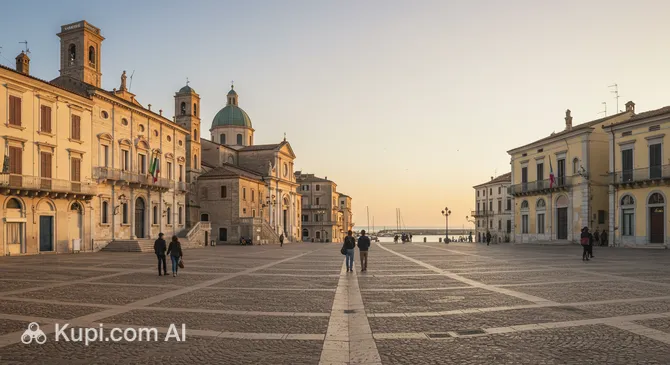
Often referred to by locals as the "Piazza del Papa" due to the imposing statue of Pope Clement XII, the Piazza del Plebiscito is the beating heart of Ancona's social life. This elongated, sloping square is framed by elegant historic buildings, including the Church of San Domenico and the Palazzo del Governo. It is the perfect spot to sit at a café, enjoy an aperitivo, and watch the world go by, capturing the true essence of the city's urban atmosphere.

Piazza del Plebiscito. Source: Kupi.Binoculars

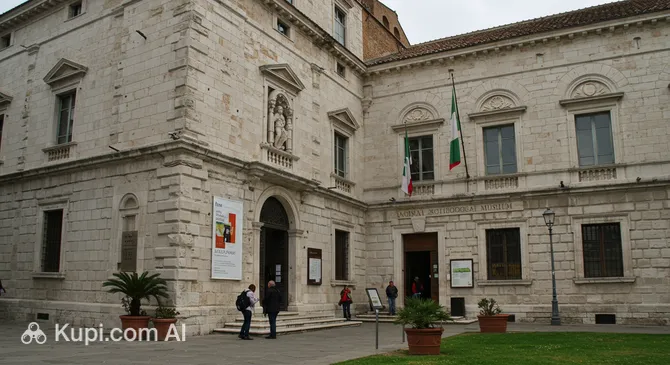
History enthusiasts should not miss the National Archaeological Museum of the Marche Region, housed in the magnificent 16th-century Palazzo Ferretti. This museum holds one of the most important archaeological collections in central Italy, showcasing artifacts that trace the region's history from the Paleolithic era to the Roman period. Highlights include the rich grave goods of the Piceni civilization, offering a fascinating glimpse into the ancient cultures that once thrived along the Adriatic coast.

National Archaeological Museum of the Marche Region. Source: Kupi.Binoculars

For a peaceful retreat combined with military history, the Cittadella Park of Ancona sits atop Astagno Hill. Originally built as a massive fortress in the 16th century to defend the city, it has been transformed into a lush green space. Visitors can walk along the ancient ramparts, explore the remnants of the fortifications, and enjoy sweeping views over the harbor and the city below, making it a favorite location for both history buffs and nature lovers.

Local Cuisine

The culinary landscape of Ancona is a delicious reflection of its dual nature as a bustling port city and the capital of a region rich in agricultural traditions. The local cuisine is dominated by the catch of the day, yet it also embraces the hearty flavors of the hinterland. At the top of every foodie's list should be Stoccafisso all’Anconetana, a celebrated dish of dried cod slow-cooked with potatoes, tomatoes, olives, and herbs. It is so central to the city's identity that there is even an academy dedicated to protecting its traditional recipe.

Another treasure from the sea is the Moscioli, a type of wild mussel found exclusively along the rocky coast of the Conero Riviera. Unlike farmed mussels, these are harvested naturally and have a distinct, intense flavor. They are often served simply with lemon and parsley or in a rich tomato sauce. For a true taste of the Adriatic, visitors should also look for Brodetto, a savory fish stew that historically utilized the catch that fishermen couldn't sell, transforming it into a gourmet experience.

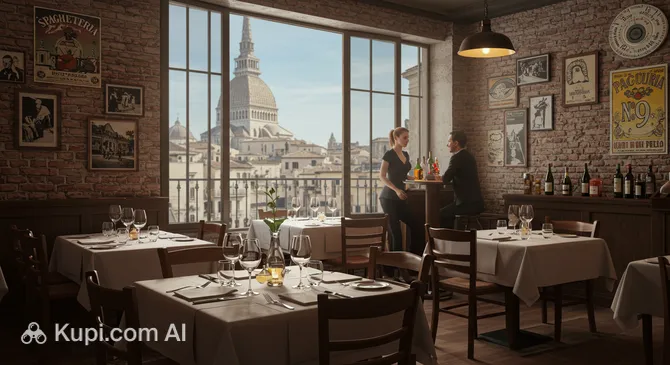
For those who prefer land-based flavors, the region offers Vincisgrassi, a decadent lasagna-like baked pasta dish with layers of meat ragù (often including giblets) and béchamel sauce. It is a staple for Sunday lunches and special occasions. Pasta lovers exploring the city streets might find themselves drawn to welcoming spots like Spaghetteria No. 9, where the tradition of handmade pasta is kept alive with a variety of local sauces.

Spaghetteria No. 9. Source: Kupi.Binoculars

No meal in Ancona is complete without a glass of local wine. The white Verdicchio dei Castelli di Jesi is the perfect companion for seafood dishes, offering crisp and fresh notes, while the robust Rosso Conero pairs beautifully with meatier courses. Dining out here is a relaxed affair, ranging from elegant restaurants to casual trattorias where the focus is always on the quality of ingredients. You might enjoy a pleasant meal at Zucchero a Velò, a venue known for its inviting atmosphere.

To finish the evening, locals often indulge in a digestif, such as the anise-flavored Mistrà or Varnelli, often added to espresso for a "caffè corretto." The city's nightlife also offers vibrant places to unwind; for instance, the Gasoline Road Bar provides a lively setting for a drink and conversation, rounding off a day of culinary exploration in this authentic Italian city.

Travel Tips

Visiting Ancona offers a unique blend of urban energy and seaside relaxation, but its hilly terrain and distinct local rhythm require a bit of preparation. To help you navigate the "Doric City" with ease and make the most of your stay in the Marche capital, here are some essential practical tips.

  1. Clothing and Gear: Ancona is built on two hills, so comfortable walking shoes are non-negotiable; you will likely be climbing steep streets and stairs, especially when visiting the Cathedral of San Ciriaco. In summer, light, breathable fabrics are essential, but always bring a scarf or shawl to cover your shoulders if you plan to enter religious sites, as strict dress codes apply. An umbrella is a wise addition during the unpredictable spring and autumn months.
  2. Transportation: The city center is best explored on foot, though it can be physically demanding. For longer distances, the local bus network, operated by Conerobus, is efficient and reliable; remember to buy tickets at a tabaccheria (tobacconist) or newsstand before boarding, as onboard tickets are often more expensive or unavailable. Avoid renting a car just for the city itself due to traffic restrictions (ZTL) and scarce parking, but a vehicle is recommended if you plan to explore the stunning Conero Riviera nearby.
  3. Finances: The currency is the Euro (€). While credit cards are widely accepted in hotels, restaurants, and larger shops, it is crucial to carry cash for small purchases like coffee, bus tickets, or market snacks. ATMs (Bancomat) are plentiful. Tipping is not mandatory, as a service charge (coperto) is usually added to the bill, but leaving a small amount of change for good service is appreciated.
  4. Health and Safety: Ancona is generally a safe city, but standard precautions against pickpocketing should be taken in crowded areas like the port and the train station. Pharmacies are marked by a green cross; they typically operate on a rotation system for night and holiday shifts, which is usually posted on their doors. For any serious emergencies, dial 112 for general assistance.
  5. Communication: The main language is Italian. While staff in hotels and major tourist restaurants often speak English, it is less common in smaller, family-run establishments. Learning a few basic phrases like "Buongiorno" (Good morning) and "Grazie" (Thank you) will go a long way. SIM cards can be purchased at mobile provider stores in the city center or at the train station, and free Wi-Fi is often available in public squares like Piazza del Plebiscito.
  6. Local Etiquette: Politeness is highly valued; always greet shopkeepers or waiters when entering and leaving an establishment. When visiting the local markets, such as the Corso Mazzini market, never touch the produce with your bare hands—ask the vendor to serve you. In cafés, it is customary to pay at the register first and then take your receipt to the bar counter to order your coffee.
  7. What to Avoid: Do not expect to eat dinner early; most restaurants in Ancona do not open their kitchens until 7:30 PM or 8:00 PM, and dining at 6:00 PM is virtually unheard of. Also, avoid walking around the city center in beachwear (swimsuits or bare chests); this is considered disrespectful and may result in fines.
  8. Local Tip: If you want to visit the famous rocky beaches of the Passetto district without the exhausting hike back up, use the Ascensore del Passetto. This elevator connects the pine forest park on the cliff edge directly to the beach below for a small fee during the summer season, saving your legs and offering a unique view of the coastline.

By keeping these practicalities in mind, you will be well-equipped to enjoy everything Ancona has to offer, from its ancient Roman ruins to its vibrant aperitivo culture. Embrace the local pace of life, respect the traditions, and your time on the Adriatic coast is sure to be a memorable experience.

Entertainment & Nightlife

Ancona may be a historic port city, but its nightlife is surprisingly vibrant, driven largely by the significant university student population. The evening atmosphere is relaxed and social, focusing more on conversation, good music, and open-air gatherings than on aggressive clubbing. The action typically starts with the beloved Italian ritual of aperitivo around 7:00 PM and continues well into the night.

The undisputed center of nocturnal activity is Piazza del Plebiscito, affectionately known by locals as "Piazza del Papa." As the sun sets, this elegant square transforms into a bustling meeting point. Hundreds of young people and professionals gather here, sitting on the steps of the church or filling the outdoor tables of the numerous bars that line the perimeter. The vibe is casual and friendly, making it easy to strike up a conversation with locals.

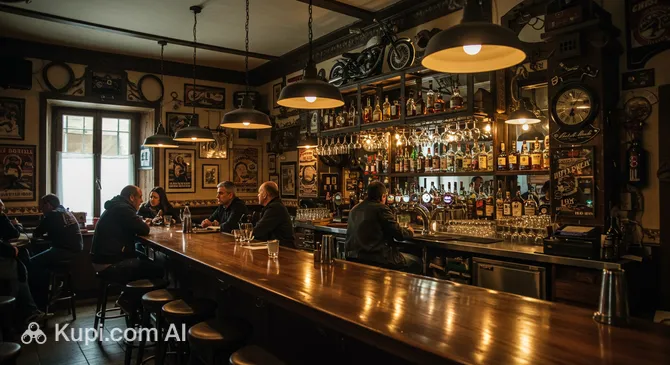
For those looking for a specific venue to enjoy the night, the Gasoline Road Bar is a popular choice. It offers a gritty, energetic atmosphere often accompanied by rock music and a wide selection of drinks, making it a staple for those who want a lively night out. The streets radiating from the main square also hide various pubs and wine bars where you can enjoy a glass of Rosso Conero until late.

Gasoline Road Bar. Source: Kupi.Binoculars

During the summer months, the nightlife expands towards the port area. The historic Mole Vanvitelliana becomes a spectacular backdrop for the "Lazzabaretto" festival, hosting open-air cinema screenings, concerts, and DJ sets right by the water. This is the perfect place to enjoy the sea breeze while listening to live music in a unique architectural setting.

Regarding practicalities, the dress code in Ancona is generally smart-casual; there is no need for overly formal attire unless you are attending a gala at the theater. Prices are reasonable compared to larger Italian tourist hubs, with a cocktail typically costing between €6 and €10. While the city center is safe to walk around at night, public transport options decrease significantly after midnight. It is advisable to have a taxi number handy or use a ride-booking app, as hailing a cab on the street is not common practice.

Before the sun goes down, Ancona offers plenty of daytime entertainment to fill your schedule. Culture lovers can visit the unique Omero Tactile Museum, while theater enthusiasts might catch a matinee or admire the architecture of the Teatro delle Muse. For a more relaxed afternoon, the city's parks and the nearby beaches offer a perfect escape from the urban bustle.

Parks & Museums

Beyond its bustling port and historic monuments, Ancona offers a surprising wealth of green spaces and cultural institutions that invite visitors to slow down and explore deeper. The city’s layout, stretching over hills and along the coast, provides natural viewpoints and parks that serve as perfect retreats, while its museums offer unique perspectives on art and history that you won't find elsewhere.

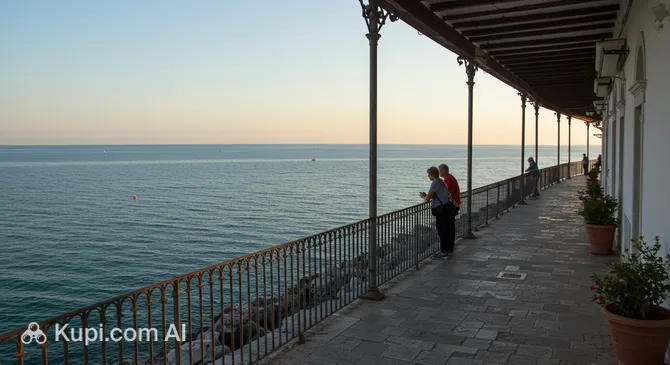
One of the most beloved green areas in the city is the Passetto. While famous for the white cliffs and beaches below, the area atop the promontory features a beautiful pine forest park. It is a favorite spot for locals to jog, walk their dogs, or simply sit on a bench and admire the sweeping views of the Adriatic Sea. The park leads directly to the imposing Monument to the Fallen, creating a scenic axis that defines the city's eastern edge.

Passetto. Source: Kupi.Binoculars

For a different perspective, head to the Belvedere Posatora Park. Located on a hill that was once an energy production site, this reclaimed green space is now a testament to urban regeneration. It offers one of the best vantage points for watching the sunset over the harbor and the "elbow" of Ancona. The park features an amphitheater and ample walking paths, making it a peaceful escape from the city center with a panoramic backdrop.

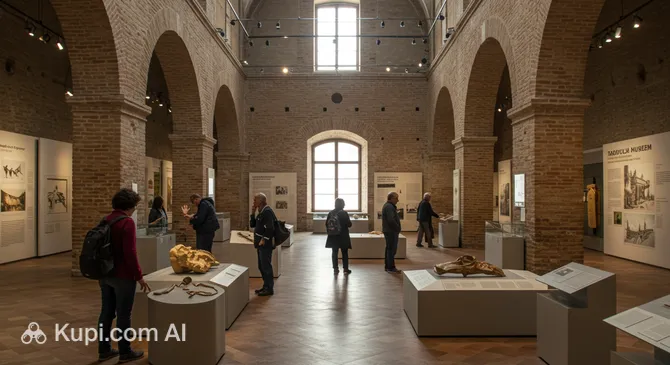
In terms of culture, Ancona is home to a truly one-of-a-kind institution: the Omero Tactile Museum. Housed in the Mole Vanvitelliana, this museum revolutionizes the artistic experience by encouraging visitors to touch the exhibits. It was designed to make art accessible to the visually impaired but offers a fascinating sensory journey for everyone. The collection includes casts of famous sculptures from Michelangelo to Canova, as well as architectural models, allowing you to "see" history with your hands.

Omero Tactile Museum. Source: Kupi.Binoculars

The building housing the Omero Museum, the Mole Vanvitelliana, is a cultural destination in itself. This pentagonal island-fortress constantly hosts temporary art exhibitions, photography displays, and cultural festivals. While its history as a quarantine station is intriguing, today it serves as a dynamic hub where contemporary art meets 18th-century architecture.

For those seeking an authentic local experience off the beaten path, take a walk along the Blue Grotto Pathway (Sentiero della Grotta Azzurra). This trail offers a more rugged immersion into the coastal nature of the Conero Riviera, leading to hidden spots that feel worlds away from the urban environment, perfect for hikers and nature enthusiasts looking for tranquility.

Getting Around

Navigating Ancona is primarily done via its extensive bus network, as the city does not have a metro or tram system. The local public transport is operated by Conerobus, which manages both urban and suburban lines. The backbone of the city's transit is the trolleybus line (Line 1/4), which connects the central railway station to the Passetto district, traversing the city center. This frequent service is the most convenient way for visitors to move between the port, the historic center, and the main sightseeing areas without tackling the steep hills on foot.

For tickets, the system is integrated and relatively inexpensive. A standard urban ticket typically costs around €1.50 and is valid for 90 minutes from the moment of validation. Travelers can purchase physical tickets at authorized retailers, such as tabaccherie (tobacconists) and newsstands, which are easily identified by a "T" sign. For added convenience, digital tickets can be purchased via smartphone apps like ATMA or MooneyGo, allowing you to buy passes on the go without searching for a shop.

It is crucial to remember that tickets must be validated immediately upon boarding the bus using the yellow or green machines located near the doors. Failure to validate your ticket can result in a significant fine, even if you have purchased one. Drivers generally do not sell tickets onboard, or if they do, it comes with a surcharge, so it is always best to buy them in advance. Service hours typically run from early morning around 6:00 AM until nearly midnight, though frequency drops significantly on Sundays and public holidays.

Regarding alternatives, taxis are available but cannot usually be hailed on the street. You must find a designated taxi rank, often located at the train station or Piazza Cavour, or call to book one via Radio Taxi Ancona. Rides are metered, and rates can be higher during nights and holidays. While car rentals are useful for exploring the surrounding region, driving within the city center is discouraged due to strict ZTL (Limited Traffic Zones) and a scarcity of parking spaces.

A unique feature of Ancona's public transport is its system of municipal elevators. Due to the city's vertical layout on a promontory, these elevators are treated as public transit, connecting the upper town to the sea level. The most famous is the Passetto elevator, which operates seasonally and saves pedestrians a long hike down to the rocky beaches. Additionally, during the summer months, tourist boats depart from the port to reach the pristine beaches of the Conero Riviera, such as the famous Due Sorelle, offering a scenic alternative to road transport.

Accommodation

Where to Stay:

Finding the right place to stay in Ancona largely depends on the purpose of your visit, whether it is a stopover before a ferry journey or a dedicated exploration of the Marche region. The city offers a solid range of accommodation options, primarily focusing on mid-range hotels and functional business lodgings. In recent years, there has been a rise in charming Bed & Breakfasts and guest houses, particularly in the historic center, offering a more intimate experience of local life. For those seeking luxury, options within the city limits are somewhat limited, but excellent high-end resorts can be found along the nearby Conero Riviera.

For travelers interested in culture and history, the historic center (Centro Storico) is the most atmospheric area to base yourself. Staying here places you within walking distance of major landmarks like the Piazza del Plebiscito and the museums. It is also an area filled with cafes and restaurants, perfect for enjoying the evening atmosphere. However, be prepared for some uphill walking, as this part of the city climbs the slopes of Guasco Hill towards the Cathedral of San Ciriaco.

Cathedral of San Ciriaco. Source: Kupi.Binoculars

If your priority is convenience, particularly if you are catching an early morning ferry to Greece or Croatia, the Port area is an ideal choice. Many hotels here cater specifically to transit passengers, offering quick access to the terminals. Alternatively, the area around the Railway Station is practical for those arriving by train, though it is further from the main tourist sights and the seaside. For a quieter, more scenic stay, look for accommodation in the Passetto district. This residential area offers beautiful views of the sea, access to the pine forest park, and is just a short bus ride from the center.

Regarding costs, Ancona is generally more affordable than Italy's major art cities like Rome or Florence. You can typically find comfortable double rooms at reasonable rates throughout the year. However, prices do rise significantly during the peak summer months of July and August, when the city serves as a gateway for holidaymakers heading to the Adriatic beaches. It is highly recommended to book in advance during this period, as the best value options sell out quickly. Most properties can be easily booked via major online platforms, though contacting smaller B&Bs directly can sometimes secure a better deal or a more personalized service.

Nearby Cities

For those looking to explore the surroundings, Ancona serves as an excellent base for day trips to several interesting nearby locations: One of the most popular destinations is **Senigallia**, located just a short drive north along the coast. It is famous for its "Velvet Beach" (Spiaggia di Velluto), named for its incredibly soft sand, and the iconic Rotonda a Mare pier. The town offers a perfect blend of seaside relaxation and Renaissance history, centered around the Rocca Roveresca fortress. Heading inland, travelers can discover **Jesi**, a charming walled city known as the birthplace of Emperor Frederick II. It is situated in the heart of a renowned wine region, making it an ideal stop for those wishing to taste the crisp Verdicchio dei Castelli di Jesi. Further south lies **Macerata**, a university town celebrated for the Sferisterio, a magnificent open-air arena that hosts a prestigious opera festival every summer.
City Population Distance (km)
Senigallia 44,616 27
Civitanova Marche 42,353 38
Macerata 41,776 35
Jesi 40,210 23
Osimo 35,071 14
These nearby destinations offer a glimpse into the diverse culture and landscapes of the region, ranging from sandy Adriatic beaches to the rolling hills of the Marche hinterland.

Shopping & Souvenirs

Shopping in Ancona offers a delightful mix of modern retail therapy and traditional Italian charm. As a bustling port city and regional capital, it serves as a commercial hub where visitors can find everything from high-end international fashion to locally crafted artisanal goods. Unlike strictly tourist-focused destinations, the shopping scene here is authentic, catering largely to the stylish locals, which ensures high quality and fair prices. The city center is compact and walkable, allowing you to browse through boutiques while admiring the historic architecture.

The heart of the city's retail life beats along Corso Garibaldi. This wide, pedestrianized avenue is the main high street, lined with well-known brands, elegant clothing stores, and perfumeries. It stretches across the city center, offering a relaxed environment for a stroll. Running parallel to it is Corso Mazzini, another vital artery for shoppers. Here, the atmosphere is slightly more eclectic, featuring historic shops, smaller boutiques, and a vibrant street life that connects the modern part of town with the older districts near Piazza del Plebiscito.

While the city center is an "open-air mall" in itself, those looking for a concentrated large-scale shopping experience typically head to the outskirts. There are no massive shopping malls directly in the historic center, but a short drive or bus ride will take you to major commercial centers like the Grotte Center in the nearby Camerano area. These complexes offer a vast array of electronics, fashion chains, and hypermarkets under one roof, which can be convenient for rainy days or stocking up on supplies.

For a taste of local life, the markets are unmissable. Corso Mazzini hosts a lively street market every morning (except Sundays), where vendors sell clothing, shoes, and accessories at competitive prices. Foodies should head to the Mercato delle Erbe, a historic indoor market housed in a beautiful iron-and-glass structure from the 1920s. Here, you can find the freshest catch from the Adriatic, seasonal fruits, and regional delicacies, offering a sensory immersion into the local culinary culture.

When it comes to souvenirs, the Marche region is world-famous for its leather goods and footwear. You can find excellent quality shoes and bags in local boutiques that rival the big luxury names. Gastronomic souvenirs are also a top choice; look for bottles of Verdicchio or Rosso Conero wine, extra virgin olive oil, and the spreadable salami known as Ciauscolo. Ceramics and lace are also traditional crafts worth considering if you want to bring back a piece of local heritage.

Store opening hours generally follow the traditional Italian split schedule. Shops typically open around 9:00 AM or 9:30 AM, close for a lunch break (siesta) from 1:00 PM to 4:00 PM, and reopen until 7:30 PM or 8:00 PM. However, larger international chains along Corso Garibaldi and shopping centers often stay open throughout the day (orario continuato). Most shops are closed on Sundays, except during the Christmas season or sales periods. Credit and debit cards are widely accepted, though carrying some cash is useful for small purchases at market stalls.

Travelers residing outside the European Union are eligible for tax-free shopping on purchases exceeding a certain amount (currently €70) at participating stores. Look for the "Tax Free" signage in shop windows and remember to ask for the refund form at the checkout. You will need to present your passport to the merchant and process the form at the customs office at the airport or port before leaving the EU.

Reached the end of the page?

That means the route is fully explored