Support

Padua

About

Padua is a captivating destination that seamlessly blends centuries of academic tradition with artistic brilliance. Often described as the intellectual heart of the Veneto region, this vibrant city offers a sophisticated yet relaxed atmosphere, distinct from its bustling neighbor, Venice. With its arcaded streets, medieval bridges crossing the Bacchiglione River, and lively piazzas, Padua invites travelers to slow down and savor the authentic Italian lifestyle.

Located in northeastern Italy, the city sits on the picturesque Venetian Plain, serving as a vital economic and communications hub. Home to approximately 210,440 inhabitants, it feels both cosmopolitan and intimate. The city's layout is defined by its historic waterways and defensive walls, creating a unique urban landscape that is a delight to explore on foot or by bicycle.
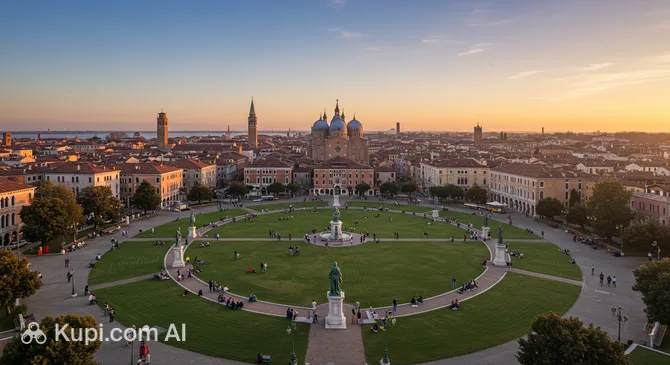
Padua. Source: Kupi.Binoculars

The history of Padua is deeply intertwined with the development of Western thought and art. It claims to be the oldest city in northern Italy, founded according to legend by the Trojan prince Antenor. This rich heritage is most visible in its prestigious university, the University of Padua, founded in 1222, where Galileo Galilei once taught and Dante studied. Today, the youthful energy of the student population keeps the city's ancient streets buzzing with life.

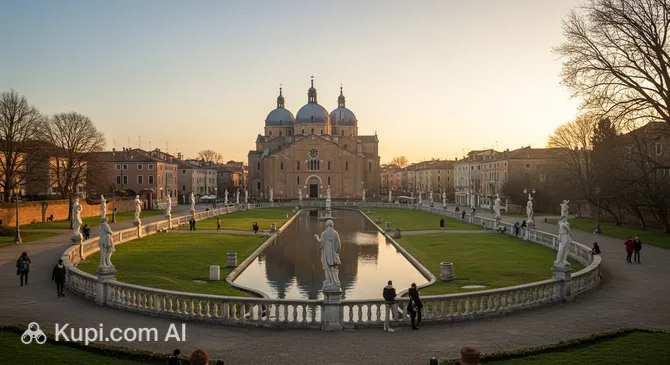
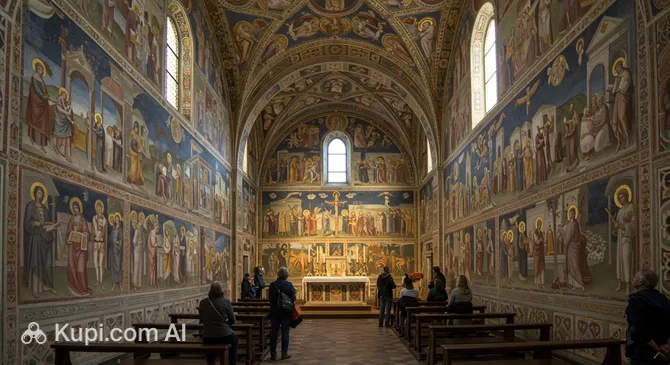
Visitors are drawn to Padua for its incredible artistic treasures. The undisputed highlight is the Scrovegni Chapel, which houses Giotto’s breathtaking fresco cycle, considered a masterpiece of Western art. Another must-see is the majestic Basilica of Saint Anthony, a grand pilgrimage site that dominates the city skyline with its Byzantine-style domes. For those who enjoy open spaces, the Prato della Valle is one of the largest squares in Europe, surrounded by a canal and statues of famous locals.

Whether you are an art lover, a history buff, or simply seeking a charming Italian city with fewer crowds, Padua is a destination that promises to enchant. Its blend of spiritual heritage, scientific legacy, and lively cafe culture makes it a perfect stop on any Italian itinerary.
Weather Overview

Planning a trip to this Veneto gem requires knowing what to expect from the skies. The climate here features distinct seasons, shifting from chilly winters to hot summers. To help you pack the right gear for your specific travel dates, it is helpful to consult the detailed guide on the weather in Padua.

During the summer months of June, July, and August, the city heats up significantly. Average temperatures hover around 23°C to 25°C, with daily maximums often reaching 30°C. These months are generally sunny but can see around 9 to 11 days with some rainfall. In contrast, winter brings a sharp drop in temperature. January is typically the coldest month, with an average of 4.5°C and lows near freezing, making warm clothing essential for exploring the historic center.

The transitional seasons of spring and autumn are often the most comfortable for sightseeing, though they come with a higher chance of rain. April and September see pleasant averages of 13.3°C and 20.2°C respectively. However, visitors in late spring should be prepared for showers, as May records the highest frequency of precipitation with 15 wet days. Overall, expect warm summers with occasional rain and cold winters, ensuring a varied atmosphere throughout the year.

Interesting Facts

Beyond the main attractions, Padua holds many fascinating secrets and is famously defined by locals as the "city of the three withouts." Uncovering these quirks reveals the true character of this historic Veneto destination and offers a glimpse into its rich academic and social traditions.
Prato della Valle. Source: Kupi.Binoculars
  • One of the city's most enduring nicknames is the "Saint without a name." The Basilica of Saint Anthony of Padua is so central to the local identity that residents simply refer to their patron as "Il Santo" (The Saint), understanding implicitly who is meant without ever needing to speak his name.

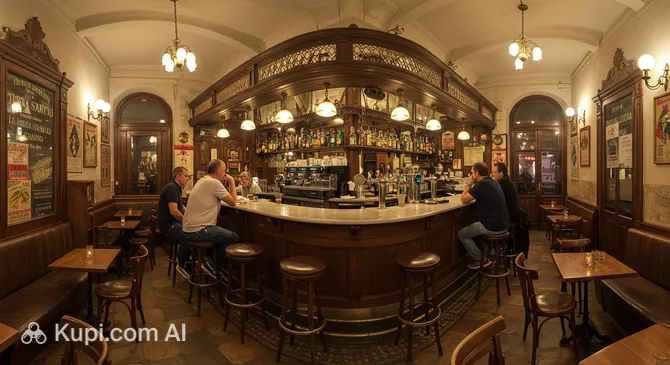
  • Another member of the "three withouts" is the "Café without doors." The historic Pedrocchi Café earned this title because, from its opening in 1831 until 1916, it remained open 24 hours a day, never closing its doors to the intellectuals, students, and patriots who gathered there.

  • The third curiosity is the "Lawn without grass," which refers to Prato della Valle. Although it is now a beautiful green elliptical square, for centuries it was a marshy area and later a beaten-earth market. Despite the lack of greenery in the past, the name "Prato" (meadow) stuck and remains used today.

  • Padua played a pivotal role in the history of education and gender equality. In 1678, the Palazzo Bo hosted the graduation of Elena Lucrezia Cornaro Piscopia, who became the first woman in the world to receive an academic degree, opening the doors of higher learning to women.

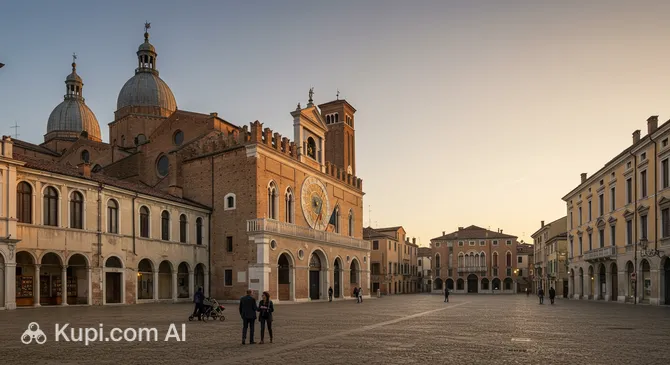
  • If you examine the Clock Tower in Piazza dei Signori, you might notice something missing. The astrological clock, one of the oldest of its kind, lacks the sign of Libra. Local legend claims the builder omitted it out of spite for being underpaid, though historically it reflects an ancient zodiac system where the scales were considered the claws of Scorpio.

How to Get There

Reaching this historic university city is quite convenient thanks to its strategic location in the Veneto region. Whether you are arriving from a neighboring Italian town or flying in from abroad, the transport network is efficient and well-connected. For a comprehensive guide on all travel options, you can read more about how to get to Padua to help plan your journey.

The city of Padua does not have its own commercial airport, but it is served by several major hubs nearby. The most convenient option for international travelers is Venice Marco Polo Airport (VCE), located in the city of Venice, approximately 38 km away. It is a large international gateway, and the travel time to Padua by road is roughly 80 minutes. Another excellent option is Treviso Airport (TSF), also located in the Venice area about 36 km from Padua, which is frequently used by low-cost carriers. If you are arriving from further afield, you might also consider Guglielmo Marconi Airport (BLQ) in Bologna, which is about 108 km away but well-linked by train and highway.

For clarity, here is a summary of the main airports:

Airport Name City Passenger Traffic Km from City
Venice Marco Polo AirportVeniceLarge37.7
Guglielmo Marconi AirportBolognaLarge107.8
Verona Villafranca AirportVeronaMedium77.5
Treviso AirportVeniceMedium36.2
BolzanoBolzanoSmall124.3

While flying is a common entry point, traveling by train is arguably the most comfortable way to arrive directly in the city center. Padua is a major rail hub on the line connecting Milan and Venice. You can arrive directly at Padova Centrale Station, which is located in Padua itself, just 0.8 km from the heart of the city. This makes it incredibly convenient for tourists, as you can easily walk or take a short taxi ride to most hotels. If you are coming from a distance, you might transfer through major hubs like Bologna Centrale Station in Bologna, situated about 109 km away, or one of the Venice stations.

Below is an overview of the nearest and most significant railway stations:

Station City Passenger Traffic Km to Center
Bologna Centrale StationBolognaLarge109.0
Venezia Mestre Railway StationVeniceLarge28.9
Venezia Santa Lucia StationVeniceLarge34.8
Verona Porta Nuova StationVeronaLarge70.2
Padova Centrale StationPaduaLarge0.8

Main Attractions

Padua is a treasure trove of art, history, and culture, offering visitors a chance to explore sites that have shaped European heritage. From medieval marketplaces to revolutionary frescoes, the city's landmarks are diverse and deeply engaging, providing an authentic glimpse into the rich past of the Veneto region.

No visit to the city is complete without witnessing the artistic miracle of the Scrovegni Chapel. Commissioned in the early 14th century, this unassuming building houses a cycle of frescoes by Giotto that is widely considered a turning point in Western art. Tourists are captivated by the emotional depth of the biblical scenes and the breathtaking vaulted ceiling depicting a starry blue sky, which creates an immersive and spiritual atmosphere.

Scrovegni Chapel. Source: Kupi.Binoculars

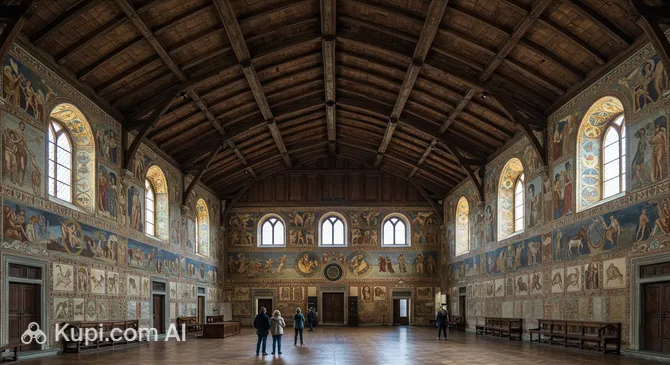
Dominating the commercial heart of the historic center is the majestic Palazzo della Ragione. Often called "Il Salone" by locals, this medieval town hall features one of the largest unsupported hanging roofs in the world. Visitors are drawn to its immense upper hall, which is covered in intriguing astrological frescoes, as well as the bustling market stalls located under the arcades on the ground floor, offering a taste of authentic local life.

Palazzo della Ragione. Source: Kupi.Binoculars

For a glimpse into the city's elegant social life, head to Piazza dei Signori. This refined square was once the center of civic power and remains a favorite gathering spot for locals enjoying an evening aperitivo. It is framed by historic buildings, including the Loggia del Consiglio and the famous Clock Tower with its 14th-century astronomical clock, making it a perfect backdrop for photography and relaxation.

Piazza dei Signori. Source: Kupi.Binoculars

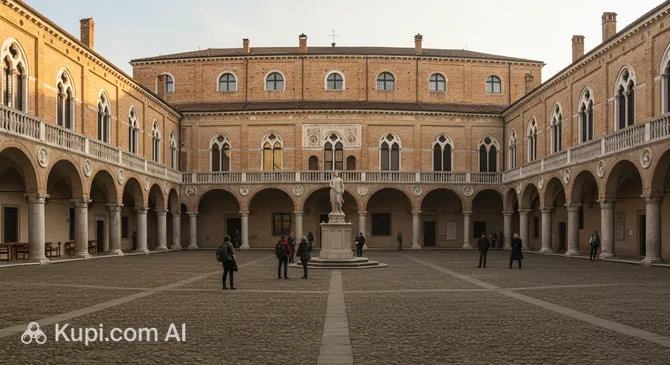
History and science enthusiasts will find the Palazzo Bo truly fascinating. As the historic seat of the University of Padua, one of the oldest in the world, it has hosted brilliant minds like Galileo Galilei. The main attraction here is the world's first permanent anatomical theatre, a wooden masterpiece from 1594 that offers a unique window into the history of medicine and academic tradition.

Palazzo Bo. Source: Kupi.Binoculars

Local Cuisine

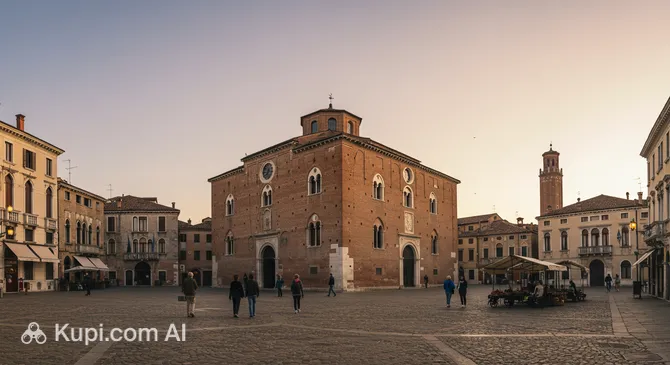
The culinary soul of Padua is best experienced in its bustling market squares, which have served as the city's pantry for centuries. Locals flock to Piazza della Frutta and the neighboring Piazza delle Erbe to purchase fresh seasonal produce, creating a vibrant atmosphere that defines the local lifestyle. A true highlight for foodies is "Sotto il Salone," the ancient covered market located beneath the Palazzo della Ragione, where you can find an incredible array of artisan cheeses, cured meats, and fresh pasta.

Piazza della Frutta. Source: Kupi.Binoculars

When sitting down for a traditional meal, the undisputed star of the menu is bigoli. This thick, spaghetti-like fresh pasta is a staple of the Veneto region and is most famously served with a rich duck ragù (*bigoli co l'anatra*) or a savory anchovy sauce. Another dish deeply rooted in local tradition is risotto, which changes with the seasons; in spring, you might find *risi e bisi* (rice and peas), while winter brings hearty versions made with radicchio. For the adventurous eater, Padua is also renowned for its horse meat specialties, particularly sfilacci—thin strips of smoked, dried meat that are excellent as a snack or a topping for pizza.

No gastronomic tour of the city is complete without experiencing its historic coffee culture. The magnificent Pedrocchi Café is a landmark institution, famous for its unique *Caffè Pedrocchi*. This delightful specialty consists of espresso topped with a cool mint-flavored cream and a dusting of cocoa, traditionally served without a spoon to allow the contrasting temperatures and flavors to blend as you sip.

Pedrocchi Café. Source: Kupi.Binoculars

As evening approaches, the city's squares come alive with the ritual of the *spritz*. This iconic aperitif, made with Prosecco, soda water, and a bitter liqueur like Aperol or Campari, is the standard pre-dinner drink for students and locals alike. It is best enjoyed with some *cicchetti* (small snacks) or followed by a leisurely dinner at a local establishment like All'Ombra Della Piazza, where you can savor authentic flavors in the heart of the historic center.

Travel Tips

Welcome to Padua, a city where medieval grandeur meets the youthful energy of a university town. To ensure your visit to this Venetian gem is as smooth as it is memorable, here are some practical tips to help you navigate local life like a pro.

  1. Clothing and Gear: The climate in Padua varies significantly, so pack accordingly. Summers can be hot and humid, requiring light, breathable fabrics, while winters are damp and cold, making a warm coat and scarf essential. Since you will likely visit religious sites like the Basilica of Saint Anthony, remember to dress modestly; shoulders and knees must be covered to enter. Finally, bring comfortable walking shoes, as the historic center is paved with cobblestones that can be unforgiving on heels or thin soles.
  2. Transportation: The best way to explore the historic center is on foot, as most attractions are close to one another. For longer distances, Padua has an efficient public transport network consisting of buses and a distinctive blue tram (SIR1). You must purchase tickets at newsstands or tobacco shops (tabaccheria) before boarding and validate them immediately inside the vehicle. Bicycles are also incredibly popular here; you can rent one to blend in with the locals, but be mindful of traffic rules.
  3. Finances: The local currency is the Euro (€). While credit and debit cards are widely accepted in hotels, restaurants, and shops, it is wise to carry some cash for small purchases, especially at the outdoor markets in Piazza delle Erbe or for a quick coffee. ATMs are plentiful throughout the city. Tipping is not mandatory, as a service charge or "coperto" (cover charge) is usually added to the bill, but leaving a small amount for good service is appreciated.
  4. Health and Safety: Padua is generally a safe city for tourists, but standard precautions apply. Keep an eye on your belongings in crowded areas, particularly around the train station and on the tram. Pharmacies are easily recognized by a green neon cross; they are well-stocked, and pharmacists often speak English. For emergencies, the general number for assistance in Italy is 112.
  5. Communication: The official language is Italian. Thanks to the large university population, English is widely spoken, especially by younger people and in the hospitality sector. However, learning a few basic phrases like Buongiorno (Good morning) and Grazie (Thank you) will go a long way in earning smiles from the locals. Free Wi-Fi is available in many public squares (look for "PadovaWiFi"), and EU roaming regulations apply for European SIM cards.
  6. Local Etiquette: Politeness is highly valued. It is customary to greet shopkeepers when entering or leaving a store. If you visit the fresh produce markets, never touch the fruit or vegetables with your bare hands; wait for the vendor to serve you or look for the plastic gloves provided. When ordering coffee, remember that an espresso is usually drunk quickly at the counter, while sitting at a table often costs a bit more.
  7. What to Avoid: Do not walk in the designated bicycle lanes. Padua is extremely bike-friendly, and cyclists move fast; blocking their path is a sure way to annoy the locals. Also, avoid eating lunch or picnicking on the steps of monuments or churches, as this is considered disrespectful and is often prohibited by municipal rules.
  8. Additional Tip: If you plan to see the famous frescoes in the Scrovegni Chapel, you absolutely must book your tickets in advance, often at least a day or two ahead. Visits are strictly timed and regulated to preserve the artwork, and showing up without a reservation usually leads to disappointment.

With these practical tips in hand, you are ready to immerse yourself in the authentic atmosphere of Padua. Whether you are sipping a spritz in a lively piazza or admiring world-class art, this charming city is sure to offer you a warm and unforgettable welcome.

Entertainment & Nightlife

As a bustling university city, Padua offers a nightlife scene that is both energetic and diverse, catering to its large student population as well as sophisticated travelers. The evening typically begins with the sacred local ritual of the aperitivo. Between 6:00 PM and 9:00 PM, the city's historic squares—particularly Piazza dei Signori and Piazza delle Erbe—transform into open-air social hubs where locals gather to sip Spritz and enjoy lively conversation.

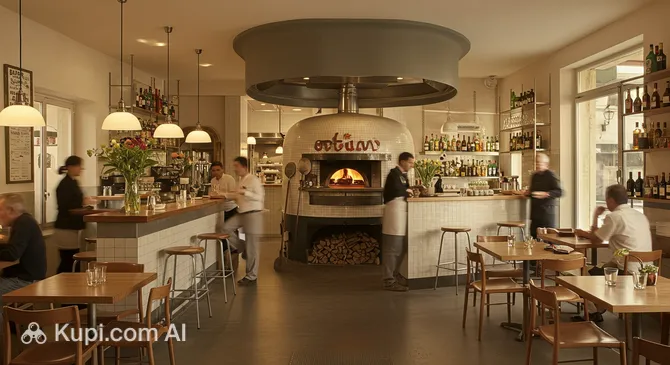
For those looking to transition from a relaxed evening drink to a more vibrant atmosphere, the city center is dotted with stylish venues. A great example is Otium Bar Restaurant Pizzeria Lunch Café, which offers a versatile setting perfect for enjoying a cocktail or a late meal in a chic environment. The atmosphere in the center is generally smart-casual, and the crowds are a mix of young professionals, students, and tourists soaking up the historic ambiance.

Otium Bar Restaurant Pizzeria Lunch Café. Source: Kupi.Binoculars

If you are seeking a younger, more alternative vibe, head towards the Portello district. Located near the university institutes, this area is the beating heart of student life. Here, the streets are lined with affordable bars and pubs where the music plays louder and the dress code is decidedly casual. It is the perfect place to experience the authentic, youthful energy of the city, especially on Wednesday nights, which are traditionally celebrated as "university night."

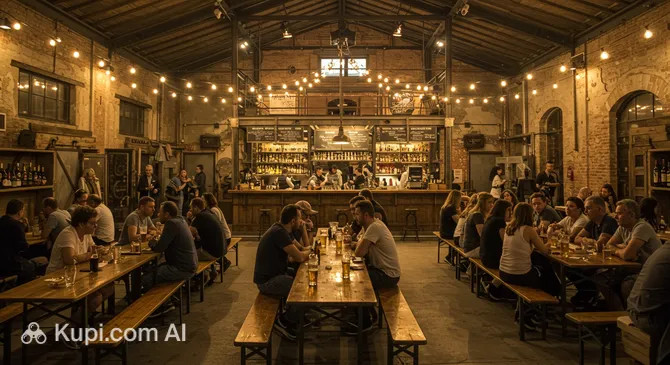
Music lovers and those looking for a lively pub atmosphere will find plenty of options as well. Venues like Birreria Da Carre provide a welcoming space to enjoy a wide selection of beers and often host live music or DJ sets, making them popular spots to spend the night partying with friends. During the summer months, the nightlife expands to the riverbanks of the Piovego, where temporary kiosks (navigli) open up, offering drinks and music under the stars.

Birreria Da Carre. Source: Kupi.Binoculars

Regarding practicalities, Padua is generally a safe city for night walks, especially in the busy center and university districts. However, it is always wise to stay in well-lit areas late at night. Public transport runs until late evening, but for a safe and convenient return to your accommodation after midnight, it is best to call a taxi using the local Radio Taxi service (049 651333) or use a ride-hailing app. Prices for drinks are quite reasonable compared to other Italian cities, with a Spritz often costing between €3.50 and €5.00.

While the night belongs to socializers, daytime entertainment in Padua offers a slower pace focused on culture and relaxation. Beyond the famous museums and chapels, the city boasts beautiful green spaces perfect for unwinding. Iris Park is a lovely spot for a peaceful afternoon stroll, particularly in spring when the flowers are in bloom. For theater enthusiasts, the Teatro Verdi offers a rich season of plays, operas, and concerts, serving as a cultural pillar for the city's daytime and evening arts scene.

Parks & Museums

Beyond its bustling piazzas and academic halls, Padua offers a refreshing balance between urban history and natural beauty. The city invites visitors to step off the cobblestones and explore its lush gardens and rich collections of art and science, which are as integral to its identity as its famous frescoes.

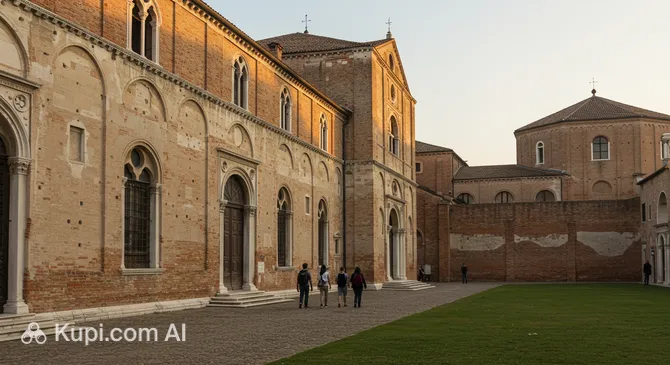
For a comprehensive journey through local history and art, the Eremitani Museums are an essential stop. Located in the cloisters of a former monastery near the Scrovegni Chapel, this vast complex is a cultural hub. It houses the Archaeological Museum, featuring Roman and Etruscan artifacts, and the Museum of Medieval and Modern Art, which displays masterpieces by Venetian painters such as Tintoretto and Titian.

Eremitani Museums. Source: Kupi.Binoculars

Science enthusiasts should not miss the La Specola Museum. Housed inside the ancient Torlonga tower of the city's medieval castle, this astronomical observatory is a testament to Padua's deep scientific legacy. It offers a fascinating collection of historic instruments and provides a panoramic view of the city that was once admired by astronomers of the past.

Another cultural gem is Palazzo Zabarella. Situated in a beautifully restored medieval tower-house, this foundation hosts prestigious temporary art exhibitions, often focusing on 19th and 20th-century movements. It is a prime destination for art lovers seeking high-quality international showcases in an elegant historic setting.

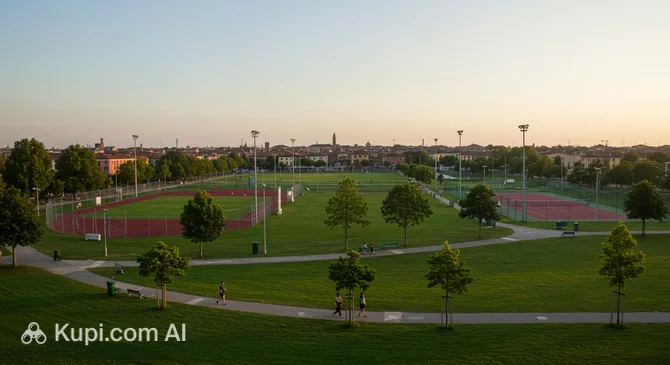
When it comes to green spaces, the city offers several peaceful enclaves. One of the most notable modern green areas is Europe Park. This large park is known for its contemporary "Crystal Garden," a glasshouse containing a collection of succulent plants, making it a unique spot for botany lovers and those seeking a quiet walk away from the city center.

Europe Park. Source: Kupi.Binoculars

For a relaxing break surrounded by nature, visitors can also explore Alpini Park. It serves as a pleasant urban lung where locals go to jog or unwind. While not a traditional park, the Museum of Nature and Humankind offers a different kind of immersion into the natural world, featuring interactive exhibits that explore the relationship between our species and the environment.

For an insider tip, consider visiting the Museum of the History of Medicine in Padua (MUSME). It is a cutting-edge museum housed in a 15th-century hospital that uses technology to tell the story of the Paduan Medical School, offering a captivating experience that is often less crowded than the main art sites.

Getting Around

Navigating Padua is straightforward and efficient, thanks to a well-integrated public transport network managed by Busitalia Veneto. The system primarily consists of an extensive fleet of buses and a modern tram line that connects the northern and southern districts, passing through the historic center and the main railway station. The city is compact, so while walking is often the best way to see the sights, the transport network is invaluable for reaching accommodation outside the walls or visiting attractions like the Euganean Hills.

The standout feature of the local transit system is the tram, often referred to as the "Metrobus." It is not a traditional rail tram but a rubber-tired guided vehicle that glides quietly on a single central rail. The main line, SIR1, is particularly useful for tourists as it stops at key locations, including the train station, the Scrovegni Chapel, and the massive Prato della Valle square. It runs frequently, offering a smooth and accessible ride through the heart of the city where regular buses might be restricted.

Tickets are unified, meaning the same pass works for both buses and the tram within the urban area. A standard single ticket is valid for 75 minutes from the moment of validation, allowing for transfers between lines. You can purchase these at authorized retailers such as tobacco shops (look for the "T" sign), newsstands, and ticket machines located at major tram stops and the train station. It is also possible to buy tickets on board the bus from the driver, but this comes with a surcharge and requires exact change.

For a more convenient experience, digital options are available. You can purchase tickets via the Busitalia Veneto app or other partner apps like DropTicket, which saves you the hassle of finding a physical shop. Recently, a contactless payment system has been introduced on many urban lines, allowing passengers to simply tap their credit or debit card on the readers upon boarding. If you are using a paper ticket, remember to validate it in the yellow or green machines immediately when you get on to avoid hefty fines.

The operating hours generally run from early morning, around 5:30 AM, until midnight or shortly after. Service frequencies are high during the day but drop significantly in the late evening, so it is wise to check the schedule if you plan to stay out late. For night travel, a limited "Night Bus" service operates on weekends, but taxis are often a more reliable choice after hours. Taxis in the city are white and typically cannot be hailed on the street; you must find a designated rank or book one via phone or the AppTaxi application.

Alternative modes of transport are extremely popular here, especially bicycles. The city is flat and boasts a vast network of bike paths, making it one of the most bike-friendly places in the region. Visitors can easily rent bikes through various bike-sharing schemes or local rental shops. Ride-sharing apps and electric scooters are also available for short hops across town, offering a fun and flexible way to explore the charming streets at your own pace.

Accommodation

Finding the perfect place to stay in Padua is relatively easy, as the city offers a diverse range of accommodation options to suit every budget and travel style. Visitors can choose from elegant hotels housed in historic buildings, charming bed and breakfasts run by local families, and modern apartments that provide a home-away-from-home experience. For those traveling on a tighter budget, there are also well-maintained hostels and guesthouses, particularly near the university districts and transport hubs.

The most coveted location for tourists is undoubtedly the Historic Center (Centro Storico). Staying within the ancient walls allows you to wake up just steps away from major landmarks and enjoy the lively atmosphere of the medieval squares. Accommodation here tends to be pricier, especially in the boutique hotels near the main piazzas, but the convenience of having the city's best restaurants and museums within walking distance is unmatched.

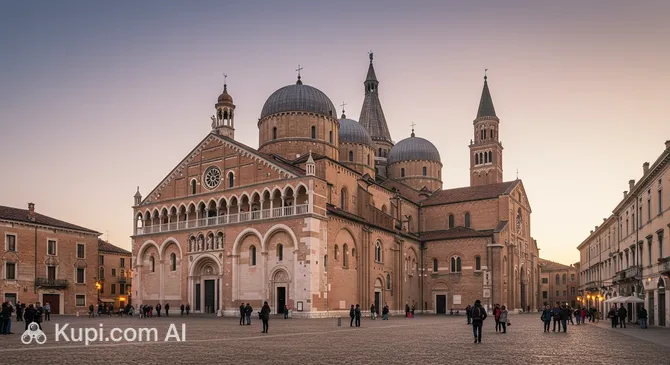
Another popular area is the district surrounding the Basilica of Saint Anthony of Padua. This neighborhood is quieter than the bustling market squares but remains very central. It is particularly well-served by hotels catering to the steady stream of pilgrims who visit the shrine. This area is also close to the magnificent Prato della Valle, offering open spaces and easy access to the Botanical Garden.

Basilica of Saint Anthony of Padua. Source: Kupi.Binoculars

For travelers prioritizing logistics or budget, the area around the Train Station and the nearby trade fair complex (Fiera di Padova) is a practical choice. While it may lack the romantic charm of the old town, it offers excellent connectivity for day trips to Venice or Verona and typically features more affordable rates. This district is also home to several modern business hotels that provide reliable amenities and parking facilities, which can be scarce in the city center.

Booking Tips and Prices: Padua is a year-round destination, but prices peak during the spring and early autumn, as well as during major religious festivals or university graduations. It is highly recommended to book your accommodation well in advance, especially if you plan to visit in June for the Feast of Saint Anthony. Prices generally range from €60–€100 per night for budget to mid-range options, while luxury stays and boutique hotels can cost upwards of €150 per night. Most properties can be easily booked via major online platforms, though contacting smaller B&Bs directly can sometimes secure a better rate or a more personalized experience.

Nearby Cities

For those looking to explore the surroundings, Padua serves as an excellent base for day trips to several interesting nearby locations. Just a short distance from the city center lies Abano Terme, a world-renowned spa town nestled at the foot of the Euganean Hills. It is the perfect destination for travelers seeking relaxation, offering therapeutic thermal waters and luxurious wellness treatments. For history and architecture enthusiasts, Santa Maria di Sala is home to the stunning Villa Farsetti, an 18th-century masterpiece with vast gardens that reflect the grandeur of the Venetian mainland. Additionally, the nearby town of Vigonza offers a charming glimpse into the local rural heritage and is often associated with the picturesque Riviera del Brenta area.

City Population Distance (km)
Albignasego 26071 7
Vigonza 22958 9
Selvazzano Dentro 22903 7
Abano Terme 20101 9
Santa Maria di Sala 17774 16

These nearby destinations offer a glimpse into the diverse culture and landscapes of the region.

Shopping & Souvenirs

Shopping:

Shopping in Padua is a delightful blend of ancient traditions and modern trends, offering visitors a unique experience that goes far beyond simple retail therapy. The city is renowned for its elegant pedestrian streets, historic artisan workshops, and vibrant open-air markets that have been the center of commerce for centuries. Whether you are looking for high-end Italian fashion, handcrafted leather goods, or delicious local food products, the city center provides a sophisticated yet accessible atmosphere for shoppers of all tastes.

The main shopping district is concentrated along the "Liston," the traditional promenade that stretches through the heart of the historic center. Streets such as Via Cavour, Via VIII Febbraio, Via Roma, and Corso Umberto I are lined with elegant boutiques, international chain stores, and historic shops. This pedestrian-friendly axis connects the major squares and offers a pleasant walking route where you can admire window displays set within beautiful historic buildings. For luxury brands and exclusive fashion, the area surrounding Palazzo Bo and the Town Hall is the place to be.

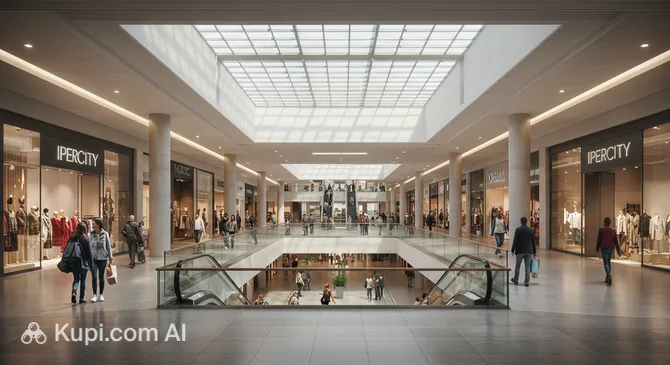
For those who prefer a comprehensive shopping experience with everything under one roof, Padua boasts several large modern malls located just outside the city center. The Ipercity Shopping Mall is a popular destination, featuring a wide range of clothing stores, electronics shops, and a large supermarket, making it convenient for both browsing and practical needs. Another excellent option is Le Brentelle Shopping Center, which offers a relaxed environment with numerous retailers and dining options, easily accessible by public transport or car.

Ipercity Shopping Mall. Source: Kupi.Binoculars

No shopping trip to Padua is complete without visiting its legendary markets, which are the true soul of the city's commerce. The daily markets in Piazza delle Erbe and Piazza della Frutta are among the oldest in Italy, overflowing with fresh produce, flowers, and clothing. Just a short walk away, Piazza Garibaldi often serves as a gateway to these bustling areas. If you are a fan of antiques and vintage treasures, the immense market at Prato della Valle, typically held on the third Sunday of the month, is a treasure trove waiting to be explored.

When searching for the perfect souvenir, consider taking home a piece of Padua's culinary heritage. Bags of artisanal pasta, bottles of local wine from the Euganean Hills, or the famous "Pazientina" cake are excellent choices. Hand-painted ceramics and leather accessories are also typical of the Veneto region. Additionally, the university store offers unique merchandise that celebrates the city's academic prestige, which makes for a thoughtful and culturally relevant gift.

Store opening hours in the city generally follow the traditional Italian schedule. Smaller shops and boutiques typically open around 9:30 AM, close for a lunch break between 12:30 PM and 3:30 PM, and then reopen until 7:30 PM. However, larger department stores, international chains, and shopping malls usually operate with continuous hours throughout the day. Credit and debit cards are widely accepted everywhere, though carrying some cash is useful for small purchases at market stalls.

Visitors residing outside the European Union may be eligible for a VAT (sales tax) refund on purchases that exceed a certain minimum amount in a single store. Look for the "Tax Free" sign in shop windows and ask the staff for the necessary forms at the checkout. To claim the refund, you will need to present your goods and documents at the customs office at the airport before leaving the EU.

Reached the end of the page?

That means the route is fully explored