Support

Kempten

About

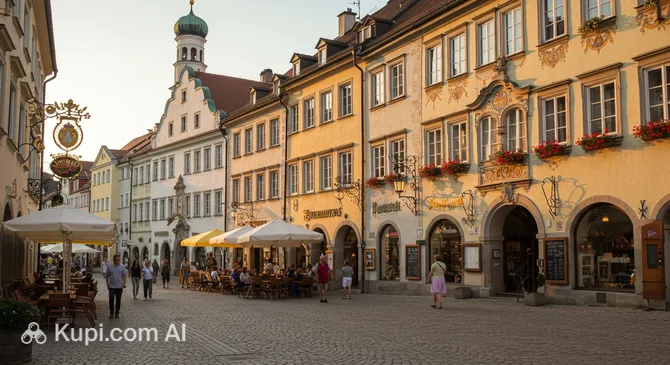
Nestled in the picturesque landscape of the Allgäu region, Kempten stands out as a vibrant hub with a deep connection to the past. Often competing for the title of the oldest urban settlement in Germany, this charming town offers a unique blend of ancient heritage and modern Bavarian culture. Its atmosphere is characterized by a harmonious mix of historical grandeur and the lively spirit of a university city.

Geographically, Kempten is situated in the administrative region of Bavaria, serving as a central economic and cultural point for the surrounding areas. With a population of approximately 69,000 residents, it maintains a cozy, approachable feel while providing the amenities of a bustling city. The local climate is heavily influenced by the nearby Alps, resulting in crisp, snowy winters that delight winter sports enthusiasts and lush, mild summers perfect for outdoor exploration.
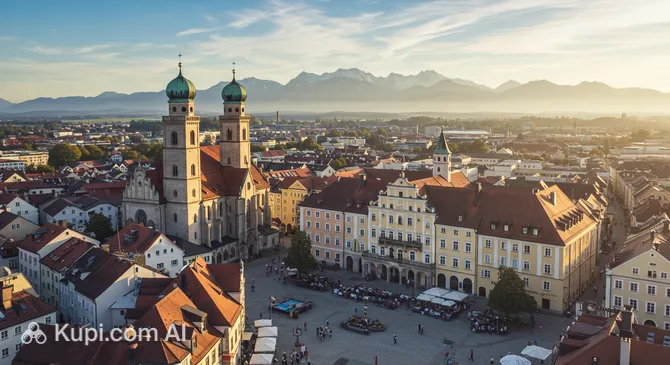
The rich history of Kempten is palpable as you navigate its streets. The city was originally founded by the Romans as Cambodunum, and today, visitors can step back in time at the Archaeological Park Cambodunum to see excavated Roman ruins. Beyond its ancient roots, the city boasts impressive architecture from later eras, such as the magnificent Residenz, a former Benedictine abbey with stunning Rococo state rooms, and the imposing Basilica of St. Lorenz.

Whether you are wandering through the historic St. Mang Square, shopping in the pedestrian zone, or using the city as a gateway to the majestic Alps, Kempten promises a memorable experience. It is a destination that invites travelers to slow down, soak in the culture, and enjoy the legendary hospitality of the Allgäu region.
Weather Overview

The climate in Kempten is generally temperate, heavily influenced by its proximity to the Alps, which ensures distinct seasons throughout the year. Summers are typically mild and pleasant, with average daytime highs reaching around 21°C to 22°C in July and August. However, travelers should be prepared for frequent showers, as this period often records a high number of wet days, particularly in May and June.

Winters bring a crisp chill to the region, transforming the city into a colder landscape. During the coldest months of January and February, average minimum temperatures can drop to approximately -3°C. To help you pack the right gear for your trip, it is helpful to review the detailed forecast and historical trends for the weather in Kempten before you arrive.

Overall, expect warm summers with occasional rain and cold winters. The transitional seasons of spring and autumn offer cooler but comfortable conditions, with average temperatures rising from 4°C in March to roughly 13°C in September, making layers essential for comfortable sightseeing.

Interesting Facts

Beyond the main attractions, Kempten holds many fascinating secrets and historical quirks that often escape the casual observer. From its unique political past to its deep imperial connections, the city offers intriguing stories waiting to be discovered.
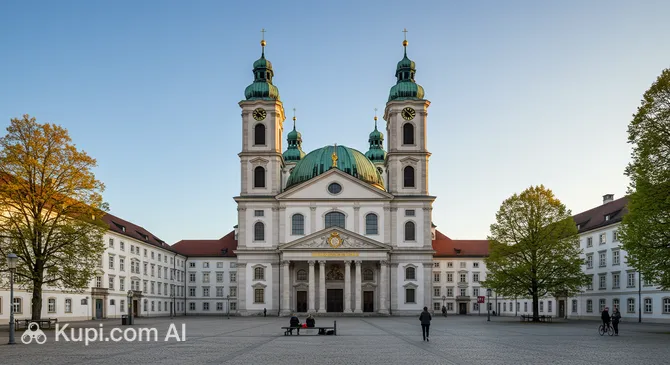
St. Lawrence Basilica. Source: Kupi.Binoculars
  • For over six centuries, Kempten was actually two distinct and independent cities existing side-by-side. The Catholic "Stiftsstadt" (Monastery Town) and the Protestant "Reichsstadt" (Free Imperial City) had separate administrations, walls, and legal systems until they were finally united in 1818.

  • The St. Lawrence Basilica holds a special place in architectural history as the first large church built in southern Germany following the Thirty Years' War, influencing the Baroque style throughout the Alpine region.

  • Although Augsburg is frequently mentioned in Roman history, the settlement of Cambodunum—now preserved as the Archaeological Park Cambodunum—served as the likely capital of the Roman province of Raetia in the 1st century AD before the administration moved.

  • The spacious Hildegard Square is named in honor of Hildegard of the Vinzgau, the wife of Charlemagne. She is revered as the great benefactress who, according to tradition, founded the original monastery in Kempten in the 8th century.

How to Get There

Reaching the heart of the Allgäu region is straightforward thanks to its central location and good connections. Whether you are arriving by air or rail, there are several convenient hubs nearby. For a complete guide on planning your journey, you can read more about how to get to Kempten on our detailed page.

The city of Kempten does not have its own airport, but you can fly into Memmingen Allgäu Airport (IATA: FMM) in the city of Memmingen, which is the closest option at about 29 km away. It is a short drive via the A7 motorway, making it a very practical choice for regional flights. For more extensive international connections, many travelers choose Franz Josef Strauss Airport (IATA: MUC) in Munich. Located roughly 130 km away, it offers excellent highway access and train links, with travel times by road generally taking around 1.5 hours. Alternatively, Zurich Airport (IATA: ZRH) in Zurich serves as another major gateway about 136 km from the city.

For clarity, here is a summary of the main airports:

Airport Name City Passenger Traffic Km from City
Franz Josef Strauss AirportMunichLarge129.8
Zurich AirportZurichLarge135.5
Memmingen Allgäu AirportMemmingenMedium29.4
Innsbruck AirportInnsbruckMedium93.3
Friedrichshafen AirportFriedrichshafenSmall61.6

Travelers preferring rail transport will find Kempten well-integrated into the railway network. While the city has its own station offering local and regional services, many visitors connect through major hubs. Munich Hauptbahnhof in Munich is approximately 104 km away and offers frequent direct connections, with the train ride typically taking about 1.5 hours. Another significant interchange is Augsburg Hauptbahnhof, situated approximately 83 km away; direct trains from here usually reach Kempten in about an hour. Both cities are also well-connected to Kempten by road via the B12 and B17 federal highways and the A7 motorway.

Below are the major railway stations serving the wider region:

Station City Passenger Traffic Km to Center
Munich HauptbahnhofMunichVery Large103.5
Zürich HauptbahnhofZurichVery Large139.2
Augsburg HauptbahnhofMunichLarge82.6
Innsbruck Railway StationInnsbruckLarge96.9
Rosenheim Bus StationRosenheimMedium135.9

Main Attractions

Attractions:

Kempten offers a delightful mix of historical treasures and modern leisure facilities, making it a versatile destination for all types of travelers. From its Roman roots to its vibrant city center, there is plenty to explore. Below are some of the key sights that define the character of this Allgäu metropolis.

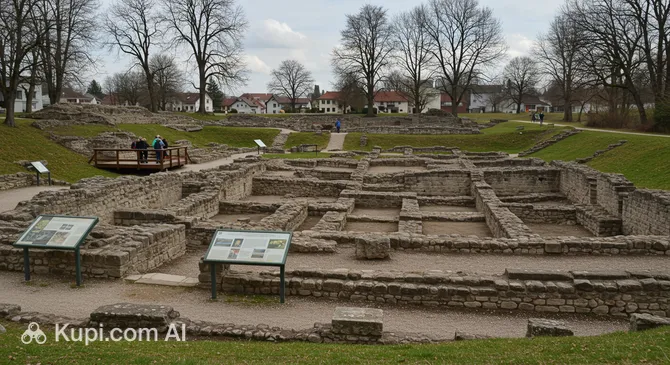
A journey into the city's past begins at the Archaeological Park Cambodunum. As one of the oldest cities in Germany, Kempten preserves its Roman heritage in this expansive open-air museum. Visitors can walk among the excavated foundations of the forum, the basilica, and the thermal baths. The park brings history to life with reconstructed temple districts and interactive exhibits, offering a fascinating glimpse into what life was like in the provincial capital of Raetia some 2,000 years ago.

Archaeological Park Cambodunum. Source: Kupi.Binoculars

Dominating the skyline is the impressive St. Lawrence Basilica, a masterpiece of Baroque architecture. Built in the 17th century, it was one of the first major churches constructed in southern Germany after the Thirty Years' War. The interior is breathtaking, featuring intricate stucco work, imposing domes, and a serene atmosphere that invites quiet reflection. It stands adjacent to the Residenz, forming a magnificent architectural ensemble that reflects the power of the former Prince-Abbots.

The heart of public life in Kempten is undoubtedly Hildegard Square. Located directly in front of the Basilica, this spacious square is a popular meeting point for locals and tourists alike. It hosts the lively weekly markets where you can buy fresh regional produce, as well as various festivals throughout the year. The square is surrounded by historic buildings and offers a perfect spot to sit, relax, and soak in the Bavarian atmosphere.

Hildegard Square. Source: Kupi.Binoculars

For those seeking relaxation or family fun, the CamboMare Indoor Pool and Sauna World is a top choice. This extensive water park features thrilling slides, outdoor pools, and a tranquil sauna village. It is the perfect place to unwind after a day of sightseeing, offering amenities that cater to both adrenaline seekers and those looking for a wellness retreat.

CamboMare Indoor Pool and Sauna World. Source: Kupi.Binoculars

Shopping enthusiasts will find their paradise at Forum Allgäu Kempten. As the largest shopping center in the Allgäu region, it houses a wide variety of international brands, fashion boutiques, and cafes under one roof. Its central location makes it easily accessible and provides a modern contrast to the city's historical sites, ensuring that a visit to Kempten satisfies every interest.

Local Cuisine

The culinary landscape of Kempten is deeply rooted in the traditions of the Allgäu region, offering visitors a hearty and rustic gastronomic experience. The local cuisine is famous for its comfort foods, often featuring high-quality dairy products from the surrounding Alpine pastures. No visit is complete without trying the region's signature dish, Kässpatzen (cheese spätzle). These homemade egg noodles are generously layered with aromatic mountain cheese and topped with crispy fried onions, creating a savory delight that is both simple and satisfying.

Beyond cheese dishes, the city's menus are filled with Bavarian classics. You can enjoy a tender Schweinebraten (roast pork) served with dumplings and dark beer sauce, or savory Maultaschen, which are pasta pockets filled with meat and spinach. For a quick snack while exploring, fresh pretzels (Brezn) and Leberkäse (meatloaf) rolls are widely available at local bakeries and butcher shops, providing a tasty fuel for your city walks.

Schalander Restaurant. Source: Kupi.Binoculars

When it comes to beverages, beer culture plays a central role in Kempten, as it does throughout Bavaria. The region boasts a long brewing history, and locals take pride in their lagers and wheat beers (Weizenbier). If you prefer a lighter option, try a Radler, a refreshing mix of beer and lemonade. For non-alcoholic refreshment, Apfelschorle—sparkling apple juice—is the standard thirst quencher found on every menu.

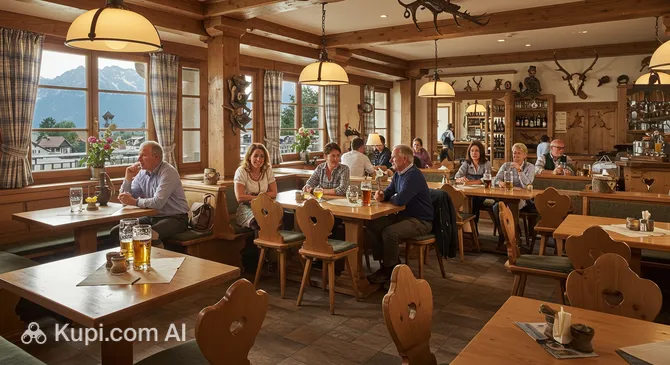
The dining scene in Kempten ranges from traditional wood-paneled taverns (Gasthäuser) to modern bistros. Locals often gather in beer gardens during the warmer months to enjoy food and conversation under the shade of chestnut trees. For a distinct dining atmosphere, you might visit the Schalander Restaurant, which offers a setting where you can savor delicious meals in a cozy environment. The weekly markets also provide a fantastic opportunity to sample fresh regional produce and artisanal cheeses directly from the producers.

Irish Pub Kempten. Source: Kupi.Binoculars

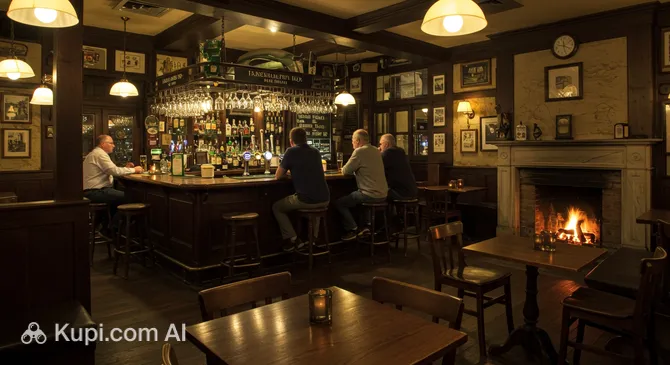
After a hearty meal, the city offers various spots to unwind. While traditional Bavarian pubs are plentiful, those looking for a different vibe can head to the Irish Pub Kempten. It is a popular meeting place for both locals and tourists to enjoy a pint of stout or cider and experience the lively evening atmosphere of the town.

Travel Tips

Visiting Kempten is a delightful experience, blending the charm of an ancient Roman settlement with the breathtaking backdrop of the Allgäu Alps. To help you make the most of your trip to this Bavarian gem, here are some practical tips to ensure your journey is smooth, comfortable, and culturally enriching.

  1. Clothing and Gear: Since Kempten lies at the foothills of the Alps, the weather can be changeable. It is best to pack in layers (the "onion principle") to adapt to shifting temperatures. Even in summer, evenings can get cool, so bring a light jacket. Comfortable walking shoes are essential for exploring the cobblestone streets of the historic center. If you plan to visit religious sites like the St. Lawrence Basilica, remember to dress modestly, covering your shoulders and knees.

  2. Transportation: The city center is compact and best explored on foot. For longer distances, Kempten has a reliable bus network coordinated by the mona transport association, with the "ZUM" (Central Transfer Point) serving as the main hub. While you don't strictly need a car to see the city itself, renting one is highly recommended if you plan to explore the surrounding Allgäu countryside or visit nearby castles, as rural connections can be less frequent.

  3. Finances: The currency is the Euro (€). While major hotels, supermarkets, and the Forum Allgäu shopping center accept international credit cards (Visa and Mastercard), Bavaria is still quite cash-oriented. Smaller bakeries, traditional Gasthäuser, and stalls at the weekly market may only accept cash or local EC cards. ATMs (Geldautomaten) are plentiful. Tipping is customary but relaxed; simply round up the bill or leave about 5-10% for good service.

  4. Health and Safety: Kempten is a very safe city for travelers. Pharmacies, marked by a red "A" (Apotheke), are easy to find; they operate on a rotation system for night and weekend services, with the on-duty location displayed on the door of every shop. For serious medical emergencies, dial 112. The tap water is excellent and safe to drink, often coming from fresh Alpine sources.

  5. Communication: The official language is German, often spoken with a distinct Swabian-Allgäu dialect. Most locals in the tourism and service sectors speak English well, but learning a few basic phrases goes a long way. A friendly "Danke" (Thank you) or "Bitte" (Please) is always appreciated. Free Wi-Fi is available in many cafes and at the Forum Allgäu, but for reliable connectivity, consider buying a prepaid SIM card at a local electronics store or supermarket.

  6. Local Etiquette: In this region, the traditional greeting is "Grüß Gott" (God greet you) rather than "Guten Tag," and it is polite to use this when entering shops or greeting hikers on trails. Punctuality is valued, so try to be on time for tours or reservations. Sundays are considered "quiet days" (Ruhetag); expect most shops and supermarkets to be closed, although restaurants, museums, and bakeries (in the morning) usually remain open.

  7. What to Avoid: Do not cross the street when the pedestrian light is red, even if there are no cars coming. It is frowned upon and sets a bad example for children. Also, avoid making excessive noise in residential areas on Sundays or late at night, as locals value their peace and quiet.

  8. Market Day Tip: If your schedule allows, visit the Weekly Market on Hildegardplatz (Wednesday and Saturday mornings). It is not just a place to buy food but a social event where you can taste local cheeses, sausages, and fresh pretzels. It’s the perfect spot to experience the authentic local lifestyle and grab a reasonably priced, high-quality lunch.

By keeping these practicalities in mind, you will be well-prepared to navigate Kempten like a local. Embrace the relaxed Alpine pace, enjoy the hearty food, and let the city's unique mix of history and nature create lasting memories for your travels.

Entertainment & Nightlife

Kempten may be deeply rooted in history, but as a university town, it boasts a youthful and energetic nightlife scene that comes alive when the sun sets. The evening entertainment here is characterized by a relaxed, friendly atmosphere rather than the high-paced intensity of a metropolis. The action is largely concentrated in the city center, particularly around the pedestrian zone and the central bus transfer point known as the "ZUM," making it easy to hop from one venue to another on foot.

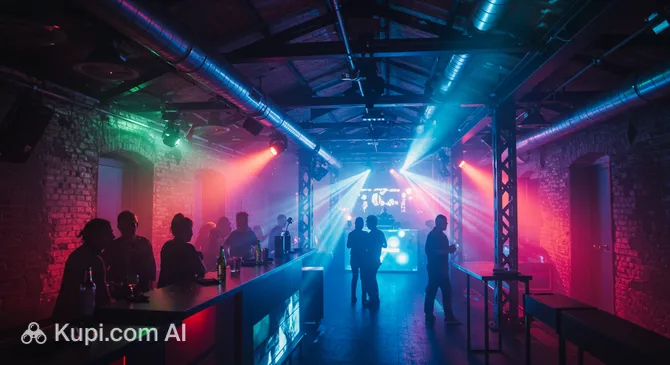
For those seeking a blend of culture and partying, the Künstlerhaus Kempten is a standout venue. Located in a historic building, it serves as a vibrant cultural hub that hosts everything from cabaret and comedy nights to spirited concerts and parties. It attracts a diverse crowd, offering a sophisticated yet unpretentious environment where art and nightlife seamlessly intersect.

Künstlerhaus Kempten. Source: Kupi.Binoculars

If you are looking for a lively place to socialize, the Irish Pub Kempten is a cornerstone of the local night scene. It is the go-to spot for watching live sports, participating in quiz nights, or simply enjoying a pint in a rustic setting. The pub draws a mix of students, locals, and tourists, ensuring a welcoming vibe where it is easy to strike up a conversation. For a more traditional start to your evening, many locals gather at the Schalander Restaurant. With its warm lighting and hearty atmosphere, it is an excellent location to enjoy a few drinks and build a foundation for the night ahead.

The nightlife in Kempten generally peaks on Friday and Saturday nights. Bars usually fill up around 9:00 PM or 10:00 PM, with most staying open until 1:00 AM or 2:00 AM. The dress code is predominantly casual; smart-casual attire is perfect for almost any bar or club in town. Prices are reasonable and student-friendly, with beer and cocktails costing significantly less than in larger Bavarian cities like Munich.

Safety is a strong point for Kempten. The city center is well-lit and secure, making night walks back to your hotel generally worry-free. However, if you are staying further out or prefer a ride, taxis are readily available at designated stands near the ZUM and the train station. Alternatively, you can easily call a local taxi service for a pickup.

Before the night begins, Kempten offers ample daytime entertainment to fill your schedule. Culture enthusiasts can explore the fascinating Roman history at the local museums or catch a matinee performance at the Stadttheater Kempten. For a more laid-back afternoon, the city's cinemas and shopping districts provide plenty of leisure options to keep you entertained until the evening lights turn on.

Parks & Museums

Kempten offers a fascinating journey through time, from Roman settlements to princely residences, all set within a green, alpine-influenced landscape. For culture enthusiasts and nature lovers alike, the city provides a compelling mix of educational museums and lush gardens. The local exhibition venues meticulously preserve the region's 2,000-year history, while the parks offer serene retreats with views of the historic skyline.

The crown jewel of the city's museum landscape is the Archaeological Park Cambodunum. As an expansive open-air museum, it allows visitors to walk through the excavated remains of the ancient Roman city of Cambodunum. Unlike a traditional indoor gallery, this park blends history with the outdoors, featuring reconstructed temples, thermal baths, and a small amphitheater. It is an immersive experience that vividly recreates life in the Roman province of Raetia.

Beyond its Roman heritage, the city boasts the Kempten Museum located in the historic Zumsteinhaus. This modern municipal museum narrates the city's unique dual history—the long-standing rivalry between the Catholic monastery town and the Protestant imperial city. Another significant cultural stop is the Allgäu Museum in the Kornhaus, a baroque building that showcases the art, culture, and everyday life of the region across centuries.

When it comes to green spaces, the Hofgarten is the city's most elegant park. Situated adjacent to the princely Residenz and the imposing St. Lawrence Basilica, this baroque garden invites visitors to relax among manicured lawns and flower beds. It serves as a scenic connector between the major historical landmarks and offers a quiet atmosphere right in the city center, perfect for a leisurely stroll after sightseeing.

For a more urban open-air experience, Hildegard Square acts as a central gathering place. While primarily a paved square hosting the weekly markets, its spacious design and surrounding architecture make it a pleasant spot to sit and observe local life. Additionally, those seeking a longer walk can head to the banks of the Iller River or the Engelhalde Park, a vast recreational area created on the site of a former gravel pit, featuring ponds, playgrounds, and climbing walls.

Getting Around

The public transport system in Kempten is efficient and tailored to the needs of this compact city. The backbone of local mobility is the bus network, operated by the transport association known as mona (Mobilitätsgesellschaft für den Nahverkehr im Allgäu). Unlike larger metropolises, Kempten does not have a metro or tram system. Instead, nearly all bus lines converge at the ZUM (Zentrale Umsteigestelle), the central transfer point located in the heart of the city. This makes navigating the area straightforward, as you can reach almost any district by connecting through this main hub.

For travelers, purchasing tickets is convenient and flexible. You can buy single tickets or day passes directly from the bus driver, usually with cash, or use ticket machines at major stops. For a more modern approach, the mona Ticket app allows you to purchase fares digitally on your smartphone. Prices are reasonable, with a single journey typically costing around 2.00 to 2.50 euros, while day tickets offer better value for extensive sightseeing. If you are exploring the wider region using a "Bayern-Ticket" (Bavaria Ticket), note that it is generally valid on local buses as well.

When using the buses, it is important to remember a few practical tips. If you purchase a paper ticket from a machine, be sure to validate it in the stamping box upon boarding if it is not already date-stamped. The standard bus service operates frequently during the day, typically from early morning until around 7:00 PM or 8:00 PM. In the evenings and on weekends, the frequency decreases. For late-night travel, the city offers an "Anruf-Sammel-Taxi" (AST) service, a shared taxi system that runs on specific routes and schedules but requires a phone reservation in advance.

Beyond buses, Kempten is a very walkable city, especially within the pedestrianized historic center. For destinations further afield or for carrying luggage to the main train station (Kempten Hauptbahnhof), standard taxis are readily available at designated stands at the ZUM and the station. Given the scenic nature of the Allgäu region, renting a bicycle is another popular alternative. Several local shops offer bike rentals, allowing you to explore the city and its green surroundings at your own pace on the well-maintained cycle paths.

Accommodation

Accommodation:

Accommodation in Kempten caters to a wide variety of preferences, reflecting the city's status as the capital of the Allgäu region. Visitors can choose from a range of options that include modern business hotels, charming family-run guesthouses (Gasthöfe), and cozy holiday apartments. While ultra-luxury resorts are less common within the city limits, travelers will find plenty of high-quality mid-range establishments that offer excellent comfort and traditional Bavarian hospitality.

For those who want to be in the heart of the action, staying in the city center is the best choice. Hotels located near the pedestrian zone or around St. Mang Square and Hildegard Square place you within walking distance of major sights, shops, and restaurants. This area is perfect for soaking up the historic atmosphere. Alternatively, the district around the main train station (Hauptbahnhof) is convenient for travelers planning to use public transport for day trips into the Alps or to nearby castles, although it is a bit further from the old town's core.

Prices in Kempten are generally reasonable compared to larger German cities like Munich. You can expect to find a solid selection of budget to mid-range options. A standard double room in a comfortable hotel typically falls into the moderate price category. Booking can be easily done through major online platforms, though many smaller, family-owned guesthouses also welcome direct inquiries, sometimes offering a more personal touch.

Booking Tip: Kempten is a popular destination year-round, but accommodation can fill up quickly during the summer months and the holiday season. It is especially important to book well in advance if you plan to visit during the Allgäuer Festwoche in August, as this major regional festival attracts thousands of visitors, causing room availability to drop significantly.

Nearby Cities

For those looking to explore the surroundings, Kempten serves as an excellent base for day trips to several interesting nearby locations:

One of the most charming destinations nearby is Kaufbeuren. Known for its well-preserved medieval character, the town features a historic city wall and the famous Crescentia Monastery, which attracts pilgrims and history enthusiasts alike. A walk through its old town reveals colorful facades and narrow alleys that transport visitors back in time.

Just a short distance to the northwest lies Memmingen, often referred to as the "City of Gates and Towers." It serves as a cultural gateway to the Allgäu region, boasting a picturesque market square, a Renaissance town hall, and the idyllic Stadtbach stream flowing through the city center. It is an ideal spot for those who appreciate architecture and urban history.

For nature lovers and outdoor enthusiasts, Sonthofen offers a perfect escape. As the southernmost city in Germany, it is nestled close to the high mountains, making it a prime starting point for hiking, cycling, and winter sports in the majestic Allgäu Alps. Its resort status ensures a relaxing atmosphere amidst stunning alpine scenery.

City Population Distance (km)
Kaufbeuren 45118 29
Memmingen 44721 30
Wangen im Allgäu 26956 37
Leutkirch im Allgäu 23509 25
Sonthofen 21589 24

These nearby destinations offer a glimpse into the diverse culture and landscapes of the region, providing memorable experiences just a short journey from Kempten.

Shopping & Souvenirs

Kempten serves as the premier shopping destination for the entire Allgäu region, offering a retail experience that seamlessly blends historic charm with modern convenience. Whether you are looking for international fashion brands, traditional Bavarian handicrafts, or regional delicacies, the city provides a diverse array of options to satisfy every shopper.

The heart of the shopping scene beats in the pedestrian zone within the city center. Stretching primarily along Fischerstraße and Gerberstraße, this car-free area connects the former monastic quarter with the imperial city district. Here, visitors can stroll past beautifully restored facades housing family-run boutiques, shoe stores, and bookstores. The atmosphere is relaxed, inviting you to window-shop or stop for a coffee in one of the many street-side cafes while admiring the architecture.

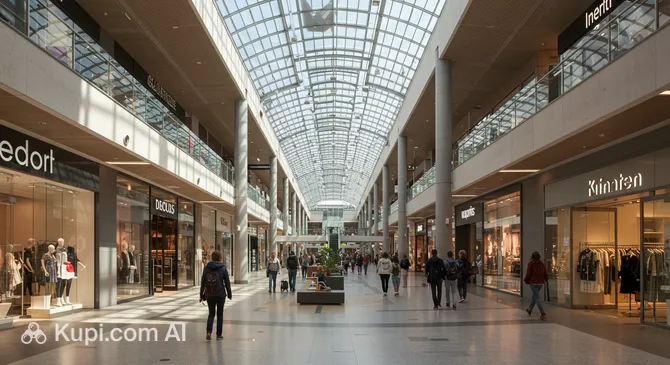
For a comprehensive modern shopping experience, the Forum Allgäu Kempten is the undisputed highlight. Located centrally, this expansive mall features around 90 shops spread across several levels. It is the go-to place for well-known high street fashion, electronics, and cosmetics. Its convenient location near the city center makes it easy to combine a shopping spree with a sightseeing tour of the nearby historic sites.

Forum Allgäu Kempten. Source: Kupi.Binoculars

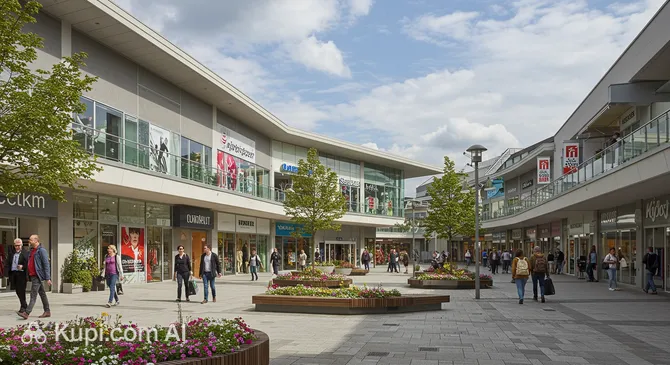
Another significant retail hub is Fenepark, situated slightly north of the downtown area. This shopping center is particularly known for its large hypermarket and a variety of specialty stores, making it a practical stop for travelers who need to stock up on supplies or are looking for a wider selection of everyday goods under one roof.

Fenepark. Source: Kupi.Binoculars

No visit to Kempten would be complete without exploring its culinary treasures. The Weekly Market on Hildegardplatz, held on Wednesday and Saturday mornings, is a feast for the senses. Locals flock here to buy fresh produce, flowers, and regional specialties. It is the perfect place to purchase authentic souvenirs such as Allgäuer Bergkäse (mountain cheese), artisanal honey, or smoked sausages directly from the producers.

When looking for keepsakes, keep an eye out for traditional items that reflect the local culture. Cowbells, woolen goods, and intricate wood carvings are popular choices. Additionally, the region's herbal heritage is evident in many shops selling natural cosmetics, teas, and herbal liqueurs, which make for unique and meaningful gifts to take home.

Most shops in the city center are open from Monday to Saturday, typically between 9:00 AM and 7:00 PM, though larger department stores and the Forum Allgäu may stay open until 8:00 PM. As is customary in Bavaria, nearly all retail businesses are closed on Sundays, so it is best to plan your shopping excursions for the rest of the week.

Reached the end of the page?

That means the route is fully explored