Support

Karlsruhe

About

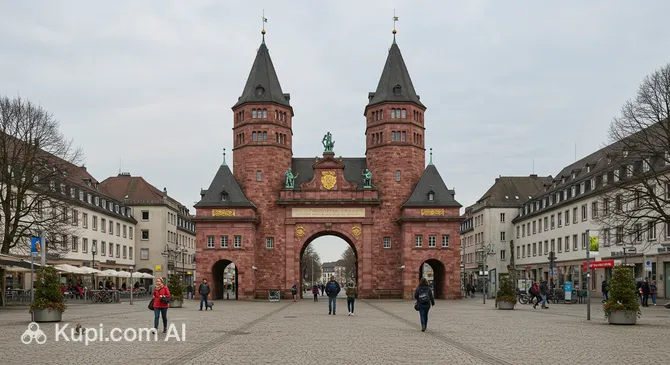
Welcome to Karlsruhe, a city that stands out for its unique urban design and vibrant cultural scene. Often referred to as the "Fan City" (Fächerstadt) due to its distinctive layout where streets radiate from the central palace like the ribs of a folding fan, Karlsruhe offers a harmonious blend of neoclassical elegance and modern innovation. As the seat of the two highest courts in the country, it is also known as the "Residence of Law," playing a pivotal role in the German judicial system.

Located in the sunny state of Baden-Württemberg in southwest Germany, the city enjoys a privileged position near the French border and the Rhine River. With a population of approximately 308,000 people, it is a bustling hub of technology and education, home to one of the nation's oldest technical universities. Its location in the Upper Rhine Plain gives it one of the warmest climates in the country, making it a pleasant destination for outdoor exploration throughout much of the year.
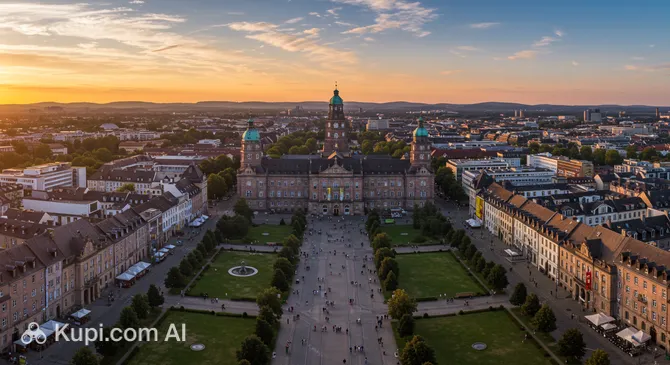
Karlsruhe. Source: Kupi.Binoculars

The city was founded in 1715 by Margrave Charles III William, and the story of its creation is quite remarkable. You can delve into the fascinating history of Karlsruhe to learn how a dream led to the construction of this planned city, which later served as a model for Washington, D.C. The magnificent Karlsruhe Palace remains the heart of the city, surrounded by expansive parks and gardens that invite leisurely strolls.

Beyond its royal heritage, Karlsruhe is a forward-thinking cultural destination. A must-visit is the ZKM | Center for Art and Media, a world-renowned institution housed in a former ammunition factory that explores the intersection of art and digital technology. For nature lovers, the Botanical Garden offers a serene escape with its historic greenhouses and exotic plants.

Whether you are drawn by its architectural symmetry, its reputation as a media art capital, or simply the relaxed lifestyle of the region, Karlsruhe provides a welcoming atmosphere for all travelers. It is an ideal starting point for discovering the Black Forest or enjoying the local hospitality in one of the many lively squares.
Weather Overview

Karlsruhe enjoys one of the mildest climates in Germany, benefiting from its location in the Upper Rhine Plain. While the weather is generally favorable for travel, it is always a good idea to check the current weather in Karlsruhe when packing for your trip. The city experiences four distinct seasons, offering a nice balance between sunny days and refreshing showers throughout the year.

The summer months of June through August are typically the warmest, with average temperatures ranging from 19.6°C to 21.0°C and daily highs often reaching nearly 26°C. This is a popular time for outdoor activities, although rain is not uncommon, with about 12 wet days per month. In contrast, winters are cool but rarely harsh; January is usually the coldest month with an average temperature of 3.3°C. December tends to be the dampest month in terms of frequency, seeing approximately 17 wet days.

Spring and autumn serve as pleasant transition periods. May brings comfortable averages of 14.3°C, while September retains some summer warmth at 16.8°C. Regardless of when you visit, precipitation is fairly evenly distributed across the calendar. Expect warm summers with occasional rain and cool winters with frequent damp days.

Interesting Facts

Beyond the main attractions, Karlsruhe holds many fascinating secrets that highlight its role as a pioneer in technology, transportation, and urban lifestyle. From revolutionary inventions to unique recreational spaces, the city has contributed significantly to modern history in ways that often surprise visitors.

  • The city is the birthplace of Baron Karl von Drais, the brilliant mind behind the precursor to the modern bicycle. While his famous "Laufmaschine" (running machine) was first demonstrated in Mannheim, this Karlsruhe native laid the foundation for personal mobility, reflecting the innovative spirit that still defines the region today.

  • Karlsruhe is a true digital pioneer; it was the site where the very first email in Germany was received. In August 1984, a message arrived at the University of Karlsruhe (now KIT) from the United States, marking the beginning of the internet age in the country.

  • The city is famous among urban planners for the "Karlsruhe Model," a groundbreaking public transport system introduced in 1992. It was the first network to seamlessly connect inner-city tram lines with regional railway tracks, allowing passengers to travel from the city center to surrounding towns without changing trains.

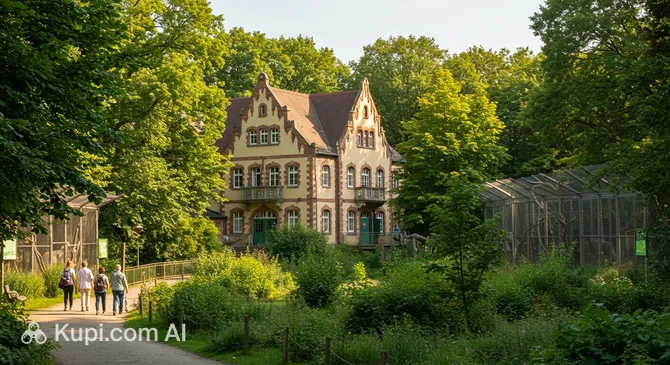
  • Nature and wildlife blend seamlessly at the Karlsruhe Zoo, which is one of the oldest zoos in Germany. A unique feature here is the Gondoletta, a boat ride that allows visitors to float gently through the Stadtgarten (City Garden) and view animals from the water, combining a park visit with a zoological experience.

Karlsruhe Zoo. Source: Kupi.Binoculars

How to Get There

Karlsruhe is strategically located in the heart of Europe, making it easily accessible by various modes of transport. Whether you prefer flying or taking the train, the city is well-connected to national and international networks. You can find all ways to reach the city in our detailed guide, but here is an overview of the most convenient options.

For air travelers, the closest option is Baden-Airpark (FKB), situated approximately 35 km from the city center. It is a convenient regional hub, particularly for flights within Europe. A shuttle bus service connects the terminal to the city, taking about 45 to 50 minutes. For long-haul international journeys, Frankfurt Airport (FRA) in Frankfurt am Main is the primary gateway. Located about 116 km away, it is one of the busiest airports in the world. From there, high-speed trains can whisk you to Karlsruhe in just over an hour. Alternatively, travelers can fly into Stuttgart Airport (STR) in Stuttgart, which is roughly 68 km away and offers a wide range of connections.

For clarity, here is a summary of the main airports:

Airport Name City Passenger Traffic Km from City
Frankfurt AirportFrankfurt am MainLarge115.5
Stuttgart AirportStuttgartMedium67.9
Baden-AirparkKarlsruheMedium34.7
Strasbourg AirportStrasbourgMedium77.2
Frankfurt Egelsbach AirportEgelsbach107.6

Traveling by train is another excellent way to arrive, as the city is a major junction in the German rail network. The central station, Karlsruhe Hauptbahnhof, is located just 1.5 km from the city center and serves as a key stop for high-speed ICE trains connecting northern Germany to Switzerland and France. With frequent connections, you can easily reach the city from virtually anywhere in Europe.

Below is a list of the nearest and most significant railway stations:

Station City Passenger Traffic Km to Center
Stuttgart HauptbahnhofStuttgartLarge62.2
Mannheim HauptbahnhofMannheimLarge52.8
Karlsruhe HauptbahnhofKarlsruheLarge1.5
BruchsalKarlsdorf-NeuthardMedium17.7
Baden-Baden Railway StationKarlsruheMedium28.7

Main Attractions

Karlsruhe is a city where history and innovation coexist beautifully, offering visitors a range of fascinating sights from royal residences to cutting-edge art centers. Whether you are interested in baroque architecture, digital media, or relaxing green spaces, the city's top sights provide a diverse and enriching experience.

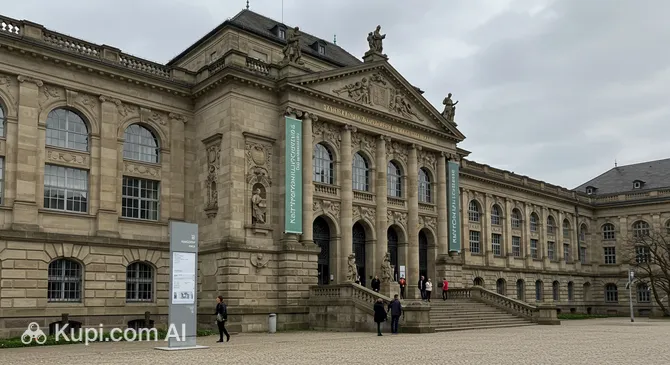
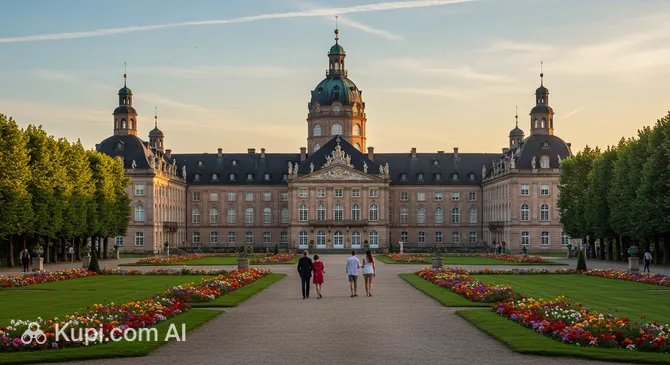
Standing at the very center of the city's unique "fan" layout is the magnificent Karlsruhe Palace. This sprawling Baroque complex was the residence of the Margraves and Grand Dukes of Baden for roughly 200 years. Today, it houses the Baden State Museum, where you can explore cultural history ranging from ancient times to the present. Visitors are often captivated by the view from the palace tower, which offers a perfect perspective of the 32 streets radiating outward from the building.

Karlsruhe Palace. Source: Kupi.Binoculars

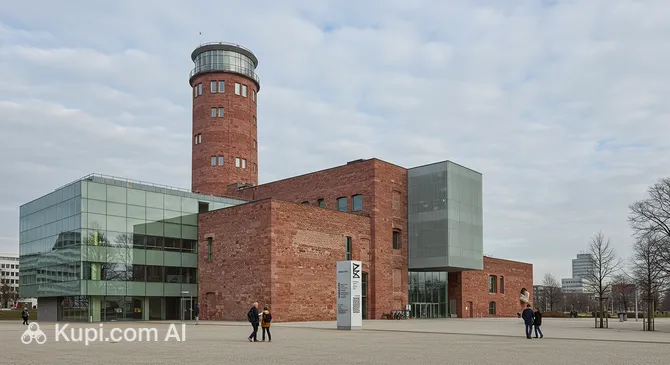
For a completely different cultural experience, the Center for Art and Media Karlsruhe (ZKM) is an absolute must-see. Housed in a converted ammunition factory, this world-renowned institution is often described as the "Centre Pompidou" of media arts. It is unique in bringing together all forms of media and artistic genres, offering interactive exhibitions that explore the relationship between art and digital technology. It attracts art lovers and tech enthusiasts alike with its forward-thinking displays.

Center for Art and Media Karlsruhe. Source: Kupi.Binoculars

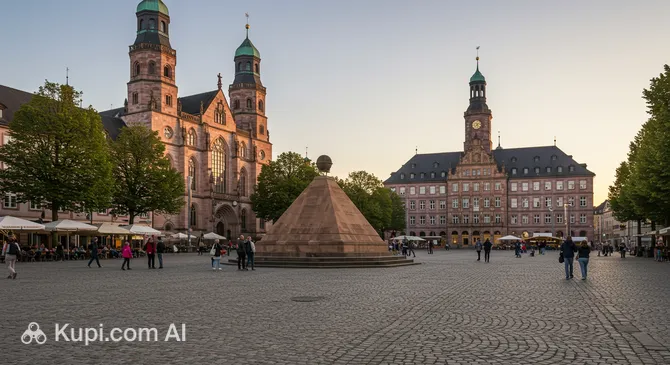
The heart of the city beat at the Market Square, the central plaza dominated by the city's most iconic landmark, a stone pyramid. This pyramid marks the burial site of the city's founder, Margrave Charles III William. The square is framed by the impressive Town Hall (Rathaus) and the Protestant City Church, both designed by the famous architect Friedrich Weinbrenner. It is a lively spot to admire classic architecture and soak in the local atmosphere.

Market Square. Source: Kupi.Binoculars

Nature lovers will find a peaceful retreat at the Karlsruhe Botanical Garden, located on the edge of the palace grounds. This historic oasis features beautiful greenhouses, exotic trees, and artistically designed flower beds. It is an ideal place for a quiet walk away from the city bustle, allowing tourists to enjoy the architectural beauty of the glasshouses alongside a diverse collection of plants.

Local Cuisine

The culinary scene in Karlsruhe is a delightful reflection of its location in the sun-drenched Baden region, right on the doorstep of France. The local food is known for being hearty and flavorful, blending traditional German staples with refined influences from the neighboring Alsace area. Visitors can expect a table full of comfort food, excellent regional wines, and a vibrant dining atmosphere that ranges from rustic taverns to modern student hangouts.

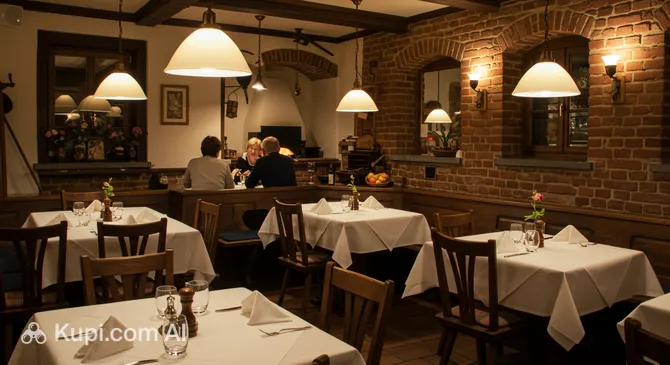
One dish you simply must try is Maultaschen, delicious pasta pockets filled with minced meat, spinach, and onions, which are often served in a clear broth or fried with egg. Another regional favorite is Kässpätzle, a rich dish of soft egg noodles smothered in melted cheese and topped with crispy fried onions. Given the city's proximity to the French border, Flammkuchen (tarte flambée) is also extremely popular here. For an authentic taste of this thin, crispy dough topped with crème fraîche, onions, and bacon, you can visit Marianne's Flammkuchen, a spot well-regarded for this specialty.

Marianne's Flammkuchen. Source: Kupi.Binoculars

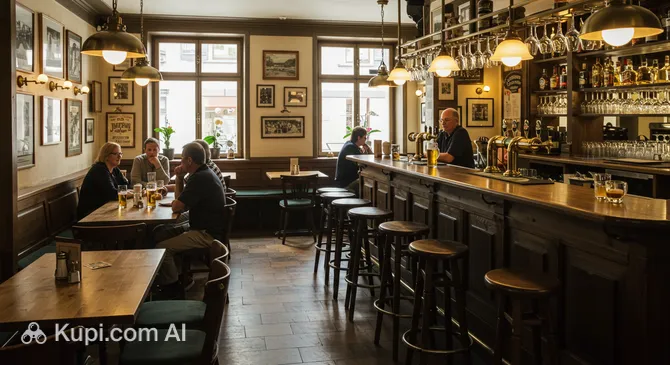
When it comes to drinks, Karlsruhe benefits from being in one of Germany's warmest wine-growing areas. The Baden wine region is famous for its exceptional Pinot Noir (Spätburgunder) and Riesling, which pair perfectly with the local fare. Beer lovers are also well catered to, with local breweries producing distinct pilsners and wheat beers. The city's large student population ensures a buzzing nightlife and pub culture. Places like the Oxford Pub offer a convivial atmosphere where locals and visitors mingle over drinks and hearty meals.

Oxford Pub. Source: Kupi.Binoculars

For a more casual food experience, the vibrant weekly markets at Market Square provide fresh local produce, artisanal cheeses, and hot snacks that are perfect for a quick lunch on the go. During the warmer months, the city's many beer gardens and outdoor terraces come alive, allowing diners to enjoy the mild climate while savoring the rich and comforting flavors of Baden cuisine.

Travel Tips

Visiting Karlsruhe is a delightful experience thanks to its orderly "fan" layout and efficient infrastructure, but knowing a few local nuances can make your trip even smoother. To help you navigate the city with ease and confidence, here are some essential practical tips for your stay.

  1. Clothing and Gear: Karlsruhe is located in the Rhine Rift Valley, making it one of the warmest cities in Germany. Summers can be hot and humid, so light, breathable clothing is best, though you should always carry a light jacket for cooler evenings. Winters are generally mild but can be damp, so a waterproof coat and sturdy walking shoes are recommended. Don't forget a Type F power adapter (standard European two-pin plug) for your electronics.

  2. Transportation: The city is famous for its excellent public transport system, known as the "Karlsruhe Model," which seamlessly connects inner-city trams with regional trains. You rarely need a car here; the KVV (Karlsruher Verkehrsverbund) network of trams and buses is efficient and covers the entire region. Ticket machines are available at stops, and day passes are often the most economical choice for tourists.

  3. Finances: The local currency is the Euro (€). While credit and debit cards are widely accepted in hotels, major stores, and restaurants, Germany is still very much a cash-oriented society. Smaller bakeries, kiosks, and some traditional cafes may only accept cash, so it is wise to keep some bills and coins on hand. Tipping is customary; simply round up the bill or leave about 5-10% for good service.

  4. Health and Safety: Karlsruhe is a safe city with high medical standards. Pharmacies (Apotheke) are easily recognized by a large red "A" sign; they operate on a rotation system for 24/7 emergency service, with the location of the nearest open pharmacy displayed on the door of every shop. For general emergencies, dial 112 for ambulance or fire services.

  5. Communication: German is the official language, but English is widely spoken, especially given the city's large student population and status as a technology hub. A friendly "Guten Tag" (Good day) or "Danke" (Thank you) is always appreciated. Free Wi-Fi is available in many public squares and cafes, and the "KVV.mobil" app is incredibly useful for checking transport schedules in real-time.

  6. Local Etiquette: Punctuality is highly valued, so try to be on time for tours or reservations. Sundays are considered "quiet days" (Ruhetag), meaning almost all shops, supermarkets, and pharmacies are closed, though restaurants and museums usually remain open. It is customary to greet shopkeepers when entering a small store and to say goodbye when leaving.

  7. What to Avoid: Do not walk in the bicycle lanes. Karlsruhe is one of Germany's most bike-friendly cities, and cyclists ride quickly and expect their lanes to be clear. Bike paths are often marked in red or distinguished by a different pavement texture. Also, avoid crossing the street when the pedestrian light is red, as this is frowned upon and can result in a fine.

  8. Shopping Hours: Keep in mind that standard shopping hours are generally until 8:00 PM on weekdays and Saturdays. Unlike in some other countries, late-night shopping is not common, and finding a supermarket open past 9:00 PM or 10:00 PM can be difficult, so plan your grocery runs accordingly.

By keeping these practical tips in mind, you will be well-prepared to enjoy everything Karlsruhe has to offer, from its baroque palaces to its vibrant media art scene. Pack your bags, bring comfortable shoes, and get ready to explore this welcoming and innovative German city!

Entertainment & Nightlife

Entertainment and Nightlife:

Karlsruhe owes much of its vibrant evening energy to its status as a major university city. The nightlife here is diverse and unpretentious, characterized by a mix of traditional student pubs, stylish cocktail bars, and lively clubs. The atmosphere is generally relaxed, with a focus on socializing in open squares during the warmer months and cozying up in unique indoor venues when the weather cools down. Whether you are looking for a sophisticated drink or a night of dancing, the "Fan City" has something to offer.

For those who enjoy bar-hopping, the area around Ludwigsplatz is the place to be. This square is packed with restaurants and bars that offer extensive outdoor seating, creating a buzzing Mediterranean vibe in the summer. It attracts a mixed crowd of students, young professionals, and tourists. If you prefer a more alternative and bohemian atmosphere, head to the Südstadt district, particularly around Werderplatz. Here, you will find rustic pubs and a more local, artistic community.

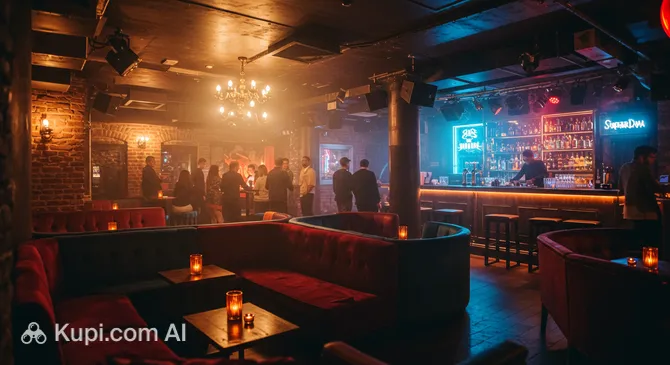
When it comes to specific venues, quality takes precedence over quantity. For an exceptional cocktail experience, Der KofferRaum is a standout choice. This multi-award-winning bar is known for its speakeasy atmosphere and creative mixology, using homemade ingredients to craft unique drinks. It is the perfect spot for a relaxed evening with friends in a stylish setting.

Der KofferRaum. Source: Kupi.Binoculars

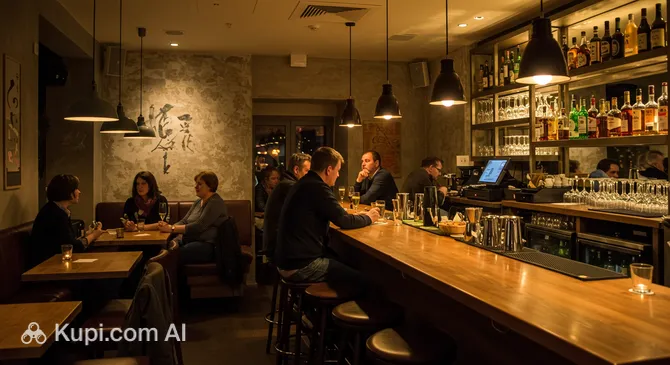
If you are looking for a venue that combines modern aesthetics with a great view, Tawa Yama is a fantastic option. Located in the Durlach area, it offers a contemporary space that transitions from a fine dining experience to a chic bar atmosphere, perfect for enjoying a glass of wine or a signature drink while overlooking the surroundings.

Tawa Yama. Source: Kupi.Binoculars

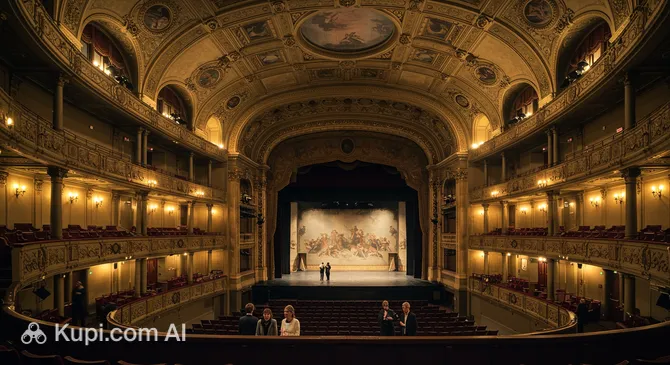
Beyond the bar scene, Karlsruhe offers rich cultural entertainment. The Baden State Theatre Karlsruhe is a premier destination for opera, ballet, and drama lovers, hosting high-quality productions throughout the year. For daytime or early evening fun, you might challenge yourself at the Adventurebox Escape Room Karlsruhe, which provides exciting puzzles and team-building scenarios perfect for groups.

Baden State Theatre Karlsruhe. Source: Kupi.Binoculars

Getting around at night is safe and convenient. The city operates an extensive "Nightliner" network of trams and buses that run throughout the night on weekends (Friday and Saturday), ensuring you can get back to your hotel easily. Taxis are also readily available and reliable; you can find them at designated stands or call a local service. Karlsruhe is generally very safe for walking at night, especially in the city center and busy districts, though standard precautions should always be taken.

Most bars are open until 1:00 AM or 2:00 AM on weekends, while clubs typically get going around midnight and stay open until dawn. The dress code is usually casual to smart-casual; very few places require formal attire, reflecting the city's laid-back and welcoming spirit.

Parks & Museums

Karlsruhe is widely celebrated as a "city in the green," where urban life is seamlessly interwoven with expansive parks, gardens, and forests. Beyond its leafy boulevards, the city boasts a sophisticated cultural landscape, offering a diverse array of museums that range from classical fine arts to interactive history and niche interests. Whether you want to relax under ancient trees or explore centuries of artistic mastery, the city provides ample opportunity for both leisure and learning.

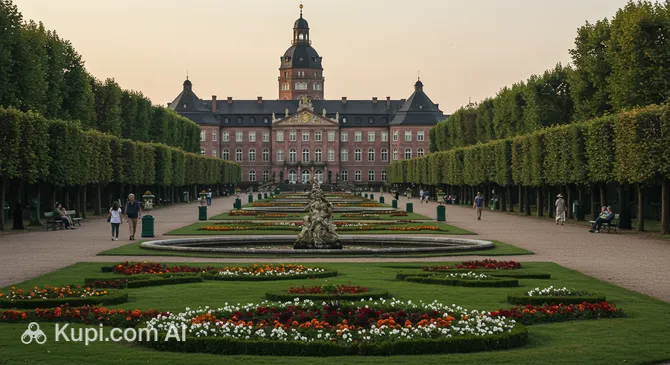
The most iconic green space is undoubtedly the Schlossgarten Karlsruhe, located directly behind the majestic palace. Designed in the style of an English landscape garden, this vast park serves as the city's green lung and a favorite living room for locals. Visitors can stroll along wide avenues, relax by the lake, or take a ride on the charming miniature railway, the Schlossgartenbahn, which winds through the grounds. It is a perfect spot to unwind after touring the city center.

Schlossgarten Karlsruhe. Source: Kupi.Binoculars

For those seeking a more active recreational area, the Günther-Klotz Park, affectionately known as "The Klotze" by residents, is the place to go. Stretching along the banks of the Alb River, this park features rolling hills, playgrounds, and boat rentals. It is particularly popular in the summer for jogging, picnicking, and open-air events, offering a lively contrast to the more formal atmosphere of the palace gardens.

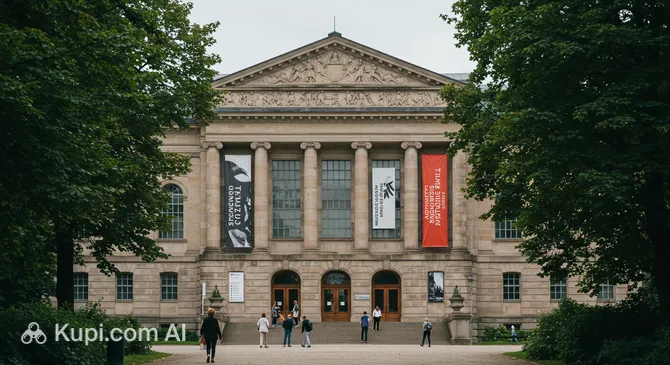
Cultural enthusiasts will find a treasure trove at the State Museum of Natural History Karlsruhe. Located on the beautiful Friedrichsplatz, this museum is famous for its Vivarium, which houses living exotic animals including reptiles and amphibians in naturalistically designed terrariums. The exhibits cover geology, paleontology, and biology, making it a fascinating destination for families and nature lovers alike.

State Museum of Natural History Karlsruhe. Source: Kupi.Binoculars

Just a short walk away is the State Art Gallery Karlsruhe (Staatliche Kunsthalle), one of Germany's major art museums. It houses an impressive collection spanning seven centuries, focusing on German, French, and Dutch masters. From the Middle Ages to the present day, the gallery offers a comprehensive journey through European art history within a historic building that is an architectural gem in itself.

State Art Gallery Karlsruhe. Source: Kupi.Binoculars

For a truly unique experience, technology fans should visit the RetroGames Museum. Unlike traditional museums where items are behind glass, this venue is dedicated to the preservation of video game culture and allows visitors to play on original arcade machines and consoles from decades past. Another hidden gem for nature enthusiasts is the Oberwald Zoo Karlsruhe, a freely accessible wildlife park where you can observe animals like elks and gazelles in large, natural enclosures while enjoying a peaceful walk through the forest.

Getting Around

Public transport in Karlsruhe is renowned for its efficiency and innovation, serving as a model for cities worldwide. The system is managed by the Karlsruher Verkehrsverbund (KVV) and is famous for the "Karlsruhe Model," which seamlessly integrates inner-city trams with regional railway tracks. This means you can board a yellow tram-train in the city center and travel directly to the surrounding countryside without changing vehicles. The network consists primarily of trams (Straßenbahn) and light rail trains (Stadtbahn), supported by an extensive bus network that reaches areas not covered by rails.

Navigating the fare system is straightforward once you understand the "honeycomb" (Wabe) structure. The entire region is divided into hexagonal zones. For most tourists staying within Karlsruhe, you will primarily need tickets for the city area, which typically covers two honeycombs (Wabe 100). A single one-way ticket costs approximately €3.00, but for visitors planning to explore multiple sights, a Day Ticket (Citykarte) is often the best value. It costs around €7.80 for one person or slightly more for a group of up to five people, allowing unlimited travel within the city zone for 24 hours.

Tickets can be purchased easily at the automated machines located at every tram and train stop. These machines usually feature a touchscreen interface with multiple language options, including English. You can pay with cash (coins and small bills) or credit cards. Alternatively, the "KVV.mobil" smartphone app is a convenient way to buy tickets digitally. If you purchase a paper ticket from a machine, be sure to validate it by stamping it in the small boxes located on board trams or at station platforms before starting your journey, unless the ticket is already printed with a specific date and time.

The transport network operates extensively throughout the day, with trams running every few minutes during peak hours. In the evenings, the frequency decreases, but connections remain reliable. On Friday and Saturday nights, as well as before public holidays, the "Nightliner" service ensures you can get around safely until the early morning hours. Night buses and trams depart hourly from the central Marktplatz, connecting the city center to the suburbs and outlying districts.

For a unique transport experience, do not miss the Turmbergbahn in the district of Durlach. It is Germany's oldest operating funicular railway, originally opened in 1888. A ride up the hill offers not only a trip through history but also panoramic views over the Rhine plain. It is fully integrated into the KVV network, though separate tourist tariffs may apply depending on your base ticket.

While public transport is excellent, Karlsruhe is also one of the most bicycle-friendly cities in the region due to its flat terrain. Renting a bike is a popular alternative for tourists; the "KVV.nextbike" sharing system allows you to pick up and drop off bicycles at numerous stations across the city. Taxis are also available and can be hailed at designated stands or booked via phone and apps, though they are generally more expensive than the efficient tram and bus network.

Accommodation

Finding the perfect place to stay in Karlsruhe is generally a stress-free experience, as the city offers a wide spectrum of accommodation options to suit various tastes and budgets. Whether you are looking for a modern business hotel with high-speed connections, a charming guesthouse with local flair, or a budget-friendly hostel, the "Fan City" is well-equipped to host its visitors. In recent years, the selection has expanded to include stylish serviced apartments and boutique hotels, catering to both short-term tourists and longer-term business travelers.

For most visitors, the most convenient area to stay is the city center (Innenstadt). staying here places you within walking distance of major landmarks like the palace, the main market square, and the shopping districts. If you prioritize easy access to transportation, particularly for day trips to the Black Forest or France, the area around the Main Station (Hauptbahnhof) is an excellent choice. It is well-connected and hosts several reliable chain hotels, making it a practical base for explorers using the rail network.

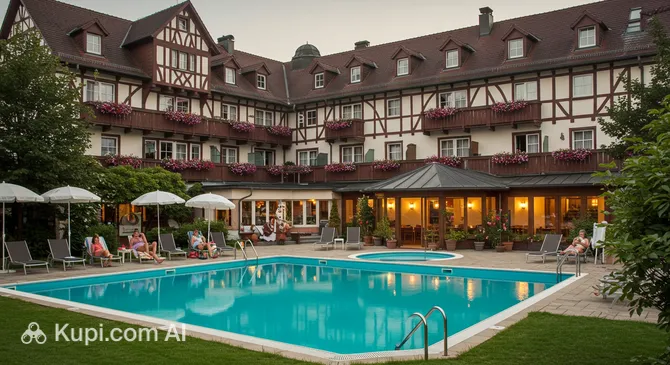
Among the specific options available, travelers often look for places that combine comfort with unique amenities. One such example is Hotel Aviva, which is known for offering a distinctive experience often categorized under resort-style or wellness-oriented accommodations. Establishments like this provide a relaxing retreat after a day of sightseeing, often featuring modern facilities and a focus on guest well-being.

Hotel Aviva. Source: Kupi.Binoculars

Prices in Karlsruhe are generally moderate compared to larger German cities like Munich or Frankfurt. Budget travelers can find hostels or simple rooms ranging from €50 to €80 per night, while mid-range hotels typically charge between €80 and €130. Luxury options and high-end suites will naturally cost more. It is highly recommended to book your accommodation in advance, especially if your visit coincides with major trade fairs or festivals, as demand can spike significantly during these periods. Most bookings can be easily made through major online platforms or directly via hotel websites.

Nearby Cities

For those looking to explore the surroundings, Karlsruhe serves as an excellent base for day trips to several interesting nearby locations. Just a short distance to the south lies Ettlingen, a charming town that feels worlds away with its winding alleys, historic Old Town, and the baroque Ettlingen Palace, which hosts a famous open-air theatre festival in summer. Further south is Rastatt, known as a "Baroque Jewel," home to the magnificent Residential Palace (Residenzschloss) that was modeled after Versailles and stands as a testament to the region's royal past.

Another worthwhile destination is Pforzheim, often called the "Golden City" due to its long tradition of jewelry and watchmaking. Located at the northern edge of the Black Forest, it offers a mix of industrial history and access to nature trails. To the northeast, Bruchsal attracts visitors with its own stunning baroque palace, famous for its elaborate staircase designed by Balthasar Neumann. Additionally, the town of Gaggenau offers a gateway to the Murg Valley and is well-known among automotive enthusiasts.

City Population Distance (km)
Pforzheim126,01625
Rastatt50,44122
Bruchsal45,64419
Ettlingen39,3397
Gaggenau30,05923

These nearby destinations offer a glimpse into the diverse culture and landscapes of the region.

Shopping & Souvenirs

Shopping in Karlsruhe is a relaxed and enjoyable experience, largely thanks to the city's unique fan-shaped layout which concentrates many of the best retail opportunities within a compact, pedestrian-friendly city center. Visitors can wander through wide boulevards lined with international brands or explore charming side streets filled with owner-operated boutiques. Whether you are looking for high-end fashion, regional delicacies, or quirky design items, the city offers a diverse mix of options that cater to every taste and budget.

The main shopping artery is Kaiserstraße, the longest shopping street in the Baden region. Free of cars and bustling with activity, it is home to major department stores, popular fashion chains, and shoe shops. For a more exclusive atmosphere, diverge into the fan-like streets radiating south of the main strip, such as Herrenstraße and Waldstraße. These areas are known for their upscale boutiques, art galleries, and antique shops, offering a distinct contrast to the commercial hustle of the main avenue.

If you prefer shopping under one roof, the city boasts impressive malls. The largest inner-city shopping center in southern Germany is Ettlinger Tor Karlsruhe. With its stunning glass architecture and over 130 shops, it provides a bright and airy environment for browsing everything from electronics to designer wear. Another architectural gem is the Postgalerie, located in the former main post office building on Europaplatz. This beautifully preserved neoclassical building now houses modern fashion stores, bookstores, and a variety of food outlets, blending historic charm with contemporary retail.

Ettlinger Tor Karlsruhe. Source: Kupi.Binoculars

For a taste of local life, Karlsruhe's markets are unmissable. The weekly market at Gutenbergplatz is widely considered one of the most beautiful in the city. Surrounded by historic buildings and lime trees, it takes place on Tuesdays, Thursdays, and Saturdays, offering fresh regional produce, flowers, and gourmet snacks. The central Market Square (Marktplatz) also hosts vibrant stalls where you can buy seasonal fruits and vegetables right in the shadow of the city's iconic pyramid.

When searching for the perfect souvenir, look for Karlsruhe Majolica. The city has a long tradition of ceramic art, and the local Majolica Manufactory produces exquisite, hand-painted pottery that makes for a unique gift. Other popular items include wines from the surrounding Baden vineyards or "Fächerstadt" (Fan City) themed merchandise. Sweet tooths might enjoy bringing home some traditional chocolates from one of the city's long-standing confectioneries.

Standard shopping hours in Karlsruhe are generally from 10:00 AM to 8:00 PM, Monday through Saturday. It is important to remember that, like the rest of Germany, almost all shops—including supermarkets and malls—are closed on Sundays. Major credit and debit cards are widely accepted in department stores and malls, but it is advisable to carry some cash for smaller boutiques, market stalls, and bakeries.

Visitors from outside the European Union may be eligible for a VAT refund on purchases over a certain amount. Look for the "Tax Free" signage in store windows. If you qualify, ask the shop assistant for a tax-free form at the checkout, which you can later present at customs upon leaving the EU to claim your refund.

Reached the end of the page?

That means the route is fully explored