Support

Wiesbaden

About

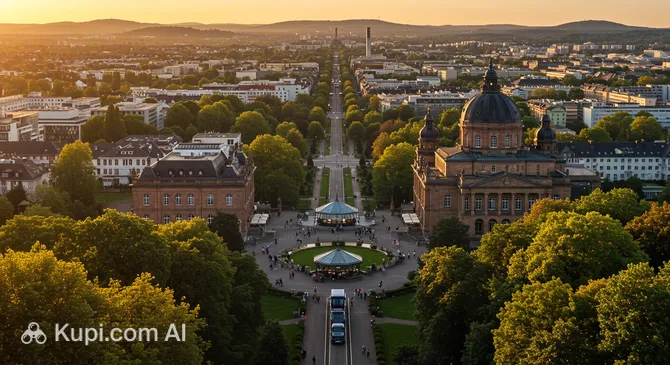
Welcome to Wiesbaden, one of the oldest spa towns in Europe and the elegant capital of the federal state of Hesse. Known for its sophisticated architecture and 26 hot springs, this city offers a perfect blend of relaxation and cultural richness, making it a distinguished destination for travelers.

Located in western Germany, Wiesbaden sits on the right bank of the Rhine River, directly across from Mainz and just a short distance from Frankfurt. With a population of approximately 279,000, it is a bustling urban center that nevertheless maintains a charming, park-like atmosphere, benefited by a mild climate and the shelter of the Taunus mountains.

Wiesbaden. Source: Kupi.Binoculars

The city has a fascinating past that dates back to Roman times, primarily due to its healing thermal waters. You can delve deeper into the history of Wiesbaden to learn how it evolved into a world-renowned wellness destination in the 19th century, often referred to as the "Nice of the North." Today, the cityscape is still defined by magnificent buildings from the Wilhelmian era that survived largely intact.

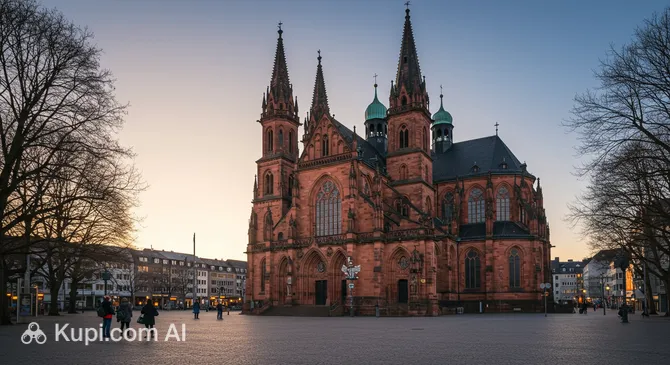
Visitors are often drawn to the stunning Kurhaus, a neo-classical masterpiece that houses the famous casino and serves as the city's social hub. Another highlight is the Neroberg, the city's local mountain, which offers panoramic views and can be reached by a unique water-ballast funicular railway. The striking neo-Gothic Marktkirche, with its tall brick spire, is also a must-see landmark in the city center.

Whether you are looking to unwind in historic thermal baths, explore grand architecture, or enjoy the local wine culture of the nearby Rheingau region, Wiesbaden promises a memorable experience. It is an ideal destination for those seeking both rejuvenation and discovery in a refined setting.

Weather Overview

Understanding the local climate is essential for packing the right gear for your trip. Wiesbaden generally experiences a temperate climate with distinct seasonal changes. For a detailed breakdown of what to expect during your specific travel dates, you can check the current weather in Wiesbaden.

Summers are typically warm and pleasant, making them a popular time for visitors. From June to August, average temperatures range between 18.2°C and 19.7°C, with daily highs often reaching up to 24.4°C in August. This is an excellent time to explore the city's parks and outdoor attractions, though it is wise to be prepared for about 11 to 12 wet days per month.

Winters are much cooler, though extreme cold is rare. In January, the coldest month, the average temperature hovers around 2.6°C, with lows dipping to approximately 0.5°C. Precipitation is fairly consistent throughout the year, but winter tends to see slightly more frequent rain, with December and January averaging about 16 wet days each. Expect warm summers with occasional rain and cold, damp winters, so bringing a waterproof jacket is recommended regardless of when you visit.

Interesting Facts

Beyond its famous thermal baths and historic architecture, Wiesbaden holds a collection of fascinating stories and unique landmarks. From literary legends to engineering marvels, here are some intriguing secrets of the Hessian capital that are worth knowing.
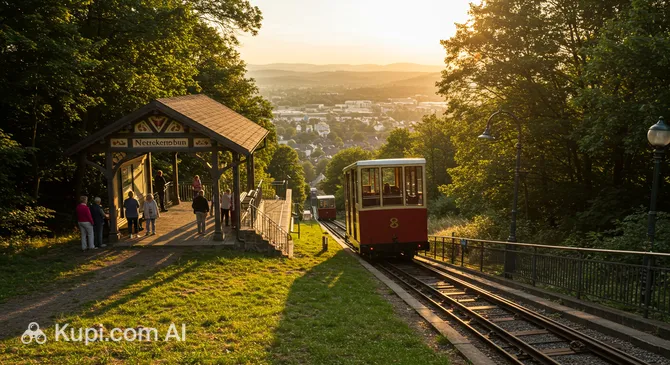
  • The city is home to a rare engineering curiosity, the Nerobergbahn, which is one of the few remaining water-ballast funiculars in the world. Since 1888, it has operated without electricity or traditional engines; instead, the carriage at the top is filled with up to 7,000 liters of water, using gravity to pull the lower carriage up the hill.

  • The elegant Wiesbaden Casino has a significant place in literary history. It was here that the famous Russian author Fyodor Dostoevsky gambled away his fortune in 1865, a disastrous event that inspired him to write his celebrated novel The Gambler to pay off his mounting debts.

  • Visible from many parts of the city, the Russian Orthodox Church of Saint Elizabeth on Neroberg was built as a tragic monument to love. After Duchess Elizabeth Mikhailovna died in childbirth at the age of 19, her grieving husband used her dowry to construct the church, ensuring she was laid to rest in soil specially imported from Russia.

  • Wiesbaden boasts what was once certified as the world's largest cuckoo clock. Located near the city center, this massive timepiece chimes every half hour between 8 a.m. and 8 p.m., delighting passersby with its traditional charm and impressive size.

Nerobergbahn. Source: Kupi.Binoculars

How to Get There

Reaching the capital of Hesse is quite convenient thanks to its central location and excellent transport connections. Whether you are traveling by air or rail, you have multiple options to choose from. For a comprehensive guide on all available routes and transport modes, you can read more about how to get to Wiesbaden on our detailed page.

The city of Wiesbaden does not have its own international airport, but it is extremely well-served by Frankfurt Airport (FRA), one of the busiest aviation hubs in Europe. Located in the city of Frankfurt am Main, it is only about 23 km from Wiesbaden. A trip by taxi or airport shuttle typically takes approximately 55 minutes, though direct train connections are often faster. Another option for travelers, particularly those flying with budget airlines, is Frankfurt-Hahn Airport (HHN). Although it lists Frankfurt am Main as its location, it is situated roughly 71.4 km away, meaning a transfer by road can take around 2 hours and 10 minutes. Additionally, Cologne Bonn Airport (CGN) in Cologne offers another entry point, located approximately 119 km to the northwest.

For clarity, here is a summary of the main airports:

Airport Name City Passenger Traffic Km from City
Frankfurt Airport Frankfurt am Main Very High 23.0
Cologne Bonn Airport Cologne High 119.2
Frankfurt-Hahn Airport Frankfurt am Main Medium 71.4
Baden-Airpark Karlsruhe Medium 144.9
Frankfurt Egelsbach Airport Egelsbach - 31.6

Traveling by train is another popular way to reach the region. While the city has its own central station, many international visitors arrive via the major regional hub, Frankfurt (Main) Hauptbahnhof. This station is located in the city of Frankfurt am Main, which is about 30.5 km from Wiesbaden. From there, you can get a taxi or bus, which takes about 65 minutes, or simply transfer to a frequent S-Bahn or regional train that connects directly to Wiesbaden. Another significant nearby hub is Mannheim Hauptbahnhof in Mannheim, located roughly 68.6 km away.

Below is a list of major railway stations in the vicinity:

Station City Passenger Traffic Km to Center
Frankfurt (Main) Hauptbahnhof Frankfurt am Main Very High 30.5
Mannheim Hauptbahnhof Mannheim High 68.6
Koblenz Hauptbahnhof Koblenz High 55.5
Bruchsal Karlsdorf-Neuthard Medium 107.5
Kaiserslautern Station Kaiserslautern Medium 79.1

Main Attractions

Wiesbaden offers a delightful mix of historical elegance, lush green spaces, and cultural treasures. While the city is famous for its wellness traditions, there is much more to explore beyond the thermal baths. From grand palaces to serene parks, here are some of the top sights you should not miss during your visit.

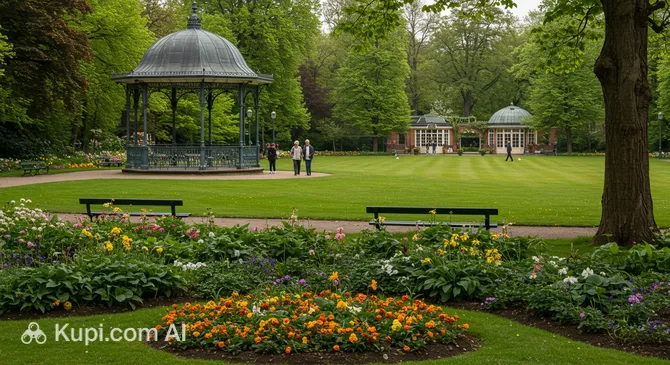
One of the most relaxing places in the city is the Kurpark Wiesbaden. Located directly behind the magnificent Kurhaus, this English-style landscape park is perfect for a leisurely stroll. It features a beautiful boating lake, exotic plants, and plenty of benches where you can sit and admire the surroundings. In the summer, the park often hosts open-air concerts, making it a lively yet peaceful retreat in the city center.

Kurpark Wiesbaden. Source: Kupi.Binoculars

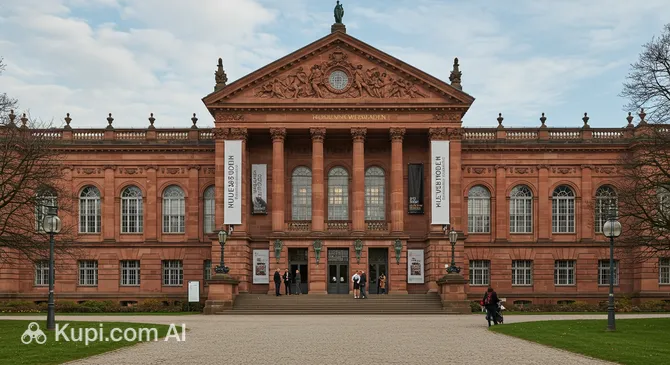
For culture enthusiasts, the Museum Wiesbaden is an essential stop. This dual-purpose institution combines an impressive art gallery with a natural history collection. It is particularly renowned for possessing one of the most significant collections of works by the Russian expressionist artist Alexej von Jawlensky. Whether you are interested in contemporary art, classic masterpieces, or the wonders of nature, this museum offers a diverse and engaging experience for all ages.

Museum Wiesbaden. Source: Kupi.Binoculars

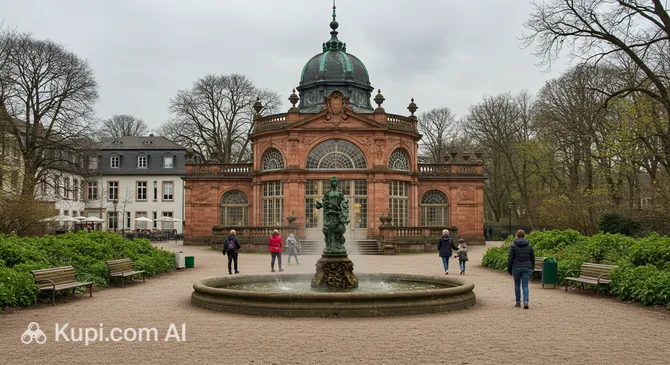
No visit to this spa town would be complete without seeing the Kochbrunnen. This famous "boiling well" is the most important of the city's thermal springs. Located on Kranzplatz, it brings together 15 individual springs that bubble up at temperatures of around 66°C. The water flows into a shell-shaped basin, and while the mineral-rich water has a distinct taste, many visitors try a sip for its reputed health benefits. It stands as a steaming symbol of the city's identity as a world-class health resort.

Kochbrunnen. Source: Kupi.Binoculars

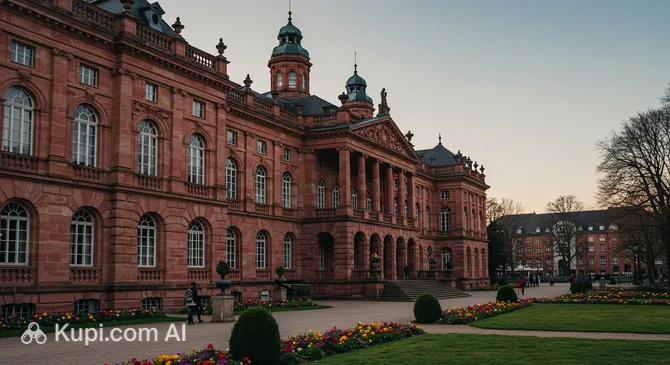
Another architectural gem is the Wiesbaden City Palace (Stadtschloss). Situated on the Market Square, this neo-classical building was once the residence of the Dukes of Nassau and later served as a secondary residence for the German Emperors. Today, it houses the Hessian State Parliament. While access to the interior is limited due to its governmental function, the exterior is striking, and the building plays a key role in the historic ensemble of the city center, right next to the imposing Town Hall.

Wiesbaden City Palace. Source: Kupi.Binoculars

If you are traveling with family or simply enjoy nature, consider a trip to the Fasanerie Wiesbaden. Located just outside the city center, this animal and plant park was historically a pheasantry for the ducal court. Now, it serves as a wonderful zoological garden where you can see native species like wolves, bears, and deer in spacious enclosures. It is a fantastic spot for a walk in the woods and offers a refreshing break from the urban environment.

Local Cuisine

The culinary scene in Wiesbaden is a delightful reflection of its location: sophisticated enough for a historic spa town, yet deeply rooted in the hearty traditions of the Hesse region. Situated at the gateway to the Rheingau, one of Germany's most famous wine-growing areas, the city offers a gastronomy that perfectly pairs savory local dishes with world-class wines.

When exploring local menus, you will frequently encounter Spundekäs, a creamy cheese dip seasoned with paprika, onions, and caraway seeds, typically served with fresh pretzels or rustic bread. It is the quintessential snack to enjoy with a glass of wine. Another regional classic is Handkäs mit Musik, a sour milk cheese marinated in vinegar, oil, and onions. While its pungent aroma can be surprising to newcomers, it is a beloved staple of Hessian cuisine. For a hearty main course, look for dishes featuring Grüne Soße (Green Sauce), a cold herb sauce often served with boiled eggs and potatoes or schnitzel.

As for beverages, Wiesbaden is a paradise for wine lovers. The local vineyards produce exceptional Riesling, known for its crisp acidity and fruity notes. If you prefer something more rustic, try Apfelwein (apple wine), often referred to as "Ebbwoi." This tart, cider-like drink is traditionally served in a diamond-patterned glass called a Geripptes and is a refreshing choice, especially in the summer. The city is also a center for sparkling wine production, so a glass of local Sekt is always a fitting way to celebrate your visit.

For a true taste of local life, visit the popular weekly market (Wochenmarkt) held on Wednesdays and Saturdays at the Dern'sches Gelände. Located right next to the imposing Market Church Wiesbaden, this market is where locals shop for fresh produce, regional cheeses, and hot street food. It is a vibrant spot to soak up the atmosphere and sample local specialties directly from the producers.

Market Church Wiesbaden. Source: Kupi.Binoculars

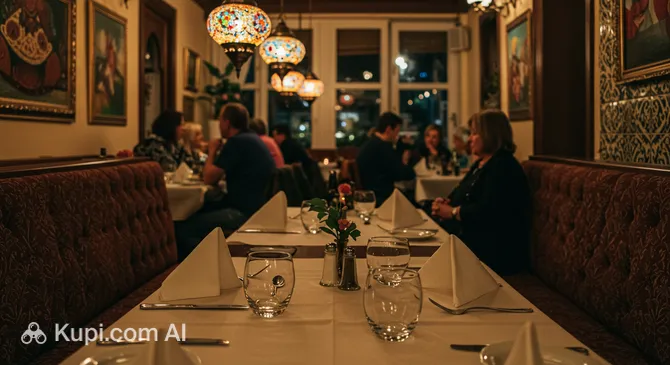
Beyond traditional German fare, the city boasts a diverse restaurant scene catering to all tastes. The "Goldgasse" in the old town is famous for its concentration of eateries and wine bars. If you are in the mood for international flavors, you might try Harput Restaurant, known for its authentic Turkish cuisine, or stop by BurgerHannes for a casual, high-quality burger. Whether you are dining in an elegant establishment or a cozy tavern, eating in Wiesbaden is always a convivial experience.

Harput Restaurant. Source: Kupi.Binoculars

Travel Tips

To make the most of your visit to this elegant spa city, a little preparation goes a long way. These practical tips are designed to help you navigate Wiesbaden smoothly, ensuring you can focus on relaxing in the thermal waters and exploring the historic streets without any hassle.

  1. Clothing and Gear: Since the weather can be changeable, dressing in layers is the best strategy. Comfortable walking shoes are essential for exploring the cobblestoned Old Town and the Neroberg. If you plan to visit the famous Wiesbaden Casino, be sure to pack smart attire; men are often required to wear a jacket and shirt, and sneakers are generally not permitted in the gaming rooms. Don't forget a standard European power adapter (Type F) for your electronics.

  2. Transportation: The city center is compact and best explored on foot. For longer distances, the local public transport system, operated by ESWE Verkehr, relies on an extensive and reliable bus network; note that there are no trams or metros within the city itself. Tickets can be bought at machines or via the RMV app. Taxis are readily available, and ride-hailing apps work well, so renting a car is usually unnecessary unless you plan to tour the surrounding Rheingau vineyards.

  3. Finances: The local currency is the Euro (€). While credit and debit cards (Visa and Mastercard) are widely accepted in hotels, larger restaurants, and shops, Germany is still surprisingly cash-reliant. It is wise to carry some cash for bakeries, small cafés, and kiosks. ATMs are plentiful throughout the city. Tipping is customary but modest; rounding up the bill or leaving about 5–10% for good service is the norm.

  4. Health and Safety: Wiesbaden is a very safe city for tourists. Pharmacies, marked by a red "A" (for Apotheke), are easy to find; they operate on a rotation system for 24/7 emergency service, with details posted on their doors. For general emergencies, dial 112 for ambulance or fire services and 110 for the police. The tap water is safe to drink, though the water from thermal springs is medicinal and should be consumed with caution.

  5. Communication: The official language is German, but English is widely spoken, especially in the hospitality sector and by younger locals. Learning a few basic phrases like Guten Tag (Good day) and Danke (Thank you) is always appreciated. Free Wi-Fi is available in many public areas, including the city center (look for "Wiesbaden-WLAN"), and prepaid SIM cards can be easily purchased at supermarkets or electronics stores.

  6. Local Etiquette: Politeness and punctuality are highly valued. When entering a small shop or waiting room, it is polite to greet others with a general "Hallo." If you visit the thermal baths, be aware of the specific etiquette; some areas may be "textile-free" (nude), which is considered normal and non-sexual in German sauna culture. Always respect the quiet atmosphere in spa zones.

  7. What to Avoid: Do not walk in the designated bicycle lanes, as cyclists can be fast and will expect the path to be clear. Also, avoid crossing the street when the pedestrian light is red, even if no cars are coming; this is frowned upon, especially if children are present, and can result in a fine.

  8. Shopping Tip: Keep in mind that, like most of Germany, shops in Wiesbaden are generally closed on Sundays. This includes supermarkets and retail stores. Bakeries often open for a few hours in the morning, and shops at the main train station may remain open, but it is best to do your grocery or souvenir shopping on Saturday.

With these tips in hand, you are well-prepared to enjoy the sophisticated charm and relaxing atmosphere of Wiesbaden. Whether you are sipping wine in a local tavern or marveling at the Kurhaus, you will find the city to be a welcoming and well-organized destination for your getaway.

Entertainment & Nightlife

Wiesbaden is a city that knows how to enjoy life, offering a vibrant mix of cultural festivals, upscale shopping, and sophisticated nightlife. Throughout the year, the city’s calendar is dotted with events that draw visitors from all over the region. One of the undisputed highlights is the Rheingau Wine Festival (Rheingauer Weinwoche) in August, where the city center transforms into the "longest wine counter in the world," featuring over 100 stalls serving the finest local vintages. In winter, the Twinkling Star Market (Sternschnuppenmarkt) creates a magical atmosphere on the Schlossplatz, delighting guests with crafts, lights, and seasonal treats.

For those who love to shop, the city is a true paradise. The magnificent Wilhelmstraße, often compared to expansive boulevards in Paris, is lined with luxury boutiques and designer stores. For a more modern retail experience, you can explore the LuisenForum, a large shopping mall located directly in the pedestrian zone. It offers a wide variety of international brands and is connected to the bustling Kirchgasse. Another excellent destination for retail therapy is the Lili Shopping Center, conveniently situated near the main train station, making it perfect for travelers.

LuisenForum shopping mall

As the sun sets, the city's nightlife comes alive with a blend of elegance and fun. The crown jewel of the evening scene is undoubtedly the Wiesbaden Casino. Housed in the historic Kurhaus, it is one of the oldest and most beautiful casinos in Germany. Even if you don't plan to gamble, the interior architecture and the sophisticated ambiance make it well worth a visit. For a more central meeting point, many locals gather around Luisenplatz, a square surrounded by neoclassical buildings that frequently hosts concerts and public events.

Wiesbaden Casino inside the Kurhaus

Beyond the gaming tables, the city offers numerous bars, pubs, and lounges to unwind. The area around the "Goldgasse" is teeming with lively spots to enjoy a glass of local Riesling or a cocktail. For a relaxed evening with a distinct atmosphere, you might visit the Sultan Restaurant Wiesbaden, which offers a cozy setting to enjoy drinks and conversation. Whether you prefer a high-energy night out or a quiet corner to relax, Wiesbaden’s entertainment landscape caters to every mood.

Parks & Museums

Wiesbaden is often described as a "city in the countryside," boasting an impressive array of lush green spaces and a rich cultural landscape that rivals much larger metropolises. From manicured gardens that echo the city's aristocratic past to world-class art collections, the opportunities for leisure and discovery are abundant.

The green heart of the city is undoubtedly the Kurpark Wiesbaden. Extensively landscaped in the style of an English garden, it stretches out behind the Kurhaus and offers a serene escape with its magnificent old trees, blooming magnolias, and a picturesque pond. Visitors can rent small boats to drift on the water or simply enjoy a picnic on the lawns. It serves as a beautiful connector between the bustling city center and the residential district of Sonnenberg.

For a more immersive nature experience, the Fasanerie Wiesbaden is a favorite among locals and tourists alike. Situated on the outskirts of the city, this expansive park was once a princely hunting ground and now functions as a nature and animal park. It is home to over 50 native species, including bears, wolves, and lynxes, kept in large, naturalistic enclosures. The park’s towering trees and winding paths make it an ideal spot for hiking and observing local wildlife in a peaceful setting.

Fasanerie Wiesbaden

Culturally, the city is anchored by the renowned Museum Wiesbaden. This dual-division institution is one of the most important in the state of Hesse, housing both an extensive art gallery and a natural history collection. Art lovers will appreciate the significant collection of 19th-century painting and the world’s largest collection of works by Alexej von Jawlensky. Meanwhile, the natural history section fascinates visitors with its focus on color, form, and movement in nature, making it a compelling visit for diverse interests.

Another unique cultural venue worth seeking out is Schloss Freudenberg. Although located slightly outside the center, this "House of the Senses" offers an interactive experience where visitors can explore physical phenomena through hands-on exhibits. It stands in stark contrast to traditional museums, encouraging guests to touch, listen, and experiment in the surrounding parkland.

Wiesbaden's history is also reflected in its striking religious and historical monuments. Perched high on the Neroberg hill, the Russian Orthodox Church of Saint Elizabeth on Neroberg is a jewel of religious architecture. With its five gleaming golden domes, it is visible from many points in the city. The church was built in the mid-19th century by Duke Adolf of Nassau as a mausoleum for his wife, and its interior is as breathtaking as its panoramic location.

Russian Orthodox Church of Saint Elizabeth on Neroberg

In the city center, history enthusiasts can find the Orange Monument on the Biebricher Allee. This statue commemorates William the Silent, Prince of Orange, highlighting the historical dynastic connections between the House of Nassau and the Dutch royal family. It stands as a silent witness to the region's complex and noble past.

For an authentic local experience, take a walk through the Nerotal park at the foot of the Neroberg. This valley park offers a cooler, shaded retreat with elegant villas lining the streets, providing a glimpse into the wealthy lifestyle that has characterized Wiesbaden for nearly two centuries.

Getting Around

Navigating Wiesbaden is straightforward and efficient, thanks to a well-structured public transport network. Unlike many other major German cities, Wiesbaden does not have a tram or underground metro system within the city limits. Instead, the backbone of local mobility is an extensive and reliable bus network operated by ESWE Verkehr. These buses cover the entire city, including the suburbs, with frequent connections that make getting around easy for tourists and locals alike.

The city is part of the Rhein-Main-Verkehrsverbund (RMV), a massive transport association that integrates tickets and schedules across the region. This means that a single ticket is valid for buses, S-Bahn (suburban trains), and regional trains within the purchased zones. For visitors planning to explore the city center and immediate surroundings, a ticket for tariff zone 6500 (Wiesbaden) is usually sufficient. If you plan to travel to nearby Mainz or Frankfurt, you will need to purchase a ticket covering the respective cross-regional zones.

Tickets can be purchased at ticket machines located at major bus stops and train stations. These machines typically accept cash and card payments and offer instructions in multiple languages, including English. Alternatively, you can buy tickets directly from the bus driver, though it is advisable to have small change ready. For the most convenient experience, many travelers use the RMVgo app, which allows you to buy digital tickets instantly on your smartphone, often saving you the hassle of finding a machine.

When using paper tickets, it is crucial to check if they need validation. Single-trip tickets bought from machines often require stamping in the small boxes located on buses or platforms before you start your journey. Failure to validate a ticket can result in a fine during ticket inspections. If you buy a ticket from the driver or via the app, it is usually validated immediately upon purchase.

The bus service generally operates from early morning until around midnight. On Friday and Saturday nights, as well as before public holidays, the Nightliner service ensures mobility during the late hours. These night buses depart from the central hub at Luisenplatz and follow specific routes to various neighborhoods, providing a safe way to return to your accommodation after a night out.

For those who prefer active travel, Wiesbaden offers a public bicycle rental system known as meinRad. You can easily spot these orange bikes at numerous stations throughout the city. To use them, you simply need to register via the app, scan the QR code on the bike, and unlock it. It is a fantastic way to explore the flatter areas of the city or cycle along the Rhine promenade.

Taxis are another reliable alternative, easily recognized by their cream color and yellow "Taxi" sign on the roof. You can find taxi stands at strategic locations such as the central train station (Hauptbahnhof), Luisenplatz, and the Kurhaus. Ride-hailing apps are also operational in the city, offering a digital alternative for booking a car. Additionally, e-scooters from various providers are scattered around the city for short, spontaneous trips.

While primarily a tourist attraction, the historic Nerobergbahn is technically part of the transport system. This unique water-ballast funicular connects the Nerotal valley with the Neroberg hill. It operates seasonally, typically from April to October, and requires a separate ticket or a specific combined ticket, as standard RMV transit passes may not cover this special heritage railway.

Accommodation

Where to Stay:

As a historic spa town with a long tradition of hospitality, Wiesbaden offers a sophisticated array of accommodation options suited to various tastes and budgets. Visitors can choose from grand luxury hotels that date back to the 19th century, comfortable mid-range chain hotels, and cozy, family-run guesthouses. For those preferring more independence, there is also a growing selection of modern apartments and vacation rentals available throughout the city.

The most popular area for tourists to stay is undoubtedly the city center (Mitte) and the historic "Pentagon" district. Staying here places you within walking distance of the main pedestrian zones, the Market Square, and the major sights. If you are visiting for wellness and relaxation, the area around the Kurhaus and Kranzplatz is ideal, as it is close to the thermal springs and the casino. For travelers prioritizing easy transport connections, the district around the main train station (Hauptbahnhof) offers numerous practical hotels and is just a short bus ride from the Old Town.

Wiesbaden is famous for its historic hotels that reflect the elegance of the Wilhelmian era. A prime example of this heritage is the Schwarzer Bock Hotel. Located near the Kochbrunnen, it is one of the oldest hotels in Germany and offers a unique glimpse into the city's aristocratic past, complete with its own thermal spring access. Staying in such an establishment provides an immersive experience into the classic spa culture that defines the city.

Regarding costs, prices in Wiesbaden are generally comparable to other major cities in the Rhine-Main region. Luxury and historic spa hotels command higher rates, particularly those with extensive wellness facilities. Mid-range options are plentiful and offer good value, while budget travelers can find affordable hostels and economy hotels near the train station. It is highly recommended to book your accommodation well in advance, especially if you plan to visit during major events like the Rheingau Wine Festival in August or the winter holiday season, when the city is busiest. Most bookings can be easily made via major online platforms, though booking directly with smaller guesthouses can sometimes yield better deals.

Nearby Cities

Nearby Cities:

Wiesbaden is situated in the heart of the Rhine-Main region, one of Germany's most economically and culturally vibrant areas. Its central location makes it an excellent starting point for exploring the surrounding towns and cities. Whether you are interested in history, wine culture, or nature, several fascinating destinations are just a short trip away.

The following table provides an overview of some of the closest cities, including their population and distance from Wiesbaden:

City Name Population Distance (km)
Taunusstein 30,221 9
Mainz 217,556 10
Hofheim am Taunus 39,766 15
Rüsselsheim am Main 66,125 16
Ingelheim am Rhein 35,486 17

One of the most significant neighbors is Mainz, located directly across the Rhine River. As the capital of the neighboring state of Rhineland-Palatinate, it is rich in history, boasting a magnificent Romanesque cathedral and the Gutenberg Museum, which honors the inventor of the movable-type printing press. The two cities are closely linked, sharing a common transport network and a friendly rivalry.

For those interested in industrial heritage, Rüsselsheim am Main is a notable destination. It is internationally famous as the headquarters of the Opel car manufacturer. Visitors can explore the city's industrial past at the Opel Villas and the local museum, which offer a glimpse into the region's engineering legacy. Meanwhile, Ingelheim am Rhein offers a different pace; known as the "Red Wine City," it is celebrated for its excellent Pinot Noir and the archaeological remains of an imperial palace built by Charlemagne.

Closer to nature, Taunusstein and Hofheim am Taunus serve as gateways to the Taunus mountain range. These towns are perfect for those looking to combine a city trip with hiking or cycling in the lush forests that border Wiesbaden to the north, offering a peaceful retreat just minutes from the urban center.

Shopping & Souvenirs

Shopping in Wiesbaden is an experience that perfectly mirrors the city's character: elegant, relaxed, and diverse. As a wealthy spa town, it offers a retail landscape that ranges from upscale luxury boutiques to lively pedestrian zones filled with popular high-street brands. Whether you are looking for designer fashion, unique antiques, or regional delicacies, the city center provides a compact and walkable environment for retail therapy.

For those seeking luxury and exclusivity, the Wilhelmstraße is the place to be. Often referred to simply as the "Rue" by locals, this magnificent boulevard runs alongside the Warmer Damm park and the Kurhaus district. It is lined with prestigious fashion houses, jewelry stores, and interior design boutiques, all housed in historic buildings that exude old-world charm. A stroll down this tree-lined avenue is a must, even if just for window shopping and soaking up the sophisticated atmosphere.

In contrast, the heart of the city's retail activity beats in the pedestrian zone, particularly along Kirchgasse and Langgasse. These bustling streets are among the most frequented shopping miles in Germany, offering a wide array of department stores, international fashion chains, and shoe shops. The area connects seamlessly with the historic Old Town (Altstadt), where narrow alleys like the Goldgasse hide smaller, owner-operated boutiques, goldsmiths, and specialty shops perfect for finding unique gifts.

If you prefer shopping under one roof, the city has excellent options. The LuisenForum, located directly in the pedestrian zone, is a modern mall featuring numerous shops and a food court. Another key destination is the Lili Shopping Center, which is conveniently situated next to the main train station. Its modern architecture and diverse range of stores make it a practical stop for travelers looking to pick up essentials or fashion items before heading out.

Lili Shopping Center near the central station

For a taste of local life, do not miss the Wiesbaden Weekly Market (Wochenmarkt). Held every Wednesday and Saturday on the Dern'sches Gelände, right in the shadow of the neo-Gothic Market Church, this market is a feast for the senses. Here, you can buy fresh regional produce, flowers, and artisanal goods. It is also an excellent place to purchase edible souvenirs, such as local honey, jams, or the region's famous sausages.

When it comes to souvenirs, items related to the region's wine culture are top choices. A bottle of Riesling from the nearby Rheingau vineyards or a bottle of Sekt (sparkling wine) from the renowned Henkell Freixenet winery, which has its headquarters in the city, makes for a perfect gift. Additionally, given the city's history as a spa town, high-quality wellness products like bath salts or soaps are wonderful reminders of your stay.

Opening hours in Wiesbaden generally follow standard German regulations. Most larger shops and department stores in the city center are open from Monday to Saturday, typically from 10:00 AM to 8:00 PM. Smaller boutiques may close earlier, around 6:00 PM or 7:00 PM. It is important to remember that, with very few exceptions (such as shops in the train station), retail stores are closed on Sundays.

Regarding payment, major credit and debit cards (Visa, Mastercard) are widely accepted in malls, department stores, and boutiques. However, Germany still has a strong cash culture, so it is advisable to carry some Euros for smaller purchases, cafés, or market stalls. Visitors from outside the European Union should look for the "Tax Free" sign in shop windows, as they may be eligible for a VAT refund on purchases exceeding a certain amount; be sure to ask for a tax-free form at the checkout.
Reached the end of the page?

That means the route is fully explored