Munster is a captivating destination that effortlessly blends medieval charm with a youthful, academic energy. As a major university hub, the city pulses with life, yet it maintains a relaxed atmosphere that visitors instantly fall in love with. Often referred to as the bicycle capital of the country, it offers a unique urban experience where cyclists rule the promenade that encircles the historic center.
Located in the heart of North Rhine-Westphalia, Germany, Munster is home to a population of approximately 317,000 people. Its geographical setting makes it a green and accessible city, perfect for exploring on two wheels or on foot. The climate is typical of the region, with mild summers and cool winters, making it a year-round destination for travelers seeking culture and comfort.
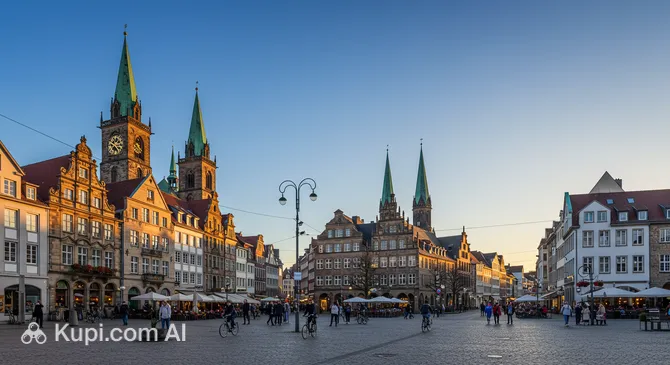
Munster. Illustration.
Source: Kupi.com AI
The history of Munster is deeply significant, most notably as the site of the Peace of Westphalia signing in 1648, which ended the Thirty Years' War. Today, this heritage is visible in the stunning architecture of the Prinzipalmarkt, the city's principal marketplace lined with historic gabled houses. Visitors are also drawn to the imposing St. Paul's Cathedral and the picturesque Aasee lake, a recreational haven right on the city's doorstep.
Whether you are wandering through its cobblestone streets, admiring the astronomical clock, or enjoying a picnic by the water, Munster promises a memorable stay. It is a city that invites you to slow down and enjoy the perfect mix of historical grandeur and modern vitality.
Weather Overview
Munster experiences a moderate climate characterized by mild summers and cool winters, making it a comfortable destination to visit year-round. The weather is generally temperate, though travelers should be prepared for regular rainfall, as the city records between 11 and 17 wet days per month throughout the year.
The summer months of June through August are typically the most pleasant, with average temperatures ranging from 18.2°C to 19.2°C. August is usually the warmest month, often reaching highs of around 23.8°C, which provides ideal conditions for exploring the city's outdoor promenades. For a more detailed forecast to help you pack, you can consult the guide to the weather in Munster.
Winters are chilly but rarely extreme, with average temperatures in January dropping to approximately 3.8°C. While the thermometer generally stays above freezing, the season is quite damp, with December and January seeing frequent precipitation. It is advisable to bring layers and a sturdy umbrella, as grey skies and showers are common companions during the colder months.
Average monthly temperature
Average monthly precipitation
Interesting Facts
Beyond the main attractions, Munster holds many fascinating secrets that reveal its quirky character and deep history. Here are some unique facts that offer a glimpse into the lesser-known side of the city:
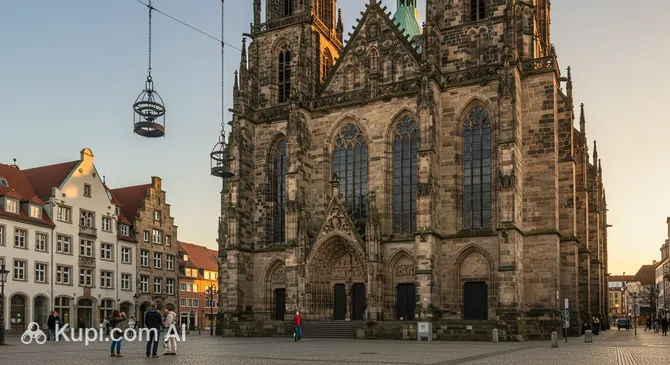
St. Lamberti Church. Illustration.
Source: Kupi.com AI
Traveler photos:
High up on the tower of St. Lamberti Church, three iron cages have hung since the mid-16th century. These eerie relics once displayed the bodies of the leaders of the Anabaptist rebellion as a grim warning, and they remain there to this day as a chilling reminder of the city's turbulent past.
The city is encircled by a unique green belt known as the Promenade, a car-free avenue lined with lime trees. It follows the exact path of the former medieval city fortifications and serves as a dedicated "bicycle highway," allowing residents to circle the entire city center without ever encountering a car.
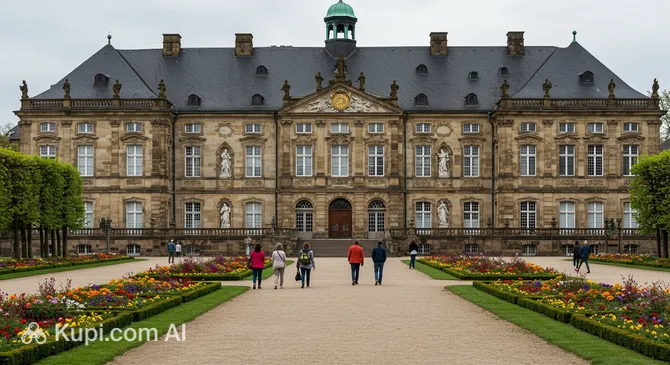
The magnificent Münster Palace is not a residence for royalty, but rather the administrative heart of the University of Münster. Designed by the renowned baroque architect Johann Conrad Schlaun, the building allows students to attend lectures in a setting originally built for prince-bishops.
Inside St. Paul's Cathedral (Münster), you can witness an astronomical clock from 1540 that is still fully functional. It features a calendar that has been calculated to remain accurate until the year 2071 and delights visitors with a mechanical Glockenspiel performance every day at noon.
How to Get There
Reaching this vibrant city in North Rhine-Westphalia is straightforward thanks to its excellent connectivity. Whether you prefer flying or taking the train, there are several convenient options to suit your itinerary. For a comprehensive overview of all travel routes, you can read more about how to get to Munster.
The most direct air route is via Munster Osnabruck International Airport (FMO), located approximately 20 km from the city center. As the local hub, it offers a quick and easy arrival experience. A taxi ride from here to the heart of Munster typically takes around 25 to 30 minutes, while the regular shuttle bus service completes the journey in about 45 minutes. While it is a regional airport, it provides essential connections for travelers.
For those seeking more extensive international connections, Dusseldorf International Airport (DUS) in Dusseldorf is a major alternative. Situated about 96 km away, this large aviation hub serves millions of passengers annually. The journey to Munster from Dusseldorf generally takes approximately 1.5 hours by train or car. Another option is Dortmund Airport (DTM) in Dortmund, roughly 49 km away, which serves as a convenient medium-sized hub for the region.
For clarity, here is a summary of the main airports:
Traveling by rail is often the preferred method for many visitors, offering a scenic and efficient way to arrive. The city's main station, Münster Hauptbahnhof (MKF), is centrally located just 0.8 km from the downtown area, making it incredibly convenient for immediate sightseeing. With a high volume of annual passengers, it is a bustling hub that connects the city to the wider German and European rail network.
If you are exploring the wider region, you might also pass through Dortmund Hauptbahnhof (DTZ) in Dortmund, located about 51 km away. It is well-connected to Munster, with frequent train services covering the distance in approximately 30 to 40 minutes.
While the historic center is captivating, the city offers a diverse array of sights that cater to nature lovers, art enthusiasts, and history buffs alike. Beyond the cobblestones, you will find unique museums and vibrant modern districts that showcase the city's multifaceted character.
One of the most popular destinations for families is the Allwetter Zoo Münster. As its name suggests, this "All-Weather Zoo" is designed with covered walkways that allow visitors to observe animals comfortably regardless of rain or shine. It is particularly famous for its close-encounter philosophy, allowing guests to feed elephants and walk among monkeys in certain enclosures, creating an unforgettable experience for visitors of all ages.
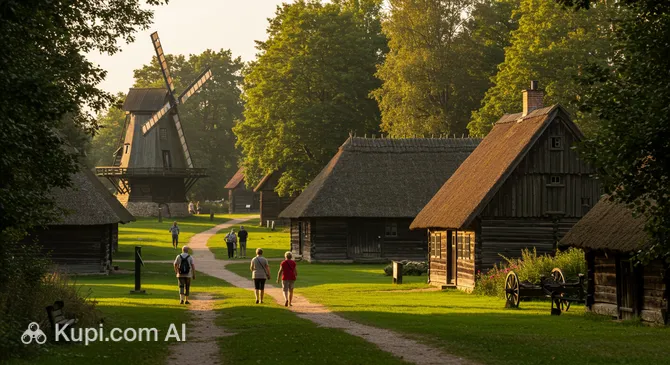
For a journey into the region's rural past, the Mühlenhof Open-Air Museum is an essential stop. Located near Lake Aasee, this living history museum features around 30 reconstructed historic buildings, including a post mill, farmhouses, and workshops. It provides a fascinating glimpse into how people in the Münsterland region lived and worked centuries ago, complete with period furnishings and traditional craftsmanship.
Mühlenhof Open-Air Museum. Illustration.
Source: Kupi.com AI
Traveler photos:
Art aficionados will appreciate the Pablo Picasso Art Museum Münster, the first museum in Germany dedicated exclusively to the artist. Housed in a beautifully restored historic building, it holds an impressive collection of Picasso's lithographs, etchings, and linocuts. The museum also hosts changing exhibitions featuring other world-renowned artists, making it a dynamic cultural hub in the city center.
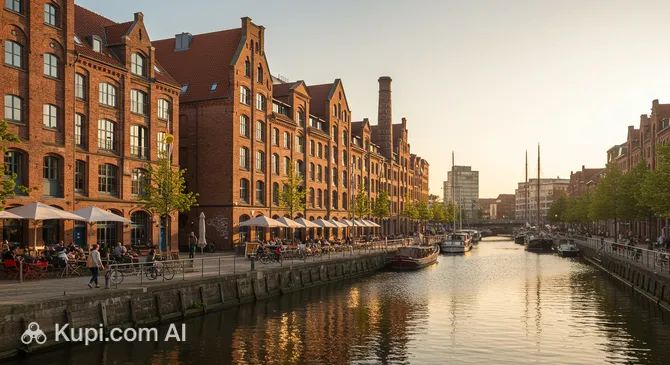
To experience the modern pulse of the city, head to the City Harbor Münster. Once a busy industrial port, this area, known locally as the "Kreativkai," has been transformed into a trendy waterfront district. Old warehouses have been converted into stylish office spaces, restaurants, and bars, making it the perfect spot to enjoy a meal or a drink while watching the sunset over the Dortmund-Ems Canal.
Finally, for a moment of tranquility, the Botanical Garden of the University of Münster offers a lush escape right behind the palace. Established in 1803, this carefully tended garden is home to a vast variety of plant species from around the world, ranging from medicinal herbs to tropical flora in the greenhouses. It is an idyllic place for a leisurely stroll and a favorite relaxation spot for both students and tourists.
Local Cuisine
The culinary scene in Munster is a delightful reflection of its Westphalian roots, characterized by hearty, rustic dishes that prioritize local ingredients and tradition. Visitors should not miss the opportunity to try the region's most famous specialty, Pumpernickel. This dark, dense rye bread originated here and is often served with savory Westphalian ham, creating a simple yet flavorful combination that is perfect for a light lunch or a starter.
For a warm and filling meal, look for Töttchen on traditional menus. Originally a poor man's ragout made from offal, it has evolved into a delicacy often prepared with veal and a spicy mustard onion sauce. Another local favorite is Pfefferpotthast, a tender beef stew heavily seasoned with pepper and onions, traditionally served with pickles and potatoes. These dishes are best enjoyed in the city's historic gastropubs, particularly in the charming Kuhviertel district, where the atmosphere is as authentic as the food.
When it comes to drinks, Munster holds a special place in the beer world. It is home to Pinkus Müller, the world's first organic brewery. Locals are proud of their distinctive Altbier, a top-fermented beer that pairs perfectly with the region's hearty cuisine. If you prefer something stronger, a glass of Korn, a clear grain schnapps, is the customary digestif after a heavy meal.
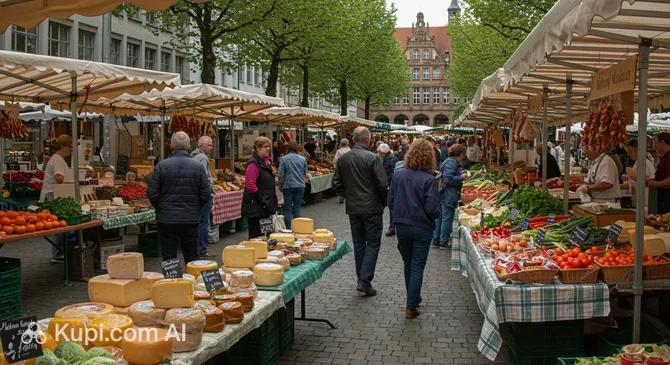
Münster Weekly Market. Illustration.
Source: Kupi.com AI
Traveler photos:
To truly experience the local food culture, a visit to the Münster Weekly Market is essential. Held in the shadow of the cathedral, this bustling market is where locals gather to buy fresh produce, regional cheeses, and hot snacks. It offers a vibrant sensory experience and is an excellent spot to grab a quick, authentic bite while mingling with residents.
The city's dining landscape also embraces a youthful and modern spirit, thanks to its large student population. You can find quirky spots like Teilchen & Beschleuniger, a popular venue known for its relaxed vibe and "Bagel-Burgers," making it a great choice for breakfast or a casual meal. For those looking to enjoy the city's nightlife and bar culture, Zum Zweischneidigen Pferd offers a classic, cozy atmosphere to unwind with a drink in hand.
Travel Tips
To ensure your visit to this vibrant Westphalian city is as smooth and enjoyable as possible, we have compiled a list of essential practical advice. From navigating the famous bicycle lanes to understanding local customs, these tips will help you explore Munster with the confidence of a local.
Clothing and Gear: Given the region's changeable weather, packing layers is the best strategy. A sturdy umbrella or a high-quality raincoat is indispensable, as showers can occur unexpectedly throughout the year. Comfortable walking shoes are a must for navigating the cobblestone streets of the historic center. If you are visiting from outside Europe, bring a standard Type F power adapter (two round pins) to keep your devices charged.
Transportation: Embracing the local lifestyle means getting on a bike. Munster is Germany's bicycle capital, and renting a bike (locally called a Leeze) is the most efficient way to see the city, especially along the car-free Promenade. The city also has an excellent bus network for rainy days. Avoid using a car in the city center, as parking is scarce and expensive, and the infrastructure prioritizes cyclists and pedestrians.
Finances: The official currency is the Euro (€). While credit and debit cards are widely accepted in hotels, larger shops, and restaurants, Germany is still fond of cash. It is advisable to carry some cash for bakeries, small cafés, and stalls at the weekly market. ATMs are plentiful throughout the city. Tipping is customary; rounding up the bill or leaving about 5-10% is polite service etiquette.
Health and Safety: Munster is a very safe city for tourists. Pharmacies (marked by a large red "A" for Apotheke) are easy to find, and there is always one open for emergency night service on a rotating basis. The biggest safety risk for pedestrians is actually the bicycle traffic. Always look both ways before crossing bike paths and never walk on them, as cyclists often move at high speeds.
Communication: German is the official language, but English is widely spoken, particularly by the large student population and in the hospitality sector. Learning a few basics like Hallo (Hello) and Danke (Thank you) is appreciated. Free Wi-Fi is available in many public areas and cafes. For mobile data, prepaid SIM cards can be easily purchased at supermarkets or drugstores with a passport.
Local Etiquette: Politeness is highly valued. A firm handshake is the standard greeting. When entering a small shop, it is polite to say a general "Hallo" to the staff. Sundays are considered rest days (Ruhetag); most shops and supermarkets will be closed, so plan your shopping for Saturday. However, bakeries often open for a few hours on Sunday mornings for fresh rolls.
What to Avoid: The most important rule in Munster is: never walk on the red-paved bicycle lanes. This is considered a serious faux pas and can be dangerous. Locals take cycling seriously, and blocking the lane will likely result in angry ringing of bells or verbal reprimands. Also, avoid being late for appointments or tours, as German culture places a high value on punctuality.
Market Days: To truly experience the local vibe, try to time your visit with the Weekly Market on the Domplatz. It takes place every Wednesday and Saturday morning. It is the perfect place to grab a hot snack, buy fresh regional produce, or simply people-watch in the shadow of the cathedral.
Armed with these practical tips, you are ready to dive into the unique atmosphere of Munster. Whether you are cycling around the Promenade or enjoying a coffee in the historic Prinzipalmarkt, you will find the city welcoming and easy to navigate.
Entertainment & Nightlife
Entertainment and Nightlife:
Thanks to its large student population, Munster boasts a vibrant and diverse nightlife scene that punches well above its weight for a city of its size. The evening energy is palpable, shifting from relaxed conversations in historic pubs to energetic beats in modern clubs. The action is largely concentrated in three distinct areas: the traditional Kuhviertel in the Old Town, the trendy City Harbor (Hafen), and the alternative industrial grounds at Am Hawerkamp.
For a classic night out, the Kuhviertel is the place to start. This historic quarter is a labyrinth of narrow streets packed with rustic pubs and student bars. Here, the atmosphere is convivial and casual, with people spilling out onto the cobblestones in the warmer months. It is the perfect spot to enjoy a local Altbier before heading to livelier venues. The dress code in this area is generally very relaxed, with jeans and sneakers being the norm.
If you prefer a more modern and stylish setting, the City Harbor (Hafen) offers a unique backdrop. Old industrial warehouses have been converted into chic bars, restaurants, and clubs along the waterfront. This area attracts a slightly more mature and trendy crowd. You can sip cocktails while overlooking the canal, making it a favorite spot for sunset drinks that turn into all-night parties.
City Harbor Münster. Illustration.
Source: Kupi.com AI
Traveler photos:
For those seeking intense clubbing and alternative culture, the former concrete works at Am Hawerkamp are legendary. This area is the heart of the city's subculture, hosting techno raves, rock concerts, and festivals. A standout venue here is Sputnikhalle, a gritty and beloved club known for its indie, rock, and pop parties. It embodies the raw, unpolished charm of the district and is a must-visit for music lovers who want to dance until dawn.
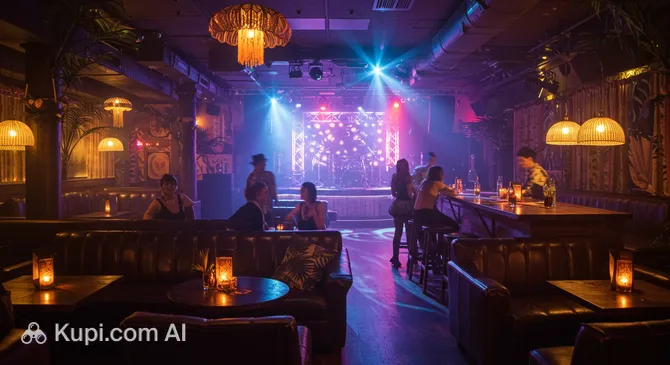
Another popular spot, particularly favored by the student community, is the Cuba Club and Bar Münster. Located conveniently near the main train station, it offers a lively mix of Latin vibes, affordable cocktails, and a packed dance floor. It is an excellent choice if you want to experience the youthful spirit of the city without venturing too far from the center.
Cuba Club and Bar Münster. Illustration.
Source: Kupi.com AI
Traveler photos:
Practical advice for a night out includes timing your visit. While Fridays and Saturdays are standard, Wednesday is traditionally the big "student night" in Munster, meaning clubs and bars will be bustling mid-week. Prices are generally reasonable compared to larger German cities, with beer and cover charges remaining affordable. Getting around is safe and easy; the "Nachtbus" (night bus) network runs extensively on weekends, and taxis are readily available. The city center is well-lit and safe for walking at night.
During the daylight hours, entertainment in Munster takes a more cultural turn. The city offers a variety of theaters, including the municipal theater and smaller independent stages. Shopping enthusiasts can explore the Münster Arkaden, a modern shopping mall that blends seamlessly with the historic architecture. Additionally, the city's numerous museums and the nearby amusement parks provide plenty of options for family-friendly fun before the sun goes down.
Parks & Museums
Munster is widely recognized as a city where urban life and nature coexist in perfect harmony, offering a rich tapestry of green spaces and world-class cultural institutions. For visitors, this means the ability to seamlessly transition from a relaxing walk under ancient lime trees to an inspiring tour of contemporary art or natural history, all within a few kilometers.
The city's most defining green feature is undoubtedly the Promenade. This unique "green belt" encircles the entire old town, following the footprint of the former medieval city walls. It serves as a car-free boulevard for cyclists and pedestrians, lined with double rows of lime trees that provide a canopy of shade in the summer. It is the main artery of the city, connecting various districts and offering a scenic route to major sights like the Münster Palace. This magnificent baroque building, now the university's main administrative hub, faces a sprawling square and backs onto lush gardens, making it a focal point for both history and nature lovers.
Münster Palace. Illustration.
Source: Kupi.com AI
Traveler photos:
Directly behind the palace lies the Botanical Garden of the University of Münster. Far more than just a park, this scientific garden is a peaceful oasis featuring ten greenhouses and extensive outdoor collections. Tourists can wander through the Alpine garden, admire the medicinal plant beds, or step into the tropical warmth of the palm house. It is a perfect spot for a quiet break, offering a sensory escape from the city bustle while showcasing biodiversity from around the globe.
Another essential recreation area is Lake Aasee, a large artificial lake located just southwest of the city center. It is the city's premier leisure spot, surrounded by expansive parklands perfect for jogging, picnicking, or sailing. The terraces along the shore are popular for enjoying a coffee with a view, and the surrounding paths are dotted with modern sculptures from the famous "Skulptur Projekte" exhibitions, turning a walk in the park into an open-air art tour.
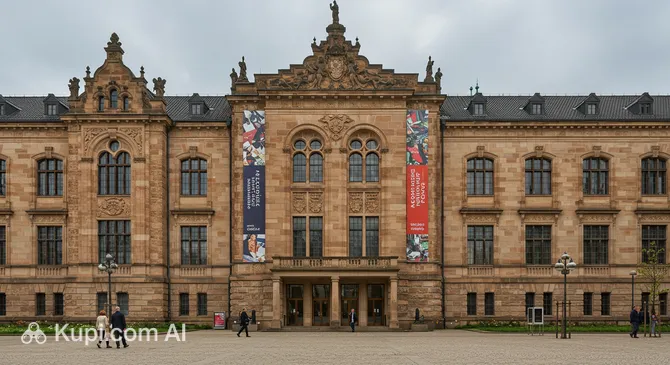
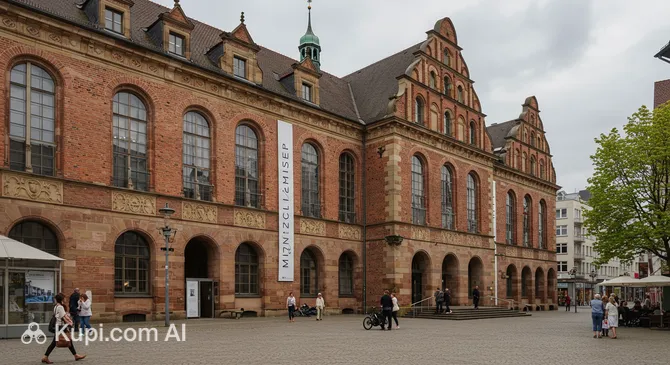
When it comes to museums, Munster boasts institutions of national importance. The Westphalian State Museum of Art and Cultural History (LWL-Museum für Kunst und Kultur) is a cultural heavyweight. Located near the cathedral, its striking architecture houses a vast collection ranging from medieval art to the contemporary avant-garde. It is particularly renowned for its exhibitions on the history of Westphalia and the Peace of Westphalia, making it an essential stop for understanding the region's heritage.
Westphalian State Museum of Art and Cultural History. Illustration.
Source: Kupi.com AI
Traveler photos:
For families and science enthusiasts, the LWL Museum of Natural History and Planetarium offers a fascinating journey through time. Located near the zoo, this museum features impressive dinosaur skeletons, including a Tyrannosaurus rex, and exhibits on the evolution of mankind and the local geology. The integrated planetarium is one of the sharpest in Europe, offering breathtaking astronomical shows that transport visitors to the stars.
Those interested in the specific story of the city should visit the Münster City Museum (Stadtmuseum). Housed in a converted department store, it presents the city's history from its founding to the present day in a very accessible way. The detailed scale models of Munster at different points in history are a highlight, vividly showing the city's evolution and the destruction it suffered during World War II.
Münster City Museum. Illustration.
Source: Kupi.com AI
Traveler photos:
For a truly authentic experience, keep an eye out for the "Zwinger" fortress on the Promenade. This historical monument has served as a defensive tower, a prison, and a Gestapo execution site. It is now a memorial and part of the City Museum, offering a somber but important look at the darker chapters of history. On a lighter note, art lovers should simply walk the city streets to spot the "Giant Pool Balls" by Claes Oldenburg near Aasee, a playful example of how Munster integrates art into its public spaces.
Getting Around
Navigating Munster is remarkably easy, though the city takes a somewhat unconventional approach to public transit compared to other German metropolises. Unlike many cities of its size, Munster does not have a subway (U-Bahn) or tram network. Instead, the public transport system relies entirely on a highly efficient and dense network of buses, complemented by regional trains that connect the city center with the suburbs and surrounding towns. For tourists, this means that getting around is straightforward, as you will almost certainly be using the bus or your own two feet.
The bus network is operated by Stadtwerke Münster and covers every corner of the city. During the day, buses run frequently, with the main lines typically arriving every 10 to 20 minutes. The central hub for all connections is the main train station (Hauptbahnhof) and the nearby "Bült" stop. A unique feature of the local transport landscape is the extensive Night Bus (Nachtbus) network. Since Munster is a vibrant student city, night buses run until the early morning hours on weekends and before public holidays, ensuring you can always get back to your hotel safely after a night out.
The payment system is integrated into the WestfalenTarif, which means tickets are valid on both buses and regional trains within the designated zones. You can purchase tickets for a single journey (valid for 90 minutes), a short trip (Kurzstrecke) for just a few stops, or a Day Ticket (TagesTicket), which is often the best value for tourists planning to explore multiple locations. Groups of up to five people can also buy a Group Day Ticket, which offers significant savings.
For the most convenient experience, it is highly recommended to use mobile apps rather than hunting for cash. The official münster:app or the WestfalenTarif app allows you to buy tickets instantly on your phone. A popular modern option is the "eezy" tariff, a check-in/check-out system available via these apps. You simply swipe to check in when you board and check out when you leave; the app calculates the fare based on the straight-line distance (as the crow flies) between stops, which is often cheaper than a standard zone ticket.
If you prefer physical tickets, you can purchase them from ticket machines at major bus stops and the main train station. In Munster, you can also buy tickets directly from the bus driver, but be prepared to pay with cash (small bills or coins) or a prepaid card. Remember that if you buy a paper ticket from a machine that isn't date-stamped, you must validate it in the orange stamping machines inside the bus immediately upon boarding to avoid a fine.
While buses are reliable, the true "public transport" of Munster is the bicycle. The city is famous for having twice as many bikes as residents. Visitors can easily rent a bicycle at the Radstation right next to the main train station, which is the largest bicycle parking garage in Germany. Renting a "Leeze" (the local word for bike) is often faster than taking the bus for short distances within the city center, and it allows you to blend in with the locals on the car-free Promenade.
For those who prefer other alternatives, taxis are readily available at designated stands or can be hailed via phone, though they are relatively expensive compared to public transit. Car-sharing services and e-scooters (such as Tier or Lime) are also widely distributed throughout the city and can be unlocked via their respective apps. However, given the compact nature of the city center and the pedestrian-friendly zones, walking or cycling remains the most practical way to see the sights.
Accommodation
Finding the perfect place to stay in Munster is relatively easy, as the city offers a wide spectrum of accommodation options to suit every budget and travel style. Visitors can choose from charming historic guesthouses in the Old Town, modern business hotels near the transport hubs, and budget-friendly hostels that cater to the city's youthful, academic crowd. For those seeking a more home-like atmosphere, there is also a growing selection of serviced apartments and vacation rentals available throughout the city.
The most popular area for tourists is undoubtedly the Innenstadt (City Center). Staying here places you within walking distance of the Prinzipalmarkt, the cathedral, and the main museums. It is the ideal location for those who want to step out of their hotel and immediately be immersed in the city's medieval charm. Alternatively, the area around the Main Train Station (Hauptbahnhof) is highly practical for travelers arriving by rail, offering numerous mid-range and budget hotels with excellent transport links to the rest of the region.
Kaiserhof Hotel Münster. Illustration.
Source: Kupi.com AI
Traveler photos:
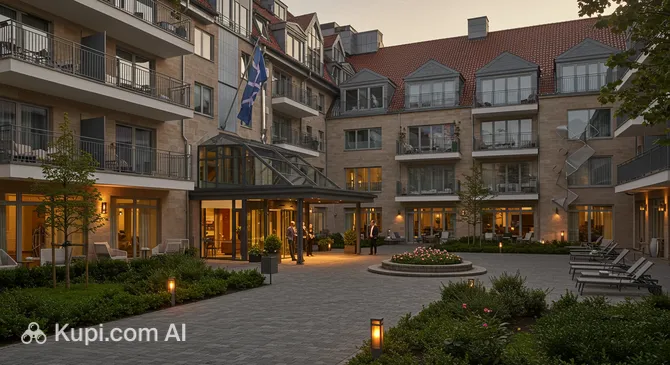
For travelers seeking a touch of luxury and convenience, the Kaiserhof Hotel Münster is a standout choice. Located just opposite the train station and a short stroll from the city center, this well-known establishment combines traditional hospitality with modern comfort. It is particularly noted for its wellness facilities and elegant rooms, making it a favorite for visitors looking to relax after a day of sightseeing.
If you prefer a quieter environment, consider looking for accommodation near Lake Aasee. This area offers a more scenic and tranquil setting, perfect for families or those who enjoy morning walks by the water, yet it remains close enough to the center to be convenient.
Booking Tip: Munster is a busy university city and a popular destination for conferences and events. During peak times, such as the Christmas Market season in December or major university dates, hotels can fill up quickly. It is highly recommended to book your accommodation at least a few months in advance to secure the best rates and locations.
In terms of pricing, the city is generally moderate compared to larger German metropolises. Budget travelers can find hostel beds or simple rooms starting from around €40 to €70 per night. Mid-range hotels typically charge between €90 and €140, while upscale options and boutique hotels can range from €150 upwards. Most accommodations can be easily booked via major online platforms, though booking directly with smaller guesthouses can sometimes yield better offers or a more personal experience.
Nearby Cities
For those looking to explore the surroundings, Munster serves as an excellent base for day trips to several interesting nearby locations.
Located just a short drive away, Warendorf is widely known as the "City of Horses." It is famous for hosting the North Rhine-Westphalia State Stud and offers a charming historic center with a picturesque market square that is perfect for a leisurely stroll. The town's deep equestrian tradition makes it a unique cultural stop in the region.
Nature lovers should consider visiting Dülmen, which is celebrated for the Merfelder Bruch nature reserve. This area is home to the Dülmen wild ponies, the only herd of its kind left on the European continent, providing an unforgettable wildlife experience. The surrounding park landscape also offers excellent opportunities for cycling and hiking.
For a mix of art and industrial history, Ahlen is a compelling destination. The city features the Art Museum Ahlen, which is renowned for its impressive exhibitions of modern art housed in a historic villa. It provides a fascinating contrast to the region's rural charm and showcases the cultural depth of the area.
City
Population
Distance
Telgte
19 982
11 km
Havixbeck
11 940
14 km
Altenberge
10 371
15 km
Greven
37 700
15 km
Everswinkel
9 666
16 km
These nearby destinations offer a glimpse into the diverse culture and landscapes of the region.
Shopping & Souvenirs
Shopping in Munster is a delightful experience that combines retail therapy with a tour of the city's architectural splendor. The city center is compact and pedestrian-friendly, allowing visitors to stroll comfortably between historic gabled houses and modern glass facades. Whether you are looking for high-end fashion, quirky boutiques, or standard high-street brands, the city offers a diverse range of options that cater to every taste and budget.
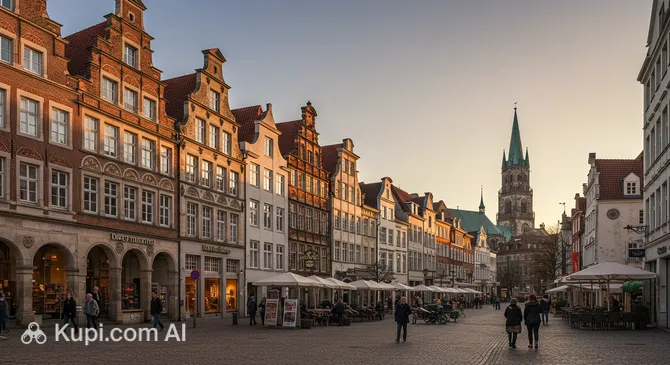
The heart of the shopping district is undoubtedly the Prinzipalmarkt. Known as the city's "parlor," this historic street is lined with elegant colonnades and exclusive shops. Here, you will find traditional jewelry stores, upscale fashion boutiques, and long-standing local businesses, all set against a backdrop of stunning medieval architecture. Just a stone's throw away is Ludgeristraße, which is frequently cited as one of Germany's most popular shopping streets. It is the place to go for major international chains, department stores, and trendy fashion labels.
Prinzipalmarkt. Illustration.
Source: Kupi.com AI
Traveler photos:
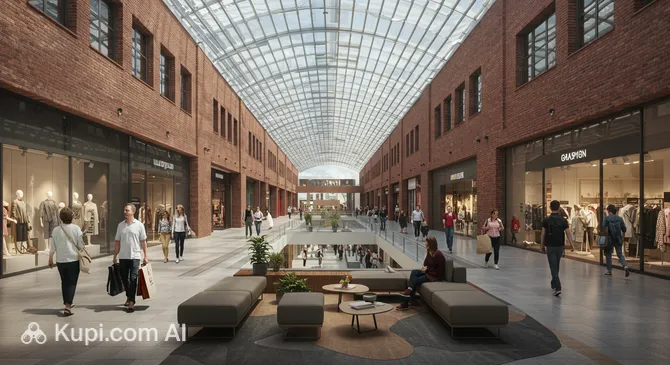
For those who prefer a more concentrated shopping experience, the city boasts several impressive indoor centers. The most notable is the Münster Arkaden, a modern architectural gem located near the Picasso Museum. This light-flooded mall connects the historic Ludgeristraße with the Rothenburg district and houses a variety of fashion, lifestyle, and electronics stores, as well as a supermarket. Another central option is the Königspassage, which offers a curated selection of shops and services close to the main train station.
Münster Arkaden. Illustration.
Source: Kupi.com AI
Traveler photos:
No shopping trip to Munster would be complete without visiting the famous Münster Weekly Market on the Domplatz. Held every Wednesday and Saturday morning, it is a vibrant hub of local life. While primarily a food market offering fresh produce, cheese, and regional delicacies, it is also an excellent place to find flowers, handicrafts, and small gifts. The atmosphere is lively and authentic, making it a perfect spot to browse and soak up the local culture.
If you are looking for unique souvenirs to take home, the region's culinary specialties are a top choice. A package of authentic Westphalian Pumpernickel, a dark and sweet rye bread, is a classic gift. Pair it with some air-dried Westphalian ham for a truly traditional treat. Beer lovers should look for bottles from the Pinkus Müller brewery, a local institution known for its organic beers. For non-food items, merchandise featuring the "Kiepenkerl" (a traditional traveling merchant figure) or items from the university shop are popular keepsakes.
Standard opening hours for shops in the city center are generally from 10:00 AM to 7:00 PM or 8:00 PM from Monday to Saturday. Smaller boutiques may close slightly earlier or have shorter hours on Saturdays. It is important to remember that, like in the rest of Germany, almost all shops are closed on Sundays, with the exception of bakeries and some stores in the train station. While major stores and malls accept credit cards (Visa, Mastercard) and debit cards, smaller independent shops and market stalls often prefer cash, so it is wise to carry some euros with you.
Visitors from outside the European Union may be eligible for a VAT refund on their purchases. Look for the "Tax Free" signage in store windows. If you spend above a certain minimum amount (usually €50), you can ask the staff for a tax-free form, which you can later validate at customs upon leaving the EU to claim a refund.