Support

Rhenen

About

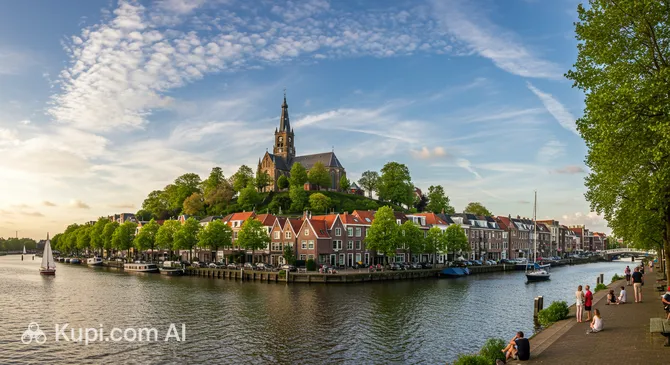
Rhenen is a picturesque city that offers a delightful blend of natural beauty and cultural heritage. Situated in the province of Utrecht, this charming municipality is home to approximately 20,000 residents. It sits majestically on the northern bank of the Lower Rhine, providing stunning riverside views and a landscape that is uniquely hilly compared to the rest of the Netherlands.

The city is renowned for its scenic location near the Grebbeberg, a hill that offers panoramic vistas and lush wooded areas perfect for hiking. This strategic position has given the town a significant place in regional chronicles. Visitors can delve deeper into the past by exploring the history of Rhenen, which spans from its days as a medieval pilgrimage site to its development into a modern riverside destination.

Rhenen. Source: Kupi.Binoculars

Travelers are often drawn to Rhenen for its top-tier attractions, most notably Ouwehands Dierenpark, a famous zoo that provides a fun day out for families and animal lovers. The city skyline is dominated by the elegant tower of the Cunera Church (Cunerakerk), a late-Gothic masterpiece that serves as a beacon for the town. The combination of historic architecture and the surrounding nature, including the river meadows, creates a tranquil atmosphere.

Whether you are coming to see the unique wildlife at the zoo, to wander through the historic center, or simply to enjoy a sunset over the Rhine, Rhenen welcomes you with open arms. It is an ideal stop for those looking to experience a greener, more serene side of the country.

Weather Overview

The climate in this region is generally mild and temperate, making it accessible for visitors year-round. To help you plan your packing list, you can consult the detailed guide to the weather in Rhenen. The summer months, particularly July and August, are the warmest, with average temperatures rising to approximately 18.8°C and daily highs reaching a comfortable 23°C.

Winters are significantly cooler, with January typically being the coldest month, featuring average temperatures of around 4.4°C and lows near 2.3°C. Rainfall is distributed fairly evenly throughout the year, with wet days ranging from 11 to 16 days per month. Expect pleasant, warm summers with occasional showers and cool winters with frequent damp days.

Interesting Facts

Beyond the well-trodden paths of the Grebbeberg, Rhenen holds fascinating secrets that date back to ancient legends and royal courts. Digging a bit deeper reveals a town with a dramatic past and some truly exclusive inhabitants.

  • The Legend of Saint Cunera: The city’s history is deeply intertwined with the tragic tale of Saint Cunera. According to local legend, she was a princess who was strangled with a linen scarf out of jealousy in the 4th century. In the Middle Ages, Rhenen became a major pilgrimage site because of her relics, and the influx of pilgrims provided the funds to build the magnificent tower of the Cunerakerk that stands today.

  • The Winter King's Palace: In the 17th century, Rhenen was a retreat for royalty in exile. Frederick V, the Elector Palatine and so-called "Winter King" of Bohemia, built a lavish summer residence here known as the Koningshuis (King's House). Although the palace was demolished in the early 19th century, its presence once brought a touch of royal glamour and international diplomacy to this riverside town.

  • The Only Pandas in the Country: While many know of the local zoo, few realize that Rhenen holds a unique status in the Netherlands. It is the only city in the country where you can see Giant Pandas. The pair, Wu Wen and Xing Ya, reside in a specially built enclosure called "Pandasia," making Rhenen the exclusive Dutch destination for viewing these rare and beloved bears.

How to Get There

Reaching Rhenen is a straightforward experience, thanks to the excellent transport infrastructure of the Netherlands. Whether you are arriving by air or utilizing the extensive rail network, the city is well-connected to major hubs in the region. You can find more about how to get to Rhenen and the specific travel options available on our detailed page.

The city of Rhenen does not have its own airport, but international travelers can easily fly into Amsterdam Airport Schiphol (AMS), located in Amsterdam approximately 68 km away. It is one of the busiest airports in Europe, offering connections to destinations worldwide. The journey from Schiphol to Rhenen by taxi or private transfer typically takes about an hour. Alternatively, Eindhoven Airport (EIN) in Eindhoven is a convenient regional option, situated about 59 km from the city, with a travel time of around 50 minutes by road.

For clarity, here is a summary of the main airports:

Airport Name City Passenger Traffic Km from City
Amsterdam Airport SchipholAmsterdamVery High67.7
Dusseldorf International AirportDusseldorfHigh112.3
Eindhoven AirportEindhovenMedium58.6
Rotterdam The Hague AirportRotterdamMedium78.0
Weeze AirportDusseldorfMedium56.2

If you prefer traveling by train, several key railway stations serve the surrounding area. One of the most significant nearby hubs is Ede-Wageningen Station, located in the city of Ede, just 10 km from Rhenen. From there, you can take a taxi or bus, which generally takes between 15 and 25 minutes. Another option is Nijmegen Station in Nijmegen, approximately 24 km away, where the transfer to Rhenen takes roughly 30 minutes by road.

Below is a list of the nearest railway stations:

Station City Passenger Traffic Km to Center
Eindhoven Railway StationEindhovenHigh58.4
Nijmegen StationNijmegenHigh23.5
Ede-Wageningen StationEdeHigh10.0
Hilversum Railway StationHilversumHigh40.0
Emmerich Railway Stations-Heerenberg49.3

Main Attractions

Rhenen may be a small city, but it packs a punch when it comes to interesting sights. From unique wildlife encounters to historical landmarks and breathtaking nature reserves, the local attractions offer something for every type of traveler. Here are the top places you should not miss during your visit.

Ouwehands Dierenpark is undoubtedly the city's most famous draw, attracting visitors from all over the country. This expansive zoo is distinguished by its focus on animal welfare and natural habitats. It is home to the famous "Bear Forest" (Het Berenbos), where bears rescued from poor conditions live together with wolves in a protected woodland area. For many tourists, the highlight is "Pandasia," a magnificent enclosure housing Giant Pandas, making it the only place in the Netherlands where you can observe these majestic creatures. It is a perfect destination for families, offering both educational exhibits and indoor play areas.

Standing tall over the city center is the Cunera Church (Cunerakerk), a stunning example of Late Gothic architecture. Its 82-meter-high tower is one of the most beautiful in the country and serves as the unmistakable symbol of Rhenen. Visitors interested in history and architecture will appreciate the intricate details of the building's exterior and the serene atmosphere inside. During the summer months, it is often possible to climb the tower, rewarding those who tackle the steps with spectacular panoramic views of the river landscape and the Betuwe region.

For nature lovers and history buffs, the Grebbeberg is an essential stop. This moraine hill rises abruptly from the Lower Rhine, offering some of the most scenic hiking trails in the province. The elevation provides sweeping vistas over the river and the surrounding floodplains (Blauwe Kamer). The area is also historically significant; it houses the Military Field of Honour, a solemn and respectful cemetery dedicated to soldiers who fell during the Second World War. A walk here combines natural beauty with a moment of reflection on the region's past.

To dive deeper into the local culture, a visit to the Stadsmuseum Rhenen is highly recommended. Located in the historic Old Town Hall, this museum offers a fascinating journey through the city's timeline. The collection ranges from archaeological finds dating back to the early Middle Ages to art and artifacts that tell the story of the legend of Saint Cunera. It is an excellent place to understand the rich heritage that has shaped this riverside city over the centuries.

Local Cuisine

The culinary scene in Rhenen mirrors its diverse landscape, offering a delightful mix of hearty Dutch traditions and refined regional flavors. Visitors can expect a dining experience that emphasizes fresh, local ingredients, often enjoyed in settings with spectacular views of the Lower Rhine or the surrounding woodlands. The food culture here is relaxed and gezellig (cozy), making it easy to find a welcoming spot whether you are looking for a quick bite or a leisurely three-course dinner.

Due to the city's location on the Utrechtse Heuvelrug and near the Grebbeberg forests, game dishes are a local specialty, particularly during the autumn and winter months. Many restaurants feature seasonal menus highlighting wild boar, venison, or hare, often sourced from the nearby nature reserves. These rich, savory meals are typically served with traditional sides like red cabbage and stewed pears, providing a warm and comforting culinary experience that perfectly matches the wooded environment.

For a more casual or family-friendly meal, Dutch pancakes (pannenkoeken) are a must-try. In and around Rhenen, you will find charming pancake houses, often situated in rustic buildings near hiking trails. These large, crepe-like pancakes can be ordered sweet, topped with syrup and powdered sugar, or savory, loaded with cheese, bacon, and mushrooms. Another staple to sample on a sunny terrace is bitterballen, deep-fried crispy meatballs served with mustard, which pair perfectly with a local drink.

When it comes to beverages, the locals enjoy their coffee, usually accompanied by a slice of fresh appeltaart (apple pie) with whipped cream. In the evenings, the focus shifts to locally brewed craft beers or a glass of Jenever, a traditional Dutch gin. The best places to enjoy these treats are the restaurants along the riverfront, where you can watch ships pass by on the Rhine, or the cafes in the historic city center near the church, which offer a lively atmosphere for tourists and residents alike.

Travel Tips

To ensure your visit to Rhenen is as relaxing and enjoyable as the riverside views, we have compiled a list of essential travel advice. These practical tips will help you navigate local customs, logistics, and the unique geography of this charming Dutch city with the confidence of a seasoned traveler.

  1. Clothing and Gear: Since the Dutch weather is notoriously unpredictable, the best strategy is to dress in layers. Bring a waterproof jacket or a sturdy umbrella, even in summer, as showers can occur unexpectedly. Unlike most of the Netherlands, Rhenen is known for its hills, particularly the Grebbeberg, so pack comfortable walking shoes with good grip for hiking the wooded trails and navigating the cobbled streets of the historic center.
  2. Transportation: Rhenen is well-connected by public transport; the local train station is the terminus of a direct line from Utrecht, making rail travel very convenient. Within the city and its surroundings, the most authentic way to get around is by bicycle. You can rent bikes at the station or local shops. For trips to nearby nature reserves or across the river, buses are reliable, but a car might offer more flexibility if you plan to explore the wider Betuwe region.
  3. Finances: The local currency is the Euro (€). While credit cards (Visa and Mastercard) are increasingly accepted, the country is still very much debit-card-centric. It is wise to carry some cash for small purchases at local markets or cafes. Tipping is not mandatory, as service is included, but rounding up the bill or leaving small change is a common gesture of appreciation.
  4. Health and Safety: Rhenen is a very safe city for tourists. In case of an emergency, dial 112 for police, ambulance, or fire services. Pharmacies (Apotheek) are available for over-the-counter medicines during regular business hours; check the window of any pharmacy for information on the nearest night-duty location. Tap water here is of excellent quality and perfectly safe to drink, so feel free to refill your water bottle.
  5. Communication: The official language is Dutch, but you will find that the vast majority of locals speak excellent English. You will have no trouble communicating in restaurants, hotels, or shops. Learning a few basic Dutch phrases like "Hallo" (Hello) and "Dankjewel" (Thank you) is polite and appreciated. Free Wi-Fi is standard in most cafes, hotels, and on trains.
  6. Local Etiquette: The Dutch value politeness and directness. When entering a small shop or waiting room, it is customary to greet everyone with a general "Goedemiddag" (Good afternoon). Punctuality is highly valued, so try to be on time for any appointments or reservations. If you are cycling, always use hand signals to indicate turns and adhere strictly to traffic rules.
  7. What to Avoid: Never walk on the red asphalt paths; these are designated cycle lanes, and locals cycle fast. Walking here is dangerous and is considered very rude. Additionally, avoid assuming that everyone appreciates being compared to residents of Amsterdam; Rhenen has its own distinct regional identity and pace of life.
  8. Sunday Closures: Rhenen is located near the spectacular nature of the Utrechtse Heuvelrug, but it is also situated in a region where traditional Sunday rest is often observed. Be aware that many shops, particularly smaller boutiques and family-run businesses, may be closed on Sundays. Supermarkets and many restaurants usually remain open, but it is best to check opening hours in advance if you plan to shop on the weekend.

Armed with these tips, you are all set to explore the historic streets and lush forests of Rhenen without a hitch. Enjoy the friendly atmosphere and the unique landscapes that make this city a hidden gem in the heart of the country!

Entertainment & Nightlife

Rhenen offers a nightlife scene that perfectly reflects its character: intimate, welcoming, and centered around the Dutch concept of gezelligheid (coziness). Unlike the bustling club scenes of larger cities like Amsterdam or Utrecht, the evening entertainment here is more about enjoying good conversation, excellent food, and locally brewed drinks in a relaxed setting. The city quiets down after sunset, making it an ideal destination for those who prefer a laid-back evening over a wild party.

The heart of the action lies in the historic city center, particularly around the Herenstraat and the squares surrounding the Cunerakerk. This area is home to several "Grand Cafés" and pubs that serve as the main meeting points for locals. Another key area is the Rijnkade (Rhine Quay), where you can enjoy evening drinks with a stunning view of the river. In the summer, the terraces here stay open late, allowing visitors to watch the sunset over the water while enjoying a glass of wine or a cold beer.

For a taste of the local social scene, Moeke Rhenen is a standout venue. Located conveniently for both locals and visitors, it transforms from a family-friendly restaurant during the day into a lively spot for drinks in the evening, often bustling with energy on weekends. Another popular choice is Tante Loes, situated right on the riverbank. It is famous for its relaxed vibe and spectacular views, making it a perfect spot for a romantic evening or a night out with friends. If you are looking for a classic pub atmosphere, De Koning van Denemarken offers a traditional setting where you can sample a variety of beers and bitterballen.

Practicalities for a night out in Rhenen are straightforward. Most bars and cafes are open until around midnight or 1:00 AM on Fridays and Saturdays, closing earlier on weekdays. The dress code is almost universally casual; smart-casual attire is suitable for even the nicest dining spots. Prices are generally moderate and lower than in the major tourist hubs. A beer or glass of wine typically costs between €3 and €5.

Safety is one of Rhenen's strongest points. The city is very safe for night walks, even in the late hours. The streets around the center and the river are well-lit and generally quiet. However, public transport options like buses decrease significantly after midnight. If you are staying outside the city center or in a nearby village, it is advisable to book a taxi in advance, as there are no ride-hailing apps with high availability in this smaller municipality. You can ask your bartender or hotel receptionist to call a local taxi service for you.

While the nights are calm, the daytime entertainment options are robust. Apart from the famous Ouwehands Dierenpark, which offers a full day of excitement, culture enthusiasts can visit the Stadsmuseum Rhenen to explore local history. For those seeking theater or cinema, the nearby towns of Veenendaal and Wageningen are just a short drive or bus ride away, offering a wider range of cultural performances and late-night movies.

Parks & Museums

Rhenen is often celebrated as one of the greenest municipalities in the Netherlands, offering a seamless transition from the rolling hills of the Utrechtse Heuvelrug to the lower floodplains of the Rhine. For travelers, this means an exceptional variety of landscapes to explore, complemented by cultural institutions that preserve the city's rich history.

For a unique ecological experience, the Palmerswaard nature reserve awaits along the river. This floodplain area is characterized by its rugged, unpolished beauty, featuring marshes, willow forests, and open grasslands. It is a haven for birdwatchers and home to large grazers like Galloway cattle and Konik horses, which roam freely to maintain the vegetation. A walk here offers a sense of wilderness and a chance to see the dynamic relationship between the river and the land.

Just outside the immediate center lies Kwintelooijen, a former sand excavation site that has been transformed into a stunning recreational area. Its unique geological history has created a landscape with significant height differences, wet valleys, and heathlands. It is particularly popular for its challenging staircases and scenic vistas, making it a favorite among fitness enthusiasts and families looking for a spacious area for picnics and exploration.

For an authentic insider experience, venture to the Blauwe Kamer river reserve just west of the city. While popular with locals, it offers a distinct perspective on the landscape where the river bank has been adapted to allow the Rhine to flood the land naturally. This creates a dynamic bird paradise where visitors can utilize the bird hide to spot kingfishers, spoonbills, and perhaps even a beaver, offering a raw and intimate encounter with Dutch river nature.

While the main historical sites are well-documented, those interested in a deeper educational experience can visit the Information Centre at the Grebbeberg Field of Honour. Distinct from the cemetery itself, this centre serves as a museum documenting the events of May 1940. Through personal stories, artifacts, and film footage, it provides a respectful and informative insight into the historical impact of the Second World War on the region, serving as a solemn educational resource amidst the serene surroundings.

Getting Around

Navigating the public transport system in Rhenen is straightforward and efficient, offering visitors a stress-free way to explore the city and its scenic surroundings. Due to the city's modest size, there is no metro, tram, or trolleybus network. Instead, the local infrastructure relies on a dependable train service and a comprehensive web of regional buses. The railway station, simply known as Station Rhenen, serves as the terminus for the Sprinter line, providing a direct and frequent connection to the provincial capital of Utrecht and intermediate towns like Veenendaal.

For tourists, the payment system is unified and user-friendly, operating under the nationwide OV-chipkaart scheme. However, you do not necessarily need to purchase a specific transport card for a short visit. The most convenient option is OVpay, which allows you to check in and out directly using your contactless debit card, credit card, or mobile wallet. The fare is calculated automatically based on the distance traveled. If you prefer a physical ticket, disposable single-use tickets can be purchased at the yellow ticket machines located at the train station, though these often incur a small surcharge compared to contactless payment.

A crucial piece of advice for using public transport here is to always remember to check in and check out. Whether you are boarding a bus or entering the train platform, you must tap your card or phone against the card readers. On buses, these are located inside the vehicle near the doors; at the train station, they are on free-standing poles. Failing to check out can result in a higher fare being deducted. Trains typically run from early morning until around midnight, with buses operating on a similar schedule, though service frequency may decrease on weekends and evenings.

While public transport is excellent for intercity travel, getting around the compact city center is often best done on foot or by bicycle. Rhenen is unique in that it is situated on a hill, so cycling here can be slightly more physically demanding than in other, flatter parts of the region. E-bikes are a popular choice for tackling the slopes of the Grebbeberg. Taxis are available but cannot usually be hailed on the street; it is recommended to book one by phone or via a hotel reception. Ride-sharing apps are not widely used in this smaller municipality.

A special feature of the local transport network is the Rhenen Ferry (Rhenense Veer), which crosses the Lower Rhine. This service transports pedestrians, cyclists, and cars across the water to the Betuwe region on the opposite bank. It is not only a practical shortcut but also offers a charming short voyage with beautiful views of the Cunerakerk tower and the city skyline from the water, making it a memorable part of the travel experience.

Accommodation

Accommodation in Rhenen is characterized by its small-scale charm and deep connection to nature, rather than the presence of large international hotel chains. The city offers a modest but high-quality selection of places to stay, ranging from comfortable mid-range hotels to intimate bed and breakfasts. For those seeking a more rustic experience or traveling with family, there are also vacation parks and holiday homes tucked away in the wooded surroundings, providing a peaceful and private retreat.

When choosing where to stay, the location depends largely on your itinerary. The area around the Grebbeberg is particularly popular with tourists. Lodging here places you right on the edge of the forests, making it an ideal base for hiking enthusiasts and visitors to the zoo. Alternatively, finding accommodation in the historic city center offers the convenience of being within walking distance of the Cunerakerk, local shops, and the scenic dining options along the Rhine riverfront.

As Rhenen is a relatively small destination that attracts many domestic visitors, availability can be limited during peak times. A helpful tip is to book your accommodation well in advance, especially if you plan to visit during the summer months or around Dutch public holidays, when the region is a favorite spot for weekend getaways.

In terms of cost, the price range is generally moderate compared to larger Dutch cities like Amsterdam or Utrecht. Most options fall into the mid-range category, offering excellent value for the scenic location and service. Booking is straightforward and can be done easily through major online travel platforms or directly via the establishments' websites.

Nearby Cities

For those looking to explore the surroundings, Rhenen serves as an excellent base for day trips to several interesting nearby locations:

City Population Distance (km)
Nijmegen17765924
Arnhem16409623
Oss9252623
Ede7246011
Veenendaal669127

Arnhem is one of the most popular destinations in the region and is located just a short distance from Rhenen. Known for its significant role in World War II, the city is home to the famous John Frost Bridge. Beyond its history, Arnhem is a vibrant cultural hub, featuring the impressive Netherlands Open Air Museum and the renowned Royal Burgers' Zoo. It is also known as a fashion city, offering excellent shopping opportunities in its bustling center.

A visit to Nijmegen offers a journey back in time, as it claims the title of the oldest city in the Netherlands. Its rich history dates back to Roman times, which is evident in its museums and historic architecture. The city has a lively atmosphere, thanks in part to its large student population. A highlight for many visitors is the Waalkade, a promenade along the river Waal filled with restaurants and terraces that offer great views of the busy waterway.

For those who prefer nature over urban exploration, Ede is a fantastic choice. Situated on the edge of the Veluwe, it serves as a gateway to the Hoge Veluwe National Park. This area is perfect for cycling and hiking through heathlands and forests. Within the park, art lovers can visit the Kröller-Müller Museum, which houses the second-largest collection of Van Gogh paintings in the world.

These nearby destinations offer a glimpse into the diverse culture and landscapes of the region.

Shopping & Souvenirs

Shopping in Rhenen offers a relaxed and intimate experience that contrasts sharply with the frantic pace of larger commercial hubs. Instead of sprawling department stores and endless rows of international chains, the city center features a charming collection of independent boutiques, specialty shops, and family-run businesses. It is the perfect place to browse for unique fashion, home accessories, and local delicacies while enjoying the historic atmosphere of the town.

The main retail activity is concentrated along the Herenstraat and the Frederik van de Paltshof. These central streets form the beating heart of the city's shopping district. Here, visitors can stroll past beautifully maintained shop windows housed in historic buildings. The area offers a nice mix of clothing stores, drugstores, and bakeries, allowing you to combine your shopping trip with a coffee break at a nearby terrace with a view of the Cunerakerk.

Rhenen does not have large indoor shopping malls; the retail landscape is decidedly high-street focused. For tourists seeking a more extensive shopping spree with major fashion brands and large indoor centers, the nearby town of Veenendaal is just a short bus or car ride away. However, for daily necessities and convenient browsing, the local center of Rhenen provides everything a visitor typically needs.

An authentic way to experience local life is to visit the weekly market. Held every Thursday morning on the Frederik van de Paltshof, this market is a gathering place for residents. Stalls overflow with fresh produce, including regional fruits, vegetables, cheeses, and fresh fish. It is an excellent spot to pick up snacks for a picnic or simply to soak up the lively community vibe.

When it comes to souvenirs, Rhenen offers some distinct options. Due to the fame of Ouwehands Dierenpark, items related to Giant Pandas are very popular; the zoo's gift shop is accessible and stocked with high-quality plush toys and themed merchandise. Additionally, look for regional products from the Betuwe area, such as locally produced fruit jams, honey, or juices, which make for delicious and authentic gifts to take home.

Store opening hours generally follow the standard Dutch pattern. Shops typically open around 9:00 AM and close at 6:00 PM on weekdays, with a slightly earlier closing time of 5:00 PM on Saturdays. A distinctive feature is that many shops do not open until 1:00 PM on Mondays. Visitors should also be aware that Rhenen is located in a region where Sunday rest is widely observed; consequently, most non-food shops in the city center remain closed on Sundays.

Payment methods are modern and convenient. Almost all retailers accept debit cards (Maestro and V-Pay) and increasingly credit cards (Visa and Mastercard). Contactless payment via phone or smartwatch is also widely supported. While cash is accepted, electronic payment is preferred in many smaller establishments. Tourists from outside the EU may be eligible for a VAT refund on significant purchases, though this is more commonly applicable in larger specialized stores than in the small local boutiques of Rhenen.
Reached the end of the page?

That means the route is fully explored