Support

Arras

About

Arras is a captivating destination that seamlessly blends architectural splendor with a vibrant local atmosphere. Known for its magnificent squares and Flemish-Baroque style facades, this city offers a unique visual experience that stands out within France. As the capital of the Pas-de-Calais department in the Hauts-de-France region, Arras serves as a cultural hub where visitors can immerse themselves in a setting that feels both grand and welcoming.

Geographically situated in northern France, the city is easily accessible and serves as an excellent base for exploring the region. With a population of approximately 42,000 residents, Arras maintains the charm of a human-scale town while providing all the amenities of a modern city. The climate is typical of the region, featuring mild summers and cool winters, making it a pleasant destination for sightseeing year-round.
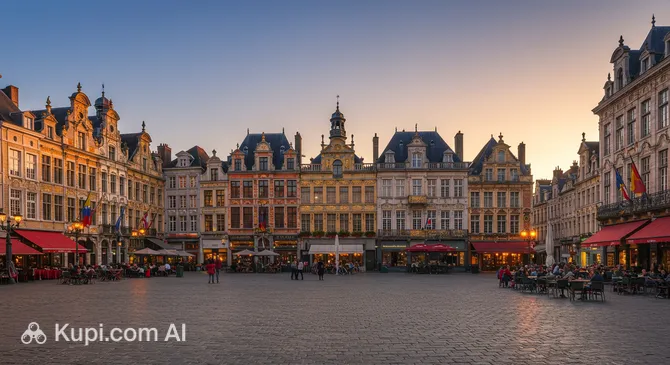
Arras. Source: Kupi.Binoculars

The city is renowned for its two prestigious main squares, the Grand'Place and the Place des Héros, which are lined with 155 distinct baroque houses. These squares are the beating heart of the town, hosting markets and events that bring the cobblestone streets to life. Towering over the city is the majestic Belfry, a UNESCO World Heritage site that offers panoramic views of the surrounding landscape to those who make the climb.

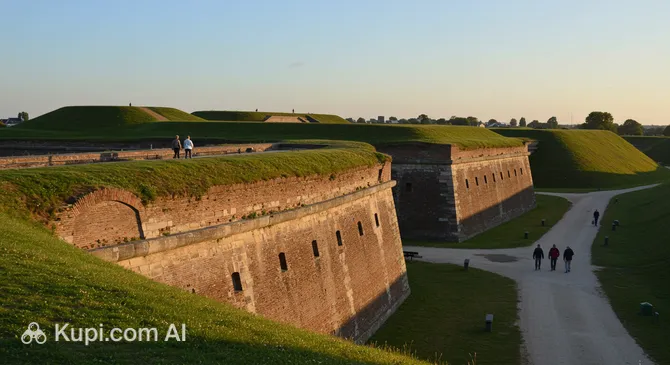
Beyond its stunning architecture, the history of Arras is deeply woven into the fabric of the city. From its ancient origins to its pivotal role in past centuries, the town preserves its heritage through sites like the Citadel, designed by the famous military engineer Vauban. Visitors can also explore the Boves, a network of underground tunnels that reveal a different side of the city's past.

Whether you are an architecture enthusiast, a history buff, or simply looking for a picturesque getaway, Arras promises a memorable journey. Its blend of historic grandeur and friendly hospitality makes it a must-visit stop on any itinerary through Northern France.
Weather Overview

Arras experiences a temperate oceanic climate, characterized by mild summers and cool winters, making it a year-round destination for travelers who come prepared. The city generally avoids temperature extremes, offering a comfortable atmosphere for exploring its historic streets and squares. Visitors should expect warm summers with occasional rain and cold, damp winters.

During the warmest months of July and August, average temperatures linger around 18.6°C to 18.9°C, with daytime highs often reaching a pleasant 23°C. This is the ideal time for outdoor activities, although even in summer, there are typically about 10 to 12 wet days per month. Winters are cooler, with January being the coldest month, featuring an average temperature of 4.6°C and lows dropping to around 2.2°C.

Precipitation is fairly evenly distributed throughout the year, so it is always a good idea to pack an umbrella or a waterproof jacket regardless of the season. The transitional months of spring and autumn see moderate temperatures ranging from 7.5°C to 16°C, with frequent cloud cover. To help you pack the right gear for your specific travel dates, you can consult the detailed forecast for the weather in Arras before your departure.

Interesting Facts

Beyond its stunning Baroque squares, Arras holds a collection of fascinating secrets and historical quirks that often surprise visitors. From vast subterranean networks to amusing local nicknames, the city offers plenty of unique stories waiting to be discovered.
Citadel of Arras. Source: Kupi.Binoculars
  • The Citadel of Arras, designed by the famous engineer Vauban, bears the ironic nickname "La Belle Inutile" or "The Beautiful Useless One." Despite its impressive fortifications and status as a UNESCO World Heritage site, it historically never saw combat because the city was not attacked during the periods it was meant to defend.

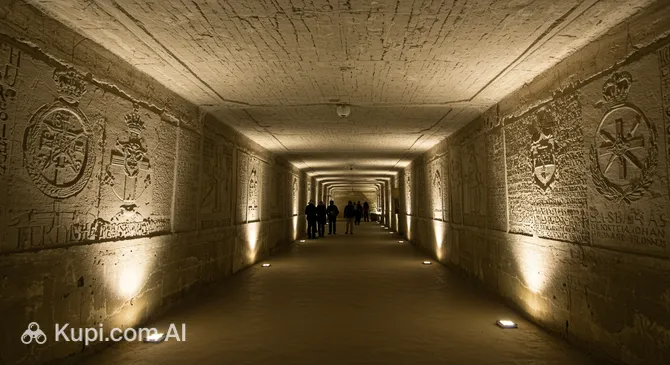
  • An entire city exists beneath the streets in the form of the Boves, a vast network of chalk tunnels originally dug in the 10th century. These quarries were later connected to create the Wellington Quarry, a massive subterranean complex capable of sheltering over 20,000 soldiers in secrecy just meters below the surface.

  • Arras has a rather unusual mascot: the rat. This association stems from a linguistic pun, as the name "Arras" sounds similar to "un rat" in French. Today, you can find this symbol throughout the city, from architectural details to the delicious chocolate rats sold in local confectionery shops.

  • The city maintains a vibrant tradition involving "Giants," massive folkloric figures that parade through the streets during festivals. The local family of giants consists of Colas, Jacqueline, and their son Dédé, who serve as beloved cultural icons and symbols of the community's festive spirit.

How to Get There

Reaching this historic gem in Northern France is quite convenient thanks to its strategic location and excellent transport connections. Whether you prefer flying or taking the train, there are several viable options to suit your itinerary. For a comprehensive overview of all routes and travel tips, you can read more about how to get to Arras on our detailed page.

The city of Arras does not have its own airport, but you can fly into Lille Airport (LIL) in the city of Lille, which is the closest option at approximately 39 km from Arras. A taxi or car ride from there typically takes around 40 to 50 minutes. For a wider range of international flights, travelers often choose Brussels Airport (BRU) in Brussels, located about 139 km away. The journey by road from Brussels takes roughly 1 hour and 45 minutes. Another popular choice, especially for low-cost carriers, is Beauvais-Tille Airport (BVA) near Paris, situated about 105 km from the city, with a transfer time of approximately 1 hour and 15 minutes.

For clarity, here is a summary of the main airports:

Airport Name City Passenger Traffic Km from City
Brussels Airport Brussels Very High 138.6
Charleroi Brussels South Airport Brussels High 120.7
Beauvais-Tille Airport Paris Medium 104.6
Lille Airport Lille Medium 38.9
Ostend-Bruges International Airport Bruges Small 101.4

Traveling by train is one of the most efficient ways to arrive, as the city is directly served by high-speed lines. You can arrive directly at Arras Station, which is conveniently located just 0.6 km from the city center, allowing for an easy walk or a quick taxi ride to your accommodation. The station connects Arras to major hubs like Paris and Lille. Additionally, the major regional hub of Lille Flandres Station in Lille is only about 44 km away, offering extensive connections if a direct train to Arras is not available.

Below is a list of the nearest and most significant railway stations:

Station City Passenger Traffic Km to Center
Lille Flandres Station Lille Very High 43.7
Lille Europe Station Lille High 44.1
Arras Station Arras Medium 0.6
Douai Station Douai Medium 24.1
TGV Haute Picardie Station Albert Small 48.2

Main Attractions

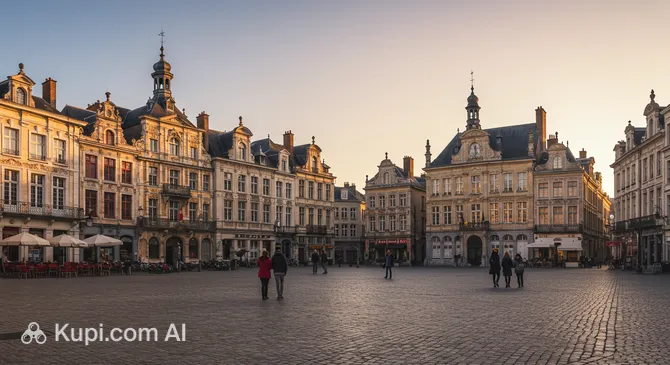
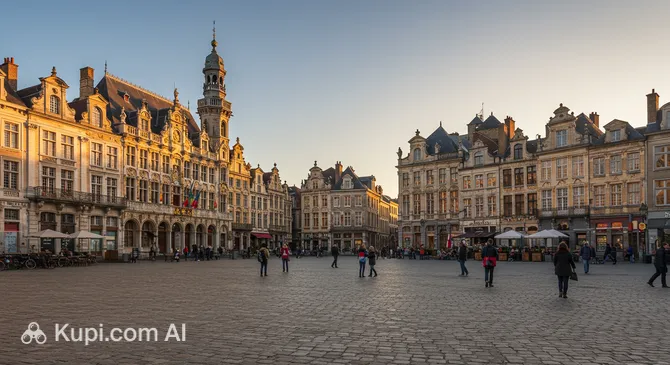
Arras is a city that invites exploration, boasting a collection of heritage sites that range from architectural marvels to cultural institutions. The heart of the city beats around its magnificent squares, which are often cited among the most beautiful in Europe. A visit here naturally begins at the Grand Place. This immense paved square is framed by 155 houses with Flemish Baroque facades, creating a stunningly uniform and picturesque ensemble. It is a favorite spot for leisurely strolls and photography, offering a sense of space and grandeur that is rare in medieval cities.

Grand Place. Source: Kupi.Binoculars

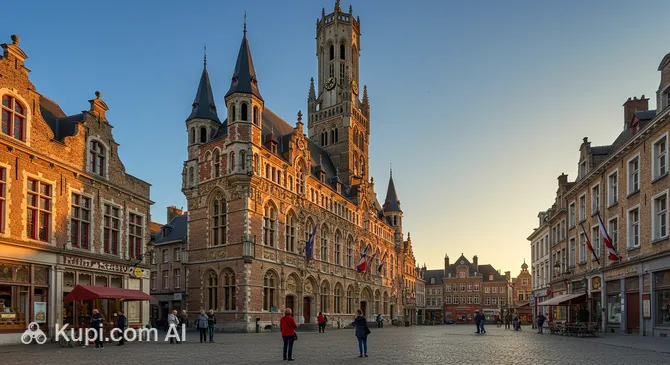
Just a short walk away, you will find the city's proudest symbol, the Arras Belfry. Rising 75 meters into the sky, this UNESCO World Heritage site adjoins the Town Hall on the Place des Héros. Tourists can climb the tower or take a lift to the top for a breathtaking panoramic view of the city and the surrounding Artois countryside. The structure itself is a masterpiece of Gothic architecture, lovingly restored after the world wars.

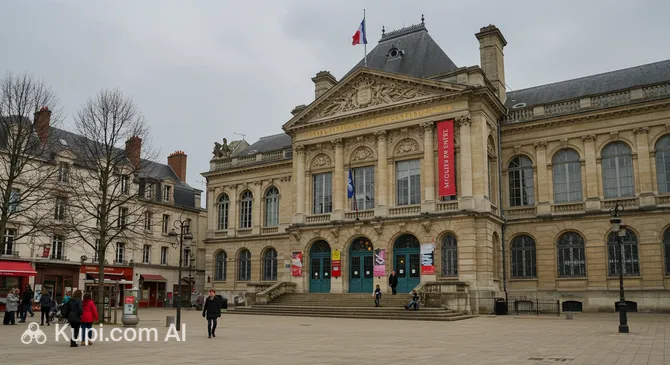
For art and history lovers, the Arras Museum of Fine Arts is an essential stop. Housed in the majestic former Benedictine Abbey of Saint-Vaast, the museum presents a vast collection ranging from medieval sculptures to 17th-century French paintings. The setting is as impressive as the exhibits, with the abbey’s grand cloisters providing a serene backdrop for exploring the region's artistic heritage.

Arras Museum of Fine Arts. Source: Kupi.Binoculars

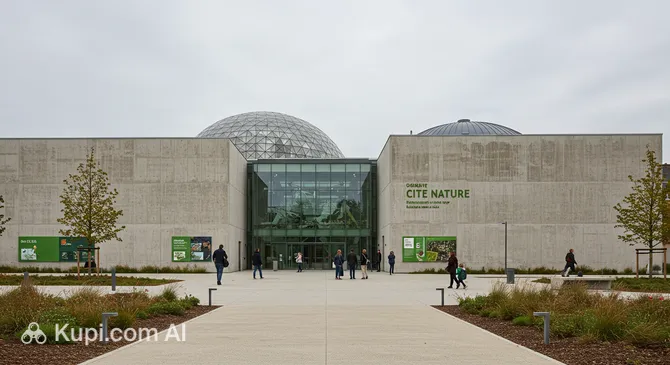
Those looking for a more modern and interactive experience should visit Cité Nature. Located in a renovated former miner's lamp factory, this scientific and cultural center is dedicated to the themes of food, nature, and health. It features expansive gardens and hands-on exhibitions that make it particularly interesting for families and anyone curious about the natural world.

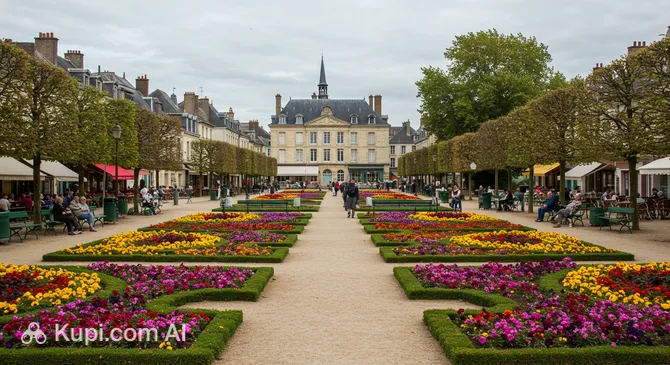
Finally, no tour of the city center is complete without spending time in the Place des Héros. Smaller and more intimate than the Grand Place, this square is the bustling center of local life, lined with cafes and shops. It hosts the weekly market and provides a vibrant atmosphere where visitors can enjoy local specialties while admiring the surrounding historic architecture.

Local Cuisine

The culinary scene in Arras is a delightful reflection of the Hauts-de-France region, characterized by hearty, comforting dishes and a strong Flemish influence. Food here is generous and meant to be shared, often enjoyed in the lively brasseries that line the city's historic squares. The local gastronomy revolves around rich flavors, high-quality pork products, and the extensive use of local cheeses and beer in cooking.

One of the city's most famous specialties is the Andouillette d'Arras. Unlike other French versions, this sausage traditionally uses veal casing, giving it a unique texture and flavor that is highly prized by connoisseurs. Another staple of the local menu is the Carbonnade Flamande, a tender beef stew slow-cooked with gingerbread and local beer, resulting in a sweet and savory sauce that pairs perfectly with a side of crispy frites (fries). For a lighter option, visitors often try the Flamiche, a savory tart typically filled with leeks or the pungent local Maroilles cheese.

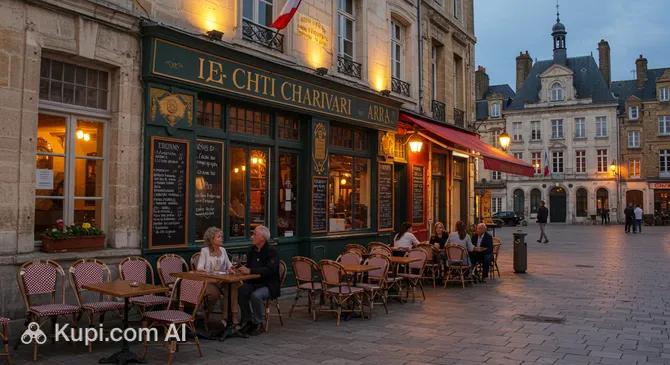
Le Ch'ti Charivari Arras. Source: Kupi.Binoculars

Those with a sweet tooth will find plenty to enjoy as well. The city is famous for its Cœurs d'Arras (Hearts of Arras), small heart-shaped gingerbread biscuits that have been a local tradition since the historic days of the grain markets. You will also find the "Chocolate Rats" in confectionery shops, a sweet nod to the city's mascot. These treats make for excellent souvenirs or a quick snack while exploring the cobblestone streets.

When it comes to drinks, Arras sits firmly in beer country. Wine is available, but the local culture celebrates artisanal beers and bière de garde (keeping beer). Bars and restaurants take pride in their draft selections, often featuring brews from nearby monastic breweries or local producers. It is the perfect accompaniment to a meal or a way to relax after a day of sightseeing.

Dining out is a central part of the social life here. Locals and tourists alike flock to the terraces on the main squares to soak up the atmosphere. For a taste of traditional northern specialties in a warm, rustic setting, you might visit Le Ch'ti Charivari Arras. If you are looking for a casual spot to enjoy a drink and the local vibe, Chez Marcel is a popular choice among residents. Whether you choose a bustling restaurant or a quiet bistro, the hospitality in Arras is always welcoming.

Travel Tips

Visiting Arras is a delightful experience, but a few practical insights can make your trip even smoother and more enjoyable. To help you blend in with the locals and navigate the city's historic streets with ease, here is some essential advice for your journey.

  1. Clothing and Gear: The charm of Arras lies in its historic squares, but the authentic cobblestones on the Grand'Place and Place des Héros can be tough on heels or thin soles. Pack sturdy, comfortable walking shoes. Since the weather in Northern France can be unpredictable, bringing layers and a compact umbrella is always a smart move, regardless of the season.
  2. Transportation: The city center is compact and best explored on foot, as most major attractions are within walking distance of each other. For longer distances, the local bus network is reliable and efficient. There is also a free electric shuttle service called Ma Citadine that loops around the main areas, which is perfect if your feet need a break.
  3. Finances: The currency is the Euro (€). While credit and debit cards (Visa and Mastercard) are widely accepted in restaurants and museums, it is wise to carry some cash for small purchases at the market or in smaller bakeries. Tipping is not mandatory as service is included in the bill, but leaving small change or rounding up is a polite gesture if you enjoyed the service.
  4. Health and Safety: Arras is generally a very safe city for travelers. Pharmacies are easily identifiable by a flashing green cross and are well-stocked for minor ailments. For any serious emergencies, dial 112, the universal European emergency number that works even without a SIM card.
  5. Communication: French is the official language. While staff in hotels and major tourist sites usually speak English, it is less common in smaller shops. Locals appreciate the effort, so learning a few basics like s'il vous plaît (please) and merci (thank you) goes a long way. A translation app can be very useful for reading menus.
  6. Local Etiquette: Politeness is paramount here. When entering a shop, café, or even an elevator, always greet people with a friendly "Bonjour" (or "Bonsoir" in the evening). Failing to do so is often considered rude or dismissive. When dining, keep your volume down to match the generally discreet atmosphere of French restaurants.
  7. What to Avoid: Do not expect shops and restaurants to be open non-stop. Many smaller businesses close for a lunch break between 12:00 PM and 2:00 PM, and Sundays can be very quiet with most retail shops closed. Plan your shopping and dining schedule accordingly to avoid disappointment.
  8. Underground Tips: If you plan to visit the Wellington Quarry or the Boves (underground tunnels), bring a sweater or light jacket. The temperature underground remains a constant, cool 11°C (52°F) year-round, which can feel quite chilly even on a hot summer day.

By keeping these simple tips in mind, you will be well-prepared to enjoy everything Arras has to offer, from its stunning architecture to its welcoming culture. Have a wonderful time exploring this gem of Northern France!

Entertainment & Nightlife

As the sun sets over the baroque facades, Arras transforms into a lively hub of social activity, fueled by a young student population and a local culture that values conviviality. The nightlife here is less about thumping mega-clubs and more about vibrant bars, cozy pubs, and spirited conversations on crowded terraces. The atmosphere is generally relaxed and welcoming, making it easy for visitors to mingle with locals over a glass of regional beer.

The epicenter of the city's evening entertainment is undoubtedly the Place des Héros (also known as the Petite Place). While the neighboring Grand'Place is majestic and spacious, the Place des Héros is where the heartbeat of the night is strongest. This square is lined with numerous bars and brasseries that keep their doors open late, offering heated terraces that stay busy even in cooler weather. It is the perfect spot for a pub crawl without ever having to leave the cobblestones.

Place des Héros. Source: Kupi.Binoculars

For a taste of the local bar scene, you can head to Chez Marcel. Located right in the heart of the action, this venue is a favorite for its extensive selection of beers and its authentic, rustic charm. It captures the essence of a traditional estaminet while buzzing with evening energy. If you prefer a venue that transitions seamlessly from a dining experience to a relaxed evening spot, Carpediem Restaurant offers a warm setting where you can enjoy excellent food and drinks in a friendly atmosphere.

When planning your night out, keep in mind that Thursday nights are particularly animated due to the university crowd, while Fridays and Saturdays attract a broader mix of residents and visitors. Most bars stay open until around 1:00 AM or 2:00 AM, though things can wind down earlier on Sundays and Mondays. The dress code is almost exclusively casual; smart-casual is appropriate for nicer restaurants, but you will rarely need formal attire.

Arras is a safe city for night walks, especially within the well-lit city center and around the main squares. The compact nature of the town means you can easily walk back to your hotel from the nightlife districts. However, if you are staying further out or prefer not to walk, taxis are available, though it is advisable to book one in advance or have a venue call one for you, as hailing them on the street can be difficult late at night.

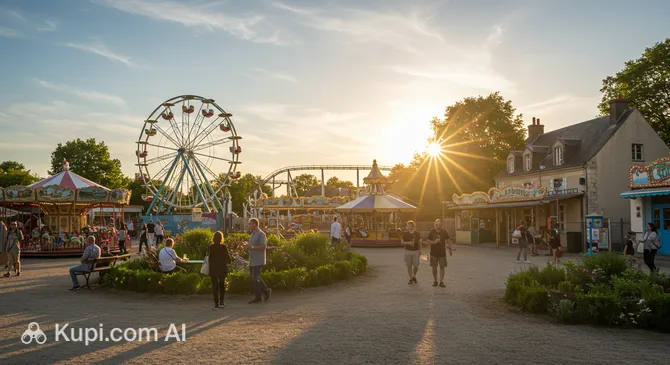
During the day, the city offers different kinds of thrills for those looking for entertainment beyond history and architecture. Families and active travelers can visit Funny Park – Lost Valley, an indoor amusement center perfect for energetic fun regardless of the weather. Alternatively, for those who enjoy outdoor challenges, Cit'Loisirs Park provides tree-climbing adventures and zip lines nestled within the greenery of the Citadel, offering a unique way to see the fortifications from a new perspective.

Funny Park – Lost Valley. Source: Kupi.Binoculars

Parks & Museums

For a city of its size, Arras boasts an impressive array of cultural institutions and green spaces that offer a perfect counterbalance to its bustling squares. Whether you are interested in diving into history, exploring scientific wonders, or simply enjoying a peaceful walk among the trees, the city provides diverse options to enrich your visit.

A cornerstone of the city's cultural life is the Arras Museum of Fine Arts. Housed within the grandiose Abbey of Saint-Vaast, the museum is as renowned for its architecture as it is for its collections. Visitors can wander through the vast 18th-century cloisters before admiring an extensive selection of works, including medieval sculptures, 17th-century French paintings, and the famous "Mays" of Notre-Dame de Paris. The sheer scale of the building creates a serene atmosphere, allowing art lovers to appreciate the exhibits in a setting of monumental beauty.

For a completely different experience that bridges the gap between culture and the outdoors, Cité Nature is a must-visit. Located in a beautifully renovated former industrial site, this scientific center is dedicated to food, nature, and health. It is particularly engaging for families, offering interactive exhibitions that make learning fun. The center opens onto 25,000 square meters of themed gardens, where you can explore vegetable patches, medicinal plants, and vineyards, providing a breath of fresh air right in the city.

Cité Nature. Source: Kupi.Binoculars

History enthusiasts should not miss the Wellington Quarry. This underground museum offers a poignant journey into the past, descending 20 meters below the surface into the network of tunnels used by Commonwealth forces during World War I. The site is a place of remembrance and discovery, where projections and artifacts tell the story of the soldiers who lived here before the Battle of Arras. It is a deeply moving experience that highlights the strategic importance of the city's subterranean world.

Wellington Quarry. Source: Kupi.Binoculars

When you are ready to relax outdoors, the Governor's Garden offers a tranquil escape. Situated near the Citadel, this public park is a favorite among locals for a leisurely promenade. With its well-maintained paths, mature trees, and ample seating, it is an ideal spot for a picnic or a quiet break away from the city center's activity. The garden often hosts open-air events in the summer, adding a festive touch to its peaceful ambiance.

Governor's Garden. Source: Kupi.Binoculars

Finally, the area surrounding the Citadel of Arras serves as the city's primary "green lung." While the fortress itself is a historical marvel, the moat and the surrounding woods have been transformed into a sprawling recreational area. It is a haven for joggers, walkers, and nature lovers, offering trails that wind through lush greenery while providing impressive views of Vauban’s military architecture. This blend of heritage and nature makes it a unique setting for outdoor leisure.

Getting Around

The public transport system in Arras is efficient, user-friendly, and perfectly scaled for the size of the city. The network is managed by Artis and primarily consists of a comprehensive fleet of buses that connect the city center with the surrounding suburbs and the main railway station. While the historic center is compact enough to be explored on foot, the bus service is invaluable for reaching attractions located further afield or for traveling to and from your accommodation with luggage.

A standout feature for tourists is the Ma Citadine shuttle. This is a free electric shuttle service that loops around the city center, connecting key locations such as the Grand'Place, the Place des Héros, and major parking areas. It runs frequently, typically every 10 to 15 minutes, and is a favorite among visitors because it allows you to hop on and off without worrying about tickets or schedules. It is an eco-friendly and convenient way to navigate the heart of the town.

For the standard bus network, the payment system is simple. You can purchase a single ticket (Ticket Unité) directly from the driver using cash, though it is often slightly cheaper to buy tickets in advance. A single trip costs approximately €1.20 to €1.30. If you plan to use the bus multiple times in one day, a Day Pass (Ticket Journée) is a cost-effective option, usually priced around €3.00, offering unlimited travel for 24 hours. There are also 10-trip booklets available for those staying longer.

Tickets can be purchased at the Artis agency located at the bus station (Gare Urbaine), which is right next to the main train station, or at authorized tobacco shops (Tabac) throughout the city. Modern options include buying tickets via the tixiPASS mobile app, which allows you to store tickets on your phone. Regardless of how you buy your ticket, remember to validate it immediately upon boarding by scanning it at the terminals near the driver to avoid fines.

Regarding operating hours, the bus network generally runs from around 6:00 AM to 8:30 PM on weekdays and Saturdays. Service is significantly reduced on Sundays and public holidays, so it is wise to check the timetables in advance if you are traveling on those days. The free Ma Citadine shuttle typically operates from Monday to Saturday, stopping in the early evening, and does not run on Sundays.

For those who prefer active travel, the city offers electric bike rentals, a service often provided through the Artis network. You can rent bicycles for a day or longer periods, which is a fantastic way to explore the Citadel and the greener outskirts. Taxis are also readily available, with a main rank located just outside the Arras Station. While reliable, taxis can be harder to hail on the street, so booking via phone or an app is recommended for late-night travel.

Accommodation

Finding the perfect place to stay in Arras is a straightforward and pleasant experience, as the city offers a range of accommodation options that blend historical charm with modern comfort. Visitors can choose from boutique hotels housed in centuries-old buildings, reliable international chains, and cozy bed-and-breakfasts (chambres d'hôtes) that offer a more personal touch. Whether you are looking for a romantic getaway in a 17th-century setting or a functional room near transport links, the city caters to diverse needs and budgets.

The most popular area for tourists is undoubtedly the Historic Center, specifically around the two main squares, the Grand Place and the Place des Héros. Staying here puts you right in the heart of the action, with the city's best restaurants, cafes, and the famous Arras Belfry just a few steps from your door. Many hotels in this district are located within the iconic baroque row houses, allowing guests to immerse themselves fully in the city's unique architectural heritage.

For those arriving by train or planning to use Arras as a base for exploring the wider Hauts-de-France region, the area surrounding the Arras Railway Station is an excellent choice. This district is only a short 10-minute walk from the city center and offers several practical, modern hotels. It is particularly convenient for business travelers or those with early departures, providing easy access to high-speed connections to Paris and Lille while still being close enough to enjoy the town's evening atmosphere.

Regarding pricing, accommodation in Arras is generally mid-range and offers good value for money compared to larger French tourist hubs. Budget travelers can find affordable guesthouses and economy hotels near the station, while those seeking luxury can opt for upscale establishments in the historic squares. Booking is typically done via major online platforms or directly through hotel websites.

A crucial tip for planning your stay is to book well in advance if you are visiting during major local events. The Main Square Festival in early July and the renowned Christmas Market in December draw thousands of visitors, causing hotels to fill up months ahead of time. Outside of these peak periods, it is usually easy to find a room, but securing your reservation early is always recommended to get the best views of the squares.

Nearby Cities

Nearby Cities:

For those looking to explore the surroundings, Arras serves as an excellent base for day trips to several interesting nearby locations. The region of Hauts-de-France is compact and well-connected, allowing travelers to easily visit neighboring towns that each possess their own unique character and heritage.

One of the most notable destinations nearby is Lens. Just a short journey away, it has gained international acclaim for the Louvre-Lens museum. Built on a former mining site, this gallery displays masterpieces from the Louvre in Paris within a stunning contemporary glass structure. It is a perfect example of how the region honors its industrial past while embracing culture. Another fascinating stop is Douai, often called the "City of Giants" due to its famous folkloric figures, the Gayant family. Douai boasts a magnificent belfry and a historic center crisscrossed by the Scarpe river, offering scenic walks along the water.

For admirers of architecture, Béthune is well worth a visit. Its Grand'Place was heavily reconstructed after World War I and now features a delightful array of Art Deco facades and eclectic styles, centering around its own UNESCO-listed belfry. These towns provide a deeper insight into the rich history and resilience of Northern France.

City Population Distance (km)
Douai 39,634 23
Lens 31,606 16
Liévin 30,423 14
Hénin-Beaumont 25,992 19
Bethune 25,193 28

These nearby destinations offer a glimpse into the diverse culture and landscapes of the region, making them perfect additions to your travel itinerary.

Shopping & Souvenirs

Shopping in Arras offers a delightful mix of historical charm and modern convenience, making it a pleasant experience for any visitor. Unlike the overwhelming bustle of unparalleled metropolises, the city provides a more relaxed atmosphere where you can browse through independent boutiques, artisanal craft shops, and well-known international brands. The experience is enhanced by the stunning architectural backdrop, allowing you to move from shop to shop under ancient arcades and through pedestrian-friendly streets.

The heart of the city's retail scene beats around its two magnificent squares. The Grand Place and the Place des Héros are not just for sightseeing; the covered galleries beneath the Flemish-Baroque facades house numerous specialty stores, chocolate shops, and gift boutiques. Extending from these squares, the pedestrianized Rue Ronville and Rue Saint-Aubert serve as the main commercial arteries. Here, you will find a wide array of fashion retailers, shoe stores, and beauty shops, making it easy to find everything you need within a compact, walkable area.

While the city center focuses on high-street shopping and boutiques, those looking for a large-scale indoor shopping experience can head to the outskirts. The Centre Commercial Auchan Arras, located a short drive from the center, is a major retail hub featuring a hypermarket and a gallery of over 60 shops. It is a practical option for travelers needing to stock up on supplies or looking for a wider variety of standard brands in one location.

For a more authentic local experience, the markets in Arras are unmissable. The Saturday morning market is a true institution, taking over the main squares with colorful stalls selling fresh produce, regional cheeses, flowers, and textiles. It is widely considered one of the best markets in Northern France. If you are visiting in December, the city hosts a spectacular Christmas Market, which transforms the Grand'Place into a winter wonderland filled with artisanal crafts and festive treats.

Arras Belfry. Source: Kupi.Binoculars

When it comes to souvenirs, Arras has several unique specialties that make for perfect gifts. The most iconic edible souvenir is the Rat en Chocolat (Chocolate Rat), a sweet tribute to the city's mascot found in local patisseries. Another classic is the Cœurs d'Arras, heart-shaped gingerbread biscuits that have been a local tradition for centuries. For something non-edible, look for Bleu d'Arras porcelain, a distinctive style of blue-and-white pottery that reflects the city's artistic heritage.

Store hours in Arras generally follow the standard French pattern. Most shops are open from 10:00 AM to 7:00 PM, Monday through Saturday. Smaller independent boutiques often close for a lunch break between 12:00 PM and 2:00 PM, while larger chains usually stay open. Sunday is a quiet day with most retail stores closed, although food shops and bakeries may open in the morning. Payment is easy, with credit and debit cards (Visa and Mastercard) widely accepted, though carrying some cash is recommended for market stalls.

Visitors from outside the European Union may be eligible for a tax refund (détaxe) on purchases over a certain amount (typically €100.01) made in a single store. Look for the "Tax Free" sign in shop windows and ask the merchant for a tax refund form at the time of purchase to claim your VAT refund at the airport or border upon leaving the EU.

Reached the end of the page?

That means the route is fully explored