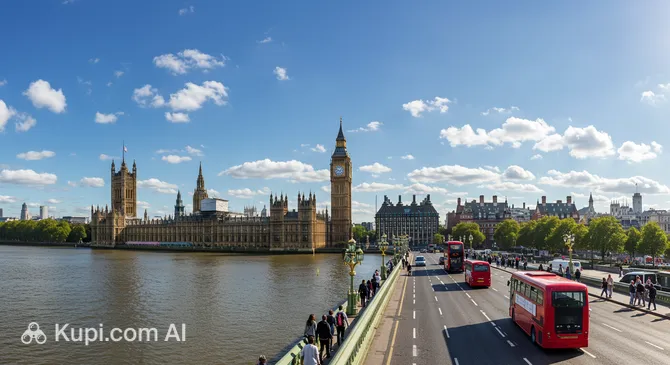
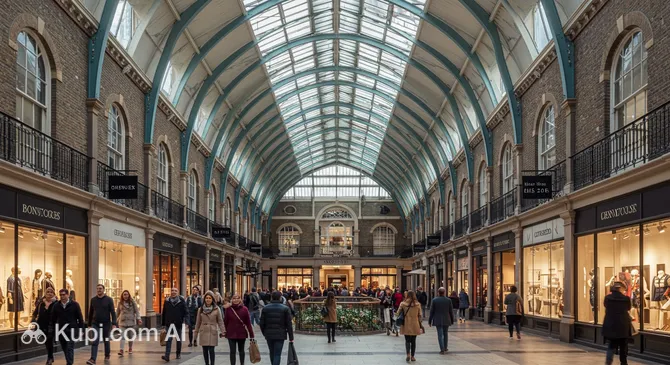
London stands as one of the world's most iconic cities, renowned for its dynamic energy and cultural depth. As the capital of the United Kingdom, it serves as a global hub for finance, arts, and fashion, attracting millions of visitors each year who are drawn to its unique blend of ancient heritage and modern innovation.
Situated in southeastern England along the banks of the majestic River Thames, the city covers a vast area that is home to a diverse population of approximately 11.2 million people. This strategic location has played a pivotal role throughout the centuries. Exploring the history of London reveals a fascinating timeline that stretches back to Roman times, evident in the architecture and layout of its bustling streets.
London. Illustration.
Source: Kupi.com AI
Travelers are spoilt for choice with an array of world-famous landmarks. From the historic Tower of London and the striking silhouette of Big Ben to the artistic treasures housed in the British Museum, there is something to captivate every interest. The city's atmosphere is further enhanced by its charming parks, traditional pubs, and the unmistakable sight of red double-decker buses navigating the roads.
Whether you are looking to immerse yourself in royal traditions or experience cutting-edge culinary scenes, London offers an unforgettable journey. It is a destination that truly deserves a spot on every traveler's bucket list, promising new discoveries around every corner.
Weather Overview
Understanding the weather in London is an essential part of planning your itinerary, as the city is known for its temperate but changeable maritime climate. Generally, the capital avoids extreme weather conditions, offering mild seasons that make it a year-round destination.
Summers are pleasantly warm without being oppressive. July is typically the hottest month, with an average temperature of 18.1°C and highs reaching up to 22.2°C. Winters are cool and damp, with January seeing average temperatures drop to 4.8°C, though it rarely freezes for long periods.
Rainfall is a consistent feature throughout the year, although often in the form of light showers rather than heavy downpours. While the precipitation volume remains low at around 2mm to 3mm per month, the number of wet days ranges from 10 in June to 15 in March. Expect mild summers with occasional rain and cool, cloudy winters, so packing layers and a sturdy umbrella is always recommended.
Average monthly temperature
Average monthly precipitation
Interesting Facts
Beyond the iconic landmarks and bustling streets, London holds a treasure trove of fascinating secrets and quirky history. Here are a few unique insights that reveal a different side of the British capital.
While most visitors snap photos of the famous clock tower at the Houses of Parliament, the name "Big Ben" actually refers only to the massive 13-ton bell inside; the structure itself is officially known as the Elizabeth Tower.
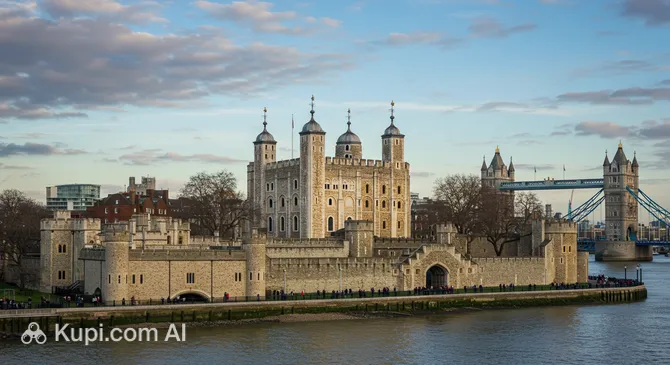
Ancient superstition claims that if the resident ravens ever leave the Tower of London, the kingdom will fall, which is why a dedicated Ravenmaster ensures at least six of these birds remain on the grounds at all times.
Despite its reputation for grey skies, the city is surprisingly green and is technically classified as a forest by the United Nations, boasting over 8 million trees—almost one for every inhabitant.
Tucked away in the southeast corner of Trafalgar Square stands what was once Britain's smallest police station, a tiny observation box built inside a hollowed-out lamp post to monitor crowds.
London is one of the few places in the UK where you can legally drive on the right side of the road, specifically at the entrance to the Savoy Hotel, a rule dating back to the days of horse-drawn carriages.
Tower of London. Illustration.
Source: Kupi.com AI
Traveler photos:
How to Get There
London is one of the most accessible cities in the world, served by a comprehensive network of transport hubs. Whether you are arriving from across the globe or traveling from within the UK, you have numerous options. You can read more about how to get to London and the specific routes available to plan your journey effectively.
The primary gateway for international travelers is Heathrow Airport (IATA: LHR), located approximately 23.2 km from the city center. As one of the busiest airports in the world, it handles a massive volume of passenger traffic annually. A journey by taxi or car from the airport to central London typically takes around 55 minutes, though this can vary significantly with traffic.
Another major entry point is London Gatwick Airport (IATA: LGW), situated about 39.2 km from the heart of the city. It is a large international hub offering a wide range of connections. Reaching the city center by road from here generally takes about 80 minutes. For those looking for a closer option, London City Airport (IATA: LCY) is just 12.7 km away, offering a quick transfer time of roughly 40 minutes.
For clarity, here is a summary of the main airports serving the area:
Rail travel is another convenient way to reach the capital, with several major stations located directly in the city. Waterloo Station is a central hub, situated just 1.1 km from the city center and handling a vast number of passengers each year. London Victoria Station is another key terminal, located approximately 1.7 km from the center, providing easy access to various parts of the metropolis.
Below is a list of the major railway stations in the city:
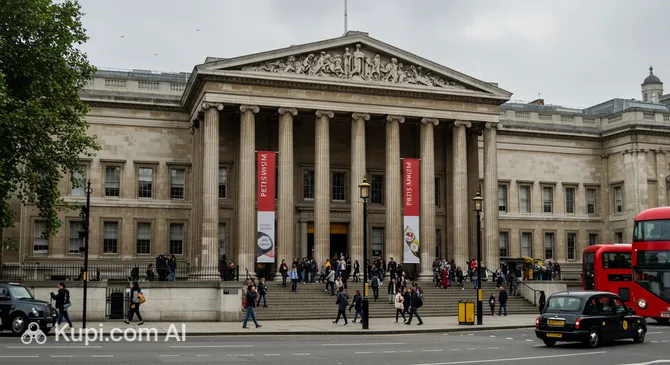
A visit to the capital would not be complete without exploring The British Museum. Located in the Bloomsbury area, this world-class institution is dedicated to human history, art, and culture. Its vast collection includes some of the most famous artifacts in existence, such as the Rosetta Stone and the Elgin Marbles. Tourists are drawn here not only for the incredible exhibits but also because general admission is free, making it an accessible cultural highlight for everyone.
The British Museum. Illustration.
Source: Kupi.com AI
Traveler photos:
Another defining symbol of the city is Tower Bridge. Often mistakenly referred to as London Bridge, this Victorian engineering marvel spans the River Thames with its iconic twin towers. Visitors can step inside to explore the engine rooms or walk across the high-level glass walkways, which offer stunning panoramic views of the skyline and the river below. It is a perfect spot for photography enthusiasts and those interested in the city's industrial heritage.
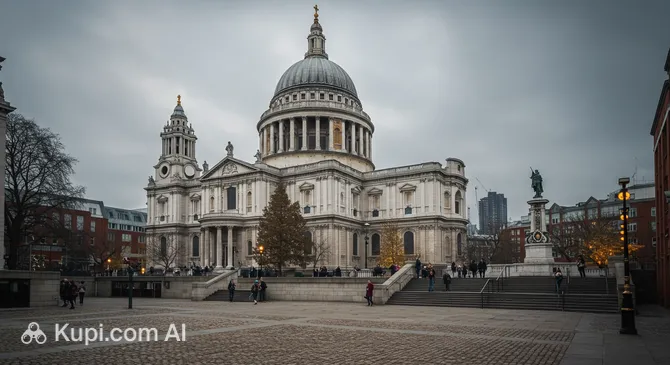
For lovers of architecture and history, St. Paul's Cathedral is an unmissable destination. Designed by Sir Christopher Wren, its massive dome has dominated the skyline for over 300 years. Inside, tourists can marvel at the intricate mosaics, visit the crypt, or climb to the Whispering Gallery to experience its unique acoustics. The climb to the Golden Gallery at the very top rewards visitors with breathtaking views across the metropolis.
St. Paul's Cathedral. Illustration.
Source: Kupi.com AI
Traveler photos:
If you are looking to escape the urban bustle, Hyde Park offers a vast green sanctuary right in the center of the city. As one of the Royal Parks, it is famous for the Serpentine Lake, where you can go boating, and the Diana, Princess of Wales Memorial Fountain. It is also home to Speaker's Corner, a historic site for public speeches and debates. Whether for a leisurely stroll, a picnic, or a concert, the park provides a refreshing break from sightseeing.
Art enthusiasts should head to The National Gallery, situated in Trafalgar Square. This prestigious art museum houses a collection of over 2,300 paintings dating from the mid-13th century to 1900. Highlights include works by masters such as Van Gogh, Da Vinci, and Turner. Like the British Museum, it offers free entry, allowing visitors to enjoy some of the world's finest European art without a ticket fee.
Local Cuisine
London's culinary landscape is as diverse and multicultural as its population, offering a gastronomic journey that ranges from historic British traditions to cutting-edge global fusion. While the city was once known for simple, hearty fare, it has evolved into one of the world's most exciting food capitals. Visitors can find everything from Michelin-starred dining rooms to vibrant street food stalls, ensuring that every palate and budget is catered for.
No visit to the capital is complete without trying the quintessentially British dish: fish and chips. Best enjoyed from a local "chippy," this meal consists of fresh fish battered and fried until golden, served alongside thick-cut chips, mushy peas, and tartare sauce. Another staple is the Sunday Roast, a comforting tradition served in pubs across the city. It typically features roasted meat (beef, chicken, lamb, or pork), roast potatoes, seasonal vegetables, and a Yorkshire pudding, all smothered in rich gravy.
Reflecting the city's cosmopolitan nature, Indian cuisine holds a special place in the hearts of locals, with Chicken Tikka Masala famously described as a national dish. For a taste of this popular cuisine in a stylish setting, you might visit Dishoom Shoreditch, which pays homage to the Irani cafés of Bombay. The city is also famous for its savory pies, often served with creamy mashed potatoes and a green parsley liquor, a working-class classic known as "pie and mash."
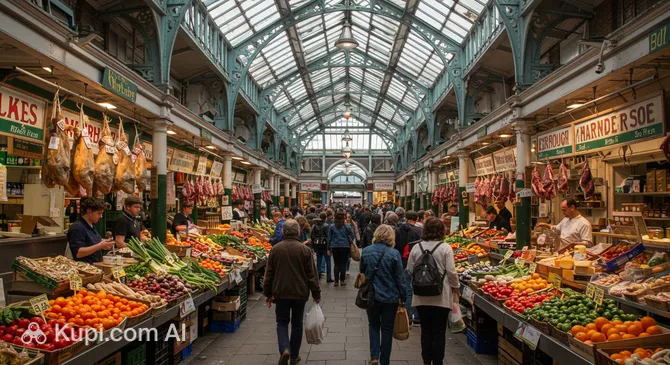
For those who love to explore food through markets, London is a paradise. Borough Market near London Bridge is a historic gourmet hub where you can sample artisanal cheeses, fresh pastries, and exotic ingredients. It is the perfect place to grab a quick lunch or pick up souvenirs. Alternatively, Camden Market offers an eclectic mix of street food from around the globe, perfect for eating on the go while soaking up the alternative atmosphere of the area.
Borough Market. Illustration.
Source: Kupi.com AI
Traveler photos:
When it comes to drinks, the "pub culture" is an integral part of social life. Locals often gather in traditional pubs to enjoy a pint of ale, lager, or stout. For a more refined experience, Afternoon Tea is a must-do tradition. Served in hotels and tea rooms, this mid-afternoon treat includes a selection of fine teas, finger sandwiches, and scones topped with clotted cream and strawberry jam. Additionally, the city has a long history with gin, and you will find numerous bars serving botanical-infused varieties that celebrate this local heritage.
Travel Tips
Welcome to London! To ensure your visit to this dynamic capital is as smooth and enjoyable as possible, we have compiled a list of essential practical advice that will help you navigate the city like a local. These tips are designed to help you avoid common pitfalls and make the most of your time in the Big Smoke.
Clothing and Gear: The weather in the city is famously unpredictable, often shifting from sunshine to rain in a matter of hours. The best strategy is to dress in layers that you can easily add or remove. A waterproof jacket and a sturdy umbrella are absolute must-haves year-round. Also, bring a power adapter for Type G sockets (three rectangular pins) to keep your devices charged, and pack comfortable walking shoes as you will likely cover a lot of ground on foot.
Transportation: The public transport network is extensive and efficient. The "Tube" (Underground) and red double-decker buses are the best ways to get around. You do not need to buy paper tickets; simply use a contactless bank card, smartphone payment method, or an Oyster card to tap in and out. Avoid renting a car in central London, as traffic is heavy, parking is expensive, and you may incur the Congestion Charge.
Finances: The local currency is the Pound Sterling (£). London has rapidly become a cashless society, and cards are accepted almost everywhere, from high-end restaurants to market stalls. It is still useful to carry a small amount of cash, but you can rely mostly on digital payments. Tipping is customary in restaurants, typically around 10% to 12.5%, though you should check the bill first as a service charge is often automatically included.
Health and Safety: In an emergency, dial 999 for police, ambulance, or fire services. For non-urgent medical advice, you can call 111. Pharmacies are widely available and often marked with a green cross. While the city is generally safe, it is a major metropolis, so stay vigilant and keep an eye on your belongings in crowded tourist areas and on public transport to prevent pickpocketing.
Communication: English is the primary language, though the city is incredibly multicultural. Free Wi-Fi is common in cafes, hotels, and museums. For navigation, the Citymapper app is highly recommended over standard map apps, as it provides real-time updates on transport delays and the best routes. If you need a SIM card, they are readily available at the airport and convenience stores throughout the city.
Local Etiquette: Politeness is a key part of the culture. Locals frequently say "sorry," "please," and "thank you." Queueing is taken very seriously; never cut in line, whether you are waiting for a bus or a table. On escalators, especially in Tube stations, the golden rule is to stand on the right and walk on the left. Blocking the left side is considered very rude.
What to Avoid: Try not to stop abruptly in the middle of the pavement (sidewalk) or at the top of escalators to check your phone or map, as this disrupts the flow of busy commuters. Additionally, avoid talking loudly on public transport, particularly during the morning rush hour when the atmosphere is generally quiet and reserved.
Additional Tip: Take advantage of the city's incredible cultural policy: admission to the permanent collections of most major museums and galleries, such as the British Museum and the Tate Modern, is completely free. It is a fantastic way to see world-class art and history without stretching your budget.
Armed with these practical tips, you are ready to explore the streets of London with confidence and ease. Embrace the local customs, respect the fast-paced rhythm of the city, and you are sure to have an unforgettable experience in the United Kingdom's capital.
Entertainment & Nightlife
Entertainment and Nightlife:
As the sun sets, London transforms into a vibrant playground that caters to every taste, from sophisticated cocktail lovers to energetic clubbers. The city's nightlife is legendary, offering a diverse mix of historic pubs, trendy rooftop bars, and world-class nightclubs. Whether you are looking for a quiet pint by the river or a night of dancing until dawn, the capital's after-dark scene is pulsating with energy and variety.
Different neighborhoods offer distinct atmospheres. Soho remains the beating heart of the city's nightlife, famous for its LGBTQ+ friendly venues, jazz clubs, and bustling streets that stay awake late into the night. For a grittier, more alternative vibe, Camden is the place to go, renowned for its live music heritage and rock bars. Meanwhile, Shoreditch in the East End attracts a hip crowd with its graffiti-covered walls, quirky pop-up bars, and warehouse clubs.
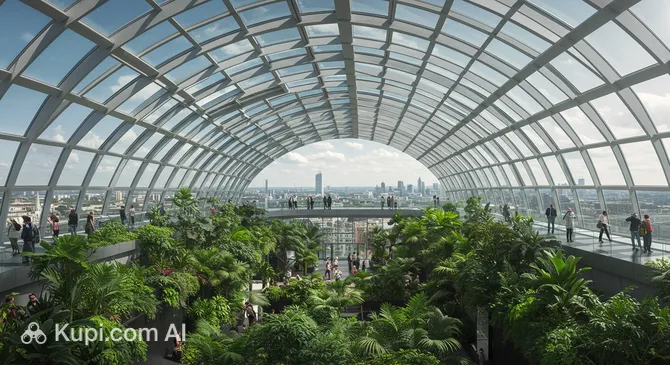
For a truly memorable evening with a view, you might visit the Sky Garden. Located at the top of the "Walkie Talkie" building, this venue offers landscaped gardens and observation decks alongside bars and restaurants, providing breathtaking panoramic views of the illuminated skyline. It is a perfect spot for a sophisticated drink, though booking in advance is highly recommended.
Sky Garden. Illustration.
Source: Kupi.com AI
Traveler photos:
If you prefer a more energetic atmosphere with a Latin twist, Salsa Temple on the Embankment offers a lively experience. This vibrant party bar is known for its salsa classes, happy hours, and river views, making it a popular choice for those wanting to dance the night away. For foodies who want to combine dining with a social buzz, Mercato Metropolitano provides a sustainable community market experience with countless food stalls and bars, perfect for a relaxed evening with friends.
Music lovers are spoilt for choice with iconic venues across the city. The Royal Albert Hall hosts prestigious concerts ranging from classical to rock, while The O2 arena attracts the biggest international stars. For theatre enthusiasts, the West End—often referred to as "Theatreland"—is the global standard for musicals and plays, offering dazzling performances every night of the week.
When planning a night out, keep in mind that while pubs typically close around 11:00 PM or midnight, clubs and late-night bars often stay open until 3:00 AM or later. The dress code varies significantly; while most pubs and bars are casual, exclusive clubs in Mayfair may require smart attire and heels. London is an expensive city, so expect to pay premium prices for drinks and entry fees, especially in central zones.
Getting around at night is relatively safe and convenient. The Night Tube operates on Fridays and Saturdays on specific lines, providing 24-hour service. Alternatively, the iconic black cabs are a safe and reliable option, though they can be pricey. Ride-hailing apps are also widely used. While the city is generally safe for night walks, it is always wise to stick to well-lit, busy main roads and avoid unlit parks after dark.
Beyond the nightlife, the city offers endless daytime entertainment. You can explore the magical world of theatre with a matinee show, revisit the vast collections in the museums, or enjoy family-friendly fun at various amusement parks and attractions scattered throughout Greater London. From cultural immersion to adrenaline-pumping activities, the entertainment options are limitless around the clock.
Parks & Museums
London is celebrated not only for its bustling streets but also for its abundant greenery and unparalleled cultural institutions. The city seamlessly blends urban living with nature, boasting an impressive number of parks that serve as the capital's "lungs," alongside a museum scene that rivals any in the world.
While the central royal parks are well-known, the city offers many other verdant escapes. Regent's Park is a favorite for its beautiful rose gardens and the Open Air Theatre, providing a cultured outdoor experience. For those willing to travel a bit further, the majestic Hampton Court Palace features world-famous gardens, including a historic maze and the Great Vine, offering a glimpse into the opulent lifestyle of King Henry VIII.
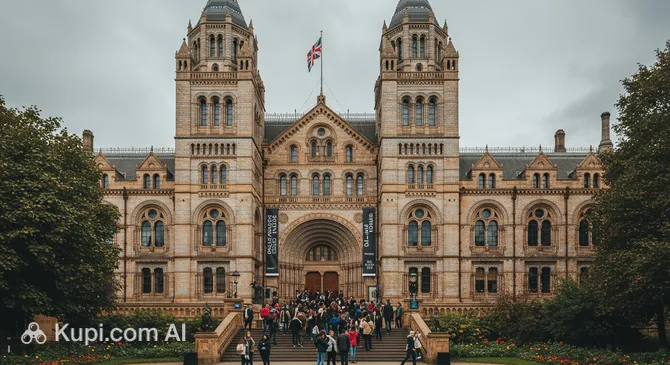
South Kensington is the undisputed heart of the city's museum district. Here, you will find the Natural History Museum, a cathedral to nature housed in a stunning terracotta building. It is renowned for its dinosaur skeletons and the massive blue whale skeleton suspended in the main hall, making it a hit with families and science enthusiasts alike. Just a short walk away lies the Victoria and Albert Museum (V&A), the world's leading museum of art, design, and performance, with a collection spanning 5,000 years of human creativity.
Natural History Museum. Illustration.
Source: Kupi.com AI
Traveler photos:
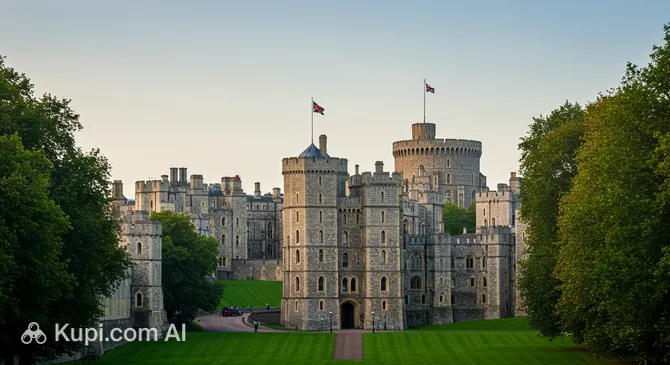
For a deep dive into the nation's royal heritage, a visit to Windsor Castle is essential. Located just outside the city limits, it is the oldest and largest occupied castle in the world and serves as an official residence of His Majesty The King. Back in the city, the Old Royal Naval College in Greenwich offers architectural splendor and maritime history, featuring the breathtaking Painted Hall, often referred to as Britain's Sistine Chapel.
Windsor Castle. Illustration.
Source: Kupi.com AI
Traveler photos:
Beyond the blockbuster sites, the capital hides some incredible smaller gems. The Wallace Collection in Marylebone displays unsurpassed displays of French 18th-century painting, furniture, and porcelain in a historic London town house. For a more eclectic experience, the Horniman Museum and Gardens in Forest Hill offers an intriguing mix of anthropology, natural history, and musical instruments, set within 16 acres of beautiful gardens offering views over the city.
Getting Around
Navigating London is surprisingly easy thanks to its world-class public transport system, managed by Transport for London (TfL). The network is extensive, efficient, and often the quickest way to travel across the sprawling metropolis. At the heart of this system is the legendary London Underground, affectionately known as "the Tube." As the world's oldest metro system, dating back to 1863, it covers the city with 11 color-coded lines. It is the most popular choice for tourists, whisking you between major attractions in minutes.
Complementing the Tube are the iconic red double-decker buses. Unlike the Underground, buses offer a scenic route through the city, allowing you to sightsee as you travel. Sitting at the front of the top deck provides one of the best and most affordable views of the streets below. For areas not served by the Tube, particularly in South London and the Docklands, the London Overground, the Docklands Light Railway (DLR), and the modern Elizabeth Line provide seamless connections. There is also a tram network, though it primarily serves the southern suburbs.
A unique way to travel is by river. The Uber Boat by Thames Clippers service operates along the River Thames, stopping at key piers like Westminster, London Bridge, and Greenwich. It combines practical transport with a sightseeing cruise experience. For a bird's-eye view, the IFS Cloud Cable Car connects the Greenwich Peninsula to the Royal Docks, soaring high above the river and offering spectacular panoramic vistas of the skyline.
The payment system is integrated and user-friendly. The days of paper tickets are largely gone; the most convenient way to pay is using a contactless bank card or a mobile payment device (like Apple Pay or Google Pay). You simply touch your card on the yellow card readers at the start and end of your journey. Alternatively, you can purchase an Oyster card, a reusable smartcard that you top up with credit at station machines or visitor centers. Both methods offer the same fares.
One of the best features for tourists is "daily capping." This means you can travel as much as you like in a single day, and the system will automatically stop charging you once you reach a certain limit, making it very cost-effective. Fares are calculated based on Zones. Central London is Zone 1, and the price increases as you travel further out to Zones 6-9. Buses charge a flat rate regardless of distance, and unlike the train, you only tap in when boarding—never tap out.
Public transport generally operates from around 5:00 AM until midnight. However, on Fridays and Saturdays, the Night Tube and Night Overground run 24-hour services on select lines, which is perfect for enjoying the city's nightlife. A vast network of night buses also runs throughout the week when the trains are closed. To plan your journey, apps like Citymapper or TfL Go are essential tools, providing real-time updates and the fastest routes.
If you prefer private transport, the famous Black Cabs can be hailed directly on the street when their yellow "TAXI" light is illuminated. They are reliable, and drivers have passed the rigorous "Knowledge" exam of London's streets. Alternatively, ride-hailing apps like Uber and Bolt are widely available and often cheaper, though they must be booked via smartphone. For short trips, Santander Cycles (often called "Boris Bikes") are available for hire at docking stations across the city, offering a fun and active way to explore the parks and quieter streets.
Accommodation
London offers a diverse spectrum of accommodation options to suit every traveler's needs and budget. The city is renowned for its wide selection, ranging from opulent five-star establishments and charming boutique townhouses to practical mid-range chains and budget-friendly hostels. For those seeking a home-away-from-home experience or traveling in groups, serviced apartments and vacation rentals are also widely available throughout the Greater London area.
Choosing the right neighborhood is key to ensuring a convenient stay. For first-time visitors, the West End (including areas like Covent Garden and Soho) is often the most popular choice due to its proximity to theatres, dining, and major shopping streets. Kensington and Chelsea offer a more upscale, quieter atmosphere close to the major museums and Hyde Park, making them ideal for families. Alternatively, the South Bank and London Bridge areas provide excellent transport links and stunning river views, while Shoreditch caters to those looking for a trendy, artistic vibe with vibrant nightlife.
While the city is packed with standard hotels, there are also unique retreats available for those seeking relaxation or a specific type of experience. For instance, travelers looking for a wellness-focused stay might consider the Glass House Retreat, which provides a sanctuary designed for detoxification and mindfulness away from the urban bustle. Another option in the region is Resort London, offering hospitality services for visitors.
Glass House Retreat. Illustration.
Source: Kupi.com AI
Traveler photos:
Booking Tip: London is a year-round destination, but accommodation can fill up quickly, especially during the peak summer months (June to August) and the festive Christmas season. It is highly recommended to book your stay several months in advance to secure the best rates and availability, particularly if you plan to stay in the city center.
Regarding costs, the capital is generally considered one of the more expensive cities in Europe. Luxury hotels can command very high prices, while mid-range options offer a balance of comfort and cost. Budget travelers can find affordable hostels or economy hotels, though rooms may be compact. Booking is typically done through major online platforms or directly with the property. To save money, consider staying slightly further out in Zone 2 or 3, where you can often find better value without compromising too much on travel time thanks to the efficient transport network.
Nearby Cities
For those looking to explore the surroundings, London serves as an excellent base for day trips to several interesting nearby locations:
One of the most popular destinations is Oxford, known globally as the "City of Dreaming Spires." Located to the northwest, it is home to the oldest university in the English-speaking world. Visitors can wander through the historic college courtyards, punt on the river, and explore the Ashmolean Museum. The city's stunning architecture and scholarly atmosphere provide a captivating contrast to the bustle of the capital.
For a change of scenery, a trip to the coast to visit Brighton is highly recommended. Often called "London by the Sea," this vibrant town offers a classic British seaside experience with a modern twist. You can stroll along the famous Brighton Palace Pier, explore the narrow lanes filled with independent shops, or marvel at the exotic Royal Pavilion, which was built as a seaside pleasure palace for King George IV.
Another fantastic option is Bath, a UNESCO World Heritage site renowned for its Roman-built baths and impeccable Georgian architecture. The city is steeped in history and literary connections, particularly to Jane Austen. A visit here allows you to tour the ancient Roman Baths, admire the Royal Crescent, and relax in the thermal waters of the modern Thermae Bath Spa.
City
Population
Distance
Holborn
13 023
1 km
Westminster
255 324
1 km
Lambeth
9 675
2 km
Spitalfields
10 286
4 km
Kensington
64 681
5 km
These nearby destinations offer a glimpse into the diverse culture and landscapes of the region.
Shopping & Souvenirs
Shopping:
London is widely recognized as one of the world's premier shopping destinations, offering an incredible variety that ranges from high-end luxury to quirky vintage finds. Whether you are looking for the latest designer fashion, unique antiques, or cutting-edge streetwear, the city's diverse retail landscape has something to satisfy every style and budget.
The city's most famous shopping thoroughfare is undoubtedly Oxford Street, which stretches for over a mile and is lined with flagship stores of major international brands. Just around the corner, Regent Street and Bond Street offer a more upscale experience with heritage labels and luxury boutiques. For a blend of entertainment and retail, Covent Garden is a must-visit district. Here, you can browse through the Apple Market for handmade crafts and antiques, explore luxury beauty boutiques, or watch street performers in the piazza.
Covent Garden. Illustration.
Source: Kupi.com AI
Traveler photos:
If you prefer the convenience of having everything under one roof, the city boasts some impressive shopping centers. Westfield London, located in White City, is the largest shopping mall in Europe. It features hundreds of high street and designer stores, along with a vast array of dining options and a cinema, making it a perfect destination for a full day of retail therapy.
Markets are an integral part of the local shopping culture. While many are famous for food, they are also excellent places to find clothing and gifts. Camden Market is particularly renowned for its alternative fashion, vintage clothing, and unique accessories, attracting a younger, trend-conscious crowd. It is the ideal spot to hunt for one-of-a-kind items that you won't find on the high street.
When it comes to souvenirs, there are plenty of classic options to bring home. Tea from a historic department store like Fortnum & Mason is a timeless gift, as are biscuits or jams. Museum gift shops are also excellent places to find high-quality, unique souvenirs related to art and history. For something more whimsical, items featuring Paddington Bear or traditional British symbols like the red bus and black cab remain popular choices.
Most shops in central London are open from 10:00 AM to 8:00 PM on weekdays and Saturdays. On Sundays, trading laws restrict opening hours for larger stores, which typically operate between 12:00 PM and 6:00 PM. Cash is rarely needed, as contactless payments and cards are the standard method of payment almost everywhere, including small market stalls and kiosks.