Support

Manchester

About

Manchester is a vibrant and dynamic metropolis often regarded as the unofficial "Capital of the North." Known worldwide for its legendary music scene, sporting prowess, and pivotal role in the Industrial Revolution, this city offers a unique blend of historic grandeur and modern innovation. Located in the northwest of the United Kingdom, it serves as the cultural and commercial heart of the Greater Manchester region.

Geographically, the city sits within a bowl-shaped land area bordered by the Pennines to the north and east. With a metropolitan population of approximately 2.7 million people, it is one of the most populous and diverse urban areas in the country. While the local climate is known for being somewhat rainy and changeable, this rarely dampens the spirits of the locals or the lively atmosphere of the streets.
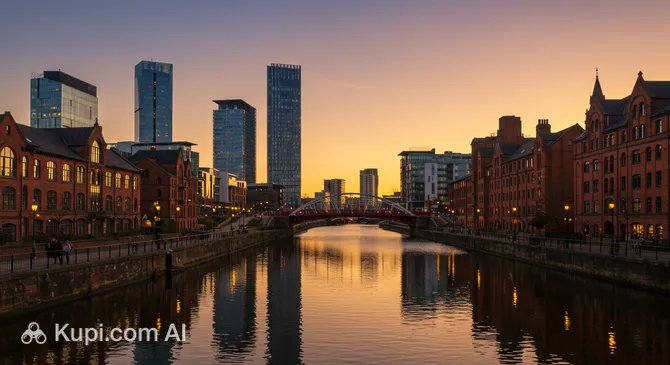
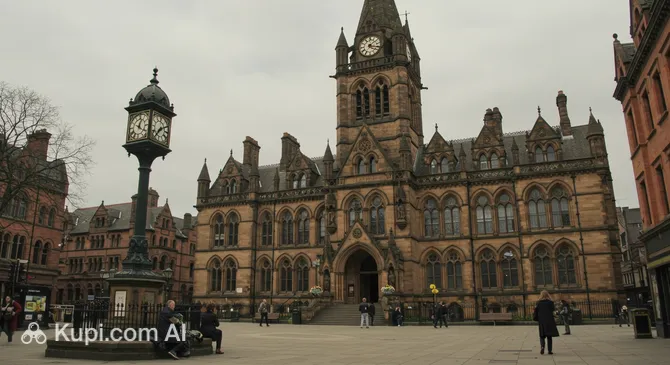
Manchester. Source: Kupi.Binoculars

The city's heritage is deeply woven into its streets and canals. As the world's first industrial city, it has a legacy of innovation that is still visible today. Visitors can delve deeper into this past by exploring the rich history of Manchester, which transformed from a textile powerhouse into a modern hub of creativity and technology. The impressive red-brick architecture and repurposed warehouses stand as testaments to this industrious era.

Travelers are drawn to Manchester for a variety of reasons. Football fans often make a pilgrimage to the iconic stadiums of Old Trafford or the Etihad Stadium, home to two of the world's most famous teams. Culture enthusiasts will appreciate the bohemian vibe of the Northern Quarter, filled with street art, independent record stores, and trendy cafes. Additionally, the Science and Industry Museum offers an engaging look at the ideas that changed the world right here in this city.

Whether you are visiting for the shopping, the nightlife, or the friendly local culture, Manchester welcomes you with open arms. It is a destination that perfectly balances its proud traditions with a forward-thinking energy, making it a must-visit spot on any British itinerary.
Weather Overview

The climate in this region is generally mild and temperate, though it is famous for being somewhat damp and cloudy. Visitors should be prepared for changeable conditions, as the weather in Manchester can shift quite rapidly throughout the day. Regardless of the season, packing layers and a waterproof jacket is always a wise decision when exploring the city.

Summers are pleasant but rarely scorching, with average temperatures in July and August hovering around 15°C to 16°C and daytime highs reaching nearly 19°C. Winters are generally cool rather than freezing, with January seeing average temperatures of about 4.1°C and lows dropping to around 1.7°C. Rainfall is a consistent feature year-round, with wet days occurring approximately 12 to 18 times per month, so expect mild summers with frequent showers and cool, damp winters.

Interesting Facts

Beyond the famous football stadiums and music venues, Manchester holds a treasure trove of fascinating stories and pioneering achievements. This city is a place of firsts and unique cultural landmarks that often go unnoticed by the casual observer.
  • The city is widely celebrated as the birthplace of nuclear physics, as it was here at the university that Ernest Rutherford first split the atom in 1917, a breakthrough that changed the scientific world forever.

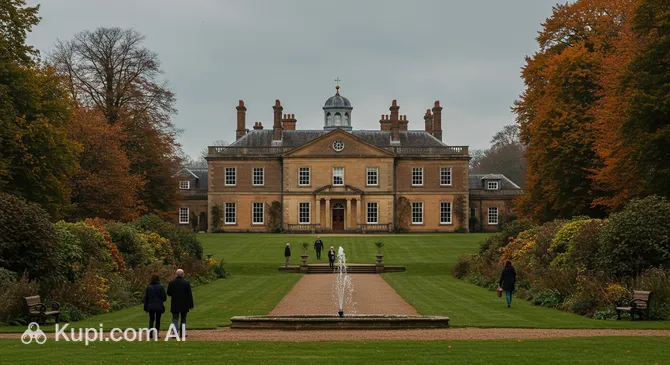
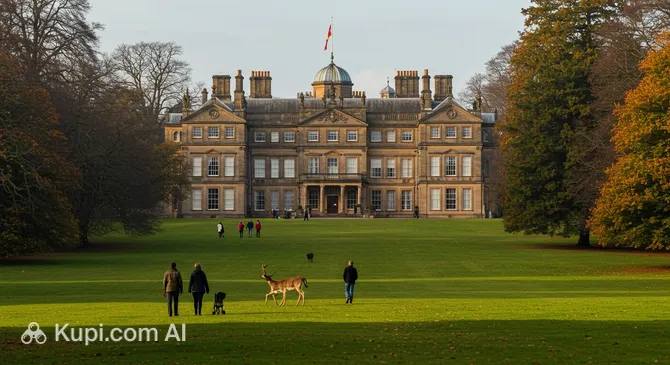
  • The magnificent estate of Lyme Park is instantly recognizable to period drama fans as the filming location for "Pemberley" in the BBC adaptation of Pride and Prejudice, famous for the scene where Mr. Darcy emerges from the lake.

  • The world-renowned luxury car brand Rolls-Royce was effectively founded in this city when Charles Rolls and Henry Royce met for a fateful lunch at the Midland Hotel in 1904 to discuss their partnership.

  • The vibrant Chinatown Arch is a significant landmark, distinguished as the first imperial arch to be built in Europe, having been intricately crafted in China and shipped over in three containers.

  • Manchester is often credited with starting the modern vegetarian movement, driven by the sermons of Reverend William Cowherd at a local chapel in the early 19th century, long before the lifestyle became a global trend.

Lyme Park. Source: Kupi.Binoculars

How to Get There

Reaching this northern metropolis is convenient thanks to its excellent transport connections, making it a gateway to the rest of the UK. Whether you are arriving by air or rail, there are numerous options to suit your itinerary. You can find more about how to get to Manchester and detailed route planning on our dedicated page.

The primary gateway for international and domestic travelers is Manchester Airport (MAN). It is a major international hub located approximately 14.3 km from the city center. As one of the busiest airports in the country, it serves a vast number of destinations. The journey to the heart of the city typically takes around 41 minutes by taxi or bus. Another viable option is Liverpool John Lennon Airport (LPL). While this airport is located in the city of Liverpool, about 43.6 km away, it serves as a convenient alternative for the region. Travelers landing here can expect a transfer time of approximately 85 minutes to reach Manchester.

For clarity, here is a summary of the main airports:

Airport Name City Passenger Traffic Km from City
Manchester Airport Manchester Very Large 14.3
Birmingham International Airport Birmingham Large 119.0
Liverpool John Lennon Airport Liverpool Medium 43.6
Leeds Bradford International Airport Leeds Medium 57.6
East Midlands Airport Nottingham Medium 94.7

If you prefer to travel by train, the city is extremely well-connected by rail. The most significant hub is Manchester Piccadilly Station, located directly in Manchester, just 2.2 km from the absolute center. It handles a very high volume of passengers annually and connects the city to major destinations across the UK. Getting to your final accommodation from here is quick, taking about 23 minutes by taxi or bus, though many central hotels are within walking distance.

Below is a list of key railway stations in the vicinity:

Station City Passenger Traffic Km to Center
Manchester Piccadilly Station Manchester Very High 2.2
Lime Street Station Liverpool High 49.5
Chester Central Station Chester Medium 52.9
Bradford railway station Leeds Medium 47.8
Oxenholme Lake District Station Kendal Low 97.0

Main Attractions

Manchester is brimming with diverse attractions that cater to history buffs, nature lovers, and culture seekers alike. From architectural marvels to expansive green spaces, the city and its surrounding boroughs offer plenty of memorable experiences for visitors who want to explore beyond the typical tourist trails.

One of the finest examples of Victorian Gothic architecture in the region is Rochdale Town Hall. This Grade I listed building is renowned for its magnificent stained glass and intricate craftsmanship, often compared to the Palace of Westminster. Tourists can explore the ceremonial rooms and the Great Hall, which offer a fascinating glimpse into the area's civic pride and historical importance.

Rochdale Town Hall. Source: Kupi.Binoculars

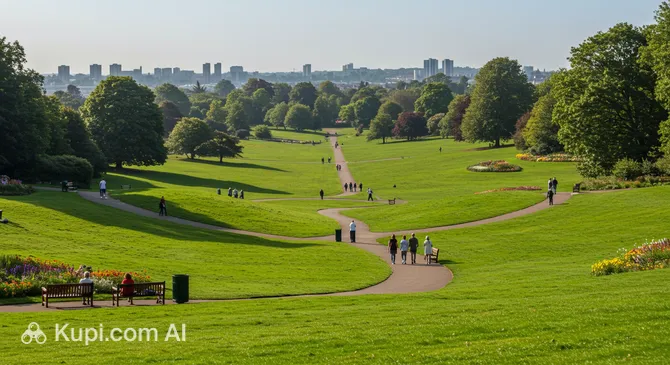
For those seeking fresh air and outdoor activities, Heaton Park is a must-visit destination. As one of the largest municipal parks in Europe, it features a beautifully restored 18th-century country house, a boating lake, and even an animal center. It is the perfect spot for a leisurely stroll, a family picnic, or simply escaping the urban bustle while remaining close to the city.

Heaton Park. Source: Kupi.Binoculars

Transport enthusiasts will find a treasure trove of history at the Museum of Transport, Greater Manchester. This museum houses one of the largest collections of vintage buses and trams in the UK, located in a historic bus garage. Visitors can step back in time to see how public transport has evolved over the decades, making it an educational and nostalgic stop for all ages.

Another unique historical site is the Stockport Air Raid Shelters. Carved into the sandstone cliffs, this extensive network of underground tunnels provided protection for thousands of people during World War II. Tours of the shelters offer an immersive and atmospheric experience, allowing visitors to understand the reality of life on the home front during the war.

Finally, for a mix of leisure and history, the Great Northern Warehouse stands out as a prime example of urban regeneration. Once a railway goods warehouse, it has been transformed into a lively entertainment complex featuring a cinema, bars, and restaurants. It is a fantastic place to unwind and enjoy the city's modern vibe within a historic industrial setting.

Local Cuisine

The culinary landscape of Manchester is as diverse and spirited as the city itself, evolving from its hardy industrial roots into a modern gastronomic hub. Visitors will find a delightful mix of traditional Northern comfort food and a booming scene of international flavors. Whether you are looking for a hearty meal to warm you up or a sophisticated dining experience, the city's menus offer something for every palate.

When it comes to traditional dishes, the Lancashire Hotpot is a staple that connects the city to its county heritage. This slow-cooked stew, made with lamb or mutton and topped with sliced potatoes, is the ultimate comfort food. For those with a sweet tooth, the Eccles Cake is a local legend; these flaky, currant-filled pastries are perfect with a cup of tea. Another nostalgic favorite is the Manchester Tart, a shortcrust pastry shell spread with raspberry jam, covered in custard, and topped with toasted coconut and a Maraschino cherry.

The city also takes pride in its local beverages. Manchester is the birthplace of Vimto, a popular purple soft drink made from grapes, raspberries, and blackcurrants, which was invented here in 1908. For adult beverages, the region has a long history of brewing, with numerous local ales and craft beers available in pubs. If you prefer a stylish setting for a cocktail or a glass of wine, the Dakota Bar Manchester offers an elegant atmosphere to unwind after a day of sightseeing.

Dining out in Manchester is an adventure in itself, particularly along the famous "Curry Mile" in Rusholme. This stretch of road is renowned for its high concentration of South Asian and Middle Eastern restaurants, offering some of the best curries in the UK. The city also boasts the second-largest Chinatown in the country, where foodies can find authentic dishes. Places like the Wing Yip Restaurant provide a genuine taste of Chinese cuisine, often serving as a culinary anchor for the community.

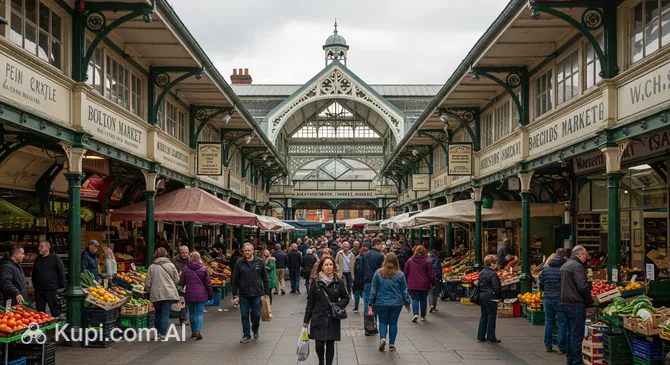
Street food and markets play a huge role in the local food culture. The central Piccadilly Gardens often hosts street food markets where you can grab a quick and delicious bite from various international vendors. For a more traditional experience, Bolton Market is a premier destination for fresh produce, regional cheeses, and meats, having won numerous awards for its quality and variety.

Bolton Market. Source: Kupi.Binoculars

Travel Tips

Welcome to Manchester! To ensure your visit to this energetic northern powerhouse is as smooth and enjoyable as possible, we have compiled a list of essential practical tips that will help you navigate the city with confidence and ease.

  1. Clothing and Gear: Manchester is notoriously famous for its rainy weather, so a reliable waterproof jacket and a sturdy umbrella are absolute essentials, regardless of the season. The weather can change rapidly, so dressing in layers is the best strategy. Comfortable walking shoes are a must, as the city center is very pedestrian-friendly but features some cobblestone streets in historic areas like the Northern Quarter.
  2. Transportation: The city boasts an excellent public transport network, with the Metrolink tram system being the most convenient way to travel across Greater Manchester. Within the city center, look out for the free bus services (formerly Metroshuttle) that loop around key train stations and shopping districts. You can pay for trams and buses using contactless cards or mobile devices; there is rarely a need to buy paper tickets.
  3. Finances: The currency is the British Pound (£). Manchester is rapidly becoming a cashless city, and contactless payments are accepted almost everywhere, including small cafes, markets, and public transport. However, keeping a small amount of cash is useful for smaller independent vendors. Tipping is appreciated but not mandatory; a service charge of 10-12.5% is often added to restaurant bills, or you can round up the fare for taxi drivers.
  4. Health and Safety: Manchester is generally a safe major city, but standard urban precautions apply. Avoid unlit areas and parks late at night, particularly around Piccadilly Gardens after dark. For minor health issues, pharmacies like Boots are widely available, and some have late opening hours. In a medical emergency, dial 999; for non-urgent medical advice, you can call 111.
  5. Communication: English is spoken by everyone, though you may encounter the distinct "Mancunian" accent, which can be fast and use unique slang. Phrases like "Ta" (thank you) and "You alright?" (hello/how are you) are common. Free Wi-Fi is available in most public buildings, cafes, and on Metrolink trams. Maps apps like Google Maps or Citymapper work perfectly here.
  6. Local Etiquette: Mancunians are known for their friendliness and may strike up conversations in pubs or at bus stops. It is polite to respond warmly; being called "love" or "mate" is a sign of friendliness, not disrespect. Queueing is taken seriously in the UK, so always wait your turn for buses or service counters. On escalators, always stand on the right to let others walk past on the left.
  7. What to Avoid: Be mindful of the intense local football rivalry between Manchester United and Manchester City. Wearing a football shirt in a pub designated for the opposing team can attract unwanted attention or banter that might feel intense. Also, avoid comparing Manchester unfavorably to London or Liverpool; locals are fiercely proud of their city's unique identity.
  8. Additional Tip: Keep an eye out for the Worker Bee symbol, which you will see on bins, buildings, and even as tattoos on locals. It represents the city's hard-working industrial past and sense of unity. Spotting them can be a fun activity as you explore the streets!

We hope these tips help you feel right at home in this welcoming and culturally rich city. Whether you are here for the music, the football, or the history, Manchester is ready to offer you an unforgettable experience.

Entertainment & Nightlife

Entertainment and Nightlife:

Manchester’s nightlife is legendary, boasting a reputation that rivals major capitals around the globe. From its roots in the "Madchester" music scene to its current status as a hub for electronic music and indie gigs, the city comes alive after dark. Whether you are looking for a quiet pint in a traditional pub, a sophisticated cocktail in a sky-high bar, or a night of dancing until dawn, this city has a district to match your mood.

The city is divided into several distinct nightlife zones, each with its own unique character. The Northern Quarter is the go-to spot for a bohemian vibe, packed with independent bars, craft beer houses, and hidden speakeasies. Here, the dress code is relaxed and casual. In contrast, Spinningfields offers a glitzy, high-end experience where people dress to impress; expect champagne bars and stylish crowds. For a vibrant and inclusive atmosphere, the world-famous Canal Street (The Gay Village) provides a colorful array of bars and clubs that welcome everyone.

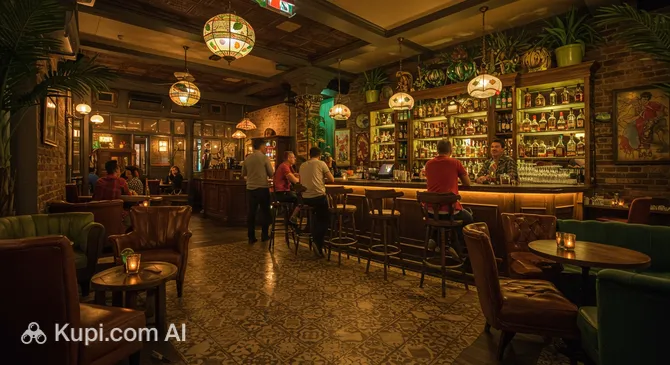
If you are seeking a lively mix of dining and dancing, Deansgate is a bustling artery of entertainment. One popular venue in this area is Revolución de Cuba Manchester. This Latin-inspired rum bar and cantina is perfect for those who want to enjoy tapas and cocktails before hitting the dance floor to live music. It encapsulates the energetic spirit of the city's weekend scene.

Revolución de Cuba Manchester. Source: Kupi.Binoculars

For a successful night out, it is helpful to know a few practical details. Most bars are open until 1:00 AM or 2:00 AM, while clubs often stay open until 4:00 AM or later. The average price of a pint is around £5-£6, and cocktails typically range from £9 to £12. Friday and Saturday nights are the busiest, so booking a table in advance is recommended for popular venues. Getting home is safe and easy; stick to well-lit main roads and use official black cabs or ride-hailing apps like Uber. There are also "Night Bus" services running to various suburbs.

While the nights are electric, the city also offers plenty of entertainment during the day. For a mind-bending experience that is fun for all ages, the Museum of Illusions offers interactive exhibits that challenge your perception of reality. It is a great spot for photos and a break from traditional sightseeing. If you are feeling more adventurous and want to escape the city center, you can head to Ski Rossendale. This dry ski slope allows you to practice your skiing or snowboarding skills regardless of the weather, providing a unique active excursion.

Shoppers looking for leisure can visit Manchester Fort Shopping Park, which combines retail therapy with casual dining options. Whether you are exploring the innovative museums by day or the pulsating dance floors by night, Manchester ensures that there is never a dull moment during your stay.

Parks & Museums

While Manchester is justly famous for its industrial heritage and urban energy, the city and its surrounding boroughs are surprisingly rich in green spaces and cultural institutions. From tranquil deer parks to world-class galleries, visitors will find plenty of opportunities to explore the region's artistic soul and natural beauty.

One of the most beloved escapes from the city center is Dunham Massey. Managed by the National Trust, this Georgian estate offers a magnificent deer park where fallow deer roam freely among ancient trees. It is an ideal spot for a relaxing afternoon walk, featuring a historic house filled with Edwardian treasures and a fully restored sawmill. The sprawling gardens provide a burst of color in every season, making it a favorite for nature lovers and families alike.

Dunham Massey. Source: Kupi.Binoculars

For those seeking botanical wonders, the Fletcher Moss Botanical Gardens in Didsbury are a true hidden gem. Part wildlife habitat and part ornamental garden, this park is famous for its rockeries and collection of rare plants. It serves as a peaceful retreat where visitors can wander along winding paths, enjoy a game of tennis, or simply admire the diverse flora that thrives in this sheltered microclimate.

Culturally, the city is a powerhouse with museums that reflect its pivotal role in history and art. The Manchester Art Gallery, located on Mosley Street, is a must-visit for art enthusiasts. It houses an outstanding collection of Pre-Raphaelite paintings, along with works by British masters like Turner and Constable. The gallery seamlessly blends historic grandeur with contemporary exhibitions, offering a comprehensive look at the visual arts through the centuries.

Another significant institution is the People's History Museum, which tells the story of the development of democracy in Britain. Located on the banks of the River Irwell, it explores the history of working people, trade unions, and the fight for voting rights. It is a uniquely Mancunian museum that captures the radical spirit of the city, providing deep insight into the social forces that shaped the modern world.

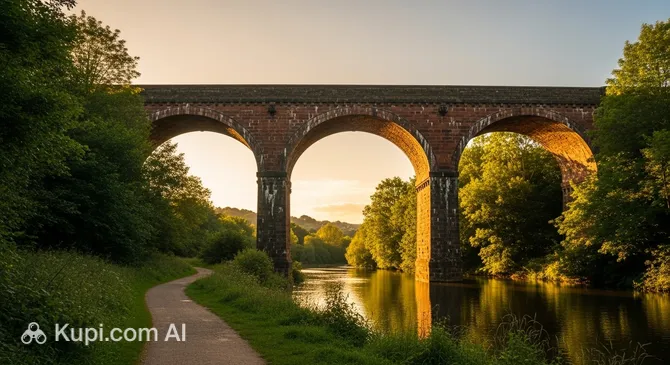
In terms of engineering marvels and historical landmarks, the Marple Aqueduct is a breathtaking sight. Standing as the highest canal aqueduct in England, this architectural masterpiece features grand stone arches that carry the Peak Forest Canal over the River Goyt. A walk along the towpath here offers stunning views of the surrounding valley and a chance to appreciate the incredible industrial craftsmanship of the 18th century.

Marple Aqueduct. Source: Kupi.Binoculars

For a truly unique and somewhat haunting experience, adventurous hikers often seek out the B-29 Overexposed Crash Site on the moors near Glossop. This memorial site preserves the wreckage of a US Air Force plane that crashed in 1948. Reaching it requires a challenging hike across the bleak but beautiful landscape of Bleaklow, offering a poignant connection to history amidst the rugged terrain of the Peak District.

Getting Around

Navigating Manchester is remarkably straightforward thanks to its integrated and efficient public transport network, managed by Transport for Greater Manchester (TfGM). The city is well-connected by a combination of trams, buses, and trains that make exploring the city center and the wider Greater Manchester region seamless for visitors. Whether you are heading to a football match, a museum, or a restaurant, getting there is usually quick and hassle-free.

The backbone of the local transport system is the Metrolink, a light rail tram network easily recognized by its distinctive yellow and silver carriages. It is the most extensive tram system in the UK, connecting the city center with suburbs and key destinations like Manchester Airport, Salford Quays, and Old Trafford. Trams run frequently, often every 6 to 12 minutes, making them a reliable choice for tourists. In addition to the trams, an extensive bus network covers areas that the rails do not reach. A highlight for visitors is the Free Bus service (formerly Metroshuttle), which operates on circular routes around the city center, linking major rail stations, shopping districts, and business areas at no cost.

The payment system has been modernized to be extremely user-friendly. The most convenient way to pay is by using contactless payment (bank card, Apple Pay, or Google Pay). For the Metrolink, you simply "touch in" at the smart readers on the platform before boarding and "touch out" when you exit to ensure you are charged the correct fare. The system automatically calculates the daily cap, so you never pay more than the price of a day travelcard. Alternatively, you can purchase paper tickets or travelcards from machines at tram stops. The region is currently rolling out the Bee Network, an integrated system that aims to unify bus and tram fares with a single capped price structure, making travel even more affordable. Bus fares are currently capped at low rates (e.g., £2 for a single adult journey).

For tourists, here are a few practical tips to keep in mind. Metrolink trams operate from early morning (around 6:00 AM) until midnight, with services extending later on weekends. It is crucial to remember that you must buy a ticket or touch in before boarding the tram; ticket inspectors patrol frequently, and fines for fare evasion are steep. If you are planning to use multiple modes of transport, consider buying a System One Travelcard, which offers unlimited travel on buses, trains, and trams within the county for a day.

Beyond public transit, the city offers several alternative ways to get around. Black cabs are a common sight and can be hailed on the street or found at designated ranks; they are reliable and metered. Ride-hailing apps like Uber and Bolt are also widely available and often cheaper than traditional taxis. For those who prefer active travel, the city is becoming increasingly bike-friendly with the Starling Bank Bikes scheme (part of the Bee Network), allowing you to rent bicycles via an app for short journeys. However, the city center itself is quite compact, and many major attractions are easily accessible on foot.

A special feature of the transport landscape is the historic integration of rail. Manchester was a pioneer in passenger rail, and today, taking a train between the main stations—Piccadilly, Victoria, and Oxford Road—can sometimes be the fastest way to cross the city. While there is no underground metro system, the frequent overground trains and the extensive tram network more than make up for it, offering scenic views of the urban architecture as you travel.

Accommodation

Manchester offers a diverse selection of accommodation options to suit every budget and travel style. From historic luxury hotels housed in converted industrial buildings to budget-friendly hostels and modern serviced apartments, the city caters to backpackers, business travelers, and families alike. The hospitality scene here has grown significantly, ensuring that whether you seek opulence or practicality, you will find a comfortable place to rest.

For the most convenient stay, the City Centre is the ideal location. Staying here places you within walking distance of major transport hubs like Manchester Piccadilly and Victoria stations, as well as top shopping districts and museums. For a more bohemian atmosphere, the Northern Quarter is popular among younger travelers, offering easy access to independent cafes, bars, and street art. Alternatively, Salford Quays is a fantastic option for those who prefer a modern waterfront setting; it is slightly removed from the bustle of the center but well-connected by tram and close to attractions like The Lowry and Old Trafford.

Prices in Manchester are generally competitive compared to London, though they can fluctuate based on the season and local events. Budget travelers can find hostels and economy hotels starting at reasonable rates, while mid-range chain hotels offer reliable comfort. Luxury options are available for those looking to splurge, often featuring spas and fine dining. It is highly recommended to book your accommodation well in advance, especially if your visit coincides with a home game for Manchester United or Manchester City, or during major music concerts, as rooms fill up quickly and prices tend to rise. Most bookings can be easily made through major online travel platforms or directly via hotel websites.

Nearby Cities

The region surrounding Manchester is densely populated and rich in history, with several significant towns and cities located just a short distance away. These neighboring areas form an integral part of the Greater Manchester conurbation, offering visitors a chance to explore the wider local culture without venturing far from the city center. Whether you are interested in historic markets, sporting venues, or scenic waterfronts, these destinations are easily accessible.

Below is a list of nearby cities and towns that are worth a visit:

City Population Distance (km)
Stockport 295,200 10
Sale 134,022 8
Salford 103,886 3
Stretford 46,910 6
Ashton-under-Lyne 45,198 10

Many of these locations, such as Salford and Stretford, are so close that they feel like extensions of the city itself, linked seamlessly by the Metrolink tram network and frequent bus services. Exploring these areas provides a deeper understanding of the region's industrial heritage and modern development.

Shopping & Souvenirs

Shopping in Manchester is a delightful experience that rivals the capital, offering everything from high-end luxury brands to quirky independent boutiques. The city center is compact and pedestrian-friendly, making it easy to hop between districts. Whether you are hunting for the latest fashion trends, searching for rare vinyl records, or looking for local crafts, the city caters to every style and budget with its diverse retail landscape.

The city's main retail artery is Market Street, a bustling thoroughfare lined with major high-street flagship stores and department stores. It is always alive with street performers and shoppers. For those seeking luxury and designer labels, New Cathedral Street and King Street are the places to be, featuring upscale brands and historic architecture. Meanwhile, the bohemian Northern Quarter offers a completely different vibe, famous for its vintage clothing stores, record shops, and independent creative spaces.

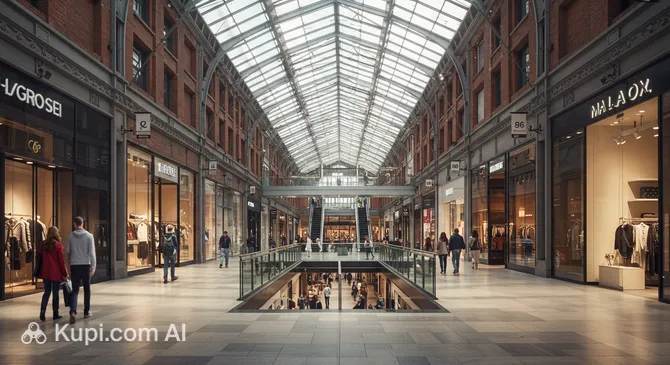
For an all-under-one-roof experience, the Manchester Arndale is the city’s largest inner-city shopping center, housing hundreds of popular brands. Just outside the immediate center, the Manchester Fort Shopping Park provides a convenient open-air retail park experience with a wide selection of fashion and home stores. Another notable destination is the Great Northern Warehouse. While primarily known for its leisure and dining, this converted Victorian railway warehouse also features retail outlets and contributes to the city's unique mix of heritage and modern lifestyle.

Great Northern Warehouse. Source: Kupi.Binoculars

Markets are an essential part of the local culture. The legendary Afflecks in the Northern Quarter is an emporium of eclecticism, perfect for alternative fashion and unique gifts. For food lovers willing to explore just beyond the city limits, Bolton Market is an award-winning destination renowned for its fresh regional produce, artisan cheeses, and meats, offering a genuine taste of Lancashire's culinary offerings.

When it comes to souvenirs, you cannot leave without something bearing the Manchester Worker Bee, the city’s symbol of industry and unity, which adorns everything from mugs to jewelry. Football merchandise from the two global giants, United and City, is also a top choice. Additionally, given the city's rich musical heritage, a vinyl record from one of the many independent music shops makes for a perfect memento.

Opening hours in the city generally run from 9:00 AM or 10:00 AM until 6:00 PM or 8:00 PM on weekdays and Saturdays, with late-night shopping often available on Thursdays. Sundays have shorter trading hours, typically from 11:00 AM to 5:00 PM. Payment is overwhelmingly digital; contactless cards and mobile payments (Apple Pay, Google Pay) are the standard and are accepted almost everywhere, though carrying a little cash for small market stalls is helpful.

Regarding tax-free shopping, international visitors should be aware that the United Kingdom no longer offers a VAT refund scheme for tourists shopping in stores. This means you cannot claim back the sales tax on goods purchased to take home, so the price you see on the shelf is the final price you pay.

Reached the end of the page?

That means the route is fully explored