Edinburgh is a city that effortlessly blends ancient mystery with a vibrant, modern culture. As the capital of Scotland and one of the most visited destinations in the United Kingdom, it captivates travelers with its dramatic skyline, literary heritage, and lively festival scene. From the looming fortress atop a volcanic rock to the elegant Georgian avenues, the city offers a visual feast at every turn.
Edinburgh. Illustration.
Source: Kupi.com AI
Geographically, the city is situated on the southern shore of the Firth of Forth in southeastern Scotland. It is known for its unique topography, built on a series of rocky hills which provide stunning panoramic views. With a population of approximately 488,000 residents, it is a bustling urban center that still manages to retain a welcoming, intimate atmosphere. While the weather can be famously changeable, the misty days often add to the city's moody and romantic charm.
The city is famously divided into two distinct districts: the medieval Old Town with its winding cobblestone streets, and the neoclassical New Town. Exploring the history of Edinburgh is essential for understanding this contrast, as the city has evolved from a small hillfort into a center of the Enlightenment. Visitors are drawn to the iconic Edinburgh Castle, which dominates the horizon, and the famous Royal Mile that runs down to the Palace of Holyroodhouse. For nature lovers, a hike up Arthur's Seat offers a breath of fresh air right in the heart of the city.
Whether you are wandering through its historic closes, enjoying a show during the Fringe Festival, or simply relaxing in a cozy pub, Edinburgh promises an unforgettable experience. It is a destination that truly invites you to explore its layers of history and culture.
Weather Overview
The climate in Edinburgh is temperate and maritime, meaning the city rarely experiences temperature extremes, though conditions can be quite changeable. For a more detailed breakdown to help with your itinerary, you can consult the guide to weather in Edinburgh. Generally, visitors should be prepared for cool breezes and the possibility of rain at any time of year.
During the winter months, temperatures typically range between 2°C and 6°C, while the summer season offers milder weather with average highs reaching up to 18°C in July. Precipitation patterns show that while the amount of rainfall might be light, wet weather is frequent, with 12 to 18 rainy days per month expected throughout the year.
Average monthly temperature
Average monthly precipitation
Interesting Facts
Beyond the famous skyline and bagpipes, Edinburgh holds many fascinating secrets that lie hidden beneath its cobblestones and within its historic walls. This city is a place where history is not just preserved in museums but woven into the very fabric of daily life in surprising ways.
The city is famously built on ancient volcanoes. The rock upon which the iconic Edinburgh Castle perches is actually a volcanic plug estimated to be around 350 million years old, providing a natural defensive position that has been fortified for millennia.
Beneath the bustling streets of the Old Town lies a forgotten network of subterranean spaces known as The Real Mary King's Close. These 17th-century streets were sealed off and built over, preserving a time capsule of life, myths, and plague stories underground.
Literary fans often flock to the city, but few realize that specific tombstones in Greyfriars Kirkyard served as direct inspiration for J.K. Rowling. You can find graves bearing names that mirror famous characters from the Harry Potter series, such as Thomas Riddell and William McGonagall.
Edinburgh is home to the only penguin in the world with a knighthood. Sir Nils Olav, a resident king penguin at the city's zoo, holds the rank of Brigadier in the Norwegian King's Guard and strictly inspects the troops whenever they visit the city.
If you look closely at the city's architecture and crests, you will notice unicorns everywhere. The unicorn is the official national animal of Scotland, chosen for its mythical strength and the belief that it would rather die than be captured, symbolizing the Scottish spirit.
Edinburgh Castle. Illustration.
Source: Kupi.com AI
Traveler photos:
How to Get There
Reaching Scotland's capital is a seamless experience thanks to its excellent transport connections. Whether you are flying in from abroad or taking a scenic train ride from the south, the city is well-equipped to welcome visitors. For a detailed breakdown of all travel options and routes, you can read more about how to get to Edinburgh.
The most direct entry point for air travelers is Edinburgh Airport (IATA: EDI), situated just 11.5 km west of the city center. As the busiest airport in Scotland, it handles a large volume of international and domestic traffic, making it a convenient hub. Reaching the city center is quick and easy; a taxi or the dedicated airport bus typically takes around 35 to 40 minutes, depending on traffic conditions.
Another option is to fly into Glasgow International Airport (IATA: GLA), located in the city of Glasgow, approximately 78 km from Edinburgh. While it is further away, it serves as a major alternative for international flights. Travelers arriving here should plan for a longer transfer; the journey to Edinburgh by road usually takes about 2 hours and 20 minutes.
For clarity, here is a summary of the main airports:
Traveling by rail is an equally popular and often more scenic way to arrive. The city's primary rail hub is Waverley Railway Station (ZXE), located right in the heart of Edinburgh, a mere 0.1 km from the main historic attractions. It is a major station with very high passenger traffic, serving as the terminus for the East Coast Main Line from London.
If your journey takes you to the west coast first, you might arrive at Glasgow Central Station (ZGG) in the city of Glasgow, which is about 68 km away. While not in Edinburgh itself, it is a significant transport node. From Glasgow, you can easily transfer to a connecting train or take a taxi to Edinburgh, a road journey that generally takes around 2 hours.
Below is a list of significant railway stations in the region:
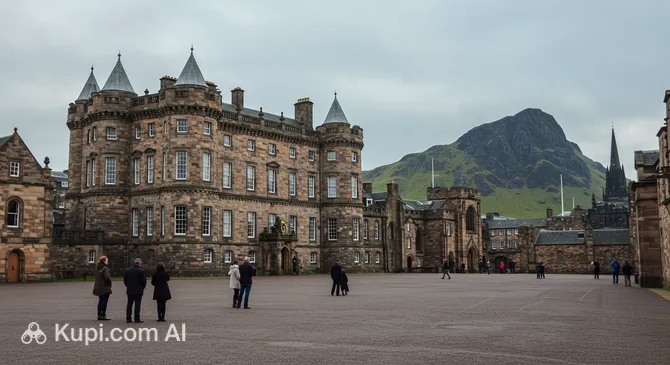
Standing at the lower end of the city's historic spine, the Palace of Holyroodhouse serves as the official residence of the British monarch in Scotland. This baroque masterpiece is deeply intertwined with the country's turbulent past, most notably serving as the home of Mary, Queen of Scots. Visitors can explore her historic 16th-century apartments, the majestic State Apartments, and the ruined Holyrood Abbey, making it a fascinating destination for those interested in royal history.
Palace of Holyroodhouse. Illustration.
Source: Kupi.com AI
Traveler photos:
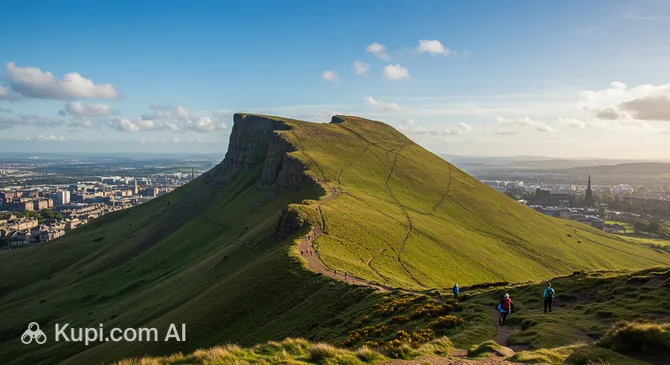
For a perfect blend of nature and panoramic vistas, a hike up Arthur's Seat is essential. This ancient extinct volcano rises 251 meters above the city within Holyrood Park, offering a rugged slice of the Highlands just minutes from the urban center. The climb is relatively accessible and rewards adventurous travelers with breathtaking 360-degree views of the skyline, the castle, and the Firth of Forth.
Arthur's Seat. Illustration.
Source: Kupi.com AI
Traveler photos:
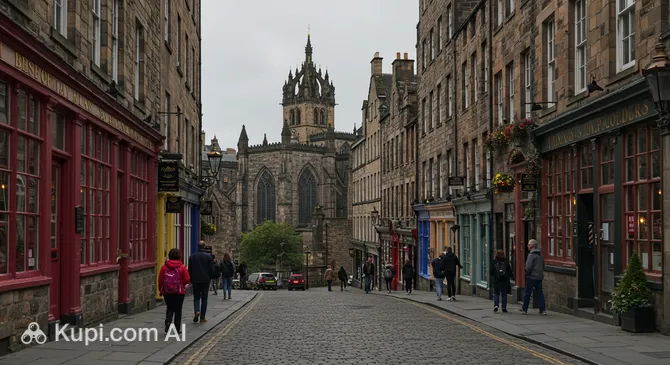
Connecting the castle to the palace is the famous Royal Mile, the bustling artery of the Old Town. Walking down this cobblestone thoroughfare takes you past towering tenements, narrow medieval closes, and significant landmarks like St Giles' Cathedral. It is the vibrant heart of the city, packed with traditional pubs, wool shops, and street performers, especially during the summer festivals.
Royal Mile. Illustration.
Source: Kupi.com AI
Traveler photos:
To understand the full scope of the nation's heritage, a visit to the National Museum of Scotland is highly recommended. Located on Chambers Street, this expansive museum houses diverse collections ranging from Scottish antiquities to wonders of science and technology, including Dolly the sheep. The building itself is a stunning attraction, featuring a magnificent, light-filled Victorian Grand Gallery.
Local Cuisine
The culinary landscape of Edinburgh is a delightful reflection of Scotland's natural larder, blending hearty traditional fare with a sophisticated modern dining scene. At the heart of the local cuisine is the world-famous haggis, a savoury pudding containing sheep's pluck, minced with onions, oatmeal, suet, and spices. While the description might sound daunting to the uninitiated, the result is a rich, nutty, and spicy dish that is traditionally served with "neeps and tatties" (mashed turnips and potatoes) and often drizzled with a creamy whisky sauce.
Another staple worth trying is Cullen Skink, a thick and warming Scottish soup made from smoked haddock, potatoes, and onions. It is the perfect comfort food for Edinburgh's often crisp weather. For a quick bite on the go, visitors should experience the local "chippy" culture. Unlike the rest of the UK, Edinburgh locals typically order their fish and chips with "salt and sauce"—a unique brown sauce mixed with vinegar that provides a tangy, savoury kick.
No gastronomic tour of the city would be complete without exploring its national drink. Whisky, or uisge beatha (the water of life), is woven into the fabric of the city. Visitors can learn about the production process and sample rare single malts at The Scotch Whisky Experience, located near the castle. For a non-alcoholic alternative, you must try Irn-Bru, a bright orange carbonated soft drink that is affectionately known as Scotland's "other national drink."
The Scotch Whisky Experience. Illustration.
Source: Kupi.com AI
Traveler photos:
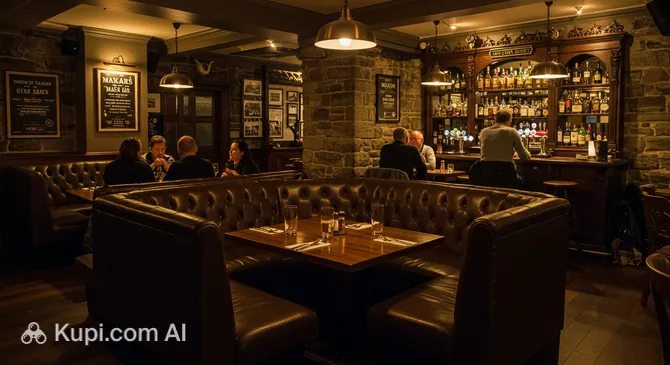
When it comes to dining out, the city offers everything from high-end Michelin-starred establishments to cosy gastropubs. For those seeking authentic Scottish comfort food in a relaxed setting, Makars Mash Bar is a fantastic choice, famous for its variety of mashed potatoes and locally sourced meats. The city is also home to a vibrant international food scene, reflecting its cosmopolitan character.
Makars Mash Bar. Illustration.
Source: Kupi.com AI
Traveler photos:
For those with a sweet tooth, the city has plenty to offer, including traditional treats like Cranachan—a dessert made from whipped cream, whisky, honey, fresh raspberries, and toasted oatmeal. Chocolate lovers will also find their haven here; you can even create your own chocolate bars at The Chocolatarium, a micro-factory dedicated to the art of chocolate making. Whether you are browsing the farmers' markets or sitting down for a fine dining experience, Edinburgh's food scene is sure to leave a lasting impression.
Travel Tips
To ensure your visit to Scotland's capital is as seamless as it is memorable, we have compiled a set of essential guidelines. These practical tips will help you navigate Edinburgh's unique landscape, weather, and customs like a seasoned local.
Clothing and Gear: The golden rule for Edinburgh is layers. The weather is notoriously unpredictable, often cycling through sunshine, rain, and wind in a single afternoon. Bring a waterproof jacket with a hood and a warm jumper, even in summer. Since the city is built on hills and paved with historic cobblestones, comfortable, flat walking shoes are an absolute must—leave the high heels at home unless you are taking a taxi door-to-door.
Transportation: The city centre is compact and best explored on foot, but for longer distances, the public transport system is excellent. Lothian Buses and Edinburgh Trams offer a reliable service. You do not need to buy tickets in advance; simply tap your contactless card or phone when boarding. The system automatically caps your daily spend, making it the cheapest way to travel. Renting a car is generally unnecessary and can be a hassle due to limited parking and strict traffic zones.
Finances: The currency is the British Pound Sterling (£). Edinburgh is a very card-friendly city; contactless payments are accepted almost everywhere, from museums to small cafés and even on buses. However, it is wise to carry a small amount of cash for smaller independent shops. Tipping is customary but not mandatory; leaving 10–15% for good service in restaurants is standard practice.
Health and Safety: Edinburgh is widely considered one of the safest cities in the UK. Pharmacies, such as Boots, are easy to find, and dialling 111 will connect you to non-emergency medical advice (use 999 for emergencies). While the city is safe, the Old Town can get very crowded; keep an eye on your belongings in busy areas like the Royal Mile during the festival season.
Communication: English is the main language, though you will hear a variety of Scottish accents. Locals are generally friendly and helpful if you ask for directions. You might hear phrases like "wee" (small) or "aye" (yes). Free Wi-Fi is available on most public buses and in many city centre spots. If you need a SIM card, they are readily available at the airport or in supermarkets and mobile stores throughout the city.
Local Etiquette: Scots value politeness and order. Queueing (standing in line) is taken seriously, whether waiting for a bus or a table at a restaurant, so never cut in line. When thanking someone, a simple "cheers" is a common and friendly alternative to "thank you." If you are taking photos in residential closes (alleyways), remember that people live there and respect their privacy.
What to Avoid: The biggest faux pas a tourist can make is referring to Scotland as "England" or implying they are the same thing. Scots are proud of their distinct national identity, so it is best to use "Scottish" or "British" correctly. Also, avoid rubbing the nose of the Greyfriars Bobby statue; while a popular tourist myth claims it brings luck, locals dislike it because it damages the historic bronze monument.
Festival Awareness: If you plan to visit in August, be aware that the city transforms completely for the Edinburgh Festival Fringe. The population doubles, accommodation prices soar, and restaurants are booked out weeks in advance. If you are not coming specifically for the arts festivals, visiting in shoulder seasons like May or September offers a calmer and more affordable experience.
Armed with these tips, you are ready to embrace the charm and character of this magnificent city. Whether you are climbing the crags of Arthur's Seat or exploring the depths of the Old Town, Edinburgh is sure to welcome you with open arms.
Entertainment & Nightlife
As the sun sets over the gothic skyline, Edinburgh transforms into a vibrant hub of evening entertainment that caters to every taste, from pounding basslines to quiet, candlelit corners. The city's nightlife is as diverse as its history, split largely between the atmospheric, cavernous venues of the Old Town and the chic, polished cocktail bars of the New Town. Whether you are looking for a traditional ceilidh, a world-class comedy show, or a late-night club, the Scottish capital delivers an electric atmosphere.
For those seeking a lively and energetic crowd, the Cowgate and Grassmarket areas in the Old Town are the beating heart of the party scene. Here, the vibe is raucous and unpretentious, with students and travelers spilling out onto the cobblestones from a dense concentration of pubs and clubs. In contrast, George Street in the New Town offers a more sophisticated experience. This is the place to be for high-end mixology, dressier crowds, and stylish nightclubs where the dress code leans towards smart-casual. If you prefer a trendy, bohemian atmosphere, the waterfront district of Leith is packed with cool waterfront bars and independent venues.
One of the most unique venues in the city is The Banshee Labyrinth. describing itself as Scotland's most haunted pub, it is located within the Niddry Street vaults. It is part cinema, part gig venue, and part bar, offering a distinctly alternative vibe where you can enjoy a drink surrounded by spooky legends. It is a perfect example of how Edinburgh utilizes its underground history for modern entertainment.
The Banshee Labyrinth. Illustration.
Source: Kupi.com AI
Traveler photos:
Given the city's reputation as a festival capital, it is no surprise that comedy plays a huge role in the nightlife. Monkey Barrel Comedy is a premier destination for laughs, hosting both big-name acts and rising local stars throughout the week. For a more eclectic mix of arts and nightlife, Summerhall is a fantastic multi-arts venue located in a former veterinary school; it hosts everything from gigs and theatre to a resident micro-brewery and gin distillery bar.
Practicalities for a night out are straightforward. Pubs generally close around midnight or 1:00 AM, while nightclubs stay open until 3:00 AM or even 5:00 AM during the festival season in August. Prices can vary significantly; a pint of beer might cost around £5–£6, while cocktails on George Street can go upwards of £12. Getting around is safe and easy; the city is well-served by "black cabs" which can be hailed on the street, and ride-sharing apps are widely available. The Night Bus network is also extensive for getting home affordably.
While the nights are for revelry, the daytime offers a different kind of excitement. Before the sun goes down, you might explore the mind-bending exhibits at Camera Obscura & World of Illusions near the castle, or indulge in some retail therapy at the modern St James Quarter. Whether day or night, the city remains a safe and welcoming place, though walking on the uneven cobblestones of the Old Town in the dark requires a bit of extra care!
Parks & Museums
Edinburgh is a city that breathes through its magnificent green spaces and celebrates its rich heritage in world-class cultural institutions. Beyond the bustling streets, visitors can find tranquility in lush gardens and inspiration within the walls of historic galleries, making it a destination where nature and art are always close at hand.
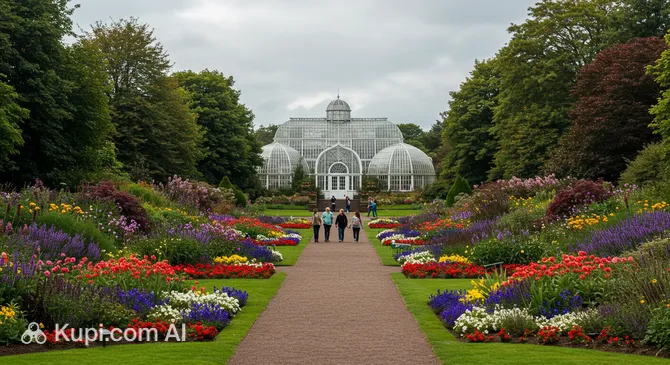
One of the finest examples of the city's horticultural excellence is the Royal Botanic Garden Edinburgh. Located just a short distance from the city centre, this 70-acre haven offers a peaceful retreat with its stunning glasshouses, rock gardens, and diverse plant collections from around the globe. It is a perfect spot for a leisurely stroll, offering splendid views of the skyline from a different perspective.
Royal Botanic Garden Edinburgh. Illustration.
Source: Kupi.com AI
Traveler photos:
For those who prefer the sea air, Portobello Beach provides a charming seaside experience. Known as "Porty" to locals, this suburb features a long sandy beach and a classic promenade lined with cafes and ice cream shops. It is a popular spot for sunny days, offering a refreshing break from the urban environment.
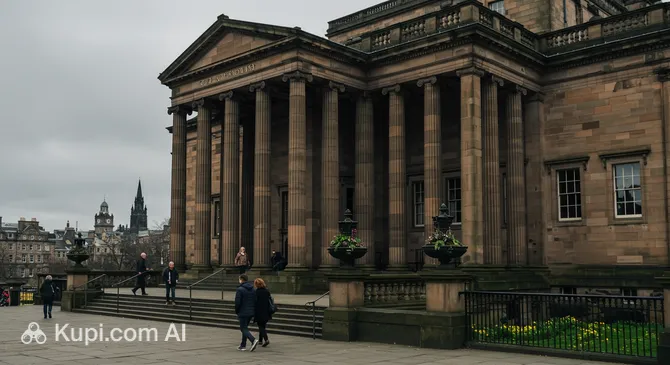
Art enthusiasts will find themselves at home in the Scottish National Gallery, situated on The Mound. This neoclassical building houses Scotland's national collection of fine art, featuring masterpieces from the Renaissance to the 19th century, including works by Titian, Rembrandt, and Monet. Nearby, the Scottish National Portrait Gallery offers a unique journey through the country's history, told through the faces of its people, from royals and rebels to poets and philosophers.
Scottish National Gallery. Illustration.
Source: Kupi.com AI
Traveler photos:
For a more specialized and slightly macabre historical experience, the Surgeons' Hall Museums are fascinating. Owned by the Royal College of Surgeons of Edinburgh, these museums showcase the evolution of surgery and medicine, featuring one of the largest and most historic pathology collections in the world.
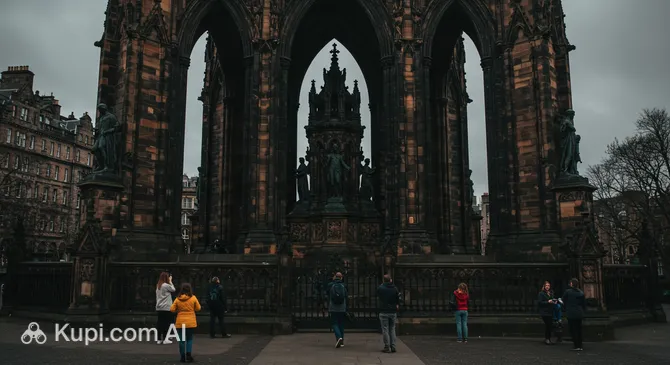
The city's skyline is punctuated by the towering Scott Monument, a gothic spire dedicated to the author Sir Walter Scott. Visitors can climb the narrow spiral staircase for commanding views of the city. Further afield in Leith, The Royal Yacht Britannia offers a glimpse into royal life at sea. Now permanently moored, this floating palace served the Queen for over 40 years and is consistently rated as one of the UK's best attractions.
Scott Monument. Illustration.
Source: Kupi.com AI
Traveler photos:
Just outside the city limits lies the mysterious Rosslyn Chapel. Famous for its intricate stone carvings and its role in The Da Vinci Code, this 15th-century chapel is a masterpiece of craftsmanship and legend. Closer to the centre, Craigmillar Castle offers a more rugged historical experience. Often overshadowed by its famous counterpart on the rock, this well-preserved medieval castle was a haven for Mary, Queen of Scots, and offers plenty of nooks and crannies to explore without the heavy crowds.
For a classic postcard view without the steep climb of the larger hills, head to The Vennel Viewpoint. Tucked away near the Grassmarket, this staircase offers a perfectly framed shot of the castle, making it a favorite secret spot for photographers.
Getting Around
Edinburgh is a compact city that is delightfully walkable, especially within the winding streets of the Old Town. However, for reaching the coast, the airport, or the wider neighborhoods, the city boasts an award-winning public transport network. The system is primarily composed of an extensive bus fleet and a modern tram line. Unlike some other major UK cities, Edinburgh does not have an underground metro system, but its surface transport is efficient, frequent, and offers the added bonus of scenic views while you travel.
The backbone of the network is Lothian Buses, easily recognizable by their burgundy and cream livery. The fleet consists largely of double-decker buses, which provide excellent coverage across the city and suburbs. For tourists, securing a seat at the front of the top deck offers a fantastic vantage point for sightseeing at a fraction of the cost of a tour bus. The service is operational 24 hours a day, with a dedicated "NightBus" network taking over after midnight to ensure safe travel for late-night explorers.
Complementing the buses is Edinburgh Trams, a sleek light rail system that connects key districts. There is currently one main line that runs from Edinburgh Airport in the west, through the city center along Princes Street, and down to the vibrant waterfront districts of Leith and Newhaven. The trams are spacious, smooth, and fully accessible, making them an ideal choice for travelers with luggage or those heading to the shore for seafood and shopping.
Paying for your journey is incredibly simple thanks to the integrated "Tap Tap Cap" system. You do not need to buy a physical ticket in advance; simply tap your contactless bank card or mobile payment device (such as Apple Pay or Google Pay) on the reader. The system automatically calculates the best value for your travel. If you make multiple journeys in a single day, the cost is capped at the price of a Day Ticket (approximately £5.00), meaning you never pay more than necessary. Single fares are around £2.00, though trips to the airport carry a higher premium fare.
For those who prefer to use cash, there is a critical rule to remember: bus drivers do not give change. You must drop the exact fare into the box as you board. If you do not have the exact coins, you will not get the difference back. Alternatively, you can download the transport provider's mobile app to purchase m-tickets in advance, which you simply activate and show to the driver upon boarding.
A vital practical tip concerns the trams: you must validate your ticket or tap your contactless card on the platform validators before you board the tram. There are no card readers inside the carriage, and ticket inspectors patrol the line frequently. Failing to validate on the platform is treated as travelling without a ticket and incurs a fixed penalty fine.
While public transport is the most popular choice, other options are readily available. The city's iconic black cabs can be hailed on the street when their orange light is on, offering a safe and knowledgeable service. Ride-sharing apps are also active throughout the city. Cycling is growing in popularity, but visitors should be cautious of the steep hills, historic cobblestones, and tram tracks, which can be hazardous for inexperienced riders. For most visitors, a combination of walking and the bus system remains the most effective way to navigate the city.
Accommodation
Where to Stay:
Accommodation in Edinburgh is as varied and characterful as the city itself. Visitors can choose from a wide spectrum of options, ranging from grand historic hotels and stylish boutique apartments to cozy family-run guest houses (B&Bs) and vibrant backpacker hostels. Whether you want to sleep in a room with a view of the castle or tuck yourself away in a quiet Georgian townhouse, the city caters to all preferences and budgets.
Choosing the right area is key to your experience. The Old Town is the most popular choice for first-time visitors, placing you right in the heart of the medieval action, steps away from the major landmarks. However, it can be busy and noisy. For a slightly more relaxed but equally central stay, the New Town offers elegant architecture, wider streets, and proximity to high-end shopping. If you prefer a trendy, bohemian vibe near the water, the district of Leith is a fantastic alternative, known for its excellent food scene and converted warehouse apartments.
For travelers seeking a truly indulgent experience focused on wellness and relaxation, One Spa stands out as a premier destination. Classified as a luxury resort facility, it is renowned for its rooftop hydropool and extensive thermal suite, offering a sanctuary of calm amidst the bustling city center.
One Spa. Illustration.
Source: Kupi.com AI
Traveler photos:
Booking Tip: Edinburgh is a year-round destination, but demand skyrockets during August due to the festivals. During this month, the city's population effectively doubles, and accommodation prices can triple. If you plan to visit in August or around Hogmanay (New Year's Eve), it is essential to book your room at least six months in advance to secure a reasonable rate.
Price ranges vary significantly depending on the season. In the quiet winter months, you can find excellent value, but expect to pay a premium during the summer. Most accommodations can be easily booked via major online platforms or directly through their websites. Due to the historic nature of many buildings, particularly in the Old Town, travelers with mobility issues should always check for the availability of elevators, as many older properties only have stairs.
Nearby Cities
For those looking to explore the surroundings, Edinburgh serves as an excellent base for day trips to several interesting nearby locations. Just across the Firth of Forth lies Dunfermline, a town of immense historical significance as Scotland's ancient capital. Visitors can explore Dunfermline Abbey, the final resting place of King Robert the Bruce, or visit the birthplace of industrialist Andrew Carnegie. For a different experience, Livingston is a prime destination for shoppers, hosting one of the country's largest designer outlets, while the coastal town of Kirkcaldy offers pleasant seaside promenades and a rich cultural heritage in the Kingdom of Fife.
City
Population
Distance
Leith
50 030
3 km
Musselburgh
20 840
8 km
Bonnyrigg
17 530
10 km
Dalkeith
13 400
10 km
Prestonpans
10 410
13 km
These nearby destinations offer a glimpse into the diverse culture and landscapes of the region, ranging from historic royal burghs to vibrant modern towns.
Shopping & Souvenirs
Shopping
Shopping in Edinburgh is a delightful experience that ranges from browsing luxury brands in sleek modern districts to hunting for rare treasures in centuries-old boutiques. The city is renowned for its high-quality woollen goods, particularly cashmere and tartan, as well as its literary connections and, of course, whisky. Whether you are looking for high street fashion or unique Scottish craftsmanship, the city offers a diverse retail landscape set against a stunning historic backdrop.
The city's main shopping thoroughfare is Princes Street, where you will find major high street names and department stores lined up facing the magnificent castle. For a more immersive visitor experience in this area, the Princes Street Experience offers a unique attraction. Parallel to this runs George Street, a chic boulevard known for its upscale fashion retailers, jewellery shops, and stylish bars. For those seeking something more eclectic, Victoria Street in the Old Town is a must-visit. With its colourful shopfronts and curving cobblestones, it served as an inspiration for Diagon Alley and is packed with independent sellers offering everything from jokes and wizarding wares to artisanal cheese.
Edinburgh has recently elevated its retail status with the opening of the St James Quarter. This massive, modern lifestyle district located at the east end of Princes Street houses a vast array of shops, from high-end designers to popular global brands, alongside a cinema and a food hall. It has quickly become the premier destination for fashion lovers in the city centre. For those willing to travel a bit further out, Fort Kinnaird is a large outdoor retail park offering a comprehensive selection of high street favorites, restaurants, and ample parking.
St James Quarter. Illustration.
Source: Kupi.com AI
Traveler photos:
Markets play a vibrant role in local life, especially on weekends. The Edinburgh Farmers' Market on Castle Terrace is widely considered one of the best in the world, taking place every Saturday against the backdrop of the castle. Here, you can buy fresh Scottish produce, venison, and artisan chocolates directly from producers. The Stockbridge Market, held on Sundays, is another local favourite, offering a mix of street food, crafts, and jewellery in a relaxed, village-like atmosphere.
When it comes to souvenirs, authenticity is key. A walk down the Royal Mile offers countless opportunities to purchase traditional Scottish gifts. High-quality cashmere scarves, lambswool sweaters, and clan tartans are popular choices that will last a lifetime. Whisky is another essential buy; specialist shops can help you find a rare single malt to take home. For something sweeter, a tin of buttery Scottish shortbread or Edinburgh Rock (a crumbly sugar candy) makes for a perfect gift.
Most shops in the city centre are open from 9:00 AM or 10:00 AM until 6:00 PM throughout the week. On Thursdays, many stores extend their hours for late-night shopping until 7:30 PM or 8:00 PM. Sunday hours are typically shorter, often from 11:00 AM to 5:00 PM. Payment is seamless, with credit and debit cards (including contactless options like Apple Pay) accepted almost everywhere, even at market stalls. Cash is rarely needed but can be useful for very small purchases.
Regarding tax-free shopping, it is important for international visitors to note that the United Kingdom no longer operates a VAT refund scheme for tourists. This means you cannot claim back the sales tax on goods purchased in stores to take home in your luggage. The price you see on the tag is the final price you will pay.