Support

Wick

About

Wick is a fascinating town located in the far north of mainland Scotland, offering a unique blend of rugged coastal beauty and rich heritage. As a key settlement in the Highland region of the United Kingdom, it serves as a vital hub for visitors exploring the northern tip of the British Isles. The town possesses a distinct atmosphere, shaped by centuries of maritime activity and its proximity to the wild, open waters of the North Sea.

With a population of approximately 7,000 residents, the town sits astride the River Wick and Wick Bay. Its geographical location makes it a strategic stop on the famous North Coast 500 route, attracting road trippers and adventurers year-round. The history of Wick is inextricably linked to the sea; in the mid-19th century, it rose to prominence as the busiest herring port in Europe, a legacy that is still evident in its architecture and harbor layout today.

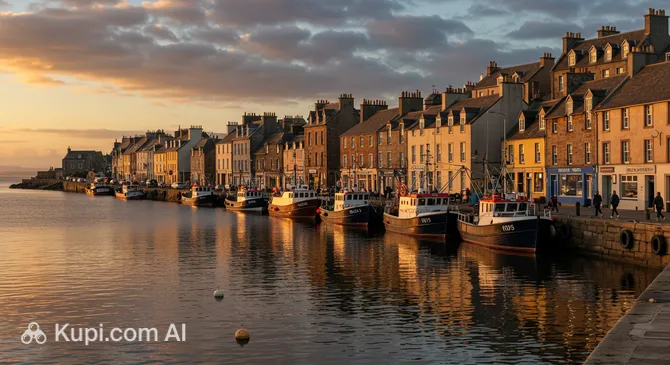
Wick. Source: Kupi.Binoculars

Travelers are often drawn to the Old Pulteney Distillery, known as the "Maritime Malt," where they can sample one of the finest whiskies in the region. For those who enjoy dramatic scenery, the ruins of the Castle of Old Wick stand perilously on the cliffs south of the town, offering breathtaking views of the coast. The town is also home to the expansive Wick Heritage Museum, which vividly preserves the story of the herring boom and local life.

Whether you are passing through on a road trip or staying to soak up the local culture, Wick provides a warm welcome and a genuine taste of northern Scottish life. It is an ideal destination for history buffs and nature lovers looking to experience the authentic charm of Caithness.

Weather Overview

Wick experiences a cool maritime climate typical of the northern Scottish coast, characterized by moderate temperatures and frequent precipitation throughout the year. Due to its location by the North Sea, the weather is often changeable, so it is wise to be prepared for both sunshine and showers during any visit.

Summers are generally mild and pleasant rather than hot, with August being the warmest month, averaging around 13.5°C. Winters are cold but usually stay above freezing on average, with January and February seeing temperatures hover around 5.0°C. Rainfall is consistent year-round, with wet days ranging from 14 to 20 days per month. For those planning a trip, checking the detailed weather in Wick is recommended to ensure you pack the right gear for the conditions.

Interesting Facts

Beyond the rugged coastline and historic harbor, Wick holds several fascinating secrets that often surprise visitors. This northern town is not just a gateway to the Isles but a place with its own unique records and literary connections.

  • Wick is home to the world’s shortest street, officially recognized by the Guinness Book of World Records. Ebenezer Place measures just 2.06 meters (6 feet 9 inches) in length and features only one address: the entrance to No. 1 Bistro at Mackays Hotel.

  • The town has a surprising connection to literary legend Robert Louis Stevenson. As a young man, the future author of Treasure Island spent time in Wick while his father, a famous lighthouse engineer, attempted to build a new breakwater for the harbor.

  • The name "Wick" itself is a direct nod to the town's ancient Viking heritage. It is derived from the Old Norse word vík, meaning "bay" or "creek," serving as a linguistic reminder of the Norsemen who once ruled this region of Scotland.

  • At the local Old Pulteney Distillery, visitors often notice the wash still has a uniquely bulbous shape with a flat top. Local lore suggests that when the still was originally delivered, it was too tall for the building, so the manager simply decided to cut the top off to make it fit, inadvertently creating a distinct flavor profile.

How to Get There

Reaching the northern reaches of the Scottish Highlands is part of the adventure when visiting this historic town. Whether you prefer to fly or travel overland through scenic landscapes, there are several options available. For a comprehensive guide on planning your journey, you can read more about how to get to Wick and choose the best route for your itinerary.

For those prioritizing speed and convenience, the town is served by its own airport. Wick Airport (IATA: WIC) is located just 2.2 km from the town center. It is a small regional facility, but it offers the most direct access. A taxi ride from here to the heart of the town takes approximately 5 minutes, making it a stress-free arrival point. Alternatively, travelers often fly into Inverness Airport (IATA: INV), which acts as a major gateway to the Highlands. Located in Inverness, about 115 km away, it handles a larger volume of passengers. From Inverness, the journey to Wick by road takes roughly 3 hours, offering stunning views along the way.

For clarity, here is a summary of the main airports:

Airport Name City Passenger Traffic Km from City
Aberdeen International AirportAberdeenLarge147.7
Inverness AirportInvernessMedium114.7
Kirkwall AirportKirkwallMedium58.8
Wick AirportWickSmall2.2
Papa Westray AirportPapa WestraySmall102.2

Traveling by rail is another popular way to explore the north, although it requires connecting from major hubs. While Wick has its own local station, visitors coming from further afield often transit through larger cities. You can arrive at Inverness Railway Station in the city of Inverness, which is approximately 116 km from Wick. As a key transport hub for the region, it connects to the scenic Far North Line. Another option is Aberdeen Railway Station in Aberdeen, situated about 293 km away. From these stations, you can continue your journey north by train, bus, or rental car.

Below is a list of the nearest major railway hubs listed in the region:

Station City Passenger Traffic Km to Center
Waverley Railway StationEdinburghLarge277.0
Aberdeen Railway StationAberdeenLarge293.4
Dundee Railway StationDundeeMedium221.6
Inverness Railway StationInvernessMedium116.0

Main Attractions

Wick offers a compelling mix of historical intrigue and natural splendor, making it a rewarding destination for those venturing to the far north. From ancient ruins perched on dramatic cliffs to industrial heritage sites that celebrate the town's maritime past, there is much to discover in this corner of the United Kingdom.

One of the most spectacular sights in the area is Castle Sinclair Girnigoe. Located just a few miles north of the town, this medieval fortress teeters on the edge of sheer cliffs overlooking the North Sea. It is a site of significant architectural importance and its rugged, atmospheric ruins provide a window into the turbulent history of the local clans. The walk to the castle offers breathtaking coastal views, which are particularly striking against the backdrop of the restless ocean.

For those interested in local culture, the Wick Heritage Museum is an essential stop. Housed in a series of traditional cottages in the historic Pulteneytown district, the museum vividly recounts the days when Wick was the herring capital of Europe. Exhibits include a working lighthouse mechanism, extensive fishing memorabilia, and a detailed look at the lives of the community that built the town's prosperity.

No visit to Wick would be complete without acknowledging its famous export. The Old Pulteney Distillery, established in 1826, is renowned for producing the "Maritime Malt." Visitors can take guided tours to learn about the unique distillation process and sample the whisky, which is said to capture the salty air of the coast in its flavor profile.

Nature lovers will appreciate a trip to Noss Head, a scenic headland featuring a historic lighthouse and abundant wildlife. It is an excellent spot for seabird watching and offers panoramic vistas of the coastline. Whether you are exploring ancient stones or enjoying a dram of local whisky, Wick’s attractions provide a memorable glimpse into the heart of the Northern Highlands.

Local Cuisine

The culinary landscape of Wick is deeply influenced by its coastal location and maritime heritage, offering visitors a genuine taste of the Scottish Highlands. Naturally, fresh seafood takes center stage on many local menus. With the town's history as a major fishing port, you can expect to find high-quality catches landed daily at the harbor. Visitors should not miss the opportunity to try Cullen Skink, a thick, warming Scottish soup made from smoked haddock, potatoes, and onions, which is a staple in the region and perfect for the cool northern weather.

For a hearty main course, locally sourced shellfish, including lobsters, crabs, and scallops, are highly recommended and often served simply to highlight their natural flavor. Of course, no trip to a British seaside town is complete without indulging in traditional fish and chips. In Wick, this classic dish is served in generous portions at local "chippies," featuring flaky white fish in crispy batter, best enjoyed with a splash of vinegar while overlooking the bay.

When it comes to drinks, Wick is world-renowned for its whisky. The town is home to the Old Pulteney Distillery, which produces a distinctive single malt often referred to as the "Maritime Malt" due to its exposure to the sea air during maturation. Sampling a dram of this salty, complex whisky is a must for enthusiasts. For a non-alcoholic option, the ubiquitous Scottish soft drink Irn-Bru is widely available, alongside a comforting selection of teas and coffees served in the town's welcoming cafes.

The dining culture in Wick is relaxed and unpretentious, reflecting the friendly nature of the community. You will not find many high-end chain restaurants here; instead, the food scene revolves around family-run bistros, historic hotels, and cozy pubs. Places like the bistro at Mackays Hotel offer a blend of modern Scottish cuisine and local produce, while traditional pubs provide a warm atmosphere where you can enjoy a filling meal alongside the locals. Whether you are grabbing a quick bite or settling in for a three-course dinner, the emphasis is always on fresh ingredients and Highland hospitality.

Travel Tips

Preparing for a trip to Wick requires a little local know-how to make the most of your time in this rugged corner of the United Kingdom. Here are some practical tips to ensure your visit to the far north is comfortable and hassle-free.

  1. Clothing and Gear: The weather in Caithness is notoriously changeable, often shifting from sunshine to rain in minutes. Pack waterproof layers and a windproof jacket, as the coastal breeze can be brisk even in summer. Sturdy, water-resistant walking shoes are essential if you plan to explore the cliffs or unpaved paths around the historic ruins.
  2. Transportation: Wick itself is compact and easily navigated on foot, but to explore the surrounding scenery, a rental car is highly recommended. Public transport, including buses and trains, connects the town to Inverness and other settlements, but services can be infrequent, especially on Sundays and in the evenings.
  3. Finances: The local currency is the British Pound (GBP). While most shops, hotels, and restaurants accept credit and debit cards (contactless payment is widely used), it is wise to carry some cash for smaller local businesses, charity shops, or remote attractions that may not have card machines.
  4. Health and Safety: Wick is a very safe town for tourists with low crime rates. For minor health issues, there are pharmacies located on the High Street, though they may have limited hours on weekends. In an emergency, dial 999; for non-urgent medical advice, you can call 111.
  5. Communication: English is the primary language, often spoken with a distinct and charming Caithness dialect. Mobile signal and 4G/5G coverage are generally good in the town center but can be patchy or non-existent as you venture further into the rural Highlands or along the coast.
  6. Local Etiquette: The locals are known for their warm hospitality and unhurried pace of life. A friendly greeting or a nod to passersby is common practice. If you are driving on single-track roads outside the town, it is customary—and required—to pull into passing places to let oncoming traffic or faster vehicles behind you pass; acknowledging the other driver with a wave is polite.
  7. What to Avoid: Do not underestimate the power of the sea. When visiting coastal attractions like the Castle of Old Wick, stay well back from cliff edges, as the ground can be unstable and sudden gusts of wind are common. Also, avoid criticizing the weather; locals are used to it and take pride in their resilience!
  8. Sunday Schedules: Be aware that life slows down significantly on Sundays in this part of Scotland. Many independent shops and some cafes may be closed or operate with reduced hours, so it is a good idea to plan your dining and shopping needs in advance for that day.

With these tips in mind, you are ready to embrace the wild beauty and history of Wick. A little preparation allows you to relax and fully enjoy the unique charm and welcoming atmosphere of the Scottish Highlands.

Entertainment & Nightlife

Wick offers a nightlife experience that is less about high-energy clubs and more about the warmth of traditional Highland hospitality. As a relatively small town, the evening entertainment scene is intimate and relaxed, centered primarily around the High Street and the areas adjacent to the River Wick. Visitors will not find sprawling nightlife districts here; instead, the town invites you to settle into a cozy pub, enjoy a dram of local whisky, and mingle with friendly locals and fellow travelers navigating the North Coast 500.

The atmosphere in Wick’s venues is distinctly casual and unpretentious. There is rarely a need for formal attire; jeans and a sweater are standard, and even hiking gear is widely accepted in most establishments. The crowd is typically a mix of residents winding down after the day and tourists sharing stories of their road trips. Most venues operate with traditional pub hours, usually closing between 11:00 PM and 1:00 AM, so it is best to start your evening early to make the most of the social scene.

For those looking to experience the local pub culture, The Alexander Bain is a central hub. Housed in the town’s historic former post office, it is a spacious venue popular for its wide selection of drinks and affordable prices, making it a lively spot to begin the night. If you prefer a slightly more polished setting, the bar at Mackays Hotel offers an excellent selection of fine spirits, including the local Old Pulteney whisky. It sits right on Ebenezer Place, the world's shortest street, adding a touch of novelty to your evening drink. Another notable mention is the Blackstairs Lounge, a local favorite situated near the harbor, known for its welcoming vibe and occasional live music events.

When planning a night out, keep in mind that public transport options are limited after dark. While the town center is compact and easily walkable, if you are staying further afield, you will need a taxi. There are no ride-sharing apps like Uber in this remote part of Scotland, so it is essential to save the numbers of local taxi firms and book your ride in advance, especially on weekends when demand is higher.

Safety in Wick is excellent, and the town is generally very secure for night walks. Violent crime is rare, and the streets are peaceful. However, visitors should exercise caution near the harbor and cliff edges at night. Street lighting can be sparse in these areas, and the coastal winds can be strong and unpredictable, making it dangerous to venture too close to the water in the dark.

During the day, entertainment in Wick shifts focus from socializing to exploring heritage and culture. While you won't find large amusement parks or multiplex cinemas, the town offers enriching experiences like the Wick Heritage Museum, which provides a fascinating look into the town's herring-fishing past. For arts enthusiasts, the Lyth Arts Centre is a short drive away and serves as the region’s main venue for theater, touring music acts, and visual art exhibitions, offering a splash of contemporary culture amidst the rugged landscape.

Parks & Museums

Wick may not be defined by manicured botanical gardens, but its landscape offers a compelling blend of rugged coastal beauty and carefully preserved industrial heritage. The town's green spaces are inextricably linked to its river and coastline, while its museums serve as custodians of a rich history that once saw this port as the herring capital of Europe.

For those seeking fresh air and scenic walks, the Wick Riverside is the town's most accessible natural area. This pleasant green corridor runs along the banks of the River Wick, offering a peaceful retreat from the town center. It is a favorite spot for locals to walk their dogs or enjoy a quiet afternoon, with paths that lead towards the river mouth and offer lovely views of the water. Another unique outdoor feature is The Trinkie, a natural rock swimming pool located on the south side of Wick Bay.Maintained by local volunteers, this tidal pool is replenished by the sea and serves as a charming, if bracing, spot for a dip or simply to admire the coastal geology and birdlife.

Culturally, the town punches above its weight with the Wick Heritage Museum being the primary repository of local history. Located in the historic Bank Row within Pulteneytown, the museum is a treasure trove of artifacts. While it covers the fishing industry extensively, it is also famous for housing the Johnston Photographic Collection. This remarkable archive contains tens of thousands of glass plate negatives documenting life in the area from the 1860s to the 1970s, offering visitors a hauntingly detailed window into the past.

A more modern addition to the cultural landscape is Nucleus: The Nuclear and Caithness Archives. This striking piece of contemporary architecture is located near the airport and serves as a high-tech storage facility for the UK's civil nuclear industry archives as well as the historical records of Caithness. The building itself is an architectural landmark, featuring a distinctive triangular design and water-filled moats. It regularly hosts exhibitions and public events, making it a fascinating stop for those interested in both modern history and design.

In terms of historical architecture, the district of Pulteneytown itself acts as an open-air museum. Designed by the renowned civil engineer Thomas Telford in the early 19th century, it was built specifically to house the influx of fishermen during the herring boom. Walking through its grid-patterned streets and admiring the Georgian-style terraces provides a clear sense of the town's planned origins and ambitious past.

For an authentic local experience, seek out the North Baths, another historic outdoor tidal pool situated on the north side of the bay. Recently restored by the community, it is a testament to local spirit. A walk here often provides opportunities to spot seals basking on the rocks nearby, a delightful secret often missed by those who stick strictly to the main tourist trail.

Getting Around

Navigating Wick is a straightforward and relaxed experience, reflecting the town's modest size and laid-back Highland atmosphere. Unlike larger cities in the United Kingdom, Wick does not have a complex network of metros, trams, or trolleybuses. The town center is compact enough to be explored comfortably on foot, allowing visitors to move between the High Street, the harbor, and Pulteneytown with ease. For longer distances or trips to the outskirts, the local bus service is the primary mode of public transportation.

The bus network is operated chiefly by Stagecoach Highlands, connecting the town center with residential areas, the local hospital, and the retail park. While there are no high-frequency city shuttles, the services are reliable and generally run on a set timetable. Buses also serve as a vital link to nearby settlements such as Thurso and John O'Groats, making them useful for day trips. Travelers should be aware that bus frequencies can vary significantly, with reduced services on Saturdays and very limited or no options on Sundays.

Paying for transport is modern and convenient. You do not need to purchase tickets in advance from a kiosk; instead, you can buy them directly from the driver upon boarding. Contactless card payments and mobile wallets (like Apple Pay or Google Pay) are widely accepted and encouraged, though carrying a small amount of cash is always a good backup plan. For those planning to make multiple journeys in a single day, purchasing a "DayRider" ticket offers excellent value, allowing unlimited travel within a specific zone for a fixed price. The Stagecoach Bus app is also a handy tool for tourists, allowing you to buy mobile tickets and track buses in real-time.

Given the rural nature of the Highlands, relying solely on buses can sometimes be limiting, especially in the evenings when services stop running early. Taxis are the most popular alternative and are often essential for getting around at night or reaching specific attractions outside the town boundaries. It is important to note that ride-sharing apps like Uber do not operate in Wick. Instead, you will find several reliable local taxi firms. It is highly recommended to book your ride in advance, particularly on weekends or if you have a train or flight to catch, as availability can be scarce on short notice.

For those who prefer more independence, car rentals are a favored choice among tourists. Having a car allows you to explore the wider Caithness coastline at your own pace, free from the constraints of bus timetables. Cycling is also a viable option for exploring the local area, with relatively flat terrain around the town, though visitors should be prepared for the often windy weather. Whether you choose to walk, take the bus, or hire a car, getting around Wick is generally stress-free and offers plenty of opportunities to take in the scenic surroundings.

Accommodation

Accommodation in Wick reflects the town's character as a historic maritime hub and a key stop on the North Coast 500 route. Visitors will not find sprawling luxury resorts or high-rise international chains here; instead, the hospitality scene is dominated by charming, independently owned establishments. The options typically range from traditional hotels and family-run bed and breakfasts to an increasing number of self-catering apartments and guest houses, offering a cozy and authentic Highland experience.

For convenience and atmosphere, staying in the town center or the historic district of Pulteneytown is often the best choice. Locations near the harbor offer scenic views of the water and easy access to the Wick Heritage Museum, while staying closer to the High Street ensures you are within walking distance of local shops, pubs, and transport links like the railway station. These central areas are particularly well-suited for travelers without a car, as most amenities are just a short stroll away.

One of the most well-known establishments in the area is Mackays Hotel, situated uniquely on the world's shortest street, Ebenezer Place. It serves as a popular landmark for visitors, combining comfortable lodging with a sense of history. Other options in the town often inhabit converted 19th-century buildings, providing a sense of place that modern constructions lack. For those seeking a quieter stay, there are several guest houses located on the outskirts of town that offer peaceful surroundings and easy access to the coastal paths.

Booking in advance is strongly recommended, especially if you are visiting during the summer months (May to September). As Wick is a strategic stopover for those driving the North Coast 500, accommodation can fill up rapidly, often months ahead of time. Regarding costs, prices are generally moderate compared to larger UK cities, falling into the mid-range bracket. However, rates can rise during the peak tourist season. Most properties can be booked via major online platforms, though contacting smaller B&Bs directly can sometimes secure a better rate or a more personalized service.

Nearby Cities

For those looking to explore the surroundings, Wick serves as an excellent base for day trips to several interesting nearby locations:

City Population Distance (km)
Inverness47290126
Elgin2312889
Peterhead19270129
Fraserburgh13180105
Inverurie10885136

While the table lists several prominent settlements in the wider region, the geography of the Moray Firth means that travel times can vary. Inverness is the most accessible major city and serves as the "Capital of the Highlands." A trip here offers a mix of urban amenities and history, including the imposing Inverness Castle, the Victorian Market, and the chance to spot dolphins in the Moray Firth. It is a vital hub for shopping and culture, easily reached by train or car via the scenic A9 coastal road.

Closer to Wick, though not listed in the table, is the town of Thurso. Located just 20 miles to the northwest, it is the northernmost town on the British mainland and a popular destination for surfers due to its world-class waves. Visitors often combine a trip to Thurso with a visit to nearby John O'Groats, the iconic "end of the road" destination famous for its signpost and dramatic sea stacks at Duncansby Head.

For those interested in history, Elgin offers a rewarding experience, though it requires a longer journey around the firth. It is home to the majestic ruins of Elgin Cathedral, known as the "Lantern of the North," and sits in the heart of whisky country. These nearby destinations offer a glimpse into the diverse culture and landscapes of the region.

Shopping & Souvenirs

Shopping in Wick offers a relaxed and functional experience typical of a small Scottish Highland town. While you will not find high-end designer boutiques or sprawling department stores, the town provides a good selection of independent shops, essential services, and local businesses that cater to both residents and visitors. The retail atmosphere is friendly and unhurried, allowing you to browse for unique gifts, outdoor gear, or daily necessities without the crowds found in larger cities.

The primary hub for shopping is the High Street, which runs through the center of the town. This pedestrian-friendly area is lined with a mix of traditional family-run businesses and familiar chain stores. Here, you can find everything from pharmacies and newsagents to hardware stores and clothing outlets. It is the best place to take a stroll, grab a coffee, and soak up the local community vibe. Adjacent streets in the town center also host smaller specialty shops, including florists and bakeries that are popular with locals.

For larger retail needs, the Wick Retail Park located on South Road is the main destination. This is where you will find larger supermarkets and national home and variety store chains. It is the most convenient spot for stocking up on groceries if you are self-catering, or for purchasing affordable camping equipment and household goods. While it lacks the charm of the High Street, it is a practical stop for road trippers traveling the North Coast 500 who need to replenish their supplies.

Although Wick does not have a permanent daily market hall, the town occasionally hosts community markets and craft fairs, often held in local halls or public spaces. These events are excellent for finding fresh local produce, home-baked goods, and handmade crafts. It is worth checking local notice boards or asking at your accommodation to see if a market is scheduled during your visit, as they offer a great opportunity to support local artisans and taste regional flavors.

When it comes to souvenirs, the most iconic purchase is undoubtedly a bottle of Old Pulteney whisky. Produced in the town's own distillery, it makes for a perfect gift or memento of your trip. Beyond whisky, visitors often look for items that reflect the heritage of Caithness, such as locally made knitwear, traditional Scottish confectionery, or artwork depicting the dramatic coastline. Shops in the town center and the visitor center often stock a range of these local products.

Store opening hours in Wick generally follow the standard UK pattern. Most shops open around 9:00 AM and close by 5:00 PM or 5:30 PM from Monday to Saturday. On Sundays, trading hours are significantly reduced; larger supermarkets may be open, but many independent shops on the High Street will be closed or have shorter hours. Payment methods are modern, with credit and debit cards (including contactless) being widely accepted, even in smaller stores. However, carrying a small amount of cash is always advisable for very small purchases.

regarding tax-free shopping, visitors should be aware that the United Kingdom no longer operates a VAT refund scheme for tourists shopping in store. This means that international visitors cannot claim back the sales tax (VAT) on goods purchased to take home in their luggage. Prices displayed on the shelf are the final price you will pay.
Reached the end of the page?

That means the route is fully explored