Support

Sanday

About

Welcome to Sanday, a captivating island that lives up to its Old Norse name, meaning "Sand Island." Renowned for its pristine, sweeping coastlines and turquoise waters, this gem in the Orkney archipelago offers a tranquil escape for travelers seeking natural beauty and solitude. With its low-lying landscape and endless horizons, Sanday provides a distinctively open and airy atmosphere compared to its more rugged neighbors.

Geographically, Sanday is the third largest of the Orkney Islands, situated off the northern coast of Scotland in the United Kingdom. Despite its size, the island maintains a cozy and intimate feel, with a population of approximately 500 residents. The climate here is maritime, often breezy and fresh, which keeps the air incredibly clear—perfect for stargazing or watching the Northern Lights during the darker months.

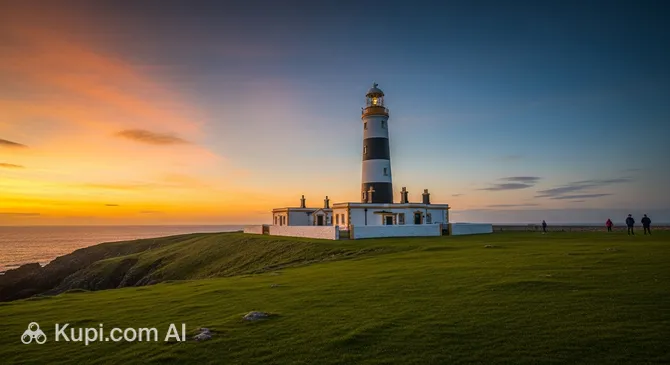
Sanday. Source: Kupi.Binoculars

The island is not just about beautiful beaches; it is also steeped in heritage. From Neolithic burial tombs to Viking influences, the history of Sanday is woven into the very landscape. Visitors can step back in time at the Quoyness Chambered Cairn, a spectacular ancient tomb dating back thousands of years, similar in style to Maeshowe on the Orkney mainland.

Another iconic landmark is the Start Point Lighthouse on the tidal island of Start Point. Distinguished by its unique black-and-white vertical stripes, it is a favorite spot for photographers and walkers alike. Whether you are exploring the dunes, spotting rare wildlife, or simply enjoying the slow pace of island life, Sanday promises a refreshing and memorable journey.

Weather Overview

Sanday generally enjoys a mild maritime climate, avoiding extreme temperature fluctuations thanks to the surrounding ocean. To help you plan your outdoor activities, it is helpful to review the current weather in Sanday before your arrival. The island typically sees its warmest weather in August, with average temperatures reaching around 13.1°C, while the coldest period occurs in February and March, with averages dipping to approximately 5.9°C.

Precipitation is a regular part of life on the island, with frequent wet days occurring throughout the year. The winter months, particularly from October through January, are the wettest, often featuring over 20 rainy days per month. Overall, you can expect cool, breezy summers with moderate rainfall and mild, damp winters that require good waterproof clothing.

Interesting Facts

Beyond its sweeping bays and peaceful atmosphere, Sanday holds fascinating secrets and historical curiosities that surprise many visitors. From ancient Viking treasures to unusual local customs, the island offers plenty of intriguing details for the curious traveler.

  • The Scar Boat Burial: In 1991, a winter storm eroded a sandbank to reveal one of the most significant Viking discoveries in the UK. The site contained a Norse boat burial with three human skeletons and a wealth of artifacts, including the famous "Scar Plaque," an intricately carved whalebone board that is now a celebrated piece of Viking art.

  • A WWI Shipwreck on the Beach: At the Bay of Lopness, low tide reveals the rusting remains of the B-98, a German First World War destroyer. Unlike other ships from the scuttled German fleet in Scapa Flow, this vessel broke loose while being towed to a breaker's yard and ran aground here, becoming a permanent part of the coastline.

  • Unique Lighthouse Stripes: While many lighthouses feature horizontal bands, the Start Point Lighthouse is famous for its distinctive vertical black and white stripes. It was the first Scottish lighthouse to utilize a revolving light system, but its paint job makes it truly one of a kind in the region.

  • Natural Greenkeepers: The local golf course on Sanday is known for its relaxed and rugged nature. It is not uncommon to find sheep roaming the fairways, effectively acting as natural lawnmowers that help maintain the grass, adding a charming rural twist to the game.

How to Get There

Reaching the serene island of Sanday is part of the adventure, typically involving a journey through the Scottish mainland or the neighboring Orkney islands. While the island is remote and peaceful, it is accessible via connections from larger transport hubs. For a detailed breakdown of routes and travel advice, you can read more about how to get to Sanday to help plan your trip effectively.

The island of Sanday does not have its own major international airport, but you can fly into Kirkwall Airport (IATA: KOI) in the city of Kirkwall, which is approximately 38 km from Sanday. Kirkwall is the main travel hub for the Orkney Islands, handling a significant amount of regional traffic. From there, the travel time to Sanday—typically involving a connecting flight or ferry—is estimated at roughly 1 hour and 20 minutes locally. Another nearby option is Papa Westray Airport (IATA: PPW) in Papa Westray, located just 23 km away, though it is a much smaller facility serving inter-island hops. For those coming from the Scottish mainland, Inverness Airport (IATA: INV) in Inverness is a key gateway, situated about 209 km away, with a total ground and sea transit time of around 5.5 hours.

For clarity, here is a summary of the main airports:

Airport Name City Passenger Traffic Km from Island
Inverness AirportInvernessMedium209.0
Sumburgh AirportShetlandMedium100.0
Kirkwall AirportKirkwallSmall38.0
Wick AirportWickSmall93.1
Papa Westray AirportPapa WestraySmall23.2

Sanday does not have a railway station, as it is an island location. However, you can arrive at the ScotRailway Station (IATA: ZIV) in the city of Inverness, which is about 210 km from Sanday. From Inverness, you would typically proceed by bus or car to a ferry terminal to complete your journey to Orkney. The estimated travel time for this distance by road transport is approximately 5 hours and 35 minutes.

Below is the available data for railway stations:

Station City Passenger Traffic Km to Center
ScotRailway StationInvernessLarge210.3

Main Attractions

Sanday is a treasure trove of archaeological wonders, stunning seascapes, and cultural heritage. While the island is peaceful and remote, its attractions offer a deep dive into thousands of years of history and the natural beauty of the Orkney archipelago. Here are some of the most compelling places to explore during your visit.

One of the most significant prehistoric sites in the region is the Quoyness Chambered Cairn. Dating back approximately 5,000 years, this Neolithic tomb is situated on the peninsula of Elsness. It rivals the famous Maeshowe on the mainland in terms of architectural complexity, featuring a main chamber with six smaller cells branching off. Exploring the cairn is a true adventure; visitors must crawl through a low, nine-meter-long entrance passage to reach the high-roofed central chamber, making it an immersive experience into the ancient past.

A striking icon of the island is the Start Point Lighthouse, located on the tidal island of Start Point at the eastern tip of Sanday. Built in 1806 by the renowned engineer Robert Stevenson, it was the first lighthouse in Scotland to feature a revolving light. Today, it is most famous for its unique vertical black and white stripes, which distinguish it from other lighthouses in the UK. Since the lighthouse is on a tidal island, visitors must carefully check tide tables to walk across the causeway safely and enjoy the rugged coastal views.

For a deeper understanding of local life, the Sanday Heritage Centre in Lady Village is an essential stop. This community-run museum offers a fascinating glimpse into the island's social history, from the Victorian era to the present day. Exhibits include a reconstructed croft house interior, displays on the island's maritime history and shipwrecks, and information about the unique "Orkney Vole." It is the perfect place to learn how the islanders have lived and worked in this remote environment for centuries.

Nature lovers should not miss the dramatic scenery at Tresness. This peninsula is home to some of the island's most impressive sand dunes and a sweeping beach that feels miles away from civilization. Apart from its natural beauty, the area is historically significant, containing the remains of a stalled cairn and Bronze Age archaeology. It is an ideal spot for a long, bracing walk where you can admire the pristine coastline and perhaps spot seals basking on the shore.

Local Cuisine

The culinary landscape of Sanday is a reflection of the wider "Orkney Larder," renowned for its exceptional quality and reliance on fresh, locally sourced ingredients. Being an island, the connection between the sea and the plate is immediate and vital. Visitors can expect some of the finest seafood in Scotland, with locally caught velvet crab, lobster, and hand-dived scallops often featuring on menus. A local delicacy worth asking about is "spoots," or razor clams, which are harvested from the sandy shores at low tide and are delicious when pan-fried with a little garlic and butter.

Meat lovers will appreciate the island's agricultural heritage, which produces high-quality beef and lamb. Orkney Beef is famous throughout the UK and holds Protected Designation of Origin (PDO) status, ensuring a premium taste that comes from cattle grazed on lush, salt-sprayed pastures. To accompany savory dishes, you might encounter Orkney cheese, ranging from crumbly cheddars to the unique Grimbister cheese, often served with traditional oatcakes or "bere bannocks"—a type of flatbread made from bere, an ancient form of barley grown in the archipelago for thousands of years.

When it comes to drinks, the region has a proud brewing and distilling tradition. While Sanday itself is quiet, the local pubs and hotel bars are well-stocked with ales from the Orkney Brewery, such as the iconic Dark Island or Northern Light. Whisky enthusiasts can enjoy drams from the nearby world-famous distilleries on the Orkney mainland, Highland Park and Scapa. For something non-alcoholic but equally local, try the locally produced sodas or simply enjoy the fresh, clean taste of the local dairy milk.

The dining culture on Sanday is relaxed, intimate, and community-focused. Due to the island's small population, there is no bustling street food scene or a wide array of restaurants. Instead, dining out is centered around a few key local hotels and community hubs where the atmosphere is warm and welcoming. It is common for tourists and locals to mingle in these venues, sharing stories over a hearty meal. For those self-catering, the local community shop offers a chance to buy fresh island produce, allowing you to cook your own feast with ingredients sourced just miles from your kitchen.

Travel Tips

Planning a trip to Sanday requires a slightly different approach than visiting a bustling city, as life here moves to the gentle rhythm of the tides and ferries. To help you make the most of your island adventure, here are some practical tips to ensure your journey is as smooth and relaxing as the landscape itself.

  1. Clothing and Gear The weather in Orkney is changeable and often windy, even in summer. The best strategy is to pack layers—bring a good quality windproof and waterproof jacket, warm sweaters, and sturdy walking boots. Since Sanday is relatively flat and great for walking, comfortable footwear is essential. If you plan to visit the Quoyness Chambered Cairn, wear clothes you don't mind getting a bit dusty, as you will need to crawl through the entrance passage.
  2. Transportation There is no public metro or tram system here; instead, the island relies on a community bus service that typically connects with the ferry arrivals and departures. However, for true freedom to explore hidden beaches and archaeological sites, renting a car or a bicycle is highly recommended. Sanday is famously flat, making it a cyclist's paradise, but be prepared for the occasional strong headwind.
  3. Finances The currency is the British Pound (GBP). While the main shops and hotels generally accept card payments, it is wise to carry some cash. You may encounter "honesty boxes" for local produce or crafts where exact change is needed. ATMs are scarce—often limited to the local post office services—so withdraw sufficient cash before leaving the Orkney mainland (Kirkwall) to be safe.
  4. Health and Safety Sanday is an incredibly safe place with virtually no crime, but the natural environment commands respect. Always check tide tables before venturing to tidal islands like Start Point to avoid getting stranded. There is a local GP surgery for medical advice, but there is no 24-hour pharmacy or hospital on the island; for serious emergencies, you would need to be evacuated to Kirkwall or the mainland. Bring a supply of any personal medication you require.
  5. Communication English is the primary language, spoken with a distinctive and melodious Orcadian lilt. Mobile phone signal can be patchy depending on your network provider and location on the island. Wi-Fi is available in most accommodation providers and the visitor center, but do not rely on high-speed mobile data while out exploring remote dunes.
  6. Local Etiquette The community is small and friendly, and it is customary to acknowledge others you pass on the road. If you are driving, give a small wave or lift a finger from the steering wheel to oncoming drivers—this is known as the "Orkney wave." When walking through farmland, always follow the Countryside Code: leave gates exactly as you found them (open or closed) to keep livestock safe.
  7. What to Avoid Do not rush. Service in shops and cafes is relaxed and friendly; showing impatience is considered rude and counter to the island spirit. Also, avoid disturbing wildlife, particularly nesting birds in spring or seals on the beaches. Keep a respectful distance to ensure you do not cause them stress.
  8. Shopping Logistics Be aware of opening hours. Unlike 24/7 city conveniences, the island's shops may close for lunch or have shorter hours on Sundays. It is a good "life hack" to check the opening times of the local community shops upon arrival and stock up on essentials early, especially if you are self-catering.

By packing the right gear and embracing the slower, friendlier pace of island life, you are sure to have an unforgettable experience. Sanday offers a rare chance to disconnect from the busy world, so take a deep breath of fresh sea air and enjoy the tranquility.

Entertainment & Nightlife

Entertainment and nightlife on Sanday differ significantly from the bustling clubs and neon-lit districts of a large city. Instead of high-energy dance floors, the island offers a warm, community-focused evening atmosphere where the "nightlife" is centered around good conversation, local ales, and the beauty of the natural world. For travelers, this is a chance to unwind completely and experience the authentic, slow-paced social life of a remote Scottish island.

The hub of social activity is undoubtedly the village of Kettletoft. This historic harbor area serves as the closest thing the island has to a nightlife district. Here, you will find the island's primary social venue, The Kettletoft Hotel. As the main pub on the island, it is the beating heart of the community where locals and visitors mingle. The atmosphere is incredibly welcoming and informal; there is no dress code other than "comfortable," and it is the perfect place to enjoy a pint of locally brewed Orkney ale or a dram of whisky while listening to stories from island residents. On occasion, the pub hosts live music nights featuring local talent, which are always a highlight.

Beyond the pub, evening entertainment is often organized by the community itself. Heilsa Fjold, the island's youth and community center, frequently hosts events ranging from quiz nights and bingo to social gatherings and even mobile cinema screenings. It is worth checking local noticeboards or social media pages upon arrival to see if any events are scheduled during your stay. These gatherings are open to all and offer a heartwarming glimpse into island life that few standard tourist itineraries provide.

One of the most spectacular forms of "nightlife" on Sanday takes place outdoors. With very little light pollution, the island is a world-class destination for stargazing. On clear winter nights, the skies come alive with an infinite number of stars, and lucky visitors may witness the Aurora Borealis, known locally as the "Merry Dancers," illuminating the horizon. A late-night walk to a dark spot, such as the area near the Start Point Lighthouse, can be more memorable than any nightclub, though a torch is essential as there are no streetlights outside the main settlements.

Practical advice for enjoying evenings here is simple: plan ahead. Venues like The Kettletoft Hotel may stop serving food earlier than city restaurants, often around 8:00 PM or 9:00 PM, though the bar stays open later. Prices are generally reasonable and comparable to the rest of the UK. Getting around at night requires foresight; there is no Uber or hailing a cab on the street. You must pre-book the local Sanday Bus and Taxi service if you plan to drink and cannot walk back to your accommodation.

In terms of safety, Sanday is exceptionally secure. Violent crime is virtually non-existent, making it safe for solo travelers to walk alone at night. The main "danger" is tripping in the dark or encountering wandering sheep on the roads, so carrying a flashlight and wearing reflective clothing is highly recommended for night walks.

During the daylight hours, entertainment shifts towards exploration and heritage. Visitors can immerse themselves in the island's past at the Sanday Heritage Centre, explore the numerous craft shops and studios scattered across the island, or enjoy outdoor activities like golfing on the 9-hole links course. Whether day or night, the entertainment here is about connecting with the environment and the people who call this unique island home.

Parks & Museums

Sanday may not have the manicured city parks found in urban centers, but its entire landscape serves as a vast, open-air nature reserve. The island is renowned for its "living" green spaces—sweeping dunes, flower-rich machair, and pristine beaches that offer visitors a chance to connect deeply with the natural world. Culturally, the island preserves its heritage not in grand halls, but in intimate community spaces and ancient sites that dot the coastline.

Whitemill Bay is one of the island's most stunning natural areas, often described by visitors as having a tropical appearance due to its powder-white sands and crystal-clear turquoise waters. Located on the northern coast, this sheltered bay is backed by grassy dunes that are perfect for a relaxing picnic or a barefoot stroll. It is a haven for shell collectors, particularly known for the tiny, intricate "groatie buckie" shells (cowries) that are considered lucky finds in Orkney.

Another remarkable natural expanse is Cata Sand, a massive tidal inlet that transforms dramatically with the ebb and flow of the ocean. At low tide, it reveals a vast stretch of rippled sand that connects the main island to the dunes of Tresness. It is an exceptional spot for birdwatching, as the wet sands attract waders and seabirds. The area is also archaeologically rich, with ancient settlements often peeking through the shifting sands, making it a fascinating place for a nature walk that doubles as a journey through time.

For a dedicated look at the island's culture, the Sanday Heritage Centre in Lady Village is the primary museum facility. This community-led attraction provides a comprehensive overview of island life, featuring a fully reconstructed 19th-century croft house interior that allows you to step into the shoes of past inhabitants. Exhibits cover everything from the island's maritime history and dramatic shipwrecks to the story of the unique "Sanday Vole." It serves as the cultural heart of the island, preserving the stories and artifacts that define the local identity.

While not a traditional museum, the Quoyness Chambered Cairn functions as a monumental gallery of Neolithic engineering. Located near the shore, this 5,000-year-old tomb offers an immersive historical experience. Visitors can crawl through the low entrance passage to stand in the main chamber, marveling at the dry-stone construction that has survived millennia. It is a profound reminder of the sophisticated communities that thrived here long before modern history began.

For an authentic insider experience, keep an eye out for the island's elusive otters near the rocky shorelines at dawn or dusk. Unlike the more commonly spotted seals, otters are shy and spotting one is a prized moment for any wildlife enthusiast. Additionally, a walk along the coast of Otterswick offers not just wildlife views but also the poignant sight of the 'Covenanter's Memorial,' adding a layer of historical depth to your nature rambling.

Getting Around

The public transport system in Sanday is quite different from what you might find in a bustling metropolis. Given the island's small population and rural nature, there are no subways, trams, trains, or extensive fixed-route bus networks. Instead, the island relies on a flexible, community-focused approach to getting around, primarily utilizing road transport that adapts to the specific needs of residents and visitors.

The primary form of public transit is the Sanday Bus service. This is not a standard hop-on, hop-off city bus but rather a responsive service that typically operates in alignment with the scheduled ferry arrivals at the Loth Terminal and flights at the island's airstrip. It is often a minibus that requires passengers to book their seats in advance, effectively functioning as a shared "dial-a-ride" service. It is designed to transport passengers between the transport hubs and their accommodation or key locations across the island.

Regarding payment, the system is traditional and straightforward. There are no electronic travel cards, mobile apps, turnstiles, or ticket machines at stops. Fares are paid directly to the driver in cash upon boarding. Prices are generally affordable and fixed for single journeys, though it is crucial to carry small change, as drivers may not always have large amounts of cash on hand. The transaction is simple: you state your destination, pay the fare, and take your seat.

For tourists, the most practical advice is to book ahead. Unlike in a city where you can hail a cab or catch a bus every few minutes, transport here requires coordination. If you are arriving by ferry or plane, you must usually call the bus operator—often the day before—to reserve your spot. The service does not run 24/7; it is strictly tied to the transport schedule and school runs. Always confirm your pickup time and location by phone to ensure you are not left waiting.

Alternatives to the bus are highly popular and often recommended for visitors who want the freedom to explore at their own pace. Car rental is available locally, though the fleet is small, so booking weeks or months in advance is essential. Alternatively, cycling is a fantastic way to see the island. Sanday is famously flat, making it accessible for cyclists of all fitness levels. Bike rentals can often be arranged through local accommodation providers or community shops, offering a leisurely way to travel between beaches and archaeological sites.

Finally, private taxis are available but operate strictly on a pre-booked basis. There is no taxi rank where cars wait for passengers, and ride-sharing apps like Uber do not exist here. If you plan to dine out in the evening or visit a specific attraction away from the main road, you must arrange your return transport with a local taxi provider beforehand. This ensures you can enjoy the island's hospitality without worrying about how to get back to your lodging.

Accommodation

Accommodation in Sanday is a reflection of the island's character: intimate, welcoming, and small-scale. You will not find sprawling luxury resorts, high-rise hotel chains, or 24-hour concierge services here. Instead, the island offers a charming selection of traditional bed and breakfasts, family-run guesthouses, and a variety of self-catering cottages often converted from historic crofts. These options provide a "home away from home" experience, allowing visitors to immerse themselves in the quiet rhythm of island life.

The majority of accommodation is scattered across the island, maximizing the sense of privacy and connection to the landscape. However, the village of Kettletoft serves as a convenient base for those who prefer to be closer to social amenities. Staying in or near Kettletoft places you within easy reach of the island's main pub and dining options, making it a popular choice for visitors who want to mingle with locals in the evening. Alternatively, the northern and eastern parts of the island, such as the areas near Otterswick or Burness, offer more secluded spots with stunning sea views and immediate access to beaches.

For those seeking a classic island inn experience, the Kettletoft Hotel is the most well-known establishment on Sanday. Housed in a building that dates back to the herring boom of the late 19th century, it offers comfortable rooms and serves as the social heart of the community. It is an excellent choice for travelers who value history and convenience. For budget-conscious travelers or backpackers, the island also features hostel-style accommodation, such as the Ayres Rock Hostel, which provides affordable lodging often situated right on the coast, perfect for those prioritizing nature over luxury.

Booking Tip: Due to the limited number of beds on the island, it is crucial to book your accommodation well in advance, particularly if you plan to visit during the peak summer months of July and August. Spontaneous arrivals may find themselves with very few, if any, options.

In terms of pricing, Sanday is generally affordable to mid-range. You can expect to pay reasonable rates for B&Bs and guesthouses, while self-catering cottages vary depending on size and season. While some properties are listed on major international booking platforms, many of the best local spots rely on direct bookings via their own websites or local tourism directories. It is often worth contacting owners directly to secure the best rates and get personal advice on your stay.

Nearby Cities

For those looking to explore the surroundings, Sanday serves as an excellent base for day trips to several interesting nearby locations:

The most accessible and popular destination for a day trip is Kirkwall, the vibrant capital of the Orkney Islands. Located just a short flight or ferry ride away, this bustling town is dominated by the magnificent St Magnus Cathedral, a masterpiece of medieval architecture built from red sandstone. Visitors can spend hours exploring the winding stone streets, visiting the ruins of the Earl's and Bishop's Palaces, or discovering local history at the Orkney Museum. It is also the perfect place to shop for local jewelry, crafts, and the famous Orkney fudge.

For a unique island-hopping experience, consider a visit to the neighboring island of Papa Westray. Known affectionately as "Papay," it is famous for the Knap of Howar, a Neolithic farmstead that predates the Pyramids of Egypt and stands as the oldest preserved stone house in northern Europe. The journey itself can be an adventure, as the flight between Westray and Papa Westray is recorded as the shortest scheduled commercial flight in the world, often taking less than two minutes.

Another excellent option is Westray, often referred to as the "Queen of the Isles." It offers a rugged contrast to the low-lying landscape of Sanday, featuring dramatic sea cliffs at Noup Head that are teeming with seabirds, including puffins, during the summer months. History enthusiasts will appreciate Noltland Castle, an imposing 16th-century fortress, and the local heritage center which houses the "Westray Wife," a tiny but significant Neolithic figurine found on the island.

City Population Distance (km)
Shetland22900141
Fraserburgh13180176
Buckie8640176
Lossiemouth8000175
Kirkwall742037

These nearby destinations offer a glimpse into the diverse culture and landscapes of the region.

Shopping & Souvenirs

Shopping in Sanday is a delightfully low-key experience that stands in stark contrast to the busy high streets of mainland cities. There are no bustling commercial districts or designer boutiques here. Instead, the shopping scene is defined by community-run stores, independent craft studios, and a reliance on local produce. Visitors will find that buying goods on the island is less about consumerism and more about connecting with the local lifestyle, where friendly conversation is often part of the transaction.

There are no designated shopping streets, but the island's retail activity is concentrated in its two main villages. In Kettletoft, you will find one of the island's primary general stores, which serves as a vital hub for groceries, household goods, and postal services. The other key location is the village of Preston (near Lady), home to the community-owned shop. These two locations effectively serve as the "shopping centers" of Sanday, providing everything from fresh bread to hardware, often stocking items from Orkney producers.

Travelers looking for large retail complexes will not find them here. Sanday does not have any shopping malls, department stores, or chain retailers. The retail environment is strictly small-scale and independent, preserving the island's rural charm and supporting the local economy directly.

While there are no permanent daily markets, the island is famous for its tradition of "honesty boxes" and roadside stalls. As you explore the island, you will frequently spot small cupboards or boxes at the ends of driveways selling fresh eggs, seasonal vegetables, home-baked goods, or handmade crafts. Customers are trusted to take what they need and leave the correct money in a jar. Additionally, seasonal craft fairs and community markets are occasionally held at the community halls, particularly during the summer and festive seasons, showcasing the best of local talent.

For unique keepsakes, the island offers wonderful opportunities to purchase authentic souvenirs directly from the makers. Sanday is home to several talented artists and craftspeople who produce knitwear, textiles, silver jewelry, and paintings inspired by the dramatic seascapes. Visiting a local studio is the best way to find a one-of-a-kind gift. Locally produced food items, such as Orkney cheese, oatcakes, or preserves found in the general stores, also make excellent edible gifts to take home.

Store opening hours on Sanday are generally more restricted than on the mainland. The main shops are typically open from around 9:00 AM to 5:00 PM or 6:00 PM, but they may close for a lunch hour or have reduced hours on weekends, particularly on Sundays. Payment methods are a mix of modern and traditional; the two main shops accept credit and debit cards, but cash is absolutely essential for the roadside honesty boxes and smaller craft purchases. It is advisable to carry plenty of coins and small notes for this purpose.

Regarding tax-free shopping, the United Kingdom no longer operates a VAT refund scheme for international visitors shopping in stores. Consequently, tourists should not expect to claim back tax on purchases made on the island or elsewhere in the country, and the price displayed on the shelf is the final price you will pay.
Reached the end of the page?

That means the route is fully explored