Support

Shetland

About

Welcome to Shetland, a mesmerizing archipelago where the rugged beauty of Scotland meets the ancient spirit of Scandinavia. Located at the crossroads of the North Sea and the Atlantic Ocean, this unique destination offers a sense of escapism that is hard to find elsewhere. As the northernmost point of the United Kingdom, Shetland is renowned for its dramatic coastlines, pristine beaches, and a distinct cultural identity that sets it apart from the mainland.

Geographically, Shetland consists of about 100 islands, though only 16 are inhabited. The landscape is defined by rolling hills, steep cliffs, and deep voes (fjords) carved by ancient glaciers. Despite its northerly latitude of 60 degrees, the climate is moderated by the Gulf Stream, keeping it relatively mild but often windy. With a population of approximately 22,900 people, the islands maintain a close-knit and welcoming atmosphere, where nature is always on your doorstep.
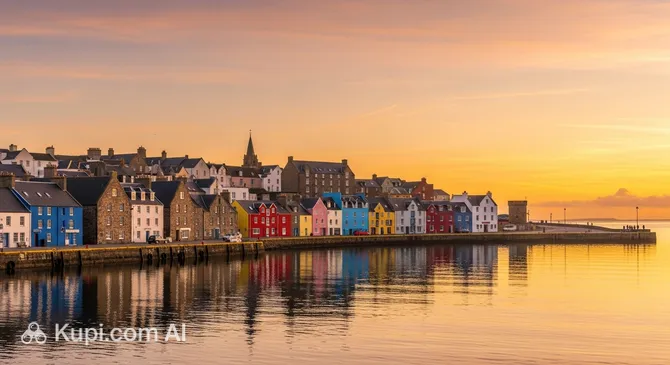
Shetland. Source: Kupi.Binoculars

The cultural heritage here is profound and palpable. The history of Shetland is deeply intertwined with its Viking past, which is celebrated annually during the spectacular Up Helly Aa fire festivals. Visitors can delve deeper into the past at world-class archaeological sites like Jarlshof, which contains remains dating from the Bronze Age to the 16th century, offering a fascinating timeline of human settlement in one location.

Nature lovers will find Shetland to be a true paradise. The islands are famous for their wildlife, including the adorable Shetland ponies that roam the heathery hills and the thousands of seabirds, such as puffins and gannets, that flock to the cliffs in summer. Whether you are exploring the spectacular scenery of Eshaness or watching otters play along the shoreline, Shetland promises an unforgettable adventure for every traveler.

Weather Overview

Shetland experiences a maritime climate defined by its location in the North Atlantic, resulting in cool temperatures and frequent cloud cover throughout the year. Winters are surprisingly mild for such a high latitude, with average temperatures in January and February hovering between 5.7°C and 5.9°C. However, the cooler months are quite damp; December, for instance, typically sees around 26 wet days, making waterproof clothing essential for any winter visit.

Spring and summer bring slightly drier and brighter conditions, although the weather remains changeable. May and June are generally the driest months, averaging about 12 wet days each, while temperatures peak in August with a pleasant average of 12.6°C. For travelers looking to time their visit for the best possible conditions, it is helpful to consult the detailed guide to the weather in Shetland.

Overall, the archipelago does not experience extreme heat or cold. Expect cool, breezy summers with occasional showers and mild but consistently wet winters.

Interesting Facts

Beyond the main attractions and dramatic landscapes, Shetland holds many fascinating secrets and historical quirks that add depth to its rugged charm. Here are a few unique facts that highlight the archipelago's distinct character:

  • The Pawned Islands: Shetland was not always Scottish. Until 1469, it belonged to Norway. King Christian I of Denmark pawned the islands to Scotland as a pledge for his daughter's dowry. Since the money was never repaid, the islands became part of Scotland by default, yet they retained their own unique laws and Norse cultural influence for centuries.

  • The Simmer Dim: Due to its northern latitude of 60 degrees, Shetland experiences a phenomenon known locally as the "Simmer Dim." Around the summer solstice, the sun barely dips below the horizon, creating a lingering twilight that is bright enough to read a book outside at midnight.

  • A Furnished Bus Stop: On the island of Unst, you can visit the famous "Bobby's Bus Shelter." Unlike any ordinary stop, this shelter is lovingly furnished with a sofa, curtains, and even a television. It is maintained by locals and changes its theme annually, attracting visitors from all over the world.

  • Closer to Scandinavia: Despite being a vital part of the United Kingdom, the capital, Lerwick, is actually closer to Bergen in Norway than it is to London. This geographical proximity has fostered a strong connection with Scandinavian heritage that is still evident in the local dialect and place names.

How to Get There

Reaching the remote and beautiful archipelago of Shetland is part of the adventure. While the islands feel a world away from the hustle and bustle of mainland life, they are well-connected by air and sea. For a detailed overview of travel options, you can read more about how to get to Shetland, but most visitors choose to arrive by plane for speed and convenience.

The primary gateway for air travelers is Sumburgh Airport (LSI), located at the southern tip of the mainland. It serves as the main hub for the islands, handling the majority of passenger traffic. The airport is approximately 49.5 km from the center of Shetland (Lerwick), and the journey by road typically takes about an hour. Taxis and regular bus services are available to transport visitors north to the capital and other destinations.

Alternatively, travelers can fly into Kirkwall Airport (KOI), situated in the neighboring city of Kirkwall on the Orkney Islands. This airport is about 179 km away from Shetland. While it is not on the Shetland archipelago itself, it serves as a key connecting point for flights heading further north or for those planning to visit both island groups. Connecting flights or ferries can bridge the gap between Orkney and Shetland.

For clarity, here is a summary of the main airports in the region:

Airport Name City Passenger Traffic Km from City
Sumburgh AirportShetlandMedium49.5
Kirkwall AirportKirkwallMedium179.1
Wick AirportWickSmall233.1
Papa Westray AirportPapa WestraySmall143.3

There are no railway services on the Shetland Islands, so train travel is not an option for reaching or exploring the archipelago. Visitors relying on public transport will need to utilize the ferry connections and local bus services to navigate between the islands and towns.

Main Attractions

Shetland offers a wealth of breathtaking sights, from ancient archaeological wonders to stunning natural landscapes. Whether you are a history buff or a wildlife enthusiast, the islands provide a unique array of experiences that showcase their rich heritage and dramatic geography.

One of the most iconic sites is Mousa Broch, located on the small, uninhabited island of Mousa. Standing at over 13 meters tall, it is the best-preserved Iron Age tower in the world. Visitors can climb the internal staircase to the top for panoramic views of the surrounding waters. The broch is also famous for being a summer home to thousands of storm petrels, which return to their nests within the stone walls under the cover of darkness, creating a magical auditory experience for those visiting in the evening.

For a deep dive into the islands' culture, the Shetland Museum and Archives in Lerwick is an essential stop. This award-winning museum beautifully narrates the story of Shetland from its geological beginnings to the present day. Highlights include the impressive Boat Hall, which displays hanging traditional boats, and exhibits detailing the islands' maritime history, textile heritage, and folklore. It provides excellent context for understanding the unique way of life in this northern archipelago.

Nature lovers should not miss St Ninian’s Isle, famous for its spectacular tombolo—a natural sand causeway connecting the isle to the mainland. It is often cited as one of the finest beaches in the UK. Visitors can walk across the white sands to explore the isle, which is also the site where the famous St Ninian’s Isle Treasure, a hoard of Pictish silver, was discovered. The location offers a perfect blend of scenic beauty and historical intrigue.

Another must-visit location is Sumburgh Head at the southern tip of the mainland. This dramatic headland is home to a historic lighthouse designed by Robert Stevenson and serves as a world-class nature reserve. During the summer months, the cliffs teem with seabirds, including thousands of puffins, guillemots, and razorbills. The site offers accessible viewing platforms, making it one of the easiest places to observe these charming birds up close while enjoying sweeping views of the North Sea.

Local Cuisine

The culinary landscape of Shetland is a reflection of its wild environment, heavily influenced by the pristine waters that surround the archipelago and the rugged terrain of the islands. Unsurprisingly, seafood is the star of the show here. The cool, nutrient-rich currents provide the perfect conditions for some of the finest fish and shellfish in the world. Visitors should not miss the opportunity to taste fresh Shetland mussels, which are rope-grown in the clean voes, or the sweet, tender scallops that are often hand-dived. Whether served in a high-end restaurant or a simple harbor-side shack, the quality of the catch is consistently exceptional.

On land, the islands are famous for Shetland Lamb, which holds Protected Designation of Origin (PDO) status. Raised on heather-covered hills and often grazing on seaweed along the shore, the meat has a distinct, delicate flavor that is highly prized. A truly traditional dish to look out for is Reestit Mutton. This is mutton that has been salted and dried to preserve it, then rehydrated and cooked to make a hearty soup. It is almost always served with a bannock, a savory, scone-like flatbread that is a staple of the local diet.

The islands also boast a spirited beverage scene. Gin enthusiasts should try Shetland Reel Gin, distilled on the northern island of Unst using locally foraged botanicals like apple mint. For beer lovers, the local breweries produce a range of ales and lagers that capture the character of the isles, often using soft local water and traditional methods. These local drinks can be found in most pubs and bars in Lerwick and beyond, offering a perfect way to warm up after a day of exploring the windy cliffs.

Dining in Shetland is generally a relaxed and welcoming affair. While Lerwick offers a concentration of modern restaurants and cozy cafes, a unique cultural experience can be found in the rural community halls known as "Sunday Teas." These events are a local institution where communities come together to serve an incredible spread of home-baked cakes, sandwiches, and tea to raise funds for local causes. It is an authentic slice of island life where tourists are warmly welcomed to eat alongside locals.

Travel Tips

Planning a trip to the northernmost reaches of the British Isles requires a bit of foresight to ensure your adventure is as smooth as it is spectacular. These practical tips are designed to help you navigate the unique environment and culture of Shetland, allowing you to focus on the breathtaking scenery and warm hospitality.

  1. Clothing and Gear: The weather in Shetland is notoriously changeable and often windy. The key to comfort is layers. Bring a high-quality windproof and waterproof jacket, as umbrellas are often useless against the strong Atlantic gusts. sturdy, waterproof walking boots are essential if you plan to explore the cliffs or coastal paths. Don't forget a UK power adapter (Type G) for your electronics.

  2. Transportation: While there is a public bus network connecting the main settlements, services can be infrequent, especially in the evenings and on Sundays. To truly explore the hidden gems and remote corners of the archipelago, renting a car is highly recommended. If you plan to visit the outer islands like Unst or Yell, remember that inter-island ferries are frequent, but booking in advance for vehicles during peak summer months is wise.

  3. Finances: The local currency is the British Pound (GBP). You will likely encounter Scottish banknotes, which look different from English ones but are legal tender. Credit and debit cards are widely accepted in Lerwick and most shops, but it is smart to carry some cash. You will need coins or small notes for "honesty boxes" (roadside stalls selling eggs or crafts) and smaller rural establishments. ATMs are available in Lerwick and larger villages but are scarce in remote areas.

  4. Health and Safety: Shetland is one of the safest places to visit, with very low crime rates. However, the natural environment demands respect; always be careful near cliff edges, which can be unstable. For medical needs, the main hospital is the Gilbert Bain Hospital in Lerwick. Pharmacies are found in the main towns, but opening hours may be shorter than on the mainland, so pack essential prescriptions.

  5. Communication: The official language is English, though locals speak with a distinct and melodious dialect that retains many Norse words. You will be understood perfectly with standard English. Mobile signal coverage is generally good in populated areas but can be patchy or non-existent in deep valleys or remote coastlines. Downloading offline maps before you set out is a good precaution.

  6. Local Etiquette: Shetlanders are known for their friendliness. If you are driving on single-track roads (which are very common), it is polite to acknowledge the other driver with a small wave or a raised hand when passing. Also, always follow the Scottish Outdoor Access Code: respect private land, and crucially, leave gates exactly as you found them to keep livestock safe.

  7. What to Avoid: A common pet peeve among locals is hearing the islands referred to as "The Shetlands." The correct term is simply "Shetland" or "The Shetland Islands." avoiding the plural "s" on the name shows a nice respect for local identity. Additionally, never disturb nesting birds or get too close to seals hauled out on the rocks.

  8. Local Insight: Keep an eye out for Honesty Boxes while driving around. These small roadside cupboards are stocked with everything from home-baked bannocks and cakes to hand-knitted woolens. You simply take what you want and leave the money in a jar. It is a charming tradition that relies on trust and offers some of the best local treats you will find.

By keeping these practicalities in mind, you will be well-equipped to embrace the wild beauty and island rhythm of Shetland. Whether you are chasing the "Simmer Dim" twilight or watching puffins on the cliffs, a little preparation ensures your journey will be nothing short of magical.

Entertainment & Nightlife

Entertainment in Shetland is a reflection of the islands' character: warm, welcoming, and deeply rooted in community. While you will not find sprawling nightclubs or neon-lit strips, the nightlife here is vibrant in its own unique way. The heart of the action is undoubtedly in Lerwick, particularly around the harbor and Commercial Street, affectionately known by locals simply as "The Street." Here, the evening revolves around cozy pubs, storytelling, and, most importantly, live music.

The local music scene is legendary, and catching a live "session" is a must-do for any visitor. The Lounge Bar on Mounthooly Street is perhaps the most famous venue for this. It serves as the spiritual home of Shetland traditional music, where local fiddlers and accordionists gather for impromptu jam sessions that can last late into the night. The atmosphere is incredibly informal and friendly; visitors are encouraged to pull up a stool, enjoy a dram of whisky, and tap their feet to the reels and jigs.

For a more contemporary entertainment experience, Mareel is the islands' state-of-the-art creative arts center situated on the waterfront. This sleek, modern venue hosts everything from cinema screenings and theater productions to concerts by touring bands and local orchestras. It also features a cafe-bar with stunning views over the harbor, making it a sophisticated spot to start your evening with a drink before a show.

Another popular spot for a relaxed evening is The Douglas Arms (often called the "Marlex" by locals), which offers a traditional pub atmosphere. The dress code across almost all venues in Shetland is casual and practical. Jeans and jumpers are the norm, even on Saturday nights. Opening hours generally see pubs closing around midnight or 1:00 AM on weekends. It is worth noting that during the "Simmer Dim" in mid-summer, the near-constant daylight can make it easy to lose track of time as the evening festivities blend seamlessly into the morning.

Safety is rarely a concern in Shetland, which boasts one of the lowest crime rates in the UK. Walking around Lerwick at night is generally very safe, even for solo travelers. However, if your accommodation is outside the town center, planning your transport is essential. There is no Uber service, and rural buses stop running early in the evening. You should book a local taxi in advance, especially on weekends, to ensure you can get back to your lodging comfortably.

During the day, entertainment shifts towards outdoor pursuits and cultural enrichment, but there are indoor options for leisure as well. The Clickimin Leisure Complex in Lerwick is a great facility for families, featuring a swimming pool with flumes and rapid rivers. For those who prefer a slower pace, the independent shops and galleries along the waterfront offer a chance to explore local crafts, while the cinema at Mareel provides a perfect refuge on rainy afternoons.

Parks & Museums

While Shetland is best known for its untamed heather hills and dramatic cliffs, the islands also offer curated green spaces and exceptional museums that preserve the archipelago's unique heritage. The cultural landscape here is intimate and deeply connected to the land and sea, ranging from tranquil walled gardens to galleries housed in historic mills.

For a change of pace from the rugged coastline, Jubilee Flower Park in the heart of Lerwick offers a rare example of a formal ornamental garden in the islands. Commemorating King George V's Silver Jubilee in 1935, this immaculately maintained park provides a colorful sanctuary of blooming flowerbeds, a bowling green, and a tennis court. It is a favorite spot for locals to enjoy a quiet lunch or a peaceful stroll, offering a sheltered contrast to the windswept moors that dominate the rest of the landscape.

Families and nature enthusiasts will find a hidden gem in Michaelswood near the village of Aith. Originally planted as a memorial, this young woodland has grown into a delightful community asset featuring winding paths, picnic areas, and a "dinosaur trail" that is particularly popular with children. It serves as a touching example of how the local community has cultivated a lush, green environment in a place where trees are traditionally scarce, making it a perfect spot for a sheltered afternoon outing.

To understand the fabric of island life—quite literally—a visit to the Shetland Textile Museum in Lerwick is essential. Housed in the historic Böd of Gremista, a restored fishing station, the museum is dedicated to the islands' world-famous knitting heritage. Visitors can examine intricate Fair Isle patterns and delicate Shetland lace, gaining insight into the skills that have been passed down through generations. It is a fascinating stop for anyone interested in fashion, craft, or social history.

Another pivotal cultural venue is the Scalloway Museum, located in Shetland's ancient capital. This museum is renowned for its poignant exhibition on the "Shetland Bus," a clandestine WWII operation that transported agents and refugees between Nazi-occupied Norway and Shetland. Situated right next to the imposing ruins of Scalloway Castle, the museum offers a moving look at the bravery of local seafarers and the enduring bond between Shetland and Scandinavia.

For a blend of art and architecture, head to the Bonhoga Gallery situated in the Weisdale Valley. Converted from a 19th-century watermill, this stylish venue hosts a rotating program of contemporary art and craft exhibitions from local and international artists. After browsing the gallery, visitors can relax in the conservatory cafe overlooking the stream, which is widely rumored to serve some of the best scones on the islands.

Getting Around

Navigating Shetland requires a different mindset compared to visiting a bustling metropolis. There is no metro, tram, or railway system here. Instead, the public transport network relies on a vital combination of bus services connecting the main settlements on the Mainland and a fleet of inter-island ferries that serve the inhabited outer islands. The central hub for all land-based public transport is the Viking Bus Station in Lerwick, from where routes radiate out to key towns like Scalloway, Brae, and Sumburgh.

The bus network is coordinated by ZetTrans and offers a reliable way to reach major attractions and villages during the day. Payment is designed to be user-friendly for visitors; you can purchase tickets directly from the driver using cash or contactless card payments. Fares are generally reasonable and are calculated based on the distance traveled. If you plan to use the bus extensively, it is worth inquiring about day passes or multi-journey tickets from the driver, as these can provide significant savings compared to paying for single trips.

Since the destination is an archipelago, ferries are an essential extension of the road network rather than just a novelty. These services connect the Mainland to islands such as Yell, Unst, Whalsay, and Bressay. Ferry fares are affordable, and foot passengers usually do not need to book in advance. You simply pay on board or at the terminal. However, for the more remote islands like Fair Isle or Papa Stour, travel is often conducted via small aircraft from Tingwall Airport, which acts as a unique "air bus" service for locals and tourists alike.

While public transport covers the primary routes, visitors should be aware that services can be infrequent, particularly in the evenings and on Sundays. In rural areas, bus stops may be sparse, and a "hail and ride" system often applies where it is safe to stop. It is crucial to check the timetables in advance, either via the ZetTrans app or printed guides available at the bus station, as missing the last bus of the day can leave you stranded far from your accommodation.

For those seeking alternatives, taxis are available but are concentrated mainly in Lerwick and around the airports. They are essential for late-night travel since buses stop running early, but they should be booked in advance as there are no ride-sharing apps like Uber. Renting a car remains the most popular option for tourists wanting to explore hidden gems at their own pace. Cycling is also an option for the fit and adventurous, though the hilly terrain and frequent strong winds make it a challenging way to get around.

Accommodation

Finding the perfect place to stay in Shetland is an essential part of the travel experience, with options ranging from historic lodgings to unique island retreats. The archipelago does not typically feature large international hotel chains. Instead, the accommodation landscape is dominated by independently owned hotels, charming guest houses, and family-run Bed & Breakfasts (B&Bs). For those seeking independence, there is a vast selection of self-catering cottages, often converted from traditional croft houses, as well as "camping bods"—basic, restored heritage buildings that offer budget-friendly shelter for hikers and adventurers.

The most popular and convenient area to stay is undoubtedly the capital, Lerwick. Basing yourself here places you in the heart of the islands' social life, with easy access to restaurants, shops, and the main bus and ferry terminals. It is particularly recommended for first-time visitors or those relying on public transport. For travelers looking to escape into nature, the village of Brae in the north or the historic capital of Scalloway offer quieter alternatives with stunning views. Those venturing further afield might consider staying on the northern islands of Yell or Unst to truly disconnect.

Booking in advance is not just a tip; it is a necessity when visiting Shetland. During the peak summer months (June to August) and the famous Up Helly Aa fire festival in January, accommodation can be fully booked months, or even a year, ahead of time. The supply of rooms is limited compared to the mainland, so securing your reservation early ensures you won't be left without a comfortable place to sleep.

In terms of pricing, costs in Shetland can be slightly higher than on the Scottish mainland due to the remote location and high demand. Travelers should expect a mid-range price point for most hotels and B&Bs, though budget options like hostels and camping bods are available for the thrifty. While many properties are listed on major online booking platforms, some of the smaller, more traditional B&Bs and self-catering cottages may still prefer direct inquiries via phone or their own websites.

Nearby Cities

For those looking to explore the surroundings, Shetland serves as an excellent base for day trips to several interesting nearby locations:

City Population Distance (km)
Fraserburgh 13180 296
Buckie 8640 311
Lossiemouth 8000 313
Kirkwall 7420 178
Wick 7030 235

While Shetland is an archipelago distinct from the mainland, convenient air and sea connections make it possible to visit neighboring regions. Kirkwall, the capital of the Orkney Islands, is the closest major town and shares a deep Norse heritage with Shetland. Visitors here can marvel at the stunning St Magnus Cathedral, known as the "Light in the North," and explore vibrant streets filled with local crafts and jewelry.

Further south on the Scottish mainland lies Wick, a historic royal burgh in Caithness. Once the herring capital of Europe, Wick offers a fascinating look into maritime history at its heritage museum. It is also home to the famous Old Pulteney Distillery, where travelers can sample fine single malt whisky matured by the sea air.

For those interested in Scotland's fishing industry, Fraserburgh on the northeast coast is a significant port town. It features the Museum of Scottish Lighthouses, uniquely built right through the middle of a 16th-century castle, providing a compelling mix of medieval architecture and engineering history.

These nearby destinations offer a glimpse into the diverse culture and landscapes of the region.

Shopping & Souvenirs

Shopping in Shetland is a delightful experience that prioritizes local craftsmanship, heritage, and quality over mass-produced goods. Unlike the bustling high streets of major mainland cities, the retail scene here is intimate and distinct, characterized by independent boutiques, family-run businesses, and galleries. The islands are world-renowned for their textiles and jewelry, making it the perfect place to find unique, high-quality gifts that reflect the authentic spirit of the North Atlantic.

The heart of retail therapy on the islands is undoubtedly Commercial Street in Lerwick. Known locally simply as "The Street," this picturesque, flagstone-paved thoroughfare winds along the waterfront and is lined with historic stone buildings. It offers a charming mix of shops selling everything from books and outdoor gear to high-end knitwear and local art. Exploring its twisting path is as much about soaking in the atmosphere of the old town as it is about purchasing goods, with the harbor providing a scenic backdrop to your window shopping.

For a more concentrated collection of stores, visitors can head to the Toll Clock Shopping Centre, also located in Lerwick. While not a sprawling mega-mall, it serves as the islands' primary indoor shopping complex. It houses a variety of local merchants, including a supermarket, butcher, and several specialty shops, offering a convenient one-stop location for essentials and local products away from the elements.

While Shetland does not have large permanent daily markets, the spirit of the market is alive in the numerous craft fairs and agricultural shows held throughout the year, especially in summer. Additionally, the rural areas are famous for their Honesty Boxes—small roadside cupboards or fridges stocked with fresh eggs, vegetables, home-baked cakes, and even hand-knitted crafts. These rely on trust, asking customers to leave the correct change in a jar, and offer arguably the most authentic "shopping" experience on the islands.

When it comes to souvenirs, Shetland knitwear is the undisputed highlight. Authentic Fair Isle jumpers, scarves, and hats, known for their intricate patterns and warmth, are timeless keepsakes. Visitors should also look for Shetland lace, which is so fine it was historically said to pass through a wedding ring. Another popular purchase is locally crafted silver jewelry, often featuring designs inspired by Vikings, Celtic knots, or the dramatic local seascapes. For a taste of the islands, a bottle of Shetland Reel Gin or a box of handmade chocolates makes for an excellent gift.

Store opening hours in Shetland generally follow a standard pattern of 09:00 to 17:00, Monday through Saturday. It is important to note that Sunday trading is more limited here than on the mainland; many shops on "The Street" and in rural areas remain closed on Sundays, although larger supermarkets and some convenience stores will be open. Credit and debit cards are widely accepted in Lerwick and established shops, but carrying cash is highly recommended for rural explorations, small craft stalls, and the charming honesty boxes.

Reached the end of the page?

That means the route is fully explored