Support

Papa Westray

About

Welcome to Papa Westray, affectionately known as "Papay" by the locals. This enchanting island, located in the northern reaches of the Orkney archipelago, offers a serene escape where time seems to slow down. Despite its small size and a population of roughly 90 residents, the island boasts a vibrant community spirit and a landscape rich in natural beauty and archaeological treasures.

Geographically situated off the northern coast of Scotland, Papa Westray is a unique gem within the United Kingdom. The island is renowned for its fertile soil, sweeping coastal views, and a maritime climate that supports a diverse array of wildlife. It is a place where the rhythmic sound of the waves and the call of seabirds provide a constant, soothing soundtrack to daily life.
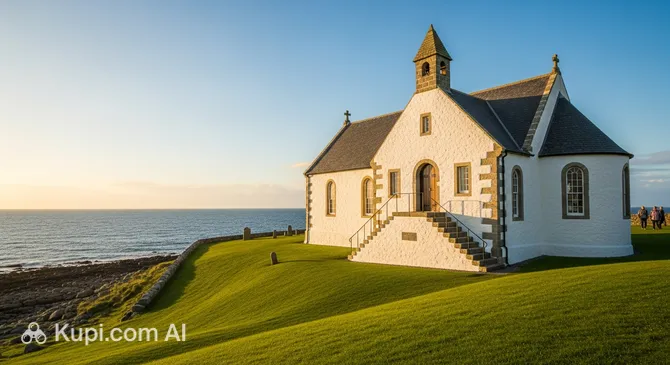
Papa Westray. Source: Kupi.Binoculars

For those fascinated by the past, the history of Papa Westray is truly captivating. The island is home to the Knap of Howar, a Neolithic farmstead that predates the Pyramids of Giza and stands as the oldest preserved stone house in northern Europe. Walking through these ancient structures offers a profound connection to the early inhabitants who made this remote island their home thousands of years ago.

Nature lovers will find paradise at the North Hill nature reserve, managed by the RSPB. During the summer months, the cliffs come alive with thousands of nesting seabirds, including puffins and Arctic terns, making it a spectacular spot for birdwatching. Additionally, the island is famous for hosting the world's shortest scheduled flight, a quick hop from neighboring Westray that can take as little as roughly one minute.

Whether you are seeking a peaceful retreat, a deep dive into ancient heritage, or a unique travel adventure, Papa Westray welcomes you with open arms. We invite you to explore its rugged coastlines, meet its friendly inhabitants, and experience the unforgettable charm of this remote island sanctuary.

Weather Overview

The climate in Papa Westray is typically maritime, characterized by cool temperatures and frequent breezes throughout the year. Due to its location in the Orkney Islands, the weather can be changeable, often shifting from sunshine to showers in a short period. For a more detailed forecast and monthly breakdown, you can visit our page dedicated to the weather in Papa Westray.

Winters are generally mild but damp, with average temperatures in January and February hovering around 6.0°C to 6.2°C. This is the wettest time of the year, with rain or drizzle occurring on approximately 20 to 24 days each month. The transition into spring sees a gradual warming, with May reaching average highs of roughly 9.6°C.

Summer brings the warmest weather, though it remains fresh compared to mainland destinations. August is typically the peak, with average temperatures around 13.1°C and highs reaching 13.9°C. While this season is relatively drier, particularly in June and July with about 12 to 13 wet days, visitors should always be prepared for occasional rainfall. Overall, expect cool, breezy summers with moderate showers and mild, wet winters.

Interesting Facts

Beyond its ancient stone houses and scenic cliffs, Papa Westray holds a collection of fascinating stories and local legends that add depth to its charm. Here are a few unique details about this remote island community:

  • Home of the Last Great Auk: The cliffs of Fowl Craig have a tragic claim to fame as the residence of one of the last Great Auks in the British Isles. In 1813, this flightless bird, now extinct globally, was killed by locals who feared it was a witch or a supernatural omen.

  • A Miracle-Working Loch: The ruins of St Tredwell’s Chapel overlook a small loch that was once a major medieval pilgrimage site. According to local legend, the water in the loch possessed medicinal properties and would turn red to herald momentous or disastrous events.

  • A Record-Breaking Commute: While the flight from Westray is famous for being short, the specific numbers are staggering. The official distance is only 1.7 miles, and with favorable winds, the journey has been completed in a record time of just 53 seconds. Passengers often receive a certificate signed by the pilot to commemorate the trip.

  • The Legend of the Gyro: The island is associated with the tale of the "Papay Gyro," a giantess from local folklore. This legend has inspired a unique contemporary arts festival, Papay Gyro Nights, which celebrates video art, sound, and performance in the depths of the Orcadian winter.

How to Get There

Reaching this remote island is a unique part of the travel experience, often involving a scenic journey through the Orkney archipelago. For a comprehensive guide on travel logistics and connections, you can read more about how to get to Papa Westray.

The island is served by its own airfield, Papa Westray Airport (PPW). It is located directly on Papa Westray and is famous for being one end of the world's shortest scheduled commercial flight. This small regional airport connects the island primarily to the neighboring islands and the main Orkney hub. Because it is situated locally, travel time to any accommodation on the island is minimal, often just a few minutes by local transport or even a walk.

Most visitors arrive via Kirkwall Airport (KOI), located in the city of Kirkwall, approximately 44 km south of Papa Westray. As the main transport hub for Orkney, it receives flights from the Scottish mainland. From Kirkwall, you can take a connecting inter-island flight to Papa Westray. Alternatively, ferry services operate from Kirkwall to the outer islands, though the journey takes significantly longer than the flight.

For those traveling from further afield, Inverness Airport (INV) serves as a key gateway on the Scottish mainland. Located in Inverness, about 212 km from Papa Westray, it offers connections to Kirkwall. If you were to travel by land and sea from Inverness (driving to a ferry port like Scrabster), the journey involves a mix of bus/taxi and ferry, taking roughly 5 to 6 hours depending on connections.

For clarity, here is a summary of the main airports:

Airport Name City Passenger Traffic Km from City
Inverness AirportInvernessMedium212.2
Sumburgh AirportShetlandMedium108.0
Kirkwall AirportKirkwallMedium43.8
Wick AirportWickSmall100.0
Papa Westray AirportPapa WestraySmall0.0

The city of Papa Westray does not have a railway station, and there are no trains on the island itself. The closest rail connections are located on the Scottish mainland. Travelers often take a train to a northern Scottish city and then transfer to a ferry or flight.

One of the nearest major rail hubs is ScotRailway Station (ZIV), located in the city of Inverness, approximately 213 km away. From Inverness, travelers can continue their journey north by bus or car to the ferry terminals at Scrabster or Gills Bay, or transfer to Inverness Airport for a flight to Orkney. The total travel time from the station to the island involves multiple stages and can take several hours.

For clarity, here is a summary of the available railway station data:

Station City Passenger Traffic Km to Center
ScotRailway StationInvernessLarge213.6

Main Attractions

Despite its small size, Papa Westray offers a remarkable density of archaeological sites, natural wonders, and historical treasures. The island is a living museum where visitors can walk through millennia of history, from the Neolithic era to the Vikings and beyond. Here are the main attractions that make a trip to "Papay" so rewarding.

Undoubtedly the most famous site on the island is the Knap of Howar. Dating back to around 3700 BC, this Neolithic farmstead is celebrated as the oldest standing stone house in northern Europe, pre-dating even the famous Skara Brae on Mainland Orkney. Unlike many other ancient monuments, the site is wonderfully accessible; visitors can crouch down to enter the two preserved stone buildings, which are connected by a low passage. Inside, you can still see the original stone partitions, hearths, and cupboards, offering an intimate and tangible connection to the domestic lives of the first farmers who settled here over 5,000 years ago.

Another architectural gem is the St Boniface Kirk, a beautifully restored 12th-century church located on the west coast. Standing on a significant religious site that dates back to the Iron Age, the kirk was expanded and altered over centuries before falling into ruin and being lovingly restored in the 1990s. The churchyard is equally fascinating, containing a rare Viking "hogback" gravestone carved from red sandstone. The kirk’s serene setting, overlooking the sea, makes it a peaceful spot for reflection and a testament to the island's deep ecclesiastical history.

Nature enthusiasts should head to the North Hill RSPB Reserve, which covers the northern tip of the island. This area of maritime heath is a haven for wildlife and is one of the few places where you can find the rare and delicate Scottish Primrose (Primula scotica), which blooms in May and July. The reserve is also a bustling seabird city during the summer, hosting colonies of Arctic terns and Great Skuas, known locally as "bonxies." A walk along the rugged cliffs here offers breathtaking views and the chance to observe puffins and guillemots in their natural habitat.

For a glimpse into the island's spiritual past, visit the ruins of St Tredwell’s Chapel. Situated on a conical mound on a peninsula in St Tredwell’s Loch, the thick walls of this medieval chapel sit atop even older Iron Age remains, possibly a broch. The site was once one of the most important pilgrimage destinations in the north of Scotland, famous for its miracle-working waters. Today, the evocative ruins and the surrounding loch provide a hauntingly beautiful atmosphere that captures the mystery of Orkney's folklore.

Local Cuisine

The culinary experience on Papa Westray is defined by the exceptional quality of its local produce rather than a wide array of restaurants. As part of the Orkney archipelago, the island benefits from a natural larder that combines the best of the fertile land and the surrounding seas. Visitors can expect hearty, honest food where the freshness of the ingredients takes center stage, offering a true taste of the northern isles.

Seafood is, unsurprisingly, a highlight of the local diet. The cold, clear waters around "Papay" yield some of the finest shellfish in the world. Hand-dived scallops, brown crab, and lobster are often available in season, renowned for their sweet and delicate flavor. On land, the farming heritage ensures that Orkney beef and lamb are staples. The livestock graze on lush, salt-sprayed pastures, which imparts a distinctive and highly prized texture and flavor to the meat.

No culinary journey here would be complete without trying bere bannocks. Made from bere, an ancient form of barley that has been grown in Orkney for thousands of years, these flat, scone-like breads have a unique nutty taste. They are traditionally served warm with a generous layer of butter and a slice of savory Orkney cheese, such as the crumbly Grimbister or a smoked farmhouse cheddar. For those with a sweet tooth, traditional oatcakes and rich fruit cakes are common comforts, often enjoyed during community coffee mornings.

When it comes to drinks, the region is famous for its spirits and ales. While Papa Westray itself is too small to host a large distillery, the local establishments proudly serve beverages from the main islands. You can sample world-class Single Malt Scotch Whiskies from renowned Orkney distilleries like Highland Park and Scapa. Additionally, the local craft beer scene is thriving, with ales from the Orkney Brewery and Swannay Brewery being popular choices to enjoy after a day of exploring the cliffs.

Given the island's small population of around 90 residents, the dining scene is intimate and community-focused rather than commercial. There are no bustling street food markets or chains. Instead, the social hub for food and drink is often Beltane House. This hostel and guest house typically offers evening meals and hosts a popular Saturday pub night, where locals and visitors mingle over food and drams. For those self-catering, the Papay Community Co-op shop is the essential stop for stocking up on groceries, fresh produce, and freshly baked goods, allowing you to cook your own feast using local ingredients.

Travel Tips

Visiting a remote island community like Papa Westray requires a bit more preparation than a standard city break, but the reward is an experience of unmatched tranquility. To help you make the most of your time on "Papay," here are some practical tips to ensure your journey is smooth and enjoyable.

  1. Clothing and Gear: The weather in Orkney is famously changeable, often experiencing "four seasons in one day." It is essential to bring waterproof outer layers (jacket and trousers) and wear warm clothing in layers that can be added or removed. Sturdy, waterproof walking boots are a must for exploring the coastal paths and the Knap of Howar. If you are visiting from outside the UK, bring a Type G power adapter for your electronics.

  2. Transportation: There is no public transport system like buses or trains in the traditional sense, and car rental is not available directly on the island. Most visitors get around by walking or cycling; bikes can often be hired from the local hostel. If you need to travel with a vehicle, you must book it onto the ferry from Kirkwall or Westray. There is also a community transport service, often referred to as the "Papay Bus," which can be arranged for pick-ups.

  3. Finances: The currency is the British Pound (GBP). While the community shop and the guest house generally accept cards, internet connections can sometimes be unreliable. Crucially, there are no ATMs on Papa Westray. You should withdraw sufficient cash in Kirkwall or Westray before you arrive to cover small purchases, donations at unmanned heritage sites, or tips.

  4. Health and Safety: There is a local doctor's surgery with a resident nurse and visiting GP, but there is no hospital or pharmacy on the island. Bring a sufficient supply of any prescription medications you need. When exploring, be extremely cautious near cliff edges, especially at North Hill during windy conditions, as the ground can be slippery and gusts are unpredictable.

  5. Communication: English is the spoken language, enriched with the beautiful Orcadian dialect. Mobile phone signal can be patchy depending on your network and location on the island. Wi-Fi is available at the main accommodation providers, but it is best to download offline maps and travel documents beforehand. Don't expect high-speed data roaming everywhere.

  6. Local Etiquette: The community is small and friendly, so it is customary to acknowledge people you pass on the road with a wave or a nod—this is known as the "Papay Wave." When walking through farmland to reach sites like St Boniface Kirk, always follow the Countryside Code: leave gates exactly as you found them (open or closed) to keep livestock safe, and keep dogs on a lead.

  7. What to Avoid: Do not assume that services operate 24/7. The island's only shop has specific opening hours and may close for lunch or be closed on Sundays. turning up late expecting to buy food might leave you hungry, so check opening times and plan your meals in advance.

  8. Additional Tip: If you are staying over the weekend, try to join the Saturday pub night at Beltane House. It is the social heart of the island where you can meet locals, hear stories, and sometimes enjoy live music. It’s a genuine slice of island life that you won't find in a guidebook.

By packing the right gear and embracing the slower, community-focused pace of life, you will fit right in on Papa Westray. We hope these tips help you relax and fully immerse yourself in the wild beauty and warm hospitality of this unique island.

Entertainment & Nightlife

If you are looking for neon-lit nightclubs, bustling bar strips, or 24-hour party zones, Papa Westray might surprise you with its complete absence of them. "Nightlife" here takes on a different, more authentic meaning. On this remote island, evenings are defined by community gatherings, the sharing of stories, and the spectacular displays of the natural world. The pace is slow, the atmosphere is incredibly welcoming, and the entertainment is often homemade and heartfelt.

The undisputed social hub of the island is Beltane House. While it serves as a hostel and guest house, it is also the closest thing the island has to a pub. On Saturday nights, the residents and visitors gather here for the weekly "pub night." This is where the community comes alive; the atmosphere is warm and informal, filled with laughter, local gossip, and often impromptu traditional music. There is no dress code—hiking boots and woolly jumpers are the standard attire—and the "crowd" is a friendly mix of farmers, artists, and travelers.

Beyond the pub night, cultural events provide evening entertainment throughout the year. The restored St Boniface Kirk often serves as an atmospheric venue for concerts, poetry readings, and lectures, taking advantage of its incredible acoustics and historical setting. In February, the island hosts the unique Papay Gyro Nights festival, an arts event celebrating the legend of the giantess Gyro with torchlit processions, film screenings, and experimental performances that run deep into the dark winter nights.

For many visitors, the real nightlife takes place outdoors. With minimal light pollution, Papa Westray is a world-class destination for stargazing. On clear winter nights, the sky is a canvas of stars, and lucky observers may witness the "Merry Dancers"—the local name for the Northern Lights (Aurora Borealis). In the summer, the "simmer dim" (twilight) lasts almost all night, allowing for late-night walks along the cliffs to listen to the distinctive rasping call of the Corncrake, a rare bird that is elusive by day but vocal after dusk.

Practical advice for a night out in Papay is simple: come prepared. There are no taxis or Ubers; getting around at night means walking, so a reliable torch (flashlight) is essential as there are no streetlights outside the main settlement. The island is incredibly safe from a crime perspective, but you should be cautious of uneven terrain and cliff edges in the dark. Prices at community events are very reasonable, but remember to bring cash, as electronic payments can be dependent on internet signal.

During the day, entertainment is rooted in exploration and history. A visit to the Knap of Howar offers a glimpse into Neolithic domestic life, while the Kelp Store Craft & Heritage Centre provides insight into the island's maritime past and showcases local crafts. Whether day or night, entertainment on Papa Westray is about connecting with the land and its people.

Parks & Museums

While Papa Westray may not possess the manicured city parks or sprawling national museums found in large capitals, the entire island functions as a living, breathing sanctuary of nature and history. Its "green spaces" are wild, wind-swept maritime heaths and pristine beaches, while its "museums" are often the ancient sites themselves, standing open to the sky just as they have for thousands of years.

The crown jewel of the island's natural areas is the North Hill RSPB Reserve. Covering the northern tip of the island, this expanse of maritime heath is a protected haven for wildlife and a paradise for walkers. The reserve is famous for its rugged cliffs, known as Fowl Craig, which teem with nesting seabirds like puffins, guillemots, and razorbills during the summer months. Botanists also flock here to spot the rare Scottish Primrose (Primula scotica), a tiny purple flower found only in Orkney and the north coast of Scotland.

For a more relaxing outdoor experience, Moclett Bay offers a beautiful stretch of white sand near the southern end of the island. It is a perfect spot for a peaceful coastal walk or a picnic on a calm day. The bay looks out towards the neighboring island of Westray, providing scenic views of the water traffic, including the small ferries and fishing boats that are vital to island life. The shoreline here is also an excellent place to look for seals basking on the rocks or swimming in the shallows.

In terms of cultural heritage, the Kelp Store Craft & Heritage Centre serves as the island's primary museum facility. Housed in a beautifully restored stone building at the Old Pier, it offers a fascinating insight into Papa Westray’s maritime and industrial past. The exhibits focus on the kelp burning industry, which was a major economic driver in the 18th and 19th centuries, as well as the island's fishing heritage. It also acts as a creative hub, displaying works by local artists and craftspeople, allowing visitors to connect with the island's contemporary culture.

Although not a museum in the traditional indoor sense, the Knap of Howar offers an unparalleled historical experience. As the oldest preserved stone house in northern Europe, it allows visitors to step directly into the domestic life of Neolithic farmers. Unlike many ancient sites that are fenced off, here you can walk through the low doorways and stand in the living spaces where people cooked and slept over 5,000 years ago. It is an immersive "open-air museum" that requires no ticket and offers a tangible connection to the distant past.

For a truly authentic experience, take a boat trip to the uninhabited Holm of Papay if the weather permits. This small islet, located just off the east coast, is home to a massive Neolithic chambered cairn. Entering the cairn through its roof hatch is a memorable adventure, revealing a complex interior with ancient carvings that remain one of Orkney's hidden archaeological secrets.

Getting Around

Given the intimate size and remote nature of Papa Westray, the public transport system is vastly different from what you would find in a typical city. There are no subways, trams, large municipal buses, or complex zoning systems here. Instead, the island operates on a much more personal and informal scale, where transport is often community-led and tailored to the arrival of flights and ferries.

The primary form of motorized public transport is the community bus service, often affectionately referred to by locals as the "Papay Bus." This is typically a minibus that operates specifically to meet scheduled arrivals at the airfield and the ferry terminal. It transports passengers to their accommodation or to the main settlement. Unlike a standard bus route with fixed stops and times throughout the day, this service functions more like a shared shuttle that connects the island's entry points with the rest of the community.

Regarding payment, simplicity is key. You will not find smart cards, mobile apps, or ticket machines. Fares for the community bus are generally low and are usually paid in cash directly to the driver. It is highly advisable to carry small denominations of the local currency, as drivers may not always have change for large notes. There are no travel passes or weekly subscriptions; you simply pay for the ride you take.

For tourists, the most practical advice is to communicate your travel plans in advance. Since the transport service is geared towards scheduled connections, letting your accommodation provider or the transport operator know your arrival time ensures you will be met. If you arrive without a booking and the bus is not there, you may find yourself walking, although distances are short. Operating hours are strictly tied to the flight and ferry schedules, so do not expect late-night services.

Alternatives to motorized transport are the most popular way to explore the island. Walking is the primary mode of getting around; the roads are quiet, safe, and scenic, making it easy to traverse the entire island on foot. For those who want to cover more ground, bicycle rental is available, typically from the main hostel or community center. Cycling is an excellent way to see the sights at your own pace, with flat terrain making it accessible for most fitness levels.

It is important to note that there are no commercial taxi companies, ride-sharing apps like Uber, or car rental agencies stationed on the island itself. If you require a vehicle, you must bring one over on the ferry from the neighboring islands. However, for the vast majority of visitors, the combination of the community minibus for luggage and transfers, followed by walking or cycling, provides a perfectly adequate and charming way to navigate the area.

Accommodation

Accommodation in Papa Westray is intimate and limited, reflecting the island's small population and remote nature. You will not find sprawling luxury resorts, international hotel chains, or high-rise apartment complexes here. Instead, the island offers a small selection of cozy, community-focused establishments that provide a warm welcome and an authentic taste of island life. The options primarily consist of a main guest house/hostel, a few bed-and-breakfasts, and self-catering cottages.

Given the island's compact size—roughly four miles long and one mile wide—location is rarely an issue. Most accommodation is situated centrally or towards the southern end of the island, keeping you within easy walking or cycling distance of the airfield, the ferry pier, and the community shop. Staying here means you are never far from the sea, and many rooms offer uninterrupted views of the surrounding landscape and coastline.

The primary hub for visitors is the island's community-run guest house and hostel. This facility is unique in that it serves as a social center for both locals and tourists. It typically offers a range of options, from budget-friendly dormitory beds to comfortable private en-suite rooms. For those seeking more privacy, there are renovated croft houses available for rent as self-catering units. These are perfect for families or groups who want the freedom to cook their own meals using local produce and enjoy a "home away from home" atmosphere.

Booking Tip: Due to the very limited number of beds available on the island, it is absolutely essential to book your accommodation well in advance, especially if you plan to visit during the summer months (May to August) or during local festivals. Turning up without a reservation is risky, as there may be no vacancies left.

In terms of pricing, accommodation in Papa Westray generally falls into the budget to mid-range categories. The hostel options are very affordable, while private rooms and cottages offer great value compared to mainland prices. Booking methods are often traditional; while some options may appear on major online platforms, it is often best to contact the providers directly via phone or email to secure your stay and arrange any specific needs, such as dietary requirements for meals.

Nearby Cities

For those looking to explore beyond the shores of Papa Westray, the island serves as a starting point for visiting several interesting locations in the wider region. Whether you are heading to the Orkney mainland or venturing further to the Scottish coast, here are the nearby destinations worth considering:

City Population Distance (km)
Kirkwall742041
Wick7030102
Shetland22900143
Lossiemouth8000183
Buckie8640186

The most practical and popular destination for a day trip is Kirkwall, the vibrant capital of the Orkney Islands. Located approximately 41 km south, it is the hub for all inter-island transport. Visitors here can marvel at the magnificent red sandstone St Magnus Cathedral, often called the "Light in the North," or explore the historic winding streets lined with local shops. The town also offers rich cultural experiences at the Orkney Museum and the Earl's and Bishop's Palaces, providing a comprehensive look at the archipelago's Viking and Scottish heritage.

For those continuing their journey to the Scottish mainland, the town of Wick acts as a historic gateway. Situated about 102 km away, this former herring port retains a strong maritime character, best experienced through its large harbor and the Wick Heritage Museum. It is also home to the Old Pulteney Distillery, known for its "Maritime Malt." A visit here offers a glimpse into the rugged coastal lifestyle of the northern Highlands, contrasting with the island life of Papa Westray.

Travelers seeking a more extended adventure might look north towards Shetland. Although the distance of 143 km makes it more of a separate leg of a journey than a day trip, this neighboring archipelago shares a deep Norse history with Orkney while offering a distinct cultural flavor. Known for its dramatic geoparks, Up Helly Aa fire festivals, and iconic ponies, it represents the next step for those wishing to fully explore the Northern Isles.

These nearby locations provide diverse opportunities to understand the broader context of this unique region, from bustling island capitals to historic mainland ports.

Shopping & Souvenirs

Shopping in Papa Westray is an experience defined by simplicity and community spirit rather than commercial variety. As a remote island with a population of around 90 people, there are no high streets, fashion boutiques, or department stores. Instead, the retail landscape is purely functional, designed to sustain the local residents and provide visitors with essential supplies. For tourists, "shopping" here is less about retail therapy and more about engaging with the local way of life and discovering unique, handmade treasures that reflect the island's creative soul.

The primary and essentially sole "shopping district" is the Papay Community Co-op. Located centrally on the island, this community-run shop is the lifeline of Papa Westray. It functions as a general store, grocery, post office, and hardware supplier all rolled into one. Here, you can buy everything from fresh bread and vegetables to fuel and toiletries. It is also a social hub where you are likely to meet locals catching up on daily news while picking up their groceries. The shop is well-stocked for its size, but the selection is naturally limited compared to mainland supermarkets.

Given the island's small size and rural character, there are absolutely no shopping malls or large commercial centers in Papa Westray. Visitors looking for branded clothing, electronics, or extensive luxury goods will need to do their shopping in Kirkwall on the Orkney mainland or in larger Scottish cities before traveling to the island.

Similarly, there are no permanent markets, such as flea markets or food halls, on the island. However, the community spirit often shines through in informal ways. You may occasionally find "honesty boxes" at farm gates selling fresh eggs or seasonal garden produce. During special events or festivals, pop-up stalls featuring home baking or local crafts might appear at the community center, but these are not daily occurrences.

When it comes to souvenirs, the best items to bring back are those that are handcrafted on the island. The Kelp Store Craft & Heritage Centre is a wonderful place to look for authentic gifts. It often showcases work by local artists, including paintings inspired by the dramatic seascapes, hand-knitted woolens, and jewelry. Keep an eye out for items made with "Groatie Buckies" (cowrie shells), which are considered lucky in Orkney. You might also find locally produced music CDs or books about the island's history and folklore at the community shop.

Opening hours on Papa Westray are much more restricted than in urban areas. The Community Co-op typically opens for a few hours in the morning and a few hours in the afternoon, often closing for a long lunch break. It is usually closed on Sundays and may have reduced hours on other days, so it is vital to check the current schedule posted on the door or online upon arrival. Regarding payment, the shop generally accepts major credit and debit cards, but the connection can sometimes be slow. It is highly recommended to carry some cash (British Pounds) for small purchases or in case of technical issues, especially since there are no ATMs on the island.

Tax-free shopping (VAT refunds) is technically a scheme available to eligible international visitors in the United Kingdom, but it is not practically applicable on Papa Westray. The local community shop and small craft sellers do not have the facilities to process tax-free forms. If you plan to claim VAT refunds on major purchases, this should be done at larger retailers on the mainland or at the airport before you leave the country.

Reached the end of the page?

That means the route is fully explored