Support

Aberdeen

About

Aberdeen, widely known as the Granite City or the Silver City with the Golden Sands, is a vibrant port city located in the North East of Scotland. Distinguished by its sparkling grey stone architecture which glitters in the sunlight, it offers a unique atmosphere that blends a rich maritime heritage with the energy of a modern industrial hub. As you explore this fascinating corner of the United Kingdom, you will find a destination that prides itself on its distinctive character, welcoming locals, and dynamic cultural scene.
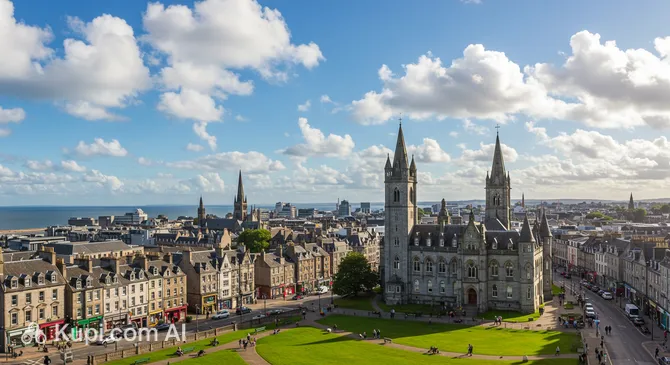
Aberdeen. Source: Kupi.Binoculars

Geographically, the city sits between the mouths of the rivers Dee and Don, facing the North Sea. With a population of approximately 200,680 residents, it serves as a major commercial center while maintaining easy access to stunning natural landscapes. The climate is oceanic, and while it can be breezy, the city often enjoys clear, crisp days that are perfect for strolling along its famous sandy coastline or exploring the nearby rugged countryside.

The history of Aberdeen is deeply rooted in trade, fishing, and education, dating back thousands of years. Visitors are often captivated by the charm of Old Aberdeen, a historic district featuring cobblestone streets and the ancient King's College. Another unmissable sight is the magnificent Marischal College, the second-largest granite building in the world, which stands as a testament to the city's architectural grandeur.

Whether you are admiring the winter gardens at Duthie Park, watching dolphins leap at the harbor mouth, or enjoying the city's renowned vibrant flower displays, Aberdeen has something for every traveler. It is a city that invites you to look beyond its stony exterior to discover a warm, lively heart and an unforgettable Scottish experience.
Weather Overview

The climate in Aberdeen is distinctly maritime, shaped by its position on the coast of the North Sea. This ensures that the city avoids extreme temperature fluctuations, resulting in generally moderate weather year-round. To help plan your packing list and daily activities, it is useful to consult the detailed guide to the weather in Aberdeen before your trip.

During the summer months, particularly July and August, the city experiences its warmest weather. You can look forward to average temperatures around 14°C, with maximum highs occasionally reaching a comfortable 16.7°C. Winters are chilly but not usually severe, with average temperatures in January and February hovering between 4°C and 5°C.

Rainfall is a consistent feature of the local climate, although it often falls as light showers or drizzle rather than heavy storms. While the total precipitation volume is relatively low, typically staying around 2mm to 4mm per month, the frequency of precipitation is high. Visitors should be prepared for anywhere between 12 and 18 wet days per month regardless of the season. Expect cool, mild summers and damp, chilly winters with frequent light showers throughout the year.

Interesting Facts

Beyond the main attractions and the sparkling granite architecture, Aberdeen holds many fascinating secrets and unique characteristics that often surprise visitors. From geological quirks to historical anomalies, here are some intriguing details about the Granite City.

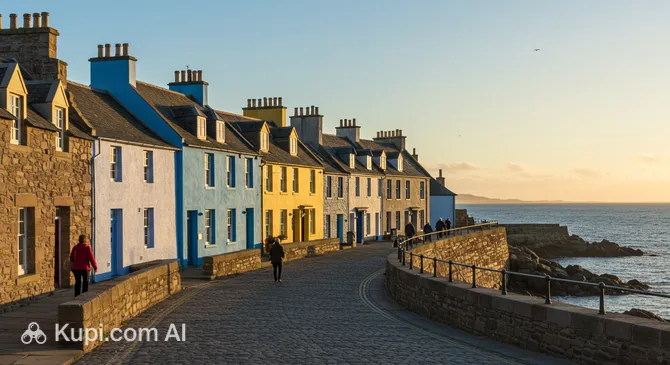
Footdee. Source: Kupi.Binoculars
  • While the city is famous for its silver-grey stone, few realize that the local granite naturally contains radioactive elements like uranium and thorium. This geological feature makes Aberdeen one of the most radioactive cities in the British Isles, although the levels are low and completely harmless to humans.

  • Tucked away at the eastern end of the harbor is Footdee, known locally as "Fittie," a planned fishing village that feels like a time capsule. Uniquely, the quaint cottages were built with their backs to the sea and face inwards toward communal squares, a deliberate design to protect residents from the fierce North Sea storms.

  • Aberdeen offers one of the best land-based vantage points for marine wildlife in Europe. From the historic Torry Battery, visitors can frequently spot bottlenose dolphins playing and hunting right at the harbor mouth without ever needing to board a boat.

  • For over 250 years, Aberdeen boasted two separate universities—King's College and Marischal College—at a time when the whole of England had only two (Oxford and Cambridge). This unusual abundance of higher learning institutions earned it the nickname "the city of two universities" long before they eventually merged.

How to Get There

Reaching the Granite City is relatively straightforward, with excellent transport links connecting it to the rest of the UK and Europe. Whether you prefer to fly directly into the region or enjoy a scenic train journey along the coast, there are several convenient options. For a comprehensive overview of all routes and travel tips, you can read more about how to get to Aberdeen.

The most convenient entry point is Aberdeen International Airport (ABZ), located just 8.6 km from the city center. As the main hub for the region, it handles a significant volume of passengers and offers excellent connections. A taxi or bus ride from the terminal to the heart of the city typically takes around 33 minutes. For those traveling from further afield or seeking more flight options, Edinburgh Airport (EDI) in Edinburgh is a major alternative. Although it is situated approximately 155 km away, it serves as a large international gateway. Travelers arriving here can expect a transfer time of roughly 4 hours and 15 minutes by road to reach Aberdeen.

For clarity, here is a summary of the main airports:

Airport Name City Passenger Traffic Km from City
Edinburgh Airport Edinburgh Large 155.0
Aberdeen International Airport Aberdeen Medium 8.6
Inverness Airport Inverness Medium 125.5
Dundee Airport Dundee Small 96.3
Wick Airport Wick Small 157.4

If you prefer traveling by rail, the city is well-served by Aberdeen Railway Station, which is located directly in the city center within the main shopping district. It offers regular services connecting the North East to major hubs across Scotland and England. For those starting their journey elsewhere in Scotland, you might depart from Glasgow Central Station in Glasgow or Waverley Railway Station in Edinburgh. Both are major railway hubs with frequent connections northwards, allowing you to enjoy the picturesque landscapes of Scotland before arriving in Aberdeen.

Below is a list of the nearest and most significant railway stations:

Station City Passenger Traffic Km to Center
Glasgow Central Station Glasgow High 196.0
Waverley Railway Station Edinburgh High 149.4
Aberdeen Railway Station Aberdeen High 193.9
Dundee Railway Station Dundee Medium 96.2
ScotRailway Station Inverness Medium 125.2

Main Attractions

Aberdeen offers a diverse array of sights that reflect its rich history, maritime connection, and cultural depth. From sandy coastlines to world-class museums, the city provides engaging experiences for visitors of all ages.

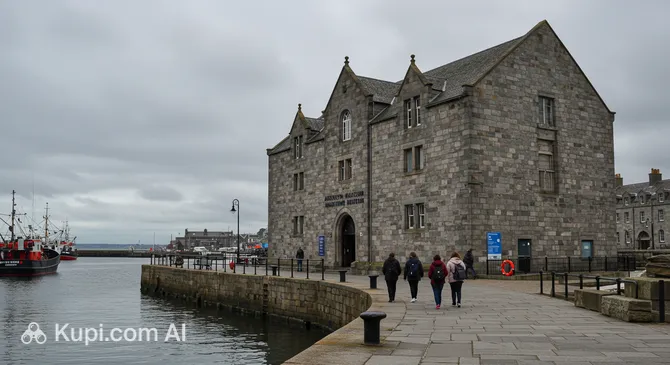
One of the most significant landmarks is the Aberdeen Maritime Museum, situated on the historic Shiprow. This award-winning attraction tells the captivating story of the city's long relationship with the sea, from early fishing and shipbuilding to the modern offshore oil and gas industry. Housed partly in a 16th-century building, it offers a unique vantage point with panoramic views over the busy harbor, allowing guests to see the very industry described inside the exhibits.

Aberdeen Maritime Museum. Source: Kupi.Binoculars

For art enthusiasts, the Aberdeen Art Gallery is an essential stop. Following a major redevelopment, this stunning venue showcases one of the finest art collections in the country, featuring works by French Impressionists, Scottish Colourists, and contemporary artists. The architecture itself is a highlight, blending the original Victorian grandeur with a modern copper-clad extension that offers sweeping views from its outdoor terrace.

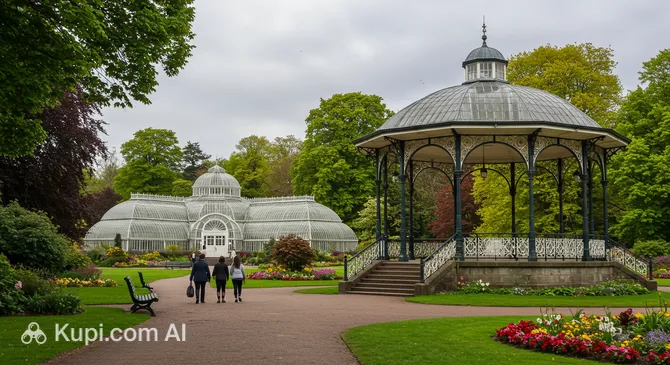
Nature lovers should not miss Duthie Park, a beloved green space that dates back to the Victorian era. It is famous for its open lawns, boating ponds, and the David Welch Winter Gardens, which is one of the largest indoor gardens in Europe. Inside the glasshouses, you can explore an exotic world of rare plants, cacti, and tropical blooms, making it a perfect escape regardless of the weather outside.

Duthie Park. Source: Kupi.Binoculars

A trip to the city would be incomplete without a stroll along Aberdeen Beach. Famous for its golden sands that stretch for miles, the beach is a popular spot for walkers, surfers, and families. The esplanade is lined with cafes and entertainment options, including the classic Codona's amusement park, offering a nostalgic seaside experience just a short distance from the city center.

Finally, history buffs will appreciate The Gordon Highlanders Museum. Located in the former home of a leading Scottish artist, this highly-rated attraction is dedicated to one of the British Army's most famous regiments. Through interactive displays, film, and an impressive collection of artifacts, it brings to life the compelling personal stories of the soldiers who served over the course of 200 years.

Local Cuisine

Aberdeen's culinary scene is a reflection of its fortunate geography, nestled between the rich pastures of Aberdeenshire and the cold, bountiful waters of the North Sea. Known as the "Larder of Scotland," the region provides some of the finest natural ingredients in the world. For food lovers, a visit to the Granite City is an opportunity to taste exceptional produce, ranging from world-class beef to fresh seafood landed daily at the local harbor.

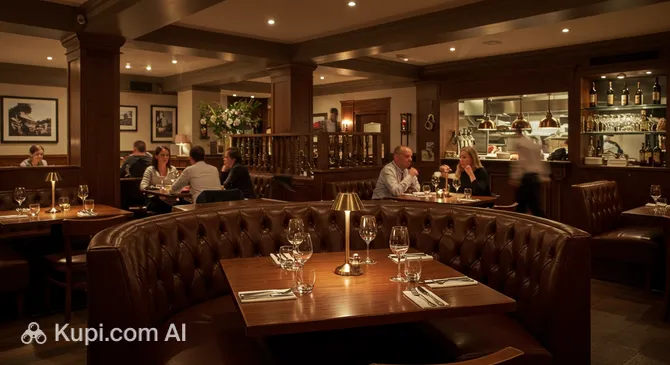
One of the city's most famous exports is Aberdeen Angus beef, renowned globally for its marbling and tenderness. You will find this premium meat featured on menus throughout the city, from high-end dining establishments to cozy gastropubs. For those seeking a dedicated steakhouse experience, Miller & Carter Aberdeen is a popular destination where the beef is treated with the reverence it deserves.

Miller & Carter Aberdeen. Source: Kupi.Binoculars

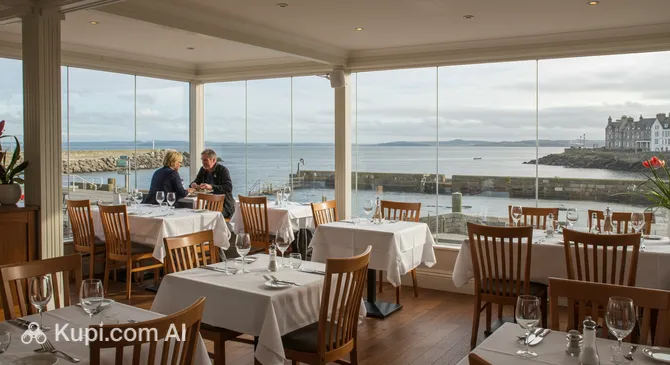
Given its maritime heritage, it is no surprise that seafood plays a central role in the local diet. The North Sea provides an abundance of haddock, herring, and salmon. Freshly caught fish is a staple, whether enjoyed as a traditional battered supper or as a refined dish in a harbor-side restaurant. A standout location for seafood enthusiasts is The Silver Darling, located in the historic village of Footdee. Here, diners can enjoy locally sourced dishes while watching ships navigate the harbor entrance.

The Silver Darling. Source: Kupi.Binoculars

For a truly authentic local snack, you must try an Aberdeen Buttery, also known as a "Rowie." This savory, flaky pastry was originally created for fishermen because its high fat and salt content prevented it from going stale during long voyages. While it may not be the healthiest option, its unique texture and salty taste make it a beloved comfort food, best enjoyed warm from a bakery, perhaps spread with jam or just plain.

Another regional classic to look out for is Cullen Skink. Although it originates from the nearby town of Cullen, this thick, creamy soup made from smoked haddock, potatoes, and onions is a staple in Aberdeen. It is hearty and warming, making it the perfect meal to counter the brisk North Sea breeze.

When it comes to drinks, the region is heavily influenced by Scotland's whisky heritage. Aberdeen sits on the doorstep of Speyside, home to over half of Scotland's malt whisky distilleries. Many local bars offer extensive dram selections. Additionally, the city has a thriving craft beer scene, with several independent breweries and taprooms offering locally brewed ales and lagers that have gained international acclaim.

The dining atmosphere in Aberdeen is diverse, blending traditional Scottish hospitality with modern trends. You can find everything from bustling street food markets to elegant restaurants housed in centuries-old granite buildings. For a casual drink in a historic setting, places like Aberdeen Castlegate offer a relaxed environment to unwind after a day of sightseeing. Whether you are looking for a quick bite or a multi-course tasting menu, the city's food culture is sure to leave a lasting impression.

Travel Tips

Welcome to Aberdeen, where the sparkling granite architecture meets the roaring North Sea! To help you navigate this unique Scottish city with ease and confidence, here are some essential practical tips designed to make your visit as smooth and enjoyable as possible.

  1. Clothing and Gear: The weather in Aberdeen can be notoriously changeable, often experiencing "four seasons in one day." The key is layering. Bring a waterproof and windproof jacket, even in summer, as the coastal breeze can be brisk. Since you will likely be walking on historic cobblestones, particularly in Old Aberdeen, pack comfortable, sturdy walking shoes. There are no strict dress codes for general sightseeing, but smart-casual is recommended for evening dining.
  2. Transportation: The city center is compact and very walkable, allowing you to easily explore major sights on foot. For longer distances, the local bus network, operated mainly by First Bus and Stagecoach, is reliable and extensive; you can pay with contactless cards or use their mobile apps. Taxis and ride-hailing apps like Uber are readily available. You typically do not need to rent a car unless you plan to venture out into the Aberdeenshire countryside or visit the whisky distilleries.
  3. Finances: The currency is the British Pound Sterling (£). Contactless card payments and mobile wallets (Apple Pay, Google Pay) are widely accepted almost everywhere, from museums to small cafes. However, carrying a small amount of cash is useful for smaller purchases. Tipping is appreciated but not mandatory; leaving 10-15% in restaurants for good service is standard practice.
  4. Health and Safety: Aberdeen is generally a very safe city for tourists. Pharmacies (such as Boots) are common in the city center for minor ailments. In a medical emergency, dial 999; for non-urgent medical advice, you can call 111. As with any city, exercise common sense at night, particularly around the harbor area, but the city center is well-lit and monitored.
  5. Communication: English is the main language, but you may encounter the local dialect known as Doric. It features unique words and a distinctive accent that can be fast and rhythmic. If you don't understand, locals are friendly and will happily repeat themselves in standard English. Free Wi-Fi is available in most public buildings, cafes, and on buses. Pre-paid SIM cards are easy to buy at supermarkets or phone shops in the Union Street area.
  6. Local Etiquette: Scots value politeness and order. Queueing is a social norm; always wait your turn at bus stops or counters. A simple "cheers" is often used instead of "thank you" or "goodbye." When visiting pubs, it is common to buy "rounds" if you are in a group, rather than paying for drinks individually each time.
  7. What to Avoid: Never refer to Scottish people as "English"—this is a major faux pas and can be offensive. Also, avoid feeding the seagulls. Aberdeen's urban gulls are large and can be aggressive; they have been known to swoop down and snatch food right out of people's hands, so be vigilant when eating outdoors.
  8. Additional Tip: If you visit during the summer, take advantage of the incredibly long daylight hours; in June, it stays light until nearly 11:00 PM, giving you extra time for sightseeing. Conversely, if you visit in winter, plan your outdoor activities for the morning and early afternoon, as it gets dark quite early (around 3:30 PM).

By keeping these practical pointers in mind, you will be well-prepared to embrace the local culture and enjoy everything the Granite City has to offer. Have a wonderful trip and enjoy the warm hospitality of the North East!

Entertainment & Nightlife

Entertainment and Nightlife:

When the sun sets over the Granite City, Aberdeen transforms into a lively hub of entertainment, fueled by a large student population and a cosmopolitan workforce. The nightlife scene here is surprisingly diverse, ranging from cozy traditional pubs and craft beer bars to high-energy nightclubs and sophisticated cocktail lounges. Whether you are looking for a quiet dram of whisky or a night of dancing until the early hours, the city offers plenty of options to suit every mood.

The epicenter of Aberdeen's nightlife is undoubtedly the area around Belmont Street. This cobbled street, along with the connecting Back Wynd and Little Belmont Street, is packed with bars and venues located in converted churches and historic buildings. The atmosphere here is eclectic and buzzing, especially on weekends. Just a short walk away, Union Street and Justice Mill Lane host larger nightclubs and stylish bars where the dress code tends to be smarter, and the party continues well into the night.

For those seeking something unique with a vibrant atmosphere, Krakatoa is a standout venue near the harbor. Known as a tiki dive bar, it is famous for its potent tropical cocktails, eclectic decor, and a strong commitment to the local grassroots music scene. It is the perfect spot to catch live bands or enjoy a more alternative night out away from the mainstream commercial clubs.

Krakatoa. Source: Kupi.Binoculars

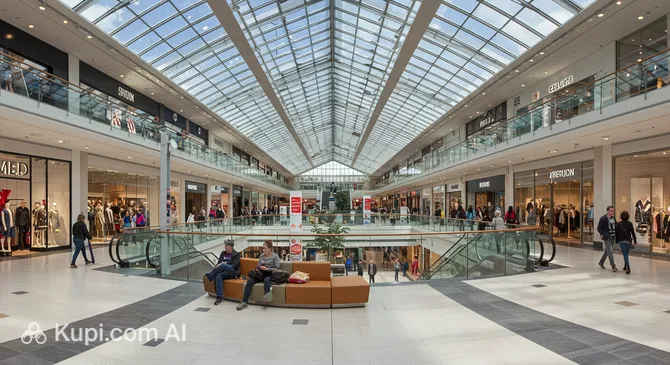
If you prefer a more relaxed evening involving entertainment and dining under one roof, Union Square offers a comprehensive leisure experience. Located right next to the train station, this modern complex houses a large cinema, numerous restaurants, and bars. It is an ideal destination for families or groups who want to combine a shopping trip with an evening movie and a meal in a safe, bustling environment.

Union Square. Source: Kupi.Binoculars

For travelers looking for an engaging group activity before hitting the town, The Locked Door Escape Games provides a thrilling challenge. It is a great way to start your evening with some mental stimulation and teamwork before heading out for dinner or drinks.

The Locked Door Escape Games. Source: Kupi.Binoculars

Beyond the bars and clubs, Aberdeen boasts a rich cultural scene. The city is home to His Majesty's Theatre, a stunning Edwardian venue that hosts West End musicals, opera, and ballet. For classical music and comedy, the Music Hall on Union Street is a premier destination. During the day, visitors can also explore the city's cinemas and smaller arts venues which frequently host festivals and pop-up events.

Practical Tips for Nightlife:
Most bars open around midday and stay open until midnight or 1:00 AM, while nightclubs typically operate from 10:00 PM to 3:00 AM. Prices in Aberdeen are generally reasonable compared to larger UK cities; expect to pay around £4.50 to £6.00 for a pint of beer. The city is safe for night walks, particularly in the well-lit city center, but it is always wise to stick to main roads. Taxis are plentiful, with major ranks located along Union Street and at the railway station, or you can easily book one via local apps.

Parks & Museums

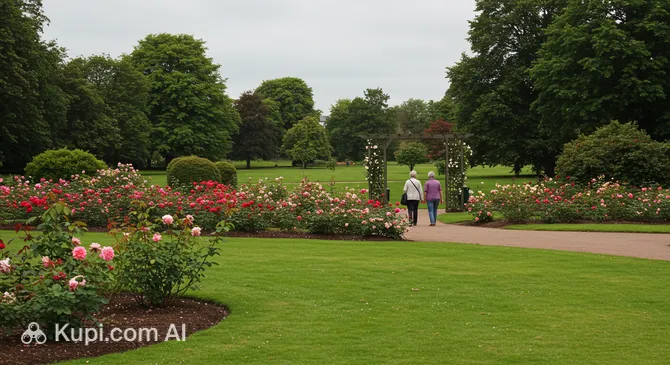
Aberdeen is not only defined by its shimmering granite architecture but also by its impressive commitment to green spaces and cultural heritage. Frequently recognized in "Britain in Bloom" competitions, the city offers a refreshing array of manicured gardens, expansive woodlands, and interactive museums that complement its maritime history.

One of the city's largest and most popular green spaces is Hazlehead Park, located on the outskirts of the city. Spanning over 180 hectares, this vast area was originally part of the great hunting forests of Stocket. Today, it is a family favorite, featuring ancient woodlands, nature trails, and a delightful heather garden. Within the grounds, you can also visit Hazlehead Park Pets Corner, a small zoo that allows children to get close to farm animals and exotic species, making it a perfect day out for visitors of all ages.

Hazlehead Park. Source: Kupi.Binoculars

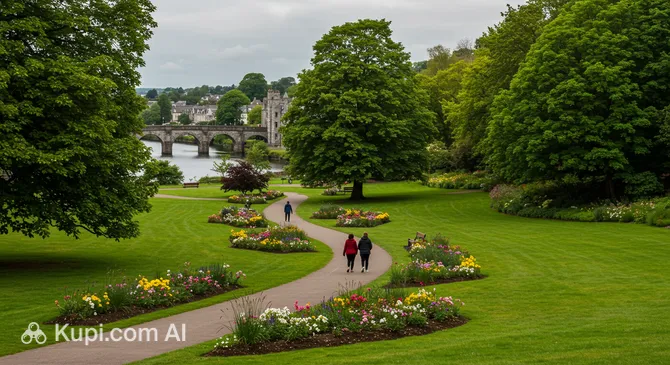
For a mix of floral beauty and history, Seaton Park offers a tranquil escape to the north of the city center. Nestled on the banks of the River Don, its famous Cathedral Walk is lined with vibrant flower beds that lead towards the historic St Machar's Cathedral. The park's riverside path is ideal for a peaceful stroll, offering views of the fortified Brig o' Balgownie, one of the oldest bridges in Scotland.

Seaton Park. Source: Kupi.Binoculars

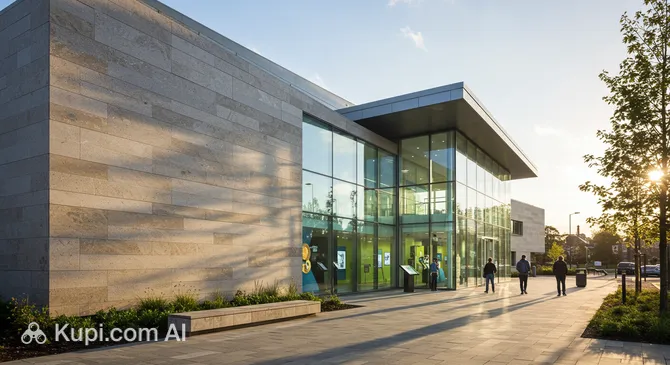
In terms of cultural venues, the Aberdeen Science Centre is a standout attraction, especially for those with curious minds. Recently revitalized, this modern facility focuses on bringing science to life through hands-on exhibits and interactive workshops. It covers topics ranging from energy and space to life sciences, providing an engaging educational experience that contrasts with the city's more traditional historical museums.

Aberdeen Science Centre. Source: Kupi.Binoculars

While the Maritime Museum and Art Gallery are central to the city's identity, history enthusiasts should also explore the smaller, specialized sites. The Mercat Cross in the Castlegate area is arguably the finest example of its kind in Scotland. Dating back to the 17th century, this intricate sandstone structure was the traditional heart of the medieval burgh, where proclamations were read and merchants gathered.

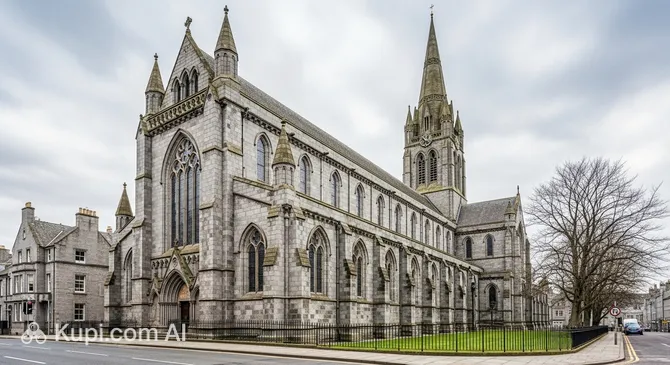
Architecture lovers will appreciate St Mary's Cathedral, Aberdeen. This stunning Gothic Revival church, with its soaring spire and beautiful stained glass, offers a quiet space for reflection and a glimpse into the city's ecclesiastical heritage.

St Mary's Cathedral, Aberdeen. Source: Kupi.Binoculars

Insider Tip: If you are looking for a hidden gem away from the crowds, seek out Johnston Gardens. This small, intimate park is often described as the most photogenic in Aberdeen. With its rustic bridges, cascading streams, and vibrant rhododendrons, it feels like a secret garden and is a favorite spot for wedding photography and quiet contemplation.

Johnston Gardens. Source: Kupi.Binoculars

Getting Around

Public transport in Aberdeen is reliable, efficient, and primarily based on an extensive bus network. Unlike larger capital cities, there is no underground metro, tram, or trolleybus system here. Instead, the city relies on a modern fleet of buses to connect the city center with suburbs, the beach, and major attractions. The network is straightforward to navigate, making it easy for visitors to explore the Granite City without needing a car.

The two main bus operators are First Aberdeen and Stagecoach Bluebird. First Aberdeen generally covers routes within the city boundaries, while Stagecoach connects the city to the wider Aberdeenshire region. A notable feature of the local transport system is its commitment to sustainability; Aberdeen boasts one of the world's first fleets of hydrogen-powered double-decker buses. These quiet, zero-emission vehicles are a common sight on the streets and offer a comfortable ride.

Paying for your journey is incredibly simple for tourists. Both major operators accept contactless payments, so you can simply tap your debit card, credit card, or smartphone (Apple Pay and Google Pay) on the ticket machine when you board. There is no need to carry exact change. For those planning to travel frequently or use buses from different companies, the GrassHOPPER pass is a fantastic option. This multi-operator smartcard allows unlimited travel across Aberdeen and the surrounding area within specific zones, offering significant savings compared to buying single tickets.

Bus tickets can be purchased directly from the driver or via the mobile apps of the respective operators, which also provide real-time journey planning and bus tracking. If you are buying a ticket from the driver using cash, try to have small notes or coins, although contactless is the preferred method. Remember that many bus stops are "request stops," so you should signal clearly to the driver if you want the bus to pull over, and press the bell in good time before your destination.

Transport services typically run from early morning, around 5:00 AM or 6:00 AM, until midnight. On weekends (Friday and Saturday nights), special night bus services operate on popular routes to help revelers get home safely after enjoying the city's nightlife. However, schedules can vary, so it is always wise to check the latest timetables on the operator apps or at bus stops.

For alternatives to the bus, taxis are plentiful and can be hailed on the street, found at designated ranks (especially near the railway station and Union Street), or booked via telephone. Ride-hailing apps like Uber are also active in the city, providing a convenient option if you prefer to book and pay through your phone. While there is no public bike-share scheme currently in operation, the city is fairly compact, and the flat terrain of the city center makes walking a pleasant and viable option for getting between most main attractions.

Finally, for those arriving by air, the Jet Service 727 is a dedicated bus link running frequently between the city center (Union Square) and the airport. It operates 24/7, ensuring that even travelers with late-night or early-morning flights have a dependable connection to the heart of the city.

Accommodation

Finding the perfect place to stay in Aberdeen is relatively easy, as the city offers a wide range of accommodation options designed to suit every budget and travel style. Whether you are looking for a luxurious stay in a historic granite building, a reliable modern chain hotel, or a cozy family-run guest house, the Granite City has plenty to offer. The accommodation sector here is well-developed, catering equally to the steady stream of business travelers from the energy sector and the growing number of tourists exploring the North East of Scotland.

For most visitors, the City Centre is the most convenient area to base yourself. Staying near Union Street places you within walking distance of the main transport hubs, shopping centers, and nightlife. If you prefer a quieter, more upscale atmosphere, the West End is an excellent choice. This leafy district is renowned for its beautiful Victorian architecture and is home to many boutique hotels and high-end bed and breakfasts housed in converted granite townhouses. Alternatively, staying near Old Aberdeen offers a charming, historic setting close to the university and ancient cobblestone streets, though options here can be more limited.

The types of accommodation available vary significantly. You can find grand, traditional hotels that reflect the city's rich heritage, often featuring classic decor and locally sourced dining. For those on a tighter budget, there are several modern budget hotel chains located centrally, as well as hostels and university accommodation available during the summer months. Serviced apartments are also becoming increasingly popular, providing a "home away from home" experience with kitchen facilities, which is ideal for longer stays or families.

Booking Tips and Prices:
Prices in Aberdeen are generally reasonable compared to Edinburgh or London. A stay in a mid-range hotel typically costs between £60 and £100 per night, while luxury options can go higher. It is highly recommended to book your accommodation in advance. While the city has ample capacity, hotels can fill up quickly during major offshore energy conferences or university graduation weeks. Booking online through major travel platforms or directly with the property is the best way to secure competitive rates.

Nearby Cities

For those looking to explore the surroundings, Aberdeen serves as an excellent base for day trips to several interesting nearby locations:

One of the most culturally vibrant destinations is Dundee, located to the south. As the UK's first UNESCO City of Design, it is home to the stunning V&A Dundee museum and the historic RRS Discovery, making it a hub for art and maritime history. For a taste of traditional Scottish flavor, Arbroath offers a charming coastal atmosphere. It is famous for the "Arbroath Smokie," a delicious smoked haddock delicacy, and the impressive ruins of its medieval abbey. To the northwest, Elgin beckons with its majestic cathedral ruins, known as the "Lantern of the North," and its proximity to the renowned Speyside whisky distilleries.

City Population Distance (km)
Dundee 148280 93
Arbroath 23940 72
Elgin 23128 92
Peterhead 19270 44
Broughty Ferry 18659 90

These nearby destinations offer a glimpse into the diverse culture and landscapes of the region.

Shopping & Souvenirs

Aberdeen’s retail landscape offers a convenient mix of high-street favorites and independent Scottish charm. The city center is compact, making it easy to navigate between historic streets lined with shops and modern, weather-proof malls. Whether you are searching for the latest fashion, outdoor gear for the Highlands, or unique local crafts, the Granite City provides a relaxed and varied shopping experience suitable for all tastes.

The heart of the city’s retail activity is Union Street, often referred to as the "Granite Mile." This impressive thoroughfare is lined with historic grey stone buildings hosting a variety of banks, department stores, and chain retailers. For a more unique experience, venture into the West End of the city, particularly around Thistle Street and Chapel Street. This area is known for its independent boutiques, artisan jewelers, and stylish gift shops, offering a distinct contrast to the main high street.

Shopping centers are a major part of Aberdeen's appeal, especially given the unpredictable Scottish weather. Union Square is the city's premier shopping destination. Conveniently integrated with the railway and bus stations, it houses over 50 top fashion brands, beauty stores, and lifestyle retailers under one roof, making it the busiest retail hub in the North East.

Beach Boulevard Retail Park. Source: Kupi.Binoculars

Another key location is the Beach Boulevard Retail Park, situated close to the seafront. It is an excellent spot for larger format stores, including home goods, toy stores, and discount retailers, allowing you to easily combine a shopping trip with a refreshing walk along the famous esplanade nearby.

While Aberdeen does not have a permanent daily market hall, it hosts the popular Aberdeen Country Fair. Typically held on the last Saturday of every month on Belmont Street, this outdoor market showcases the best of regional produce, including fresh meat, fish, cheeses, and bakery items from local farmers. Seasonal markets, such as the festive Christmas Village on Broad Street, also bring a buzz to the city with stalls selling handcrafted gifts and local treats.

When looking for the perfect memento, focus on goods that reflect the region's heritage. A bottle of Scotch whisky is a classic choice, with many specialist shops offering rare malts from nearby Speyside. Traditional tartan items, such as lambswool scarves or cashmere sweaters, are both practical and symbolic. For a sweet treat, pick up a tin of shortbread or some locally made fudge or tablet to bring a taste of Scotland home.

Most shops in the city center open around 09:00 and close between 17:30 and 18:00 from Monday to Saturday. On Thursdays, many stores in the main shopping centers stay open late, often until 20:00. Sunday trading hours are generally shorter, typically from 11:00 to 17:00. Credit and debit cards, including contactless payments, are widely accepted everywhere, from major department stores to small market stalls.

Visitors should be aware that the United Kingdom has ended the tax-free shopping scheme (VAT refund) for international tourists purchasing goods in-store to take home in their luggage. VAT refunds are now generally only available if you have the retailer ship the goods directly to an overseas address, so it is best to check with individual stores about their specific shipping services if you plan to make a significant purchase.

Reached the end of the page?

That means the route is fully explored