Support

Newcastle upon Tyne

About

Newcastle upon Tyne, often simply referred to as Newcastle, is a dynamic and spirited city situated on the northern bank of the River Tyne. Known for its legendary nightlife, distinct local dialect, and welcoming atmosphere, it stands as a cultural beacon in the North East of the United Kingdom. With a population of approximately 300,000 residents, the city balances the bustling energy of a major urban center with the warmth and charm of a close-knit community.
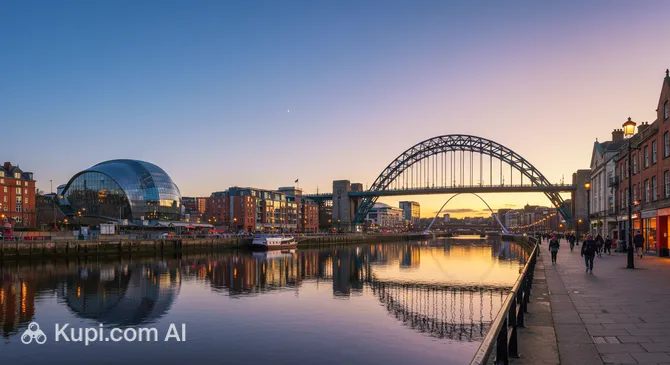
Newcastle upon Tyne. Source: Kupi.Binoculars

The city's strategic location has played a crucial role in its development over the centuries. To truly appreciate how it evolved from a Roman settlement and a frontier fortress into a global powerhouse of the Industrial Revolution, visitors should explore the fascinating history of Newcastle upon Tyne. This rich past is woven into the fabric of the streets, where medieval fortifications stand alongside elegant Georgian architecture and modern developments.

Travelers are often captivated by the cityscape, particularly the seven iconic bridges spanning the river, with the majestic Tyne Bridge serving as a symbol of the region's engineering prowess. The revitalized Quayside area offers a scenic spot for a stroll, lined with trendy bars, restaurants, and art galleries like the BALTIC Centre for Contemporary Art just across the water. In the heart of the city, the historic Grainger Town impresses with its classical streets, while the ancient Castle offers panoramic views and a glimpse into the city's origins.

Whether you are drawn by its architectural marvels, the passionate sporting culture, or the renowned friendliness of the "Geordie" locals, Newcastle promises an unforgettable experience. It is a destination that effortlessly blends its heritage with a modern, forward-thinking vibe, inviting everyone to discover its unique character.
Weather Overview

The climate in Newcastle upon Tyne is generally mild and temperate, influenced significantly by its proximity to the North Sea. Visitors can look forward to comfortable summers where the average maximum temperatures peak at around 19.0°C in July, providing pleasant conditions for sightseeing along the Quayside. Conversely, winters are cool rather than harsh, with average temperatures in January and December hovering around 4°C to 5°C, and nightly lows rarely dropping far below 2°C.

Rainfall is a fairly consistent companion throughout the year, regardless of the season. The city sees a significant number of wet days annually, ranging from about 11 days in June to 16 days in months like July and October. Because the weather can be changeable, it is always wise to consult the detailed forecast for the weather in Newcastle upon Tyne before packing for your trip.

Expect mild summers with frequent chances of showers and cool, damp winters that require warm layers. Spring and autumn offer transition periods with moderate temperatures, rising from an average of 5.9°C in March to 11.0°C by May, and gradually cooling down from September's 13.0°C.

Interesting Facts

Beyond the famous bridges and vibrant nightlife, Newcastle upon Tyne holds many fascinating secrets and historical firsts that often go unnoticed. Digging a little deeper reveals a city of innovation, hidden underground worlds, and surprising origins.

  • A City of Light: Newcastle was a pioneer in urban illumination; Mosley Street became the first street in the world to be lit by electric light in 1879, thanks to the revolutionary incandescent bulbs developed by local inventor Joseph Swan.

  • The Home of Earl Grey: The globally beloved tea blend is named after Charles Grey, the 2nd Earl Grey and a former Prime Minister, whose towering statue stands atop Grey's Monument in the city center.

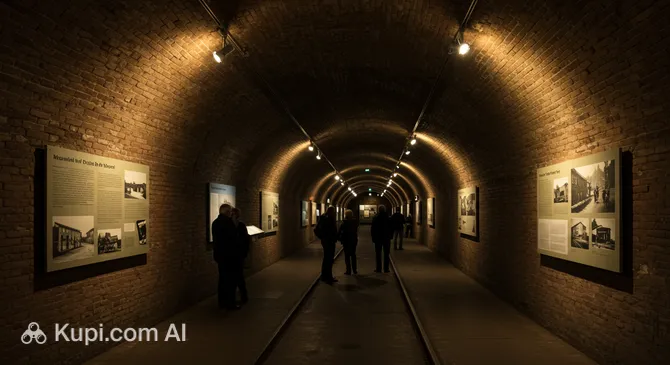
  • A Hidden Underworld: Beneath the bustling city streets runs the Victoria Tunnel, a preserved 19th-century wagonway originally built to transport coal to the river, which later saved thousands of lives as an air-raid shelter during World War II.

  • Invention of the Windscreen Wiper: This essential automotive safety feature was invented by Gladstone Adams, a local photographer and Newcastle United fan, who came up with the idea after struggling to see through his frosted windscreen while driving home from a cup final in 1908.

Victoria Tunnel. Source: Kupi.Binoculars

How to Get There

Reaching this vibrant North East hub is straightforward thanks to its excellent transport connections. Whether you are arriving from within the UK or from overseas, there are multiple convenient routes to choose from. For a comprehensive overview of all travel methods, you can read more about how to get to Newcastle upon Tyne.

The most direct way to arrive by air is via Newcastle International Airport (IATA: NCL). Conveniently located within the city limits, it sits just 8.1 km from the city center, offering quick access via the Metro light rail system or a short taxi ride. For travelers looking for alternative regional options, Durham Tees Valley Airport (IATA: MME) is located approximately 53.6 km away. Those seeking a wider range of long-haul international flights might also consider landing at Edinburgh Airport (IATA: EDI) in Scotland, situated about 155 km to the north, or Manchester Airport (IATA: MAN), which is roughly 185.8 km to the south.

For clarity, here is a summary of the main airports in the wider region:

Airport Name City Passenger Traffic Km from City
Newcastle International AirportNewcastle upon TyneMedium8.1
Durham Tees Valley AirportDurhamSmall53.6
Leeds Bradford International AirportLeedsMedium123.9
Edinburgh AirportEdinburghLarge155.0
Manchester AirportManchesterLarge185.8

Traveling by rail is a very popular and efficient choice. The city is served by Newcastle Central Station, a major historic hub on the East Coast Main Line located directly in the city center. It provides frequent high-speed connections to London, Edinburgh, and other major cities. In the surrounding area, Durham Railway Station is another significant stop, situated just 22.3 km away, which also offers excellent connectivity for those exploring the broader county before heading into the city.

Below is a list of other railway stations in the vicinity that serve the region:

Station City Passenger Traffic Km to Center
Durham Railway StationDurhamMedium22.3
Carlisle Central StationCarlisleMedium84.9
Oxenholme Lake District StationKendalSmall103.4
Bradford railway stationLeedsMedium131.8
Waverley Railway StationEdinburghLarge147.1

Main Attractions

Newcastle upon Tyne is packed with diverse sights that bridge its ancient origins with its modern, cultural renaissance. From medieval fortifications to cutting-edge engineering, the city offers a wealth of experiences for every type of traveler. Exploring these landmarks provides a perfect introduction to the unique character of the Geordie capital.

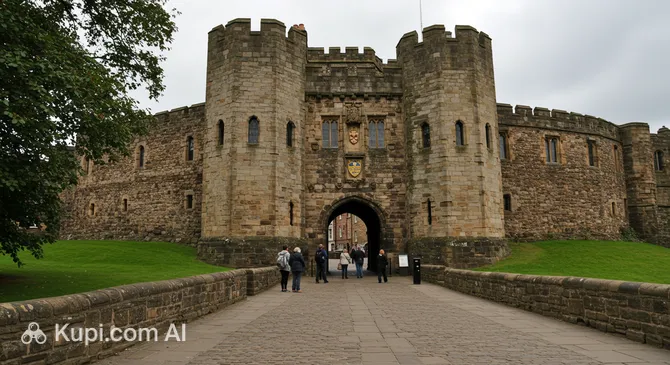
Standing guard over the city it named, Newcastle Castle is a grim reminder of the region's turbulent history. This Norman fortress offers visitors the chance to explore the ancient Keep and the Black Gate. It is not just a lesson in history; climbing the winding stone stairs rewards you with some of the most spectacular panoramic views over the River Tyne and the cityscape.

Newcastle Castle. Source: Kupi.Binoculars

A striking symbol of the area's regeneration is the Gateshead Millennium Bridge. Known as the "Winking Eye" bridge due to its unique tilting mechanism that allows ships to pass underneath, this pedestrian and cyclist crossing connects the vibrant Quayside with the arts quarter in Gateshead. It is particularly beautiful at night when it is illuminated, making it a favorite spot for photographers.

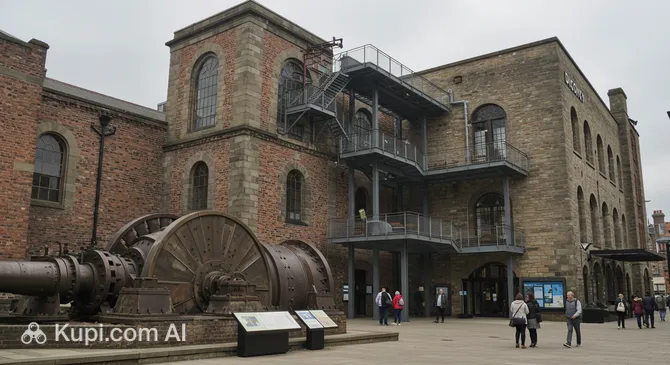
For those interested in the industrial heritage of the North East, the Discovery Museum is an essential stop. The museum is famous for housing the Turbinia, the first ship to be powered by steam turbines, which was once the fastest vessel in the world. The interactive exhibits cover everything from maritime history to fashion and science, making it an engaging destination for families.

Discovery Museum. Source: Kupi.Binoculars

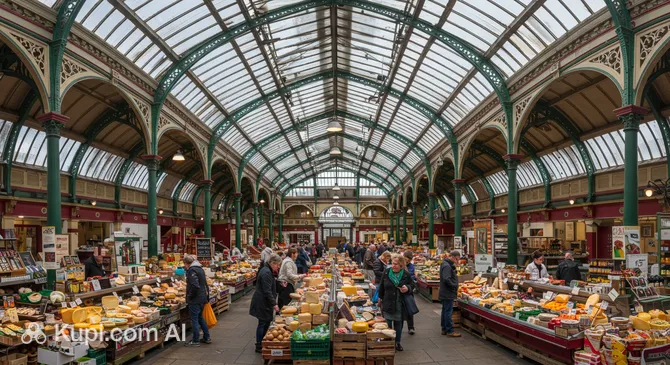
To get a true taste of local life, a visit to Grainger Market is highly recommended. This Grade I listed indoor market has been the heart of the city's shopping scene since 1835. Today, it bustles with independent traders selling everything from fresh local produce and artisan street food to vintage clothing and books, offering a lively atmosphere that remains unchanged by time.

Local Cuisine

The culinary landscape of Newcastle upon Tyne is as warm and hearty as its people. While the city has rapidly evolved into a modern gastronomic hub filled with trendy bistros and international flavors, it remains fiercely proud of its traditional roots. Visitors can expect generous portions, a focus on comfort food, and a thriving street food scene that rivals any major capital.

To truly eat like a local, you must try a stottie cake (or simply "stottie"). This heavy, dense, round flatbread is unique to the North East and has a wonderful chewy texture. It is typically sliced in half and filled with ham and pease pudding—a savory yellow split pea paste that is a regional staple. Another classic dish to look out for is pan haggerty, a comforting bake of thinly sliced potatoes, onions, and cheddar cheese, which perfectly encapsulates the region's love for simple, satisfying ingredients.

For a taste of the city's vibrant food culture, Grainger Market is an absolute must-visit. While it is a historic shopping venue, it has transformed into a street food paradise. Here, you can wander between stalls offering everything from artisanal pizza by the slice and fresh oysters to authentic Chinese dumplings, all while soaking in the bustling atmosphere of one of the city's oldest institutions.

Grainger Market. Source: Kupi.Binoculars

The city also boasts a fantastic array of international dining options, particularly when it comes to Asian cuisine. A standout favorite is My Delhi Newcastle, which serves up vibrant Indian street food that has won national awards. For a more casual, social dining experience, locals flock to St. James' Stack. This container village concept brings together a variety of independent food vendors and live entertainment, making it a perfect spot to sample different dishes in one sitting.

No discussion of Newcastle's palate is complete without mentioning its most famous export: Newcastle Brown Ale. Often affectionately called "Newkie Brown" or "The Dog," this caramel-colored ale is an icon of the city. However, the modern drinking scene goes far beyond tradition. The Ouseburn Valley is the heart of the city's craft beer revolution, where atmospheric pubs like The Tyne Bar offer locally brewed pints in a scenic setting beneath the bridges, often accompanied by live music and a relaxed, bohemian vibe.

Travel Tips

Visiting Newcastle upon Tyne is a rewarding experience, thanks to its legendary hospitality and compact, walkable city center. To help you navigate the "Toon" like a local and make the most of your stay, here are some essential practical tips to keep in mind.

  1. Clothing and Gear: The weather in the North East can be unpredictable, often changing from sunshine to rain within hours. Pack layers that can be easily added or removed, and ensure you have a waterproof jacket or a sturdy umbrella. Comfortable walking shoes are a must, as the city is built on steep banks sloping down to the river. If you are visiting from abroad, bring a Type G power adapter (three rectangular pins) for your electronics.
  2. Transportation: The city has an excellent public transport network. The Tyne and Wear Metro is the most efficient way to travel, connecting the city center with the airport and the coast. You do not need to buy paper tickets; simply use a contactless bank card or smartphone at the gates, as the system automatically caps your daily fare. The city center itself is very compact and best explored on foot, so car rental is rarely necessary unless you plan to explore the Northumberland countryside.
  3. Finances: The currency is the Pound Sterling (£). Card payments are almost universally accepted, from market stalls to buses, and contactless payment is the norm. It is still useful to carry a small amount of cash for smaller independent shops or tips. Tipping is customary in restaurants (around 10-15% if a service charge is not included), but it is not expected in pubs when ordering drinks at the bar.
  4. Health and Safety: Newcastle is generally a very safe city, but like any popular party destination, the city center becomes extremely busy on Friday and Saturday nights. Stick to well-lit main streets after dark and keep an eye on your belongings in crowded bars. For minor health issues, pharmacies like Boots or Superdrug are easily found on the high streets; for emergencies, dial 999.
  5. Communication: While English is the main language, the local "Geordie" dialect is famous for its unique vocabulary and speed. You might hear words like "canny" (good/nice) or "howay" (come on/let's go). Locals are generally very helpful and will happily slow down or explain if you ask politely. Free Wi-Fi is widely available in cafes, museums, and public spaces, and SIM cards can be bought at any supermarket or convenience store.
  6. Local Etiquette: The people of Newcastle are known for their friendliness and often strike up conversations with strangers at bus stops or in queues. It is polite to engage and smile back. Queuing is taken seriously here; always wait your turn. When thanking someone, a simple "cheers" or "ta" is very common and appreciated.
  7. What to Avoid: There is a fierce but friendly rivalry with the neighboring city of Sunderland. It is best to avoid wearing red-and-white striped shirts (Sunderland’s colors) in the city center, especially on football match days, to prevent unwanted attention. Also, avoid criticizing the local football team, Newcastle United, as it is a central part of the city's identity.
  8. Additional Tip: Be prepared for the famous "Geordie" resilience to cold. On nights out, you will often see locals wearing very little clothing even in freezing temperatures. As a tourist, there is no need to copy this; keep your coat on! Also, check if there is a home football match at St. James' Park during your stay, as the city center becomes significantly busier and more vibrant on those days.

By keeping these practicalities in mind, you will be well-prepared to enjoy everything this warm and energetic city has to offer. Whether you are here for the culture, the history, or the nightlife, Newcastle is a place that quickly makes you feel right at home.

Entertainment & Nightlife

Entertainment and Nightlife:

Newcastle upon Tyne has a well-earned reputation as one of the best party cities in the UK, if not the world. The nightlife here is legendary, characterized by its compact nature, variety, and the sheer energy of the locals. Whether you are looking for glamorous cocktail bars, traditional pubs, or pounding nightclubs, the "Toon" offers an electrifying atmosphere that continues well into the early hours.

The city's nightlife is divided into distinct districts, each with its own unique vibe. The "Diamond Strip" on Collingwood Street is the place to be for upscale bars and a dress-to-impress crowd. In contrast, the historic Bigg Market is famous for its rowdy, high-energy fun. For a more relaxed and scenic evening, the Quayside offers stylish bars with views of the illuminated bridges. If you prefer alternative culture and live music, the Ouseburn Valley is the city's creative heart, packed with independent venues and craft ale houses.

For a quintessential Newcastle experience, a visit to Flares is almost a rite of passage. Located near the bottom of the Bigg Market, this retro nightclub is famous for its 70s style, cheesy pop tunes, and unpretentious party atmosphere. It is a favorite among students, locals, and visitors alike who just want to dance and sing along to classic hits.

Flares. Source: Kupi.Binoculars

Those seeking a more contemporary entertainment hub should head to The Gate. This massive indoor complex in the city center is a one-stop destination for a night out, housing a cinema, a casino, and numerous bars and restaurants all under one roof. It is particularly convenient during the colder months, allowing you to hop between venues without braving the elements.

If you are looking for something off the beaten track, the Ouseburn area offers gems like The Grove. This venue captures the independent spirit of the neighborhood, offering a welcoming space for drinks and socializing away from the intense crowds of the city center. Similarly, Cobalt Studios provides a vibrant cultural space that hosts club nights, live music, and community events, perfect for travelers wanting to experience the local arts scene.

When planning a night out, keep in mind that the dress code in the city center—especially on the Diamond Strip—can be quite smart; trainers and sportswear are often not permitted in premier clubs. The action usually kicks off around 9:00 PM and goes on until 3:00 AM or later on weekends. Safety is generally good in the busy areas due to the high number of people and police presence, but it is always wise to stay in groups and pre-book a taxi or use a ride-sharing app to get home, as queues at taxi ranks can be long.

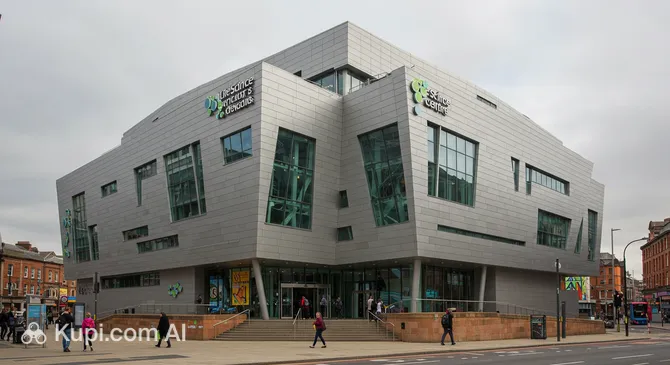
Beyond the nightlife, Newcastle offers plenty of daytime entertainment to keep visitors occupied. Culture lovers should visit the Tyneside Cinema, the UK's last surviving newsreel theater, which screens everything from blockbusters to independent films in a beautiful Art Deco setting. For families and science enthusiasts, the Life Science Centre offers interactive exhibits, a planetarium, and live science shows that make for a fun and educational day out.

Life Science Centre. Source: Kupi.Binoculars

Art aficionados will appreciate the Laing Art Gallery, which houses an impressive collection of British oil paintings and watercolors. Whether you are exploring the city's rich cultural offerings by day or immersing yourself in its famous party spirit by night, Newcastle ensures there is never a dull moment.

Parks & Museums

Newcastle upon Tyne is not only a city of industrial heritage and lively streets but also a place teeming with lush green spaces and world-class cultural institutions. For tourists seeking a break from the urban bustle or a deep dive into the region's artistic and historical legacy, the city offers an impressive array of parks and museums that cater to all interests.

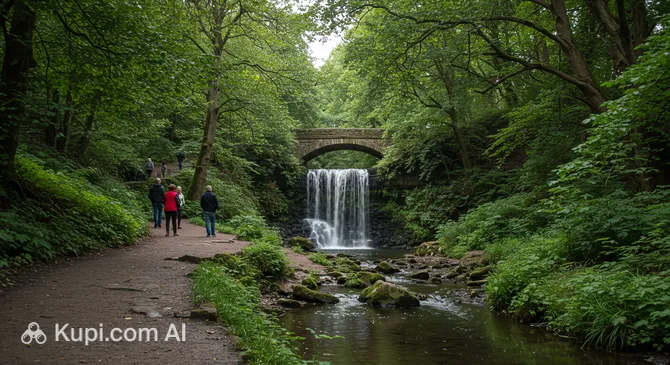
One of the most beloved natural retreats in the city is the Jesmond Dene Waterfall, located within a tranquil, wooded valley just a short distance from the city center. Jesmond Dene is a historic park that feels like a secret garden, featuring winding paths, ancient trees, and a picturesque old mill. It is a perfect spot for a relaxing walk, and families often visit Pets' Corner, a popular mini-zoo located in the heart of the dene.

Jesmond Dene Waterfall. Source: Kupi.Binoculars

For a completely different outdoor experience, the Town Moor offers a vast expanse of open green space that is larger than London's Hyde Park. Uniquely, this area has been common land for centuries, and visitors are often surprised to see cattle grazing freely against the backdrop of the city skyline. It is an ideal location for long walks, kite flying, and enjoying the fresh air without leaving the city limits.

Culturally, the city is a powerhouse, with the Great North Museum: Hancock leading the way. This award-winning museum of natural history and ancient civilizations is a must-visit for anyone interested in the region's past. Highlights include a large-scale interactive model of Hadrian's Wall, ancient Egyptian mummies, and a life-size T-Rex skeleton, making it fascinating for both history buffs and children.

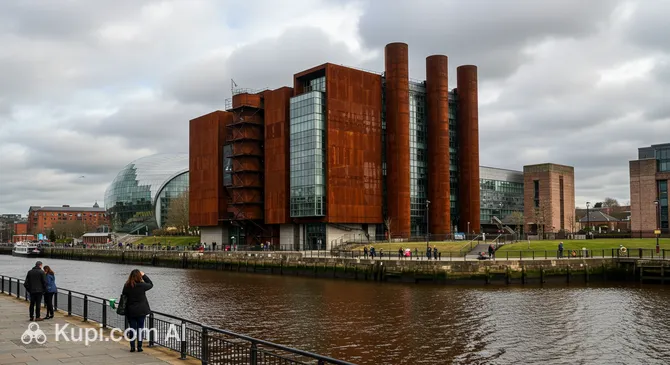
Just across the Millennium Bridge on the south bank of the Tyne stands the iconic BALTIC Centre for Contemporary Art. Housed in a converted flour mill, this imposing landmark is one of the biggest contemporary art institutions in Europe. Even if you are not an art aficionado, it is worth visiting for the viewing platform on the upper floor, which provides stunning panoramic views of the Newcastle quayside.

BALTIC Centre for Contemporary Art. Source: Kupi.Binoculars

History enthusiasts should also make time for Newcastle Cathedral, also known as the Cathedral Church of St Nicholas. Dating back to the 14th century, it is famous for its distinctive lantern tower, which was traditionally used as a navigation aid for ships on the River Tyne. The interior is filled with beautiful monuments and stained glass that tell the story of the city's religious and maritime history.

For a unique cultural experience, head to the Ouseburn Valley to visit The Biscuit Factory. As the UK's largest independent commercial art, craft, and design gallery, it offers a vibrant collection of contemporary works that you can not only admire but also purchase. It is a fantastic place to find a unique souvenir or simply enjoy a coffee in an inspiring, creative setting.

Getting Around

Navigating Newcastle upon Tyne is remarkably easy thanks to its comprehensive and efficient public transport network. The backbone of the city's transit system is the Tyne and Wear Metro, a light rail service that is often described as one of the best outside of the capital. It consists of two main lines—the Yellow Line and the Green Line—which connect the city center with residential areas, the coast, the airport, and neighboring towns like Gateshead and Sunderland. The Metro is generally the fastest way to get around, especially if you plan to visit the sandy beaches at Tynemouth or the vibrant suburbs.

Complementing the Metro is an extensive bus network operated primarily by companies such as Stagecoach, Go North East, and Arriva. Buses cover the entire region, reaching areas that the rail network does not. For tourists, the bright yellow Quaylink buses are particularly useful. These electric vehicles run frequently, connecting the city center's main shopping districts with the scenic Quayside and the cultural hubs in Gateshead, making it effortless to hop between the top attractions without tackling the steep hills on foot.

The payment system is modern and user-friendly, designed to make travel seamless for visitors. The most convenient option is to use a contactless bank card or a smartphone with Apple Pay or Google Pay. On the Metro, you simply touch in at the yellow card readers at the start of your journey and touch out at the end. The system automatically calculates the best fare for you and applies a daily price cap, ensuring you never pay more than the cost of a Day Ticket, regardless of how many journeys you make.

For those staying longer, purchasing a Pop card (a smart travel card) might be beneficial, operating on a similar "pay as you go" basis with slightly discounted rates. Traditional paper tickets are still available from ticket machines at all Metro stations, which accept cash and cards. Fares are determined by zones (A, B, and C), with the city center falling within Zone A. A typical day pass covering all zones costs approximately £6.00, offering unlimited travel across the network.

Public transport generally operates from around 5:00 AM until just after midnight. It is important to check the timetables if you are planning a late night out, as services wind down earlier on Sundays. When using the bus, remember to signal clearly to the driver as the vehicle approaches, and keep in mind that some local bus operators may still prefer exact change if you are paying with cash, though contactless is widely accepted.

A unique feature of the local transport system is the Shields Ferry, which crosses the River Tyne near the coast, linking North Shields and South Shields. It offers a scenic and practical 7-minute crossing that saves a significant detour by road. Additionally, the city is served by a local rail network, with Northern trains connecting Newcastle Central Station to the massive Metrocentre shopping complex in just under 10 minutes.

If you prefer alternatives to public transit, taxis are plentiful. You can hail traditional "black cabs" directly from the street or find them at designated ranks near the station and major nightlife spots. Private hire vehicles and ride-sharing apps like Uber are also widely available and often cheaper, though they must be booked in advance via an app or phone. While the city center is compact and very walkable, be prepared for some steep inclines; however, the city's bike rental schemes and improving cycle lanes offer a greener way to tackle the terrain for the energetic traveler.

Accommodation

Where to Stay:

Finding the perfect place to stay in Newcastle upon Tyne is easy, as the city offers a wide spectrum of accommodation to suit every budget and style. From grand Victorian hotels that echo the city's architectural heritage to sleek modern apartments and budget-friendly hostels, visitors are spoilt for choice. The compact nature of the city means that wherever you choose to base yourself, you are never far from the main attractions and transport links.

For first-time visitors, the City Centre is often the most convenient choice. Staying here places you right in the heart of the action, within walking distance of the major shopping districts like Eldon Square and the vibrant nightlife of the Bigg Market. This area, particularly around Grainger Town, is home to several historic hotels housed in stunning classical buildings, offering a touch of luxury and tradition. It is also the central hub for transport, making it easy to catch a Metro or a train for day trips.

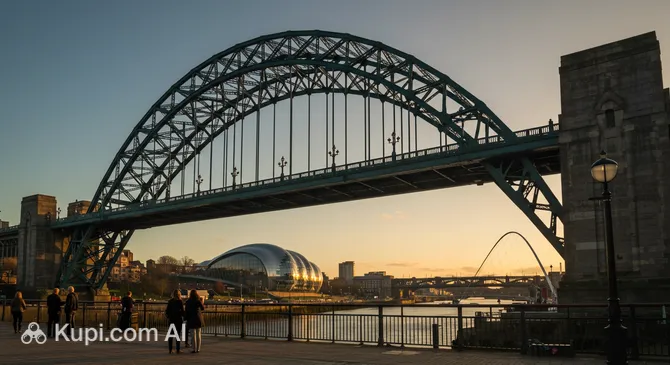
If you prefer scenic views and a more relaxed atmosphere, the Quayside is an excellent option. Hotels along the riverbanks often offer spectacular vistas of the city's seven famous bridges. Waking up to a view of the iconic Tyne Bridge or the tilting Millennium Bridge is a highlight for many travelers. This area is perfect for couples and business travelers, boasting a range of upscale chains and stylish boutique hotels nestled among trendy bars and restaurants.

Tyne Bridge. Source: Kupi.Binoculars

For a quieter, more suburban feel without sacrificing convenience, consider the neighborhood of Jesmond. Located just a short Metro ride north of the center, this leafy area is known for its affluent vibe and independent culture. Here, you will find charming guesthouses and boutique hotels set in converted terraced houses. Jesmond is also famous for its thriving cafe culture and Osborne Road, a strip of popular bars and eateries that attracts a sophisticated local crowd.

Budget travelers and backpackers are well catered for, with several high-quality hostels located near the city center and the Ouseburn Valley. Additionally, looking across the river to Gateshead can often yield excellent value for money. Hotels on the south bank are frequently more affordable while still being just a short walk across the bridge from Newcastle's main sights.

Nearby Cities

For those looking to explore the surroundings, Newcastle upon Tyne serves as an excellent base for day trips to several interesting nearby locations. Just a short journey to the coast brings you to Tynemouth, a picturesque village famous for its dramatic priory ruins, surfing beaches, and bustling weekend market. Across the river, Gateshead offers a mix of modern culture and iconic landmarks, including the Angel of the North, while South Shields provides a classic seaside experience with its sandy beaches, fairground rides, and the reconstructed Roman fort of Arbeia.

City Population Distance (km)
Gateshead 120,046 3
South Shields 75,337 12
Tynemouth 68,202 13
Washington 67,158 11
North Shields 34,423 11

These nearby destinations offer a glimpse into the diverse culture and landscapes of the region.

Shopping & Souvenirs

Shopping in Newcastle upon Tyne offers a diverse and exciting experience, cementing the city's reputation as the retail capital of the North East. From high-street giants and luxury boutiques to quirky independent stores and historic markets, the city caters to every taste and budget. Whether you are looking for the latest fashion trends, unique local crafts, or simply window shopping amidst stunning architecture, the city center provides a compact and walkable retail paradise.

The city's main shopping artery is Northumberland Street, often cited as one of the busiest shopping streets in the UK outside of London. Here, visitors will find major department stores and flagship branches of popular national chains. For a more upscale experience, the elegant Grey Street and the surrounding Grainger Town area offer designer brands and independent boutiques housed in beautiful Georgian buildings, allowing you to shop in style.

For those who prefer everything under one roof, Eldon Square is the premier destination. Located right in the heart of the city, this vast shopping center features over 150 stores, ranging from high-end fashion to technology and beauty. Just a short bus or train ride across the river in Gateshead lies the Metrocentre, one of Europe's largest indoor shopping and leisure complexes, offering an exhausting but rewarding day of retail therapy with hundreds of shops, a cinema, and extensive dining options.

Eldon Square. Source: Kupi.Binoculars

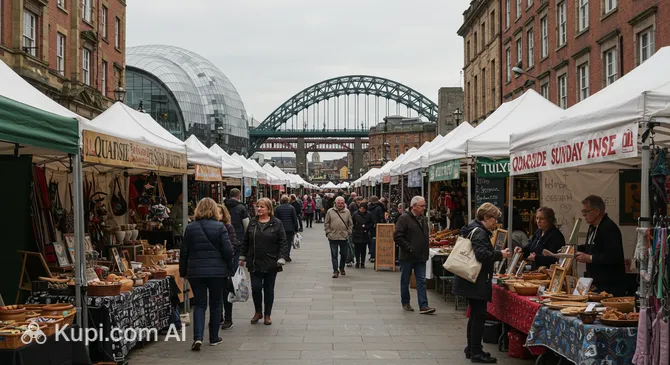
Markets play a vital role in the local shopping culture. The historic Grainger Market is an essential stop, not just for its Grade I listed architecture but for its vibrant mix of fresh produce, vintage clothing, and haberdashery. On weekends, the Quayside Sunday Market transforms the riverbank into a bustling bazaar. It is the perfect place to browse stalls selling local artwork, handcrafted jewelry, and delicious street food while enjoying views of the Tyne Bridge.

Quayside Sunday Market. Source: Kupi.Binoculars

When searching for the perfect souvenir, look for items that reflect the city's unique identity. A bottle of Newcastle Brown Ale is a classic choice, as is merchandise from Newcastle United Football Club for sports fans. For something more artistic, The Biscuit Factory offers beautiful original art, prints, and handmade crafts created by local artists. "Geordie" themed gifts, such as mugs or coasters featuring local dialect phrases, are also popular and fun keepsakes.

Most shops in the city center generally open from 9:00 AM to 5:30 PM or 6:00 PM, Monday through Saturday. On Thursdays, many stores extend their hours until 8:00 PM for late-night shopping. Sundays typically have shorter trading hours, usually from 11:00 AM to 5:00 PM. Payment is convenient, with major credit and debit cards accepted almost everywhere; contactless payments and mobile wallets like Apple Pay are the standard method of transaction, even in smaller market stalls.

Regarding tax-free shopping, international visitors should be aware that the VAT Retail Export Scheme was discontinued in Great Britain in 2021. This means that tourists visiting England, Scotland, and Wales can generally no longer claim a VAT refund on goods purchased in stores to take home in their luggage.

Reached the end of the page?

That means the route is fully explored