Support

Douglas

About

Douglas is the vibrant capital and largest town of the Isle of Man, serving as the island's primary hub for commerce, shipping, and tourism. Located on the eastern coast at the mouth of the River Douglas, the town is defined by its sweeping bay and picturesque setting. With a population of approximately 28,000 residents, it offers a lively atmosphere that perfectly balances modern island life with traditional seaside charm.

Douglas. Source: Kupi.Binoculars

The town is perhaps best known for its magnificent Victorian promenade, which stretches for two miles along the seafront. Visitors interested in the history of Douglas can experience a piece of the past by riding the famous horse-drawn trams, a unique attraction that has been operating since 1876. Looking out into the bay, you can spot the iconic Tower of Refuge, a castle-like structure built on Conister Rock to provide shelter for shipwrecked sailors in the 19th century.

Beyond the seafront, Douglas is home to the Manx Museum, where travelers can explore the island's rich heritage from the Viking era to the present day. Whether you are enjoying a stroll along the Quay or exploring the bustling town center, Douglas serves as an excellent base for your adventures. We invite you to discover the warmth and character of this delightful capital city.

Weather Overview

The climate in Douglas is typically maritime, characterized by mild temperatures and regular rainfall throughout the year. Because the weather can be changeable, checking the forecast for weather in Douglas is recommended before packing for your trip. The town avoids extreme temperatures, making it a relatively comfortable destination to visit in any season, provided you have appropriate clothing for rain.

Summers are generally cool to mild rather than hot, with August being the warmest month, averaging around 15.1°C. The spring months of April and May see temperatures rising from 8°C to 10.5°C, accompanied by a slight decrease in rainfall frequency. This period, along with early summer, offers some of the driest conditions, though showers are still possible with about 11 wet days per month.

Winters are cool but rarely freezing, with January averages hovering around 7.1°C. However, this is also the wettest time of the year; December, for instance, typically experiences about 22 wet days. Overall, visitors should expect mild summers with frequent showers and cool, damp winters.

Interesting Facts

Beyond its scenic promenade and bustling harbor, Douglas holds fascinating stories that surprise many visitors. Here are a few unique details that add depth to the capital's charm.

Manx Electric Railway – Derby Castle Station. Source: Kupi.Binoculars
  • Birthplace of the Bee Gees: Music legends Barry, Robin, and Maurice Gibb were born in Douglas before emigrating to Australia. The town honors the disco icons with a bronze statue on the Loch Promenade, which has become a popular photo spot for fans of the "Stayin' Alive" singers.

  • A Record-Breaking Railway: The town is the southern terminus for the Manx Electric Railway – Derby Castle Station, which operates as part of the oldest electric tram system in the world still using its original rolling stock. Two of the trams in service today date all the way back to the line's opening in 1893.

  • Retirement in Style: The famous horses that pull the trams along the promenade eventually retire to a dedicated sanctuary. You can visit these hardworking animals at the Home of Rest for Old Horses, a unique facility funded by donations that ensures the animals live out their final years in comfort and luxury.

  • Seat of Ancient Power: Douglas is the modern home of the Tynwald, the parliament of the Isle of Man. It is widely considered the oldest continuous parliament in the world, with origins tracing back over 1,000 years to Viking assemblies.

How to Get There

Reaching the capital of the Isle of Man is an exciting part of the journey, with options primarily involving air travel or a scenic ferry ride. Whether you are arriving from the UK or further afield, you can find all ways to reach the city and plan the route that suits you best.

The most direct way to arrive is via Isle of Man Airport (IATA: IOM), also known as Ronaldsway. Although it serves the entire island, it is listed as the main airport for Douglas and is located just 11.8 km from the town center. It is a regional hub with annual traffic of approximately 650,000 passengers. The transfer to Douglas is quick and convenient; a taxi or bus ride typically takes around 40 minutes. For international travelers, a common connecting point is Dublin Airport (IATA: DUB) in Dublin. While it is about 143 km away across the Irish Sea, it serves as a major gateway with extensive global connections, allowing you to easily catch a short connecting flight to the island.

Another significant option is Liverpool John Lennon Airport (IATA: LPL) in Liverpool, situated approximately 141 km away. This airport is particularly convenient if you prefer to combine your flight with a ferry crossing from Liverpool, or simply take a short hop flight directly to the island.

For clarity, here is a summary of the main airports:

Airport Name City Passenger Traffic Km from City
Dublin AirportDublinLarge143.0
Belfast International AirportBelfastMedium125.6
Liverpool John Lennon AirportLiverpoolMedium141.3
George Best Belfast City AirportBelfastMedium103.9
Isle of Man AirportDouglasRegional11.8

As Douglas is located on an island, it does not have a direct railway link to the UK mainland. However, many visitors choose to travel by train to a major port city before taking the ferry. A popular choice is arriving at Lime Street Station in Liverpool, which is approximately 129.5 km away (across the sea). From Liverpool, you can easily access the Isle of Man Steam Packet Company ferry terminal, which offers direct sailings to Douglas.

Alternatively, you can travel to Manchester Piccadilly Station in Manchester, located about 164.2 km away. As a major rail hub, it offers excellent connections from all over the UK. From Manchester, travelers can proceed by train or coach to Liverpool or Heysham to catch a ferry, or transfer to the airport for a connecting flight.

Below is a list of nearby railway stations on the mainland that serve as common transit points:

Station City Passenger Traffic Km to Center
Manchester Piccadilly StationManchesterLarge164.2
Lime Street StationLiverpoolLarge129.5
Chester Central StationChesterMedium150.2
Carlisle Central StationCarlisleMedium129.8
Oxenholme Lake District StationKendalSmall116.3

Main Attractions

Attractions:

Douglas offers a fascinating mix of cultural heritage, leisure activities, and historic charm. While the promenade is the city's most visible feature, digging a little deeper reveals a wealth of attractions that showcase the unique character of the Isle of Man. From ancient treasures to family-friendly parks, there is plenty to explore within and around the capital.

For those keen to understand the island's story, the Manx Museum is an absolute must-visit. Situated in the heart of the town, this national treasure trove takes visitors on a journey through 10,000 years of history. You can marvel at intricate Viking silver and stone crosses, learn about the world-famous TT Races in the dedicated motorsport gallery, and explore the natural history of the island. It is the perfect starting point for any trip, providing context to the sights you will see across the rest of the island.

Manx Museum. Source: Kupi.Binoculars

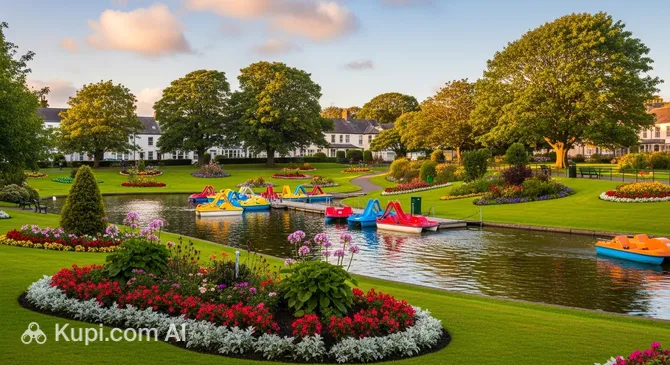
Just a short distance from the northern end of the promenade lies Onchan Park, a delightful recreational area that has been a favorite among locals and tourists for generations. It is an excellent spot for a fun-filled afternoon, offering a boating lake where you can hire motorboats or rowing boats. The park also features a crazy golf course, tennis courts, and beautifully maintained surroundings, making it an ideal destination for families or anyone looking to enjoy the fresh Manx air in a relaxed setting.

Onchan Park. Source: Kupi.Binoculars

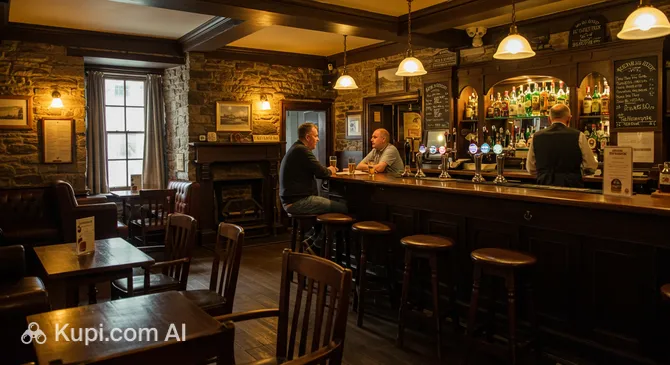
After a day of sightseeing, soaking up the local atmosphere at a historic venue is highly recommended. The Terminus Tavern is a landmark pub located at the foot of the cliffs near the electric railway station. With its distinctive green exterior and traditional interior, it offers a warm welcome and a selection of local ales. It is a fantastic place to sit outside on a sunny day, watching the trams come and go while enjoying a hearty meal or a refreshing drink by the sea.

The Terminus Tavern. Source: Kupi.Binoculars

Local Cuisine

The culinary landscape of Douglas is deeply rooted in the island's agricultural and maritime heritage, offering visitors a taste of fresh, locally sourced ingredients. Unsurprisingly, seafood plays a starring role on many menus. The most famous local delicacy is the Manx Queenie, a queen scallop that is sweeter and smaller than the king scallop. These are often served in a creamy sauce with crispy bacon and garlic, a combination that has become a staple in the town's seafood restaurants.

For a hearty start to the day or a savory treat, Manx Kippers are a must-try. These herring fillets are traditionally smoked over oak chips, producing a rich flavor that pairs perfectly with buttered bread and poached eggs. On the more casual side, the town's favorite comfort food is Chips, Cheese, and Gravy. Similar to Canadian poutine but distinct in its execution, this dish consists of thick-cut fries topped with grated cheddar and beef gravy, widely available at takeaways and casual eateries throughout the capital.

The dining culture in Douglas ranges from bustling harborside bistros to cozy traditional pubs. The North Quay area has developed into a gastronomic hub, lined with establishments catering to various tastes. For those seeking a quality dining experience featuring local produce, the Welbeck Hotel Restaurant is a notable venue known for its focus on Manx ingredients, including locally reared meat and fresh fish.

Welbeck Hotel Restaurant. Source: Kupi.Binoculars

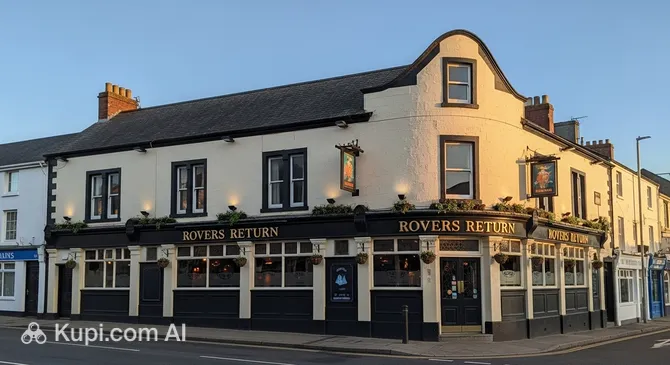
No gastronomic tour of Douglas is complete without sampling the local beverages. The Isle of Man has strict purity laws for brewing, resulting in high-quality ales that are a point of pride for the islanders. Visitors can enjoy a pint of locally brewed beer, such as Okells or Bushy's, in one of the town's atmospheric pubs. Rovers Return is a classic example of a traditional bar where you can soak up the local vibe and enjoy a drink in a setting that feels authentically Manx.

Rovers Return. Source: Kupi.Binoculars

Travel Tips

Welcome to Douglas! To ensure your visit to the Manx capital is as smooth and enjoyable as possible, we have compiled a set of essential practical tips. These guidelines will help you navigate the local customs, weather, and logistics with the ease of a seasoned traveler.

  1. Clothing and Gear: The weather in Douglas can be famously changeable, often experiencing "four seasons in one day." Regardless of when you visit, it is wise to bring waterproof outer layers and comfortable walking shoes. Even in summer, a warm sweater is recommended for breezy evenings along the promenade. If you plan to visit churches or formal dining venues, smart-casual attire is generally appropriate.

  2. Transportation: The town center is compact and best explored on foot. For longer distances, the public transport system, Bus Vannin, is reliable and covers the entire island. While there are no ride-hailing apps like Uber, local taxi ranks are plentiful, particularly near the Sea Terminal. For a unique experience, use the historic Horse Trams to travel along the promenade during the summer season.

  3. Finances: The local currency is the Manx Pound, which is pegged 1:1 with the British Pound (GBP). UK notes and coins are accepted everywhere in Douglas, but Manx currency is not legal tender back in the UK, so be sure to spend or exchange it before you leave. Cards and contactless payments are widely accepted, but carrying some cash is useful for small purchases.

  4. Health and Safety: Douglas is a very safe town with low crime rates. Pharmacies are readily available on Strand Street and near the main residential areas; check opening hours as they may close early on Sundays. For emergencies, dial 999. The main hospital, Noble's Hospital, is located just outside the town center.

  5. Communication: English is the primary language spoken by everyone. While you might see signs in Manx Gaelic, you are not expected to speak it, though a friendly "Moghrey mie" (Good morning) is always appreciated. Be aware that the Isle of Man is not part of the UK or EU for mobile roaming; check your provider's rates to avoid unexpected charges, or purchase a local SIM card from Manx Telecom or Sure.

  6. Local Etiquette: The islanders pride themselves on a friendly and polite atmosphere. It is customary to greet shopkeepers and bus drivers. The local pace of life is often described as Traa Dy Liooar (time enough), reflecting a relaxed approach, so try not to rush or show impatience in queues.

  7. What to Avoid: There is a well-known local superstition regarding the word "rat." Never say this word out loud, as it is considered bad luck. If you must refer to the animal, locals use the euphemism "long-tail." Mentioning the "r-word" can genuinely cause discomfort to older residents and locals.

  8. Additional Tip: If you plan to use buses, steam trains, and electric trams extensively, consider buying a Go Explore card. This travel pass offers unlimited travel on all scheduled public transport services for a set number of days, offering excellent value for exploring Douglas and beyond.

Armed with these practical insights, you are ready to embrace the unique charm and character of Douglas. We hope you have a wonderful time discovering everything this welcoming maritime town has to offer!

Entertainment & Nightlife

Nightlife in Douglas is characterized by a welcoming, community-focused atmosphere rather than aggressive large-scale clubbing. The scene revolves primarily around traditional pubs, lively bars, and music venues where locals and visitors mingle freely. The main action is concentrated along the **Douglas Promenade** and the revitalized **North Quay**, making it easy to hop between venues on foot without the need for extensive transport.

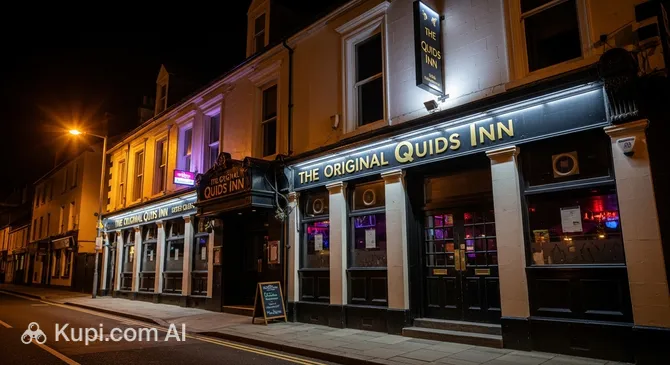
For a spirited evening, the Promenade is the place to be. Here you will find The Original Quids Inn, a popular spot known for its unpretentious vibe and regular live music performances. It is a classic choice for those looking to enjoy a pint and some entertainment late into the night. The area buzzes with activity, especially on weekends, offering a mix of hotel bars and independent pubs facing the sea.

The Original Quids Inn. Source: Kupi.Binoculars

The North Quay offers a slightly more sophisticated setting, lined with restaurants and bars that spill out onto the marina side in good weather. It is an excellent district for a relaxed evening meal followed by drinks overlooking the harbor. If you prefer a traditional alehouse atmosphere, Rovers Return is a legendary local favorite. Located just off the main drag, it is renowned for its extensive selection of beers and its cozy, authentic interior, often filled with conversation rather than loud music.

Practicalities for a night out are straightforward. Most bars are open until 11:00 PM or midnight, with nightclubs and late-night venues staying open until 2:00 AM or 3:00 AM on weekends. The dress code is generally casual, though some nightclubs may prefer smart-casual attire. Douglas is a safe town for evening walks, but if you need a ride home, taxis are readily available at ranks on Victoria Street and the Promenade. The "Hullad Oie" (Night Owl) bus service also operates on Friday and Saturday nights, connecting Douglas with other major towns.

While nightlife is a draw, the city also boasts excellent daytime and cultural entertainment. The stunning Gaiety Theatre, a masterpiece of Victorian architecture, hosts plays, musicals, and concerts throughout the year. The adjacent Villa Marina is another key venue for cinema and larger events. For families, the promenade gardens and nearby amusement arcades provide classic seaside fun before the sun goes down.

Parks & Museums

Beyond its bustling promenade and seafront, Douglas reveals a quieter, greener side filled with tranquil spaces and rich cultural narratives. The capital offers a delightful mix of manicured gardens, wilder natural glens, and historical institutions that allow visitors to connect with the island's heritage and landscape.

One of the town's most beloved green spaces is Noble's Park, located in Upper Douglas. This expansive area serves as a community hub, featuring beautifully maintained ornamental gardens, a bandstand, and wide open lawns perfect for picnics. It is also steeped in motorsport history, as it sits adjacent to the TT Grandstand and paddock. For a more secluded experience, Summerhill Glen offers a magical retreat connecting the promenade to the upper town. This wooded valley is filled with lush vegetation and babbling streams, providing a cool, shaded walk that feels worlds away from the town center.

For animal lovers and those seeking a touch of the countryside, a visit to the Home of Rest for Old Horses is a heartwarming experience. Situated just on the outskirts of Douglas, this sanctuary is set within 92 acres of rolling farmland. It provides a forever home for retired tram horses and other equines. Visitors can walk around the paddocks, feed the friendly residents, and enjoy the peaceful rural atmosphere, making it a perfect excursion for families.

Home of Rest for Old Horses. Source: Kupi.Binoculars

In terms of culture, the city's offerings are headlined by the Manx Museum, which also houses the National Art Gallery. While the museum covers history, the gallery section specifically showcases the work of Manx artists and those inspired by the island's dramatic scenery, including Archibald Knox and William Hoggatt. It is a quiet place to reflect on the island's artistic identity.

Another fascinating cultural and historical site is the Great Union Camera Obscura on Douglas Head. Built in the Victorian era, this unique attraction uses a series of lenses and mirrors to project live, moving images of the surrounding area onto a viewing table in a darkened room. It is a marvel of 19th-century engineering that still delights tourists today. Nearby, you can admire the Tower of Refuge, a castle-like structure built on a semi-submerged reef in the bay, designed to shelter shipwrecked sailors and now standing as the city's most recognizable monument.

Insider Tip: If you visit Summerhill Glen after dusk, you are in for a treat. The glen is illuminated with a display of colorful lights, creating an enchanted fairy-tale atmosphere that is completely free to enjoy and popular with evening strollers.

Getting Around

Navigating Douglas is remarkably straightforward, thanks to a well-integrated public transport network that serves both the town center and the surrounding areas. The primary mode of modern transport is the Bus Vannin service. These buses are clean, reliable, and frequent, with double-deckers offering excellent views of the coastline on many routes. The main bus depot is located at Lord Street, near the harbor, acting as the central hub for connections to nearly every part of the island.

One of the most unique features of the city's transport system is its historic heritage railways, which function as both tourist attractions and practical means of travel. Along the seafront, you can ride the famous Douglas Bay Horse Tramway, which carries passengers along the promenade during the summer season. For travel further afield, the historic Steam Railway departs from the station near the harbor, heading south, while the Manx Electric Railway departs from the northern end of the promenade at Derby Castle, connecting to points north. These vintage options are a delightful way to commute while soaking in the Victorian atmosphere.

For payment, the system is modern and user-friendly. Contactless payment with bank cards or mobile devices (like Apple Pay or Google Pay) is widely accepted on all Bus Vannin services, making it easy to hop on and off without worrying about exact change. If you prefer cash, drivers generally accept it, though carrying smaller denominations is appreciated. Fares are calculated based on zones, but they remain quite affordable for short trips within the town.

The best advice for tourists planning to explore extensively is to purchase a Go Explore card. This smart travel pass offers unlimited travel on all scheduled bus and rail services for a set number of days (1, 3, 5, or 7 days). It is significantly more economical than buying single tickets for every journey. You can purchase these cards at the Welcome Centre in the Sea Terminal or at the airport upon arrival. Validating the card is simple; just tap it on the reader when boarding a bus or present it at the railway ticket offices.

Regarding alternatives, it is important to note that global ride-sharing apps like Uber do not operate here. Instead, you will find traditional taxi ranks located at key points such as Victoria Street and the Sea Terminal. Taxis are regulated and metered. If you choose to rent a car, be aware of the "Disc Parking" zones in the town center. These areas allow free parking for a limited time, but you must display a parking disc (available at the Welcome Centre or local shops) indicating your arrival time to avoid fines.

Finally, Douglas is a very walkable city, particularly along the two-mile promenade and the shopping district around Strand Street. For many visitors, a combination of walking and the occasional bus or heritage tram ride is the most enjoyable way to experience the capital. Whether you are rushing to a meeting or taking a leisurely scenic route, the transport options are designed to be efficient and welcoming to visitors.

Accommodation

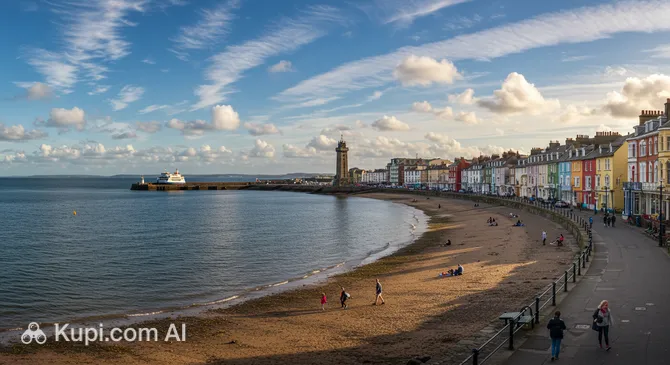
Douglas provides a diverse array of accommodation options suited to various budgets and preferences, ranging from charming Victorian guesthouses to modern hotels. As the capital and main entry point for visitors, it has the highest concentration of places to stay on the island. The most iconic feature of the town's hospitality scene is the sweeping row of hotels and bed-and-breakfasts lining the seafront, offering guests immediate access to the beach and stunning views over the bay.

The Douglas Promenade is undoubtedly the most popular area for tourists to base themselves. Staying here places you within walking distance of the town center's shops, restaurants, and the main transport hubs, including the Sea Terminal. This two-mile stretch is dotted with traditional guest houses that have welcomed visitors for decades, providing a cozy, home-away-from-home atmosphere. For those seeking more independence, there is also a growing selection of self-catering apartments and holiday rentals available in and around the town center.

A crucial tip for booking accommodation in Douglas is to plan well ahead, particularly if your visit coincides with the famous Isle of Man TT Races. During this period, usually in late May and early June, the town transforms, and virtually every bed is booked months, sometimes years, in advance. Outside of this peak motorsport season and the Manx Grand Prix in August, finding a room is generally easier, but summer weekends can still be busy.

Price ranges in Douglas are generally moderate compared to major UK cities, though rates can fluctuate seasonally. You will find standard pricing for mid-range hotels and guesthouses, with premium rates for sea-view rooms. Booking is easily done through major online travel platforms or by contacting the establishments directly, which is often welcomed by the smaller, family-run guesthouses that characterize the town's friendly hospitality.

Nearby Cities

For those looking to explore the surroundings, Douglas serves as an excellent base for day trips to several interesting nearby locations:

Located immediately to the north and merging seamlessly with the capital, Onchan offers a relaxed change of pace while remaining incredibly accessible. It is situated on high ground, providing sweeping panoramic views over Douglas Bay. The village is well-regarded for its leisure facilities, including a popular park with boating lakes and recreational activities, making it a favorite spot for a quick getaway from the town center.

Beyond the immediate vicinity, the island's compact size puts other historic settlements within easy reach. A short trip south leads to Castletown, the island's ancient capital, where visitors can explore the impressive medieval fortress of Castle Rushen. Alternatively, heading north along the coast brings you to the village of Laxey, famous for the Lady Isabella, the largest working waterwheel in the world, and its scenic glen.

City Population Distance (km)
Onchan 9172 3

These nearby destinations offer a glimpse into the diverse culture and landscapes of the region.

Shopping & Souvenirs

As the commercial heartbeat of the Isle of Man, Douglas offers the most comprehensive shopping experience on the island. While it may not rival major international fashion capitals, the town provides a pleasant and compact retail environment where visitors can find everything from British high street favorites to unique local independent stores. The town center is largely pedestrianized, making it easy to browse comfortably without the hassle of traffic.

The primary shopping district is centered around Strand Street, which flows into Castle Street and Duke Street. This bustling pedestrian thoroughfare is where you will find well-known UK chains alongside department stores. It is the busiest part of the town, always lively with locals and visitors alike. Wandering off into the smaller side streets, such as Howard Street or the areas near the Quay, often rewards shoppers with smaller boutiques, jewelers, and curiosity shops that offer a more personalized service.

For a concentrated shopping experience under one roof, The Strand Shopping Centre is the main mall located directly on Strand Street. It is easily recognizable by its red-brick architecture and serves as a convenient stop for fashion, gifts, and everyday essentials. While not massive by global standards, it houses several key retailers and provides a sheltered option on rainy days.

When it comes to souvenirs, Douglas has plenty of options that reflect the island's unique culture. The most popular items are undoubtedly related to the world-famous TT Races; you can find official merchandise, clothing, and memorabilia in dedicated shops throughout the town. For more traditional gifts, look for items made from Manx Tartan or goods featuring the iconic Three Legs of Man symbol. The shop at the Manx Museum is particularly recommended for high-quality heritage gifts, books, and prints that you might not find elsewhere.

Food lovers should not leave without picking up some local culinary specialties. Manx Kippers are a classic choice, often vacuum-packed for travel, and Manx cheese is highly regarded for its quality. For those with a sweet tooth, "Manx Knobs"—a traditional hard boiled sweet—and locally made fudge are delightful treats to bring home. While there isn't a permanent large-scale covered market, the town occasionally hosts farmers' markets where you can buy fresh produce directly from local growers.

Shopping hours in Douglas generally follow the standard UK pattern, with most stores opening from 09:00 to 17:30, Monday through Saturday. Sunday trading is available but hours are typically reduced, often from 11:00 or 12:00 until 16:00 or 17:00. Payment is straightforward, with major credit and debit cards (Visa and Mastercard) widely accepted. Be mindful that while UK pounds are accepted alongside Manx pounds, you should try to spend your Manx currency before leaving, as it is not legal tender in the UK.

Reached the end of the page?

That means the route is fully explored